moving tatami by josé lévy for daiken at maison et objet
the fabric which is commonly applied to japanese flooring has been translated through to other furniture products.
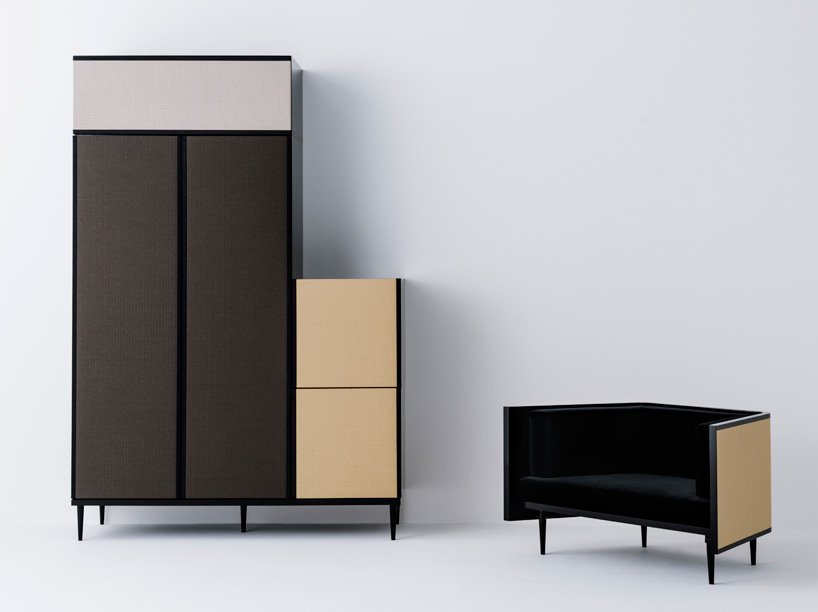
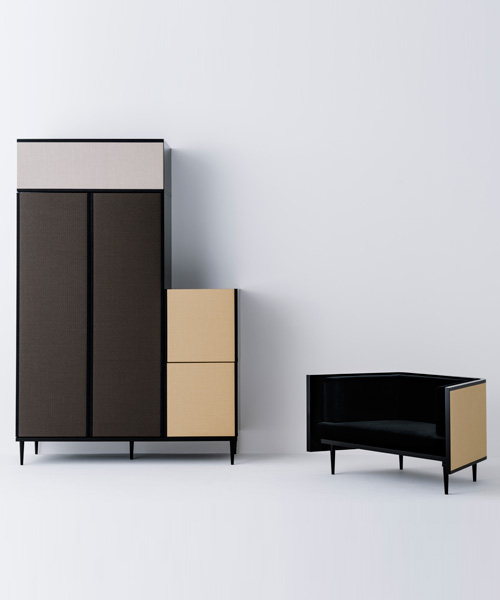
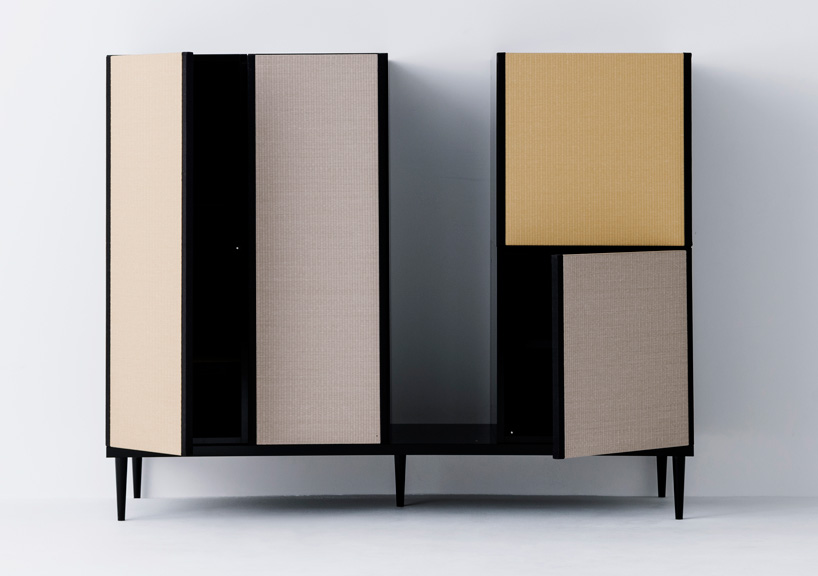
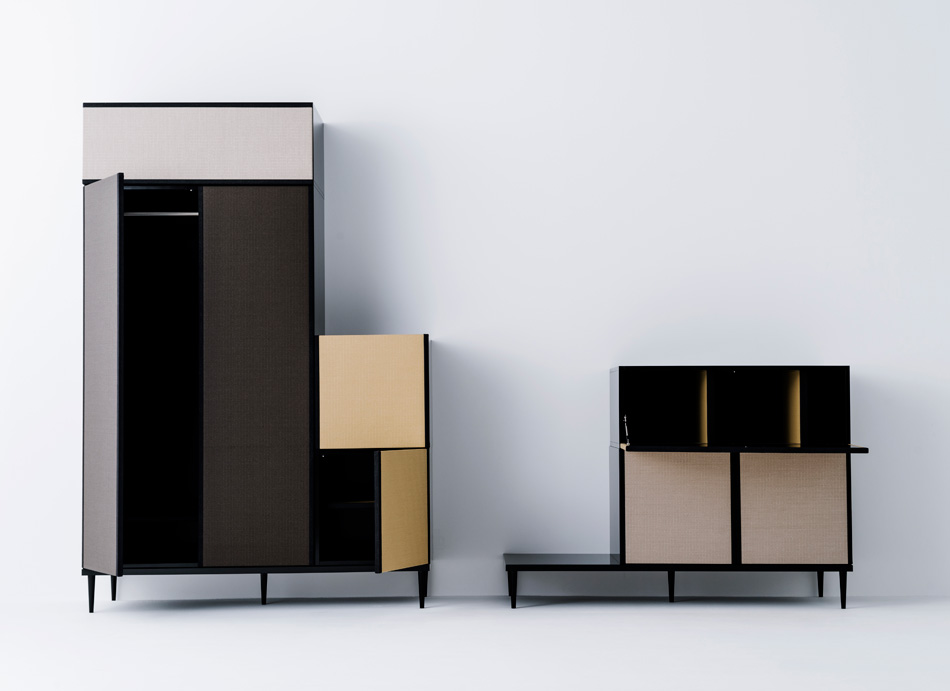
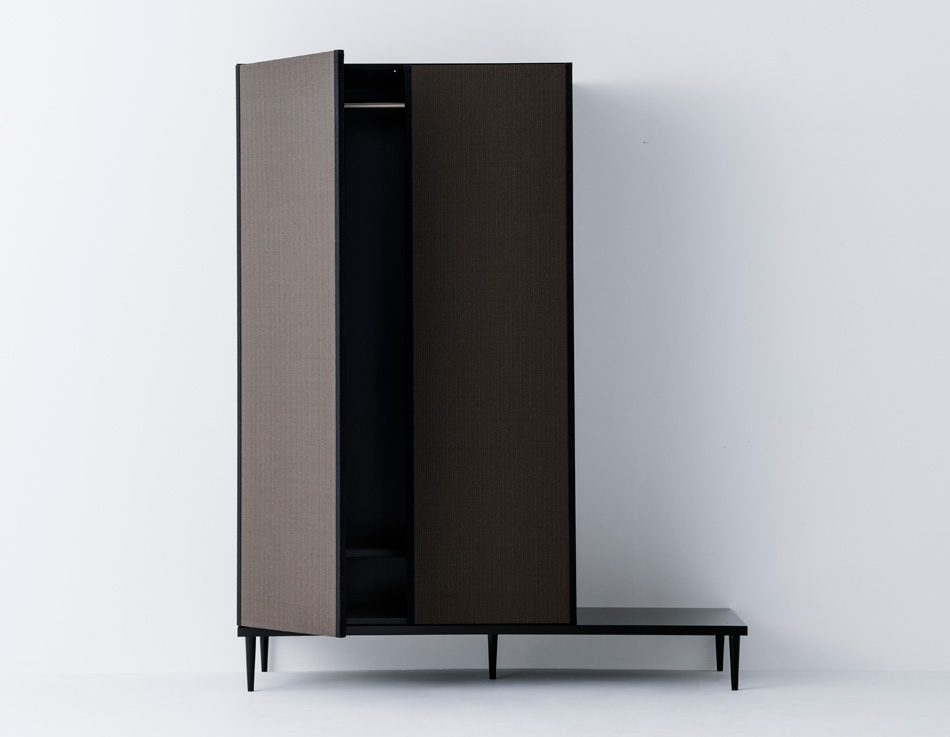
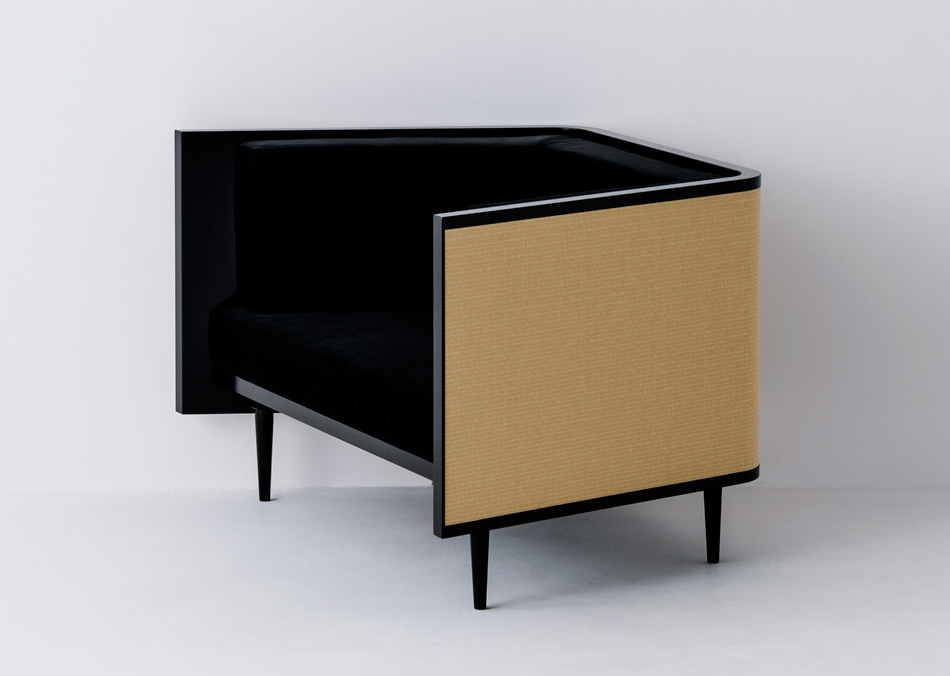
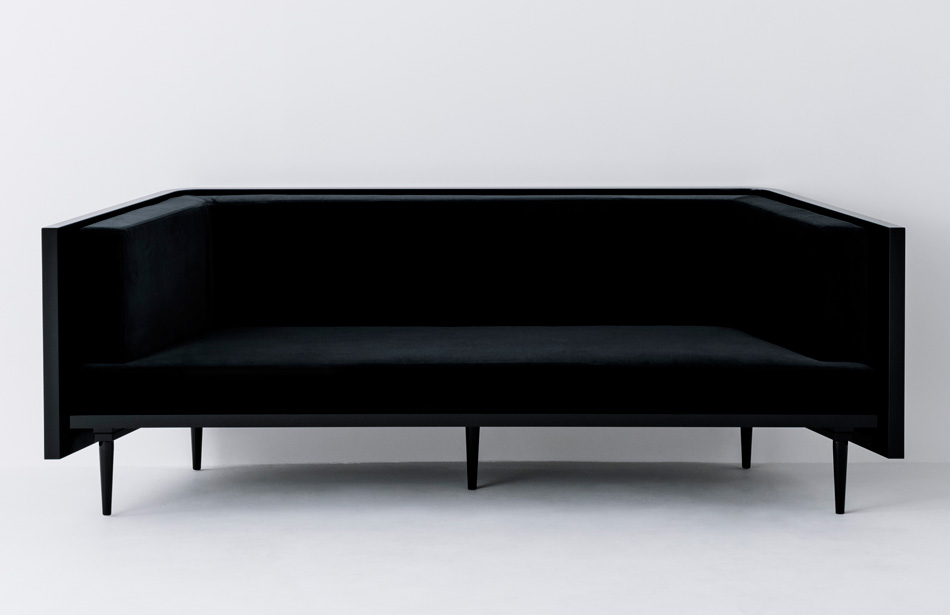
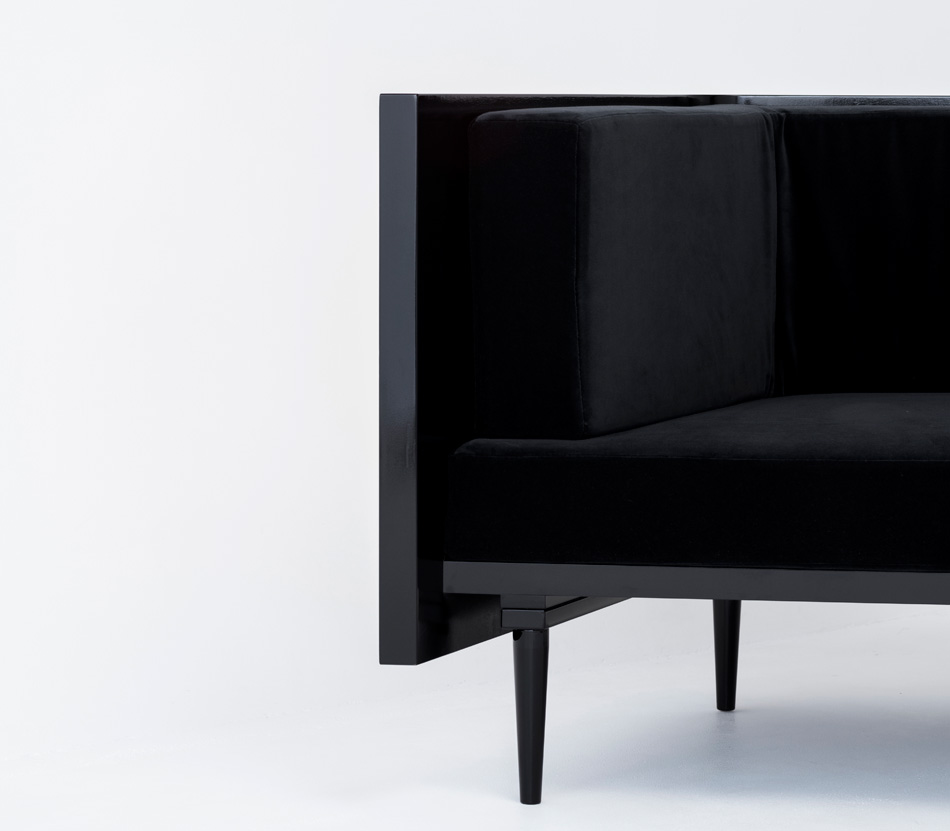
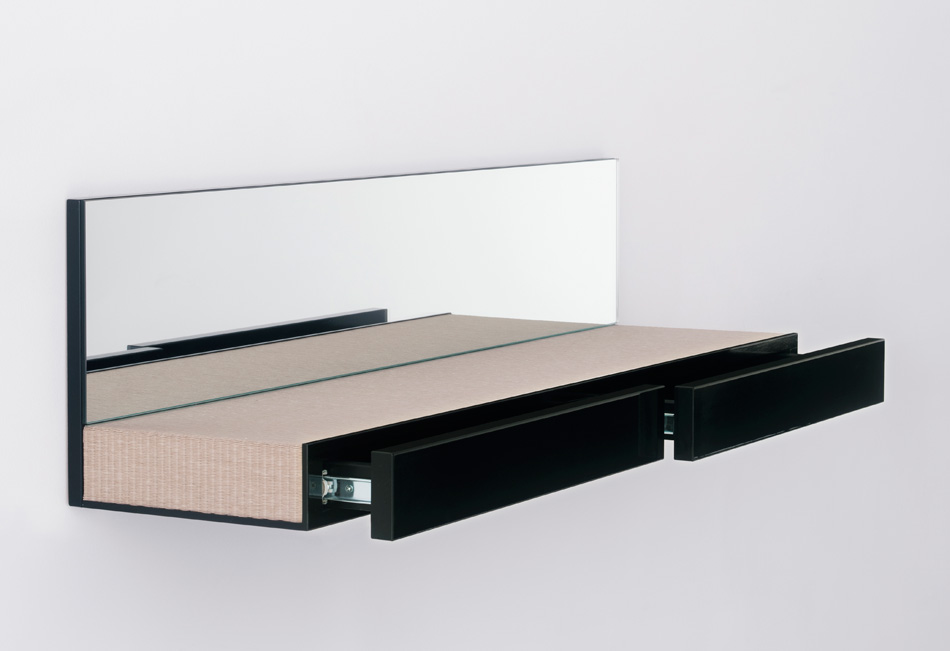
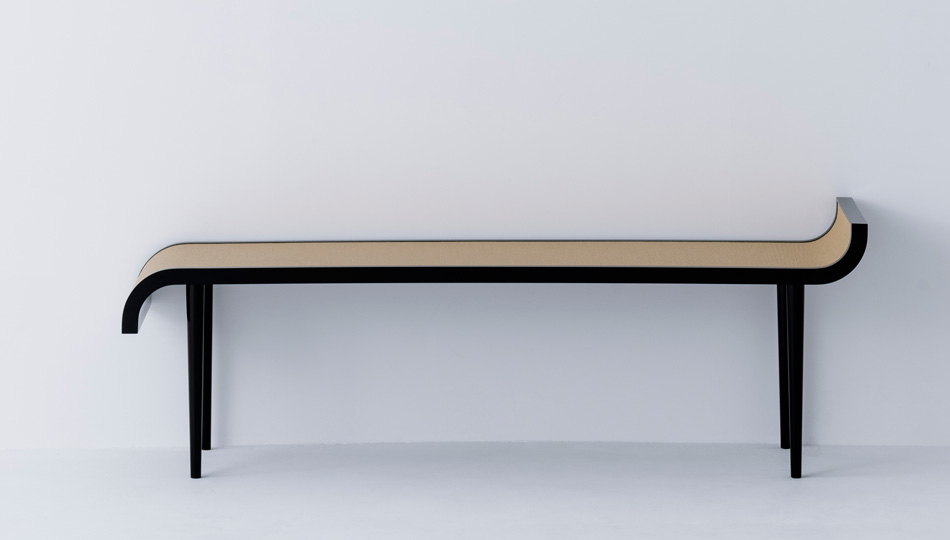
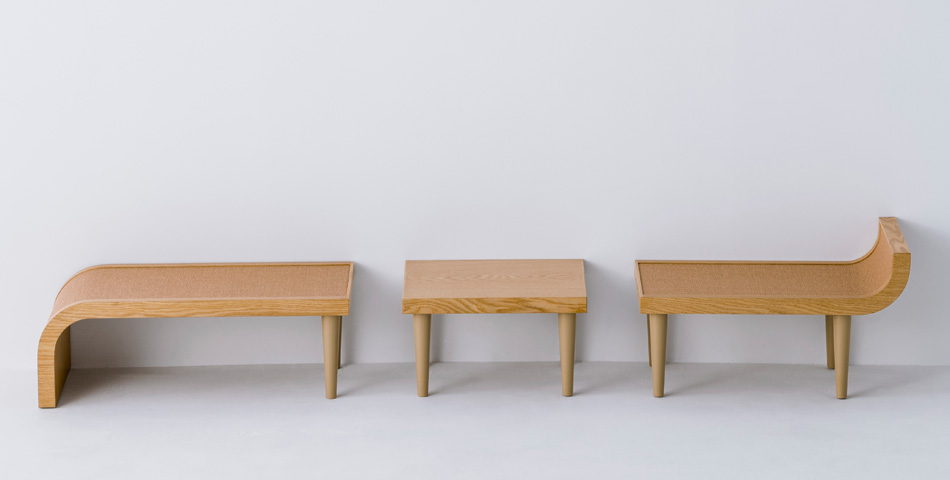
maison et objet fall: french creator and designer josé lévy introduces ‘moving tatami’ for daiken, the first collection to be produced using the traditional japanese material. the fabric which is commonly applied to flooring has been translated through to other furniture products including: a sofa, armchair, bench seats, stools, side tables, a storage cabinet and shelving. a change of function was requested by the home building manufacturer in order to consider this material in a new light and move away from its traditional use.
‘moving tatami’ for daiken is the first collection to be produced using the traditional japanese material
the tatami for this project is woven from japanese traditional paper wa-shi and not straw to provide better resistance. the overall feel can be seen as a series of ideograms forming a reinterpretation of the ancient art, revealing the french designer’s particular sensitivity, and respect for japanese culture. josé lévy has defied visual codes and materials for this collection, raising washitsu elements from the ground giving shape to a unique range of light and elegant furniture.
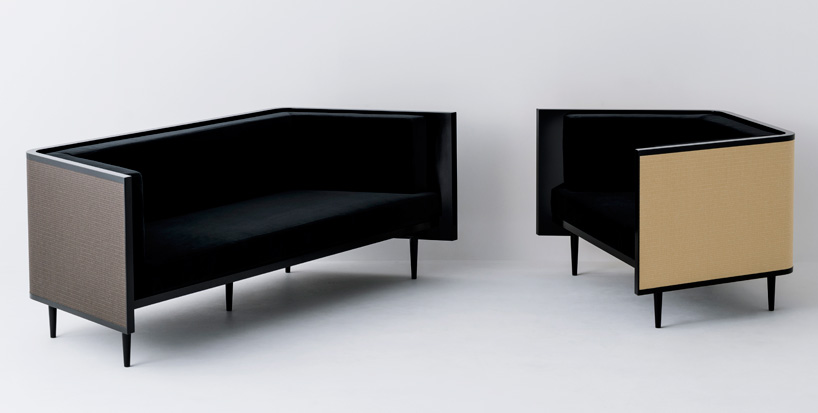
the tatami for this project is woven from japanese traditional paper wa-shi
japan and tatami are dear to the designer instigated by a love affair that runs in the family. at the start of the 60s, anatole, josé lévy’s grandfather, founded judogi manufacturing kimonos, hakama and katana in japan. ‘I encountered japan early on thanks to him. it was my first experience of anything exotic, of some other place, of the ‘unusual yet beautiful.’ all these objects fascinated me. they were very important in my relationship with anything foreign, beautiful, dreams and distinction. in the 70s, people travelled less, japan seemed very, very far away,’ josé lévy recalls.
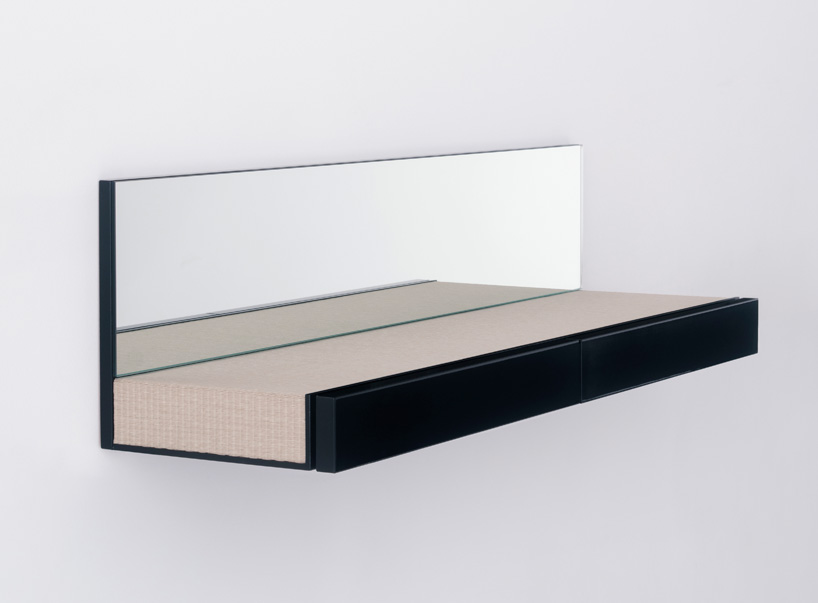
the overall feel of the collection can be seen as a series of ideograms
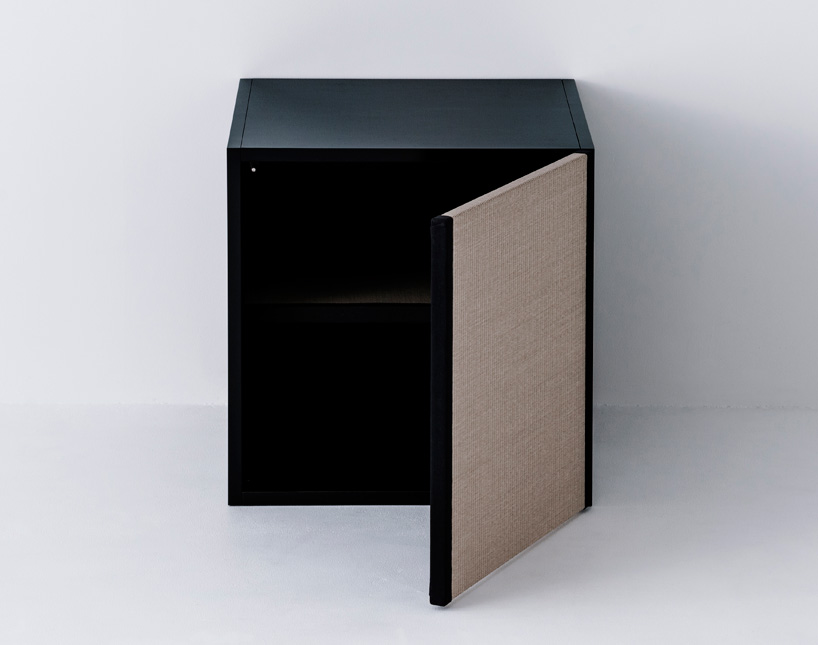
the collection reveals the french designer’s particular sensitivity, and respect for japanese culture
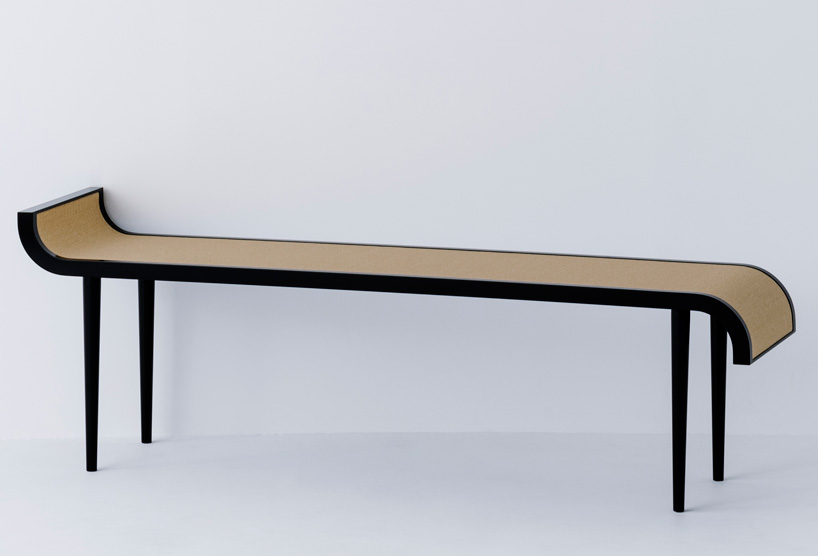
tatami is always found in at least one room in each japanese house
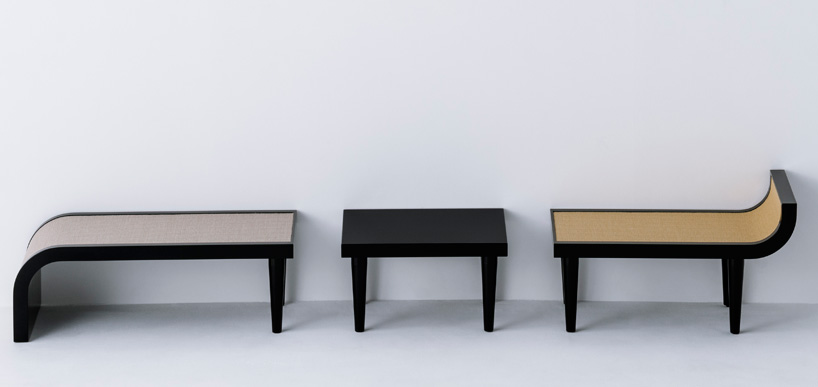
asymmetrical side tables delightfully curve downwards
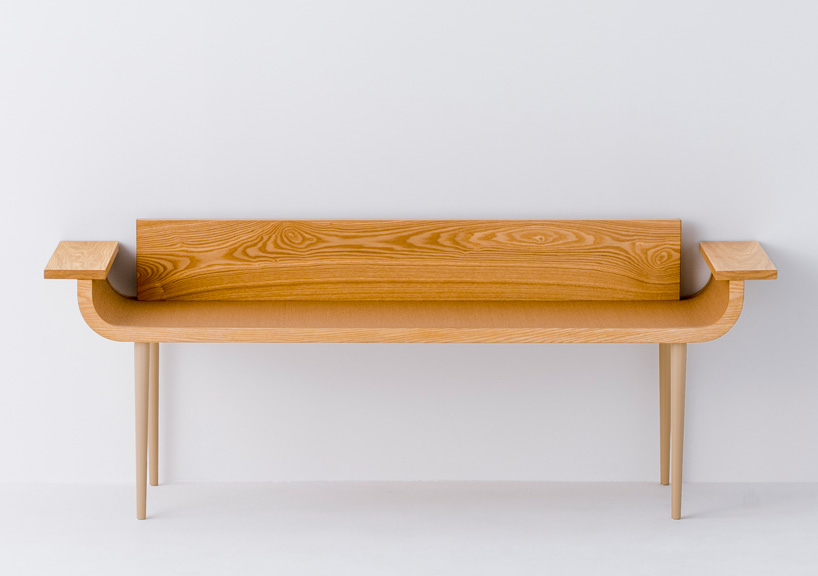
a change of function was requested by daiken
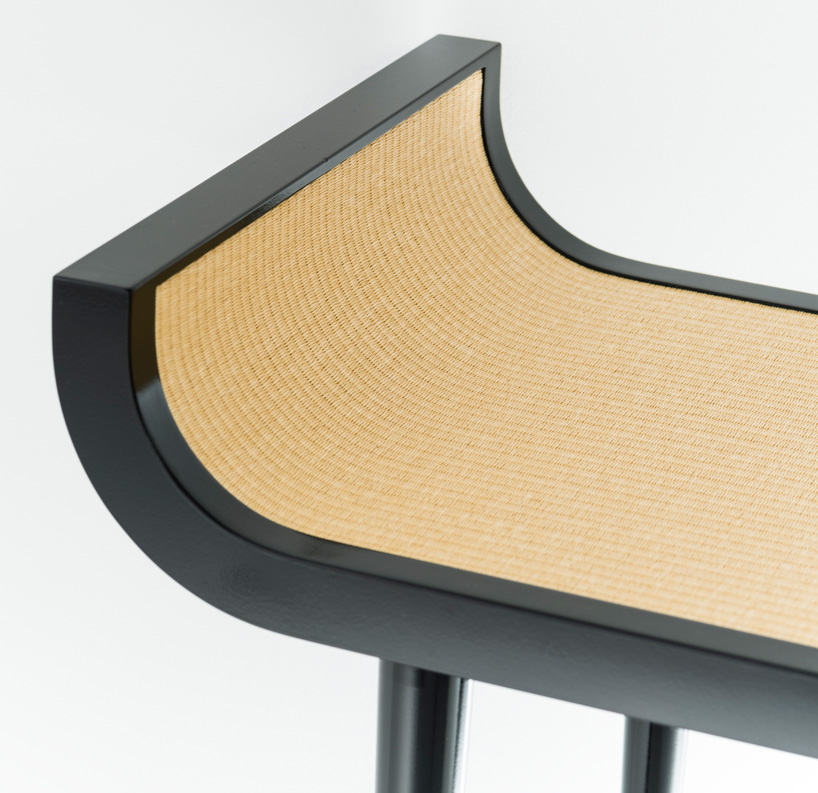
the matt tatami contrasts with the gloss lacquer and the waxed wood
1/8