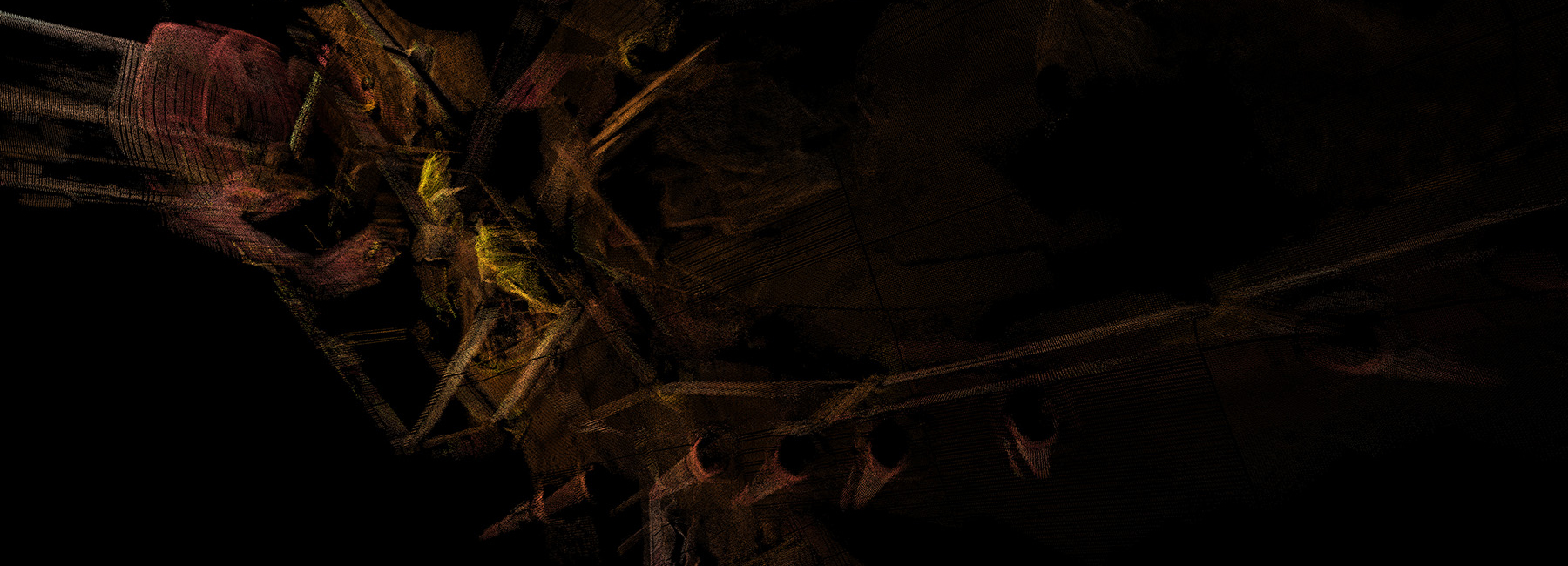
the palimpsest: a collective memory of architecture, recorded through virtual reality
the project combines 3D scanning and virtual reality to build collective memories of places and communities that might otherwise be lost through redevelopment or construction.
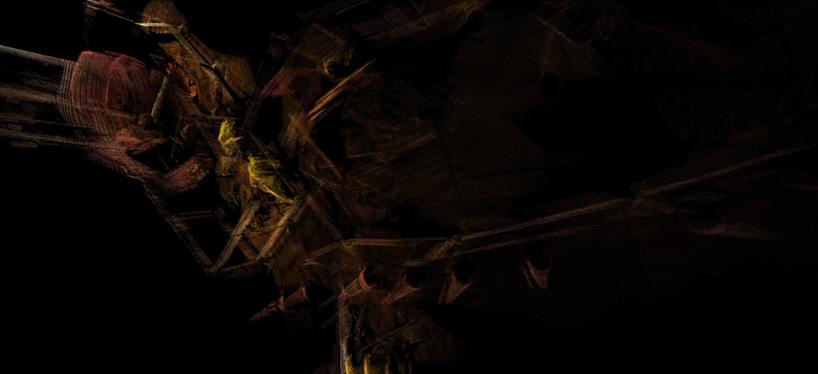
developers at the interactive architecture lab at university college london have created software to record and combine the past, present and future architectures of the city in a single virtual space. created by j. russell beaumont, takashi torisu, and haavard tveito, the project aims to make planning practices more inclusive by using new technologies to put communities, governments, and developers in conversation.
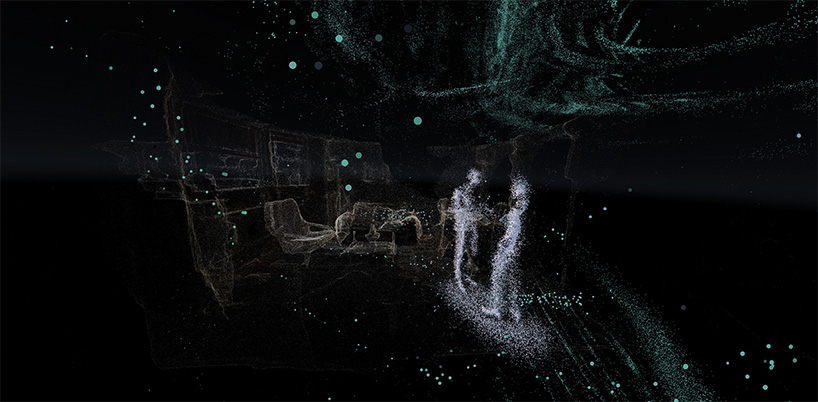
the project aims to make planning practices more inclusive by using new technologies
the initiative is entitled ‘the palimpsest’, after the phenomenon of single documents containing multiple texts that are hidden or partially removed. it combines 3D scanning and virtual reality to build collective memories of places and communities that might otherwise be lost through redevelopment or construction. in this first iteration of the project, the interactive architecture lab has used the ‘high speed rail 2’ (HS2) line — set to run through camden borough in london — as their case study. the rail will change the face of camden both physically and socially, and the palimpsest aims to record the stories of camden residents, some of whom will lose their homes, communities and workplaces.
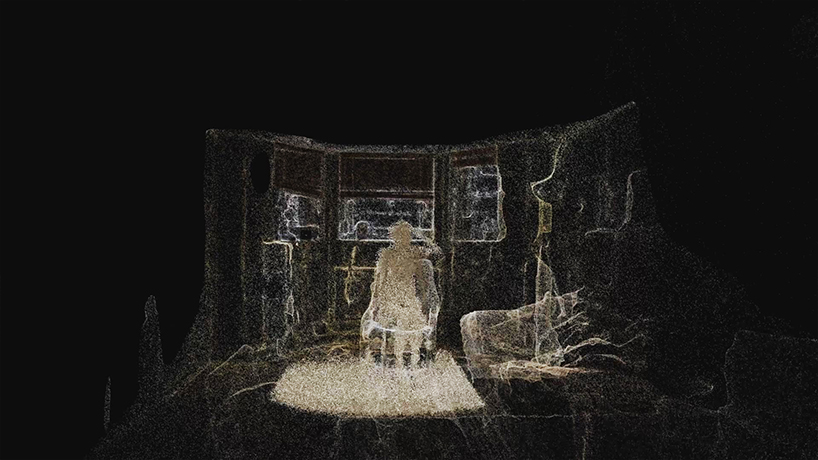
environments that will be lost can be archived and discussed
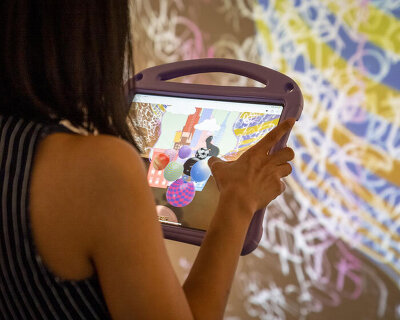
using accessible, low-cost and hacked devices, people can record 3D videos of themselves and make 3D scans of their homes or favourite buildings. through the palimpsest, scans are layered over physical places and each other and can be experienced in virtual reality, allowing multiple versions of the city to exist simultaneously. the current installation in the bartlett school of architecture lets viewers wander through full-scale digital scans of local pubs, homes, drummond street, and the historic st. james’ gardens — all of which are slated for partial or total demolition for HS2. exploring the world in 1:1 scale, viewers come across 3D recordings of people expressing their views, and sharing their opinions on the project. the content is rendered in a dream-like quality with drifting particles and blurred boundaries between past, present, and future conditions, inviting the viewer to listen to the stories and the people they represent instead of focusing on a hyper-realistic digital rendering.
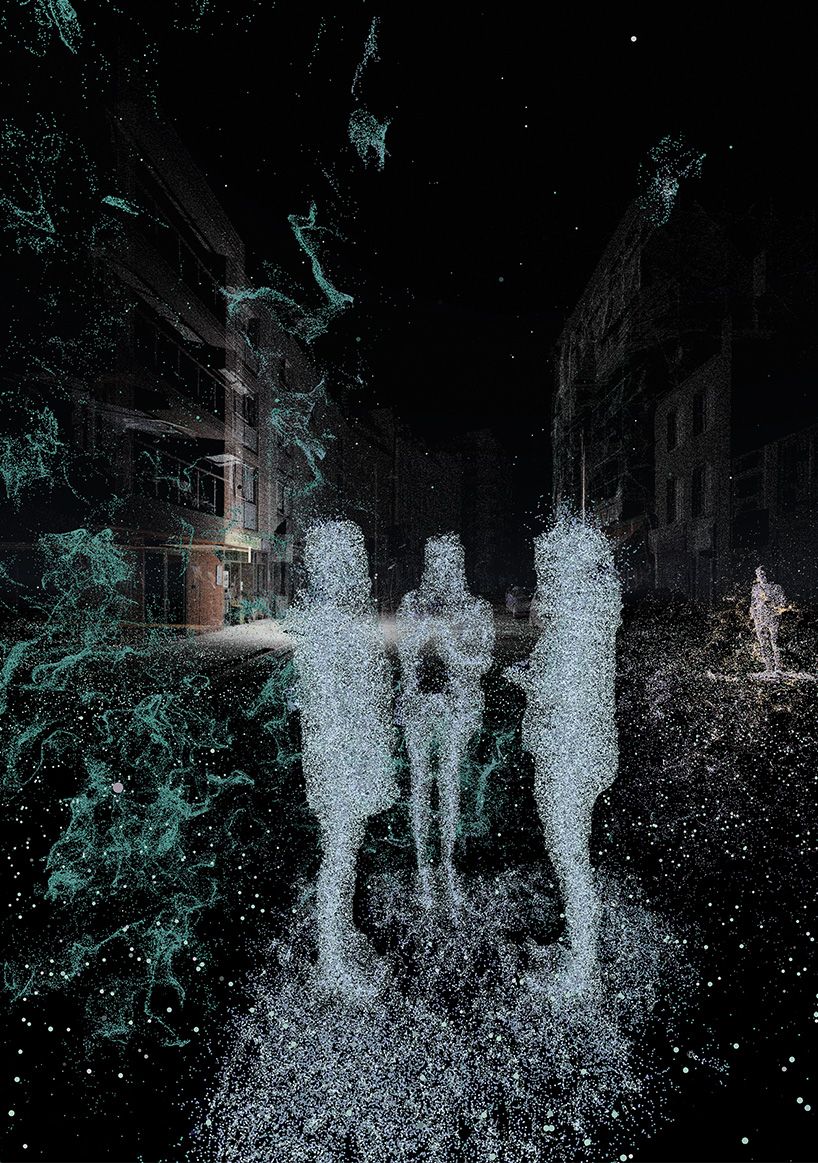
the use of 3D interviews gives the user a sense of visceral immersion
as 3D scanners and VR software become standard in smartphones, 3D content will be produced and consumed at an enormous scale. strong advocates of the free software movement, the creators of the palimpsest believe this content can be used to both preserve parts of the city that will be erased and question what gets rewritten in their place. recording, preserving and sharing your memories of the city may soon be as easy as opening a camera on your phone.
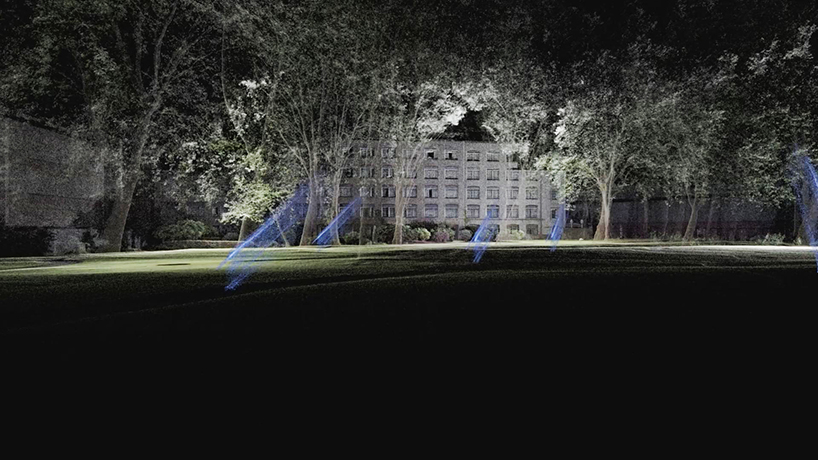
the memories are stored in the public space of st. james’ gardens
Virtual reality is explored as a platform for discussion and participatory design
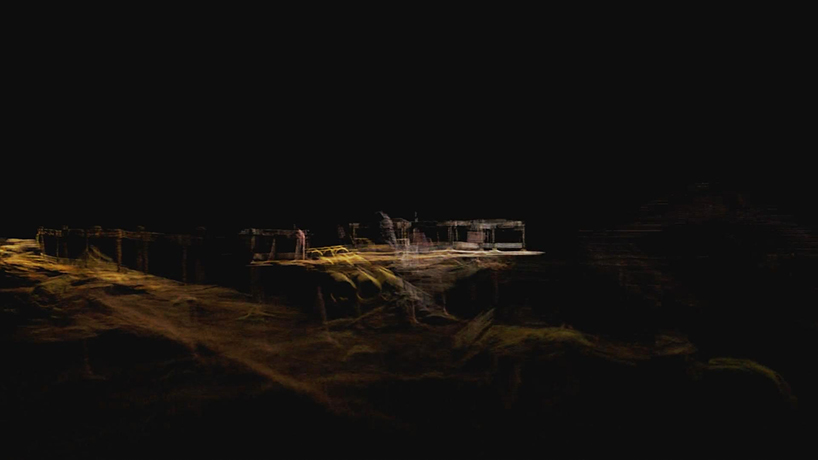
the experience enables you to experience past present and future at the same time
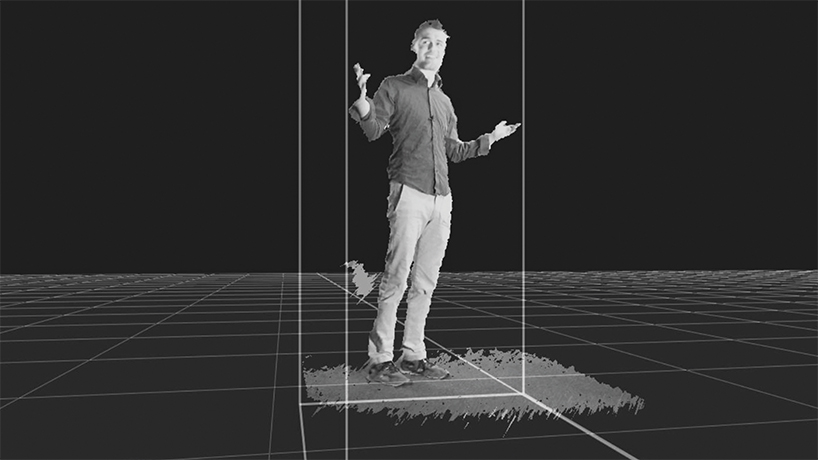
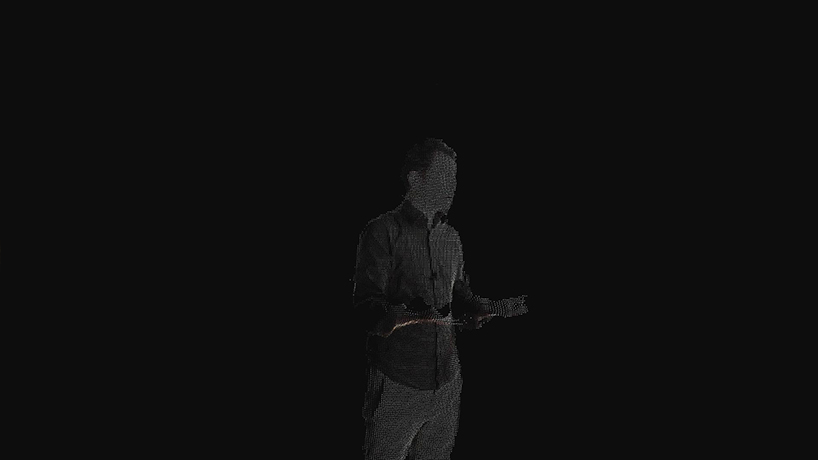
the interviews were recorded using a depth sensing camera
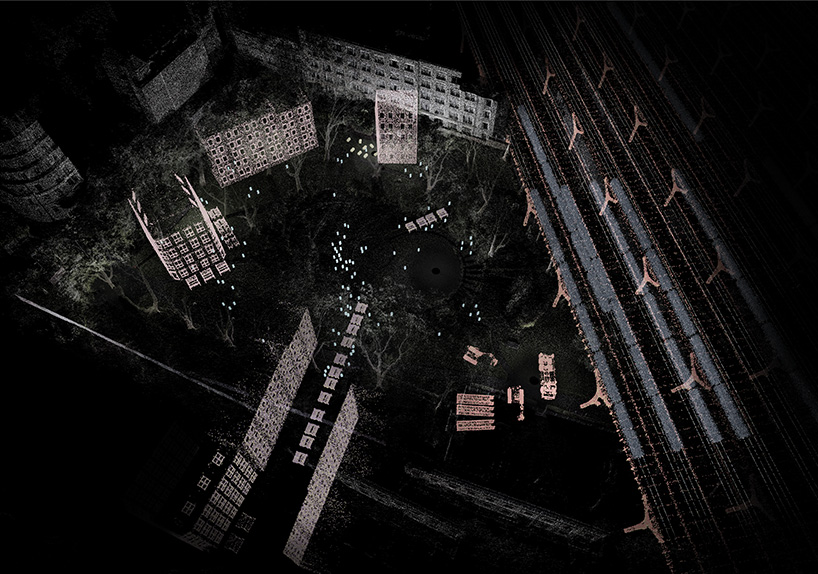
the overview of st. james’ gardens shows an ever expanding virtual canvas
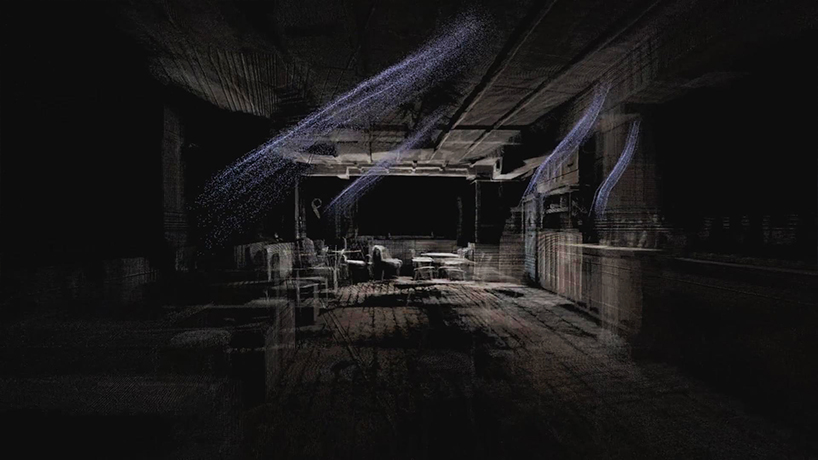
the palimpsest becomes a shared virtual memory of a local community
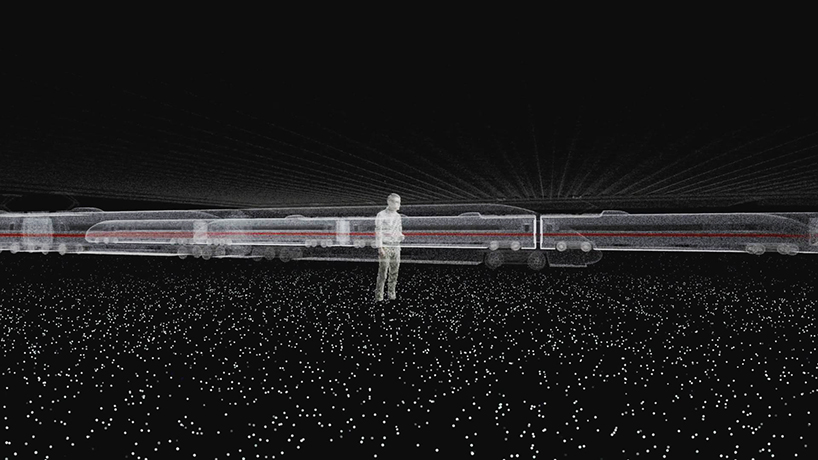
the expansion of HS2 as seen in the palimpsest
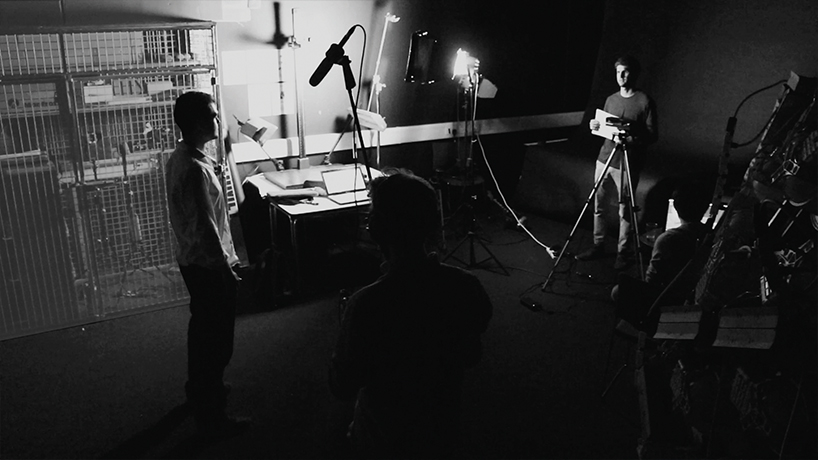
recording the interviews for narratives for the palimpsest
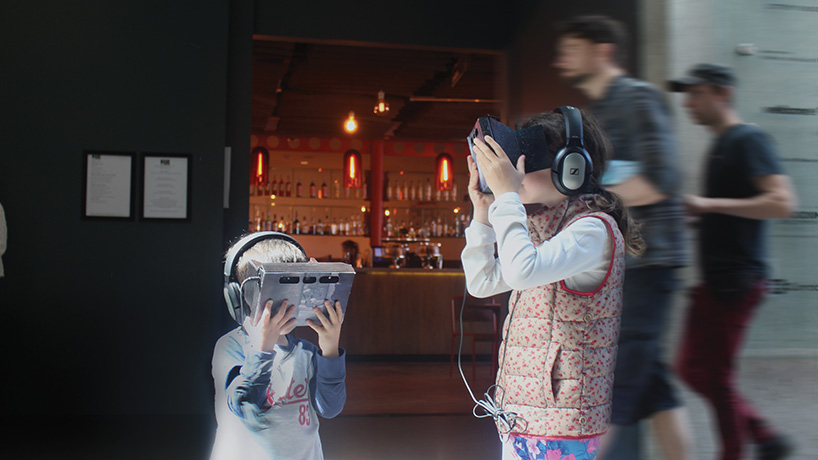
the possibility of social and shared VR experiences opens up new design opportunities
designboom has received this project from our ‘DIY submissions‘ feature, where we welcome our readers to submit their own work for publication. see more project submissions from our readers here.
shop
your own online design shop — no sales commission collected