KTGY converts vacant big-box stores into housing for homeless individuals
in 're-habit', the firm's research+development studio proposes a mixed-use program that combines self improvement and recreational facilities with housing.
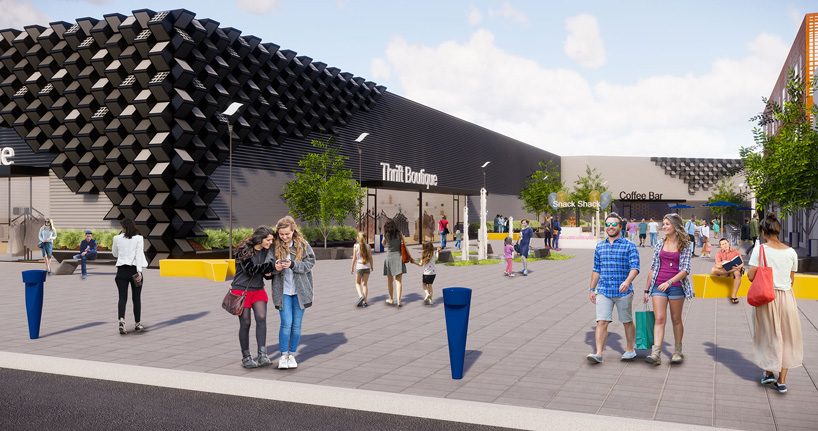
international firm KTGY architecture + planning proposes re-habit, a plan to convert vacant, big box stores into smaller retail spaces and units to provide housing, employment, and support for homeless individuals. developed by the firm’s research + development studio, the project brings together two ongoing issues in the US, the homelessness crisis and the record number of closing big box stores, such as macy’s JC penney, and sears, repurposing those into self-supporting, mixed-use transitional housing.
 all images courtesy of KTGY, research + development studio
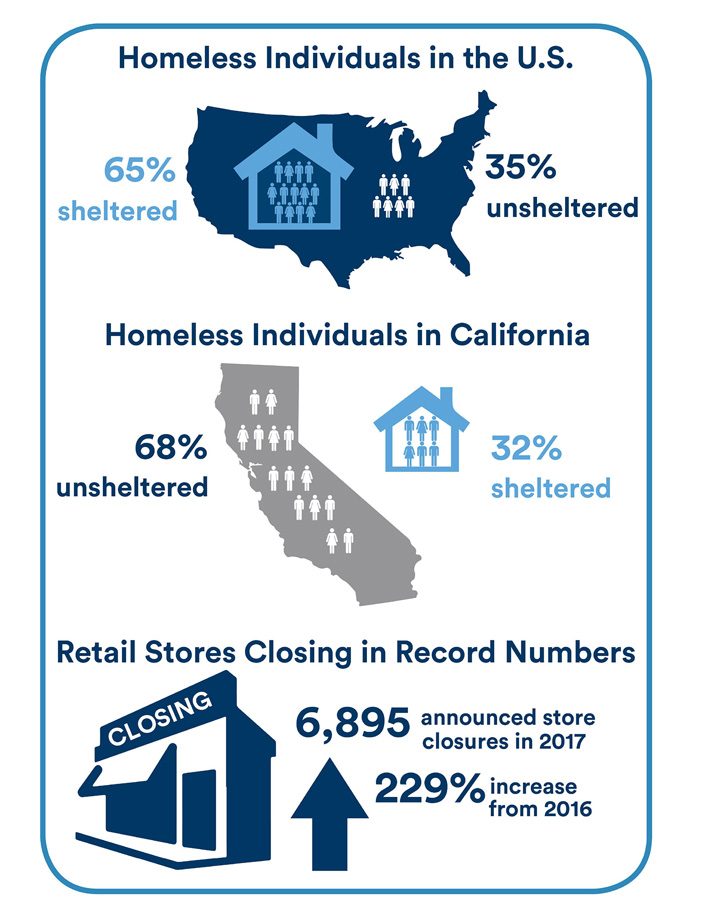
according to the US department of housing and urban development, the country’s homeless population has increased significantly between 2016 and 2017, counting 553,742 homeless individuals. tapping onto the ongoing trend of repurposing vacant big box stores, KTGY‘s research + development studio is proposing an alternative that addresses the homeless crisis while at the same time providing a creative solution for underutilized retail spaces.
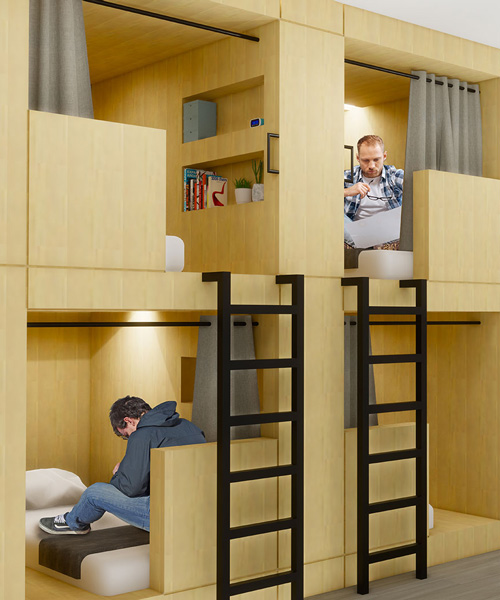
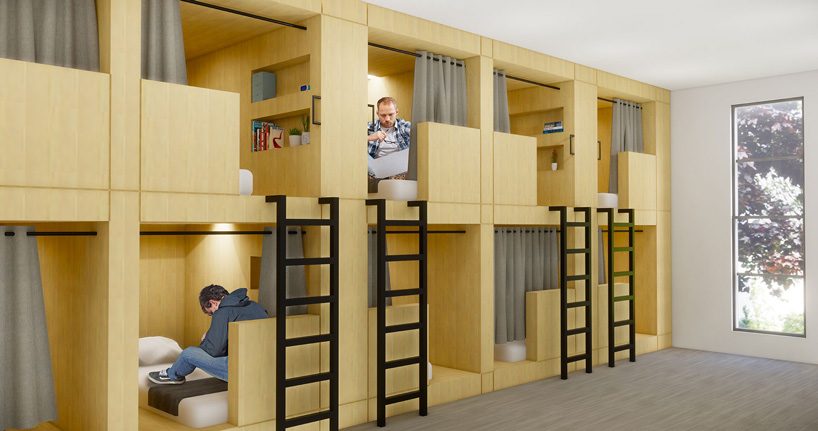
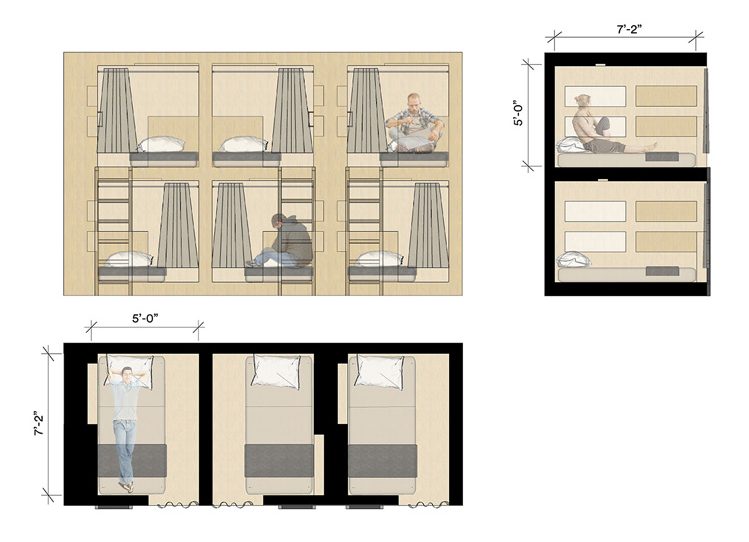
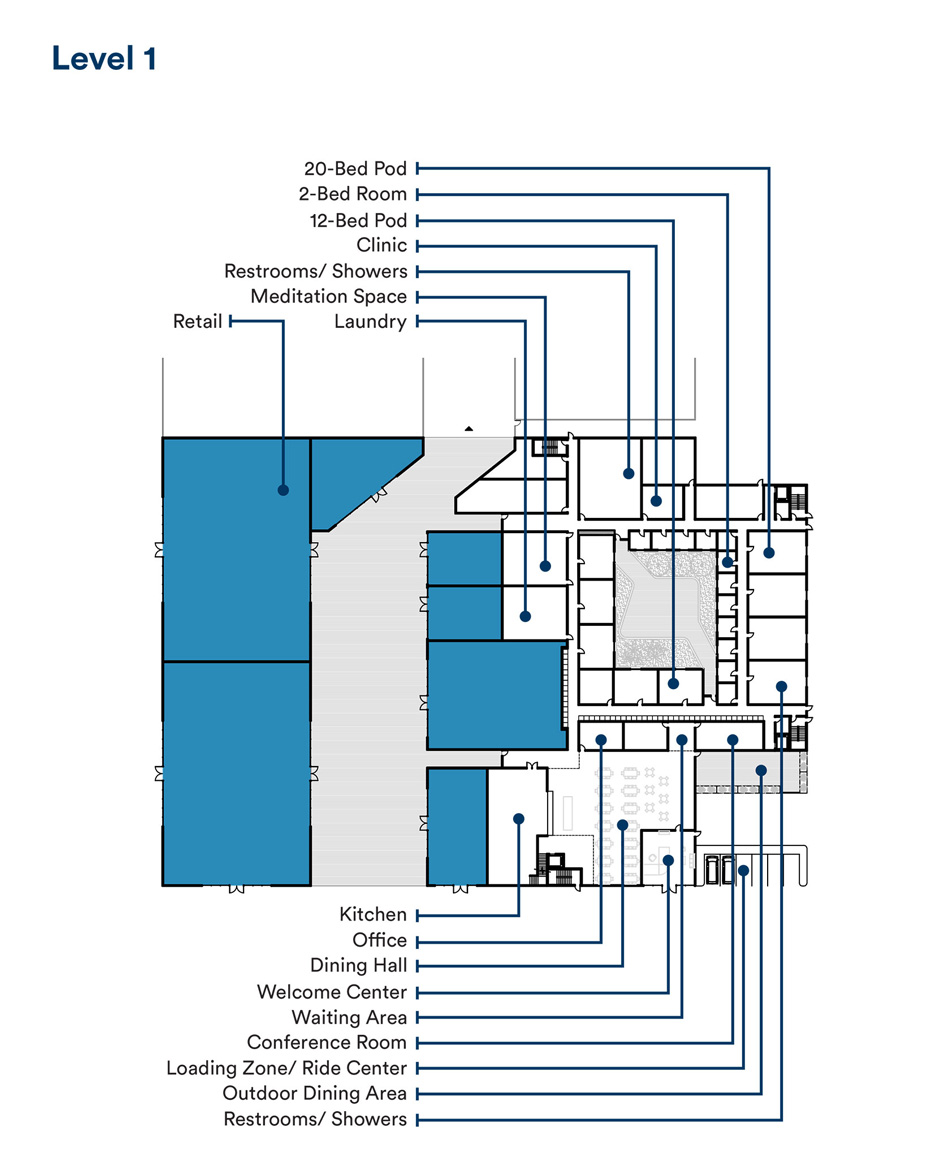
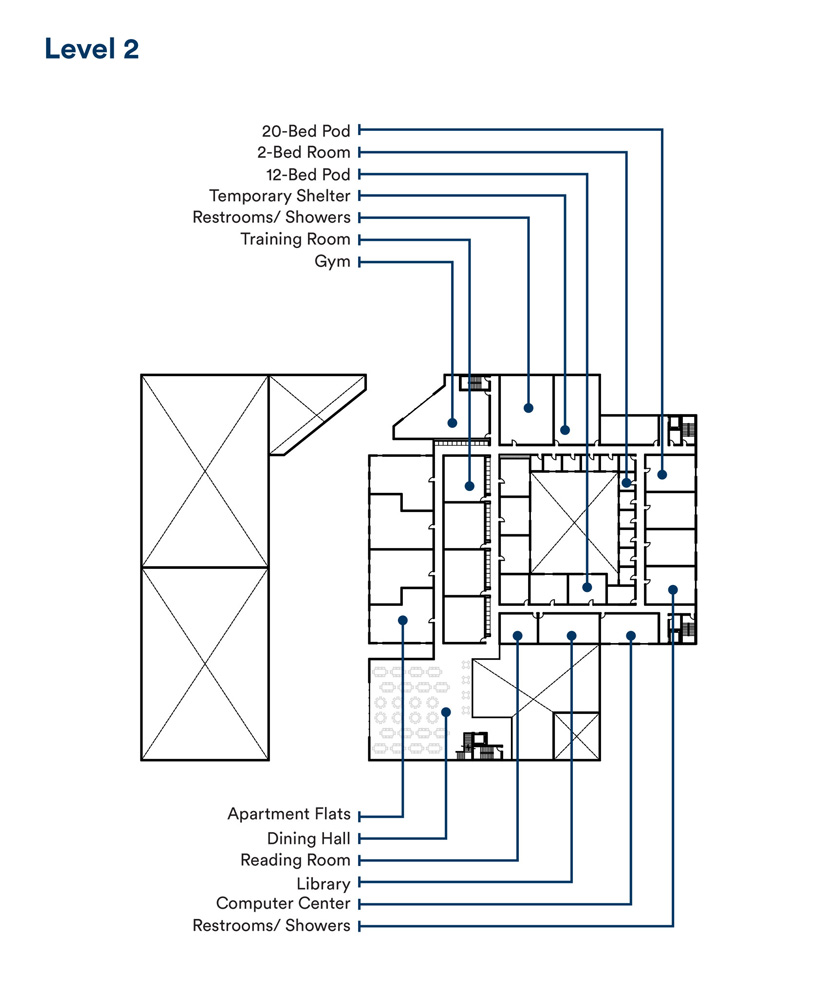
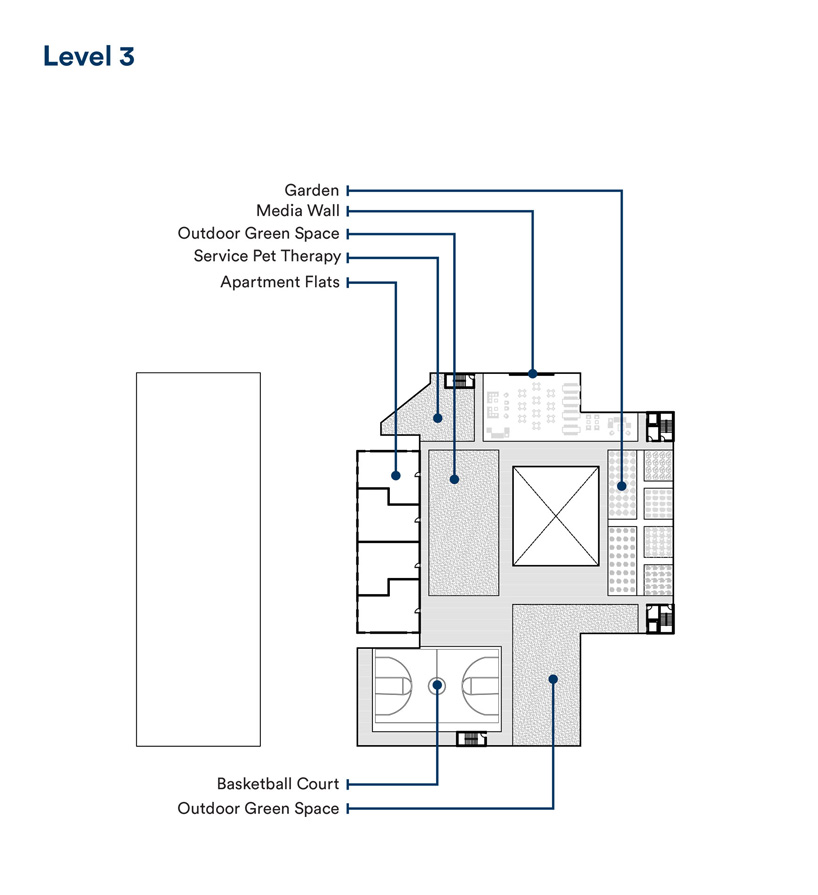
‘living without a home not only endangers individuals’ health and safety, but is also a significant barrier to obtaining and keeping a means of employment,’ notes the studio, ‘shelter is a necessity for all, and providing housing is one way to ease suffering and support individuals seeking to break a cycle of poverty.’ the re-habit project features a mixed-use program that combines self improvement and recreational facilities with housing. four types of sleeping accommodation give residents the option to choose between a 20-bed pod, 12-bed pod, a 2-bed room, and eight individual apartment units.
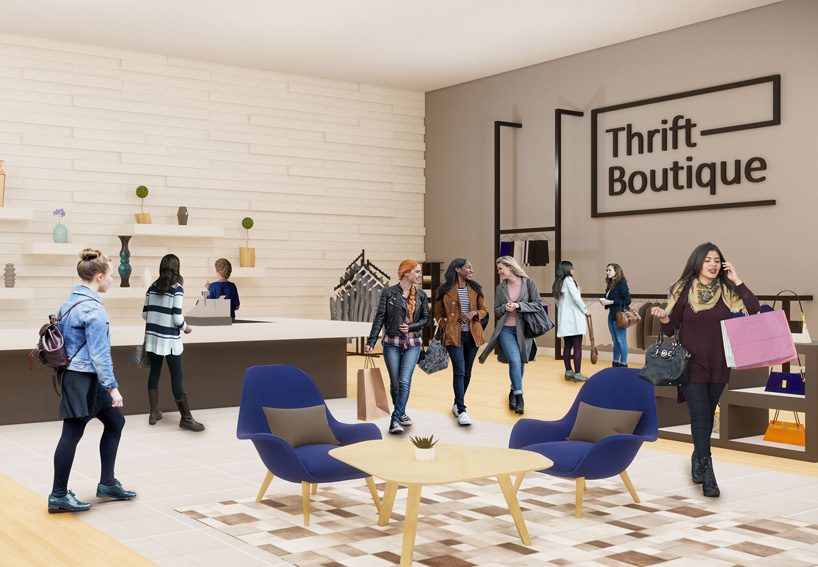
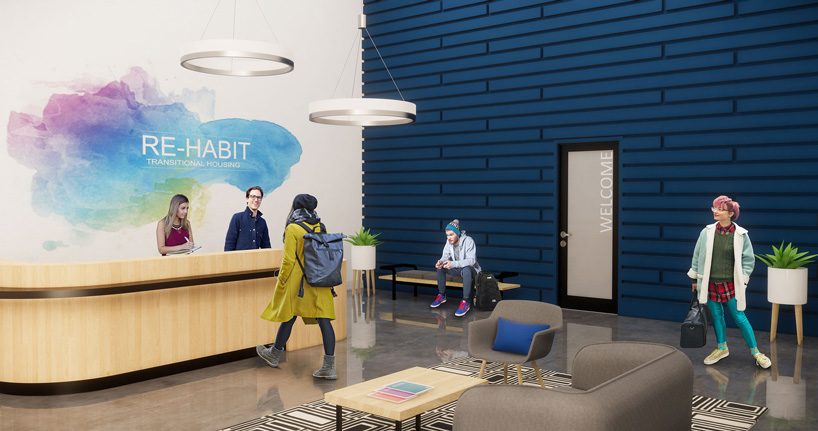
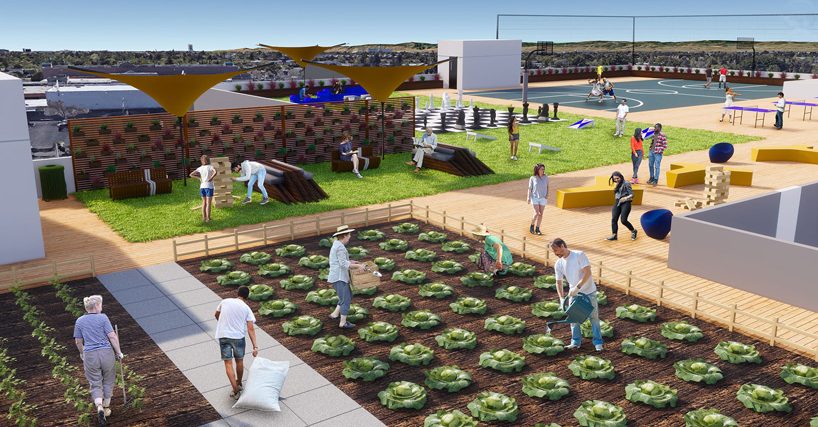
an entry path to the mall is surrounded by retail spaces of varying sizes, completed with renewable energy features such as photovoltaic facades. homeless individuals enter the transitional housing program through the welcome center, where they can also register for training and employment. residents can grow fresh ingredients to be used for cooking in their kitchen and for selling at the small food shops,while the dining hall operates with a rotating chore system, where everybody is responsible for either working in the kitchen or keeping the space clean.
shop
your own online design shop — no sales commission collected