FENDI’s roman molds collection by kueng caputo references its rome HQ at design miami/
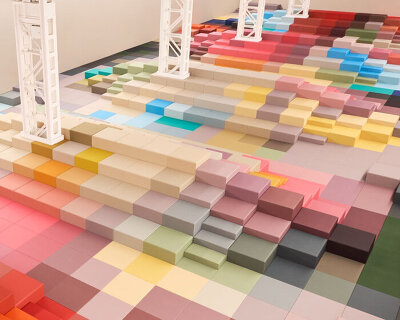
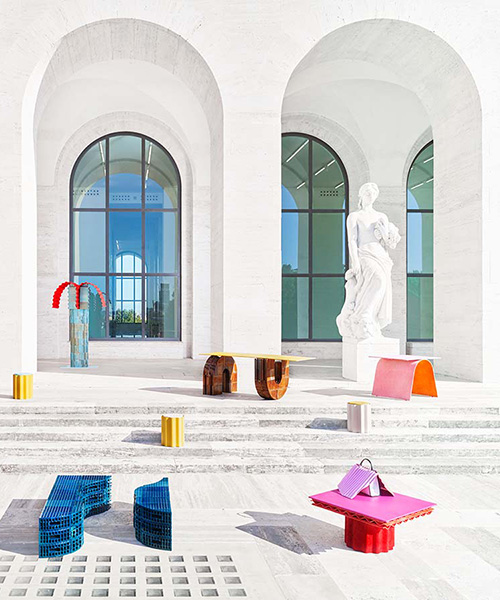
comprised of ten pieces, the collection is meant to be building blocks that once multiplied, would create a series of intimate rooms.
designed by architects giovanni guerrini, ernesto bruno lapadula and mario romano, and inaugurated in 1940, rome’s palazzo della civiltà italiana is one of the city’s most well-known buildings. initiated in 1935 by benito mussolini for the planned 1942 world exhibition, and envisioned as a symbol of fascism for the world, the building is home to FENDI since 2015. for the 2019 edition of design miami/, the italian fashion house has commissioned zurich-based studio kueng caputo (lovis caputo and sarah kueng) to create ten design pieces intended to decorate the exterior colonnade of its iconic headquarters.
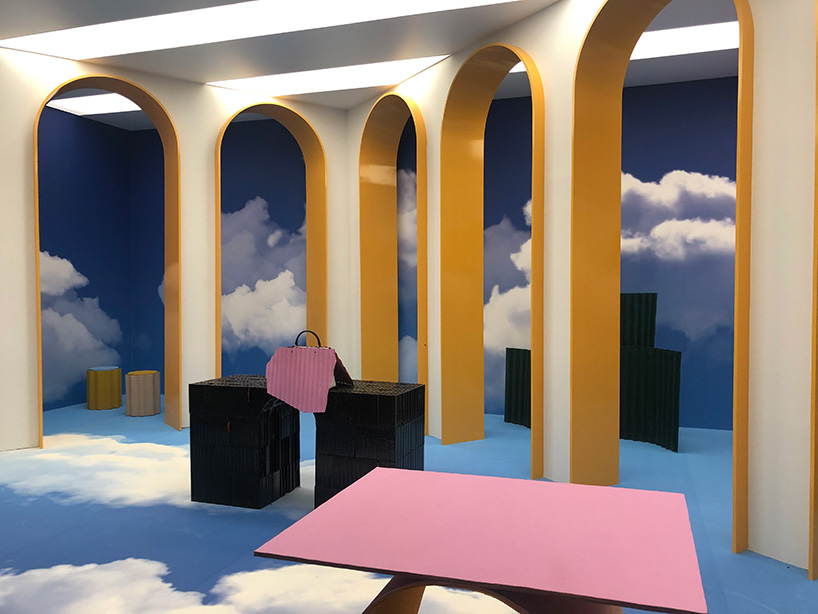
image © designboom
in roman molds — the name given to the project — rome’s palazzo della civiltà italiana served as the starting point for kueng caputo’s exploration of the ways in which the building and FENDI DNA interact. the resulting collection presented at design miami/ during miami art week 2019 captures the tension that has historically informed much of the house’s best output—traditional craft disrupted by innovation. comprised of ten pieces, the collection is meant to be building blocks that once multiplied, would create a series of intimate rooms for socializing, escaping, and working on the grand loggias of the palazzo della civiltà italiana.
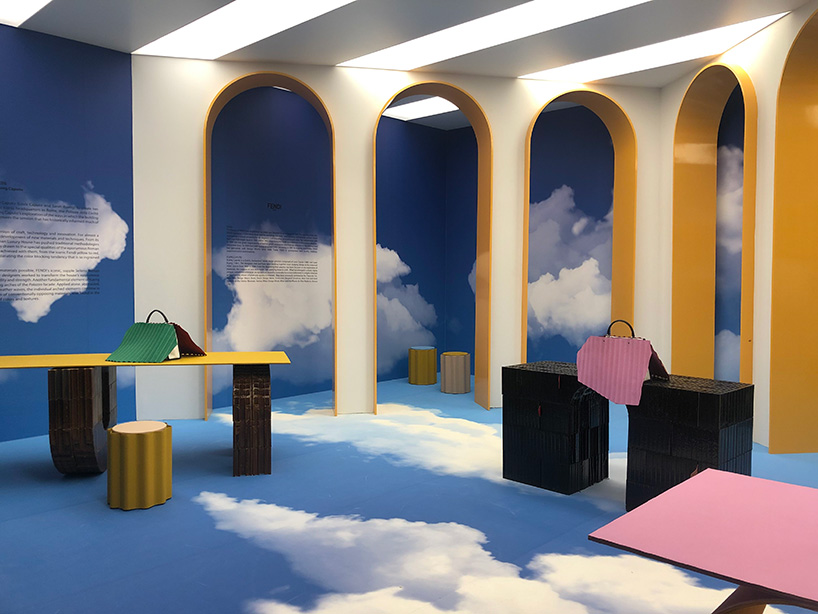
image © designboom
founded almost a century ago, FENDI’s mission has continued to be the same: to redefine luxury through the development of new materials and techniques while pushing traditional methodologies and handcraft in new directions. when creating roman mold, kueng caputo had in mind also the ‘made in italy’ principle, something that FENDI represents through the union of craft, technology and innovation. driven by this spirit, the designers combined two of the most divergent materials possible: FENDI’S iconic supple selleria roman leather and the versatile, yet unpretentious terracotta brick. the natural, delicately pebbled surface of the leather has a unique depth of color and feel and inspired the duo to explore its many possibilities.
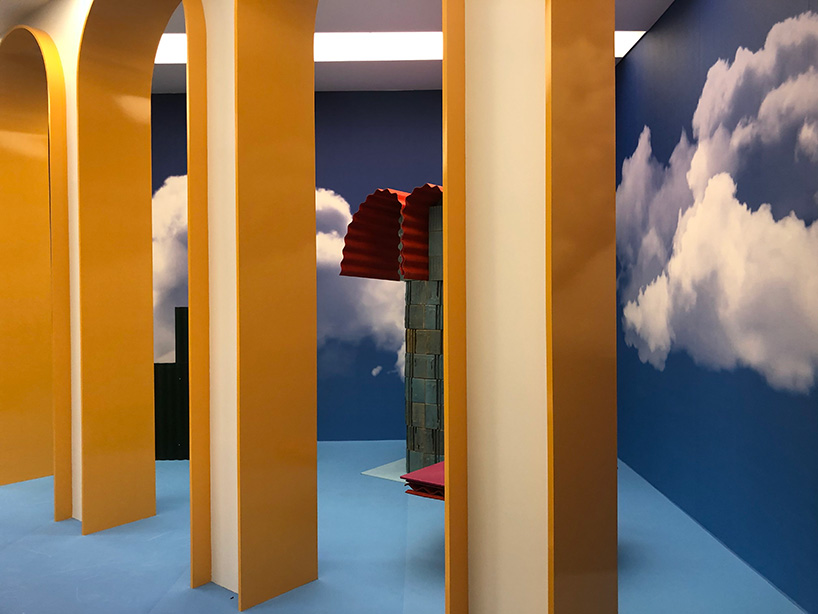
image © designboom
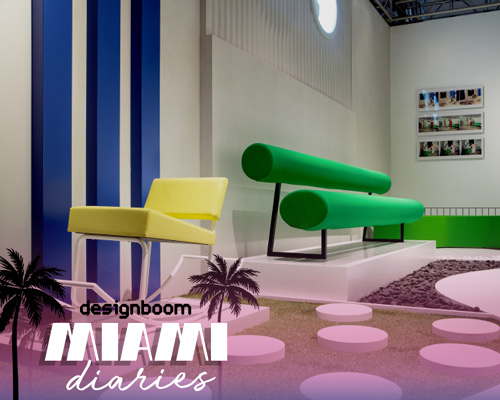
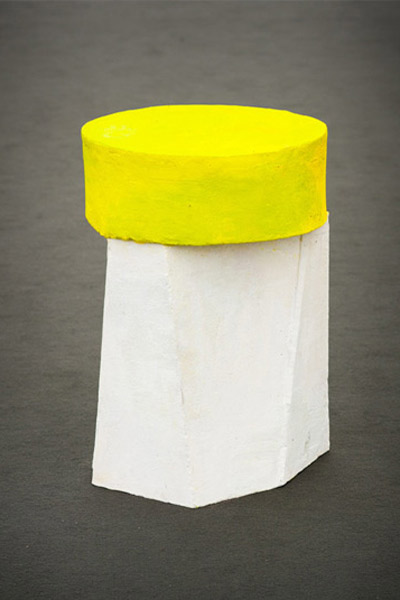
roman molds, the family of ten colorful and experimental pieces, features, among others, a bench in shades of green and blue, wavy stools with lively nuances combined with the most delicate pastels, and a table with a pink outer surface that surprisingly reveals an orange arched based. with the collection, the designers worked to transform the house’s eponymous soft leather into a structural material, giving it solidity and strength. their aim was to push the material to look and feel different than usual expectations of leather by molding and forming it into seemingly weight-bearing materiality. the leather is combined with artisanal bricks that have been carved and shaped in a manner that is more akin to cutting a garment pattern than the traditional techniques used in brick construction.
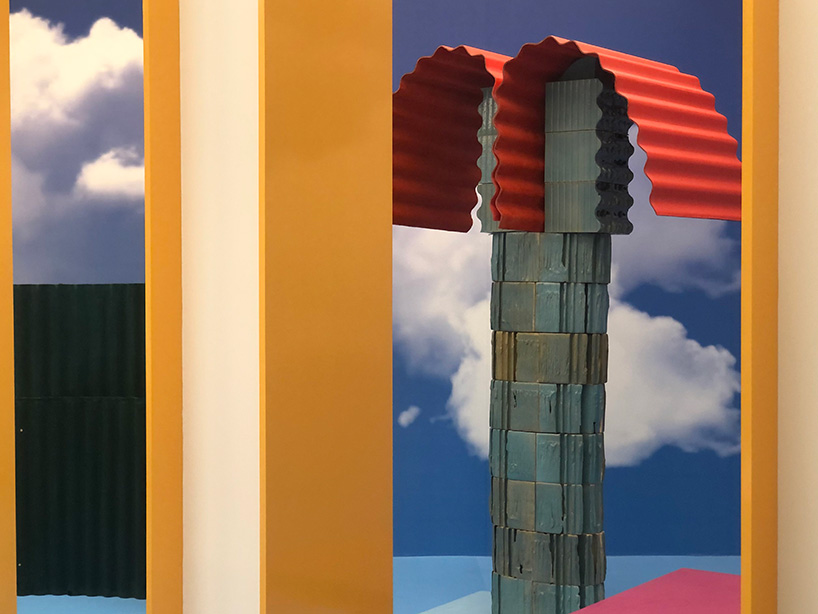
image © designboom
in this way, bricks are cut to represent the iconic arches of the palazzo della civiltà italiana in many of the pieces of furniture in the roman molds collection. the technically innovative bricks are then further elevated by the application of specially developed ceramic glazes that vibrate intensely alongside the richly hued selleria leathers, creating blocks of color that further iterate the color blocking tendency that is so ingrained in FENDI DNA.
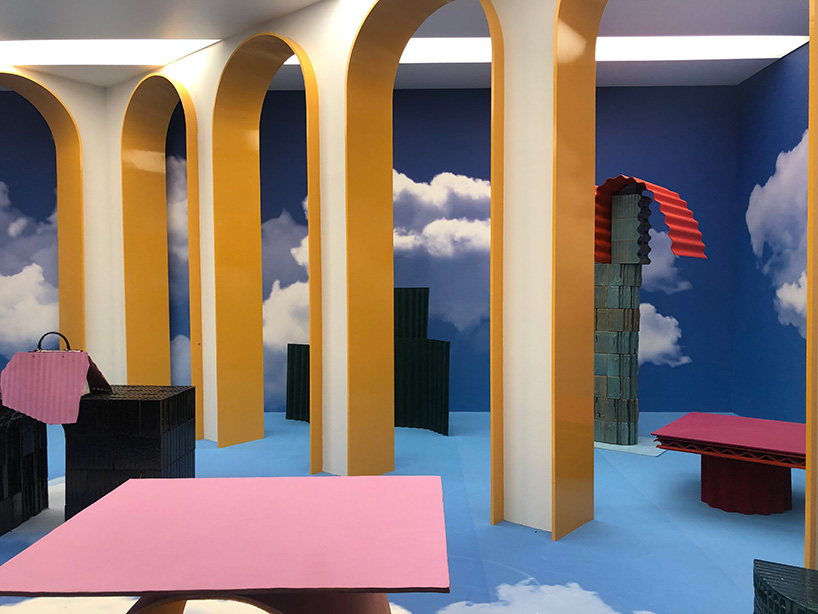
image © designboom
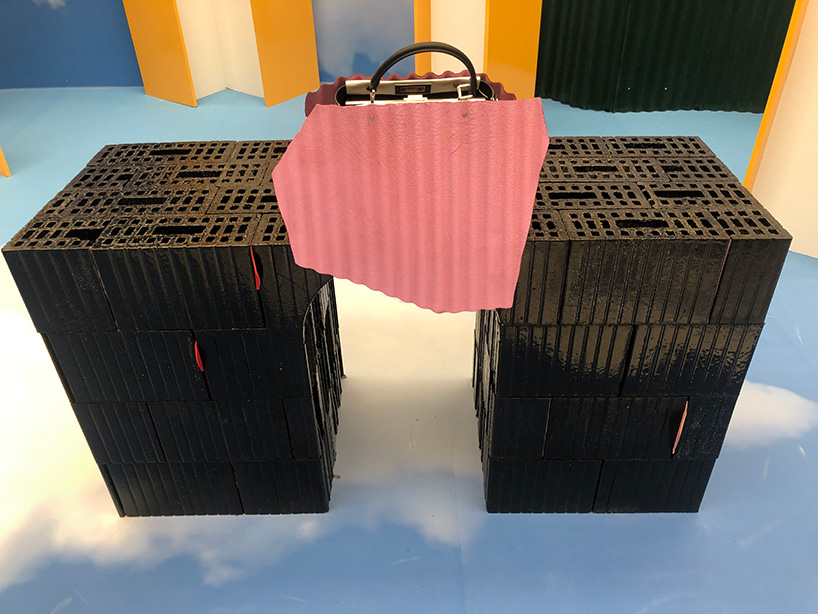
image © designboom
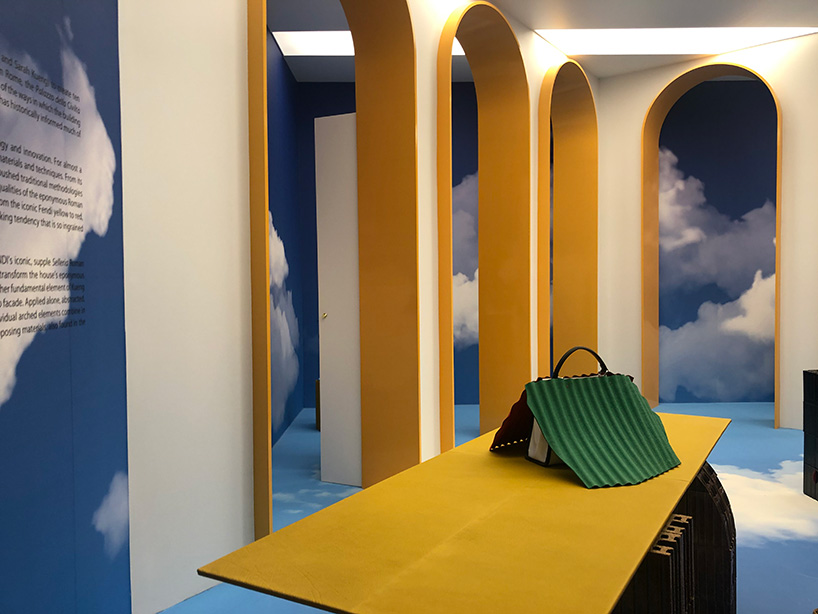
image © designboom
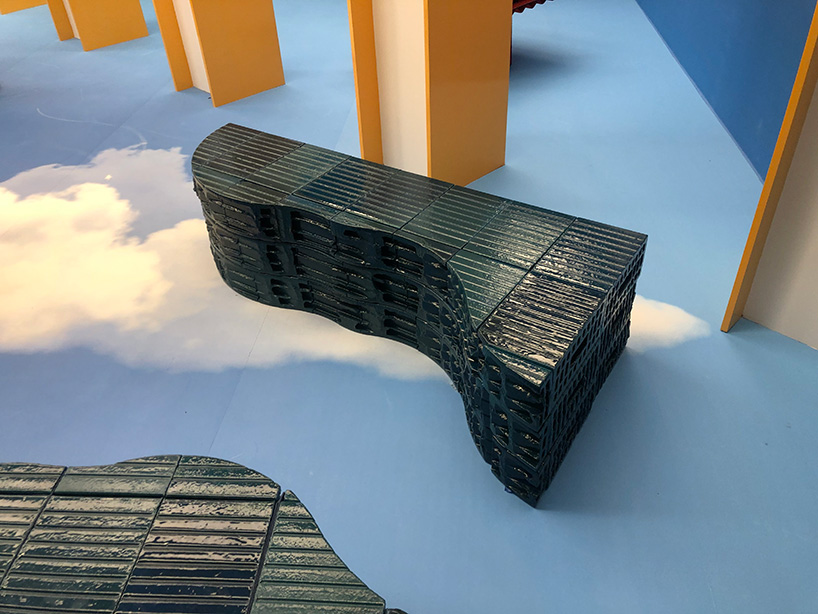
image © designboom
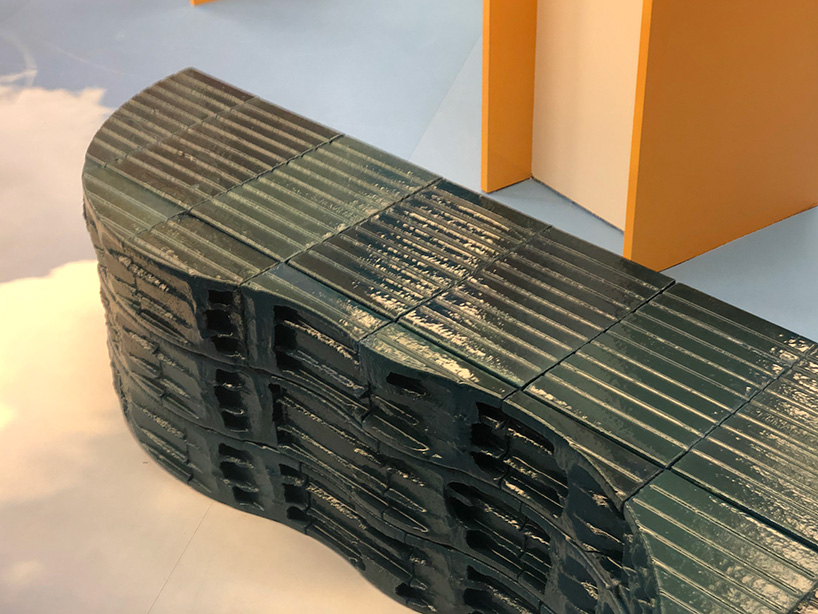
image © designboom
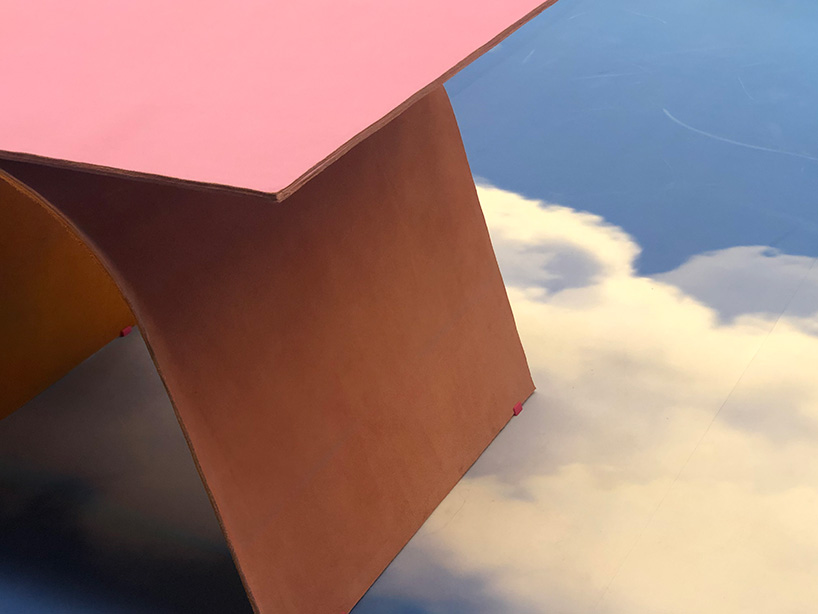
image © designboom
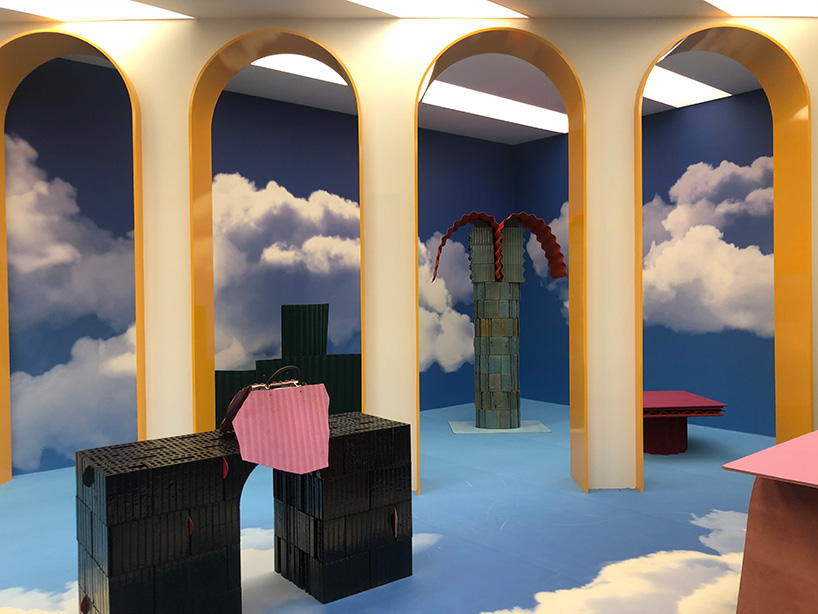
image © designboom
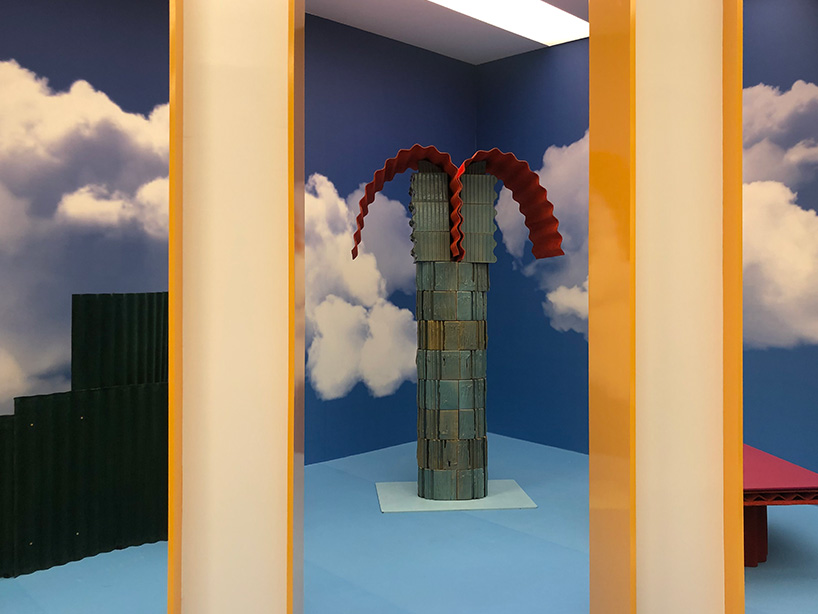
image © designboom


 1/8
1/8
project info:
name: roman molds
designer: kueng caputo
company: FENDI
presented at: design miami/ 2019
shop
your own online design shop — no sales commission collected