
students turn algae into a building material for eco village concept in china
the project proposes to use green macro algae, which is actually harmful to the natural environment and marine life.
prefer designboom on googlefor this research project, a group of students from the bartlett school of architecture has investigated the use of algae as a building material. using this widely-available natural resource together with clay, bryan law, dinel mao and jie song have designed a proposed eco village for a site in ningbo, china.

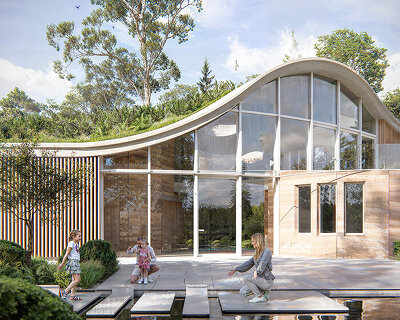
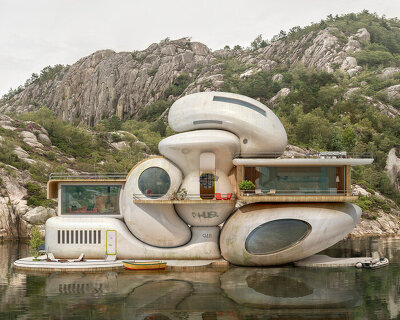
an eco village housing unit
images courtesy of bryan law, dinel mao, jie song
the type of algae the project proposes to use is called green macro algae, which despite being naturally-occurring, is harmful to natural environments and marine life. to alleviate this issue, the group want to turn this algae into a useful resource. through rigorous material testing and research, they were able to create a lightweight, rigid component from compressing and curing green macro algae.
video courtesy of bryan law, dinel mao and jie song
they propose an eco village to be located in an existing village township in ningbo. the eco village will serve as a link between the villages within the township, encouraging interaction between residents and visitors and activating the existing landscape through a component-based architecture system. baiyucun township and its residents are surrounded by an abundance of this algae; the architecture questions the existing relationship with the material and proposes alternative uses, exploiting algae as a building material that can engage with structure, light, and inhabitation.

algae on the rock
the architectural language of the eco village consists of a combination of algae and clay. clay performs the role of a naturally derived structural aggregate. the clay is derived from the same clay used to construct the existing structures in the surrounding villages, to maintain a similar architectural language in the proposed eco village. manufacturing of the algae and clay components will be performed on-site using a ramming technique. this ensures easy, in-situ construction, and adds a layer of customizability for residents to add or subtract to the structures to fit their needs.

algae tests

algae brick

the hybridization of algae and clay

the hybridization of algae and clay

the interlocking of algae brick

the integration between algae and clay

the application of algae box

the structural optimization for algae box aggregation

algae bloom
project info:
project name: algae anatomy
design team: bryan law, dinel mao, jie song
studio: research cluster 5&6
tutors: daniel widrig, guan lee, adam holloway
designboom has received this project from our ‘DIY submissions‘ feature, where we welcome our readers to submit their own work for publication. see more project submissions from our readers here.
shop
your own online design shop — no sales commission collected