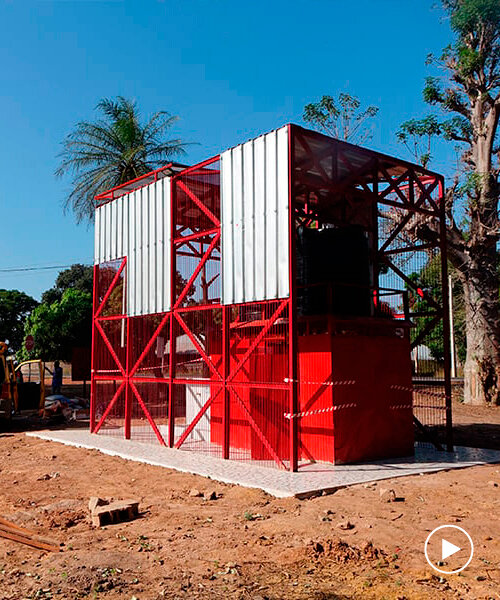
solar hydraulic infrastructure in senegal promotes free accessibility to drinking water
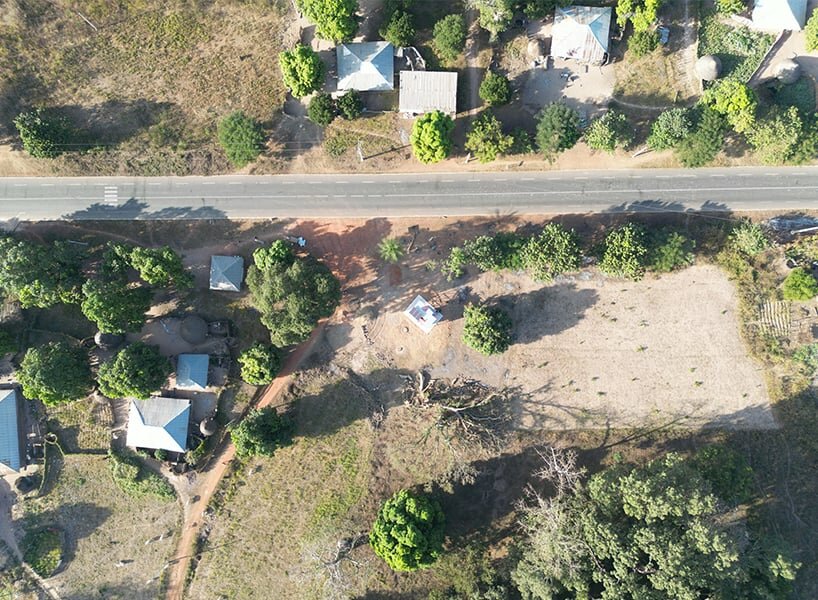
humanitarian organization balouo salo constructs a deep well of 32 m in the village of kenewal to improve sanitation conditions.
A well in the village of Kenewal to improve sanitation conditions
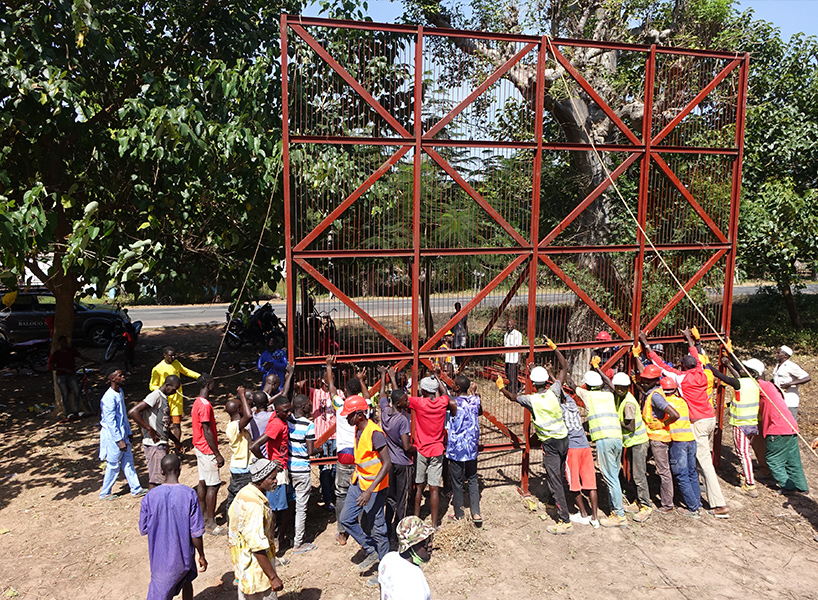
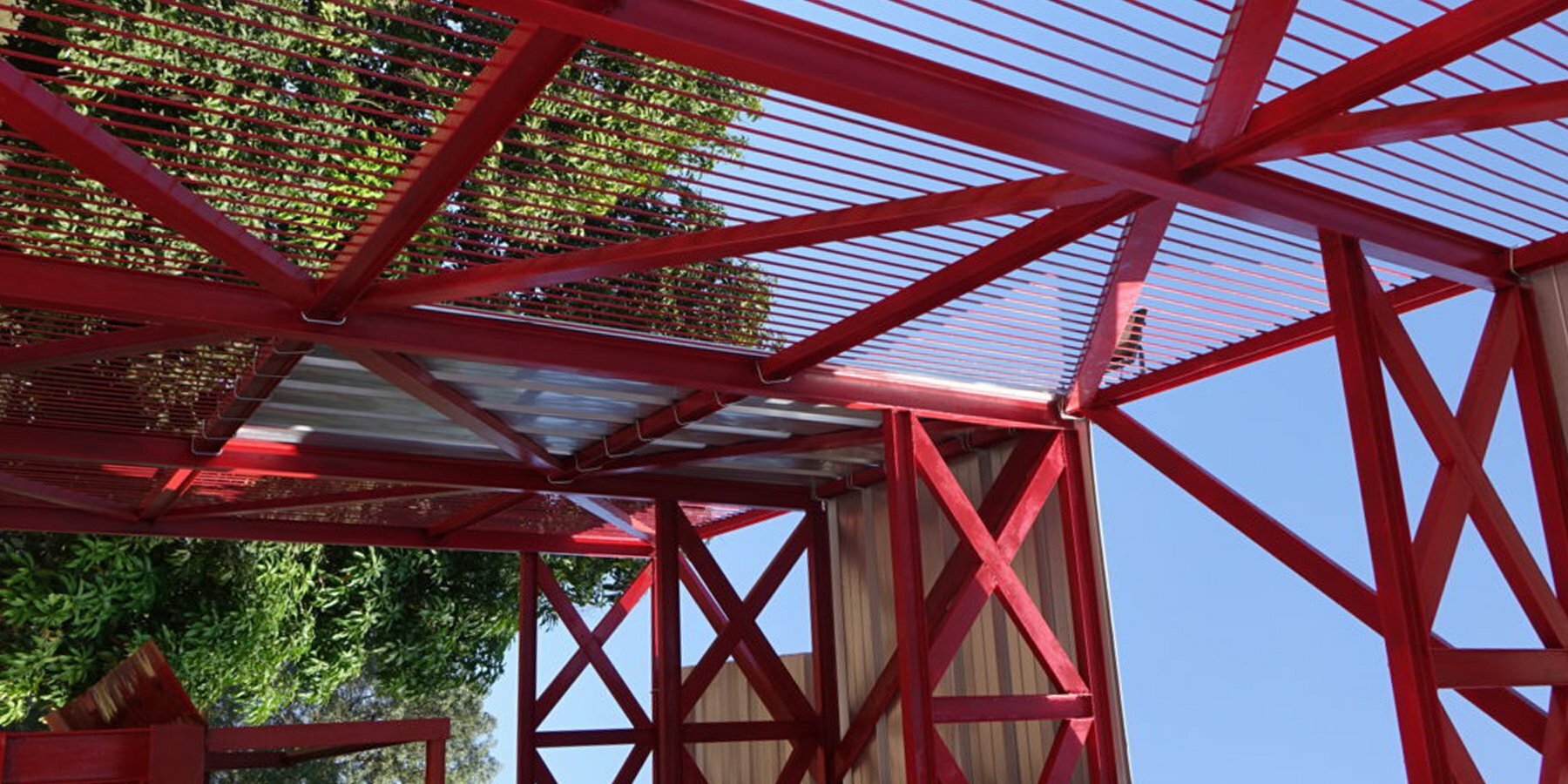
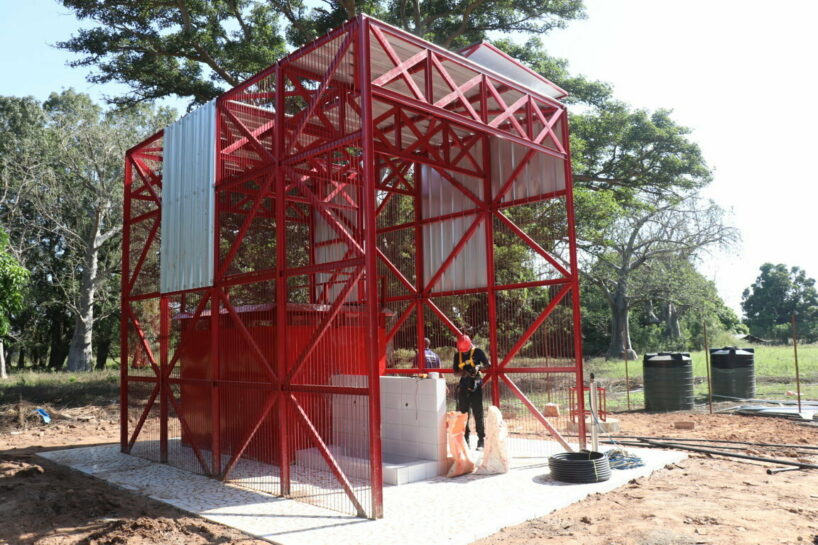
Humanitarian organization Balouo Salo builds a new solar well construction in the rural area of southern Senegal that provides purified water accessible free of charge. The absence of water and sewage networks in the village of Kenewal due to environmental and anthropic phenomena, causes contamination of the groundwater and traditional wells, resulting in the highest rates of infant mortality and malnutrition in the country. The organization takes action by constructing a solar hydraulic infrastructure equipped with osmosis purification and UV sterilization systems and providing free access to potable water.
The project assembles a deep well of 32 m, equipped with a solar lift system and a UV decontamination and sterilization plant to promote accessibility to drinkable water and contribute to the improvement of sanitation conditions in the area. Accessibility to primary services and infrastructure is absent, leading to the majority of the population drawing on contaminated water resources. 88% of the region’s inhabitants live in dwellings that dispose of household waste in the street, in the wild, or illegal dumps, while life expectancy is below the national average, with 2 out of 3 children being at risk of entering a stage of malnutrition resulting in mortality and morbidity. About 80% of children under 5 years old are at risk of contracting diarrhea, giardia, and cholera, also, due to the absence of vaccines and inaccessibility to medical care. The construction of the well is set to reduce 60-70% of diseases due to contaminated water, and as the structure becomes fully operational and sanitary conditions stabilize the project’s social impact will be greatly evident.

water extraction system is stimulated by a solar lifting pump
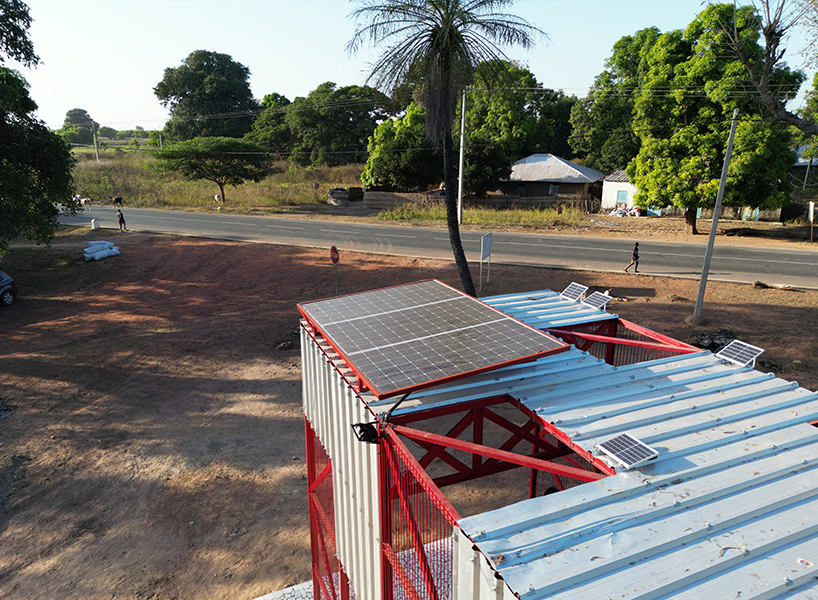
The deep well reaches the water table at a depth of up to 32 m after the excavation process with drilling machines. After protecting the site from erosion and collapses, cylinders are suitably arranged inside the ground pit in which the hydraulic pump descends. Inside the pit, a strong pressure for water extraction is then stimulated by the solar lifting pump. Due to the water pressure of the underground aquifer, the trench fills with water and will be recharged seasonally depending on the rainfall cycle. Much deeper than traditional wells, the infrastructure provides water less polluted with a lower amount of fixed residues. The well installs a submersible pump powered by solar energy through a photovoltaic station, equipped with solar panels and batteries allowing energy to be stored and reused at any time of the day. The station is regulated by a solar controller and inverter.
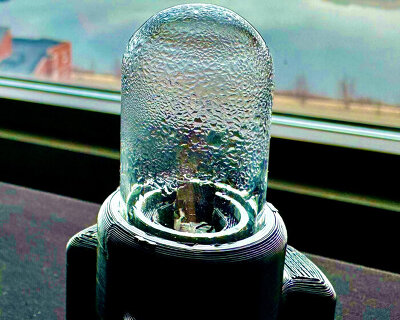
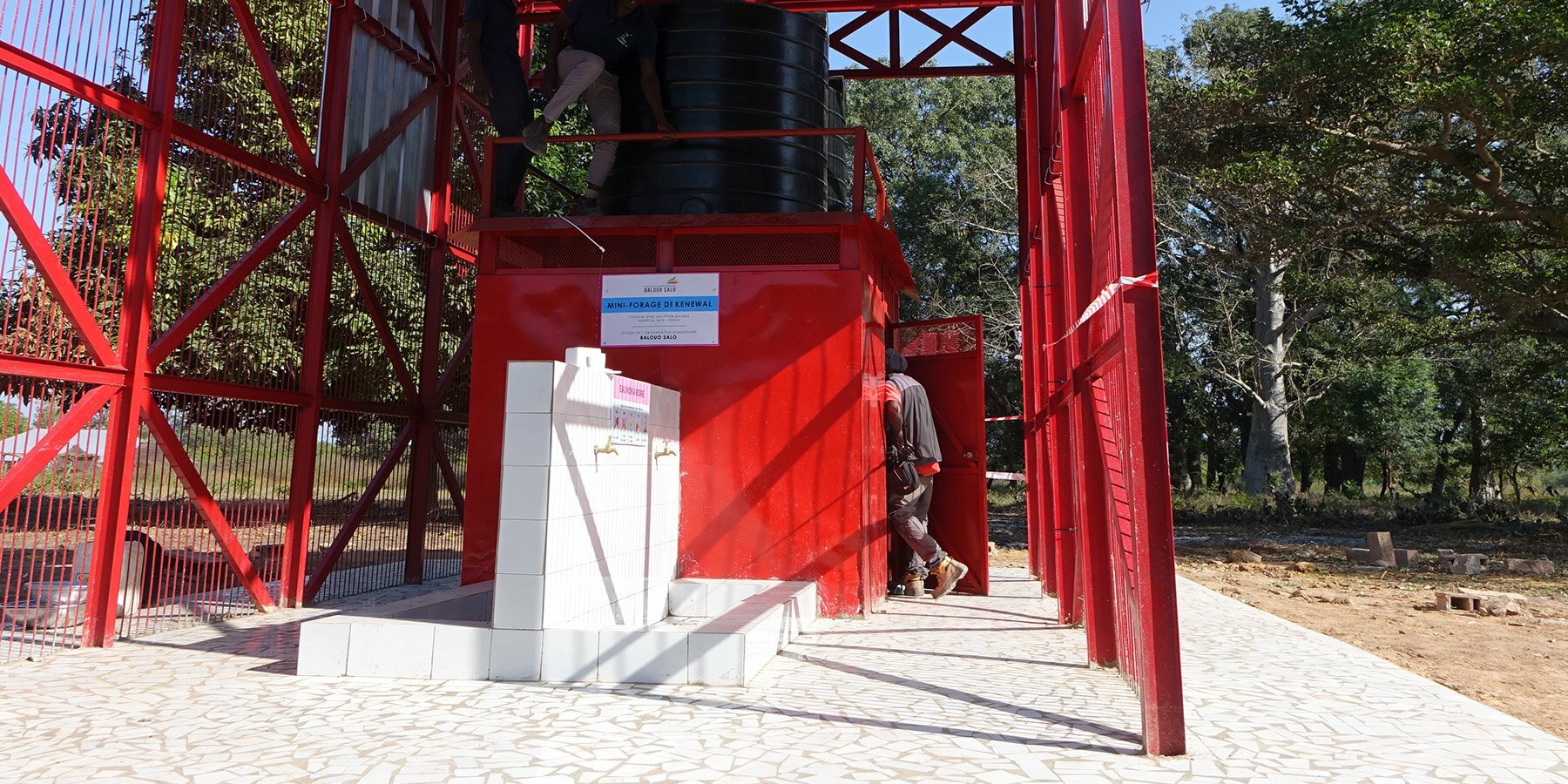
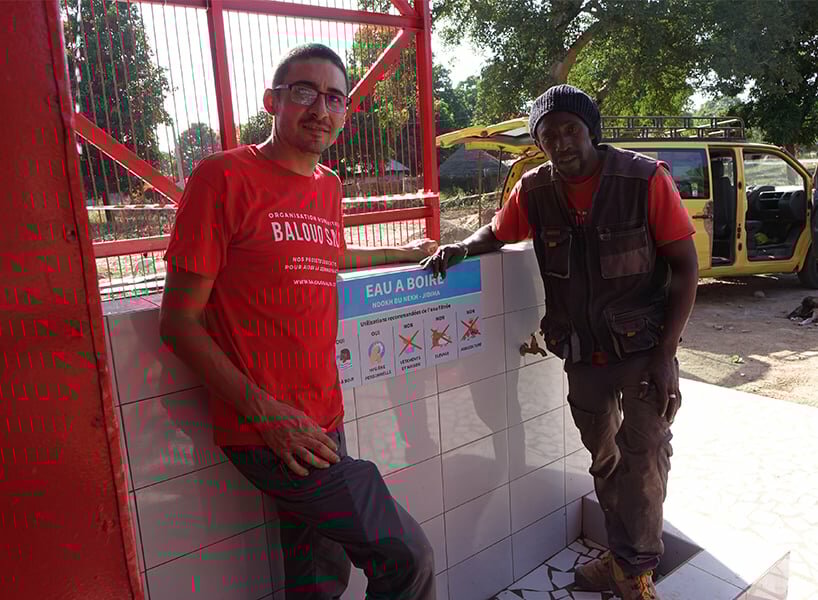
The extracted water is sent to a phased filtration system, initially transferred through a pre-filter with membranes that removes sediment and dust, then passed through an Inox pipe with a UV lamp for sterilization and elimination of bacteria. The purified water is, finally, sent to an osmotic membrane filter that eliminates 95-98% of bacteria including, cholera, staphylococcus, and giardia, and is collected in sterile basins to be ready for beneficiaries’ use. The construction connects to taps that are easily used by the community, see more here.





1/5
project info:
name: Deep well in Kenewal
designer: Balouo Salo Humanitarian organization | @balouosalo
location: Kenewal, Baghere Municipality, Sedhiou Region, Senegal, Africa
designboom has received this project from our DIY submissions feature, where we welcome our readers to submit their own work for publication. see more project submissions from our readers here.
shop
your own online design shop — no sales commission collected