Echo of the Ruins: listening to an industrial past in Zhuzhou
In Zhuzhou’s former Qingshuitang industrial zone, Echo of the Ruins by 1Y Architects introduces an open-air sound museum built from gabion walls filled with recycled fragments of demolished factories. The project stands within a landscape shaped by heavy industry. This district emerged during the early twentieth century and quickly grew into a dense network of smelting and chemical facilities. Within little more than a decade, more than two hundred enterprises occupied the territory, but production eventually slowed as environmental standards tightened in the twenty-first century. Workshops emptied and the district entered a long period of quiet.
The design by 1Y Architects approaches this silence as material rather than absence. Instead of clearing the debris scattered across the site, the team gathered bricks, concrete fragments, and broken tiles from former factory buildings. These remnants form the structural fabric of the sound museum itself. Salvaged steel, concrete, and debris are reorganized through a process that treats construction as a form of editing rather than replacement, allowing existing materials to define spatial and acoustic conditions. The project uses the physical remains of industry to test how architecture can extend memory and generate new forms of experience without erasing what was already there. The resulting spaces operate as an open system where material, sound, and atmosphere continue to evolve through use.
images © Chen Yifan
Building with the remains of industry
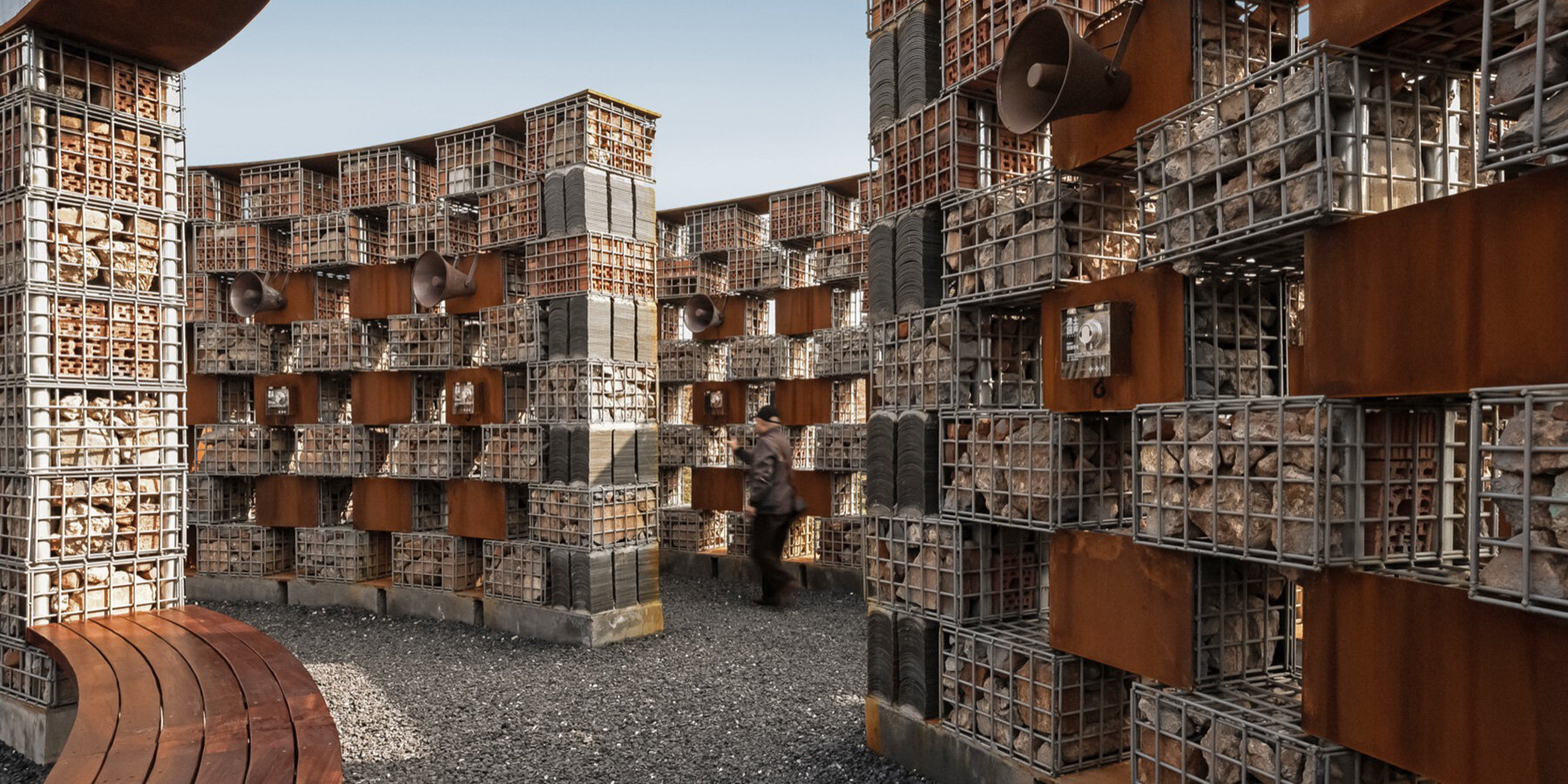
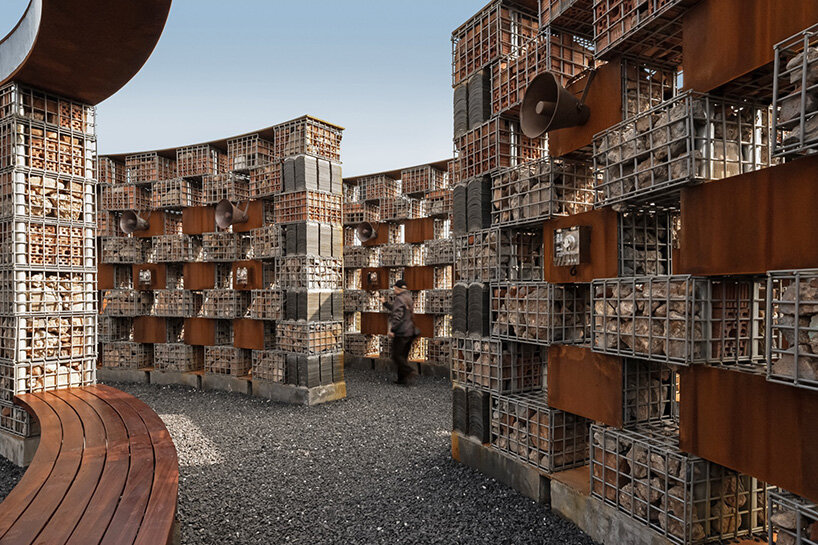
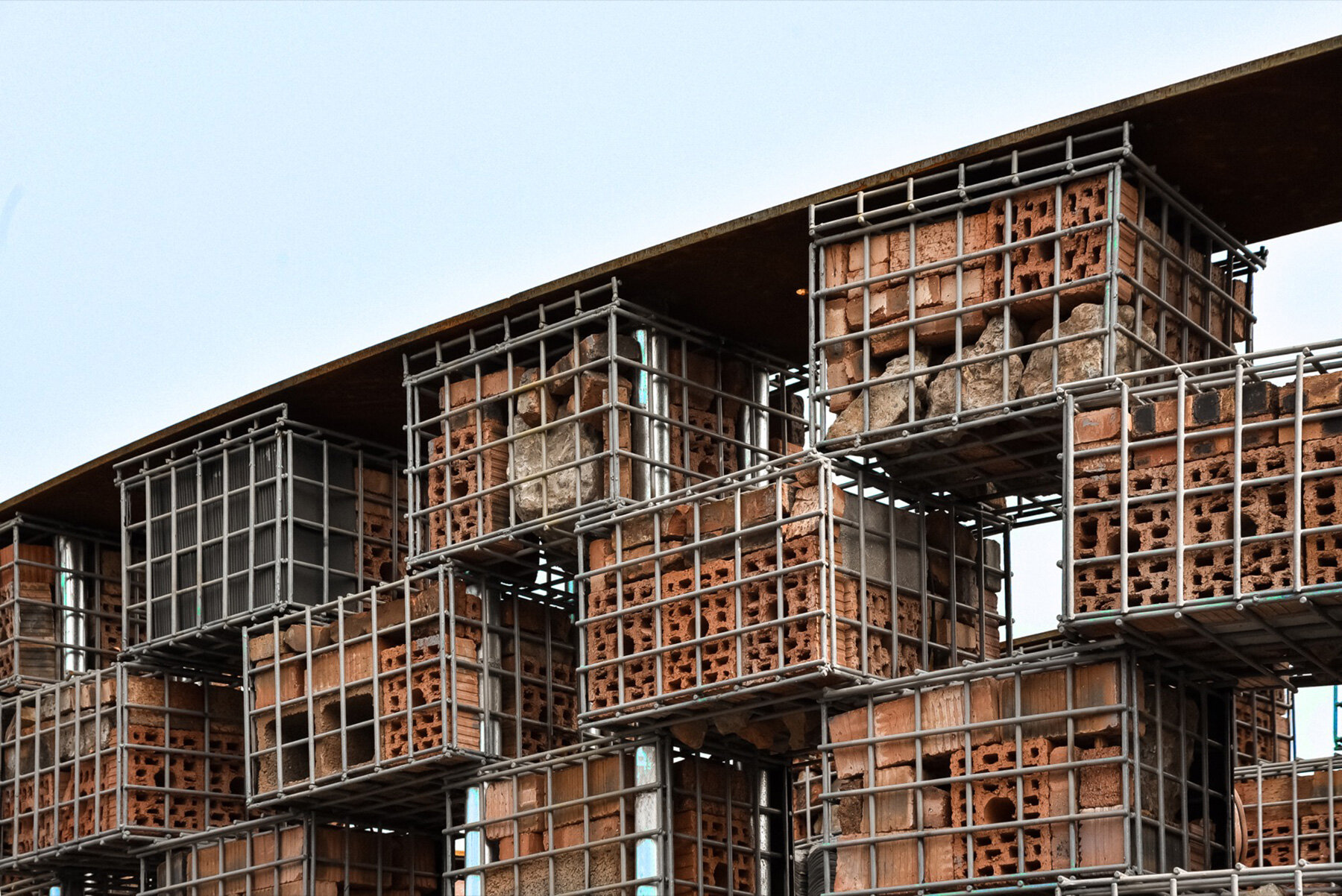
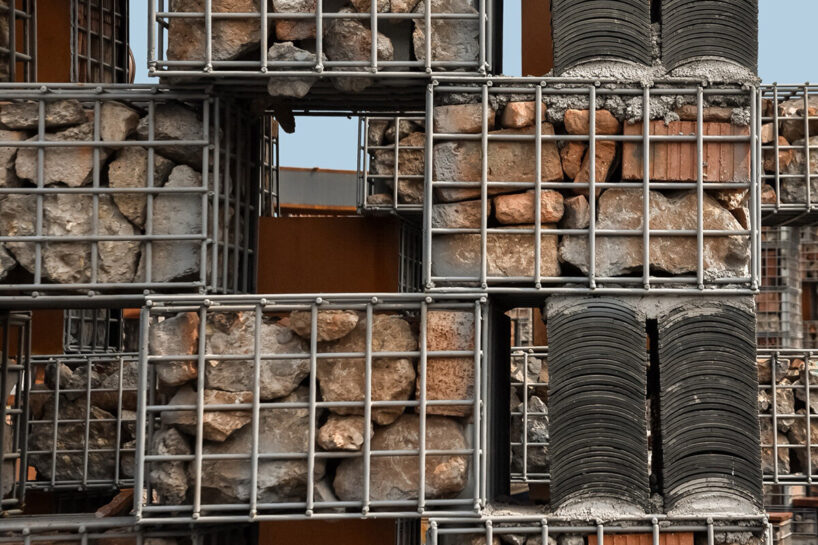
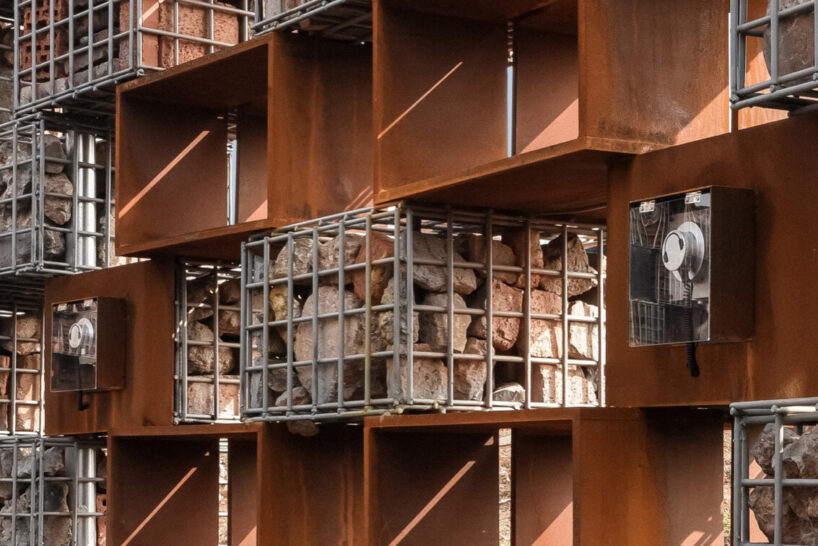
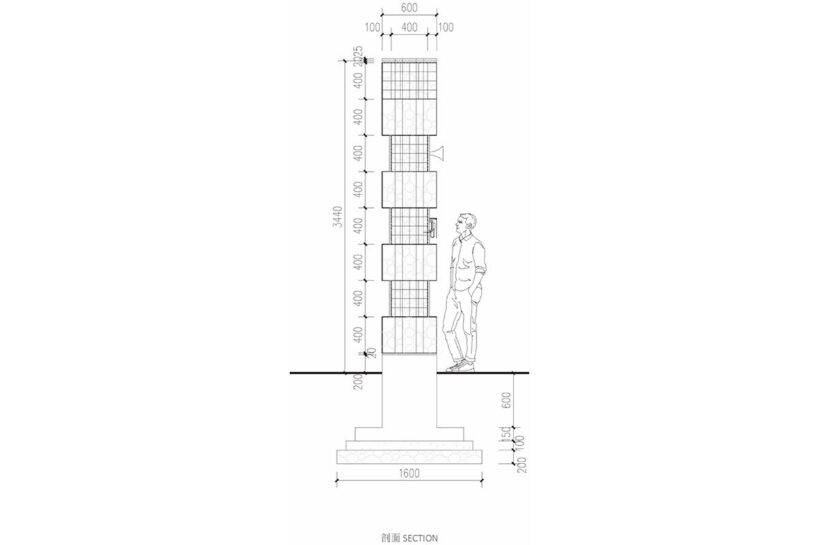
Echo of the Ruins is shaped by gabion walls, which the team at 1Y Architects fills with the recovered industrial fragments. This construction method, commonly used in hydraulic engineering, forms stable volumes by containing loose material within steel mesh. In Echo of the Ruins, the system allows irregular pieces of brick and stone to remain visible. Their surfaces show wear, chipped corners, and the varied color of decades exposed to industrial processes.
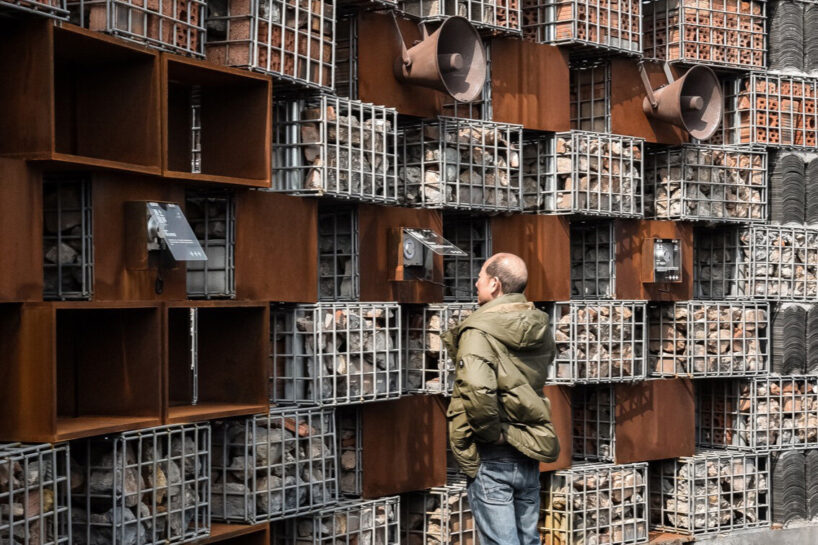
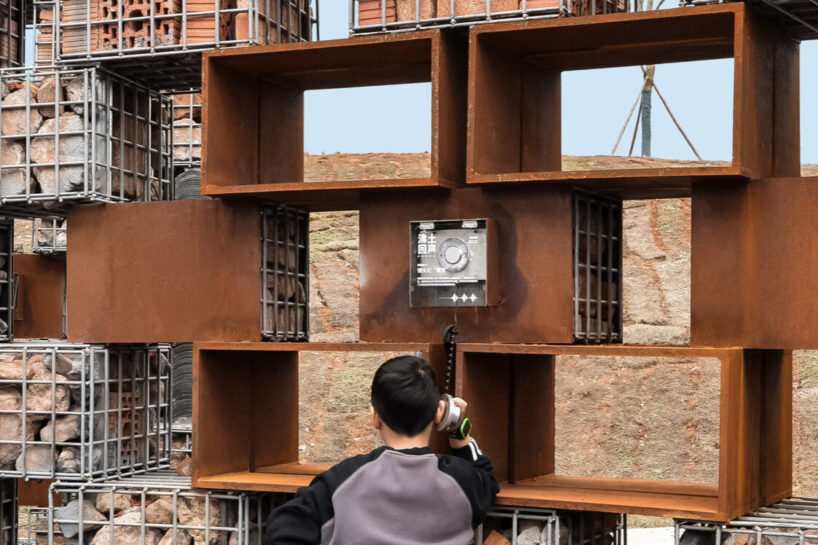
The gabions create a layered texture across the building’s curved walls. Rusted steel boxes inserted among them act as niches for audio equipment, benches, and small viewing openings. The palette remains direct: steel, rubble, brick, and gravel underfoot. Every element carries traces of the former workshops that once occupied the site.
For 1Y Architects, the intention centers on allowing these discarded components to act as witnesses. Each fragment originates from a different structure within the industrial complex. When assembled into the new museum, they gather fragments of memory into a single architectural body.
1Y Architects completes an open-air sound museum dubbed Echo of the Ruins
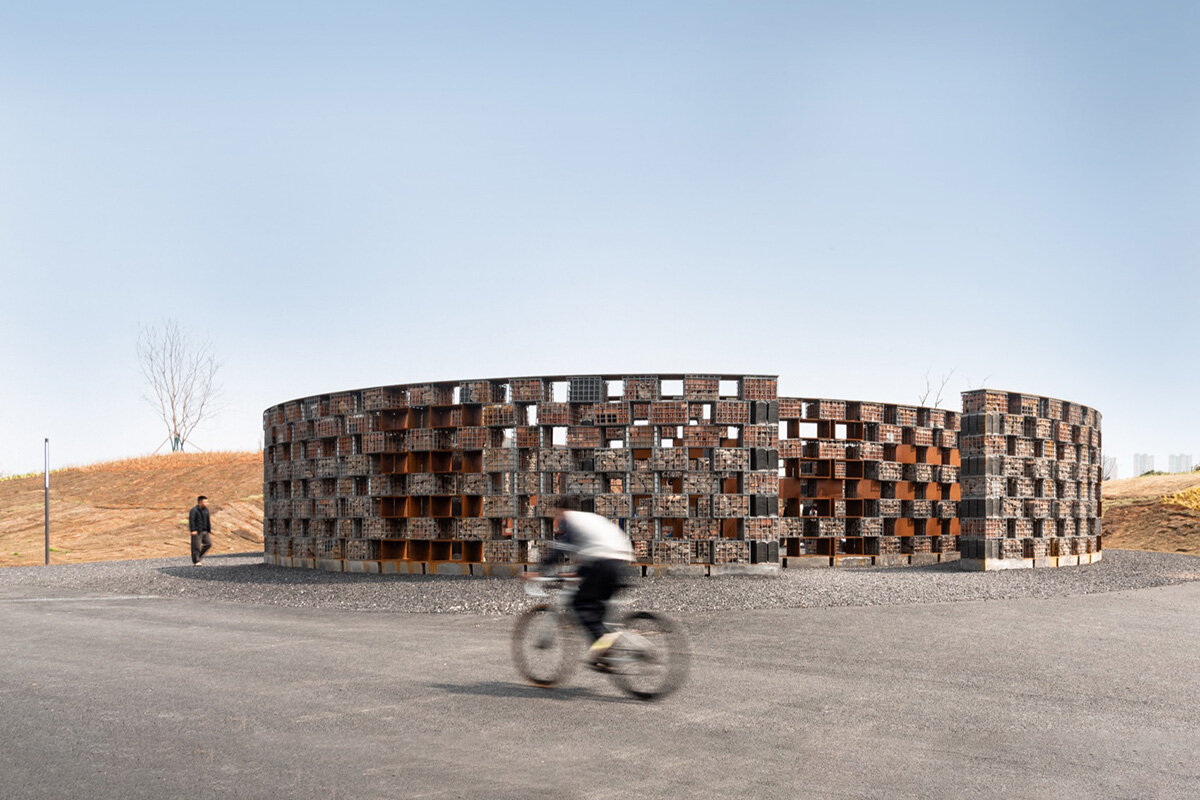
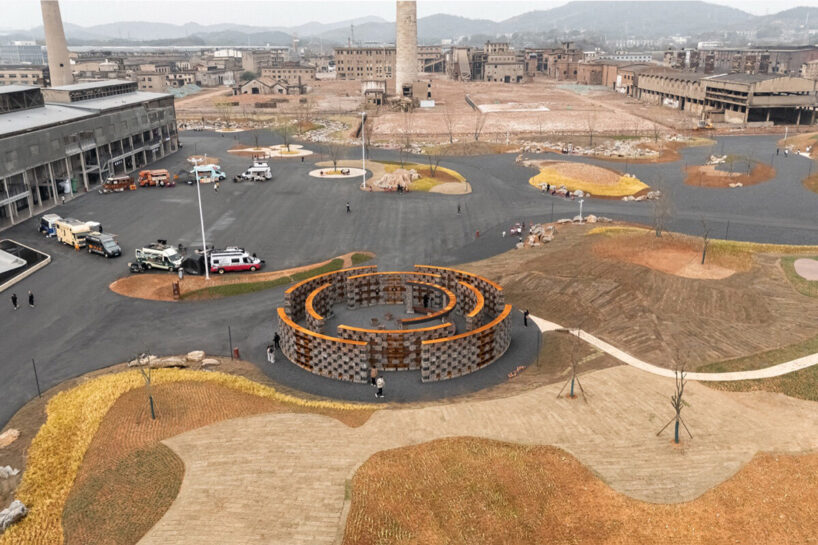
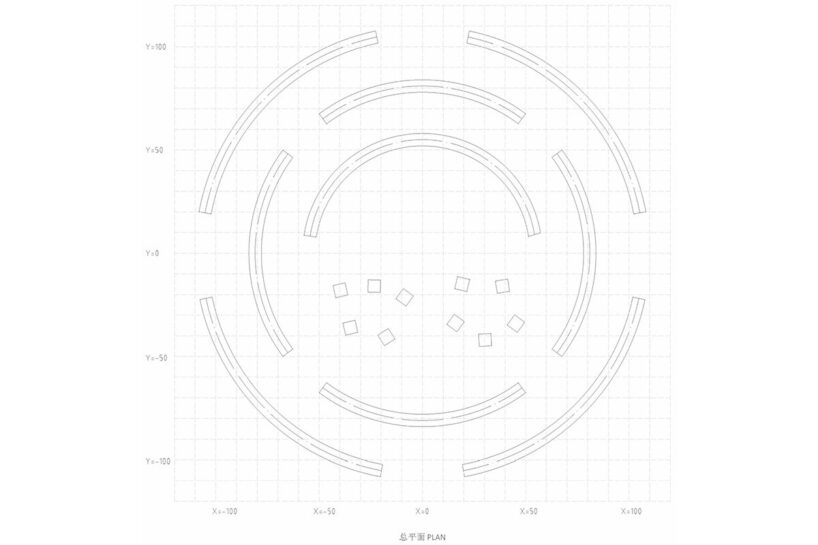
a sequence of concentric circular walls
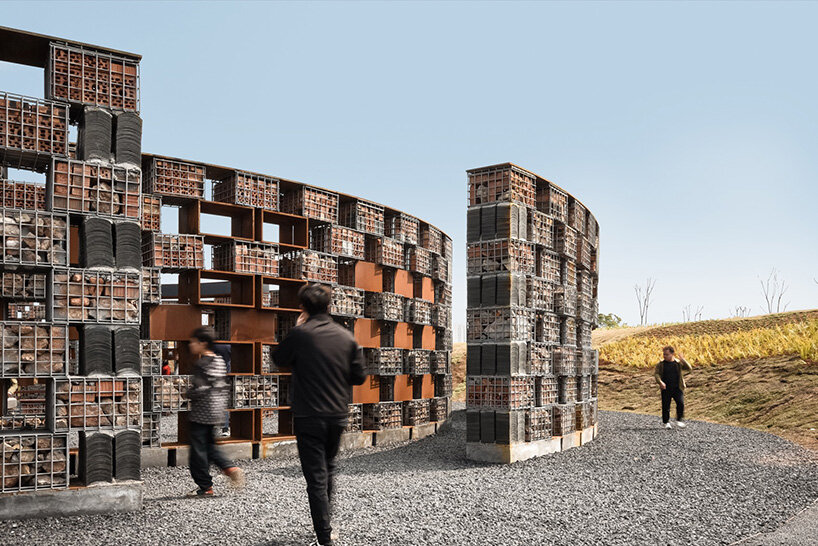
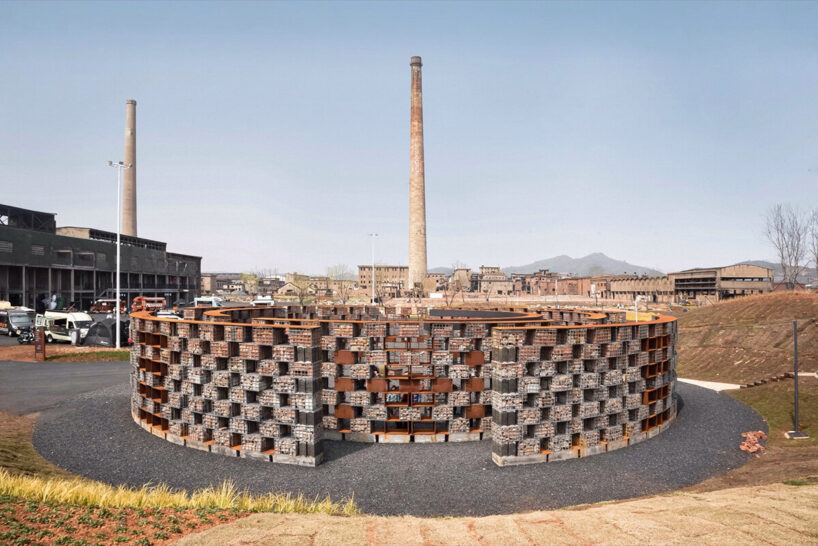
1Y Architects’ Echo of the Ruins museum organizes itself through a sequence of concentric circular pathways. spaces curve between these rings to gradually draw visitors inward toward a central gathering space. The geometry reflects the idea of sound traveling outward as waves.
The circular order also resonates with the industrial vocabulary that once defined Qingshuitang. Storage tanks, chimneys, and pipelines throughout the district frequently adopt cylindrical shapes. The new structure continues this language, allowing the museum to appear as a continuation of the site’s existing geometry rather than an independent object placed upon it.
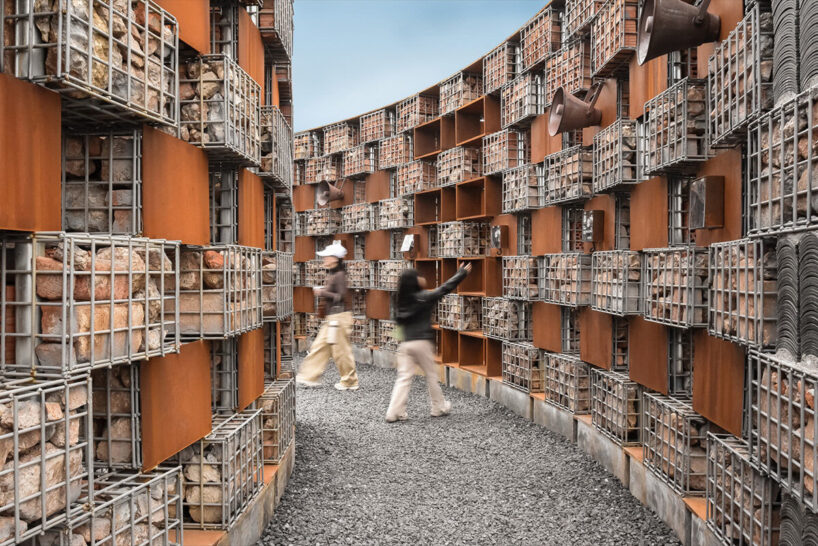
Movement through the corridors shifts between narrow passages and wider pockets of space. Light passes through gaps in the gabions, creating shifting patterns on the gravel floor. Small openings frame views of the surrounding ruins and landscape.
the project occupies an abandoned Qingshuitang industrial site
Sound as a medium of memory
The structure’s framework supports a series of listening and recording points distributed along the circular walls. Twenty groups of speakers broadcast oral histories collected from former factory workers, residents of the district, and younger citizens of Zhuzhou. Headphones mounted along the walls allow visitors to focus on individual recordings.
These voices recall the rhythms of the industrial workshops that once filled the area. Machinery, labor routines, and daily conversations appear through memory. The gabion walls behind the speakers contain fragments from the same buildings where those experiences took place.
At the ends of several passages, recording stations invite visitors to contribute their own accounts. Stories gathered here join the archive and return to the sound system after processing. The museum therefore grows through participation. Each new voice adds another layer to the collective record.
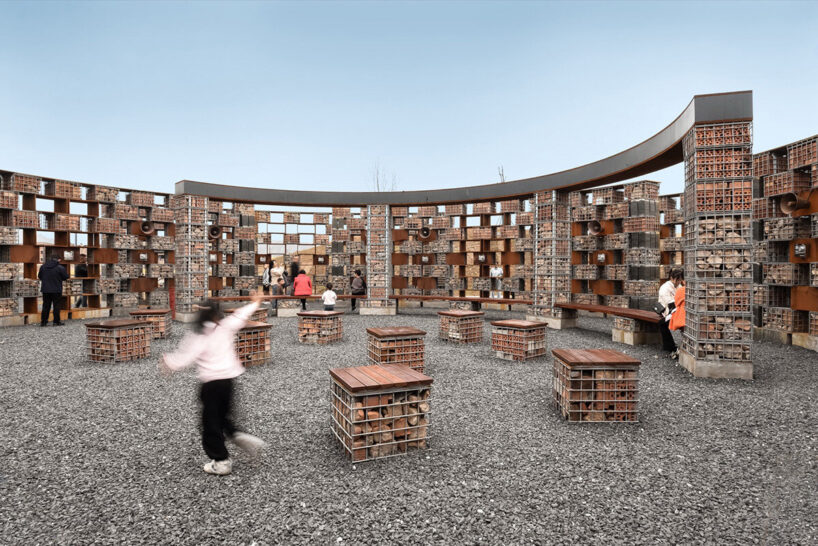
At the center of the plan lies Echo Plaza, an open circular amphitheater roughly sixteen meters in diameter. The space accommodates informal performances, conversations, and public storytelling. Voices carry easily across the enclosure, bouncing between the curved walls and returning to listeners nearby.
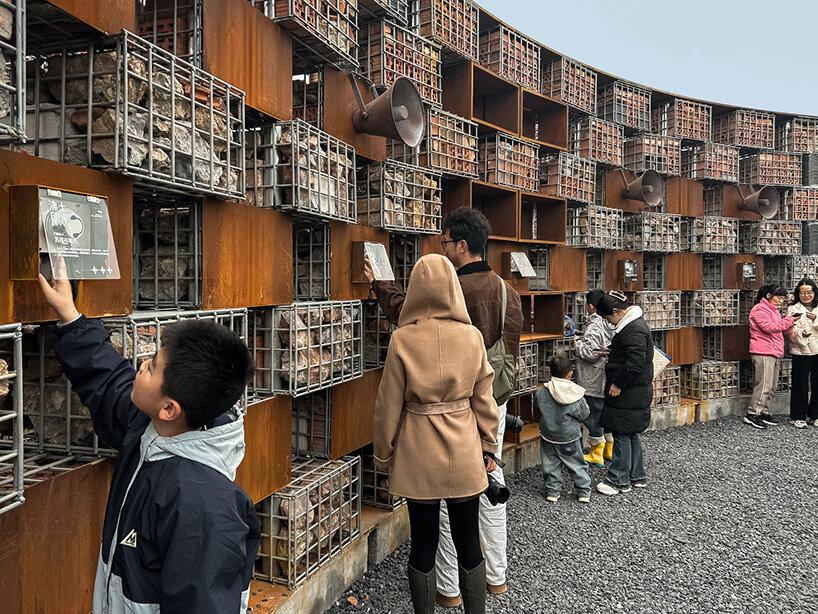
speakers embedded within the walls broadcast oral histories recorded from locals and former workers
1Y architects harnesses utopia as a continuing process
Since opening in early 2026, Echo of the Ruins has begun to function as a public landscape for Zhuzhou. Older residents encounter materials from the factories where they once worked. Younger visitors gain a direct encounter with the industrial chapter that shaped their city. Children treat the concentric corridors as a maze of exploration.
The museum suggests a different approach to post-industrial land. Instead of erasing debris and replacing it with new construction, 1Y Architects treat fragments as a foundation for future use. The architecture grows from the remains of industry while encouraging new forms of gathering and storytelling.
Through this process, Echo of the Ruins positions architecture as a medium for listening. Bricks once embedded in factory walls now hold voices. Steel cages once used for engineering infrastructure frame conversations about the past.
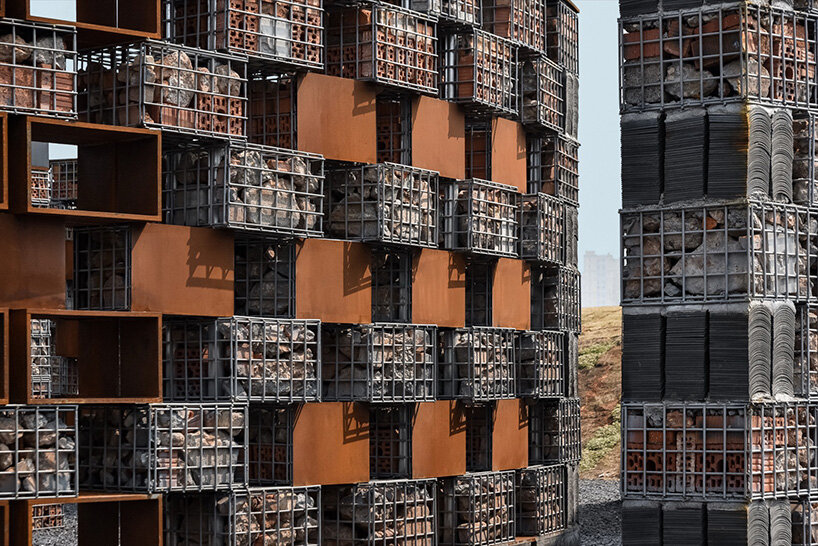
gabion cages are filled with reclaimed bricks and tiles from former factories
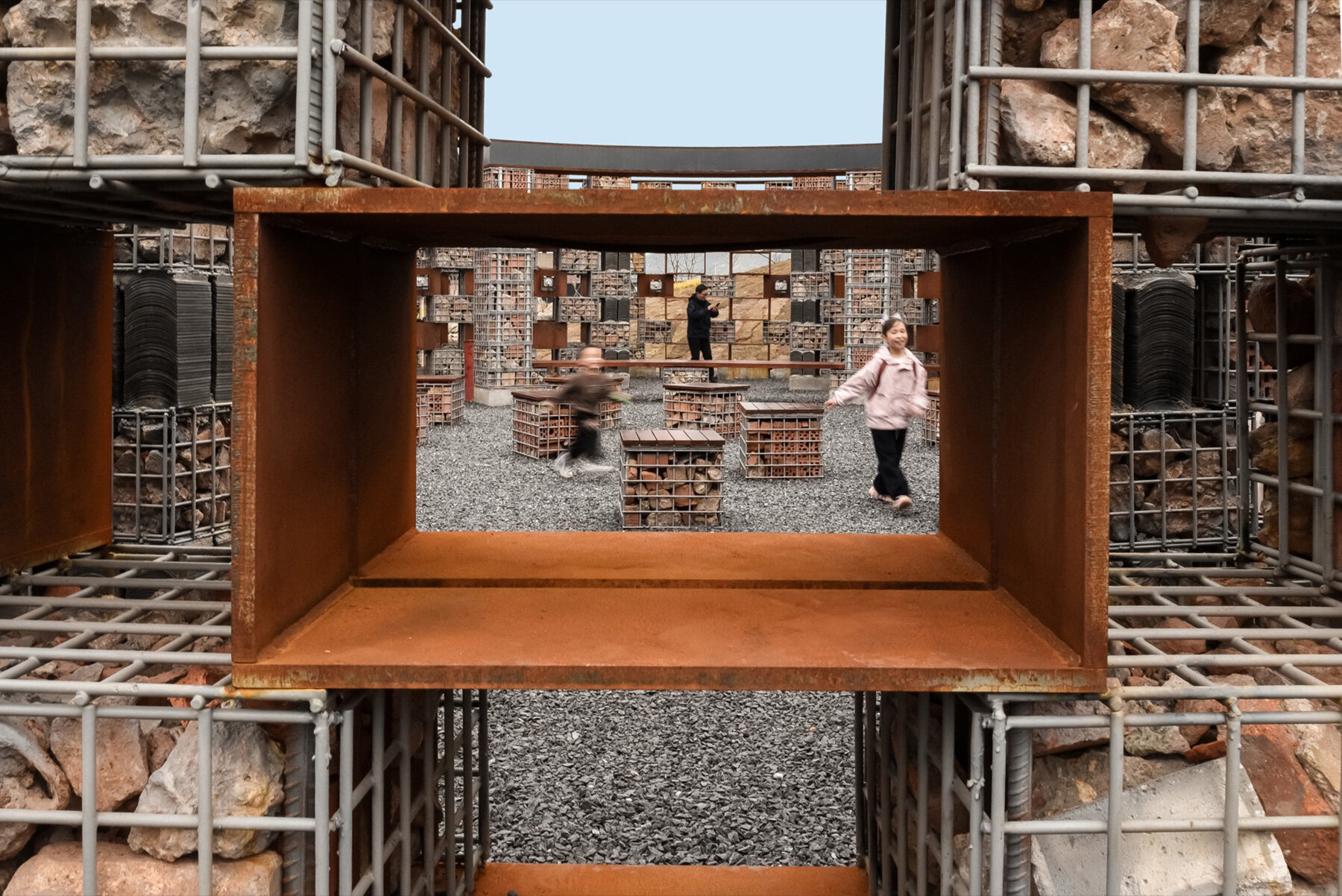
listening stations invite visitors to hear memories while standing among the same materials that once shaped factory buildings
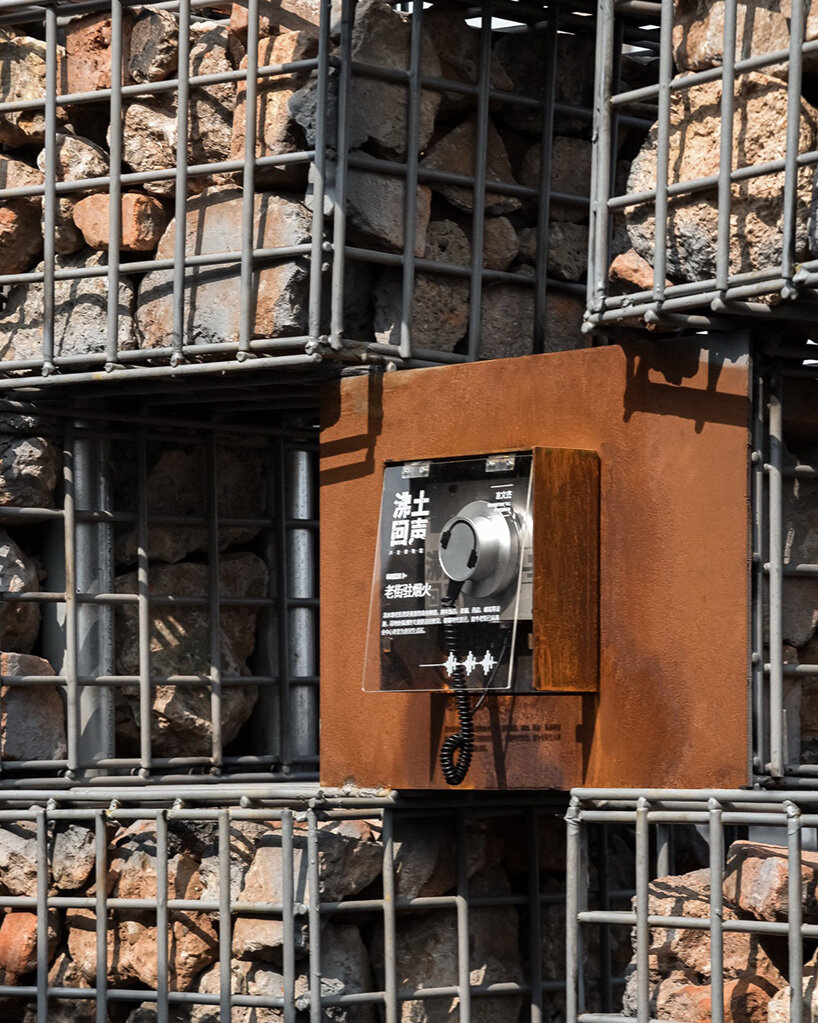
recording points allow visitors to contribute their own stories, adding new voices to the evolving archive
a central ‘echo plaza’ creates a gathering space where storytelling and conversation take place
project info:
name: Echo of the Ruins
architect: 1Y Architects
location: Zhuzhou City, China
design team: Fan Chang, Liu Yangcheng, Liu Yan
completion: February 2026
photography: © Chen Yifan
architecture in china (2067)
 Mar 17, 2026
 Mar 13, 2026
 Mar 11, 2026
 Mar 10, 2026
 Mar 10, 2026
gabion walls (14)
 Dec 24, 2025
 Sep 25, 2025
 Sep 25, 2025
 Sep 17, 2025
 Jan 28, 2025
museums and galleries (865)
Mar 17, 2026 Mar 11, 2026
 Mar 09, 2026
 Mar 04, 2026
 Mar 04, 2026
recycling (486)
 Mar 16, 2026
 Mar 16, 2026
 Mar 15, 2026
 Mar 09, 2026
 Mar 08, 2026
utopia then and now (6)
 Mar 16, 2026
 Mar 16, 2026 Mar 16, 2026 Mar 16, 2026
 Mar 16, 2026
 Mar 12, 2026
 Mar 11, 2026
 Feb 24, 2026