al-‘ula house by nicolas dorval-bory + caroline corbasson blends in the saudi arabian desert
the project favors local mineral materials, including rocks, aggregates, and rammed earth.
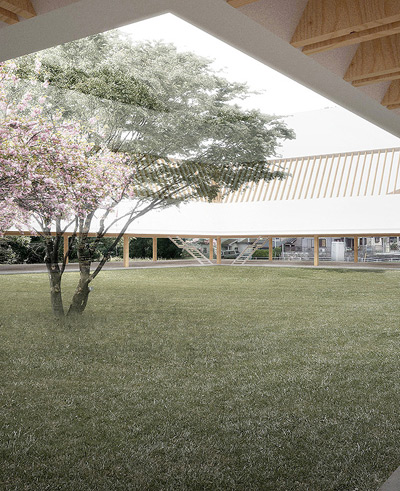
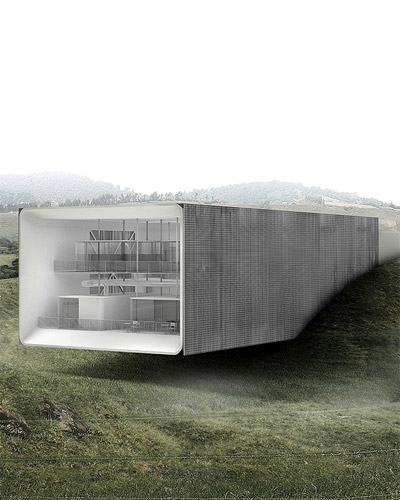
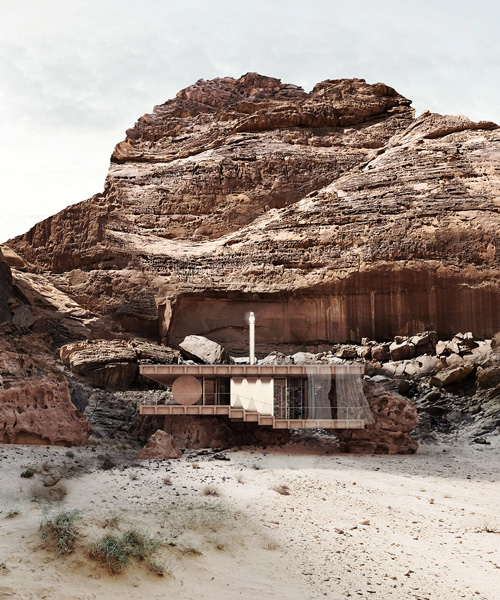
nicolas dorval-bory architectes + artist caroline corbasson have envisioned ‘al-‘ula’, a house in the saudi arabian desert that blends in its surrounding topography. the project favors local mineral materials for the main structure, including rocks, aggregates, and rammed earth. additionally, it experiments with technologies based on the vernacular intelligence of the place, developed in particular by farmers.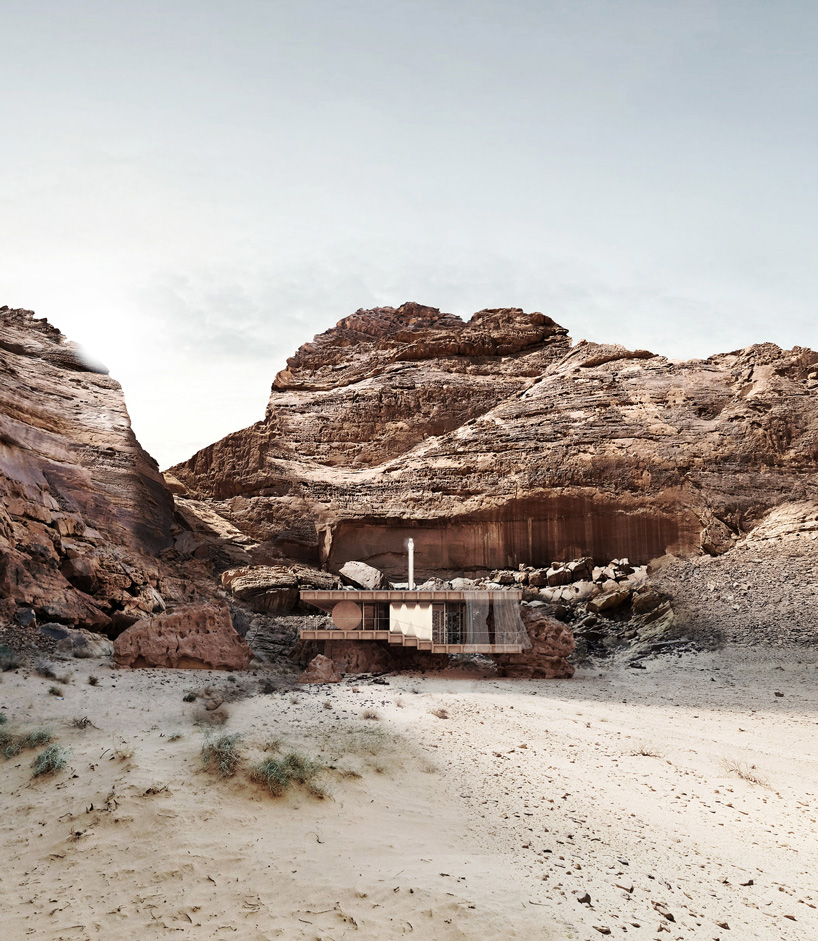 all images courtesy of nicolas dorval-bory architectes + caroline corbasson
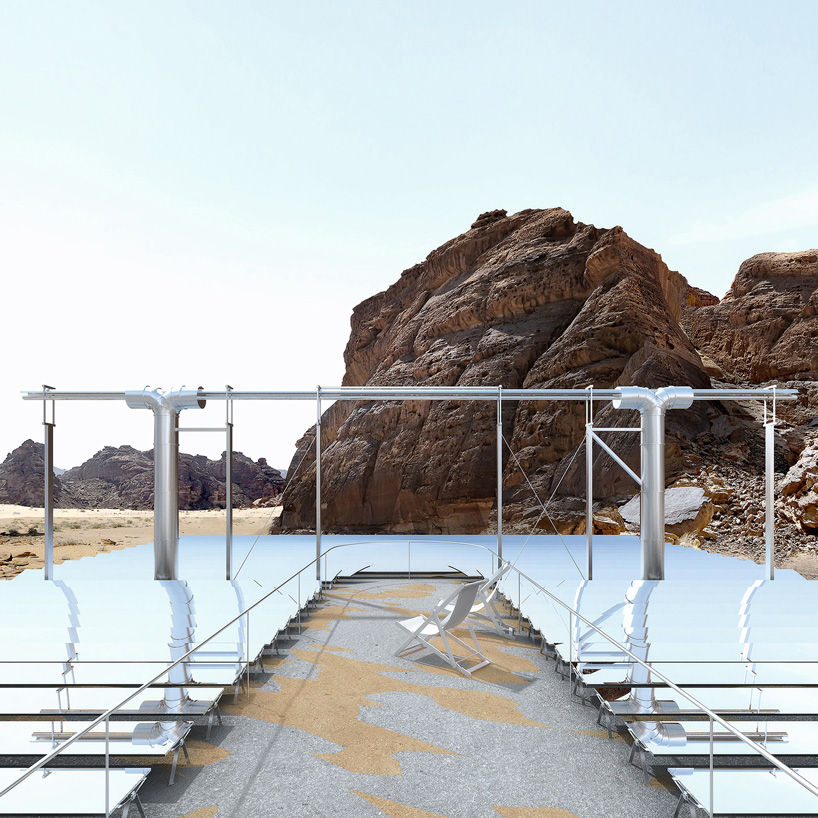
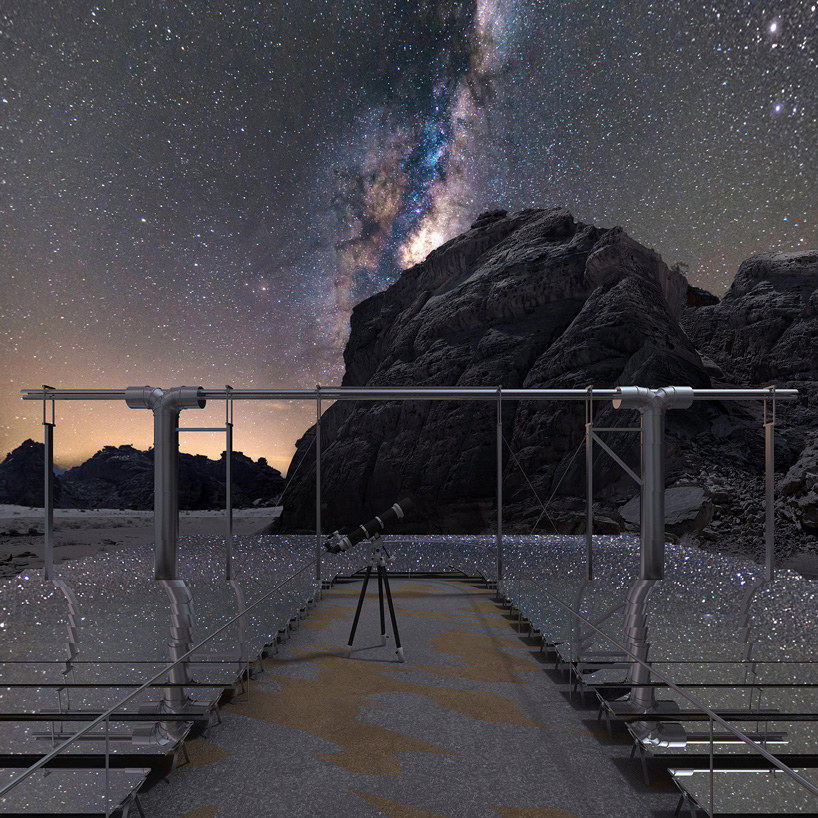
the collaborative project between nicolas dorval-bory architectes + caroline corbasson blends and blurs the limit between art and architecture, from the conceptual ideas to the technical or structural solutions. the short-stay home combines the most local materials (rocks, local aggregate concrete, rammed earth) and the most efficient materials (glass, stainless steel, aluminium structures) to ensure a comfortable living environment despite the hostile climate of the al-‘ula desert. taking into account the energy of the sun’s rays as one of the most important resources of the area, the project is topped with a roof solar concentrator device to produce cold and electricity. at the same time, since the rays are particularly intense and regular throughout the year, a reflective roof and large peripheral overhangs shelter the interior from the sun and limit overheating.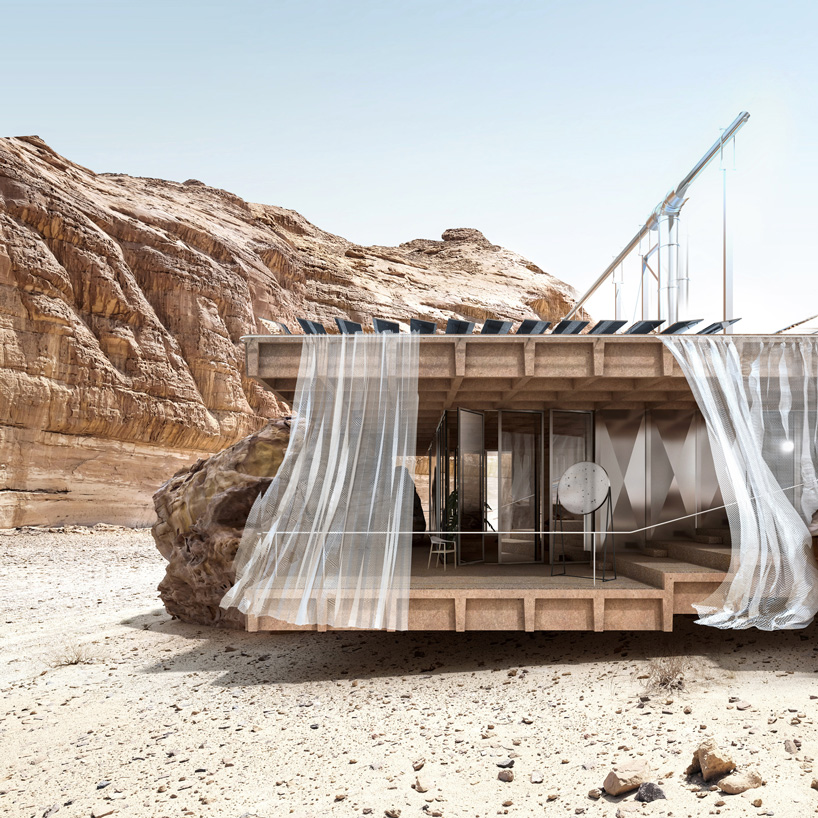
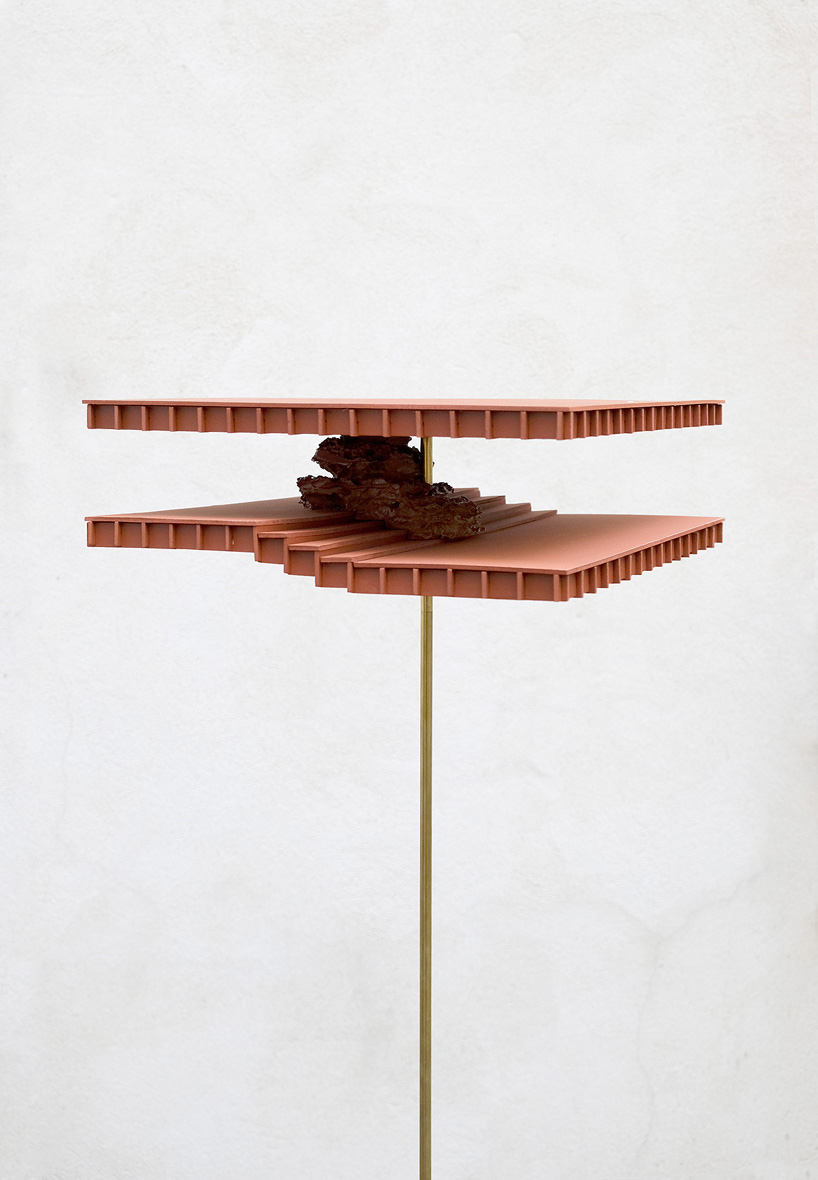
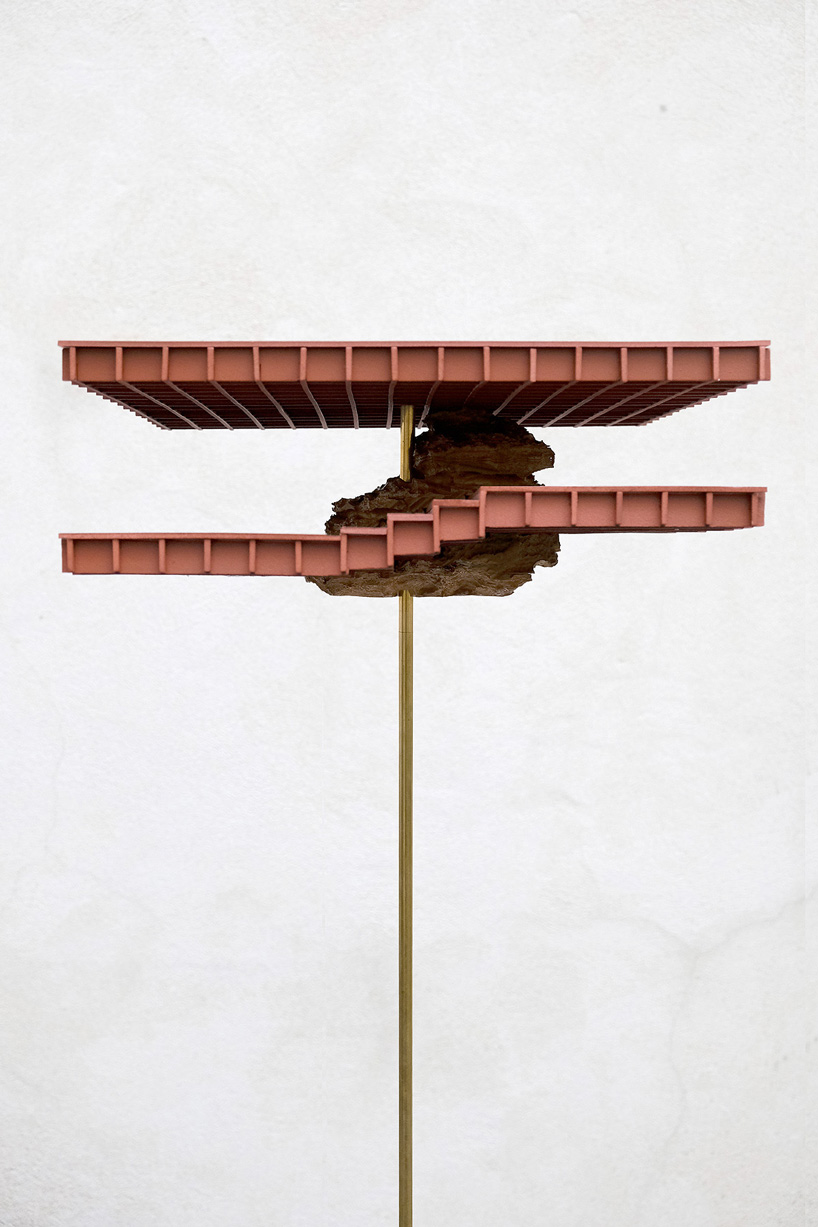
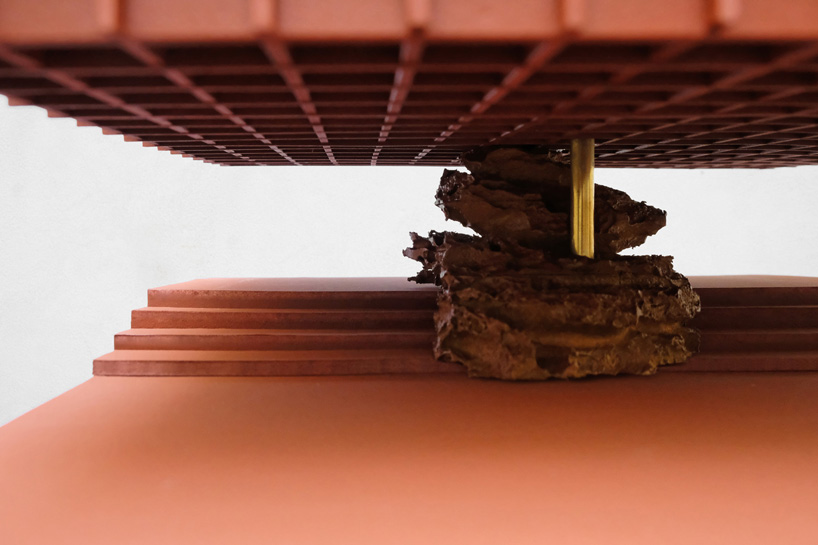
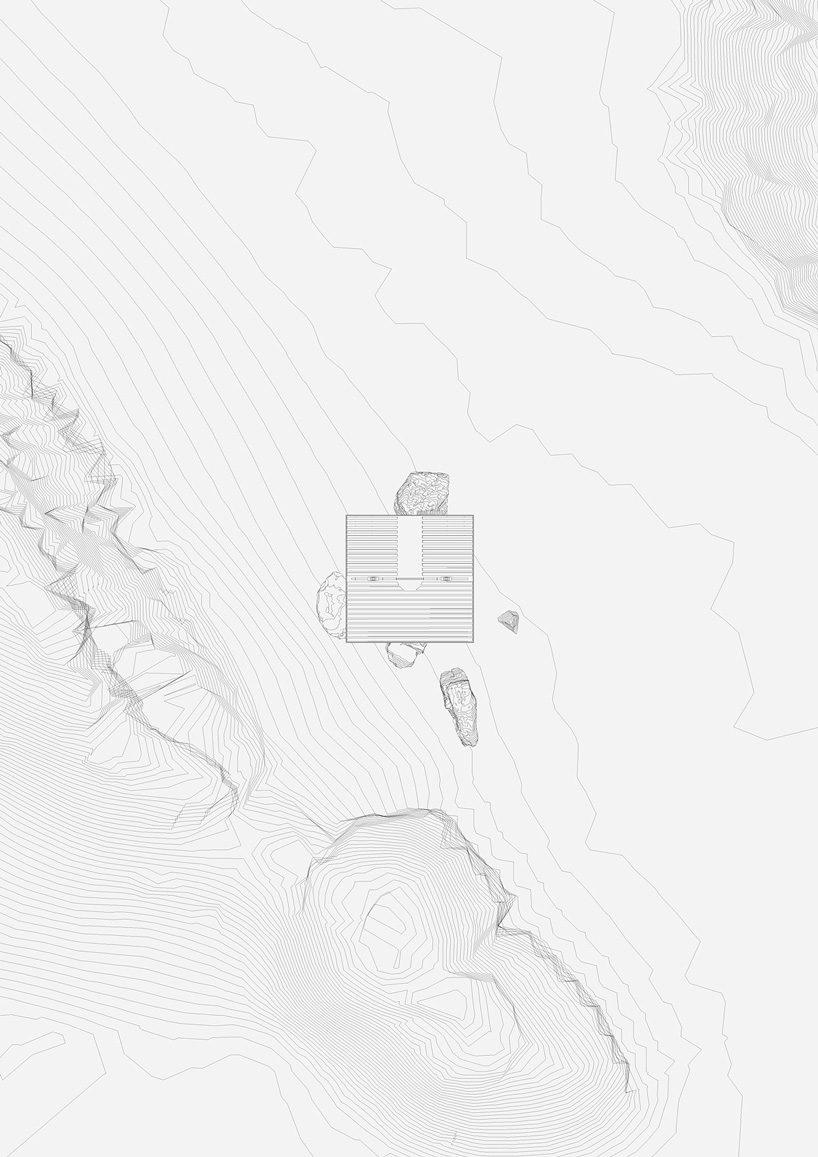
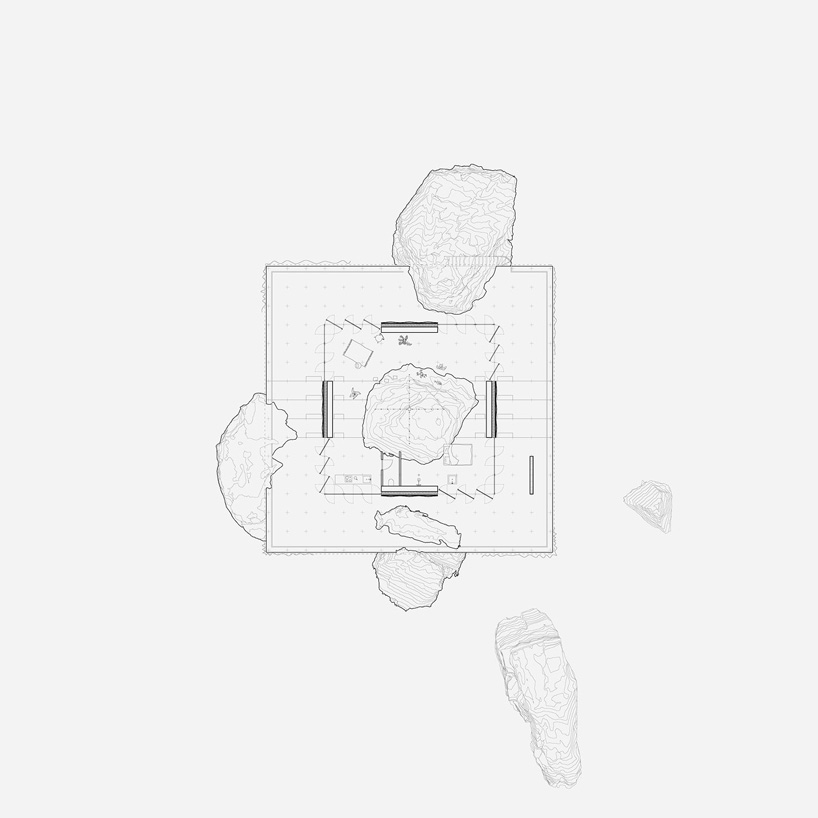
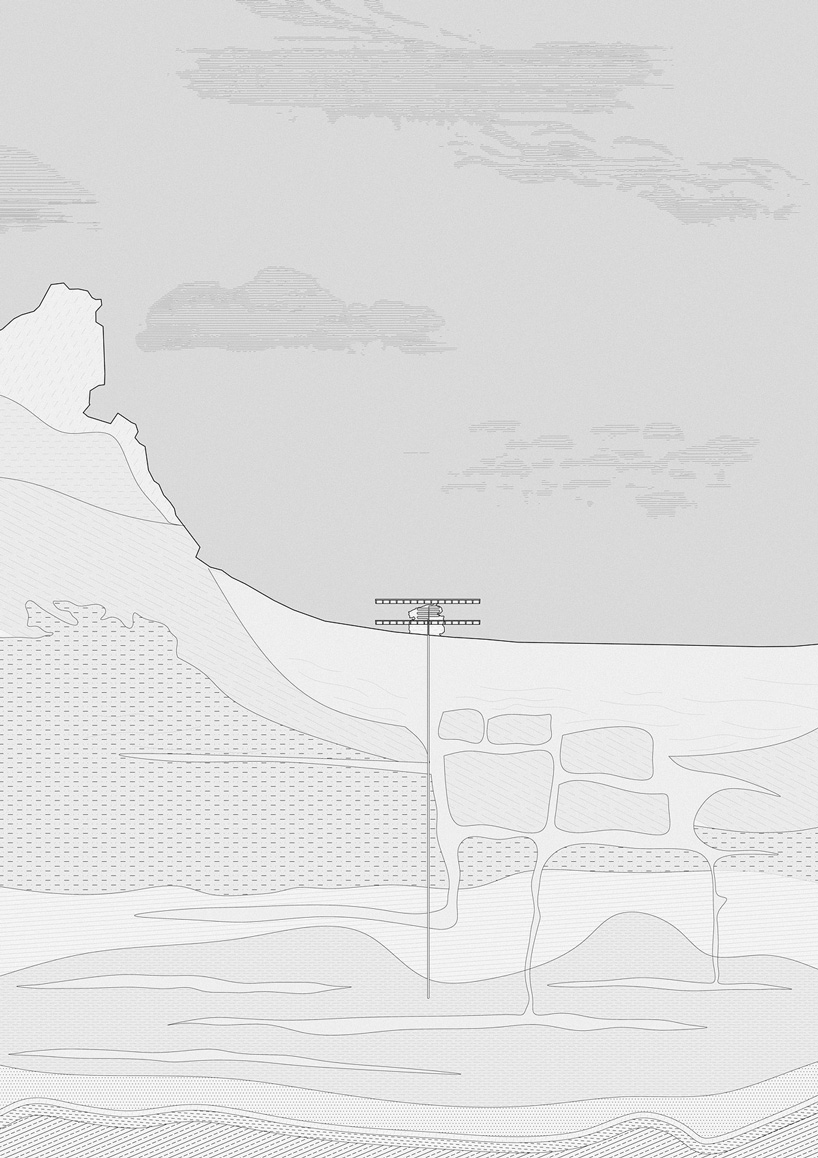
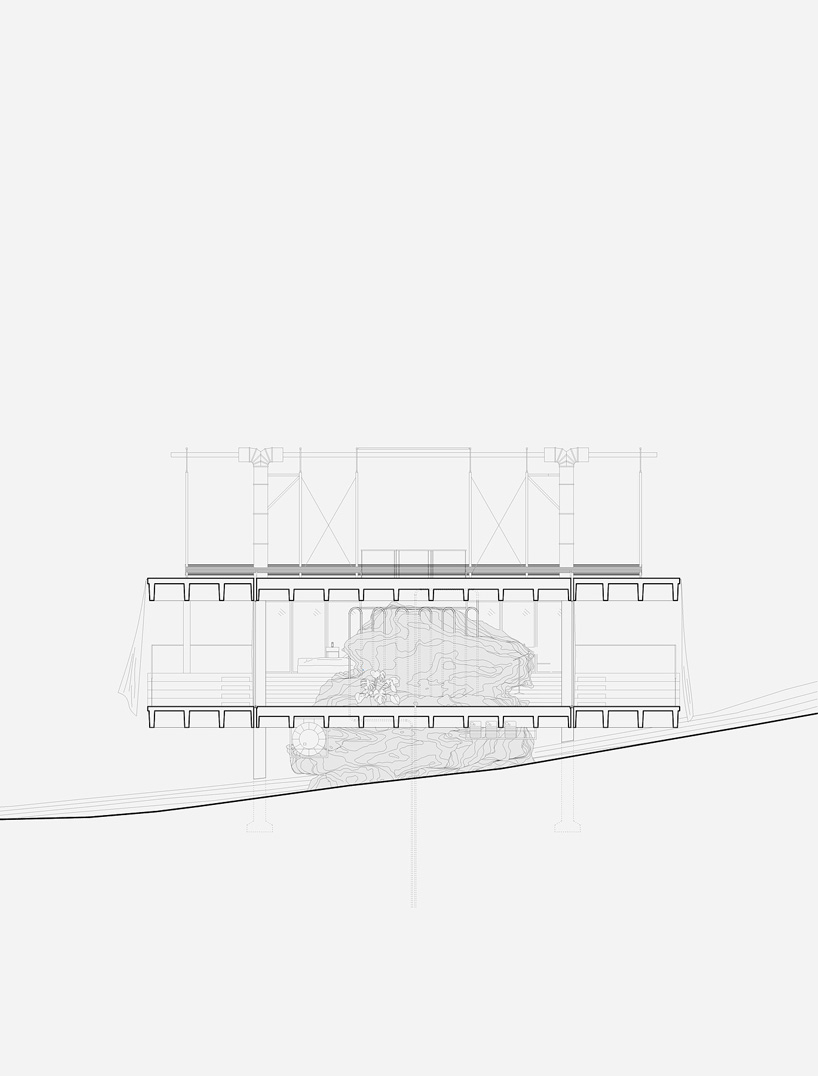
‘the striking views, the complexity of the sandstones rocks, the jagged horizon, the slopes and other topographic variation only make us want to inhabit this landscape,’ note nicolas dorval-bory + caroline corbasson. ‘not a house set in the landscape, rather a landscape that is made inhabitable.’ two structural waffle concrete slabs connect the building to the existing rocks, which act as structural columns, creating a frame for the landscape around the main rock. all machinery, such as the heat pump, battery, water tank, and solar concentrator, is set above the roof slab and below the floor slab.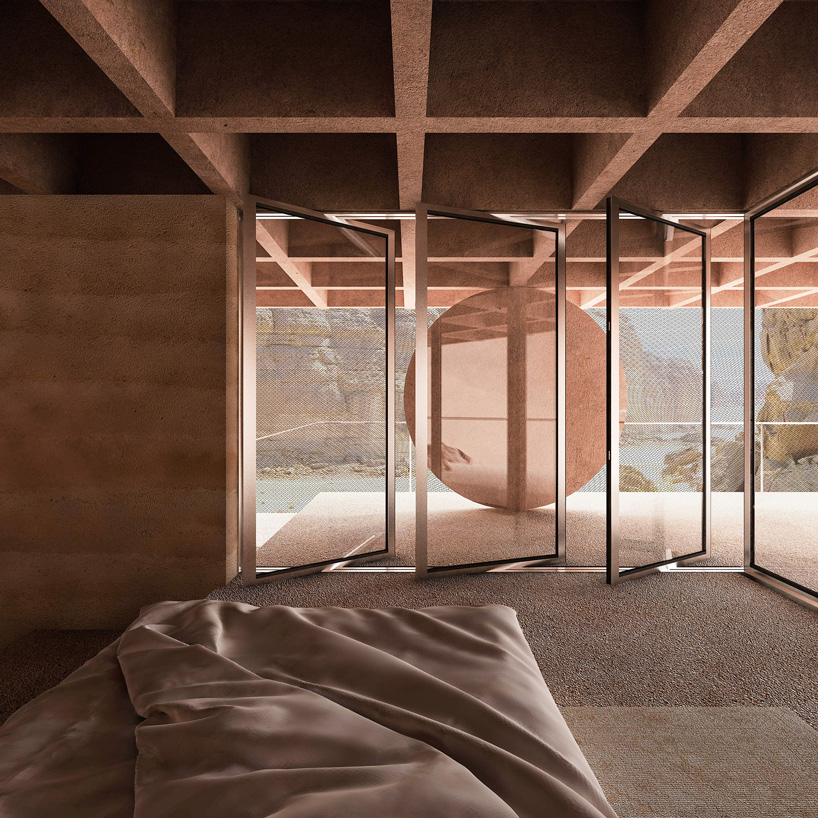
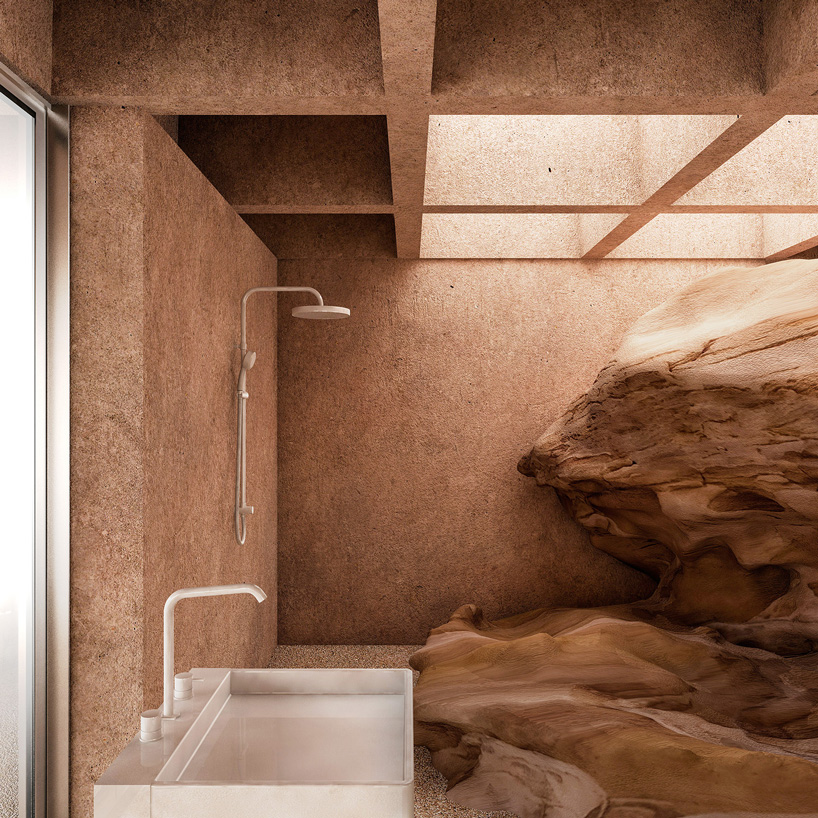
a roughly 250 tons (165m3) piece of sandstone marks the centerpiece of the home’s interior, drilled in certain points to enable a cold piping system to go through. its physical characteristics of conductivity and thermal diffusivity allow it to absorb the heat and cool down the house in a passive way. within a generic grid of 125cm, this organic feature generates a diversity of spaces, various shapes and forms to inhabit.
‘our approach of the environmental design in the project is fundamental to the general design,’ explains the architect and artist duo. ‘the cooling rock, literally in the center of the house, is considered as an inversion of the traditional heating hearth. here instead, this negative hearth is internally refreshed using a mix of geothermal techniques and solar concentrator cooling to absorb most of the heat radiations of the space.’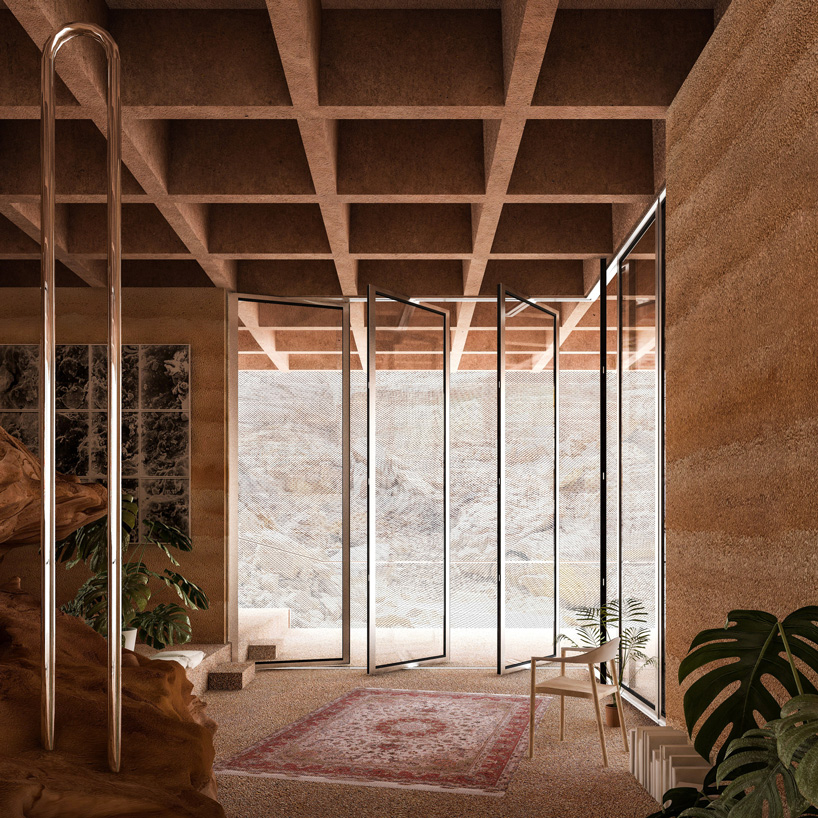
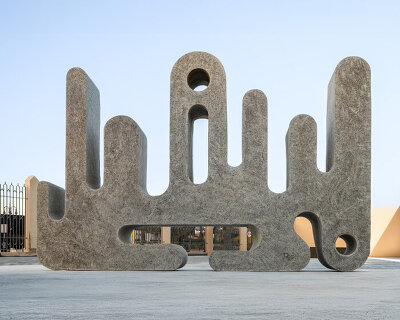
four rammed earth walls help support the two slabs, which are held mainly by the central rock. on the outside, the slabs are supported by two other rocks and four thin metallic walls that are insulated and covered by highly reflective metal sheets to prevent overheating. last, a vertical concrete disk designed more like a work of art serves as additional support for the slab above, while slightly hiding the bedroom and bathroom behind it.
project info:
name: al-‘ula
architect: nicolas dorval-bory architectes + caroline corbasson (artist)
climate engineer: milieu studio
location: al-‘ula, saudi arabia
shop
your own online design shop — no sales commission collected