alberto tonconogy constructs casa de uco winery in the andes mountain range in argentina
the argentinian architect developed a simple structure that reflected the vast alpine area circling the development.
prefer designboom on google
alberto tonconogy constructs casa de uco winery in the andes mountain range in argentina
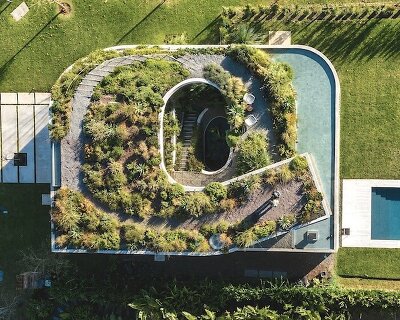
the ‘casa de uco winery’ – located a short way from the city of mendoza, argentina – follows a similar mentality to architect alberto tonconogy’s previous hotel project close to the area. his earlier construction attempted to explore different ways to leave the environment unchanged as possible. in order to achieve this goal, the topography of the landscape was studied, including the seasonal streams that flow from the foothills of the surrounding andes mountains. the most notable waterways were chosen as anchor points for the development, and a series of lagoons were created to store water for future wine making purposes.
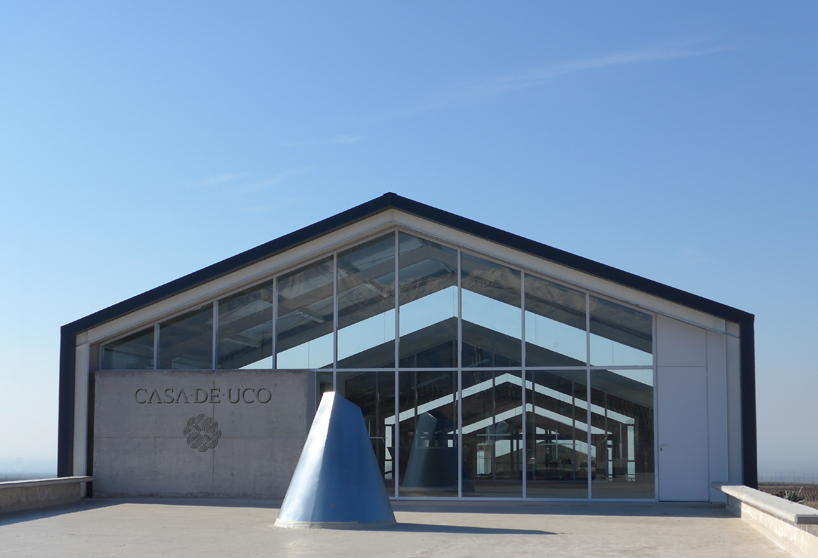
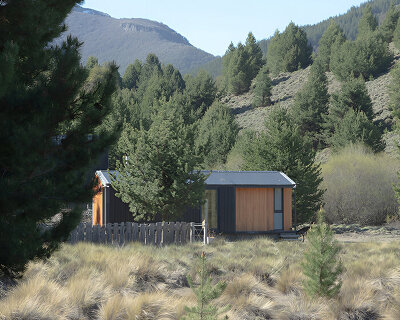
the ‘casa de uco winery’ is located a short way from the city of mendoza, argentina
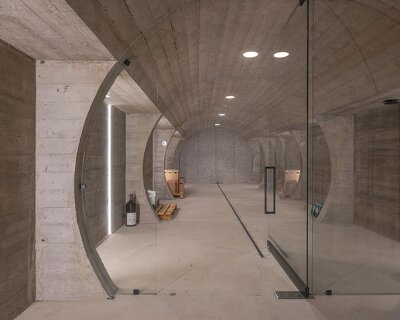
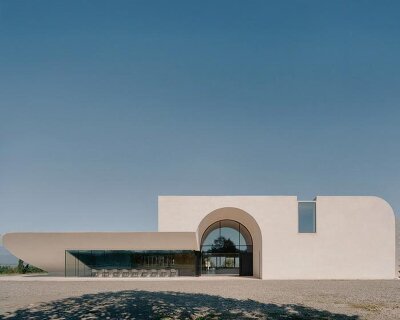
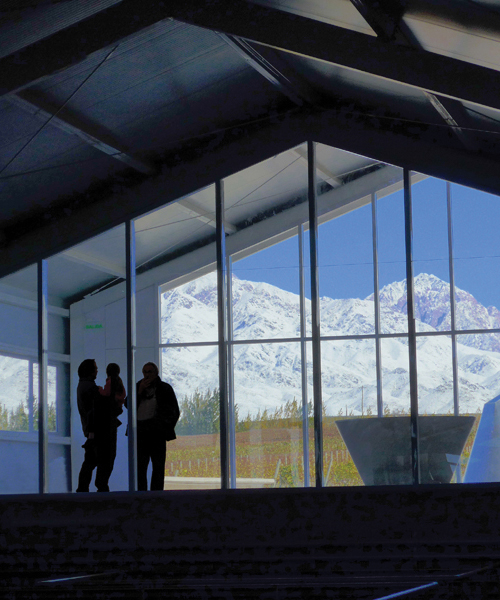
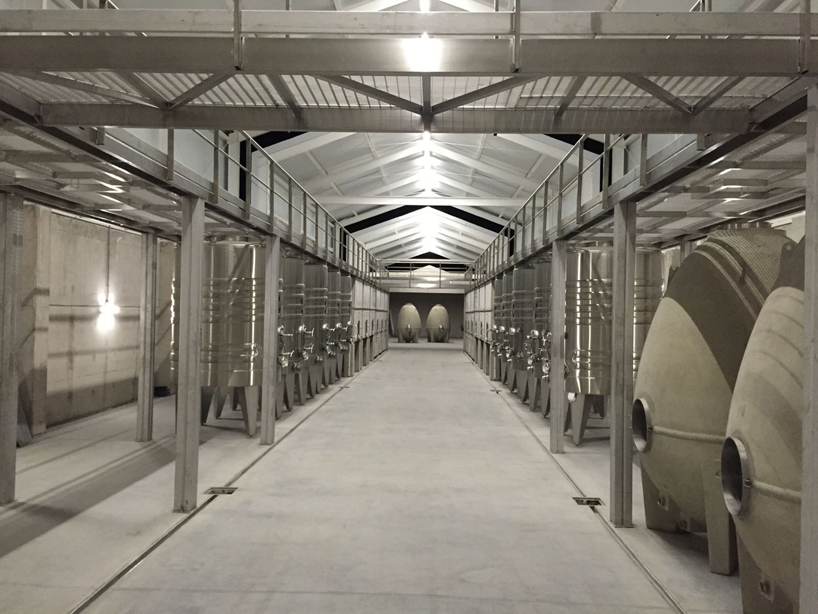
alberto tonconogy developed a simple structure that reflected the vast alpine area circling the development. the winery includes two views for visitors entering the building. the south points towards the vineyards of the uco valley and the west looks towards the andes mountain range. the winery’s orientation from west to east allows for controlled sunlight, indirect lighting and ventilation by by taking advantage of the predominant zonda winds. for the interior, the argentinian architect created a minimal continuous layout interrupted by a single glass bridge, which again allows guests and workers to observe the surrounding landscape.
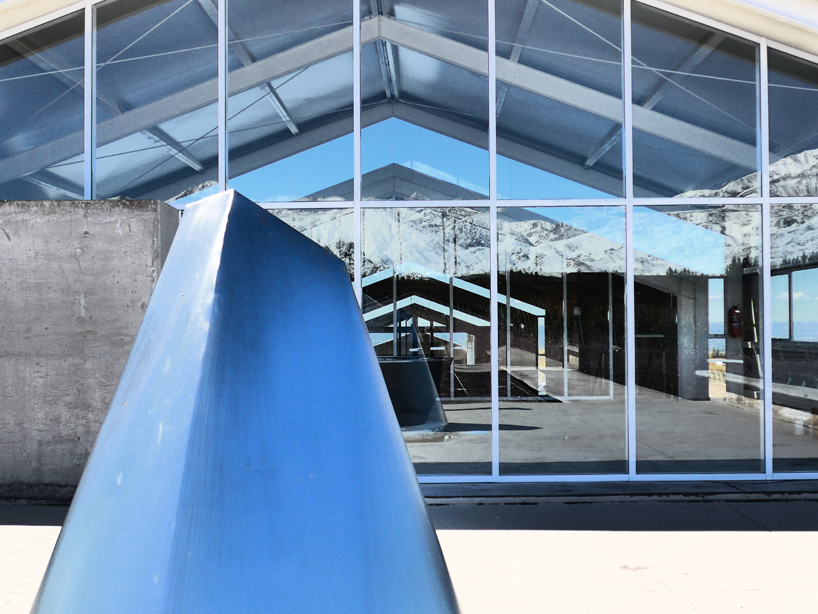
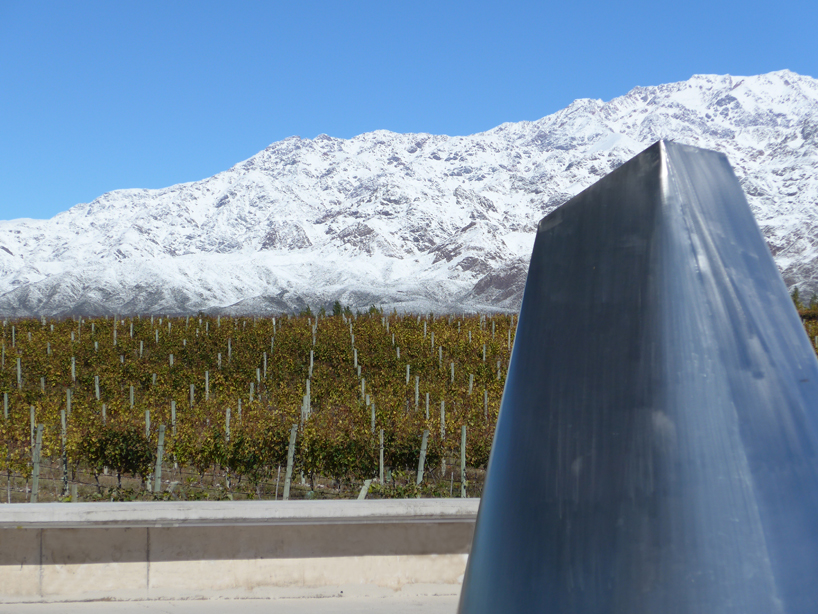
the topography of the landscape was studied, including the seasonal streams that flow from the andes mountains

alberto tonconogy developed a simple structure that reflected the vast alpine area
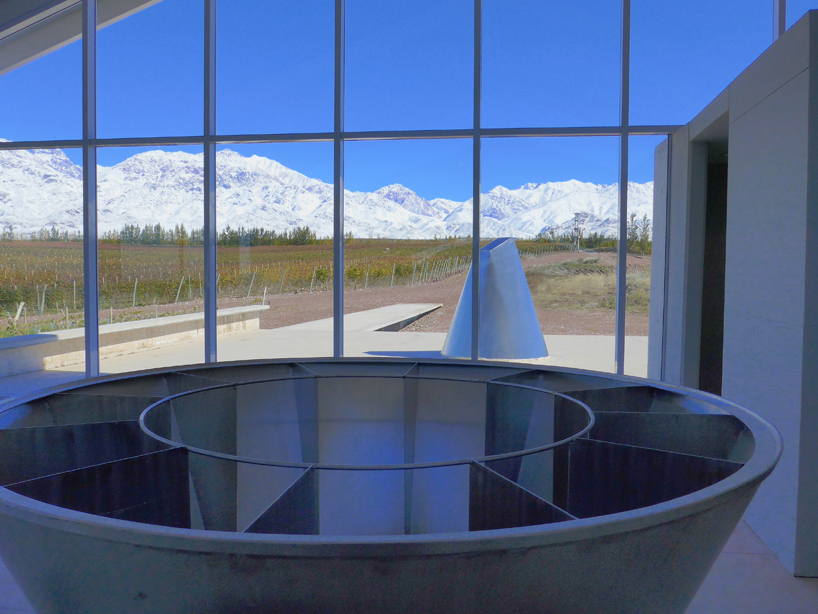
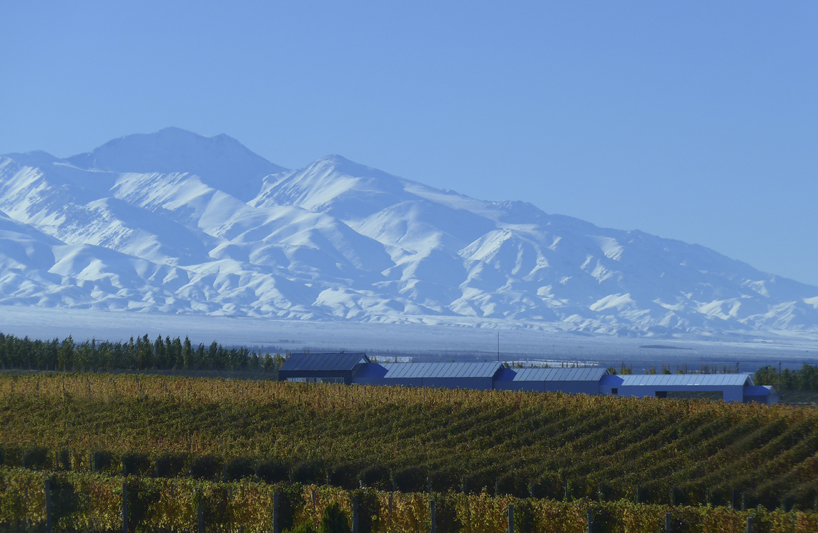
the winery’s orientation from west to east allows for controlled sunlight, indirect lighting and ventilation
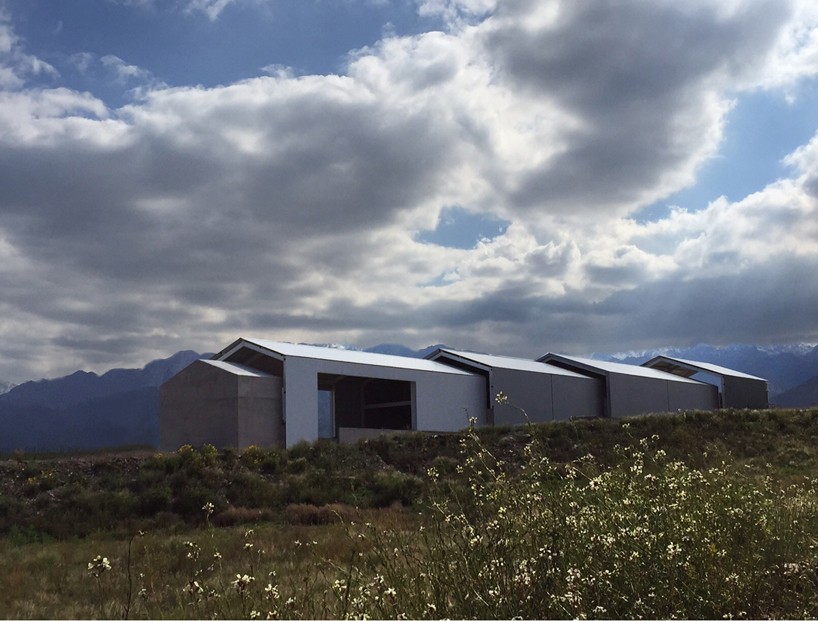
the construction contains an overlapping structure
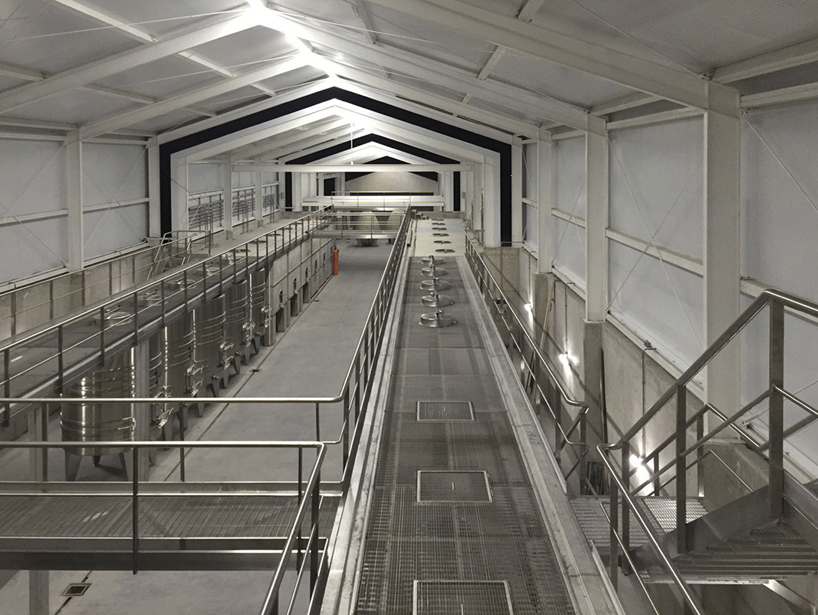
interior
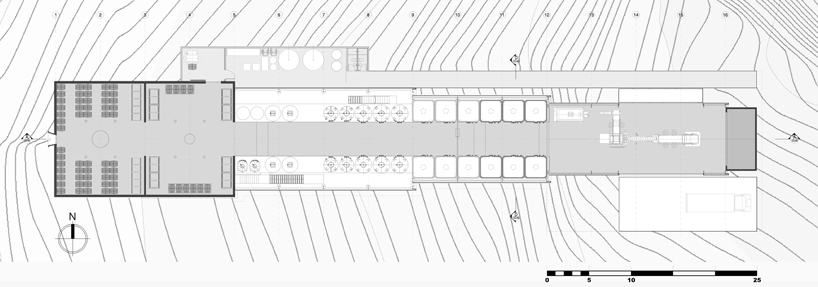
plan floor

section
designboom has received this project from our DIY submissions feature, where we welcome our readers to submit their own work for publication. see more project submissions from our readers here.
shop
your own online design shop — no sales commission collected