lattice installation unfolds spatial archive of acapulco’s urban history at venice biennale
developed by a|911, cadena concepts, and esrawe, acapulco: selective memories addresses the spatial and material challenges of coastal urbanism.
prefer designboom on google[FEATURED]
Acapulco: Selective Memories by a|911 + Cadena Concepts + Esrawe
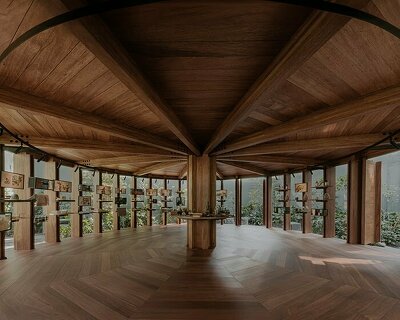
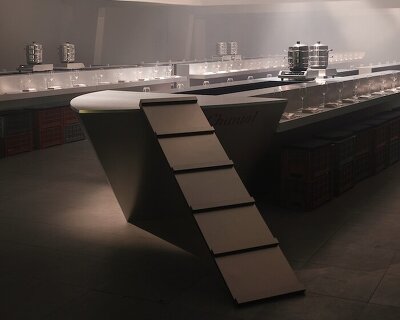
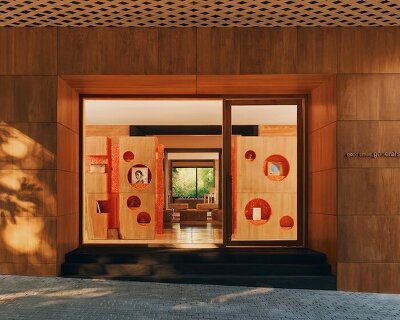
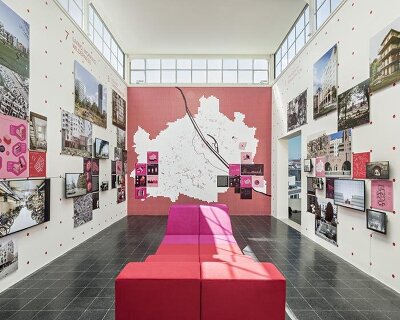
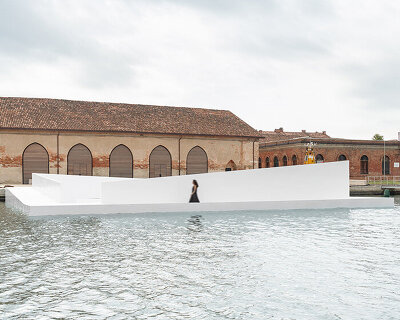
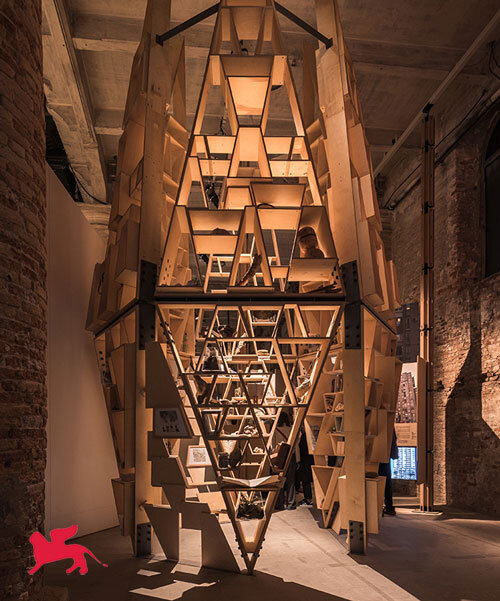
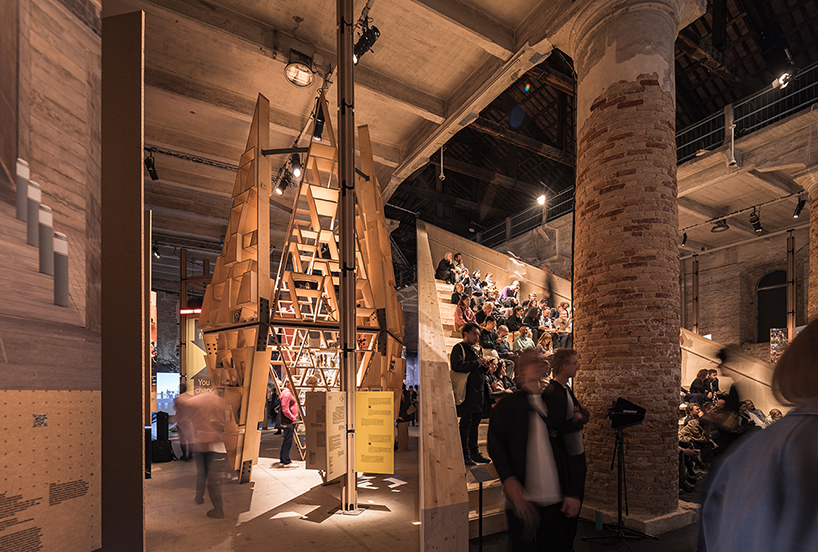
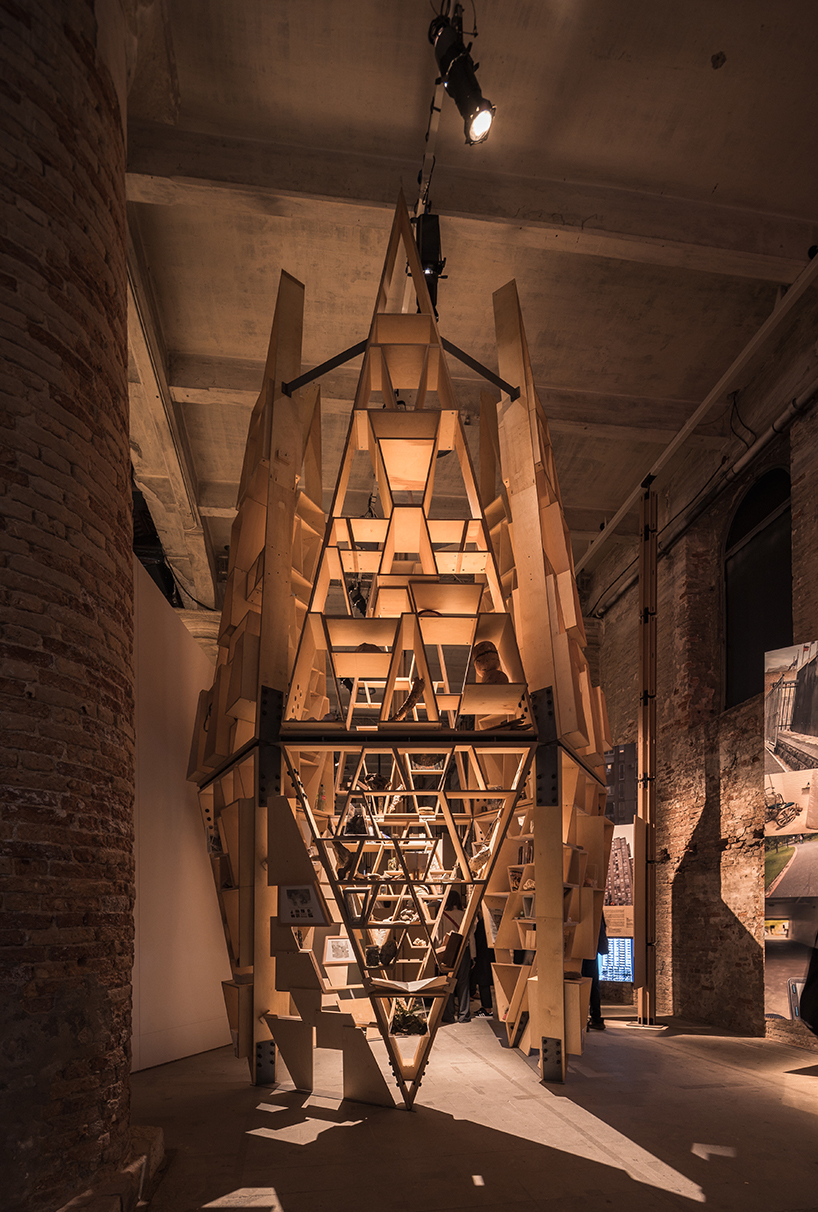
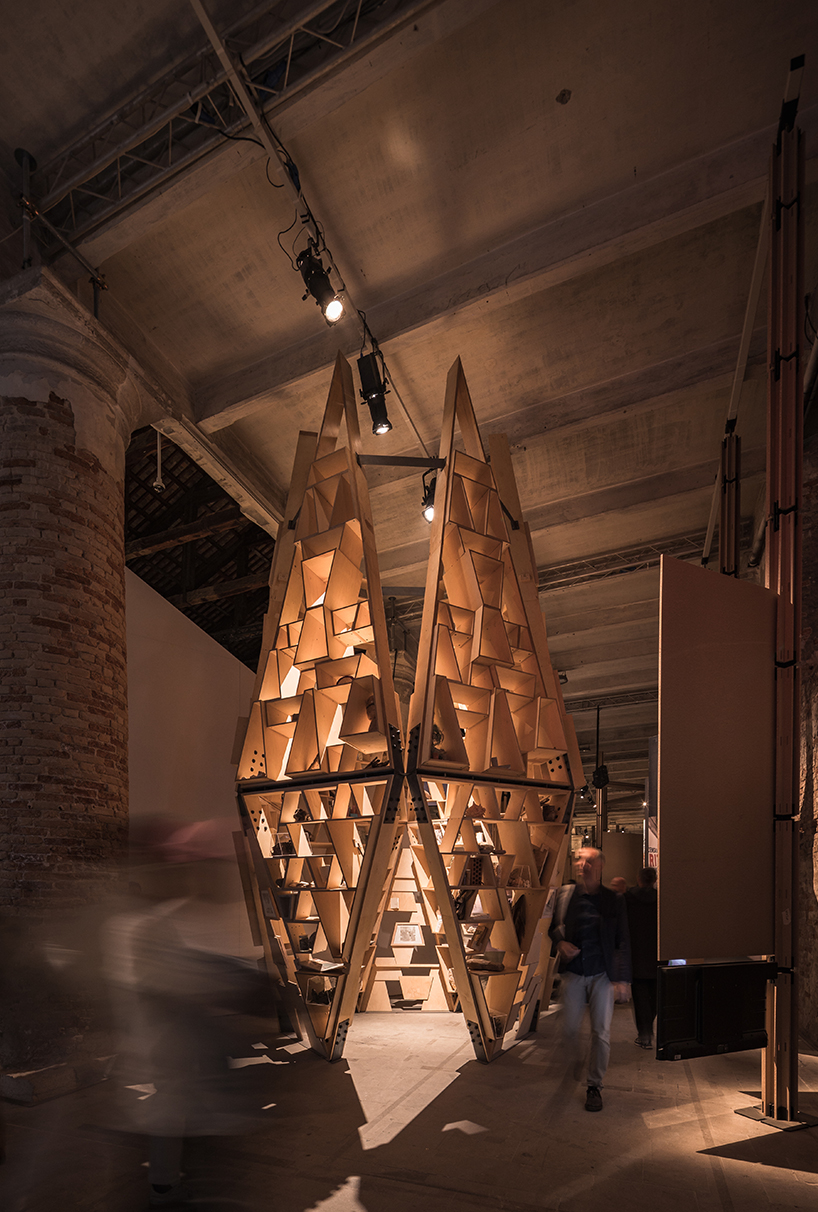
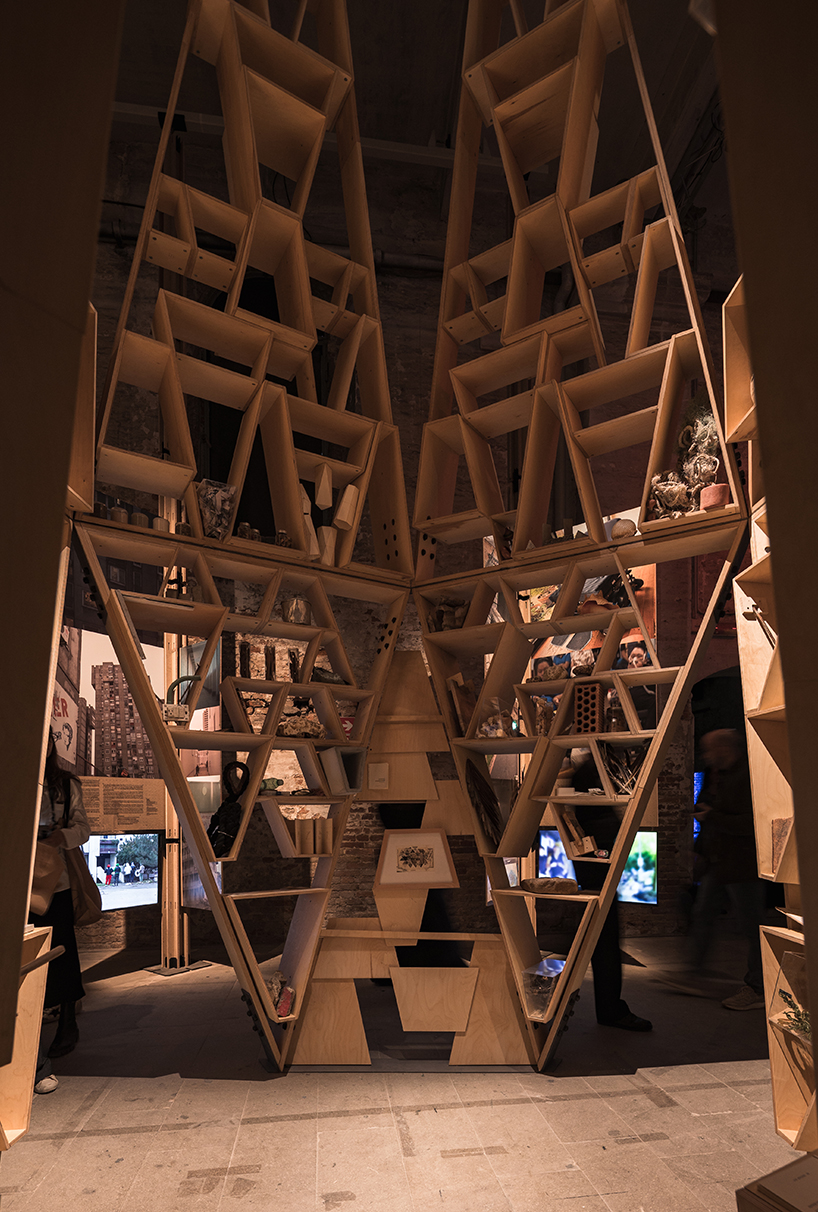
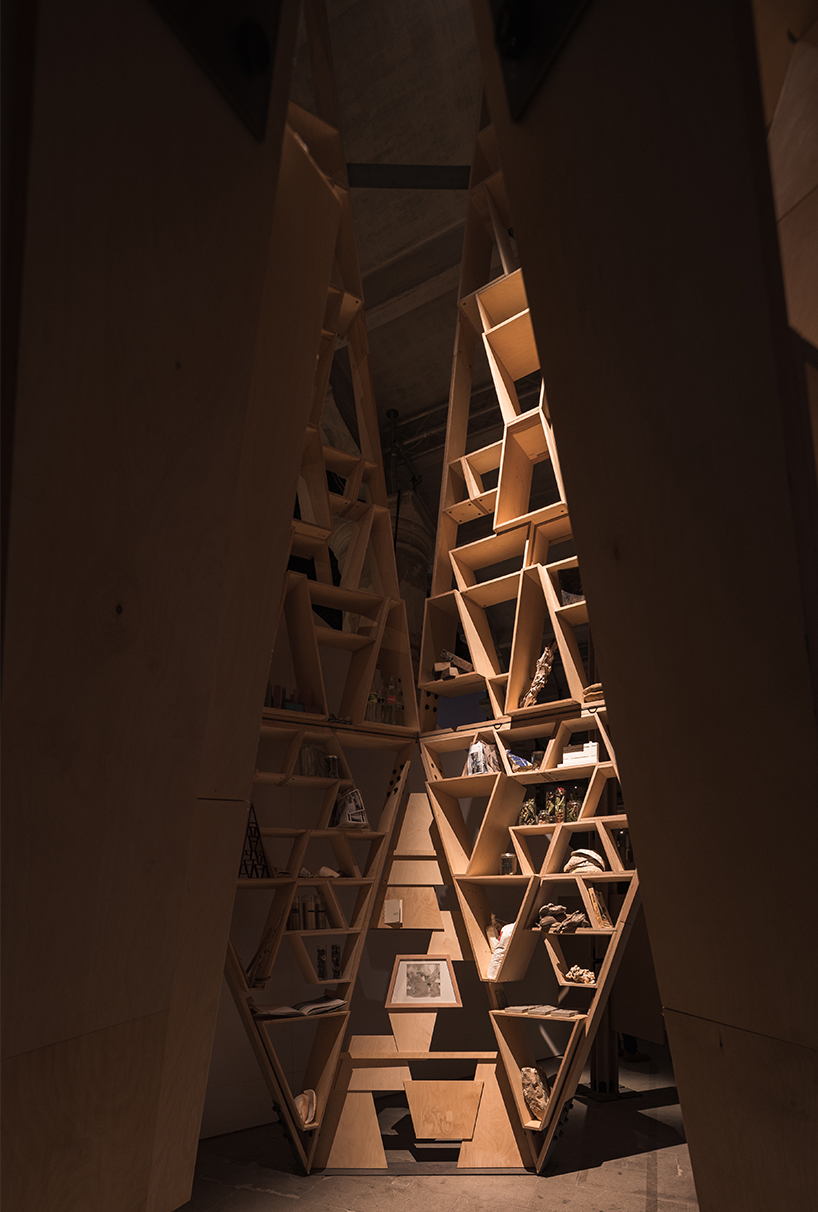
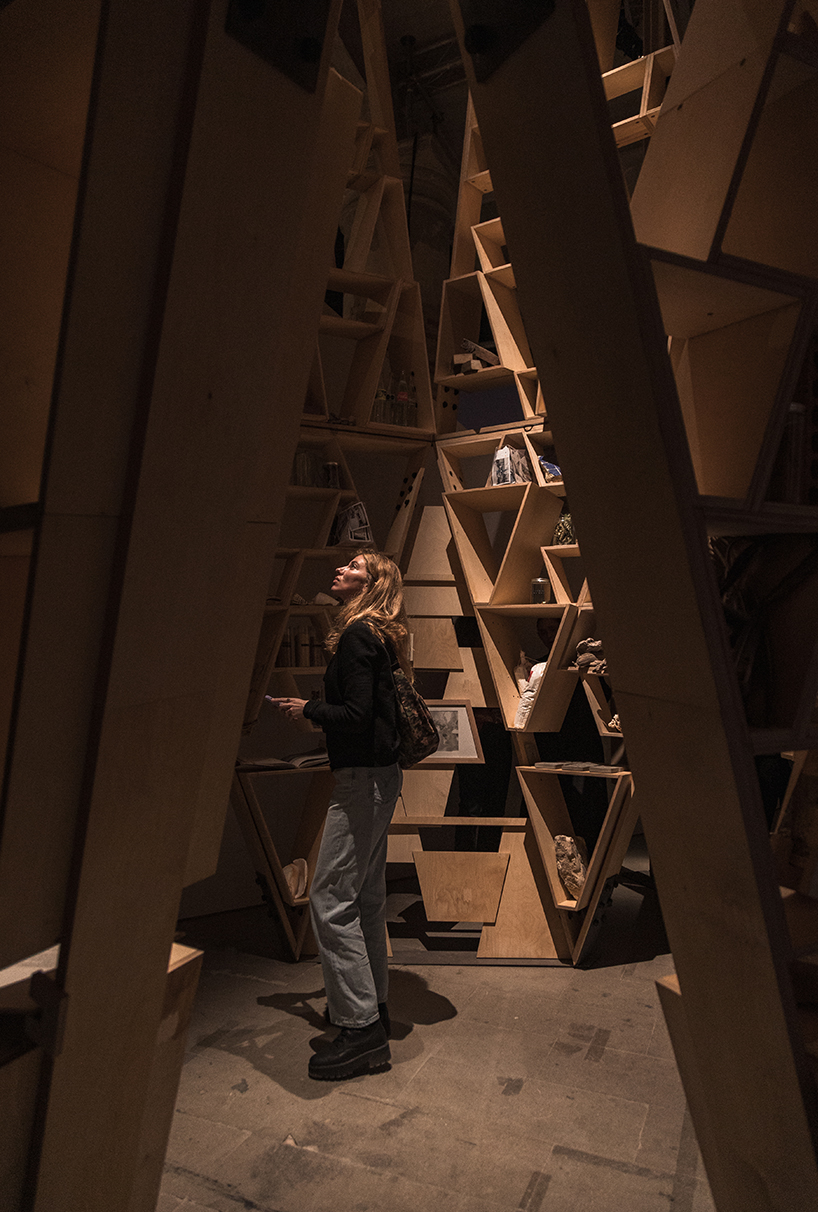
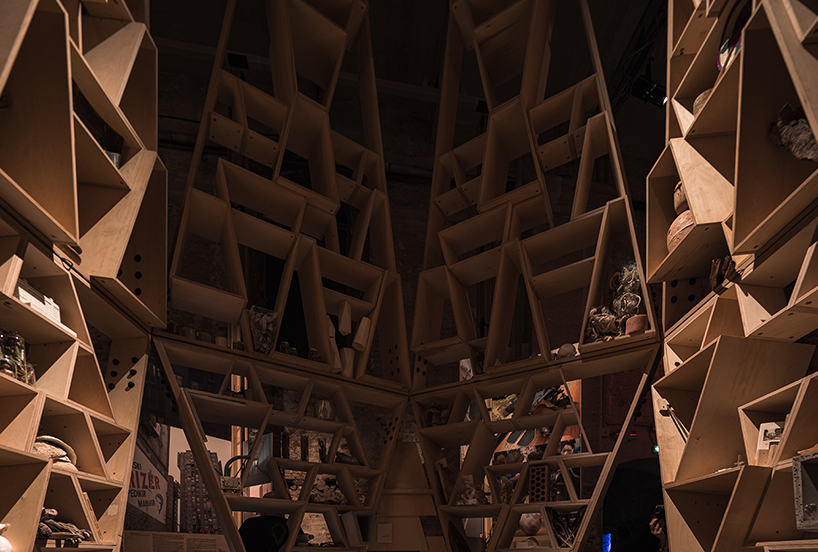
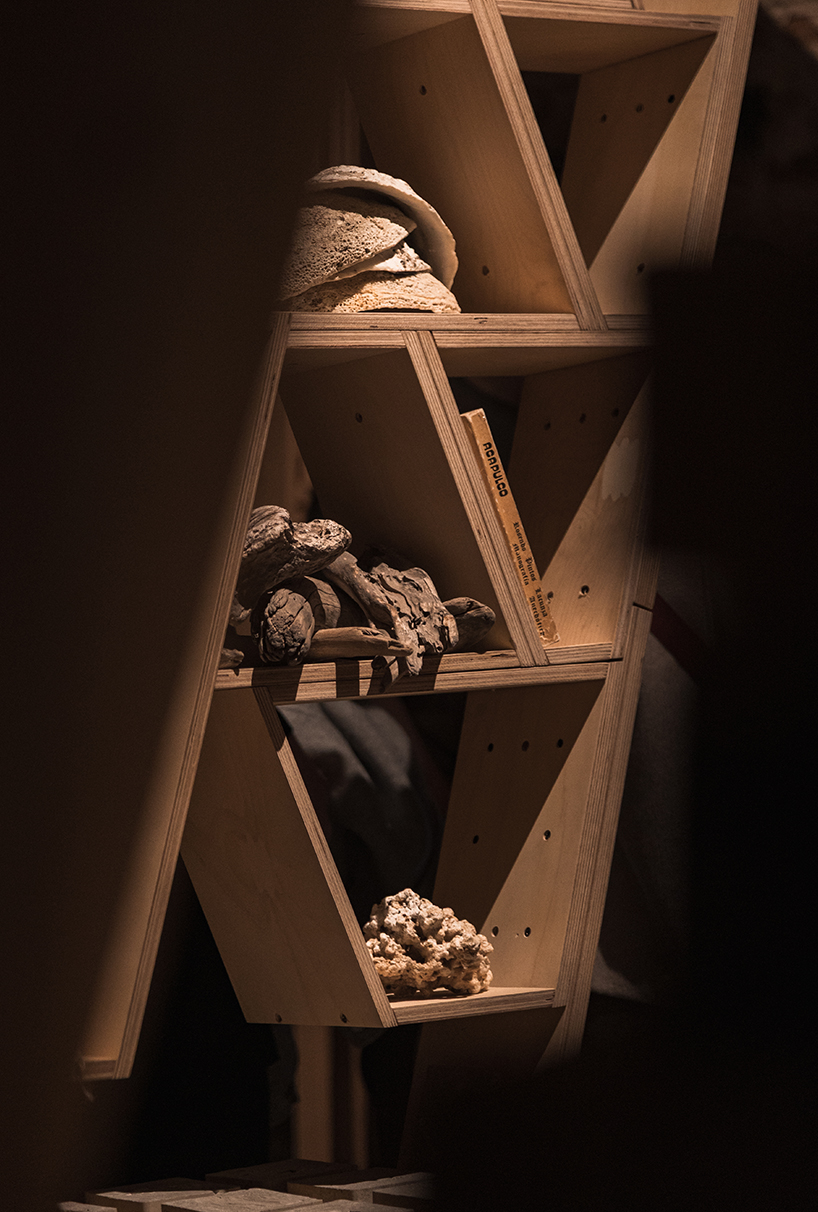
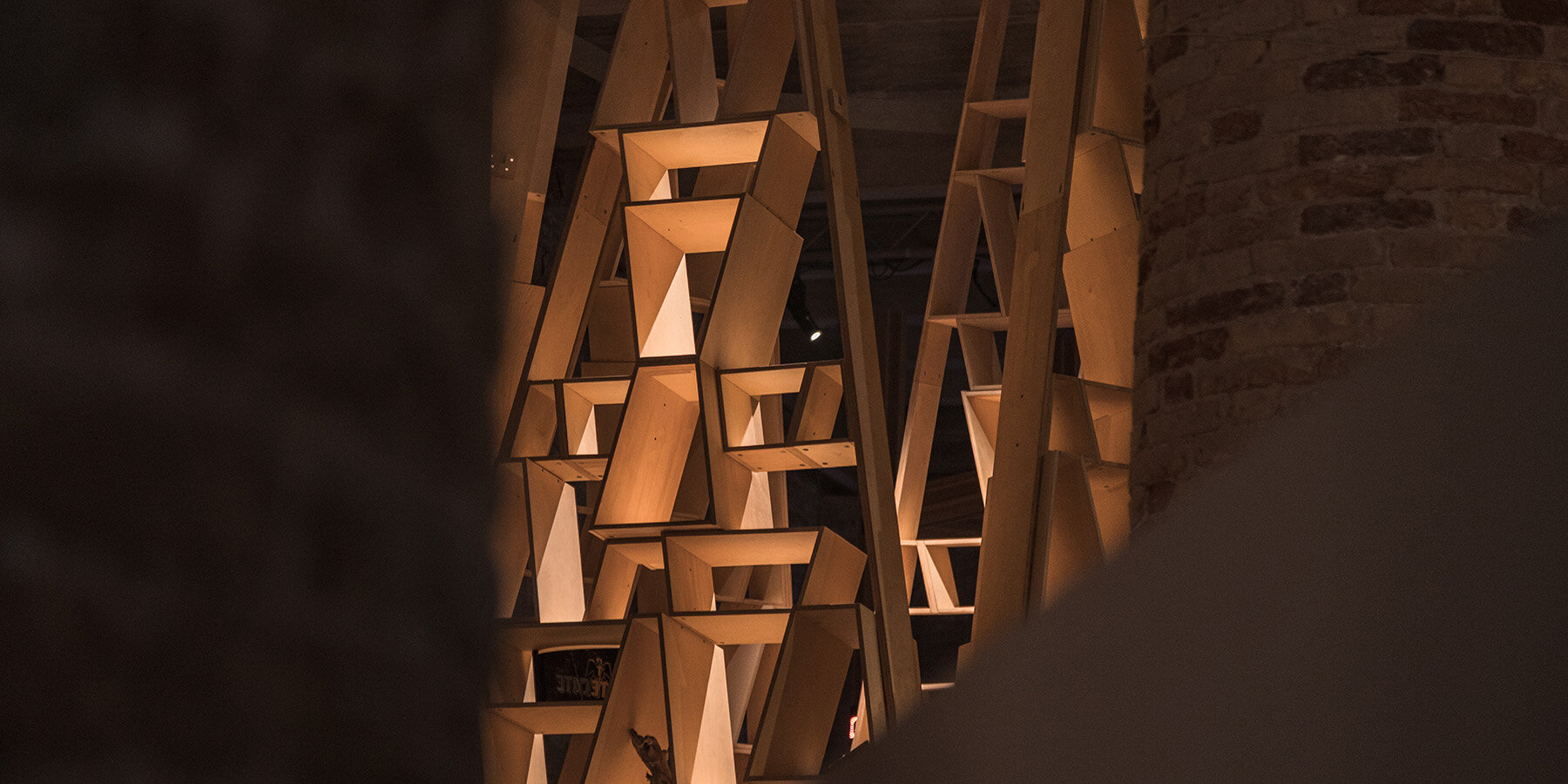
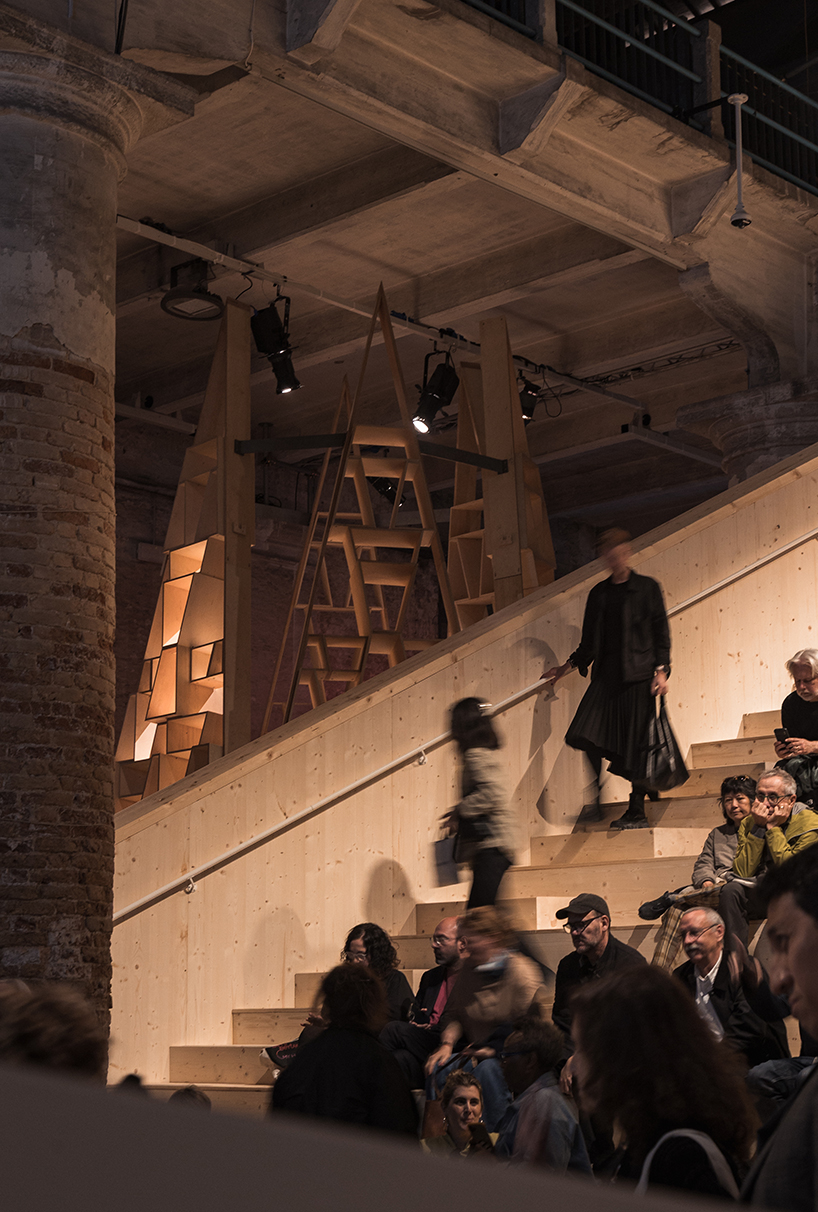
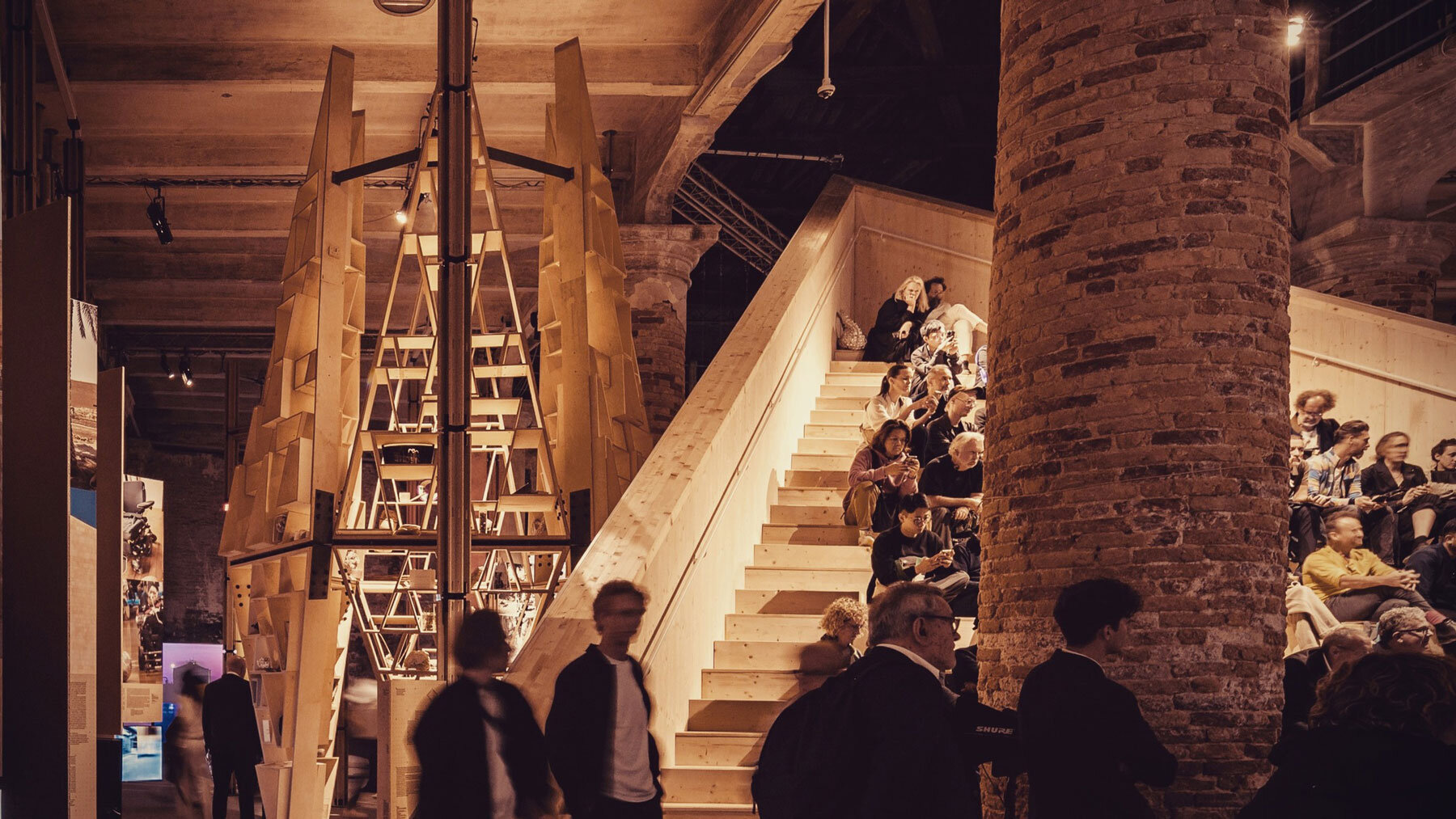
Acapulco: Selective Memories is an architectural installation developed by the design studios a|911, Cadena Concepts, and Esrawe. Presented at the 19th International Architecture Exhibition of La Biennale di Venezia, the installation addresses the spatial and material challenges of coastal urbanism in response to recent climate events. Through a structure formed by a double celosía, perforated wall, the project functions as both an archive and a framework, examining the layered urban history of Acapulco and proposing approaches to resilience and adaptive reuse. The installation is situated within the broader theme of the Biennale, Intelligens: Natural. Artificial. Collective., curated by Carlo Ratti, director of the MIT Senseable City Lab. The project engages this context by exploring how architectural intelligence, both traditional and contemporary, can contribute to climate response and urban regeneration.
Acapulco, historically a major port in the Manila Galleon trade and later a prominent international tourist destination, now faces structural challenges related to environmental vulnerability and economic decline. The installation does not seek to evoke nostalgia but to consider the relevance of historical, ecological, and material knowledge in shaping future urban strategies. The design aims to investigate how spatial memory and cultural legacy can inform sustainable redevelopment.
Celosía as Archive and Lattice: A Material Reflection on Acapulco
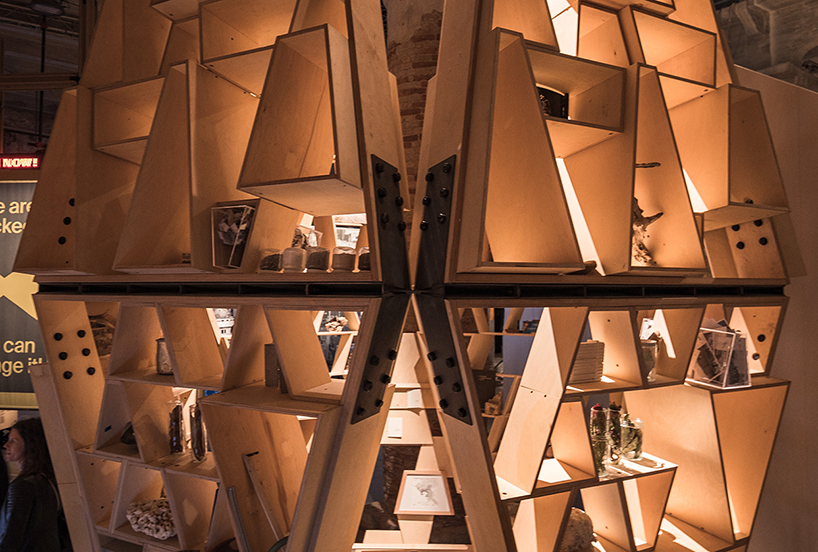
The double celosía structure includes two primary elements: an archive and a lattice. The archive contains a curated selection of urban and architectural documents, maps, and visual materials referencing figures such as Alexander von Humboldt, Clara Porset, Félix Candela, Mario Pani, Frank Lloyd Wright, and John Lautner. These references provide a contextual framework for understanding the evolution of Acapulco’s built environment and its connections to broader architectural discourse. The lattice element serves as a spatial construct that integrates vernacular building systems with contemporary design methods. It is both conceptual and functional, representing the intersection of tradition and innovation. Through this assembly, the installation examines architectural adaptability in the face of changing climatic and socio-economic conditions.
By foregrounding themes of regeneration and ecological sensitivity, Acapulco: Selective Memories situates Mexican design within global discussions on sustainable development, urban resilience, and collective memory. The project, developed by architectural studio a|911, design firm Esrawe, and the creative team at Cadena Concepts, contributes to ongoing explorations of how architecture can mediate between cultural history and future environmental performance, particularly in coastal contexts.
project info:
name: Acapulco: Selective Memories
architect: a|911 | @arq911 + Esrawe Studio | @esrawestudio + Cadena Concepts | @cadenaconcepts
location: Venice, Italy
area: 9 sqm
designboom has received this project from our DIY submissions feature, where we welcome our readers to submit their own work for publication. see more project submissions from our readers here.
shop
your own online design shop — no sales commission collected