the Norman Foster Institute Master’s Programme returns
Open to graduate students and professionals from fields as varied as Anthropology, Architecture, Data Analytics, Environmental Studies, Engineering, Sociology, and beyond, the Norman Foster Institute (NFI) 2026 Master’s Programme on Sustainable Cities returns from January to December 2026, in Madrid. The initiative encompasses a holistic, multidisciplinary education, offering scholarships for applicants demonstrating exceptional talent, academic excellence, and financial need. With a focus on shaping resilient, inclusive cities, Norman Foster Foundation‘s Master’s Programme promises a transformative educational experience led by global experts, inviting future civic leaders, architects, and multidisciplinary creatives to participate in a year-long journey that fuses fieldwork with academic excellence.
The Norman Foster Foundation shapes future urbanism
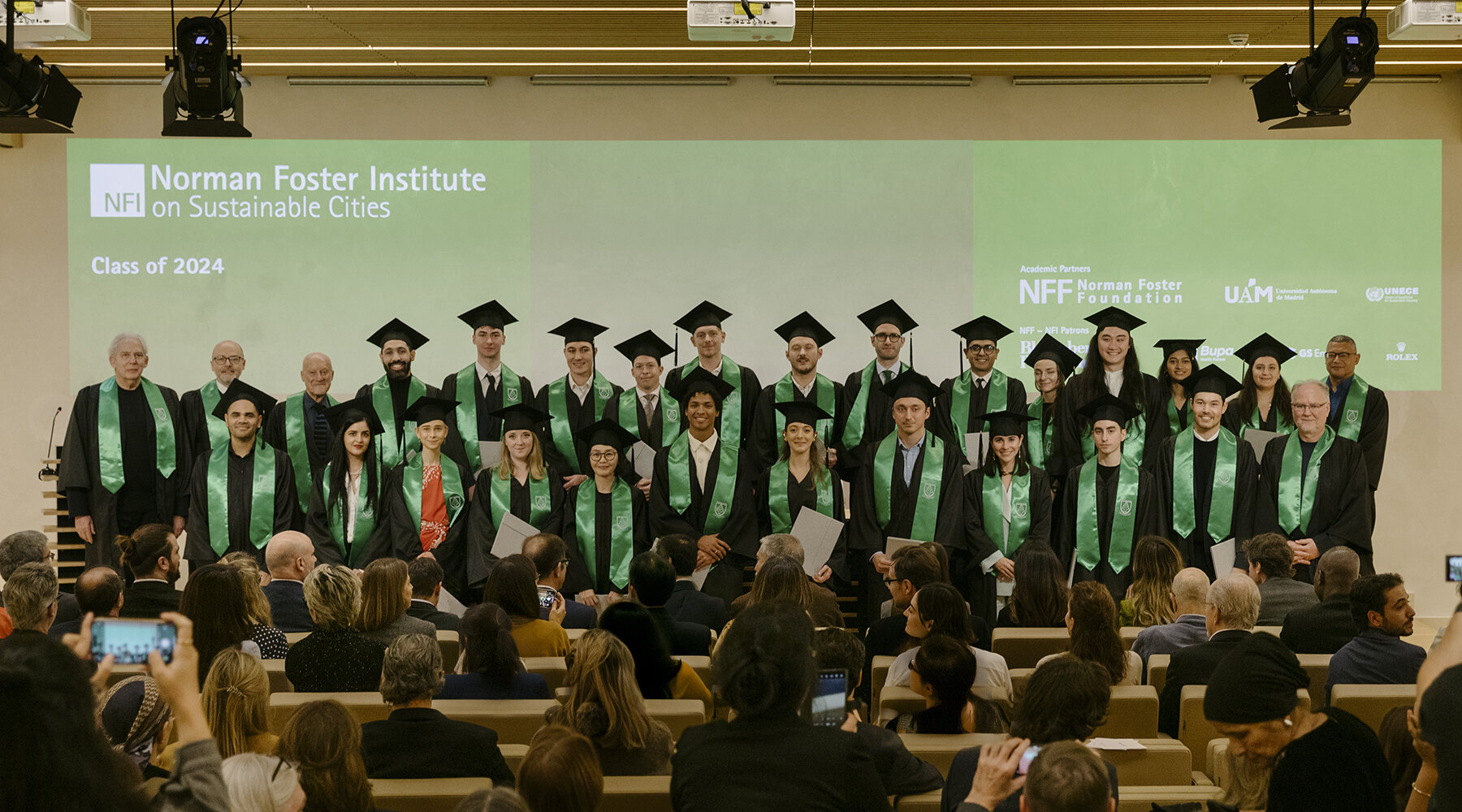
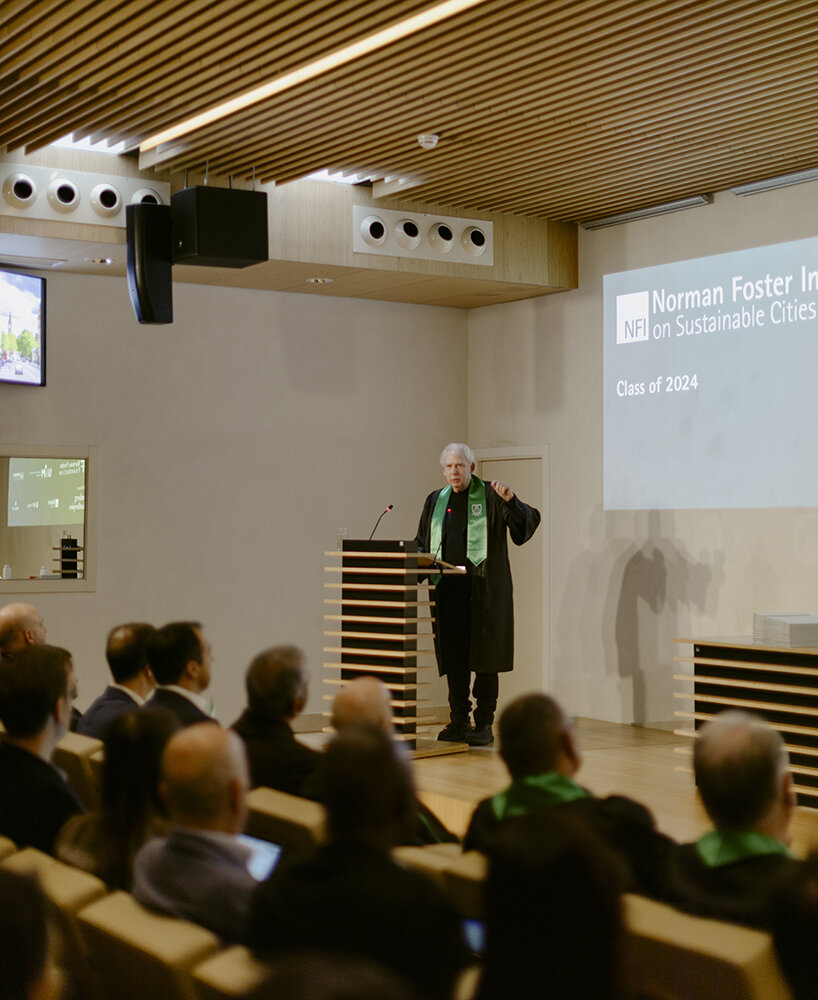
Founded in London in 1999, and headquartered in Madrid since 2017, the Norman Foster Foundation promotes interdisciplinary thinking and research to help new generations anticipate the future. Central to its work is Norman Foster’s enduring philosophy that architecture, infrastructure and urbanism directly impact the quality of everyday life as new cities are created and existing ones evolve. Since its launch, the Foundation’s educational programmes—comprising workshops, forums and fellowships—have encouraged new thinking and research to help future civic leaders prepare for the challenges they will face, based on data rather than fashion. Those programmes and principles led to the creation of the Norman Foster Institute which launched its first Master’s Programme on Sustainable Cities in January 2024.
The Foundation is also home to the Norman Foster Archive and part of his Library, which provide a window into the larger narrative and history of our built environment through the work of Norman Foster and other prominent architects. The Archive is an open online resource and contributes to exhibitions worldwide. The education programmes and research teams are supported by the Foundation’s in-house architectural team.
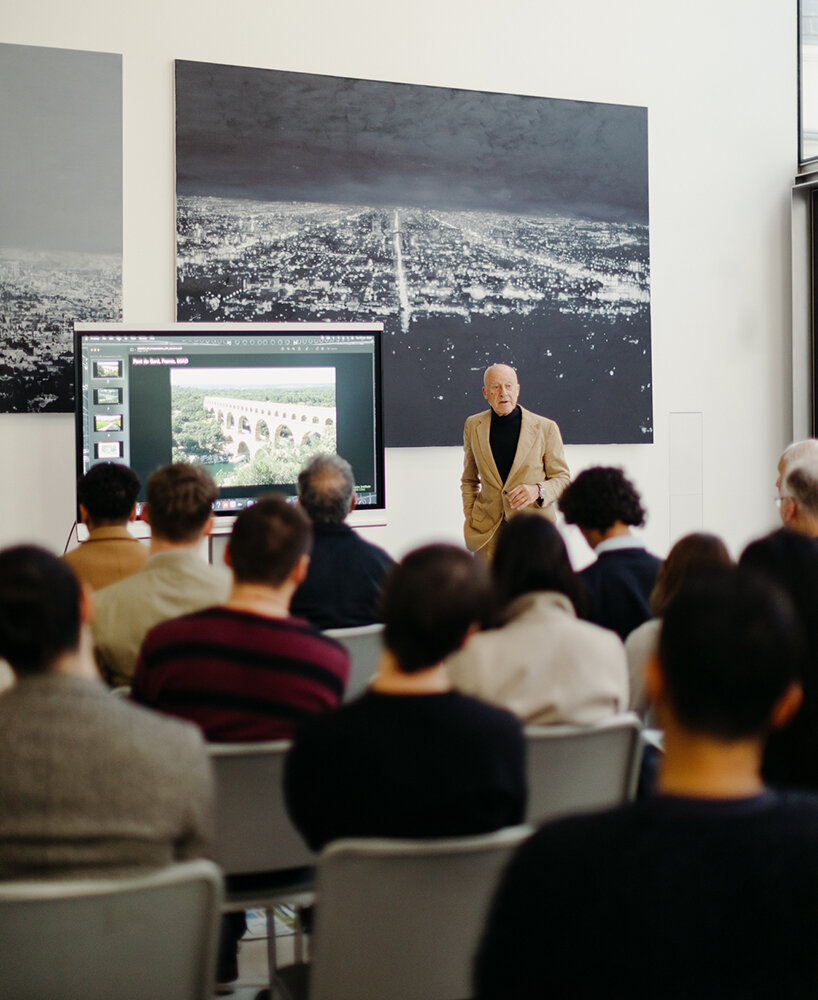
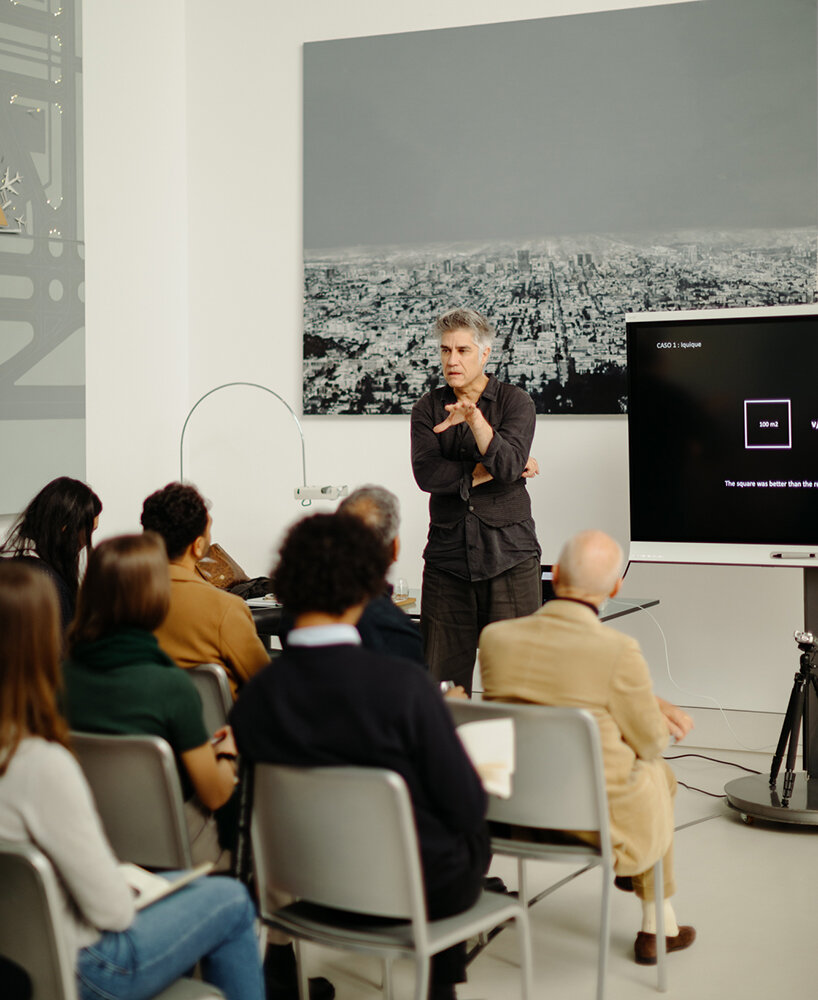
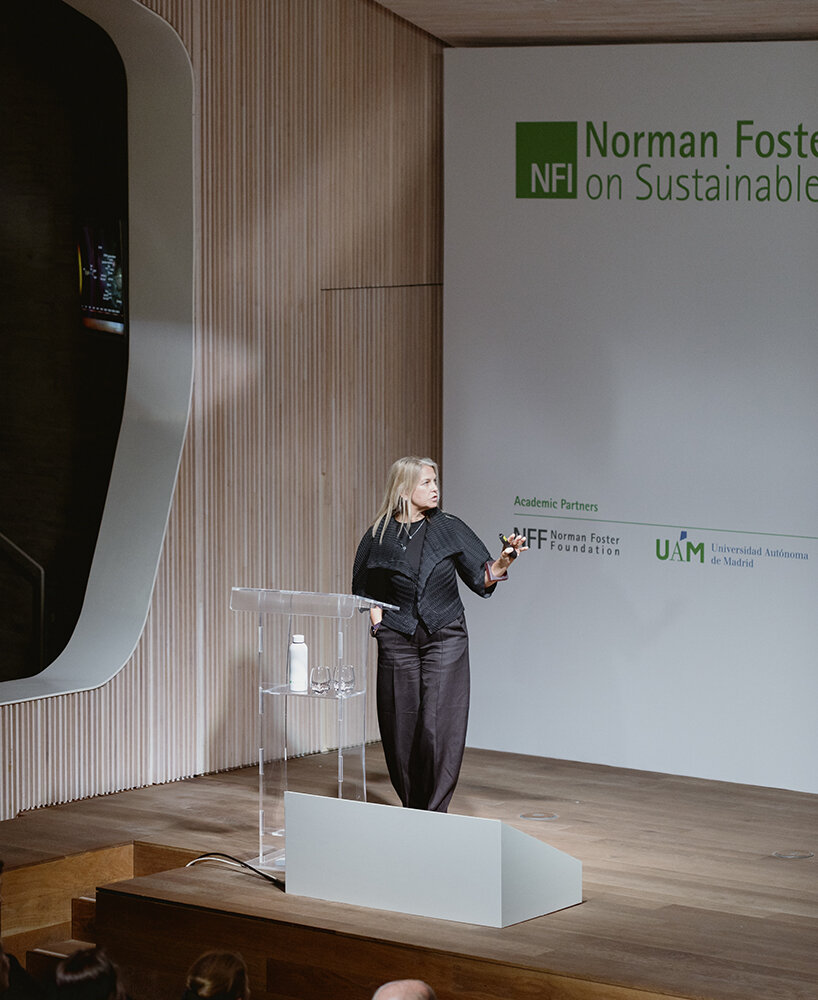
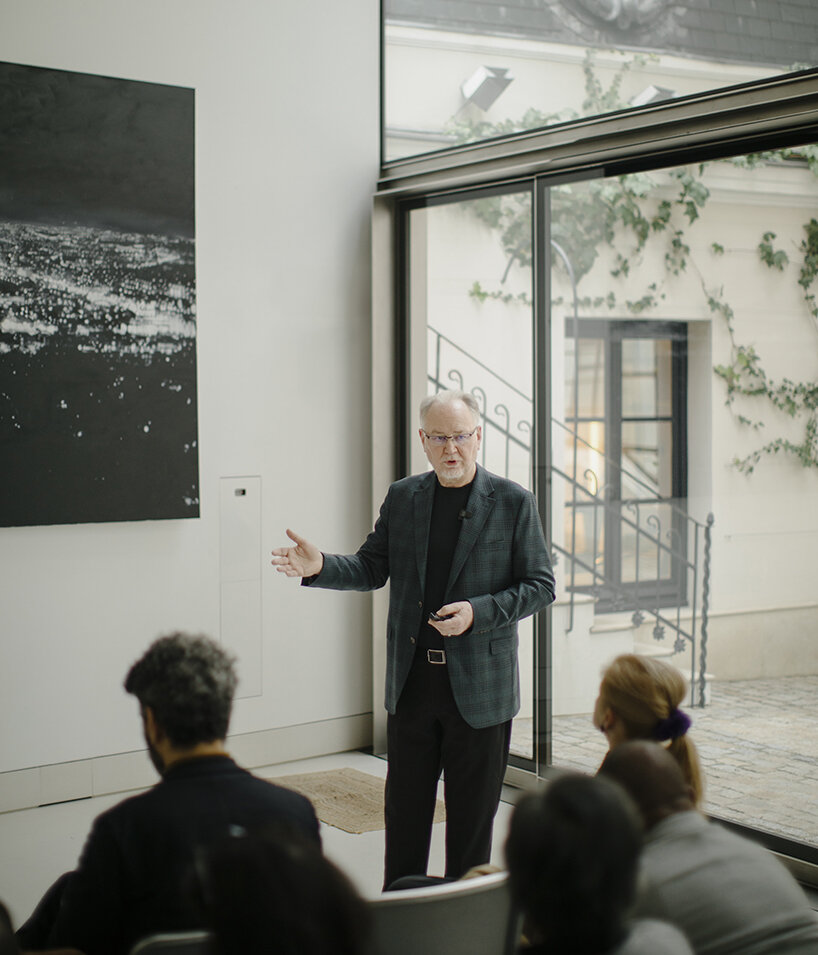
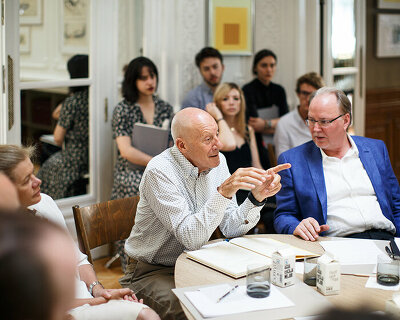
the Master’s Programme on Sustainable Cities blends hands-on experience with academic insights from the Norman Foster Foundation’s global network of experts
the master’s programme expands across three continents
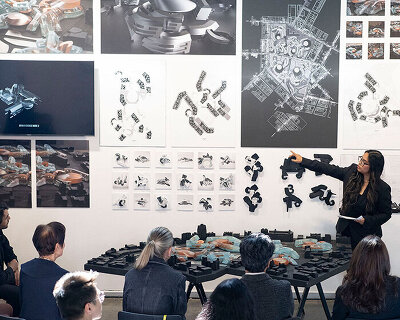
Following a successful inaugural year, the 2026 edition of the Master’s Programme on Sustainable Cities extends its geographical reach to pilot cities across Asia, Europe, and Latin America. Participants will collaborate closely with city planners, engaging in real-world urban challenges across diverse contexts. Divided into three core stages—Foundations, Diagnosis, and Interventions—the programme offers a rigorous academic structure blending studio-based and field research activities.
At the heart of the Master’s Programme is the ambition to train a new generation of urban leaders equipped with cutting-edge skills. The thirty-six-week course starts by equipping students with essential tools, ranging from leadership and advocacy to data analysis and mapping, ensuring they are prepared to tackle a wide range of urban issues. Throughout the year, participants develop interventions tailored to the needs of three distinct pilot cities, culminating in direct presentations to each city’s administration.
the 2026 edition of the programme expands its geographical horizons to span three continents: Asia, Europe and Latin America
New for 2026, the programme introduces three specializations: City Science, Urban Design, and Architecture. In City Science, students work alongside Dr. Gareth Simons to harness data-driven methods such as GIS, Python programming, and urban modelling to foster walkable, inclusive cities. Urban Design, under the guidance of Prof. Vishaan Chakrabarti, focuses on public spaces and urban forms that strengthen community identity and resilience. Meanwhile, the Architecture track led by Prof. Frédéric Migayrou encourages the creation of future-oriented, sustainable designs rooted in innovative typologies.
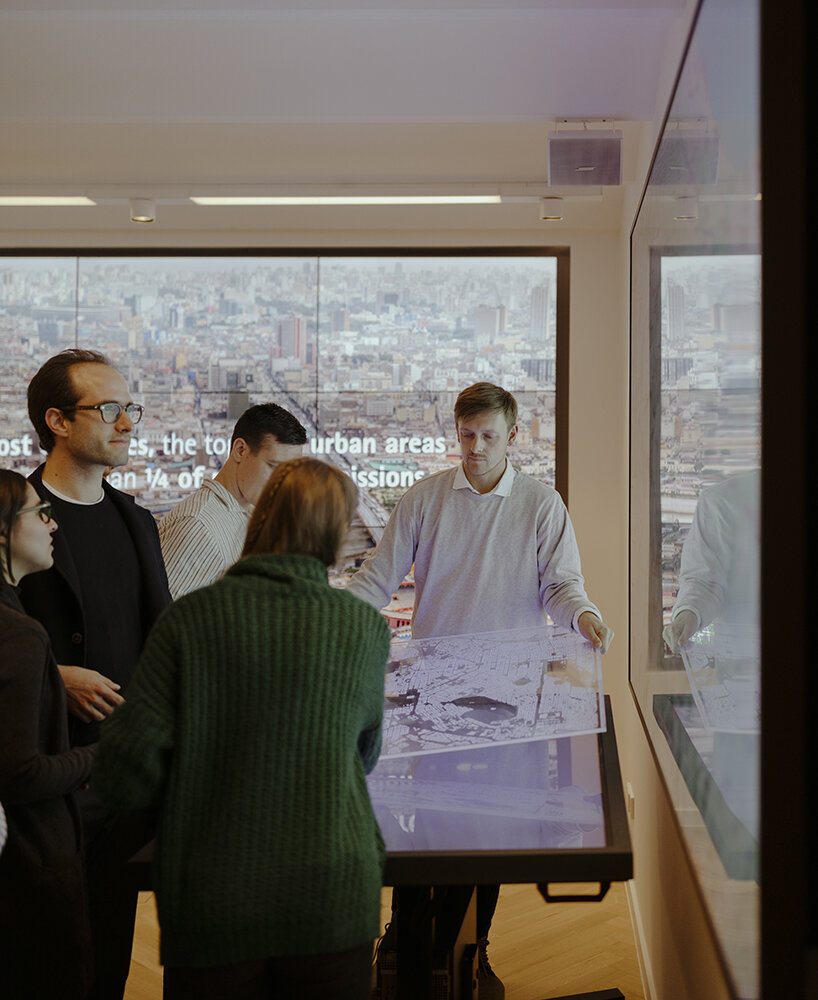
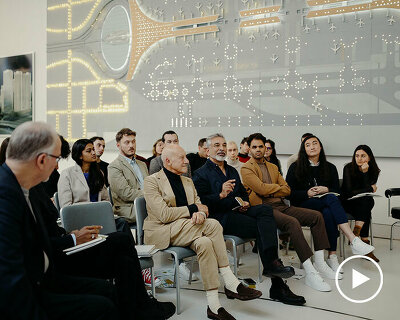
The Norman Foster Institute’s Centre for City Science further enhances the programme by integrating artificial intelligence, augmented reality, and interactive interfaces into student projects. This forward-thinking approach empowers participants to base their urban strategies on hard evidence and rigorous testing, pushing the boundaries of traditional urban planning and design. Successful graduates will receive a Master’s Degree Diploma from the Norman Foster Institute, certified by the Universidad Autónoma de Madrid and signed by leaders such as Norman Foster, Kent Larson, Edgar Pieterse, and the university’s Provost.
the programme welcomes graduate and postgraduate students along with professionals in various fields such as Anthropology, Architecture, Arts, Computer Science, Construction, Data Analytics, Design, Economics, Engineering, Environment, Geography, History, Law, Mathematics, Public Policy, Sociology, Transportation, Urbanism and other related disciplines
the thirty-six-week academic year is structured across three stages—Foundations, Diagnosis, and Interventions— with time divided between studio and field workthe course starts with tools and skills that can be used to address wide-ranging issues in citiesthe NFI Centre for City Science supports students as they work on developing sustainability strategies for pilot cities using artificial intelligence, augmented reality and interactive interfacetowards the end of the year, the students will present their findings to each city’s administrationthis Master’s Programme is intended for those who seek a holistic approach to the design and management of cities