archi LAB uses pilotis to elevate japanese home from rising snowfall
based in the small inland town of asahikawa, the dwelling is designed to adapt to the dramatic 40 degree temperature difference between summer and winter months.
prefer designboom on google
archi LAB uses pilotis to elevate japanese home from rising snowfall
all images by kei furuse
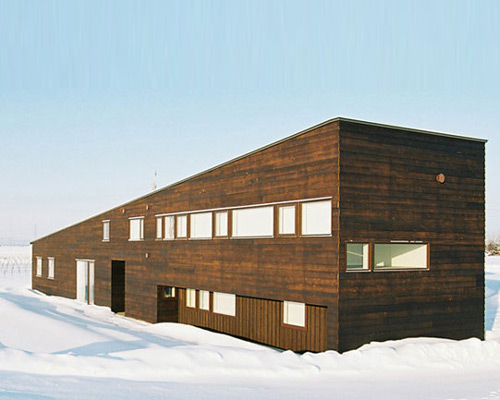
located in the inland town of asahikawa in hokkaido prefecture, sapporo-based firm archi LAB built the ‘CYIN’ residence on a neighboring plot situated on the southern end of the owner’s family home. due to the local climatic conditions – there is a dramatic 40 degree temperature difference between the summer and winter months – the design brief called for an architectural strategy that would effectively insulate and adapt the property to the harsh winter but simultaneously integrate the technologies needed to minimize heat gain during the summer.
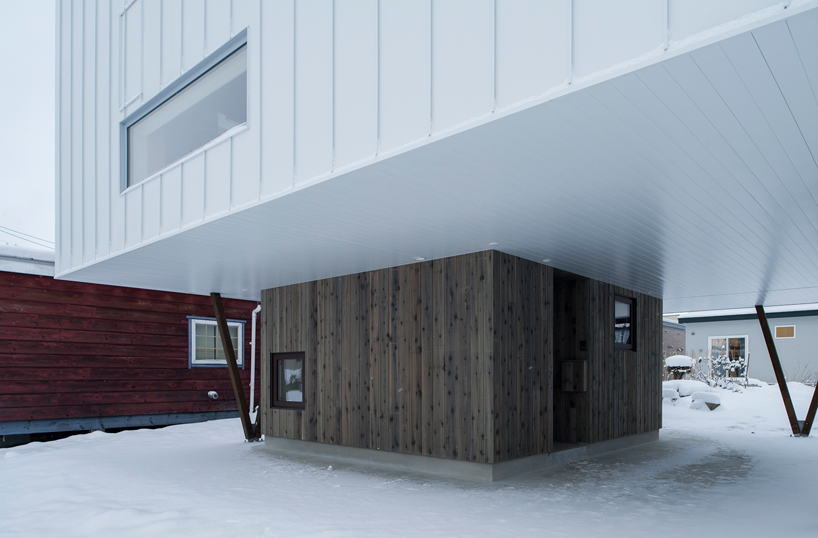
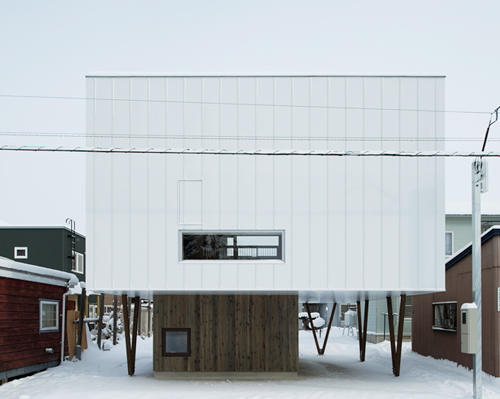
the home has been elevated to create a garden space but also for the snow to
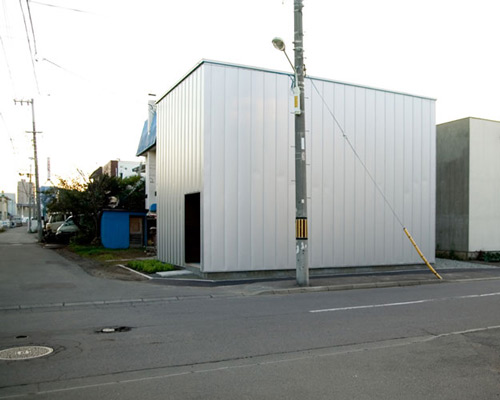
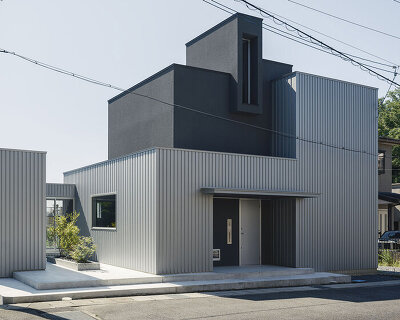
to minimize the accumulation of snow, the structure has been elevated and supported by a series of columns, resulting in the top-heavy, upper volume of the two-storey house to rest lightly over its smaller base. at the same time, this has maximized space for a private garden on the ground level.
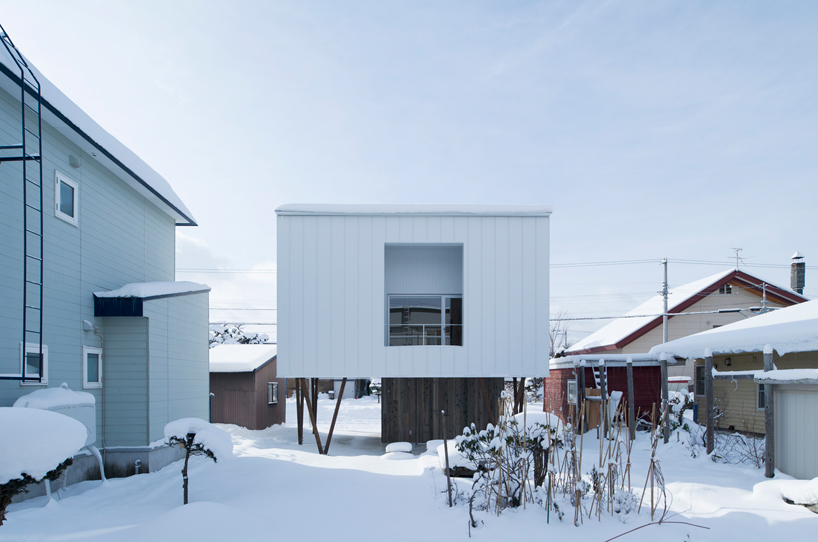
the top-heavy volume rests on the smaller timber volume housing the entrance
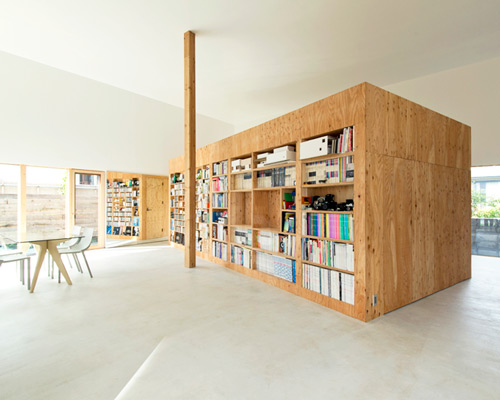
inside, the open-plan layout situated within the elevated volume is organized with large living area at the core with the master bedroom and utilities room branched off. an additional loft space has been created above the plywood space. the window on the southern façade is strategically positioned to allow efficient ventilation, while minimizing direct sunlight. the largest opening based at the balcony permeates the space with light from the north and a constant flow of air.
through the use of architectural expression expressed by the support from the piloti and the open-plan layout, the home instills a sense of ‘lightness’ and a spatial quality that is simple in form, but rich in depth.
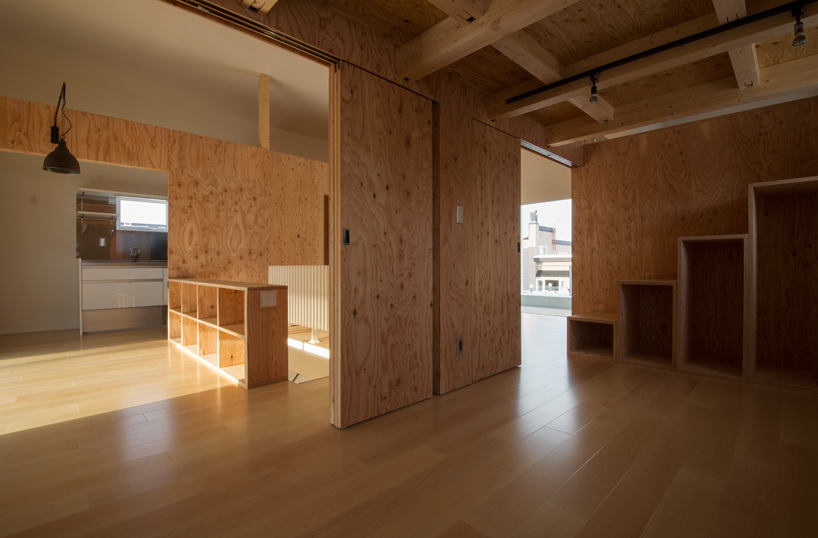
the living room is based at the center with the other spaces branching off
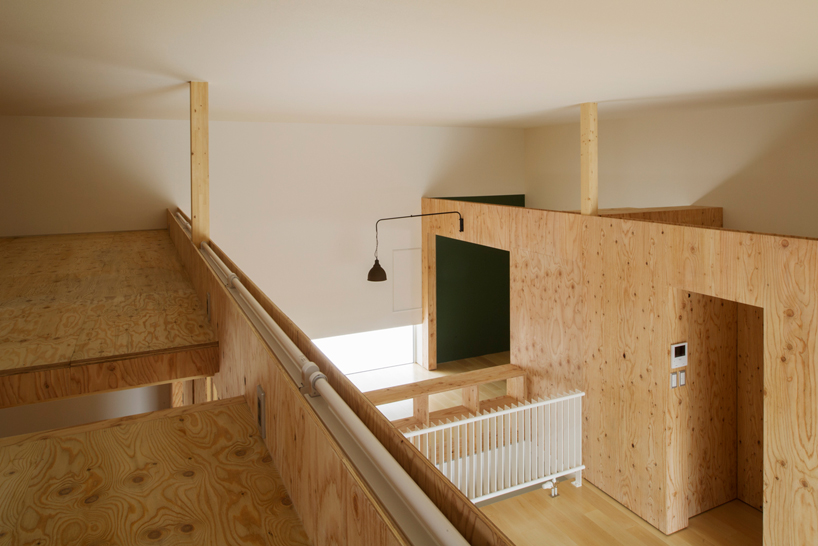
the open-plan space is defined by rooms with a height which does not reach the ceilings
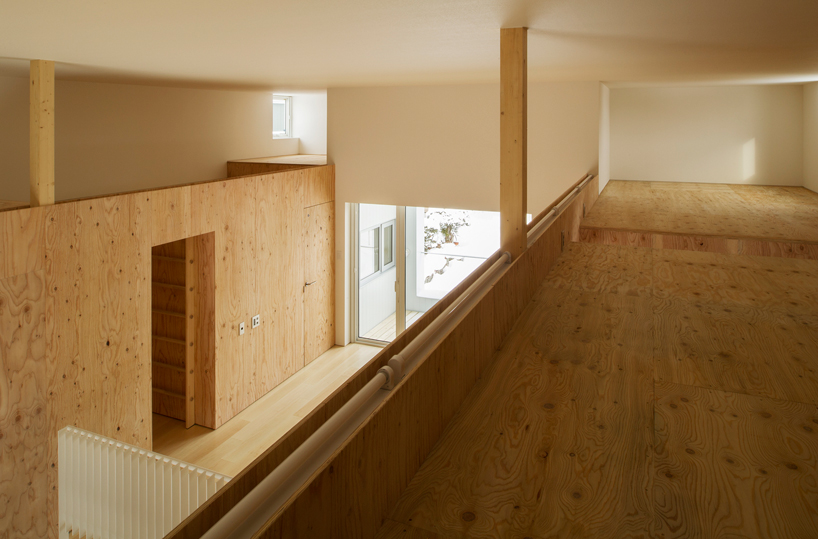
a upper level loft space has been created above the rooms
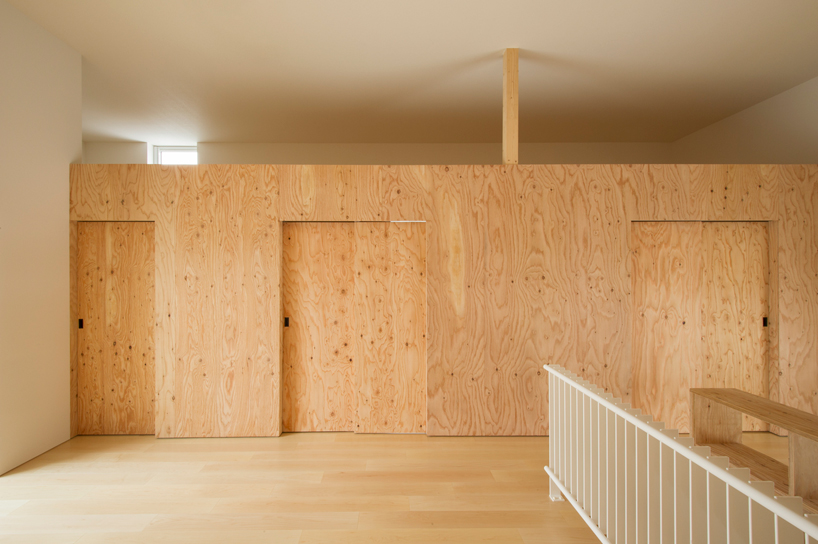
sliding doors open up to the compact rooms
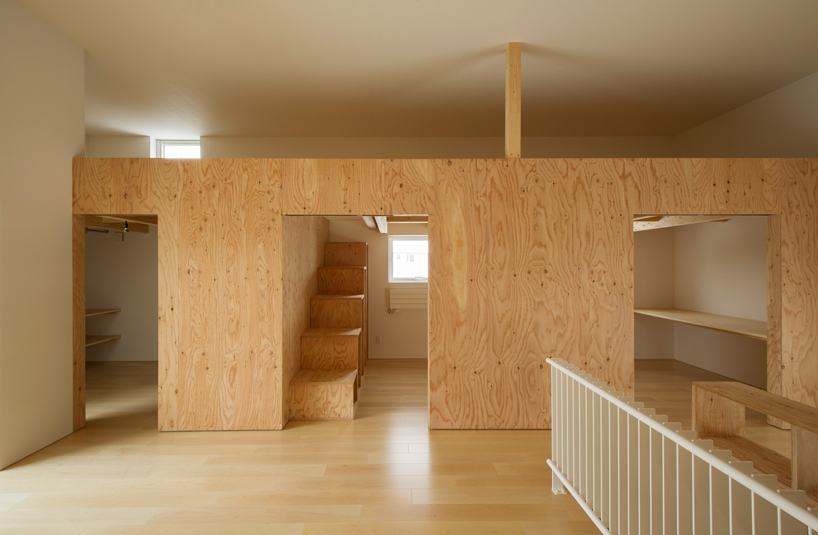
the home instills a sense of ‘lightness’ and a spatial quality that is simple in form, but rich in depth
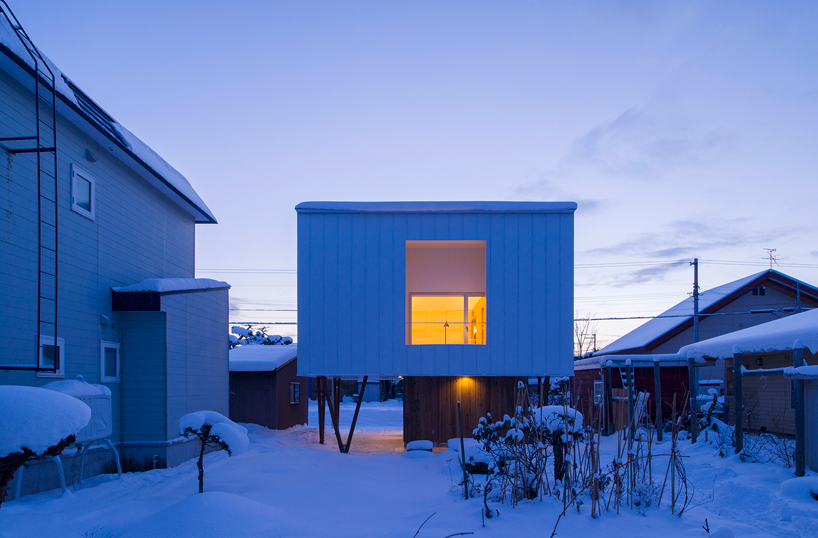
the window on the southern façade is strategically positioned to minimize direct sunlight

the japanese residence is designed to adapt to the dramatic changes in temperature between summer and winter