arnaud behzadi on designing beyond beauty, from paris’ doobie’s to pavyllon lyon
the french architect discusses how memory, emotion, and hospitality shape two new restaurants, from a parisian icon to a culinary school in lyon.
prefer designboom on google[FEATURED]
WHEN ARCHITECTURE LEARNS TO LISTEN
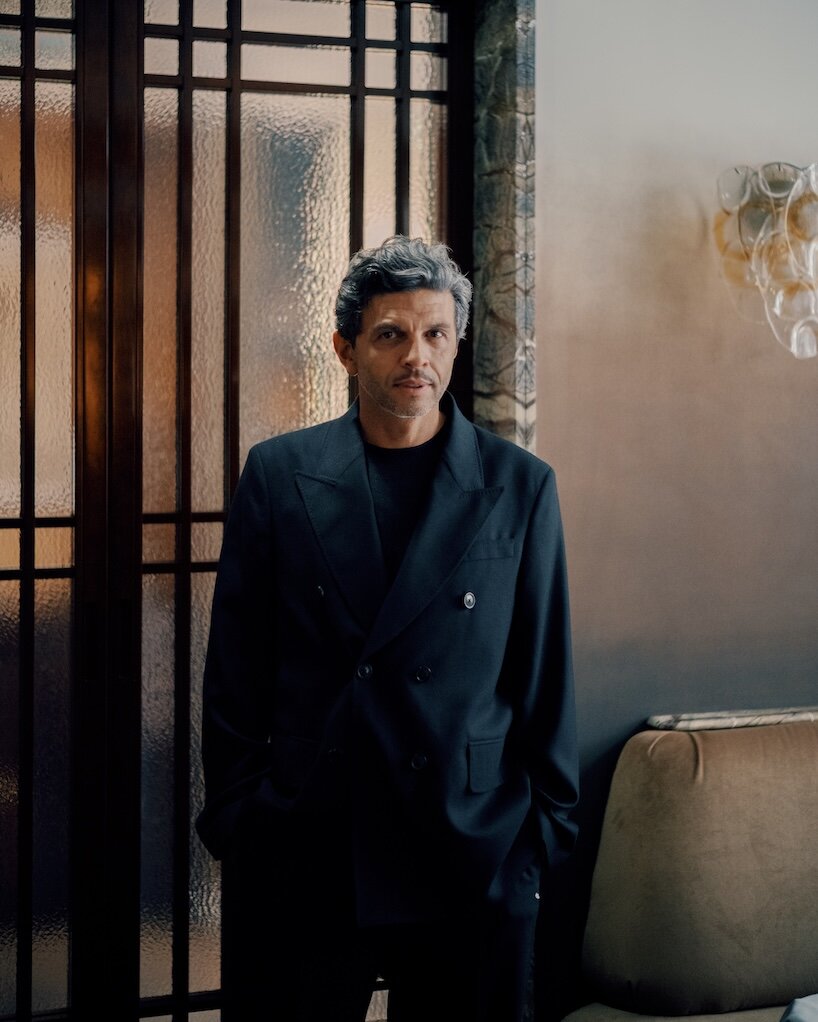
Speaking with Arnaud Behzadi is something of a masterclass in understanding architecture beyond aesthetics. For the Paris-based architect, spaces are living entities, capable of provoking emotions, awakening memories, and shaping human relationships, provided they have been designed with enough sensitivity. His approach challenges the notion that beauty is something we merely observe. Instead, he believes it is something we experience, often without fully understanding why. This conviction runs through his work, from his furniture collection BAM to two of his latest hospitality projects: the reinvention of Doobie’s, an iconic Parisian restaurant, and Pavyllon Lyon, conceived in collaboration with celebrated chef Yannick Alléno. Although radically different in character and purpose, both reveal an architect determined to create places that resonate long after the first impression has faded.
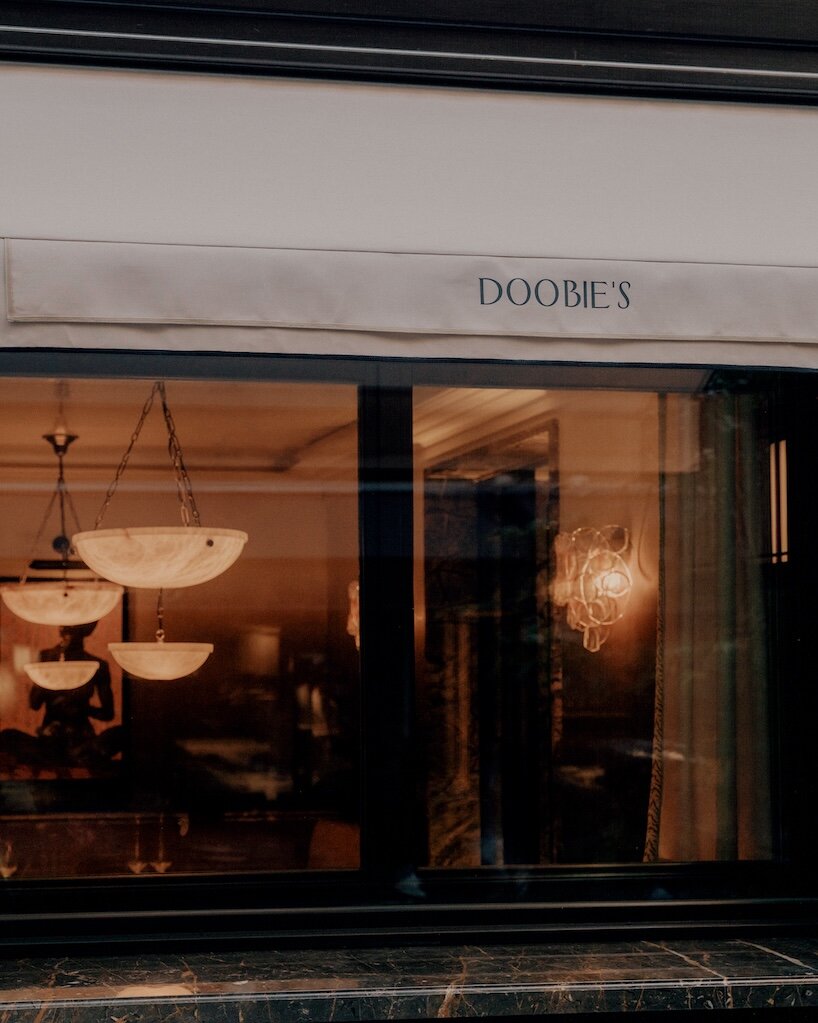
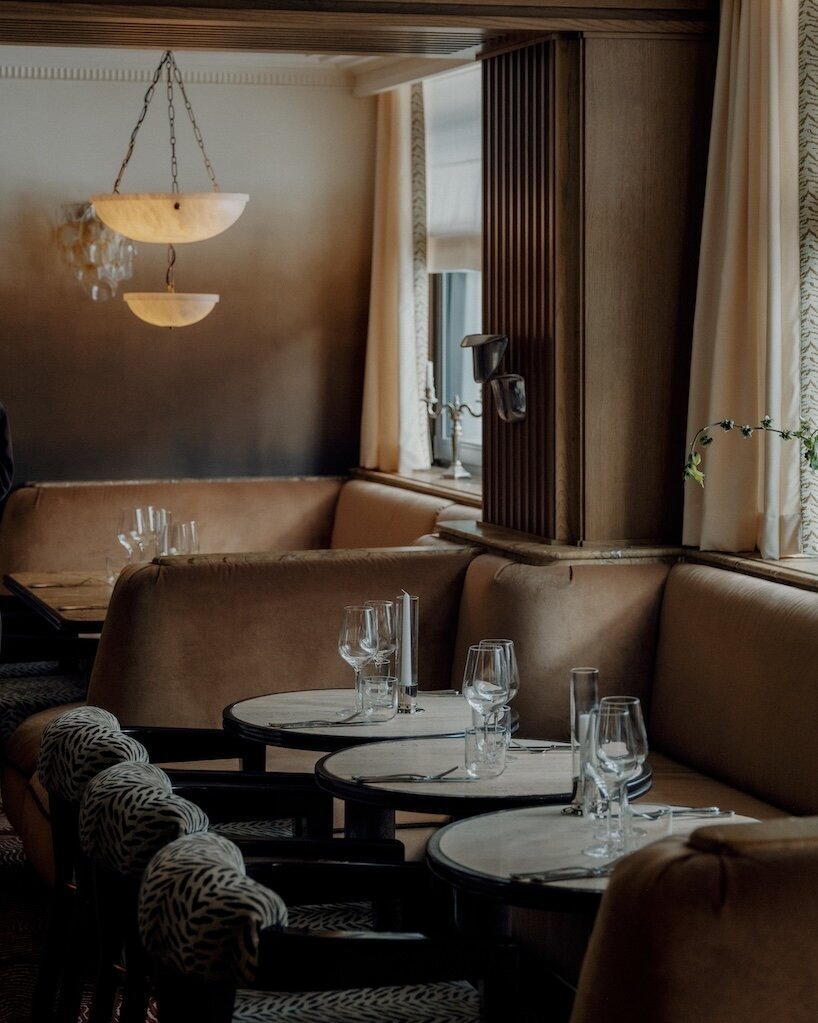
For Behzadi, architecture begins with an exercise that might sound deceptively simple: listening. ‘We learn at school to listen, to hear, not so much to watch the space,’ he tells designboom, describing a process of observing materials, light, emptiness, and the sensations they produce before drawing a single line. Only then does he establish what he calls a narrative program, a conceptual thread that informs every subsequent decision. This philosophy finds an especially personal expression at Doobie’s, located at 26 Rue Marbeuf in Paris’ eighth arrondissement. Founded in 1938, the establishment became a fixture of Parisian nightlife in the 1990s, a place Behzadi himself remembers from his younger years. Following three years of transformation, the architect has given it a second life without attempting to erase its first. ‘What I remember more than everything was the energy of this place,’ he recalls. ‘I was really feeling that I was being hosted, that I was home, not that I was being served.’
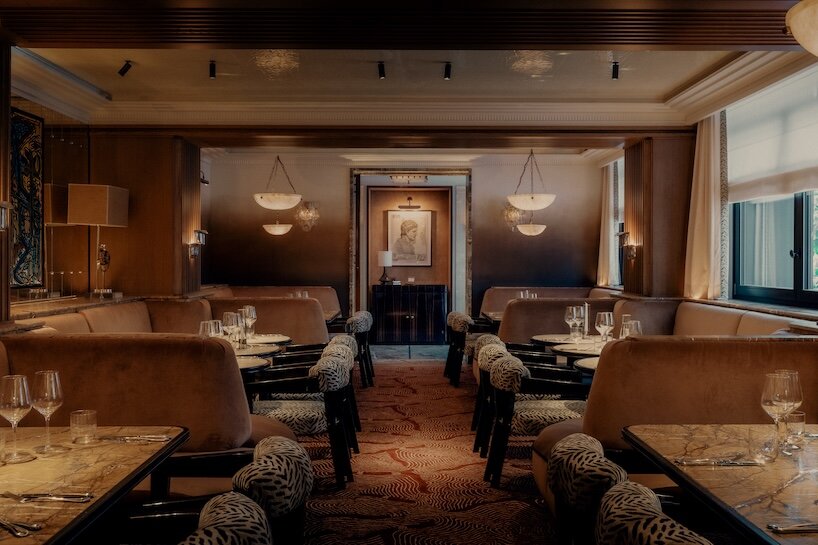
ARNAUD BEHZADI BREATHES NEW LIFE INTO DOOBIE’S IN PARIS
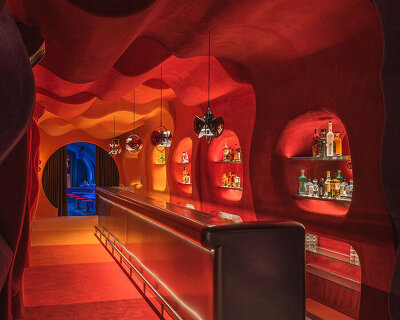
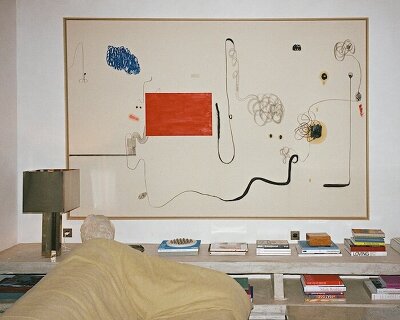
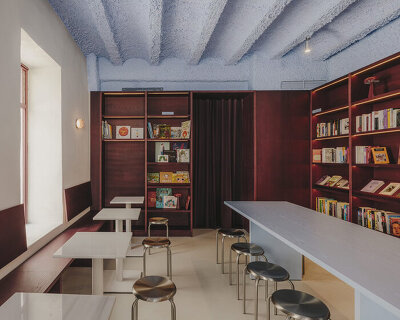
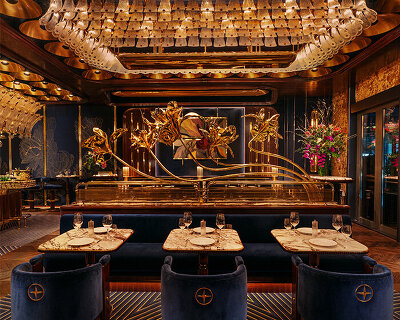
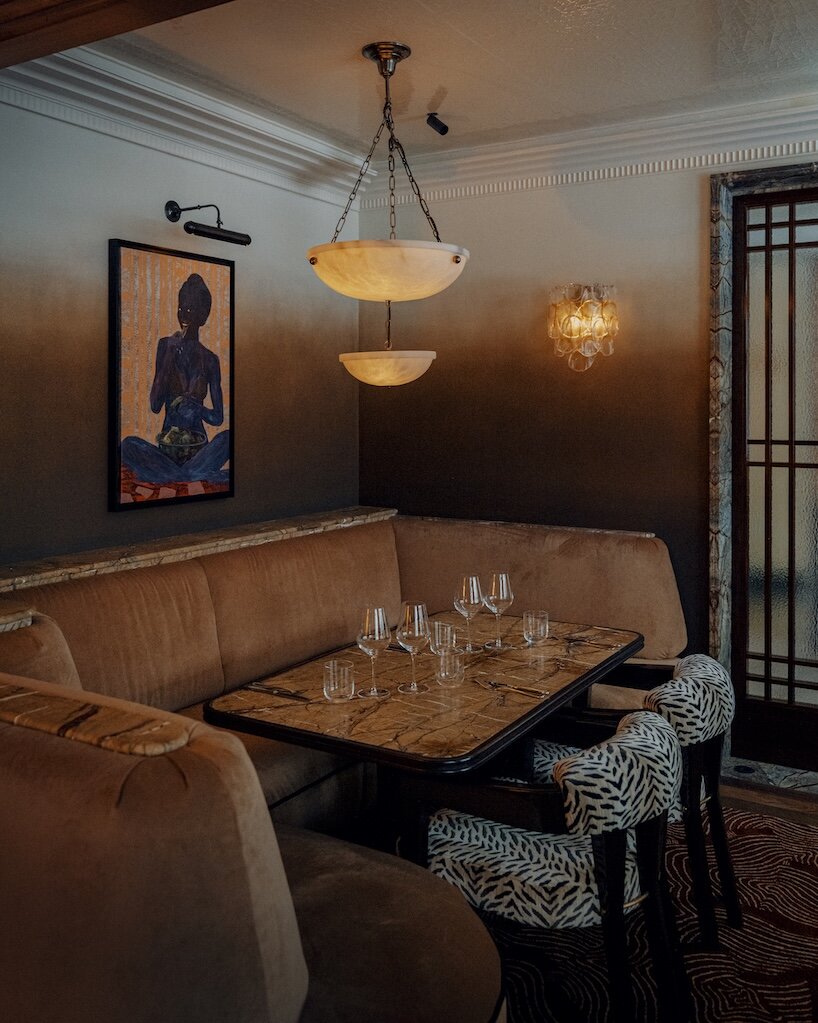
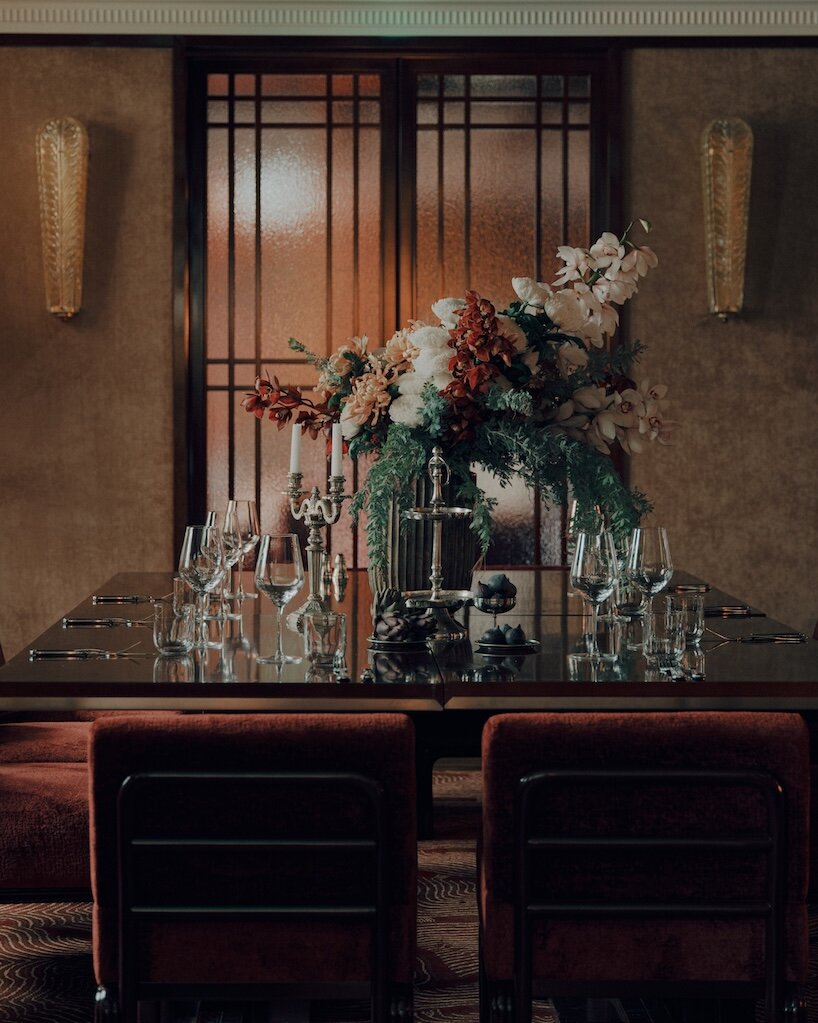
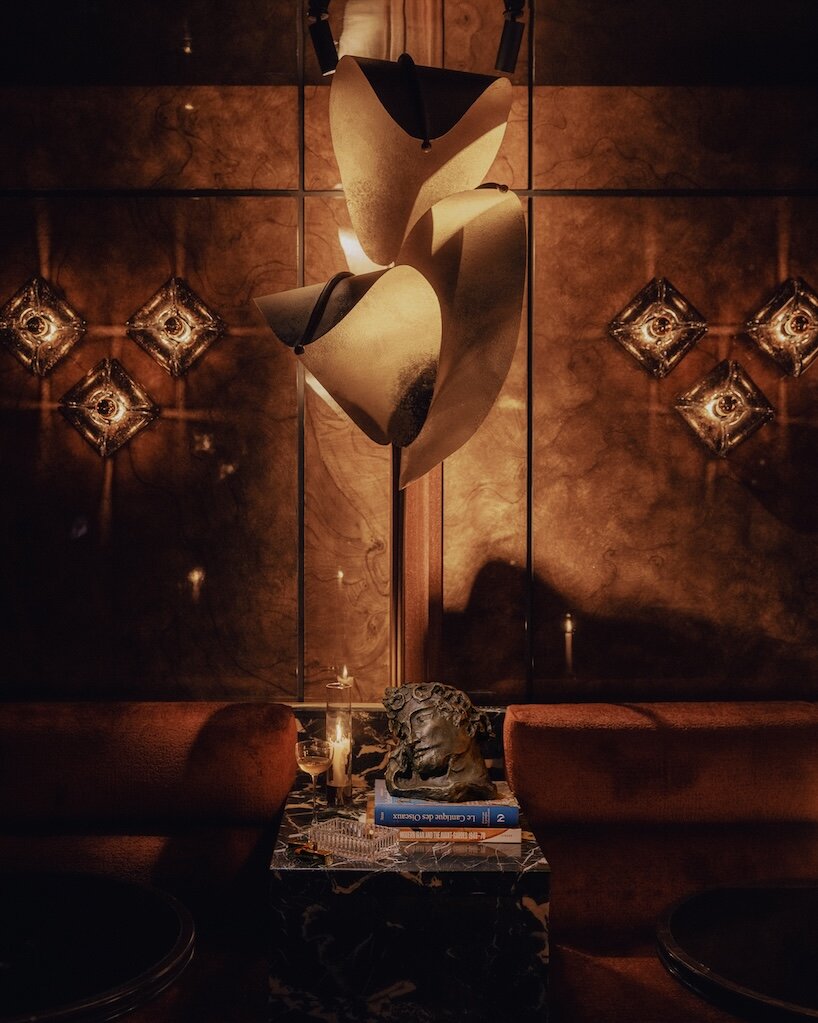
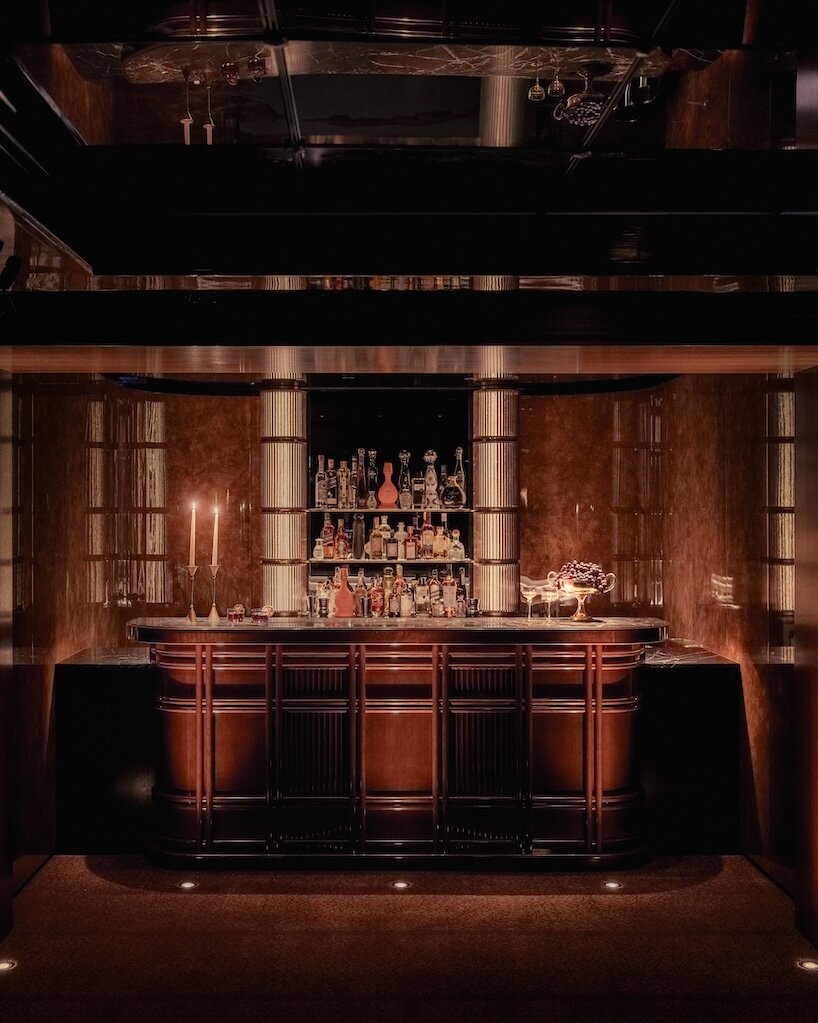
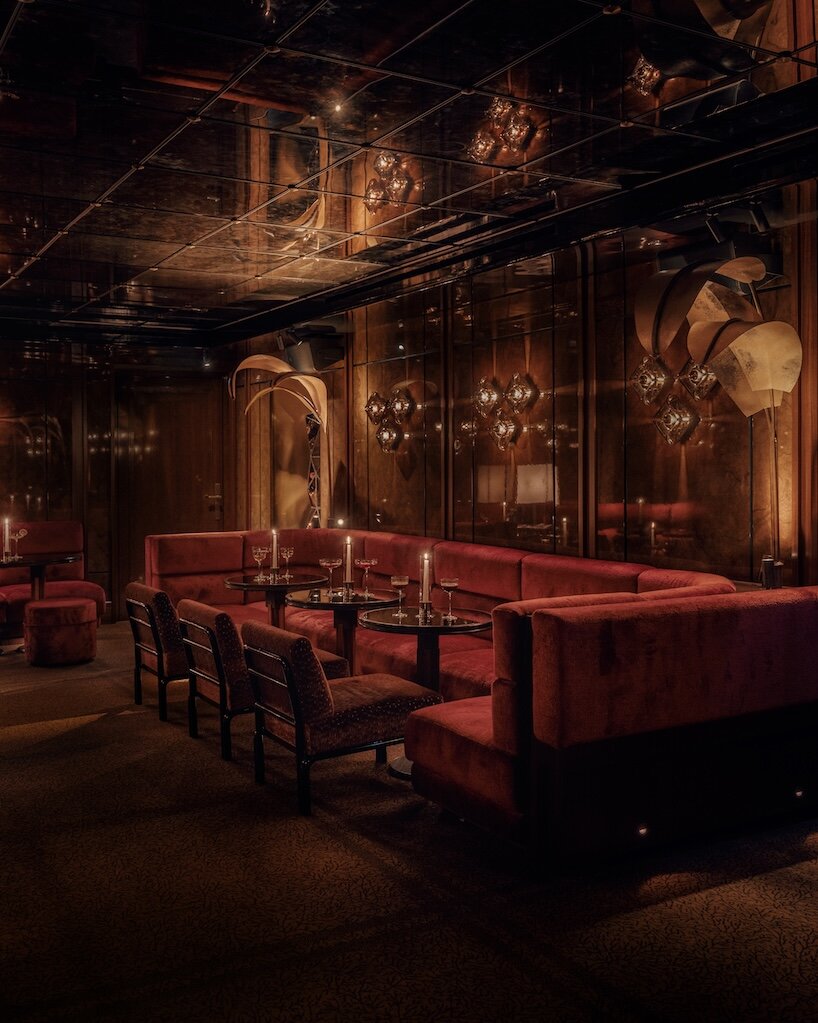
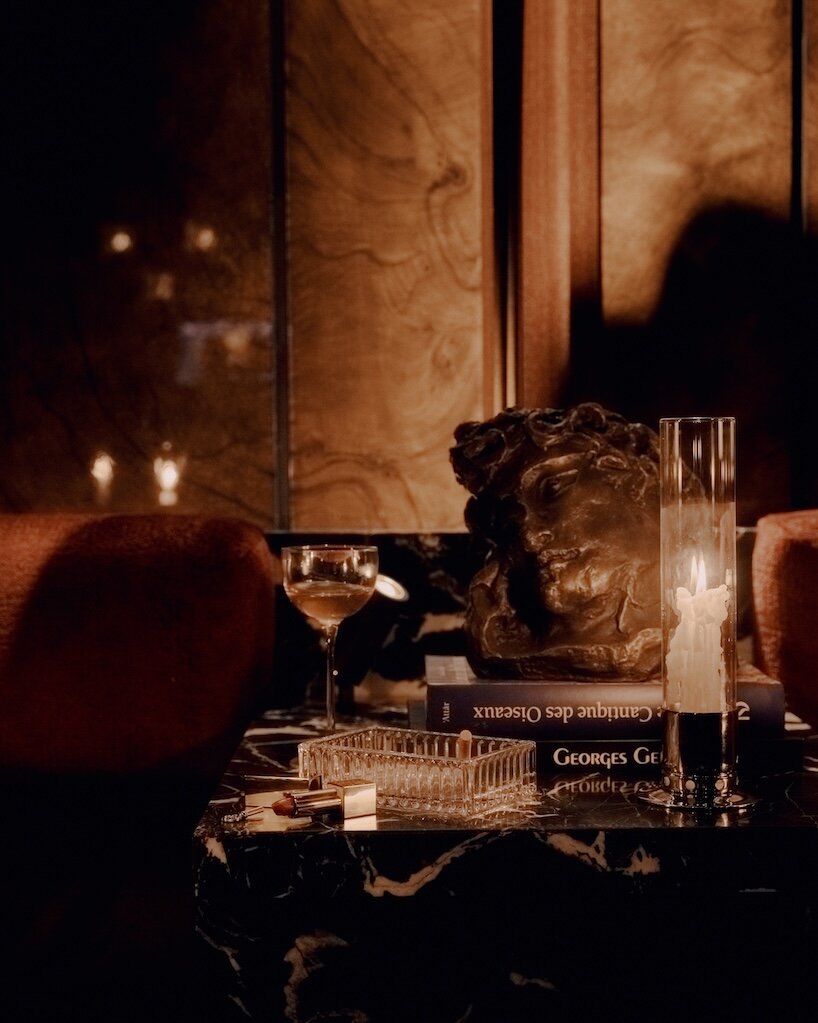
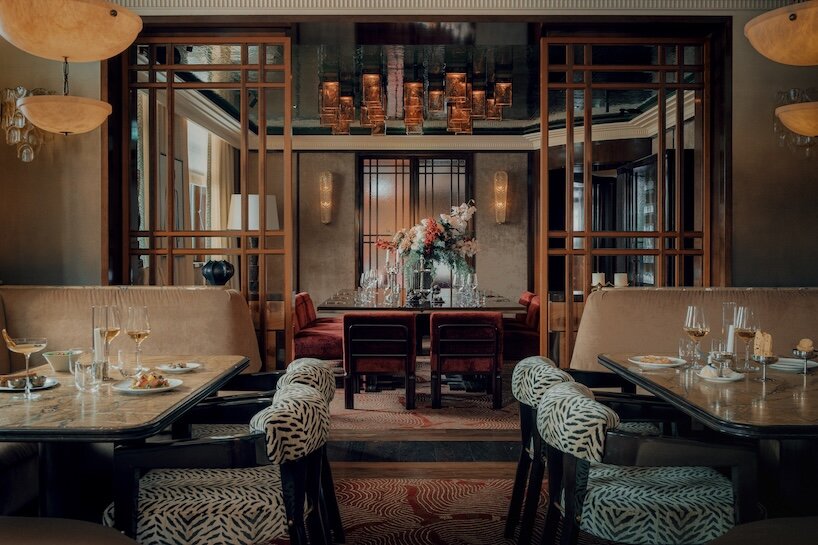
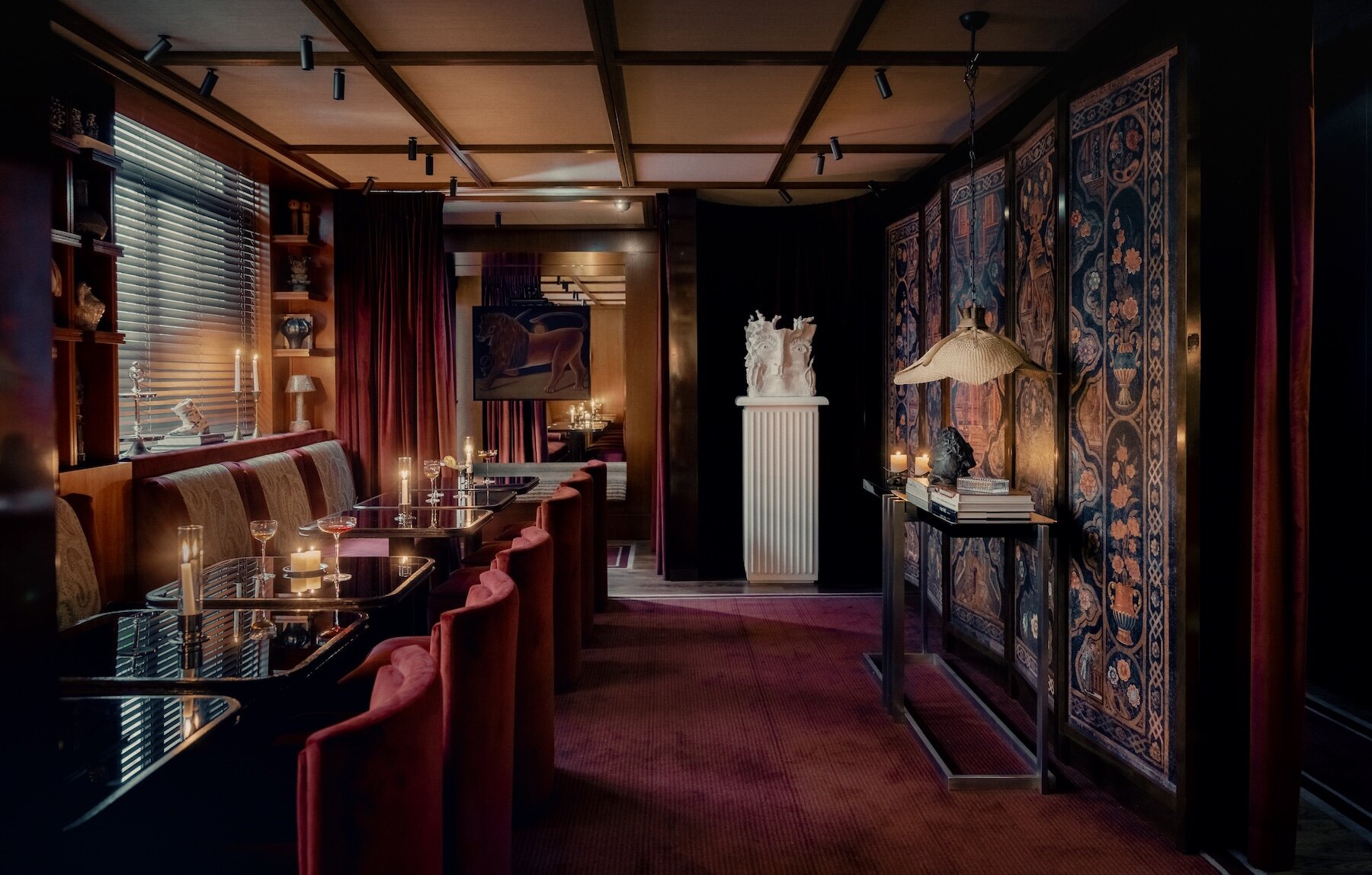
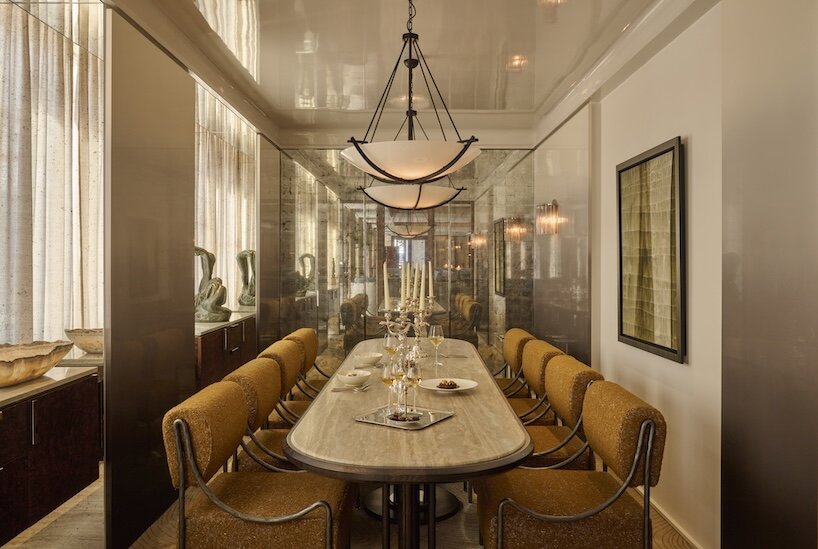
Rather than designing another fashionable restaurant, Behzadi drew inspiration from the tradition of Parisian private dinners, where artists, politicians, writers, and intellectuals would gather around the same table. He studied the domestic worlds of figures such as the Agnellis, François Catroux, and Yves Saint Laurent and Pierre Bergé, imagining Doobie’s as the home of a fictional couple whose possessions and memories have accumulated over generations. The result unfolds through a succession of intimate rooms: the Grand Salon, a velvet-lined rotunda, the Petit Salon, the Retour de Voyage, and an unexpected indoor garden beneath a glass roof. Mahogany, stained oak, dark marble, lacquered surfaces, and warm lighting establish an atmosphere that feels deliberately lived-in. Artworks, selected through visits to galleries and discoveries made during Behzadi’s travels, reinforce this impression. ‘I did it as a home, not as a restaurant,’ he explains, emphasizing that each object was chosen with the same instinct he would apply to his own living space.
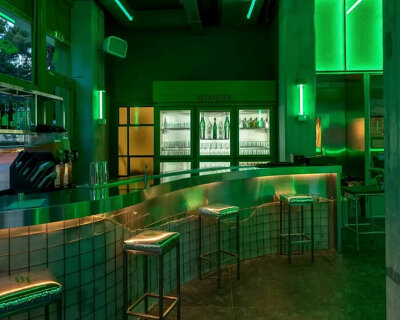
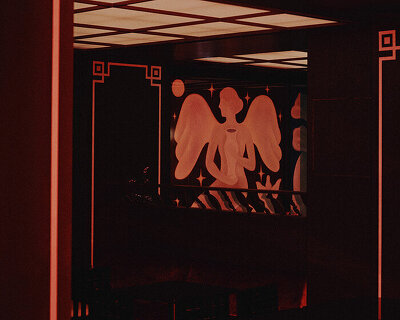
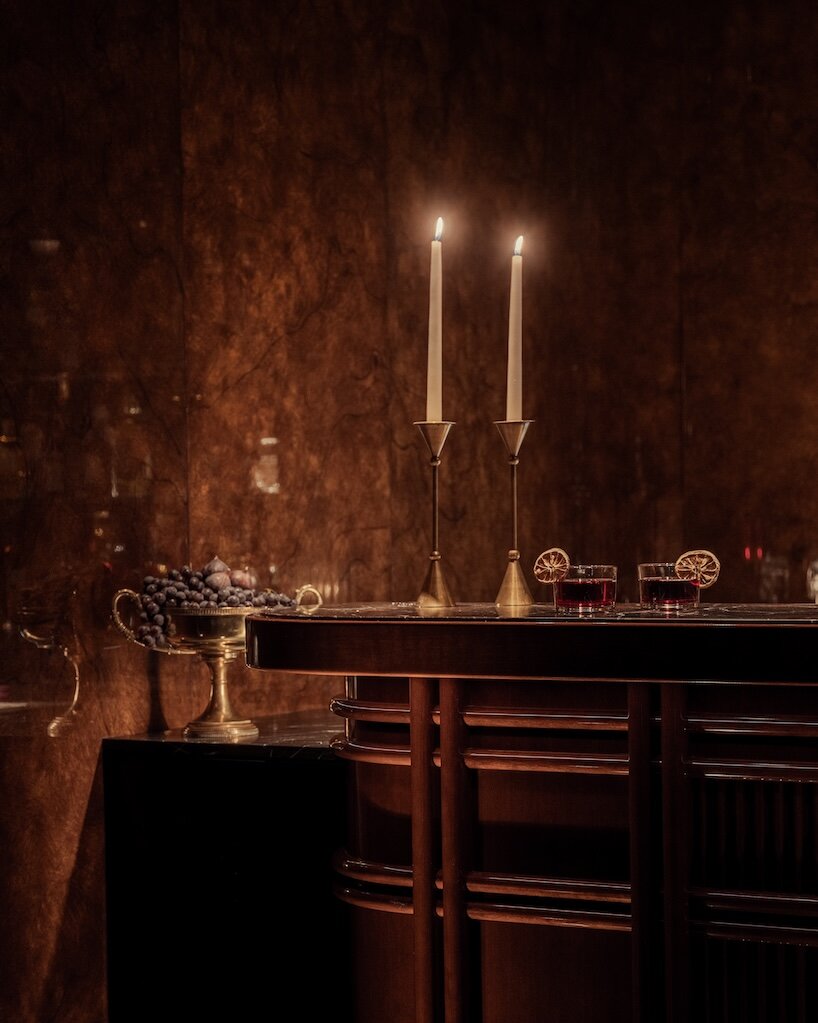
Curiously, the project’s extended development became one of its greatest advantages. Structural complications delayed construction by several months, allowing Behzadi to revisit decisions and refine details that might otherwise have remained unresolved. The design now extends to the smallest architectural gestures, including the nocturnal bar with its lacquered mahogany and mirrored ceiling, and the downstairs washrooms, where artist Dominic J. Masullo has created a painted scene inspired by classical antiquity. For Behzadi, these interventions are meaningful only when they contribute to the larger narrative. ‘All the details have to have sense and meaning,’ he insists. He recalls overhearing two guests discussing the restaurant shortly after its reopening. Unaware that the architect was standing nearby, they remarked that whoever designed the place had clearly put his heart into it. It was, perhaps, a more meaningful compliment than any architectural review.
1/9
PAVYLLON LYON TURNS HOSPITALITY INTO A LESSON
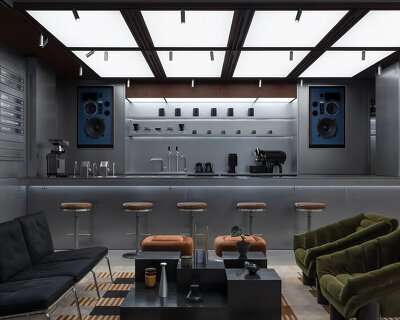
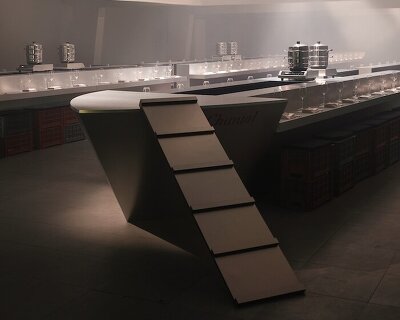
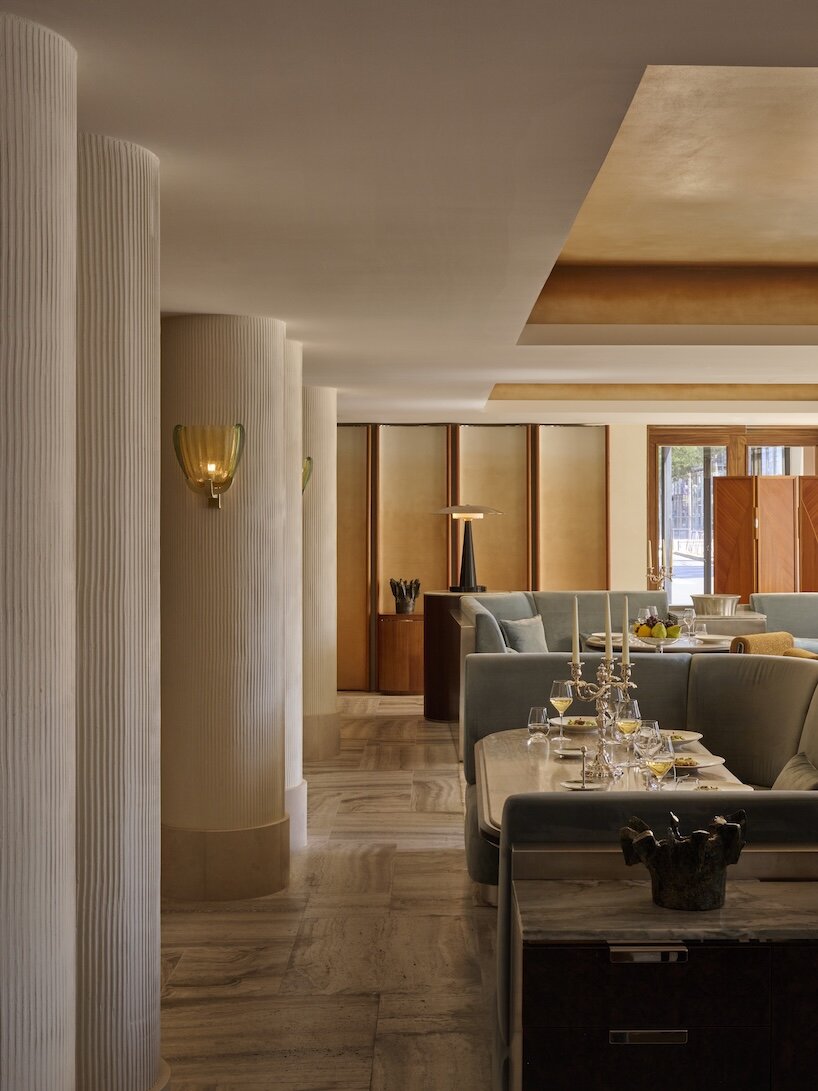
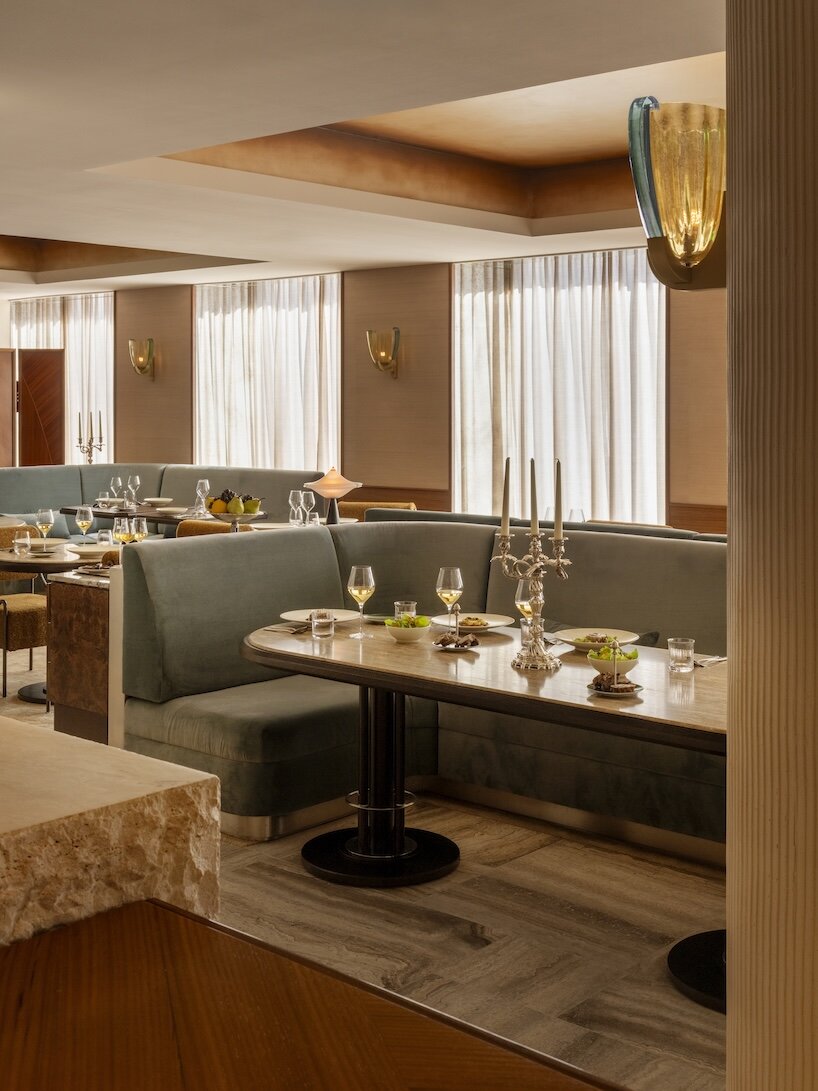
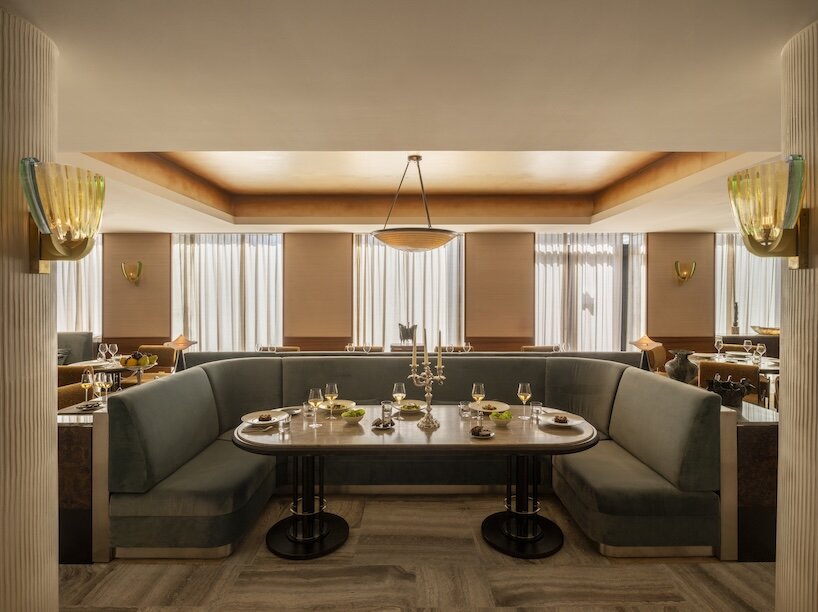
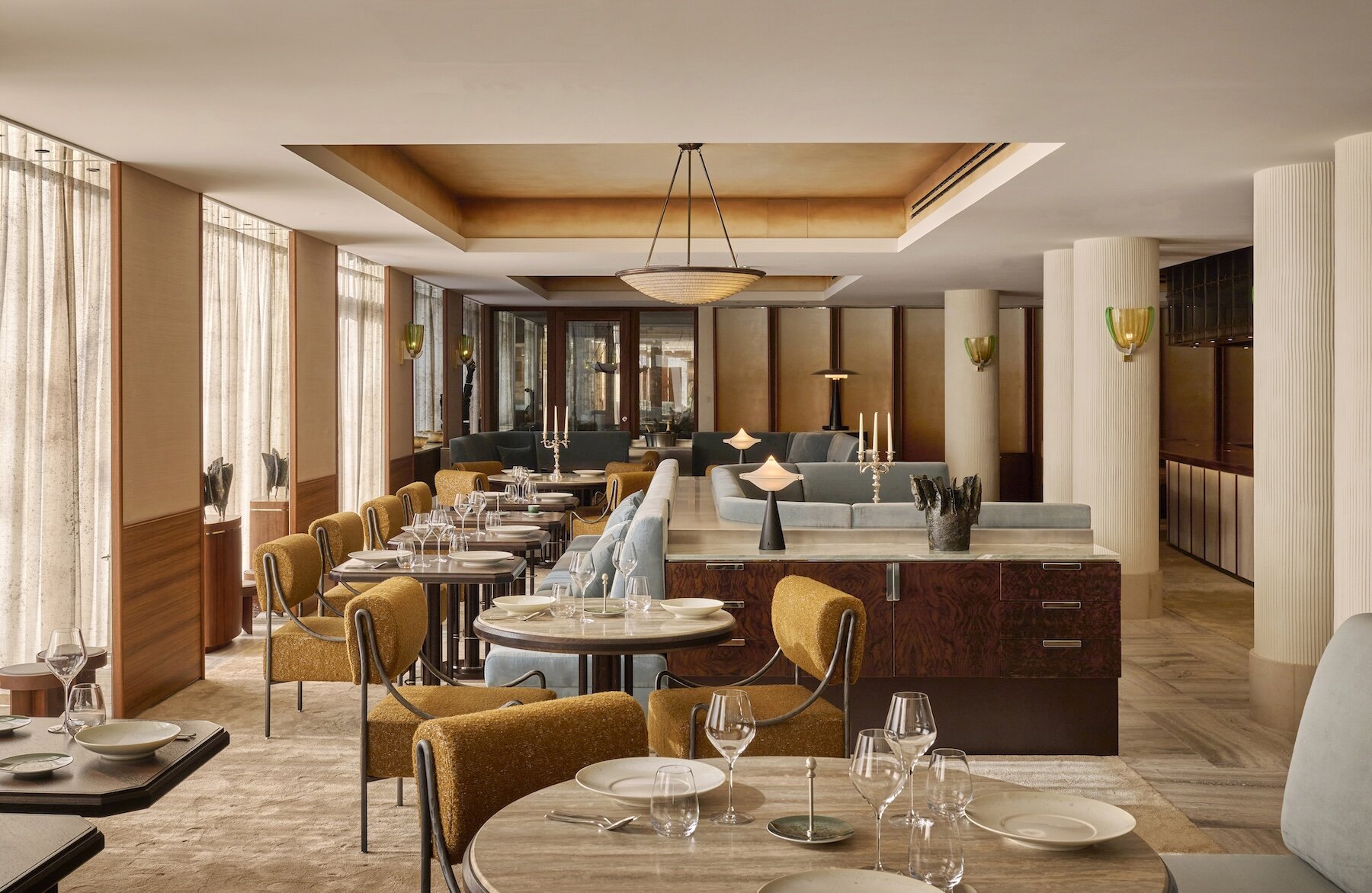
Some 460 kilometers southeast of Paris, Behzadi’s approach takes on an entirely different dimension at Pavyllon Lyon, the restaurant opened in September 2026 by Yannick Alléno and Institut Lyfe. Situated on Place Bellecour, the project is the world’s first Pavyllon restaurant-school, welcoming the public while providing approximately 600 students each year with practical experience alongside professional chefs and hospitality teams. Here, architecture must do considerably more than impress diners: it must also support an educational mission. ‘Hospitality is first an emotion, not beauty,’ Behzadi explains, recalling the moment he watched the students enter the completed restaurant for the first time. Their excitement moved him profoundly, confirming that the atmosphere he had sought to create was being experienced by the very people
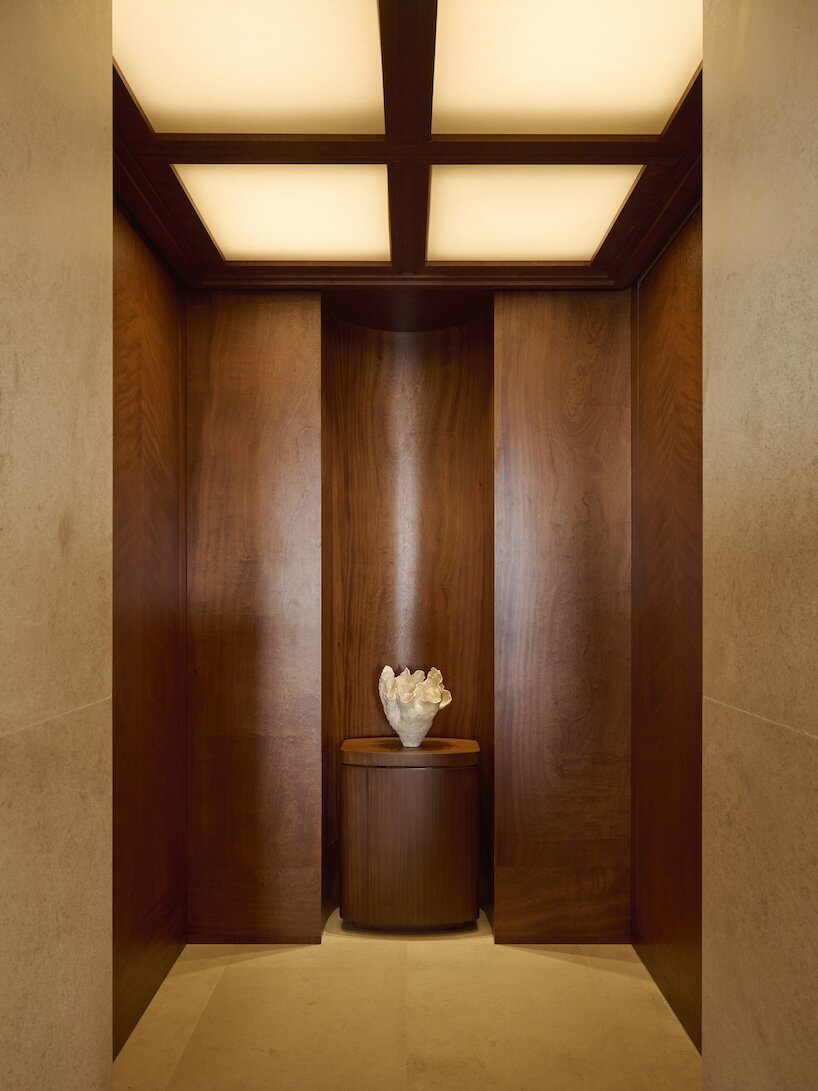
This respect for authenticity becomes particularly important in a restaurant where the next generation of hospitality professionals is learning its craft. Rather than surrounding students with ostentatious luxury, Behzadi envisioned an environment that could communicate the values of French hospitality through proportion, materiality, and atmosphere. The dining room becomes a stage, with guests observing the movements of chefs and students, while the architecture quietly supports their interaction. ‘We were very aligned on not going too much into luxury. And if it’s luxury, it has to be very calm,’ he explains. The project’s success, in his view, has little to do with spectacular architectural gestures. What matters is the energy that emerges when people occupy the space, interact with one another, and feel comfortable enough to make it their own.
1/3
WHY BEAUTY ALONE IS NEVER ENOUGH
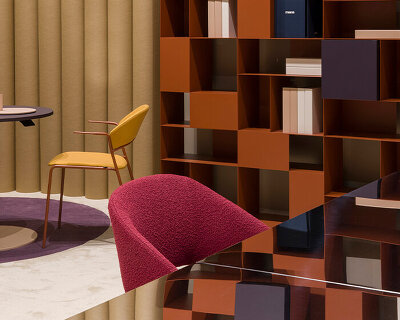
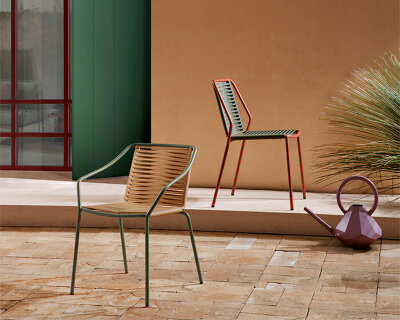
Beyond these two projects, Behzadi’s philosophy raises a broader question about the future of hospitality architecture. In an industry increasingly fascinated by visual novelty, he argues that restaurants and hotels should aspire to become enduring destinations rather than temporary spectacles. His ambition is to create places people will revisit in ten, fifteen, or twenty years and appreciate just as much as they did on their first visit. That sense of permanence also informs BAM, his furniture collection inspired by childhood memories of evenings spent on the rooftops of Tehran, where neighbors gathered beneath the stars to talk, share tea, and play backgammon.
Whether designing a chair or an entire restaurant, memory, human interaction, and emotional experience remain central to his thinking. ‘Design is a duty and a social responsibility,’ he concludes, insisting that the discipline must concern itself with far more than appearances. Ultimately, Doobie’s and Pavyllon Lyon illustrate the same conviction: the most memorable spaces are not necessarily those that demand to be looked at, but those that make us feel something worth remembering.
project info:
names: Doobie’s and Pavyllon Lyon | @doobies.paris and pavyllon_lyon
architect: Arnaud Behzadi Architectures | @arnaudbehzadi
locations: Paris and Lyon
shop
your own online design shop — no sales commission collected