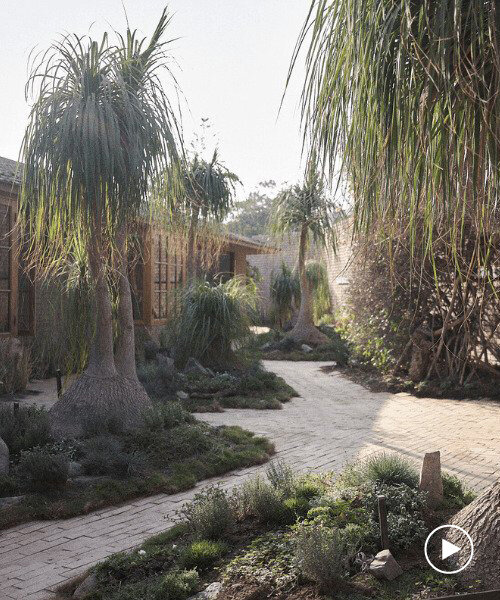
this renovated peruvian home embraces raw materiality + delicate ecosystems
the dwelling boldly sports the natural textures and expressions of peruvian adobe and concrete to embody different ecosystems and micro-habitats.
prefer designboom on google[FEATURED]
augusta pastor + santiago roose transform abandoned home
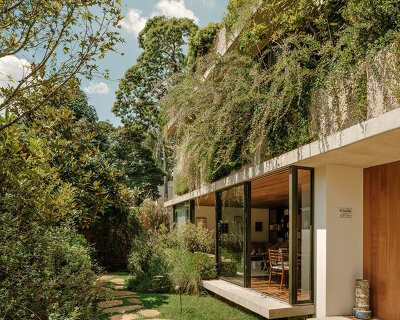
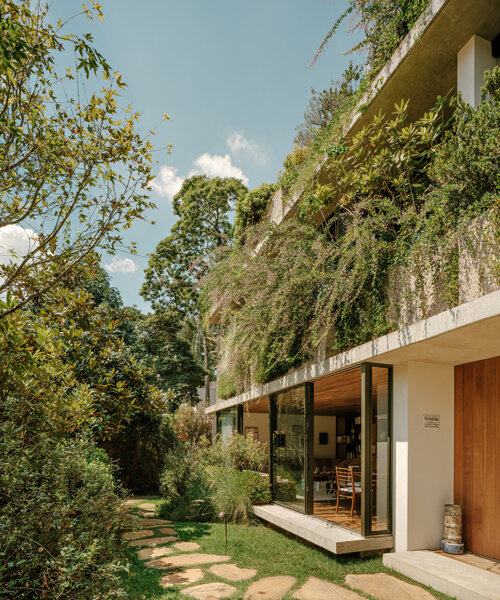
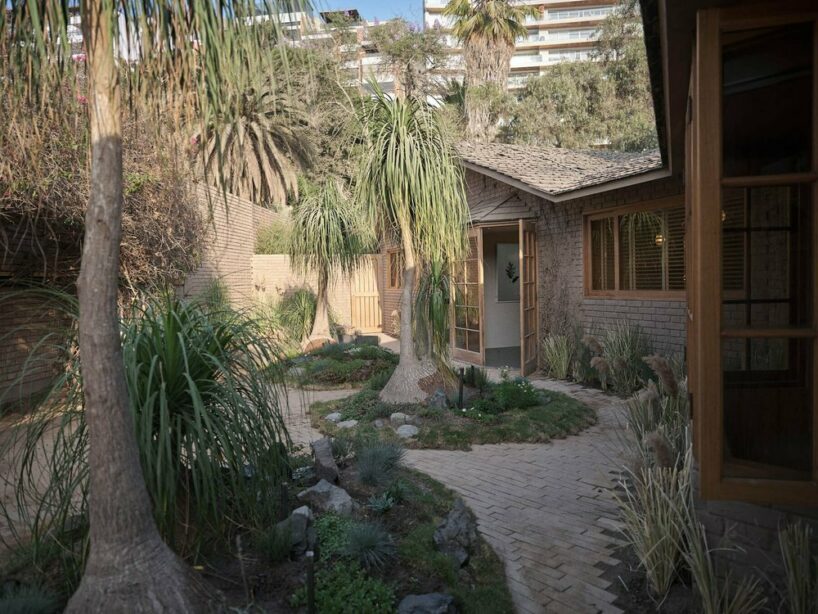
Augusta Pastor and Santiago Roose’s ‘Domestic Ecosystem’ transforms an abandoned home in Lima, Peru, to merge a unified spiritual experience driven by raw materiality and delicate ecosystems. Considering materiality an extension of space rather than an afterthought, the design duo draws on existing matter and nature to expose, revive and enhance the original structure’s weathered elements. The home boldly embraces the natural textures and expressions of Peruvian adobe and concrete, weaving both symbolic and physical ecosystems and micro-habitats throughout the space. The concept offers inhabitants a soothing bodily experience that activates the senses, invoking touch and memory — particularly through the tranquil garden housing various plant species and oases.
embracing raw materiality of adobe, brick, and concrete in peru
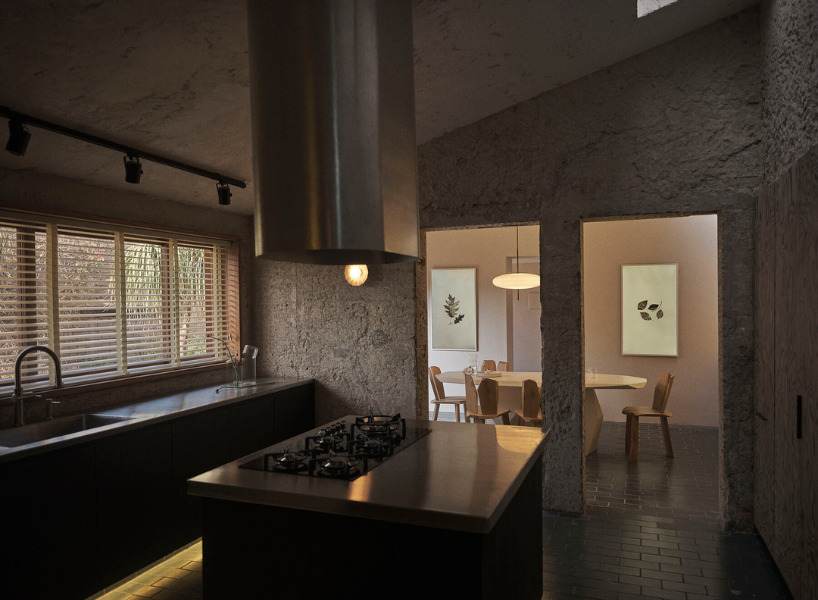
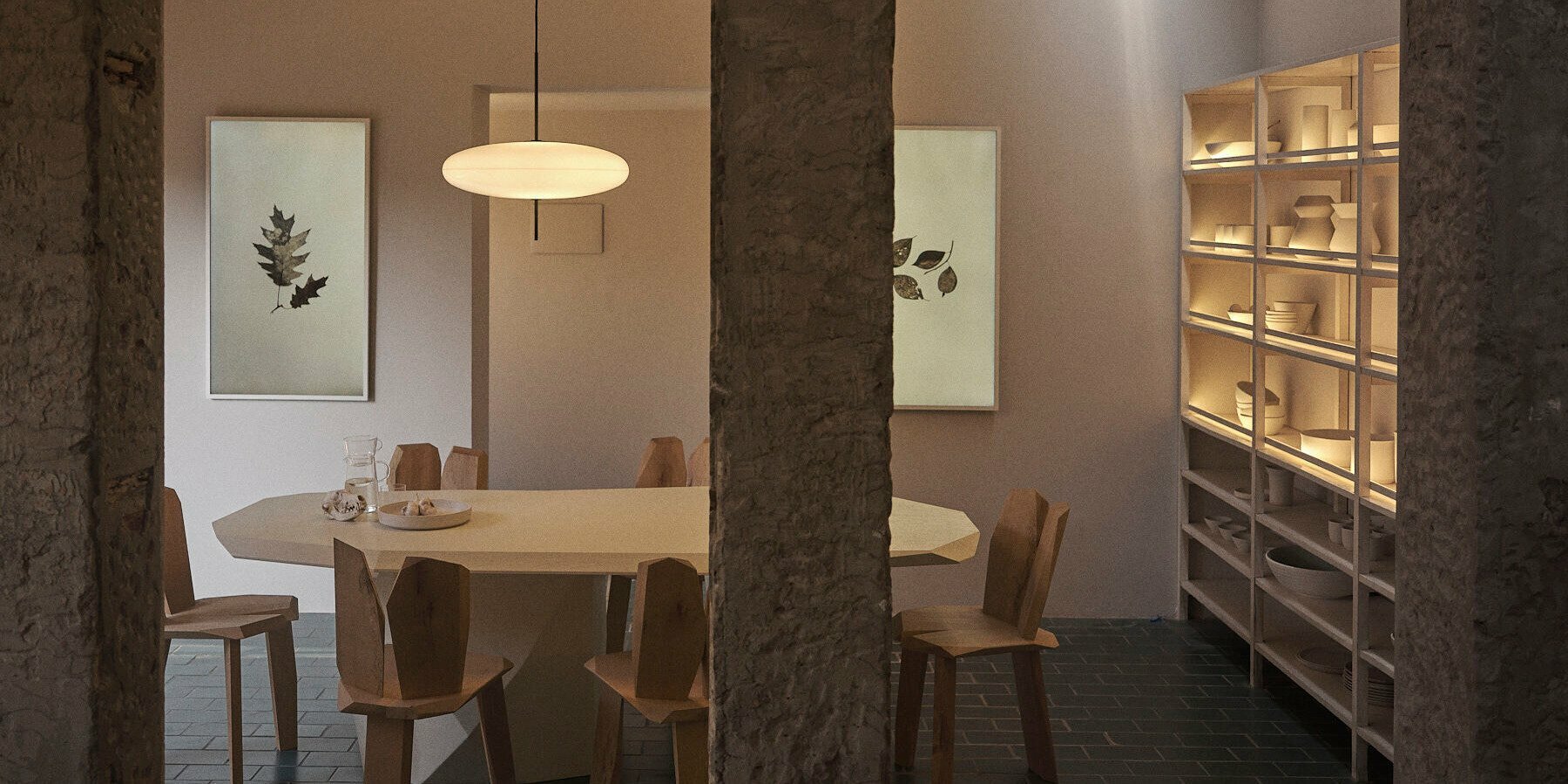
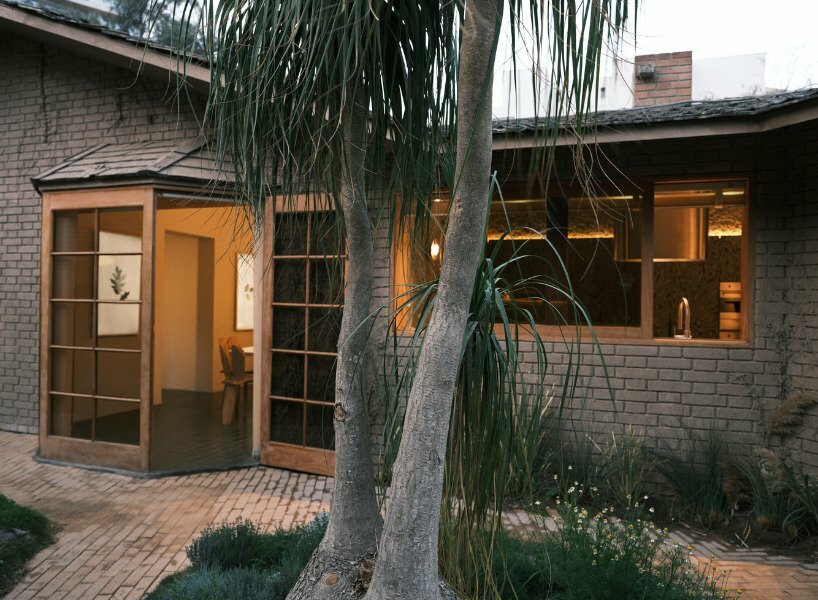
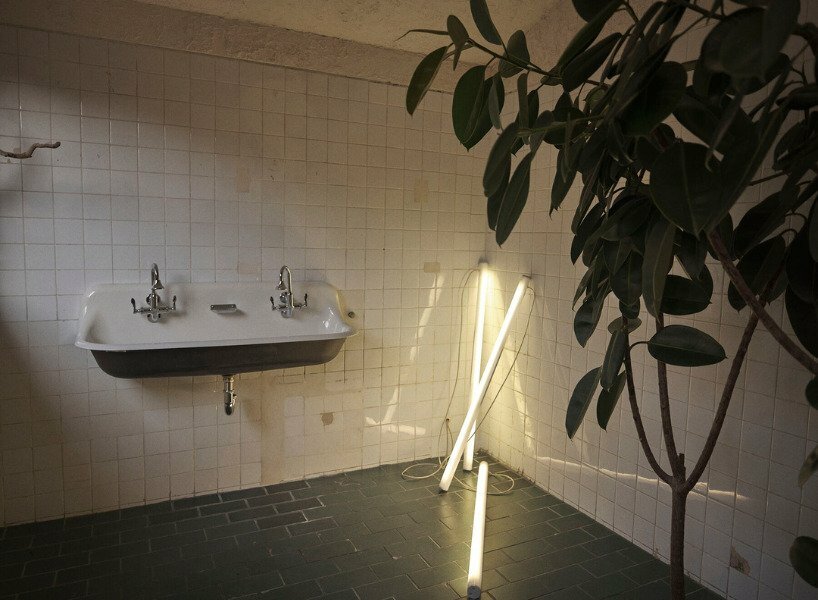
With ‘Domestic Ecosystem,’ architect Augusta Pastor and artist Santiago Roose’s concept seeks to merge the spaces symbolically and physically to create a unified ecosystem experience. The duo has reshaped and enhanced the Peruvian home’s kitchen, dining room, workshop, and garden, originally designed in 1977 by architect Miguel Cruchaga. Having been left abandoned for over a decade, much of the structure’s original finishes reveal scarring of time and disuse, which the architect takes cues from with the project’s design. ‘We wanted to intervene with as little as possible. As if we could reach this space and inhabit it only with the most essential,’ she comments.
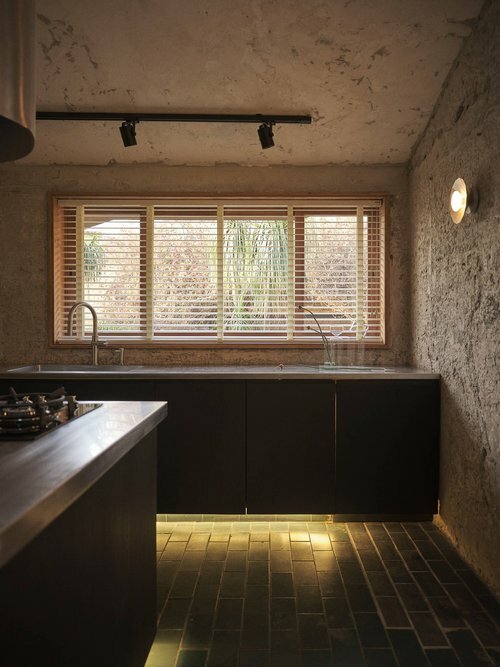
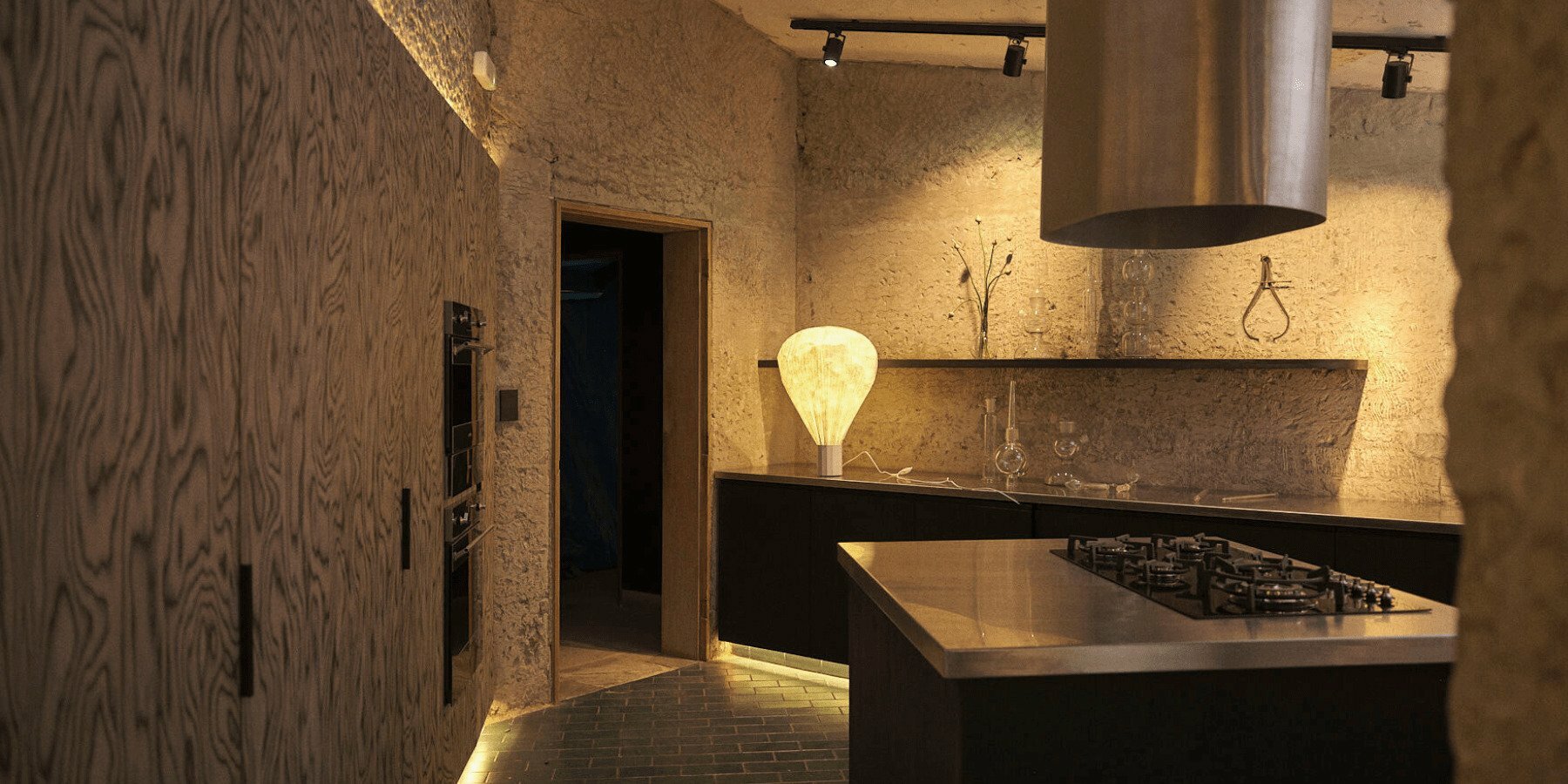
Symbolically reviving a ‘quarry-like feel’ to activate the senses, the kitchen and dining room walls have been returned to their original exposed concrete forms. The kitchen tiles, too, were dismantled to preserve and reveal the original structural bones of the home, meanwhile, the countertops have been finished with steel, their sterile aesthetic juxtaposing the fragility of the encompassing carved concrete surfaces.
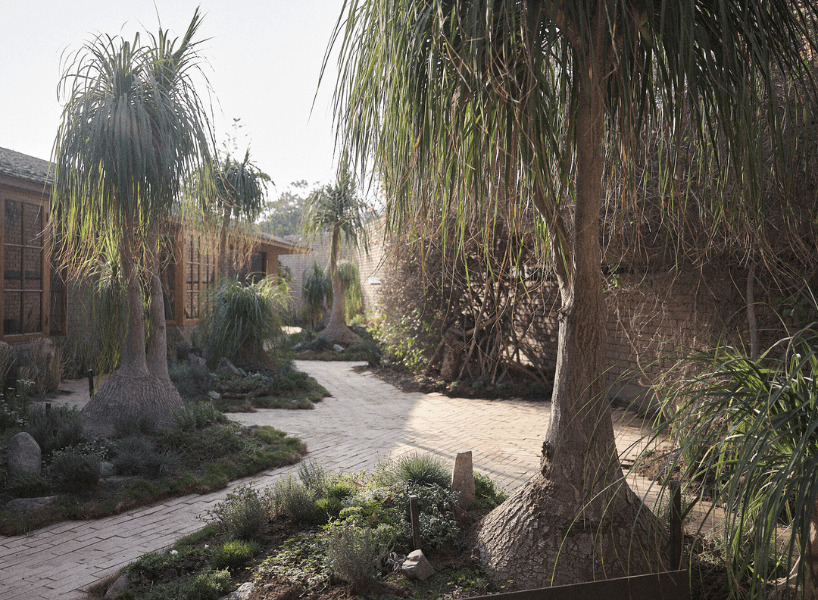
Along the garden, Pastor and Roose clad the exposed boundary brick wall with adobe (Peruvian mud), the raw earth endowing a patina that engages the visitor’s senses and enriches their experience of the architecture and surrounding nature. ‘We believe that through materials the senses are awakened. Our touch meets the urge to feel, and our smell is invited to participate in our experience of the space we inhabit. This is why we designed an interactive space. A space where materials activate emotions and memories,’ shares Augusta Pastor.
symbolic and physical ecosystems thriving in autonomy
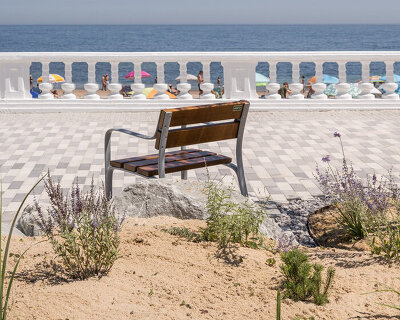
Lima’s location as a megapolis situated between the valleys of three small rivers that cross the desert from the Andes to the sea mean that water consumption is of utmost importance here. The designers create an intimate back garden composed of various micro-landscapes that break opens the ground, sprouting out of sterile concrete that receded into the stone. A fragile yet untameable atmosphere engulfs visitors as they enter the open space, immersing them in a selection of small oases and plant species, including sculptural Beucarneas (Ponytails). The plants, a selection of spices used for cooking and medicine, form the ground cover of the garden eruptions that cohabit the oases with low-water plants. According to the architect, these seemingly fragile but functionally autonomous micro landscapes exude vitality and interrupt sterile human design, deeming users of the space as mere observers.




1/4
project info:
name: Domestic Ecosystem
location: Lima, Peru
architecture: Augusta Pastor, Santiago Roose
designboom has received this project from our ‘DIY submissions’ feature, where we welcome our readers to submit their own work for publication. see more project submissions from our readers here.
shop
your own online design shop — no sales commission collected