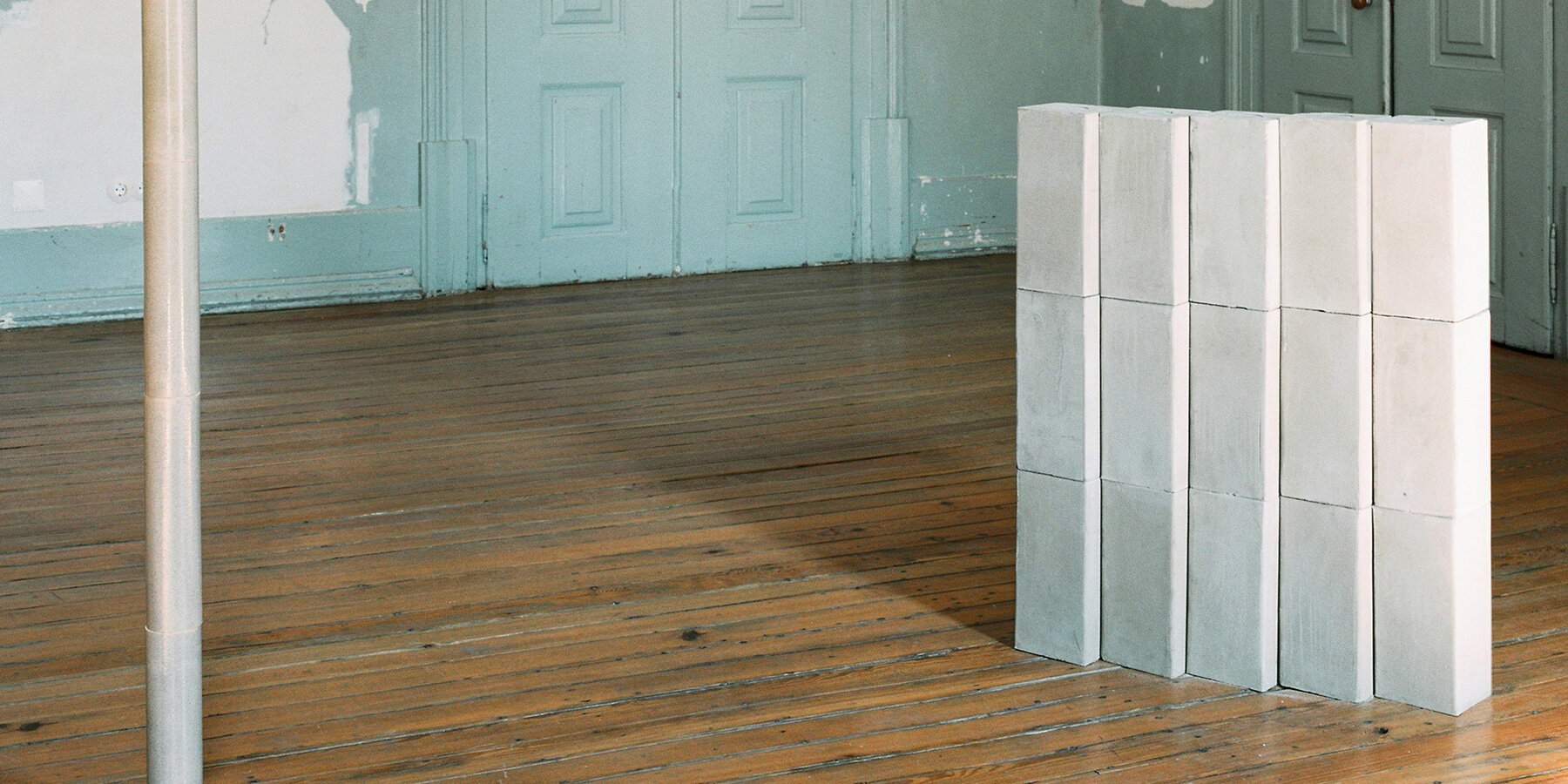
besley & spresser rethink Asbestos and the damage it left behind
At the Lisbon Triennale 2025, Besley & Spresser present a material provocation disguised as an architectural installation that begins with a disarming question from Peter Besley. ‘What if one of the building industry’s most hazardous materials could become one of its most promising?’ Together with co-founder Jessica Spresser, the studio reframes asbestos as a mineral whose future might diverge radically from its past. Their project, REDUX, built within the Palácio Sinel de Cordes, showcases carbon-negative materials derived from asbestos waste, developed with Rotterdam-based material scientists Asbeter and ceramicist Benedetta Pompilli.
The transformation is a working demonstration of a certified EU process that recrystallizes asbestos into stable silicates, safe, tactile, even visually compelling. ‘The goal is to replace the idea of asbestos as taboo with one of possibility and to see that even materials with deeply troubled histories can be remade into something constructive, safe, and unexpectedly beautiful.’ the architects tell designboom.
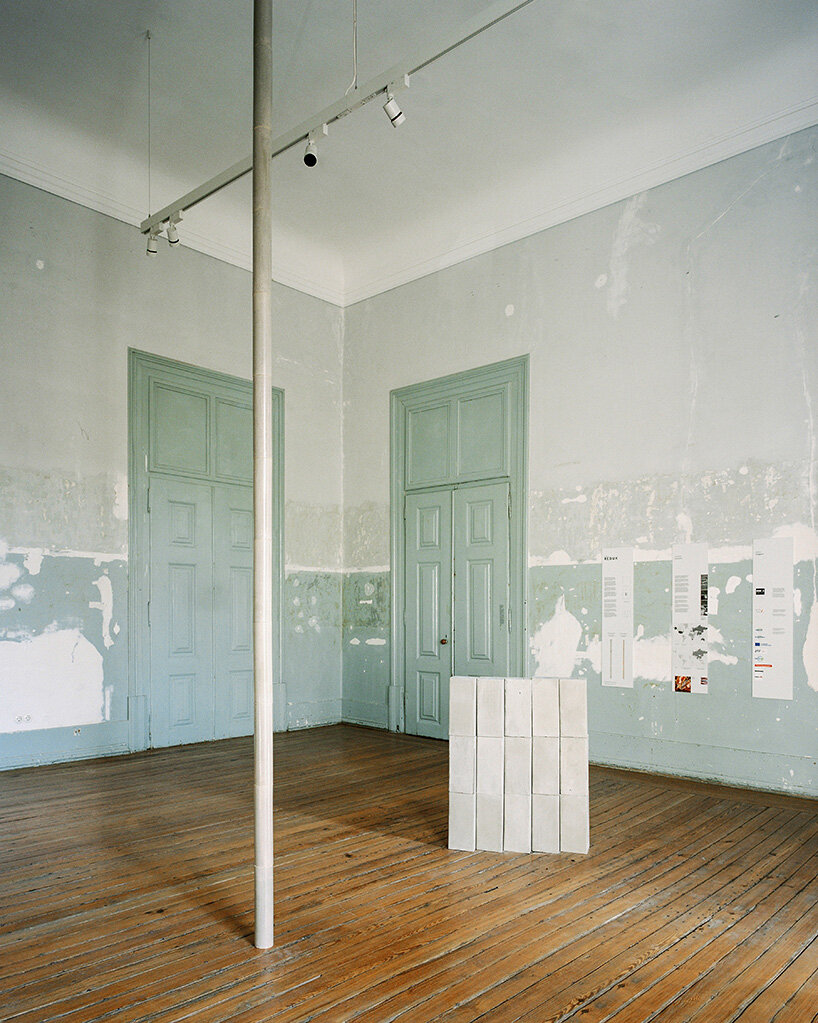
images by Rui Cardoso, unless stated otherwise
turning a toxic legacy into carbon-negative material
Asbestos is an ancient mineral, woven into the urban fabric through decades of industrial enthusiasm and catastrophic neglect. Though naturally occurring and not toxic in itself, its mining, processing, and installation embedded a lethal hazard into cities worldwide that continues to kill hundreds of thousands of people annually and leaves millions of tons of contaminated waste in landfills.
Besley & Spresser’s installation operates inside this uncomfortable legacy. The architects point to the paradox of industrial material culture: convenience versus damage. ‘Asbestos embodies the contradictions of a lot of industrial material culture: convenience vs damage. By transforming it, we’re trying to contribute to the rethinking of the material culture of city-making,’ Besley notes.
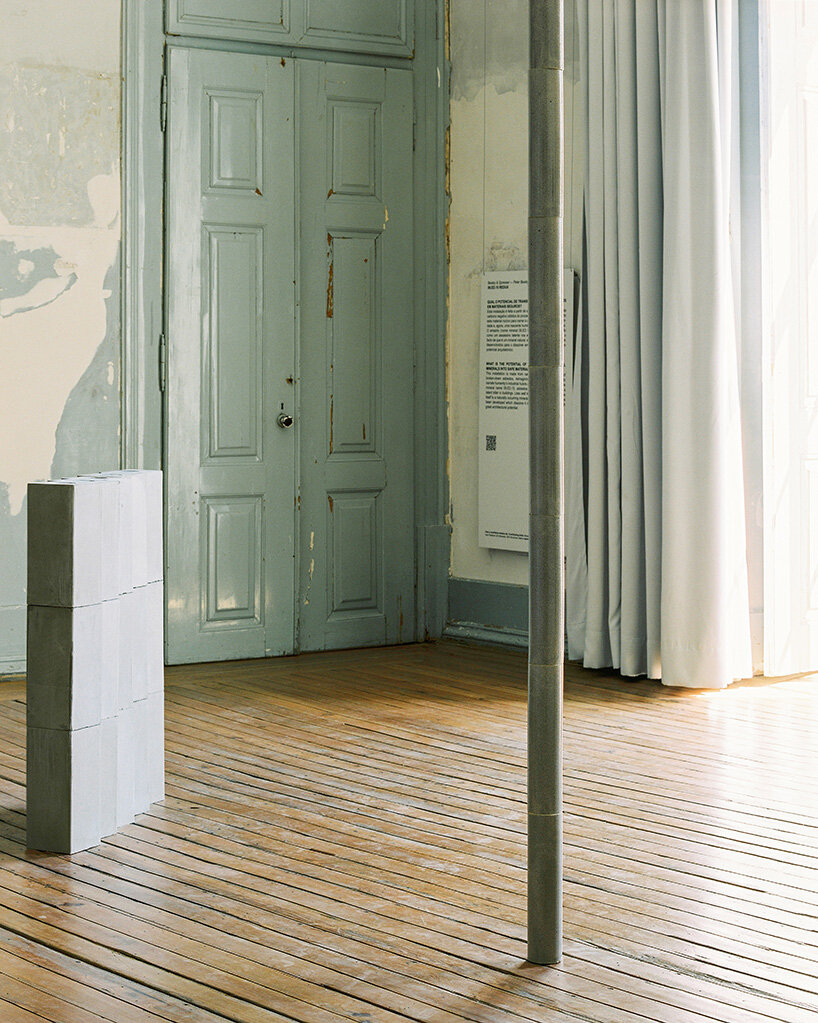
Besley & Spresser present a material provocation disguised as an architectural installation
from hazardous fibres to carbon-negative architecture
The scientific process that underpins REDUX is both uncompromising and surprisingly generative. ‘The renewal process involves heating asbestos waste to a high temperature in a controlled environment, causing it to lose its fibrous, hazardous form and recrystallize into stable silicate minerals. These end products can then be used as cement replacements or as mineral additives in other materials. The process also absorbs carbon dioxide, making it carbon-negative.’ the architects explain. Cement currently accounts for roughly 8% of global carbon emissions, and the renewed asbestos minerals can substitute up to a quarter of traditional cement content.
The architects were also struck by the aesthetic range of the transformed material, especially the ceramic glazes produced by Pompilli. ‘What surprised us most was the aesthetic quality of the outcomes, particularly the glazes produced from the renewed mineral. They create unpredictable, sometimes vivid colors that vary with the composition of the original asbestos,’ they tell us.
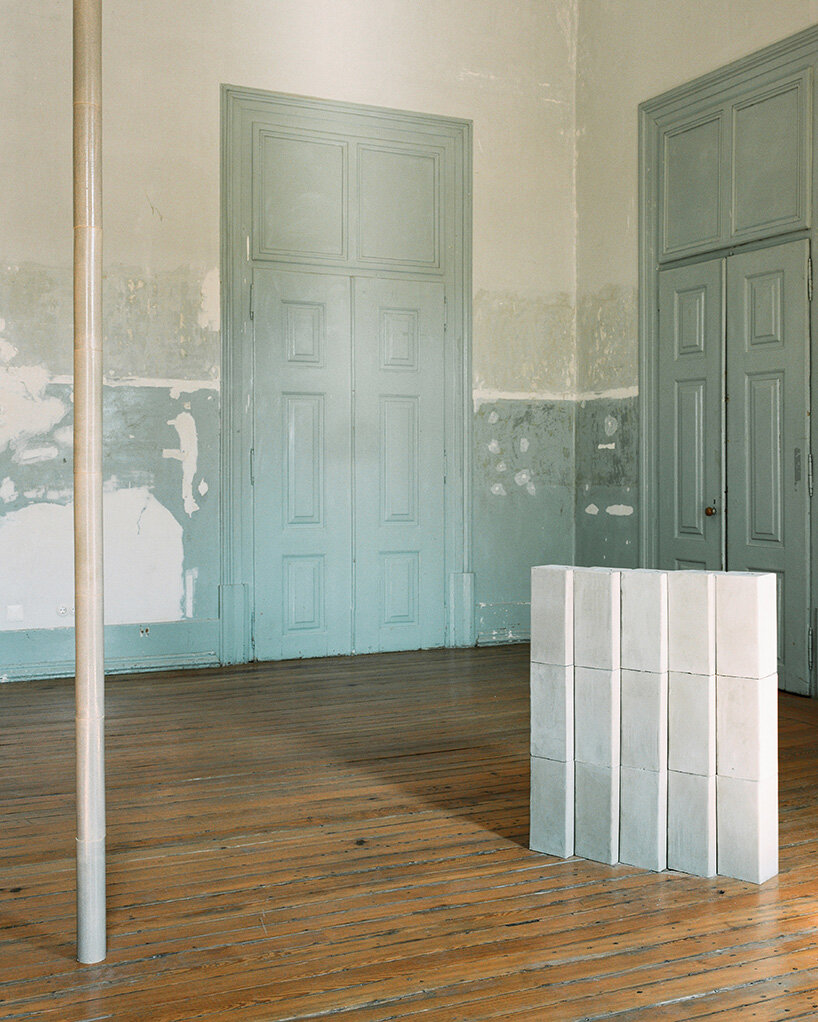
the studio reframes asbestos as a mineral whose future might diverge radically from its past
REDUX explores repair as a technical and poetic act
Built using these renewed materials, the installation at Sinel de Cordes is as much a spatial essay as it is a demonstration. It proposes that the city can heal itself by reworking its own debris and that innovation can emerge from the very substances that once caused harm. ‘Design has the capacity to turn legacies of harm into opportunities for repair. Landfills that cover asbestos on city fringes risk ongoing environmental contamination, while aging asbestos housing stock continues to pose health hazards globally. By transforming asbestos safely and at scale, we can recover vast tracts of urban land, reclaiming them as parklands, ecological corridors, or sites for sustainable housing,’ the architects share with us.
Walking through REDUX, visitors are invited to touch the newly formed materials, a radical gesture given the global stigma surrounding asbestos. ‘We hope visitors will approach the installation with curiosity. By allowing people to touch and closely observe the renewed material, the project invites a direct, physical understanding of transformation,’ Besley & Spresser explain. As they put it, ‘the goal is to replace the idea of asbestos as taboo with one of possibility.’
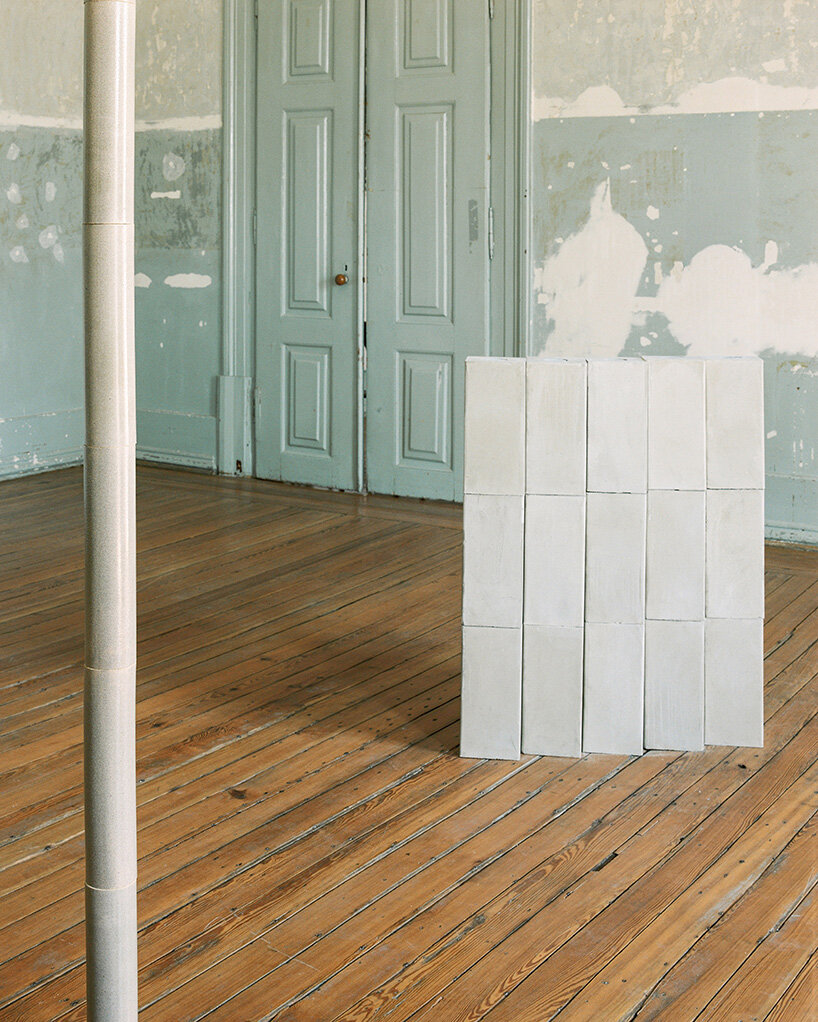
REDUX showcases carbon-negative materials derived from asbestos waste
origins of the project
The architects tell designboom that research began not in a lab but in a classroom. During a 2023 Master of Architecture studio at the University of Sydney, students investigated local asbestos dumping grounds. One team, Thomas Li, Kleopatra Ananda, and Jasmine Sharp, mapped the urban footprint of the material and eventually led the architects to Asbeter in the Netherlands. ‘This research led us to Asbeter in the Netherlands, pioneers in asbestos renewal, whose technology neutralizes asbestos fibers through a mineral recrystallization process. Their work revealed a global potential: turning a material long defined by fear and harm into a carbon-negative resource with architectural applications, from concrete and render to ceramic glaze,’ they reflect.
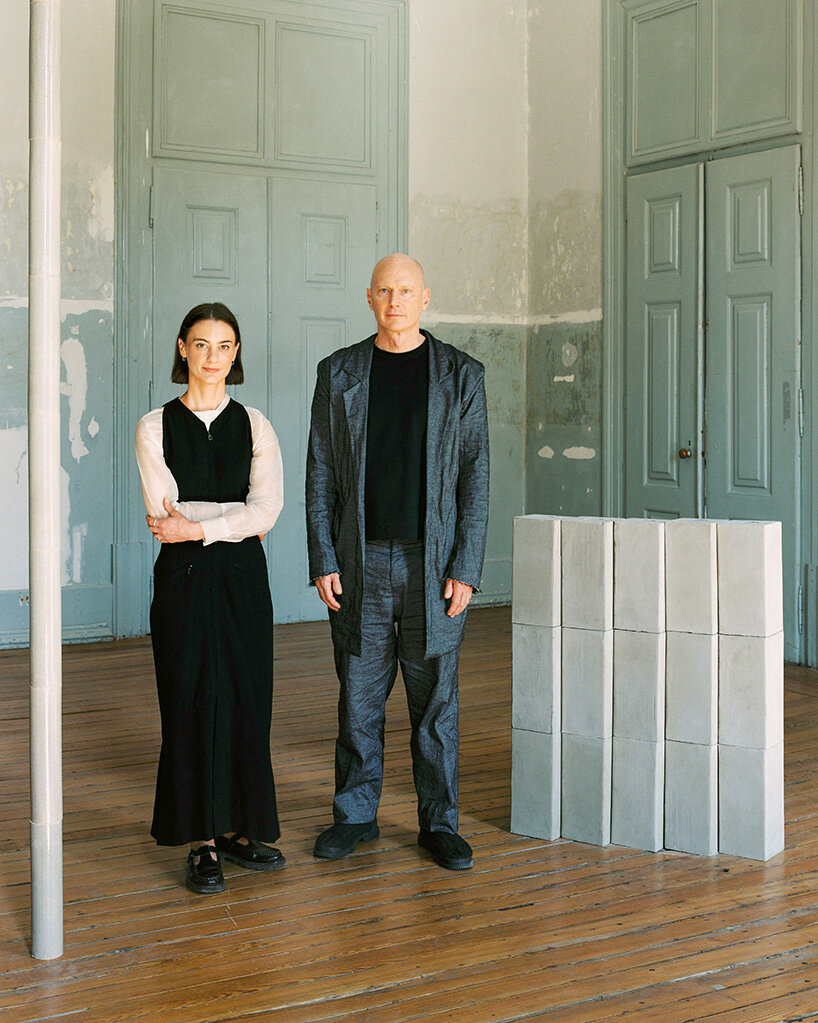
the architects point to the paradox of industrial material culture
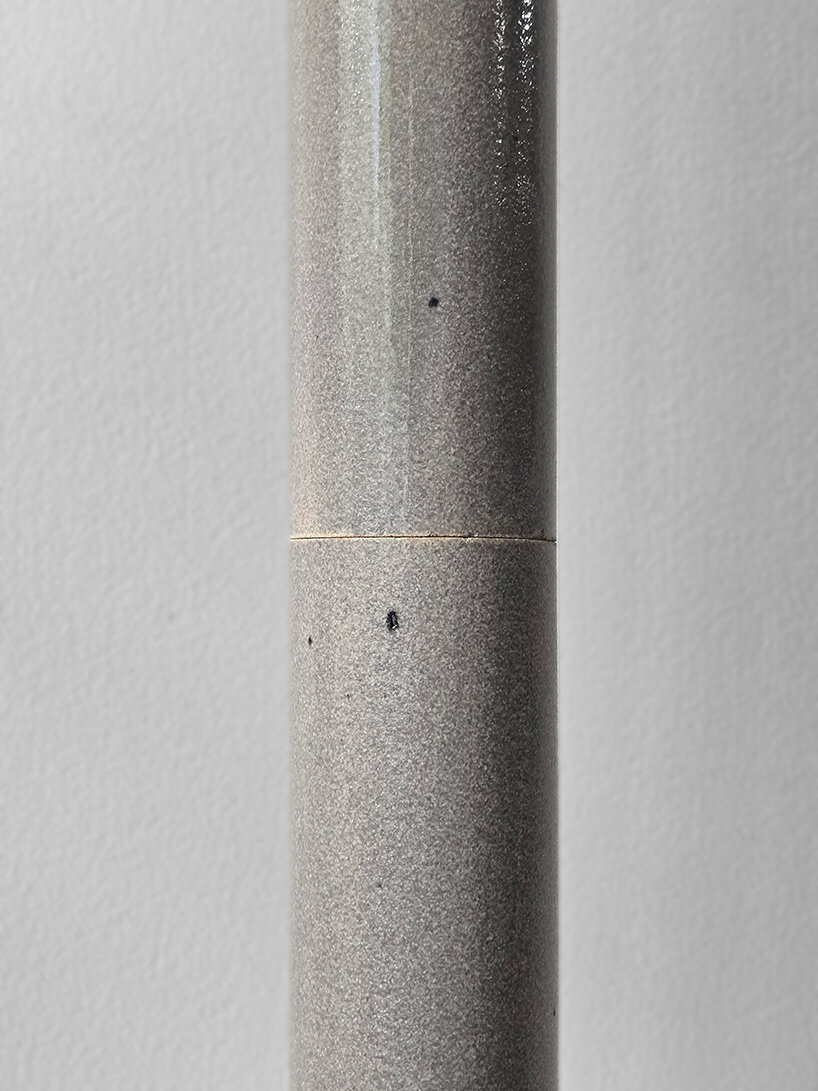
asbestos is an ancient mineral, woven into the urban fabric | image courtesy of Besley & Spresser
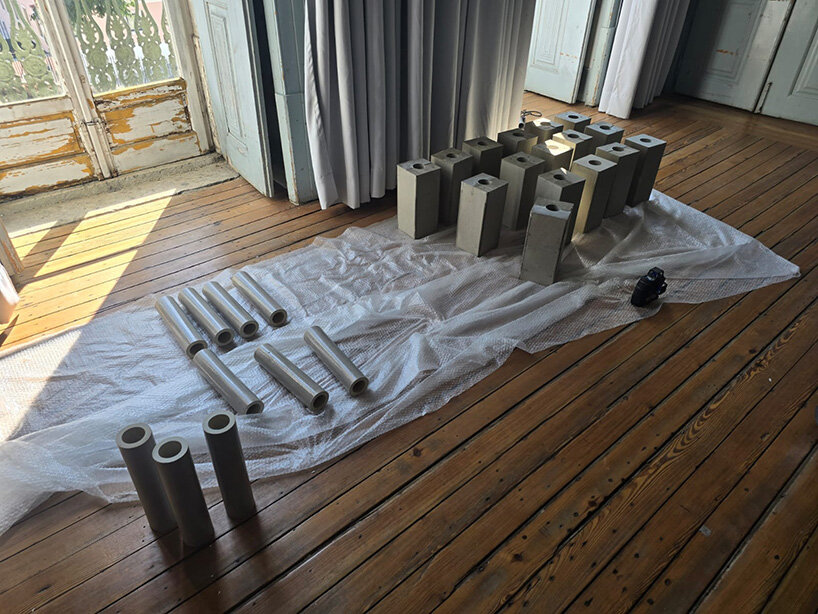
recrystallizing asbestos into stable silicates | image courtesy of Besley & Spresser
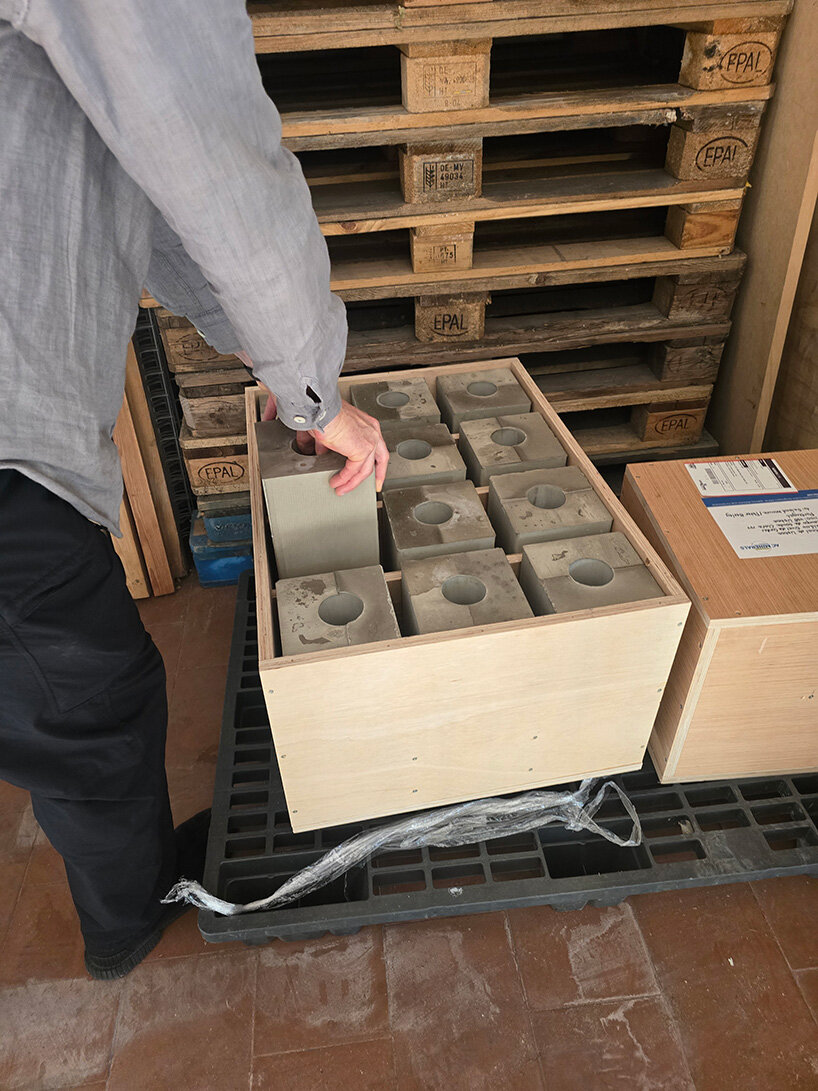
the scientific process is uncompromising and surprisingly generative | image courtesy of Besley & Spresser
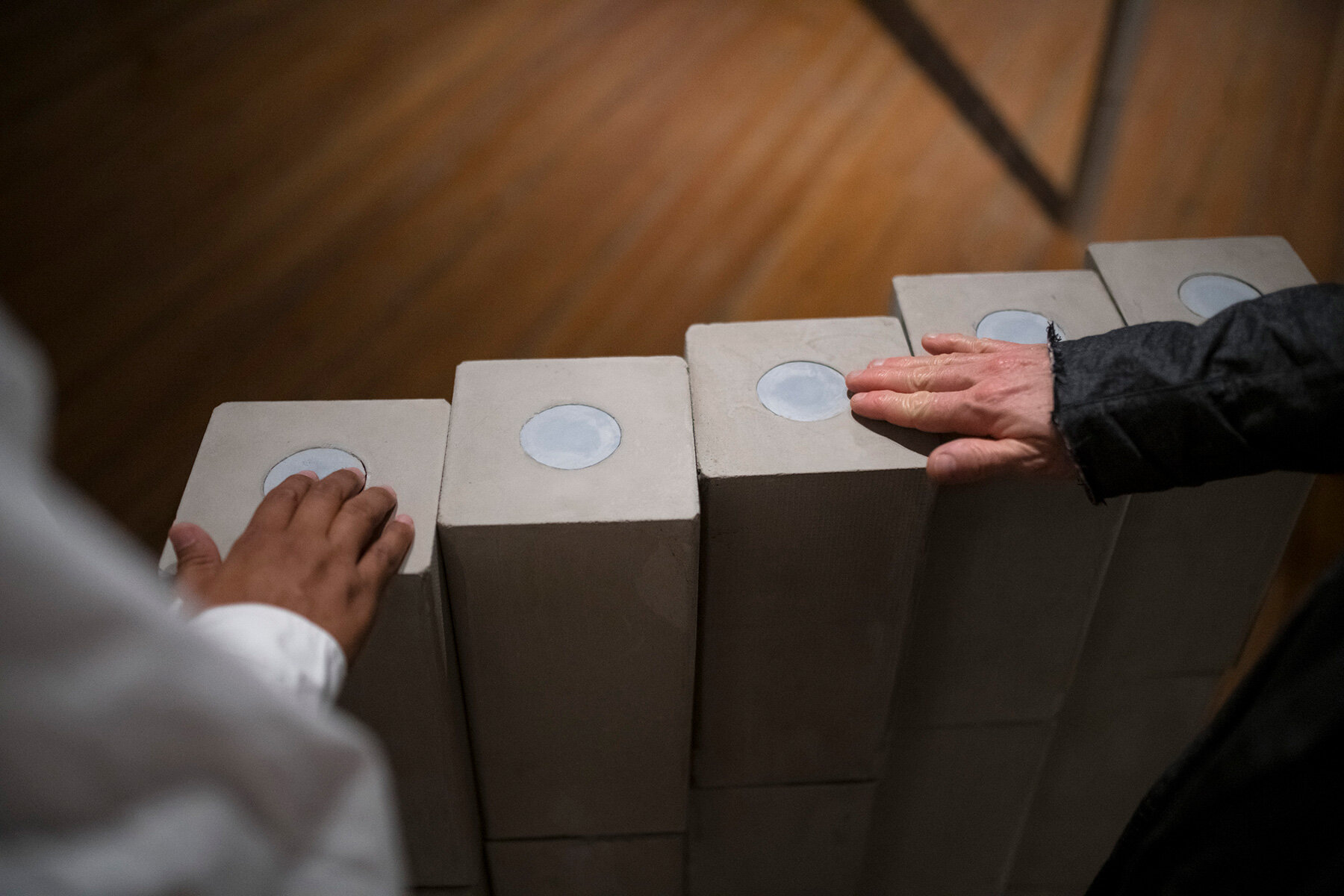
stable silicates can be used as cement replacements
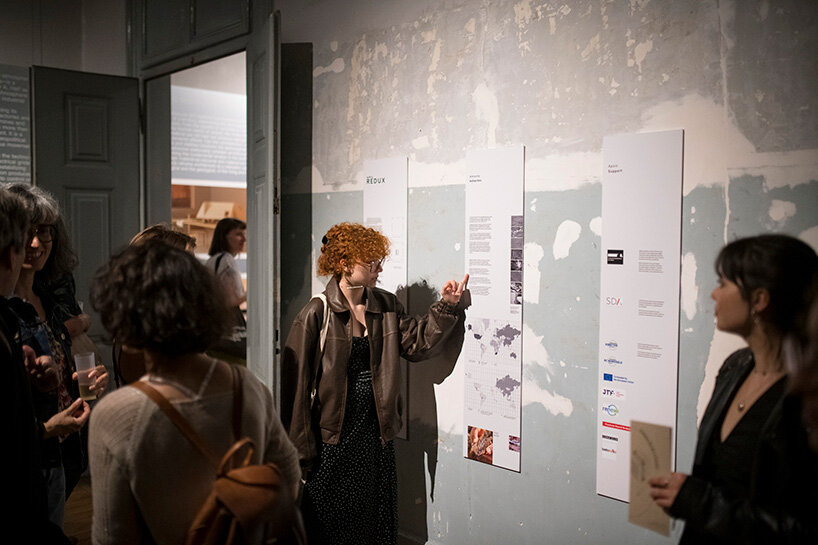
visitors are invited to touch the newly formed materials | image by Hugo David
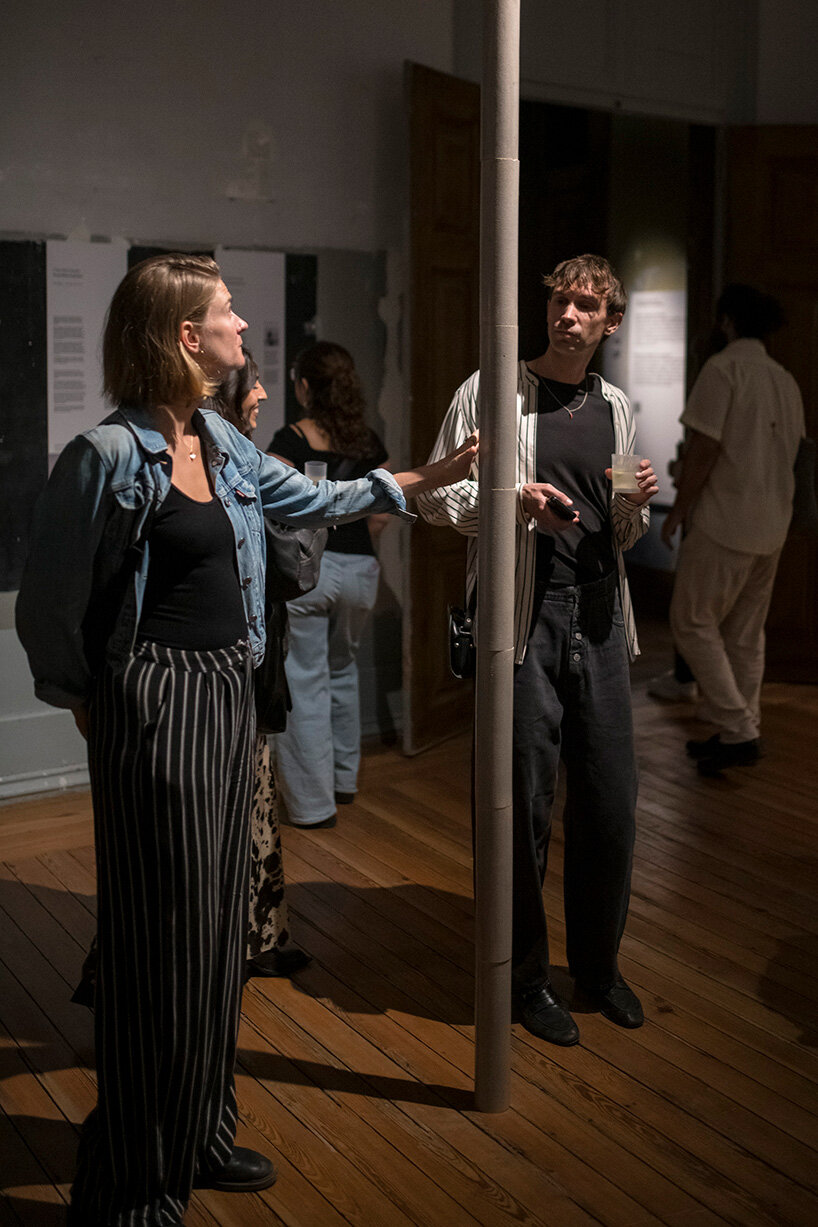
the installation at Sinel de Cordes is as much a spatial essay as it is a demonstration | image by Hugo David
project info:
name: 09.ED.15 REDUX
architects: Besley & Spresser | @besleyspresser
collaborators: Asbeter (Rotterdam); Benedetta Pompili Studio (Amsterdam)
location: Palácio Sinel de Cordes, Lisbon, Portugal
research collaborators: Thomas Li, Kleopatra Ananda, Jasmine Sharp
support: Brickworks, AC Minerals Group, European Union, Renewi, Just Transition Fund, Provincie Noorde-Brabant, Betonova
structural advice: SDA Structures
installer: Cria Design, Besley & Spresser
architecture interviews (316)
 Mar 18, 2026
 Dec 09, 2025
 Oct 17, 2025
 Sep 09, 2025
carbon neutrality? (184)
 Feb 17, 2026
 Jan 25, 2026
 Jan 17, 2026
 Jan 16, 2026
 Jan 12, 2026
materials (199)
 Mar 20, 2026
 Mar 10, 2026
 Mar 10, 2026
 Mar 09, 2026
 Mar 08, 2026
 Mar 18, 2026
 Mar 18, 2026
 Mar 12, 2026
 Mar 11, 2026