budi pradono reinterprets vernacular architecture in rural indonesia
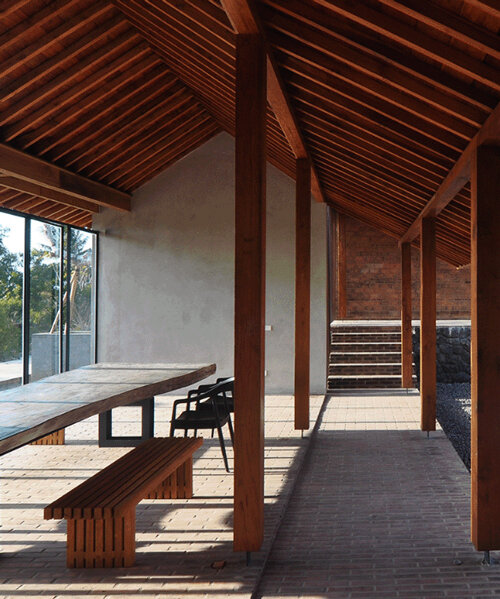
the new timber dwelling features a sequence of open, semi-open, and closed spaces.
[FEATURED]
a modern reinterpretation of a javanese house
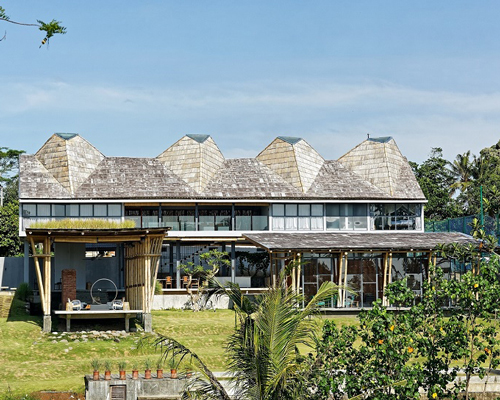
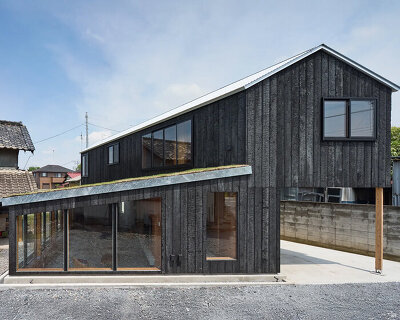
budi pradono architects designs a sequence of open, semi-open, and closed spaces for this timber dwelling in the indonesian village of wonosegoro. the project pairs a reinterpretation of javanese houses or ‘omah djawa’, which are the traditional homes of people on the island of java, with a spatial program that meets modern working from home needs.
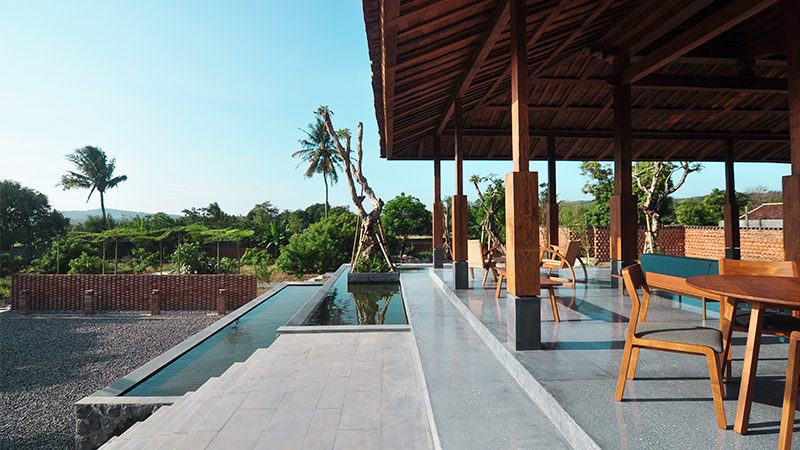
the site of the new house is located about an hour’s drive from semarang, far from the hustle and bustle of the city. the rural plot is surrounded by rice fields, tropical forests, and friendly people.
the design strategy
the architects explain that in javanese tradition the house is a representation of nature, and closeness to nature is indicated by the quality of open, semi-open, and closed spaces, all of which are sequentially related. with this in mind, the basic design strategy for this residence was to connect with the landscape by making various spatial experiences on terraced levels, resulting in calm yet characterful spaces.
the pendopo house
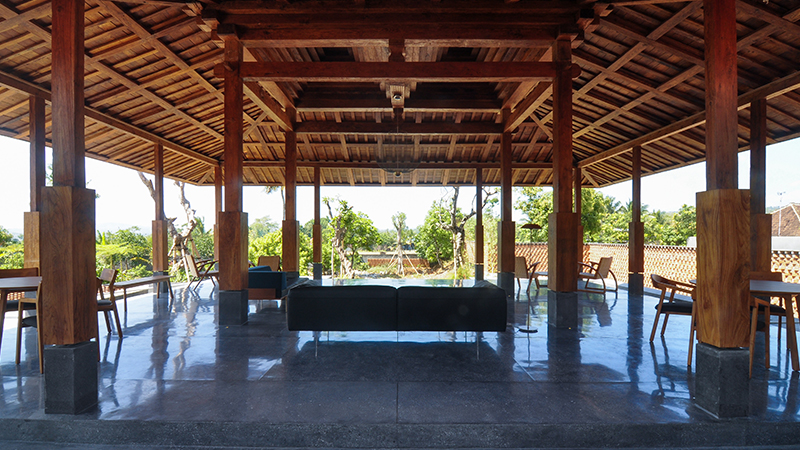
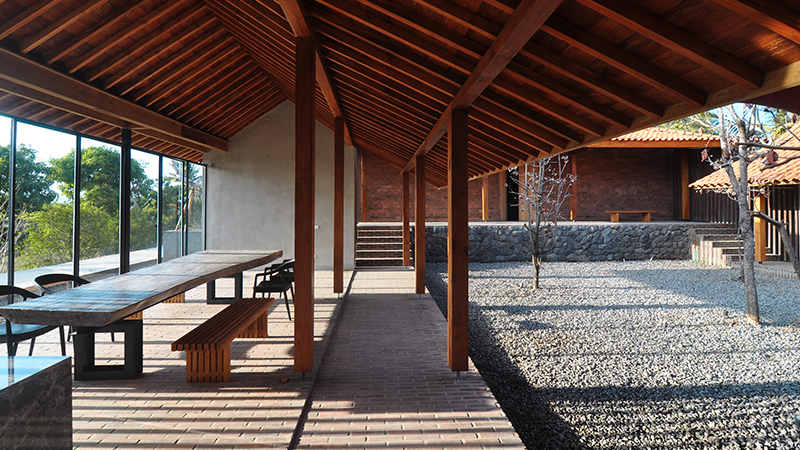
just like traditional javanese houses, the program is arranged on a datum line where the spaces are interconnected but at the same time have their own privacy. the front side of the floor plan hosts the ‘pendopo house’, a fundamental element of javanese architecture that takes shape here as an open reception lounge measuring 11 x 11 meters.
the new structure has actually been reconstructed from a 60-year-old wooden building that has survived several earthquakes. the timber joints are connected without the use of nails, using only wooden pegs.
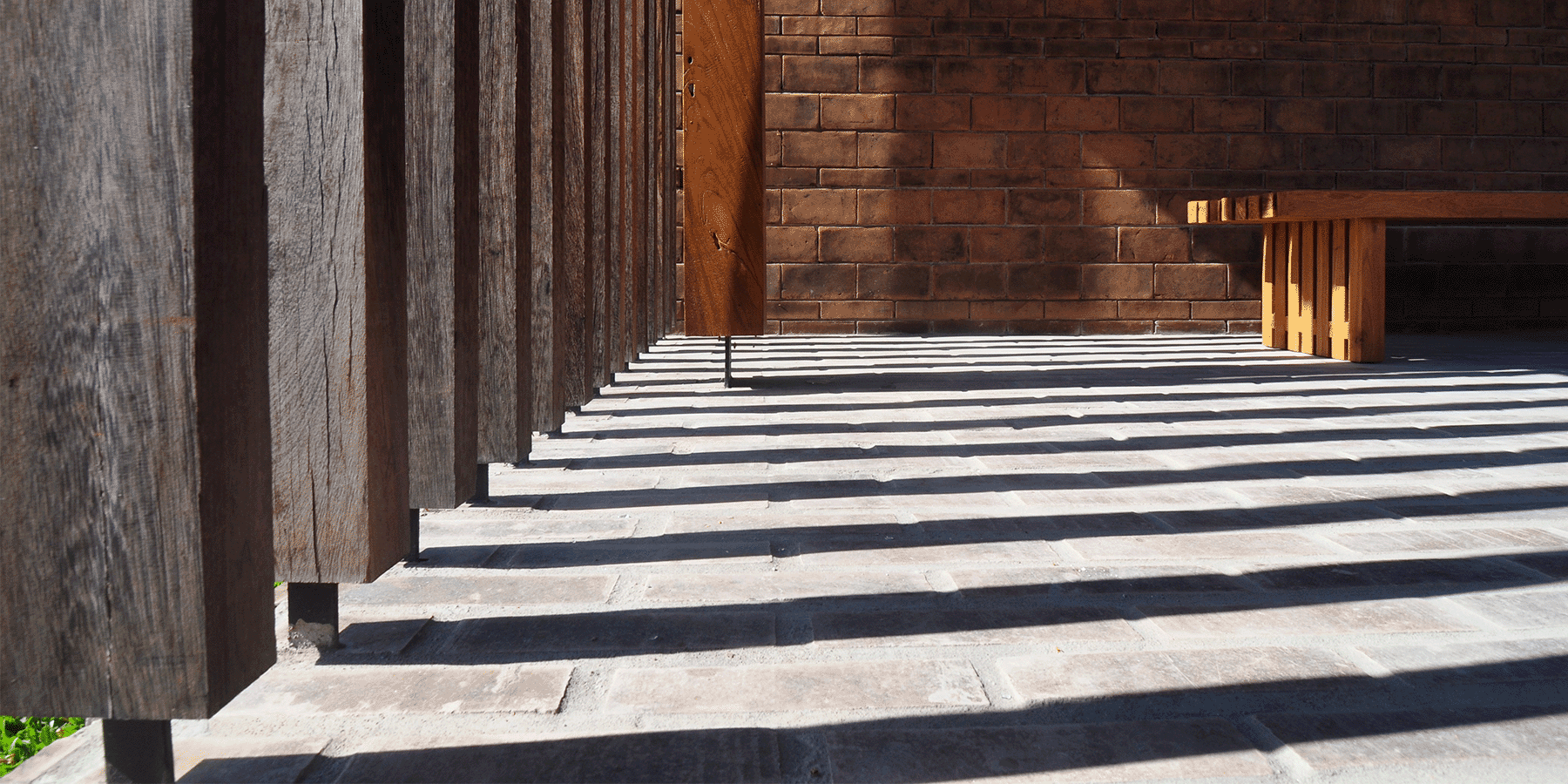
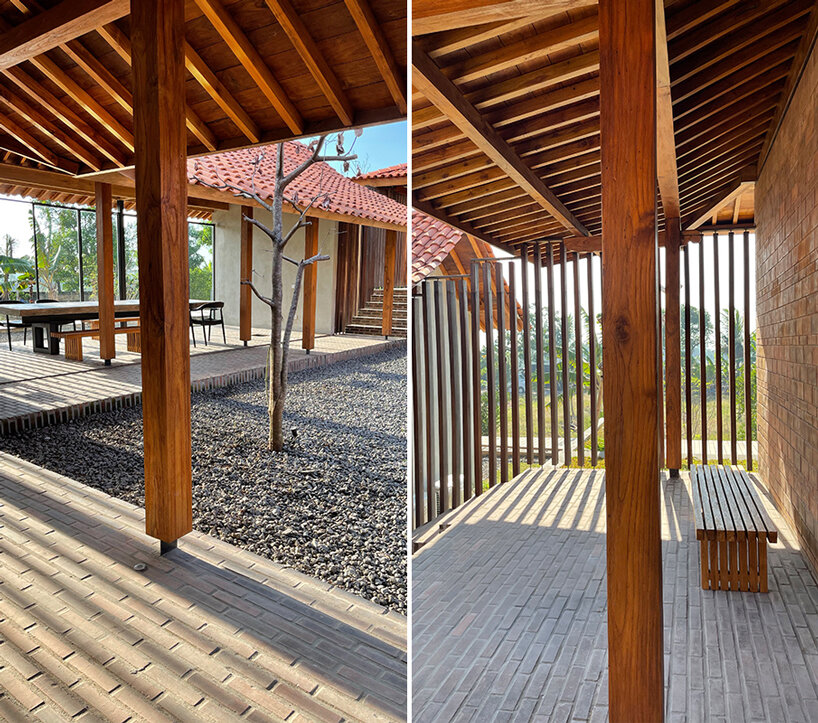
the pendopo house features a joglo construction, which is defined by its particular roof shape. the structure is designed to withstand earthquakes. budi pradono has also added a contemporary element with stone pedestals added to the bottom of the timber columns. there’s a small gap between the stone and the wood to represent the relationship between the two materials and the dialogue between modern and traditional.
the omah dalem
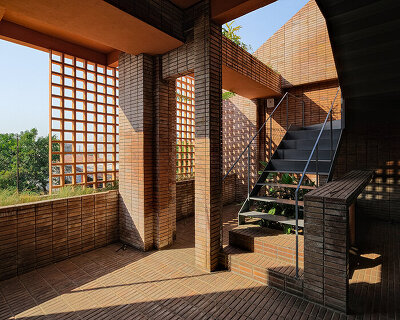
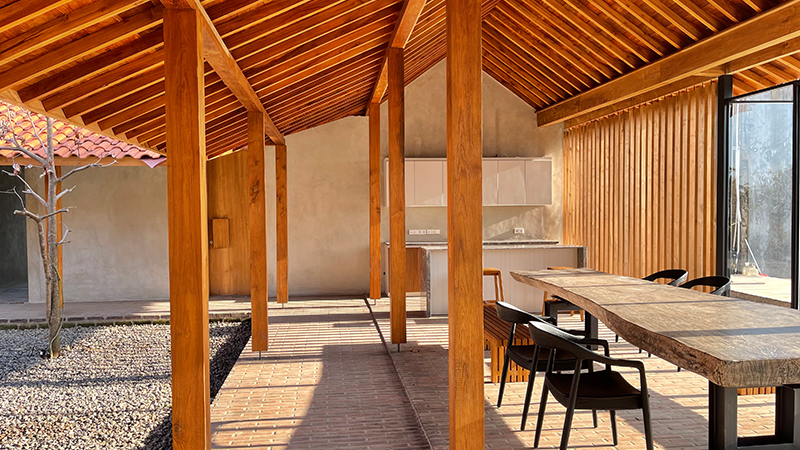
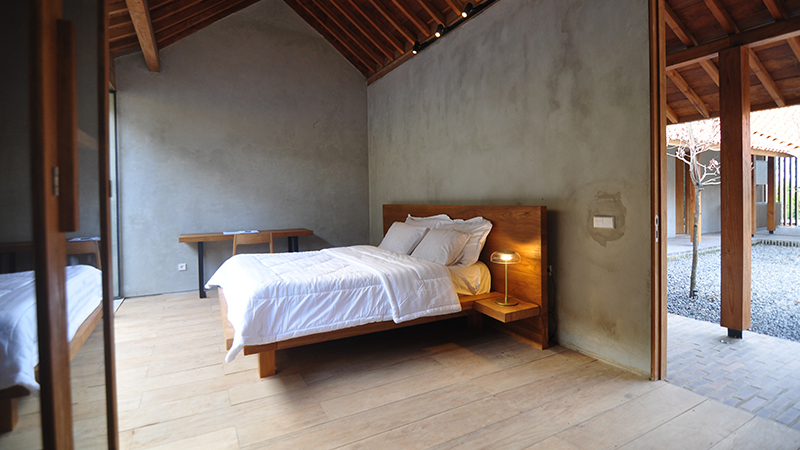
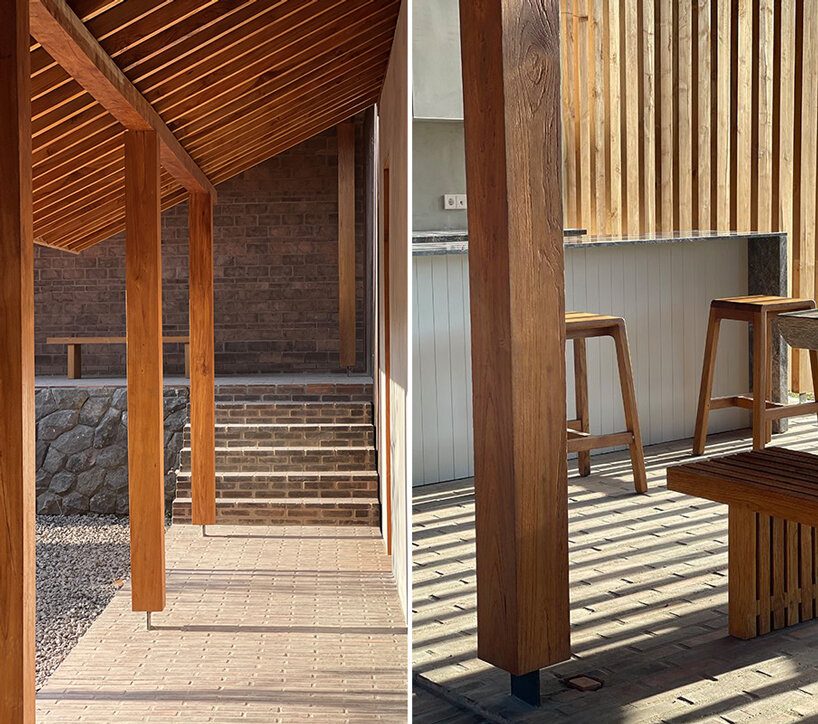
behind the open reception pavilion is the ‘omah dalem’, or ‘inner house’. its structure is similar to a joglo construction but it’s made from local brick and wooden framed windows. this space is divided into four bedrooms then behind it, there’s a courtyard with other rooms around it.
the courtyard features javanese sapodilla plum trees as a symbol of the kindness the owner will share with everyone. the spaces between the courtyard are the terrace, three bedrooms, and one main dining room. a supporting service building is located apart from the main house.
to complete this modern house with traditional elements, the design team chose ‘straightforward and unpretentious’ materials. teak wood and red brick produced by the local community are combined with metal and river stone to give the javanese building concept new value.
1/2
project info:
name: omah djawa
location: wonosegoro, central java, indonesia
architect: budi pradono architects
designboom has received this project from our DIY submissions feature, where we welcome our readers to submit their own work for publication. see more project submissions from our readers here.
shop
your own online design shop — no sales commission collected