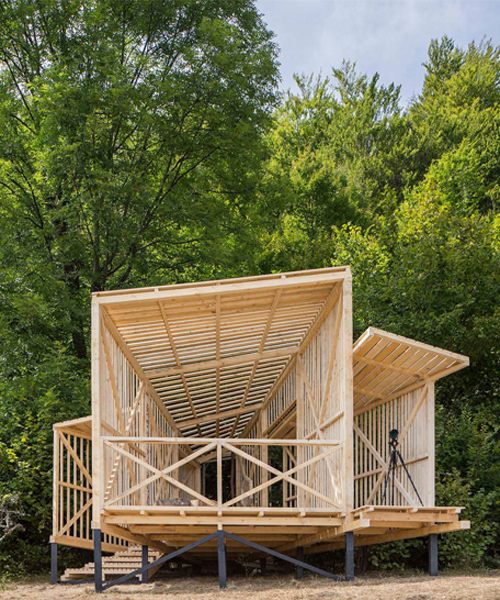
camposaz develops wooden observatory in the southern carpathians for wildlife viewing
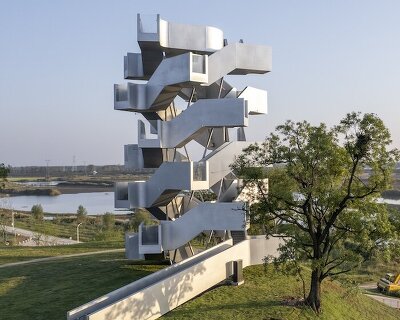
camposaz's 'tara' represents both an experiment in the field of wood and the realization of a small infrastructure for a sensitive and caring form of tourism in terms of nature and environment.
the newly designed observatory ‘tara’ backed by camposaz explores the sensory perception of the environment in romania and communicates with the symbolic and natural language of the elements. it is like a filter which scans light and reality and gives them form and space, in the pursuit of finding a balance between empty and full spaces, vibrant and harmonious compositions which reveal imperceptible fluxes between lightness and gravity, a balance which expresses itself through the wood, a natural, living material ready to accept a slow but inevitable biological erosion.
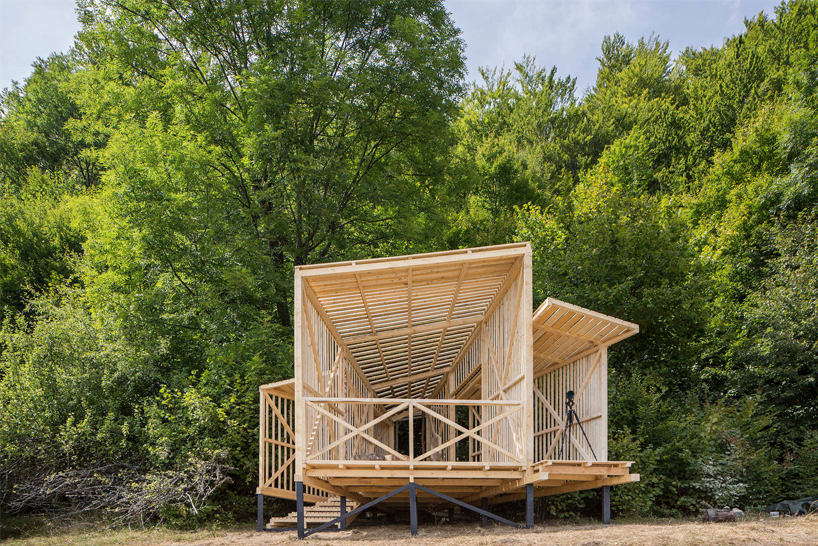
all images © sebastian apostol, bogdan comanescu
the initiative is supported by WWF romania and italian organization camposaz. the latter promotes the collaboration among young architects and designers coming from all over the world to design and build structures which exploit the anthropized environment or, like in this case, a wild landscape. a typical characteristic of the way the italian wood self-construction workshop works is the human scale of designing and building of a full-scale model integrated in a specific environmental context. the human body and manual labor are thus to be considered as tools of expression and measurement. the whole process is organized and realized symbiotically and develops step by step.
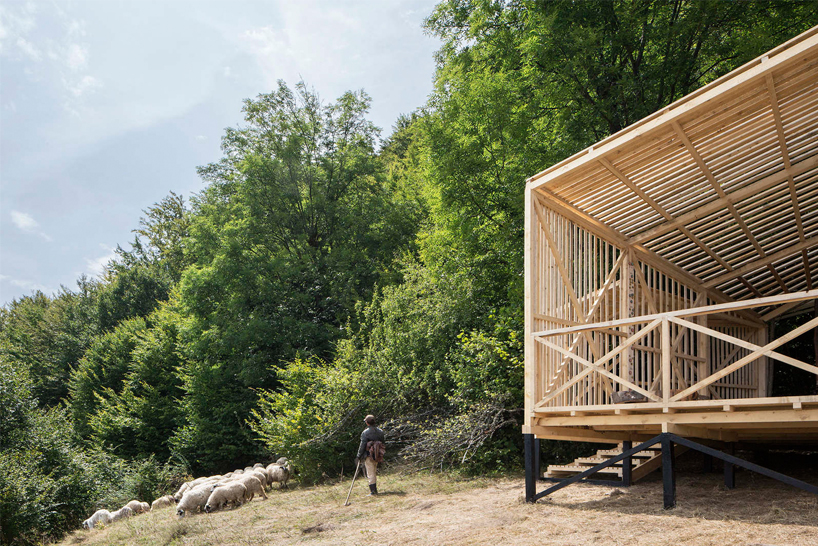
‘tara’ explores the sensory perception of the environment
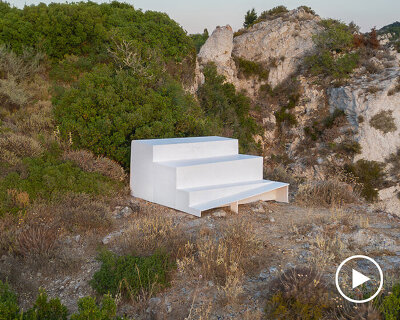
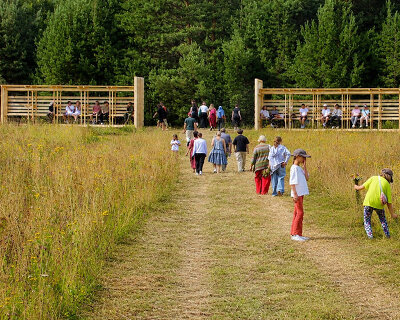
the structure is set on the border between a forest and an incredibly fascinating open space in the southern carpathian of the tarcu mountains. the wildlife observatory has been designed and built in ten days, with a team of 32 people coming from different foreign countries. camposaz’s ‘tara’ represents both an experiment in the field of wood and the realization of a small infrastructure for a sensitive and caring form of tourism in terms of nature and environment.
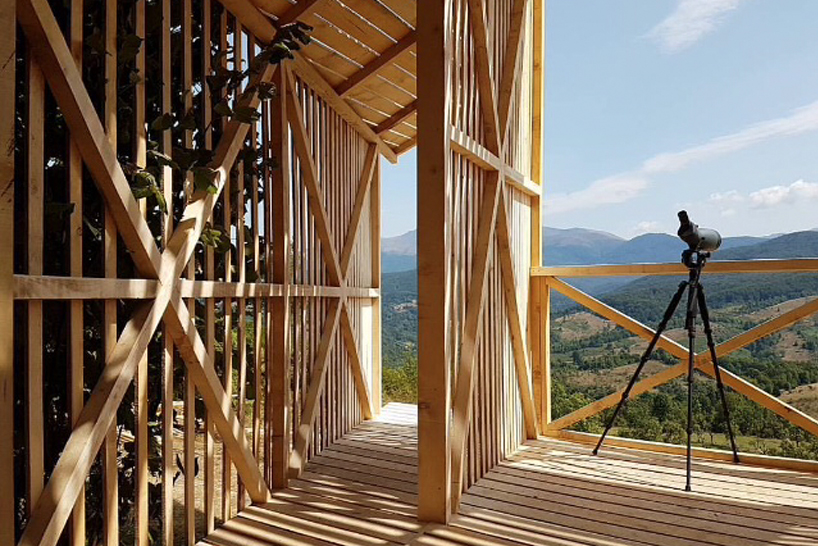
a small infrastructure for a sensitive and caring form of tourism in terms of nature and environment
the aim of the initiative is to concentrate in one experience both the process of designing and the one of putting into practice the work itself, giving value to the whole creative process. the workshop was possible thanks to the LIFE-bison project and the european union program LIFE, which allowed WWF romania and rewilding europe to reintroduce the wild bison in these areas since 2013, after 200 years of extinction. visitors and dwellers will be able to enjoy this naturalistic observatory, stop there and appreciate the view in their walks in this extraordinary and uncontaminated vastness.
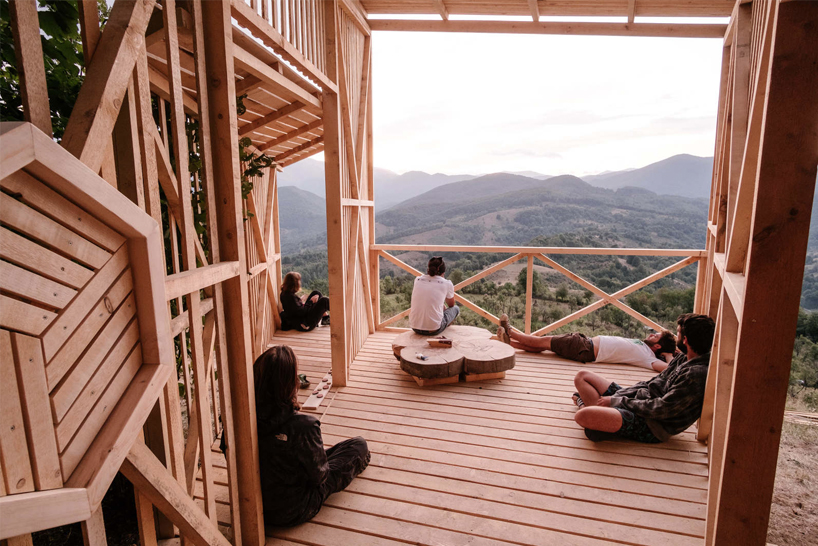
visitors will be able to enjoy this naturalistic observatory, stop there and appreciate the view
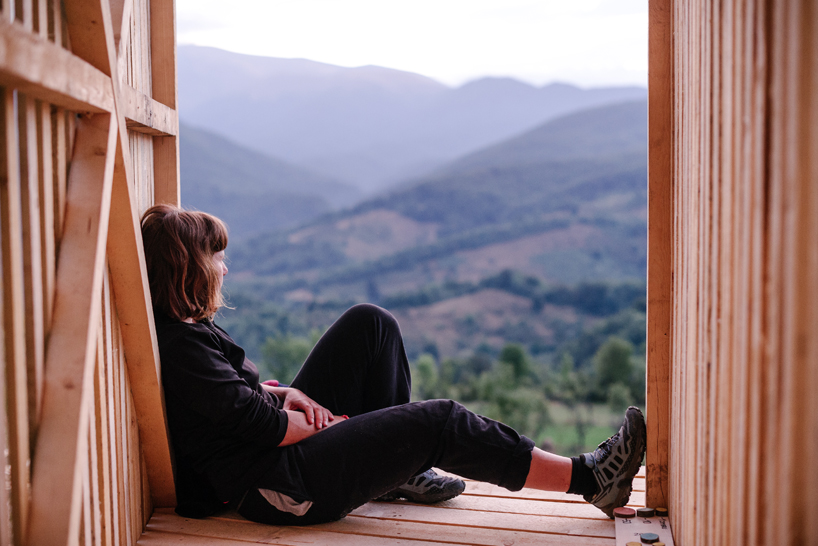
tourists can view the wild bison — reintroduced in these areas since 2013, after 200 years of extinction
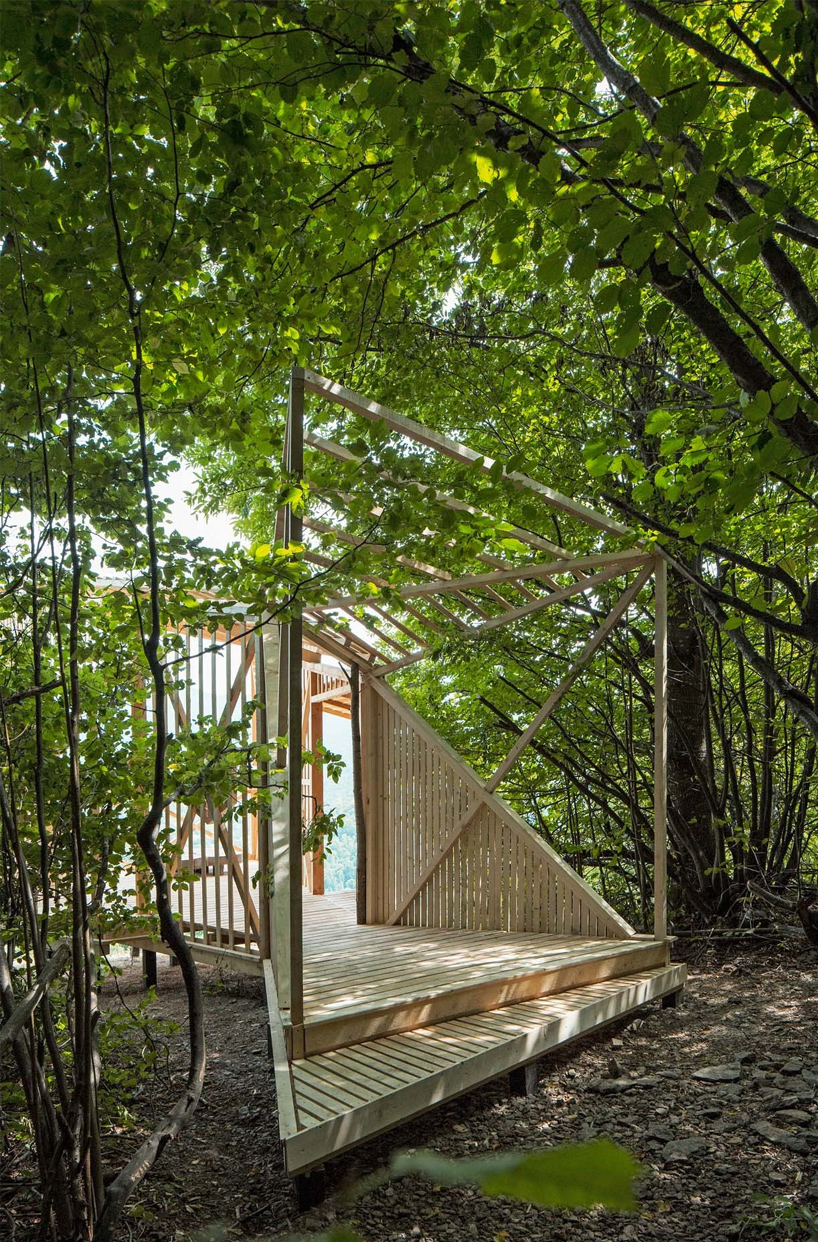
the observatory communicates with the symbolic and natural language of the elements
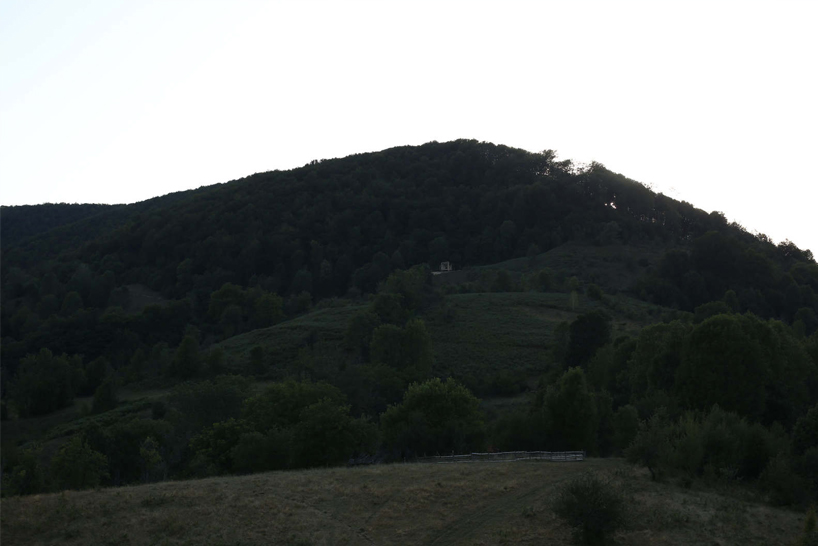
set on the border between a forest and an incredibly fascinating open space in the tarcu mountains
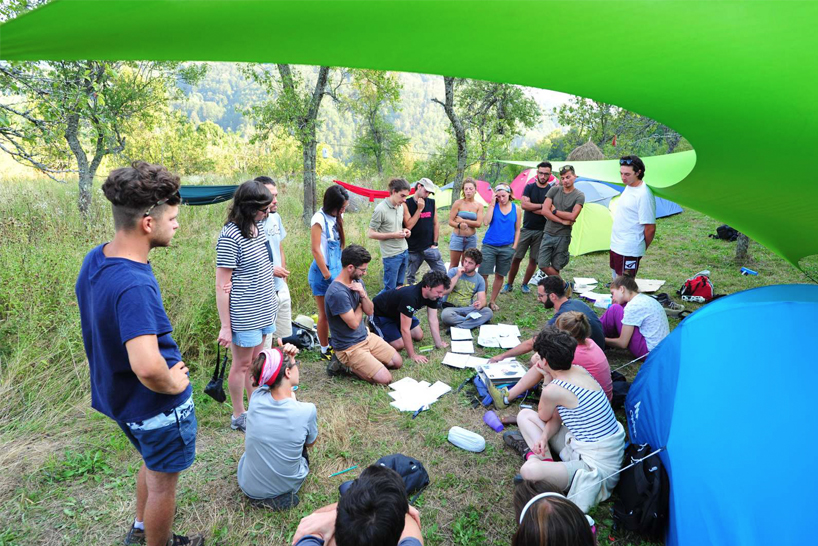
designed with a team of 32 people coming from different foreign countries
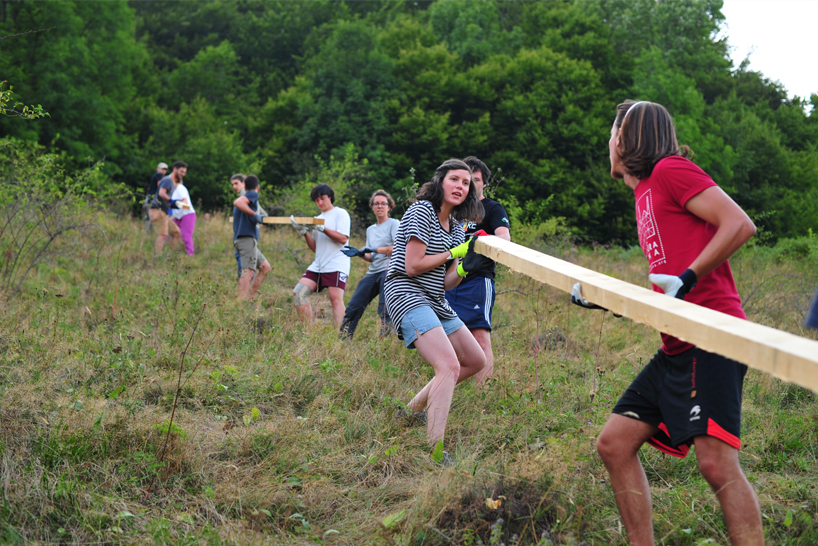
the wildlife observatory has been built in ten days
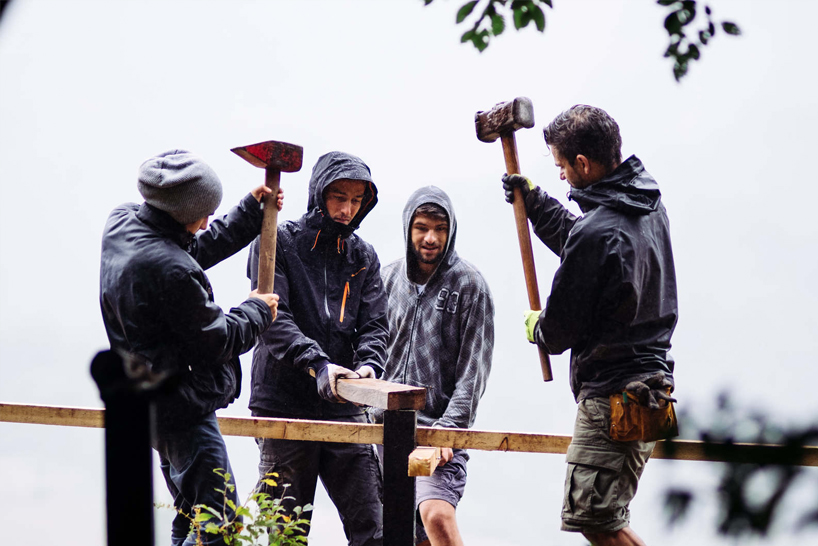
the aim is to concentrate in one experience the process of designing and putting into practice the work itself
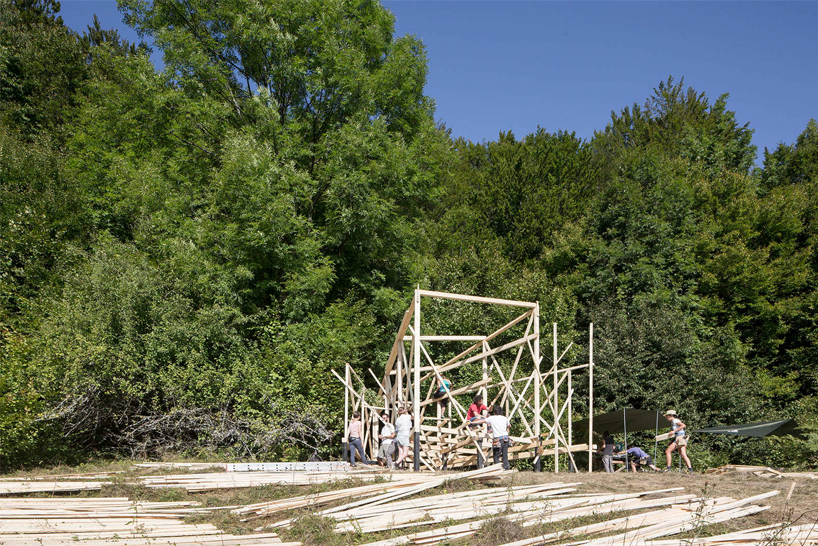
camposaz’s ‘tara’ represents an experiment in the field of wood
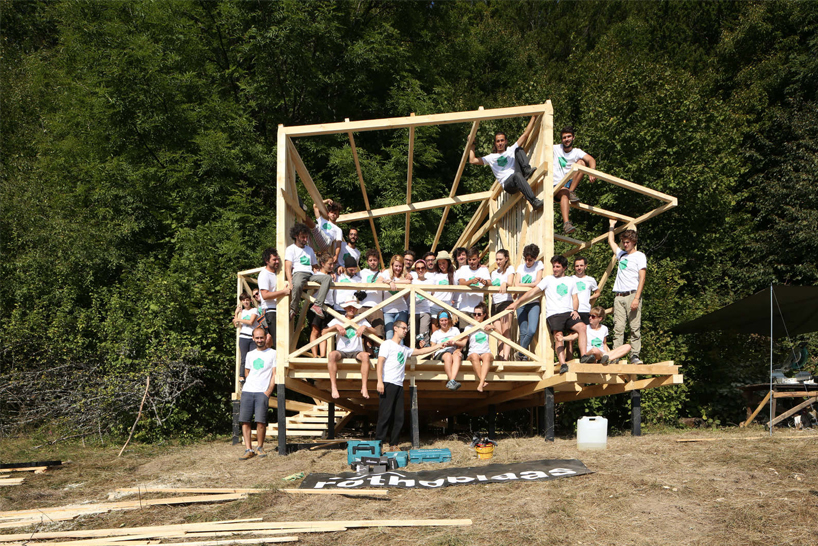
the workshop was possible thanks to the LIFE-bison project
designboom has received this project from our ‘DIY submissions‘ feature, where we welcome our readers to submit their own work for publication. see more project submissions from our readers here.
shop
your own online design shop — no sales commission collected