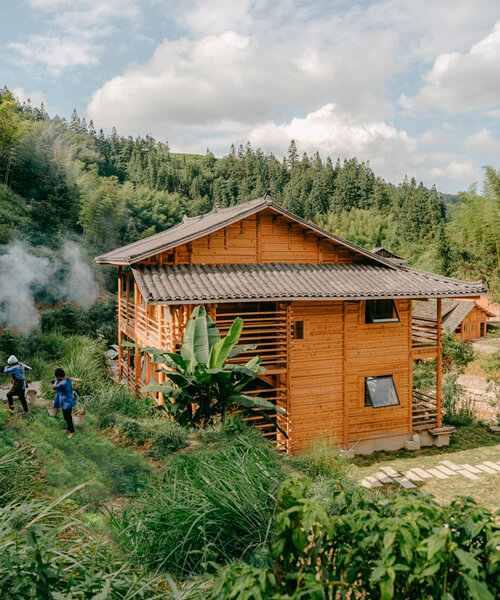
chinese fir and local dali wood outline the interior of terraced house by atlas studio
the design aims to integrate the agricultural landscape into modern living, particularly by bringing the rice terrace experience into the interior.
prefer designboom on googleATLAS STUDIO bridges tradition and modern living in Dali Village
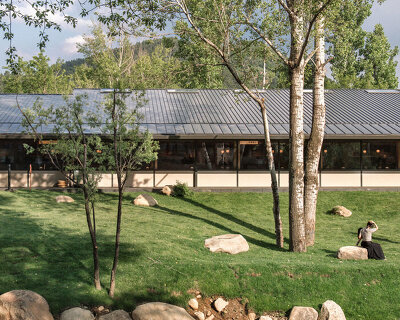
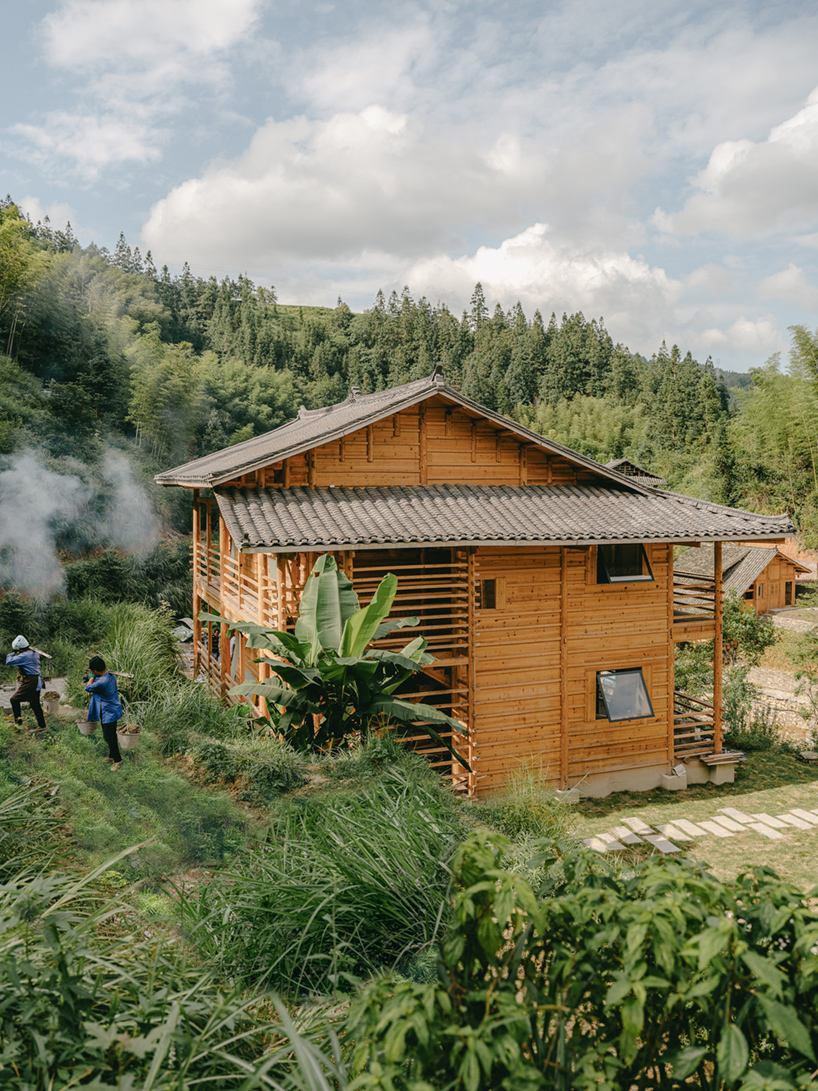
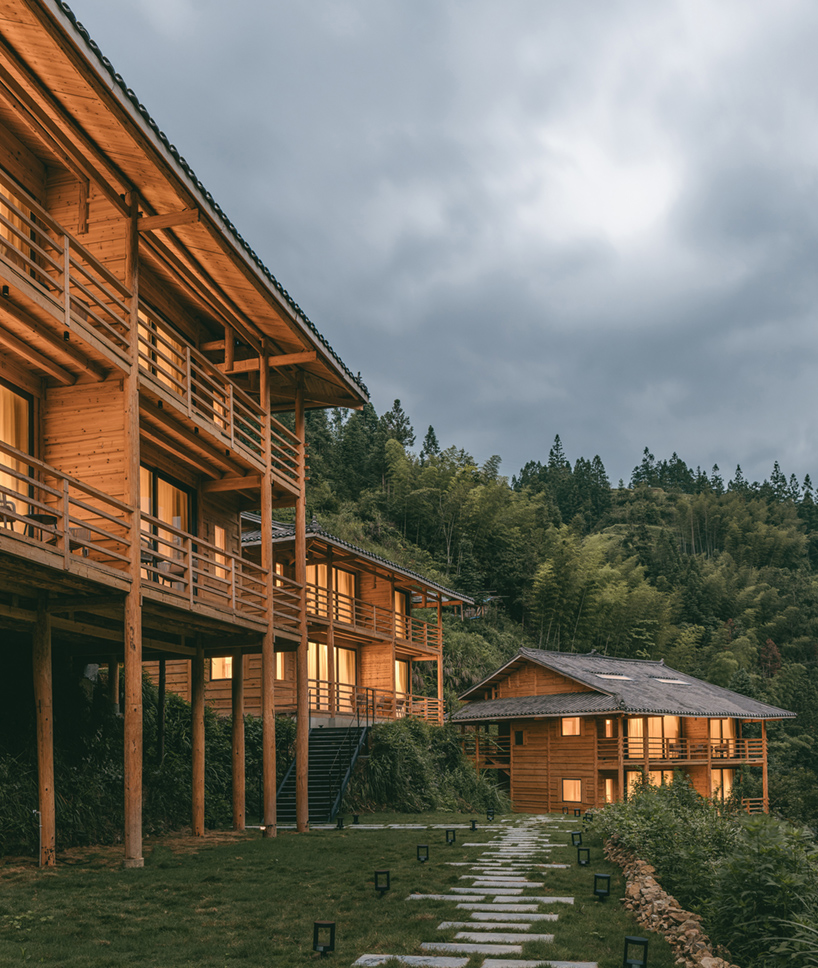
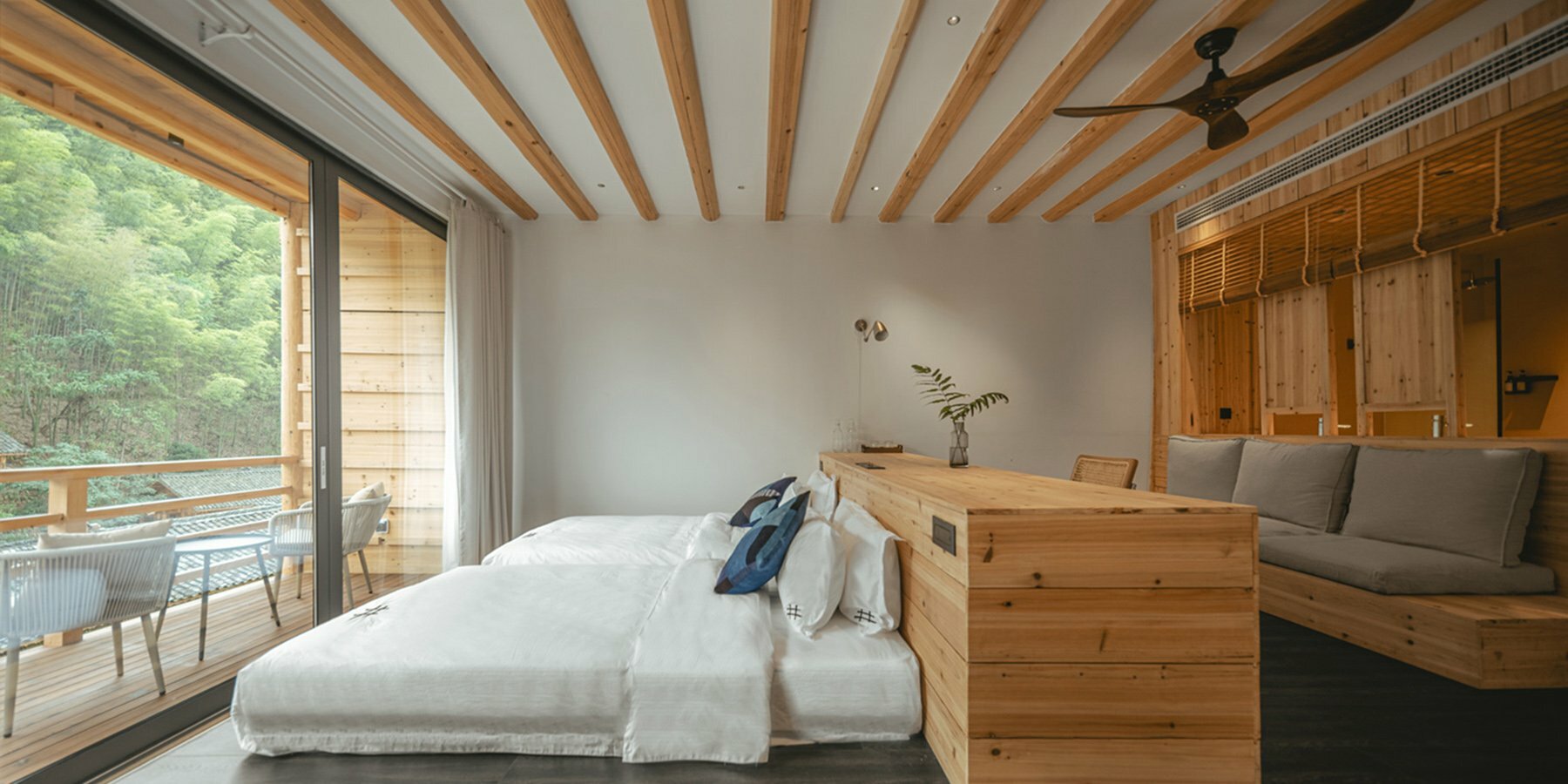
The Well House Dali Village on the Terrace by ATLAS STUDIO is situated within a scenic rice terrace landscape in China. The plot presents a height difference of approximately three meters and is surrounded by natural bamboo forests and woodlands. Accessible only through a wooden bridge, the structure is physically distanced from the village’s houses. The design aims to integrate the agricultural landscape into modern living, particularly by bringing the rice terrace experience into the interior guestrooms.
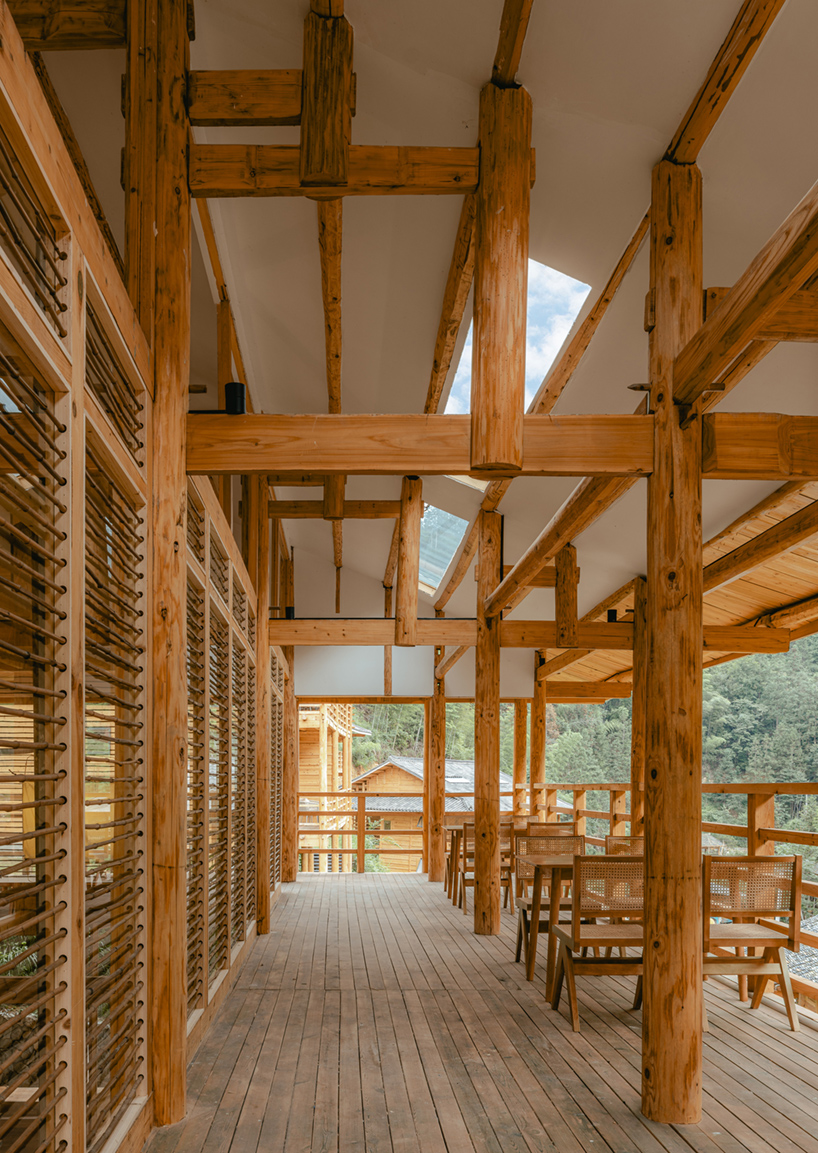
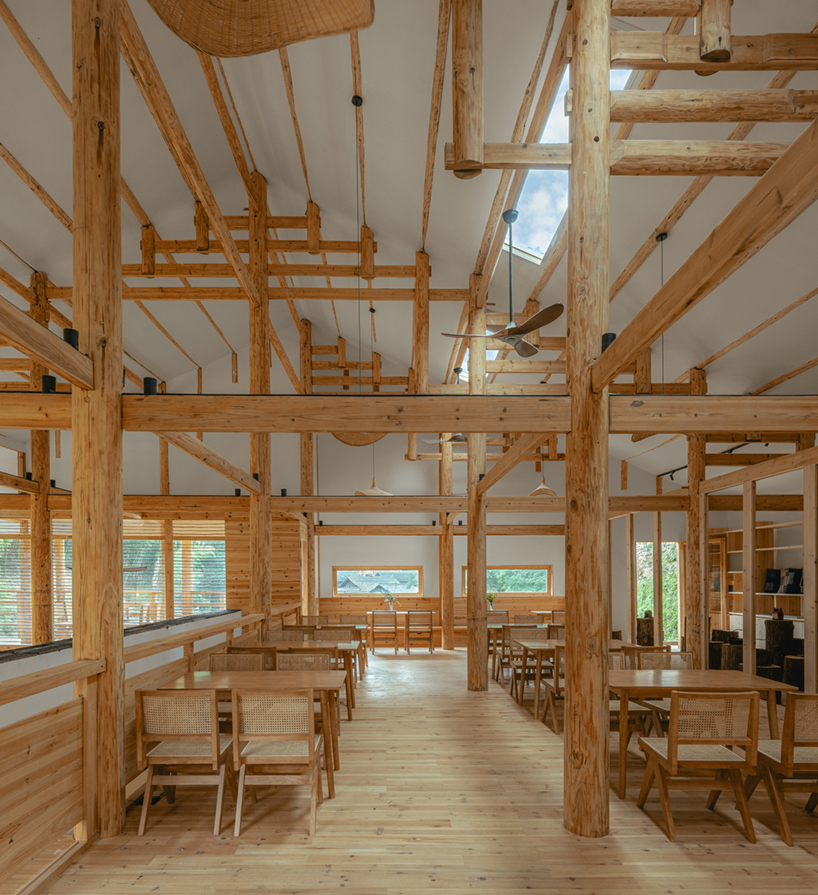
The floor plan of the guestrooms spans three levels, descending from the entrance to the resting platform and balcony. The Chinese fir interior aligns with the main wood structure, creating functional modules within each room. Fluidity is emphasized by eliminating physical partitions, allowing for an open and light-filled interior space. The incorporation of corner windows and skylights enhances natural light penetration.
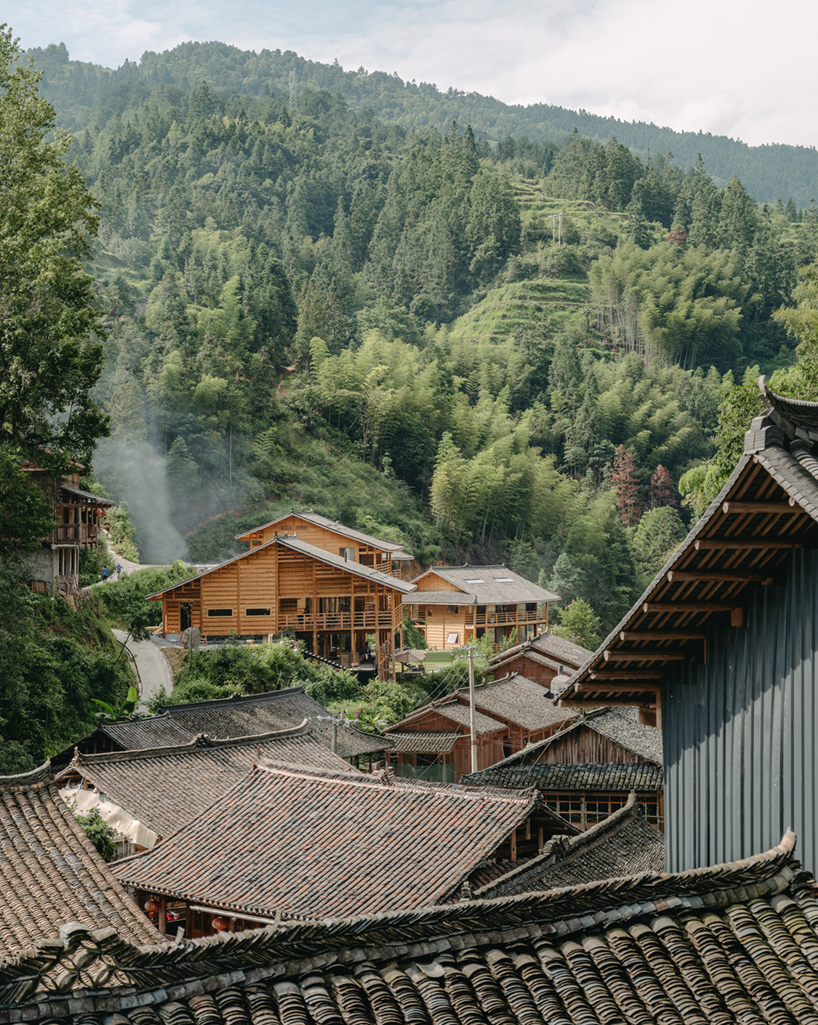
traditional village typologies are echoed in design elements
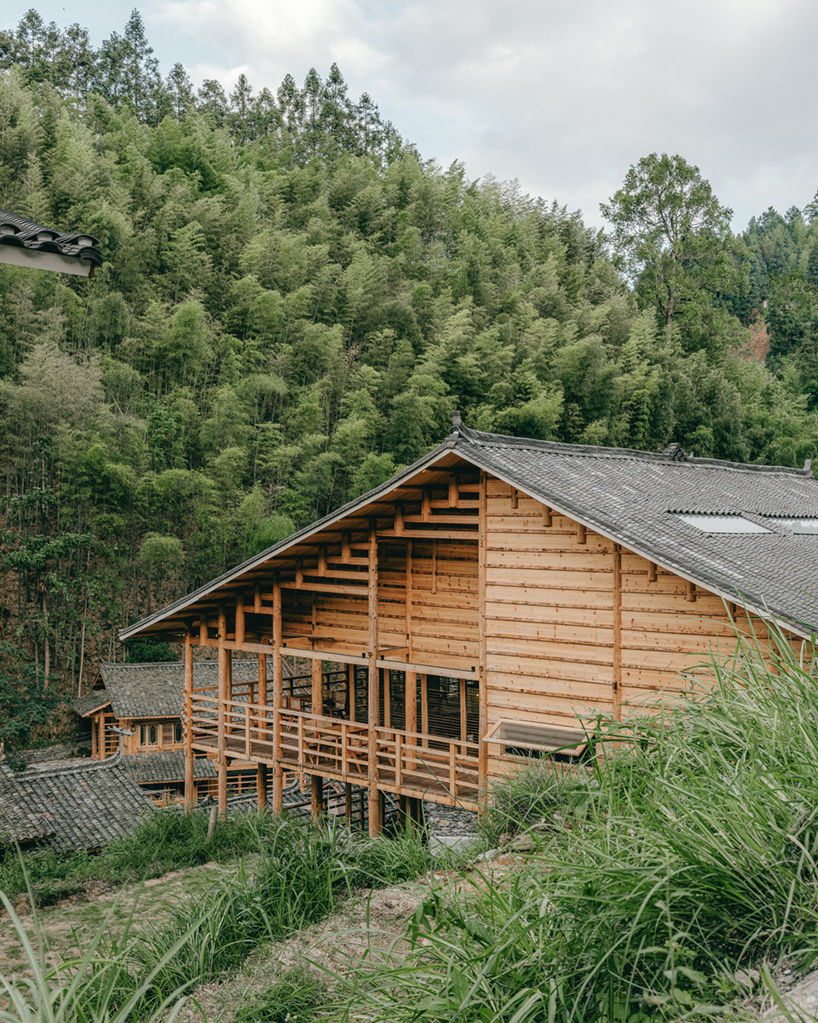
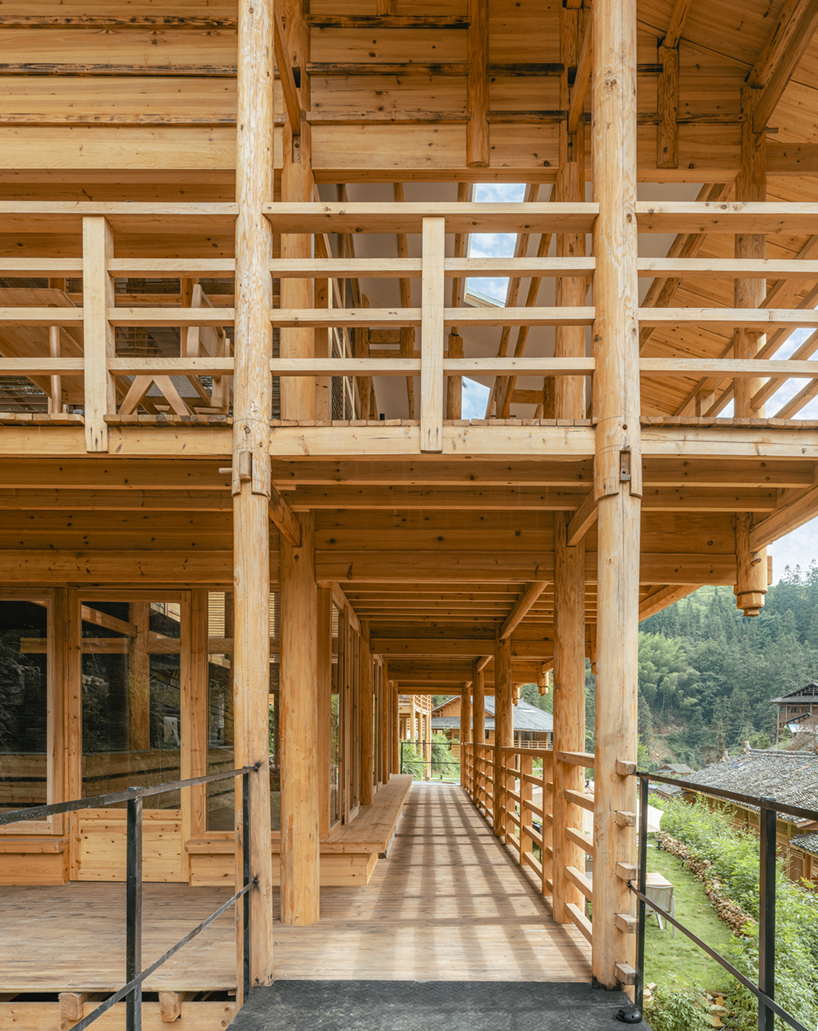
The design team at ATLAS establishes a balanced architectural vocabulary that echoes traditional elements, drawing from granaries, rice drying racks, wooden covered bridges, and fire pits. The northwest facade mirrors the granary style with raw log boards, while the southeast facade features grain racks connected to an elevated platform. The wooden bridge prototype is utilized in the cantilevered platform on the lobby’s first floor.
The lobby, organized around an atrium space, incorporates four functional modules. A hidden staircase behind a bluestone wall leads from the first floor to the second, revealing sequential changes in the wooden structure. Various partition and light-filtering materials provide a visually continuous landscape and blur the boundaries between nature and architecture.



1/5
project info:
name: The Well House Dali Village on the Terrace
architect: ATLAS STUDIO | @design_atlas
design team: Jenny Chou, Yihsuan Lin, Bruce Park, Hongcheng Yin, Xinru Liu
collaborator: Unum Studio
location: Dali Village, Guizhou, China
photography: Yumeng Zhu – Coppak Studio | @Yumeng_Zhu_coppakstudio
designboom has received this project from our DIY submissions feature, where we welcome our readers to submit their own work for publication. see more project submissions from our readers here.
shop
your own online design shop — no sales commission collected