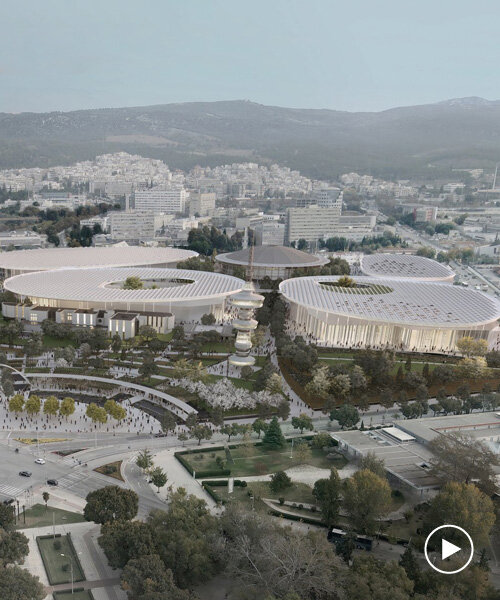
circular canopies float between trees in winning proposal for thessaloniki’s ConfEx park
the team selected to transform one of the greek city's key contemporary landmarks consists of sauerbruch hutton, gustafson porter + bowman and elena stavropoulou.
prefer designboom on google[FEATURED]
confex is a new urban park for thessaloniki, greece
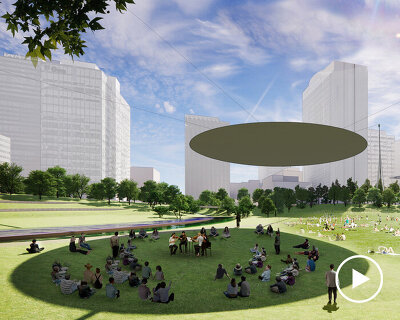
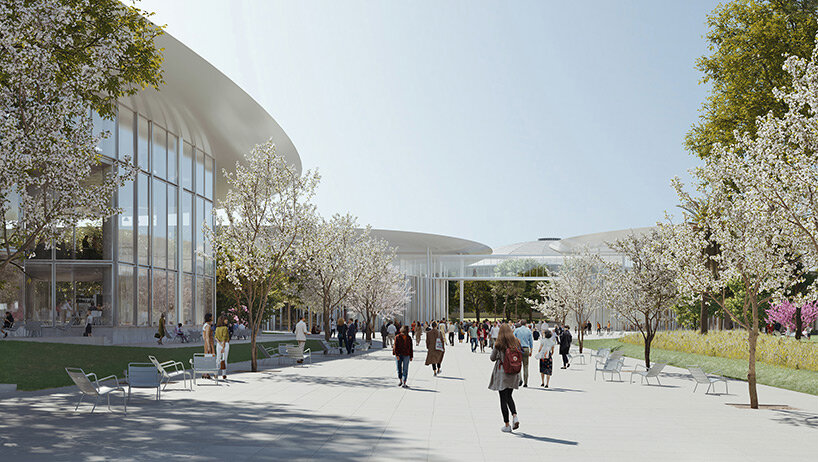
sauerbruch hutton, gustafson porter + bowman and elena stavropoulou have won the international architectural design competition for the thessaloniki ConfEx park. the winning proposal respects and highlights the historical axes of the greek city, featuring a series of circular canopies that resemble ‘islands’ floating between the trees and greenery of the newly-envisioned urban park. the team competed against proposals by heatherwick studio, kengo kuma and associates, sou fujimoto, and OMA among others, while the second prize was awarded to team of lina ghotmeh architecture, vogt paysage + urbanisme, LAN, LOT, tractebel engineering, and systematica, and the third prize to the team of UNstudio, schema4, and OKRA landschapsarchitecten. 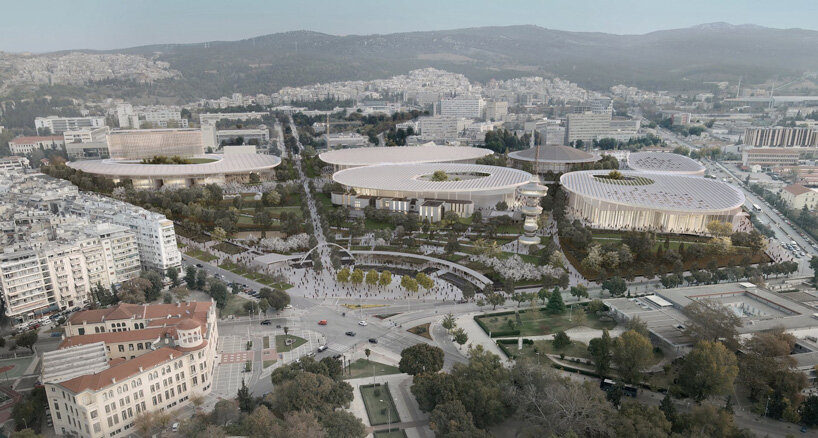 image by artefactorylab
a unanimously chosen winner for thessaloniki ConfEx park
the proposal by sauerbruch hutton, gustafson porter + bowman and elena stavropoulou was chosen unanimously as the winner of the international competition, after a three-day meeting by the members of the competition jury, who were in the city from 20 to 23 july for this purpose. the recently-unveiled thessaloniki ConfEx park will be an urban area of unique quality; a center for sport, business, art, history and politics that will welcome some of the largest events from abroad, as well being a place of individual hospitality for the city’s residents. all fifteen proposals that passed in the design phase of the competition – from which the three mentioned above were selected – were presented at the exhibition and conference center during the 85th TIF, while the three prizes were awarded in a special ceremony.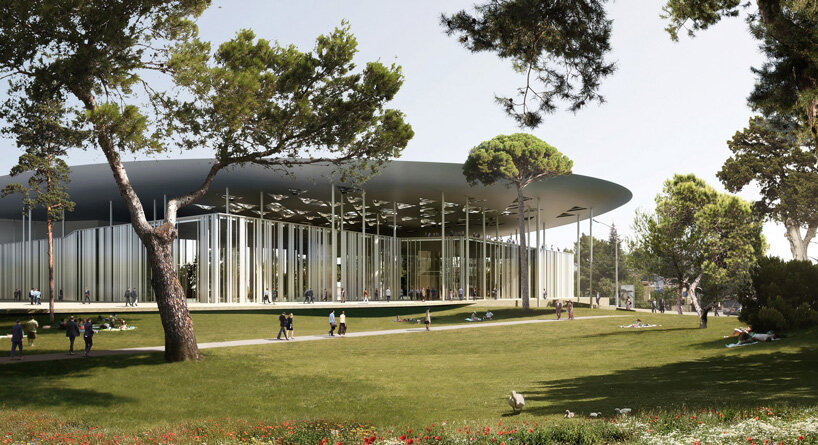 image by artefactorylab
reopening the existing city routes
as the ConfEx area is situated outside the ancient city gates, there are major routes that fan out from what was once a walled city. some of these, currently blocked, can now be reappropriated by pedestrians and cyclists: the proposed ‘culture path’ moves diagonally across the site and connects the new metro to exhibition halls, the MMCA museum, the congress center, and the archaeological and byzantine museums. the ‘mountain route’ aims to reopen the existing axis running north-south and to highlight the relationship between mountain, sea, university, ConfEx site and the wider city.
these paths naturally divide the landscape into three parts: the western area that serves as a space for play and temporary installations, the central area which becomes the location for small scale cultural gardens, and cafes arranged around the existing curved canopy, and the south area designed to house a large amphitheater for performance and events.
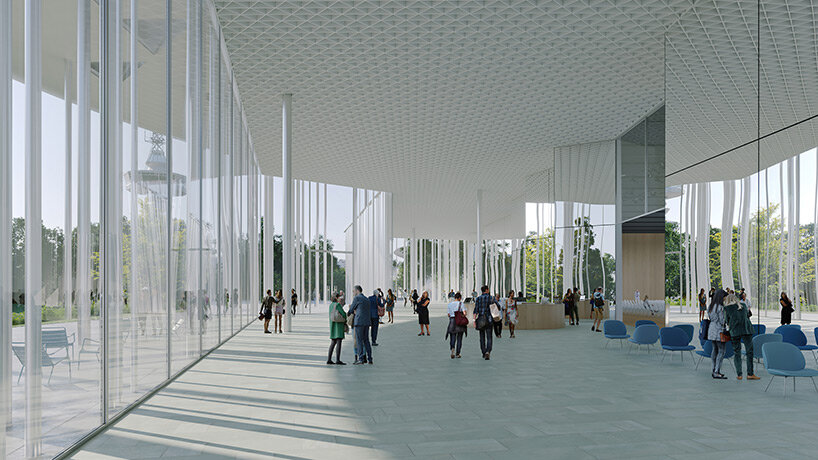
image by artefactorylab
cloud-like canopies and open pavilions
above, the exhibition halls and the congress center can be recognized by their distinctive roofs, shaped as circular canopies that ‘float’ like clouds. meanwhile, new pavilions akin to the size of the existing cultural buildings propose an interplay of scales between the large exhibition structures and the scale of the city. when the large halls are not in use for exhibitions, these areas can remain open for public use as cultural and social venues, with a direct view and access to the park.
the new, flexible exhibition halls rationalize the existing labyrinthine HELEXPO facilities, with the numerous pavilions. these halls are connected on the ground floor by open-air exhibition areas that are formed as an integrated part of the park. however, on the first floor, the exhibition areas are connected by a generous corridor and bridge including a restaurant and event venue, as well as an open-air rooftop exhibition. this walkway invites both locals and tourists to enjoy unobstructed views over the rooftops of thessaloniki.
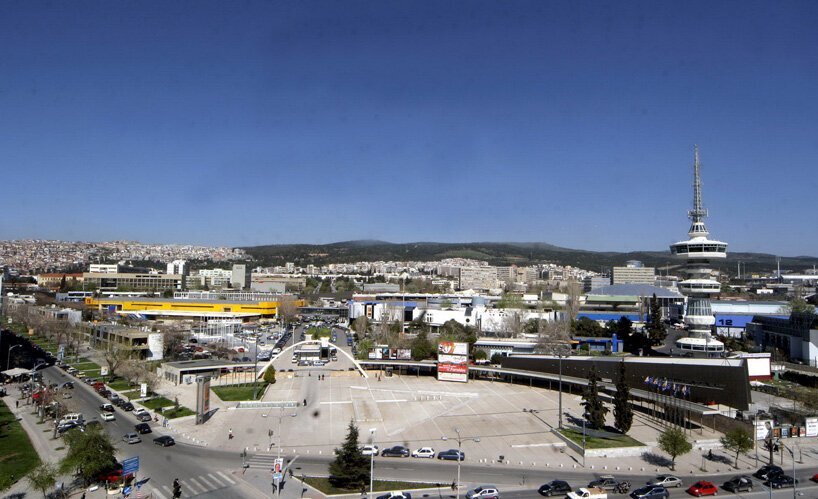
located in the heart of the city, TIF – HELEXPO is a contemporary landmark for thessaloniki – the second largest city in greece, after athens – due to its ideal central location and substantial size. the exhibition center is located within an area of approximately 175.000 sqm, consisting of a total built area of 96.000 sqm, with floor area ratio 0,58 (excluding the building area of the AAMTH). the existing lot coverage is 42%, while the open space between the facilities covers 50%, and the rest 8% of the site area is covered by parking lots.
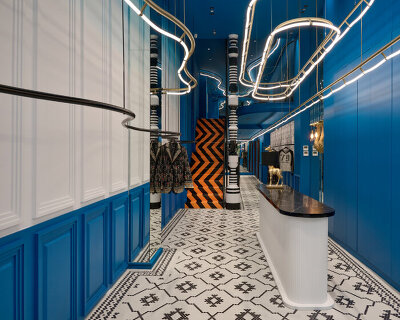
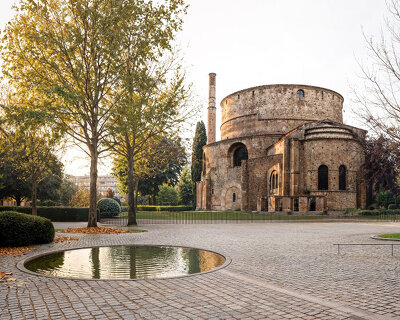
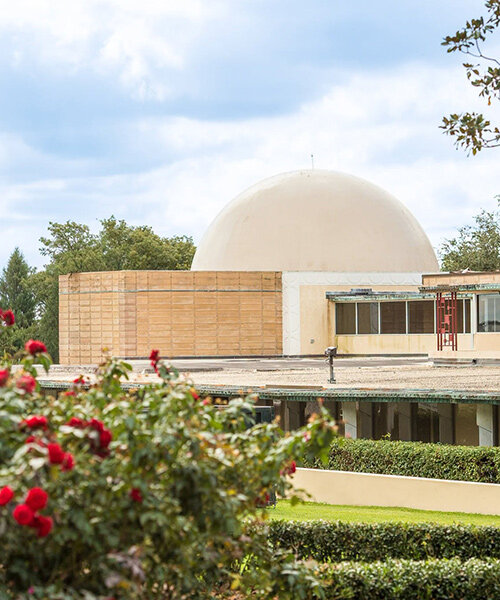
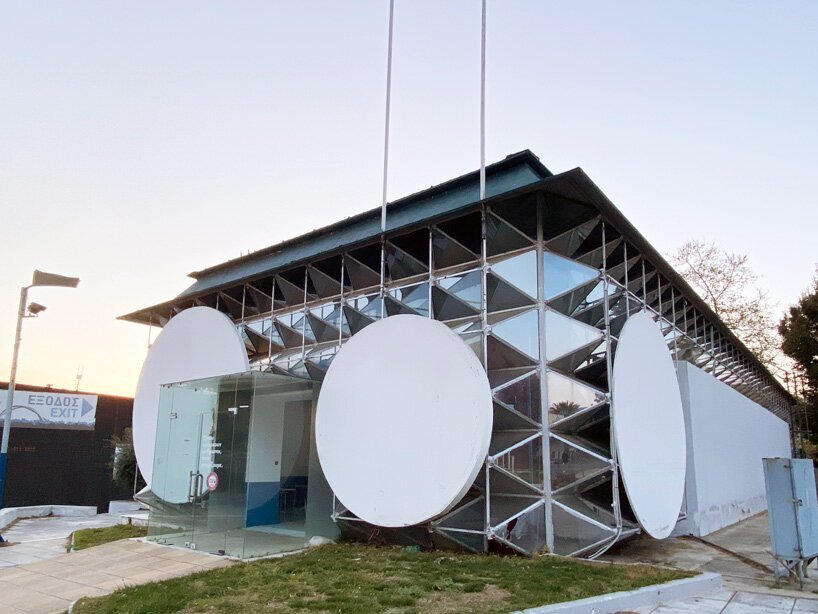
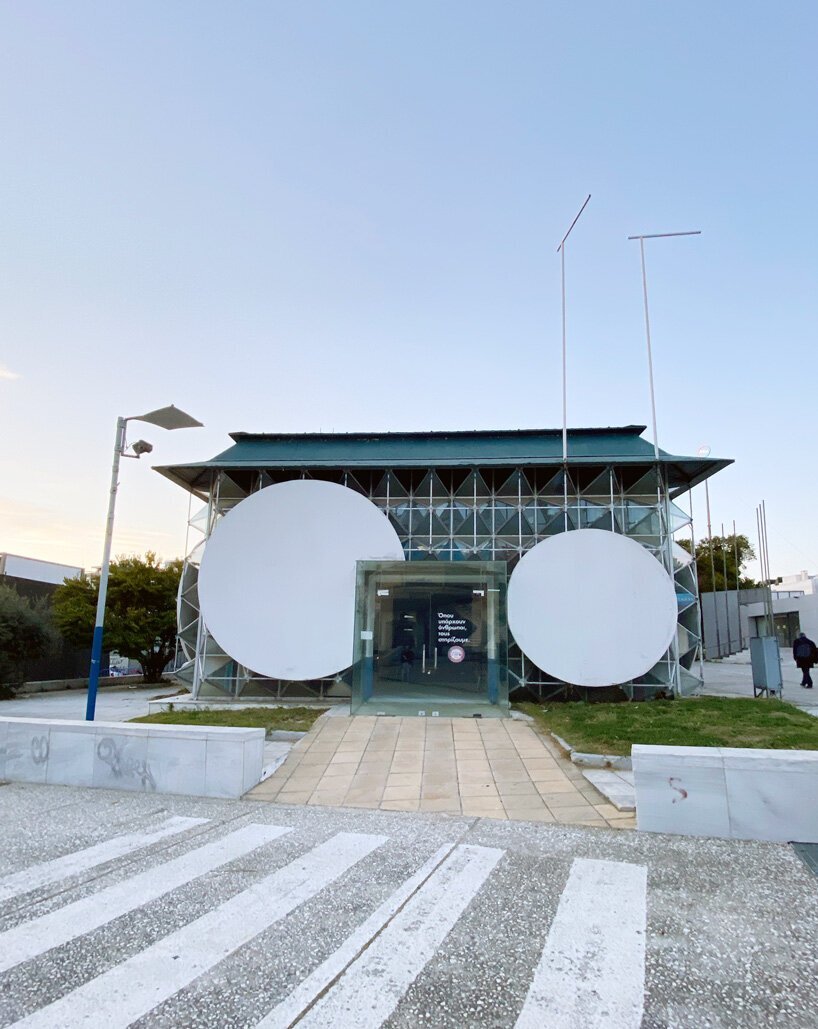
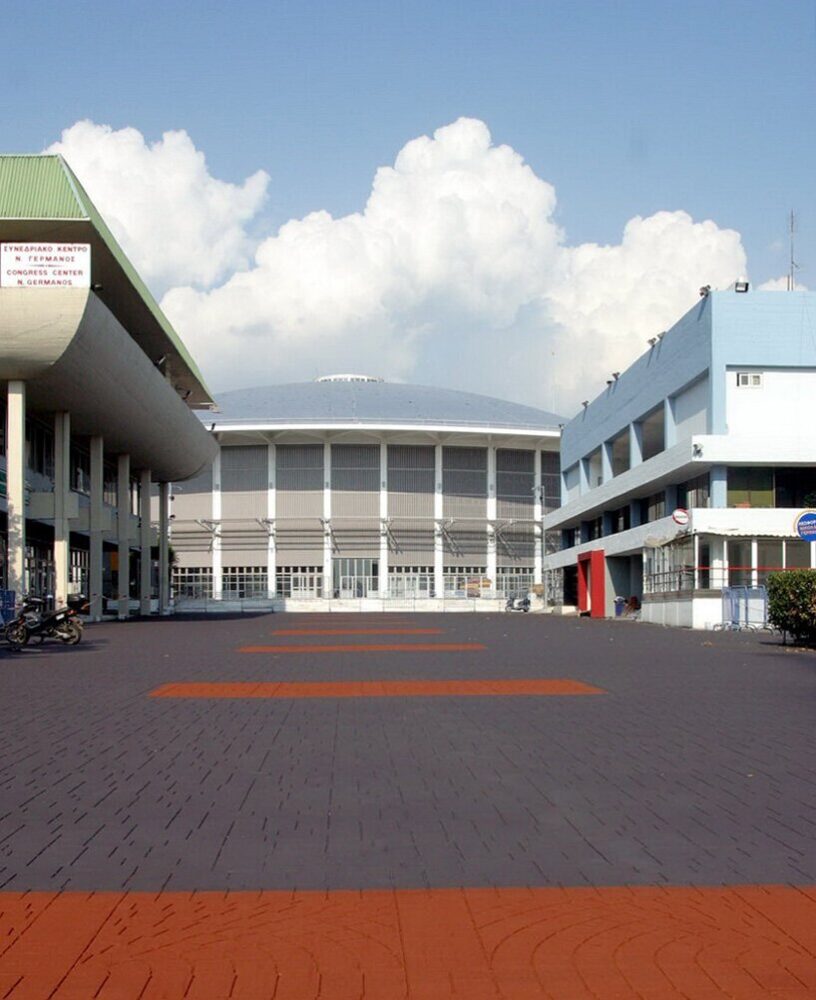
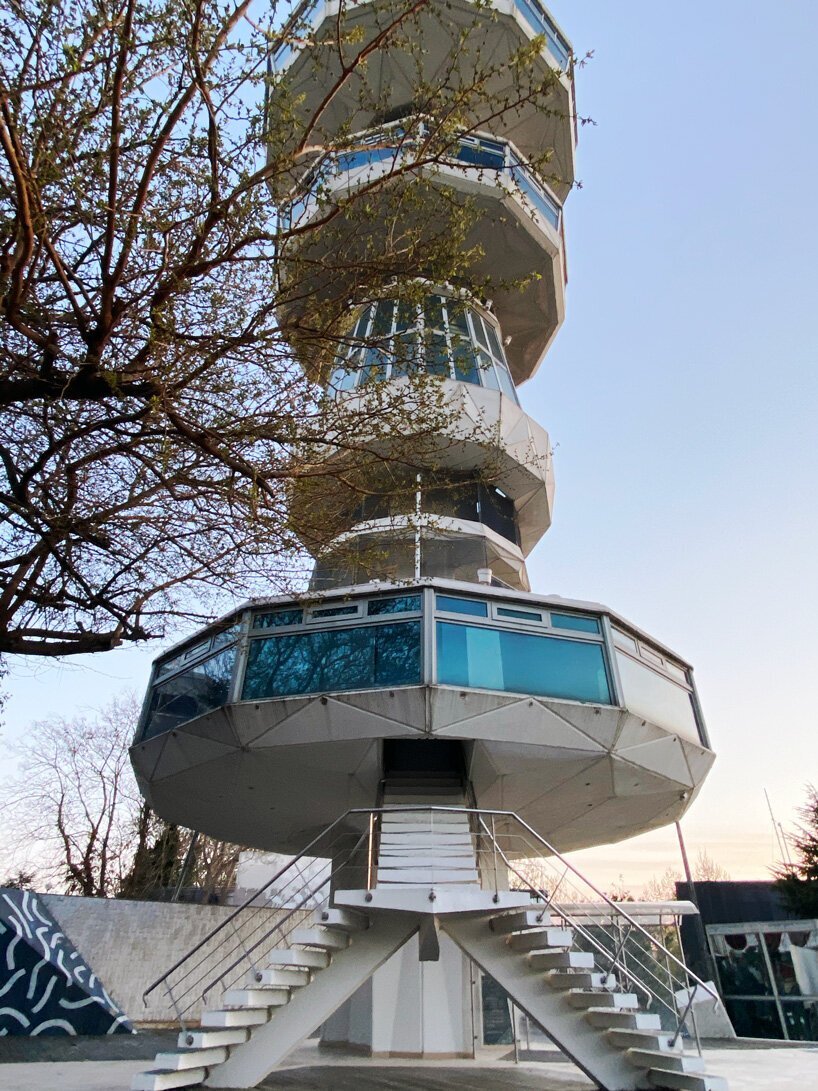
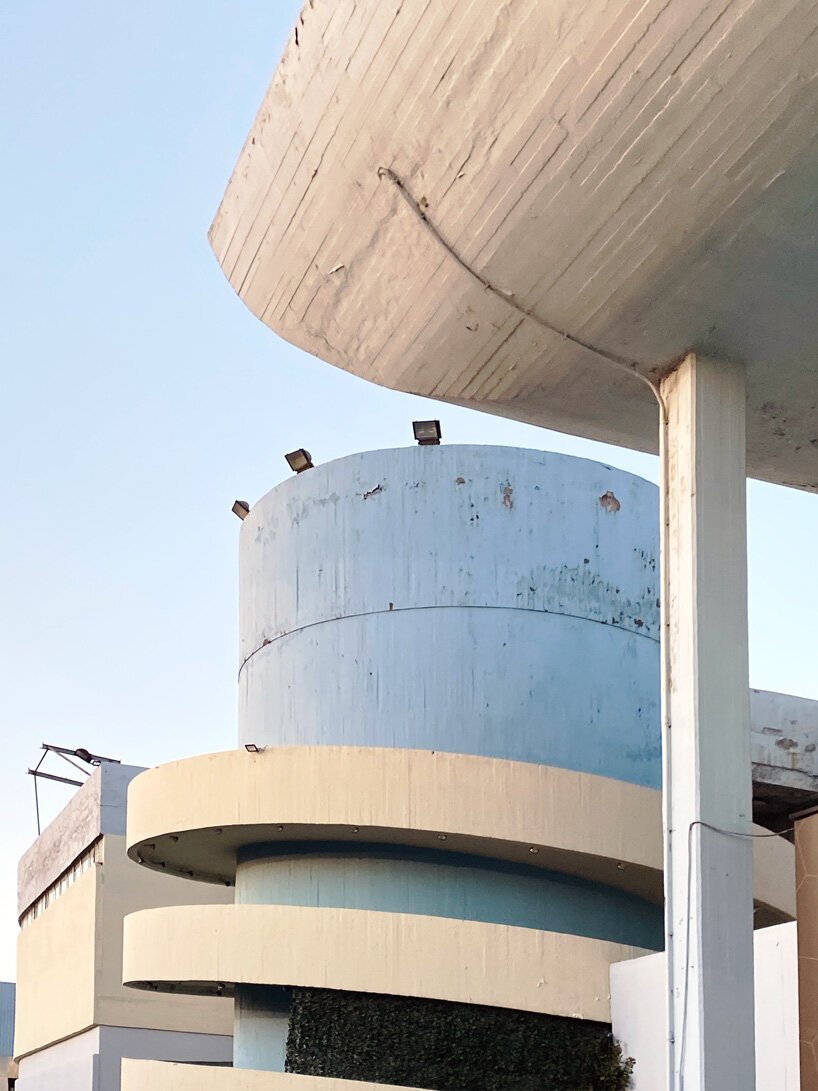
the continuous evolution of TIF during 1950-1990, as well as the development of field exhibitions (after 1970) increased the need for a larger area of exhibition halls. from 1950 till the end of the 90s, this led to an enlargement of the exhibition’s fairgrounds along with the construction of new pavilions. some of the pavilions constructed during the 50s and 60s are considered important examples of modernist architecture, ‘but several reconstructions and additions made afterwards, resulted in the loss of their impressive architectural characteristics,’ notes the competition’s website. many important landmarks of the city’s contemporary urban fabric have emerged due to the gradual configuration of the thessaloniki exhibition center, including the 76-meter-tall OTE tower and the AAMTH (a circular, indoor sports arena designed in the 60s). continue scrolling to see more images of the proposal, as well as designboom’s images of some of the site’s existing buildings.
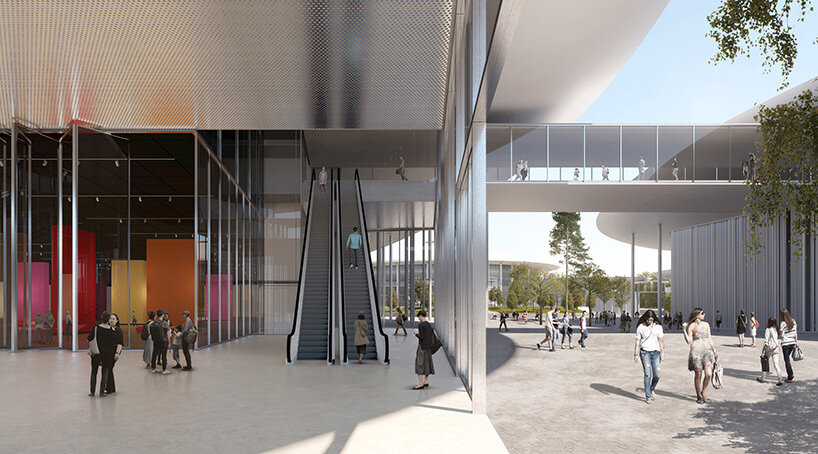
image by ponnie 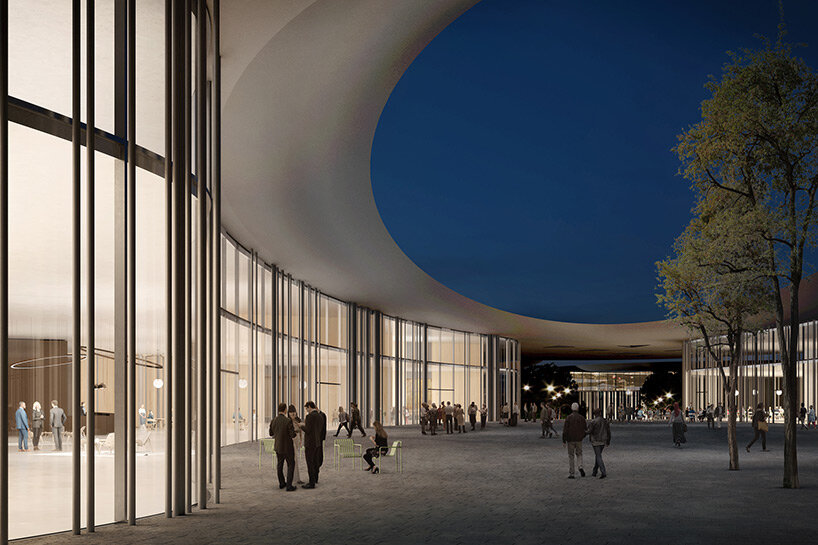
image by ponnie 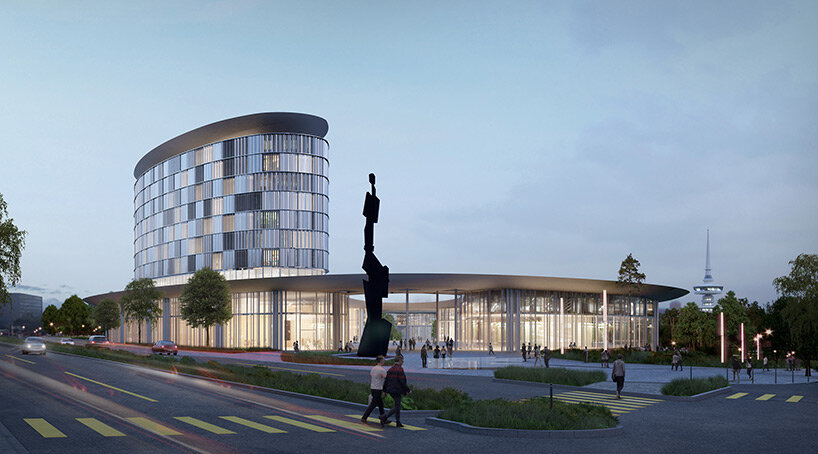
image by ponnie
1/6
project info:
name: thessaloniki ConfEx park
winning competition team: sauerbruch hutton, gustafson porter + bowman and elena stavropoulou
location: thessaloniki, greece
shop
your own online design shop — no sales commission collected