comunal: taller de arquitectura continues exploration of social housing in mexico
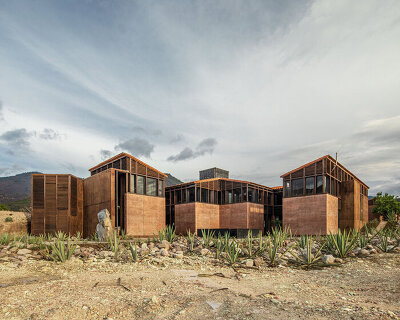
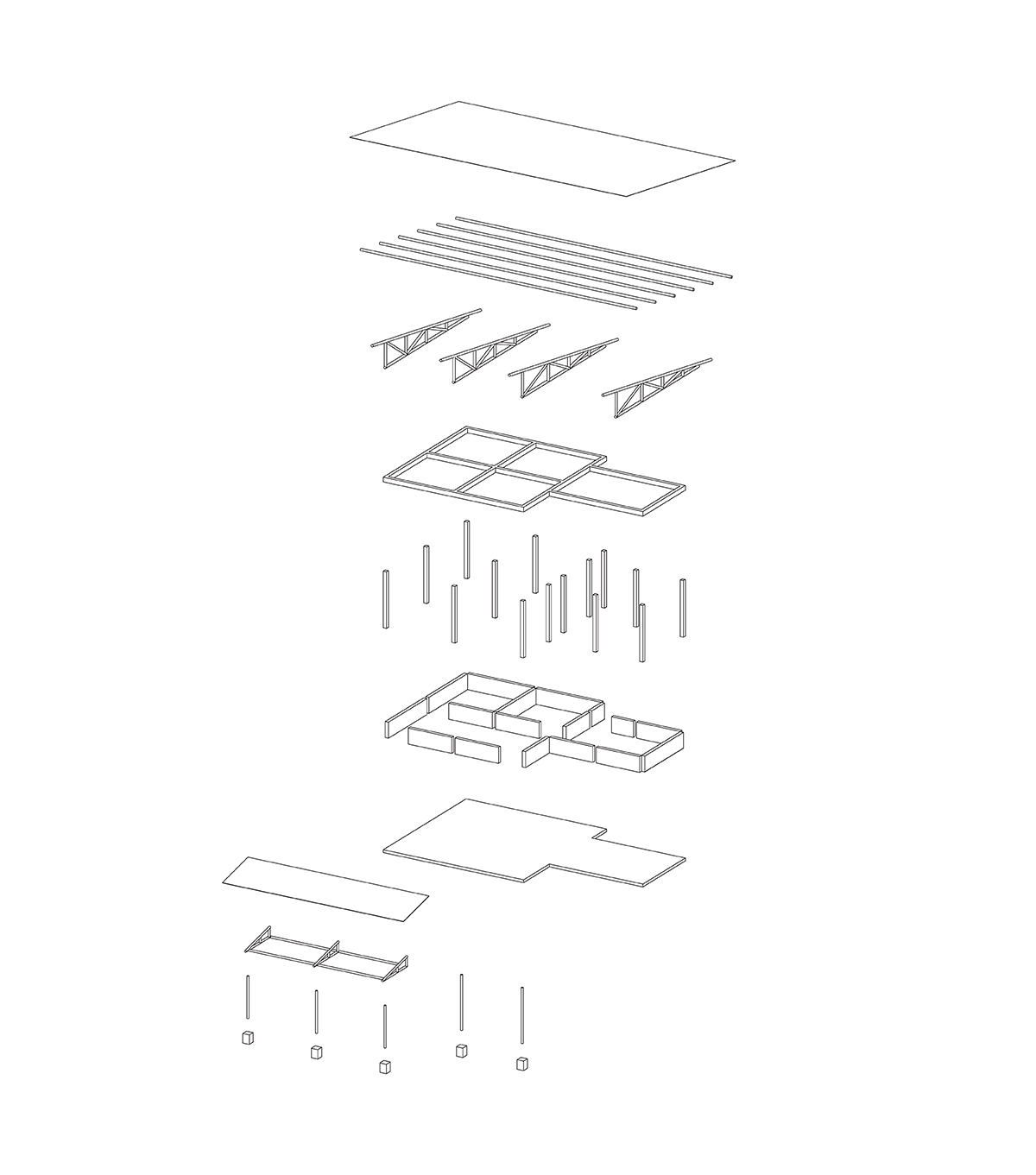
located in puebla, mexico, the scheme uses modular and prefabricated building systems that comprise just three elements.
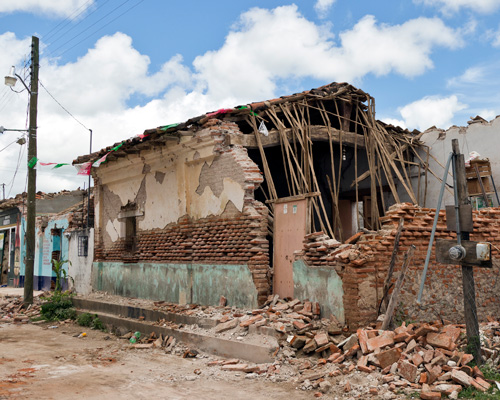
in february 2016, mexico’s national housing commission changed its criteria for providing federal subsidies. the updated regulations stated that the use of traditional materials and constructive systems such as bamboo, straw, and wood would be considered precarious, and that self-built houses made using these materials would no longer be considered for federal funds.
all images by onnis luque
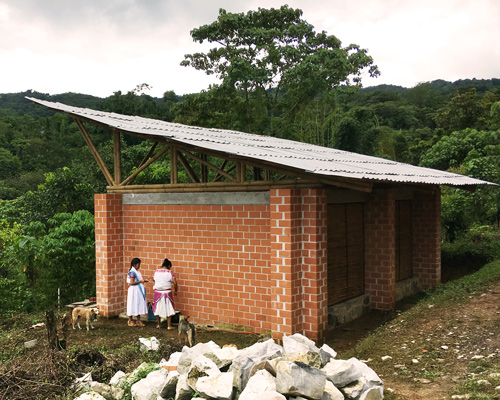
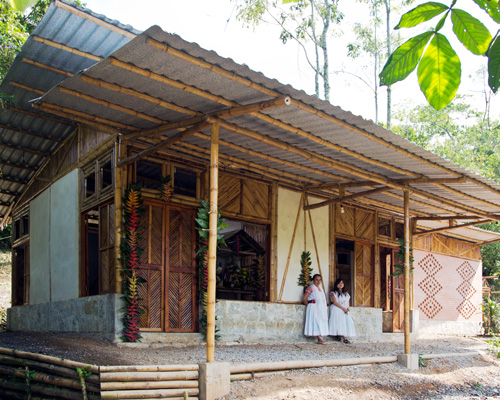
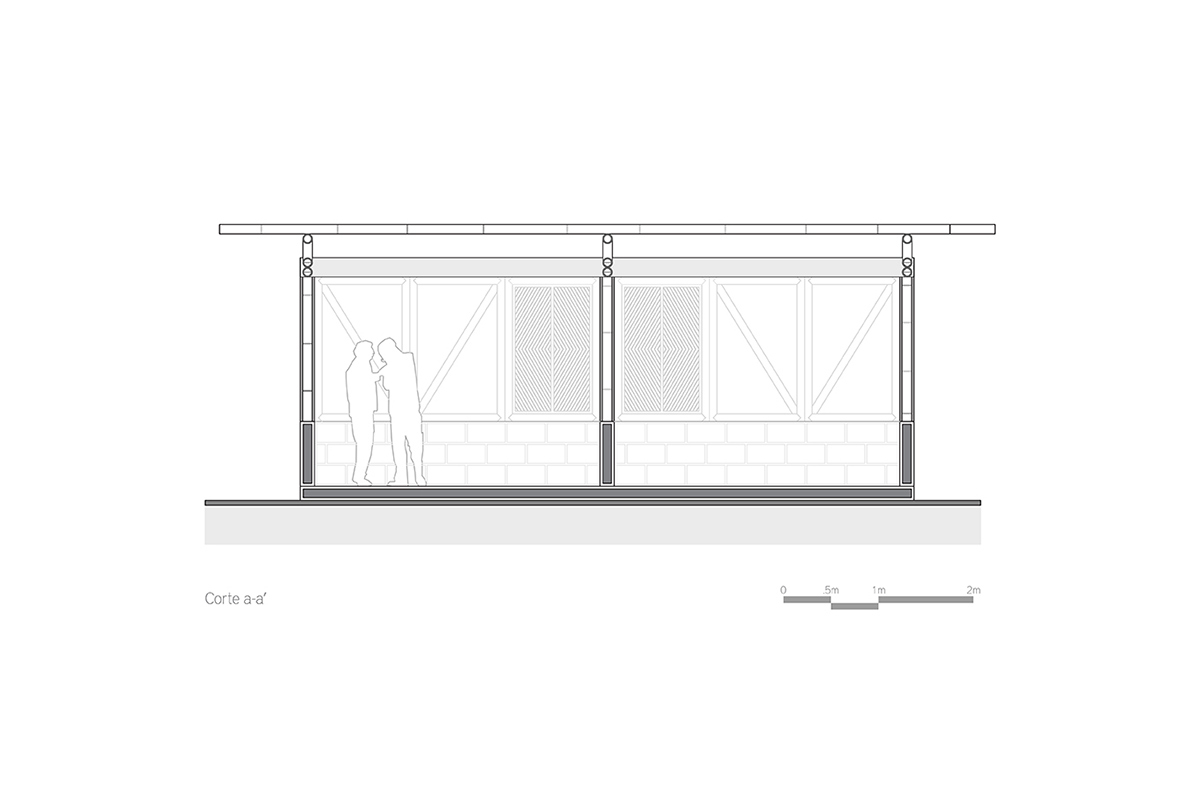
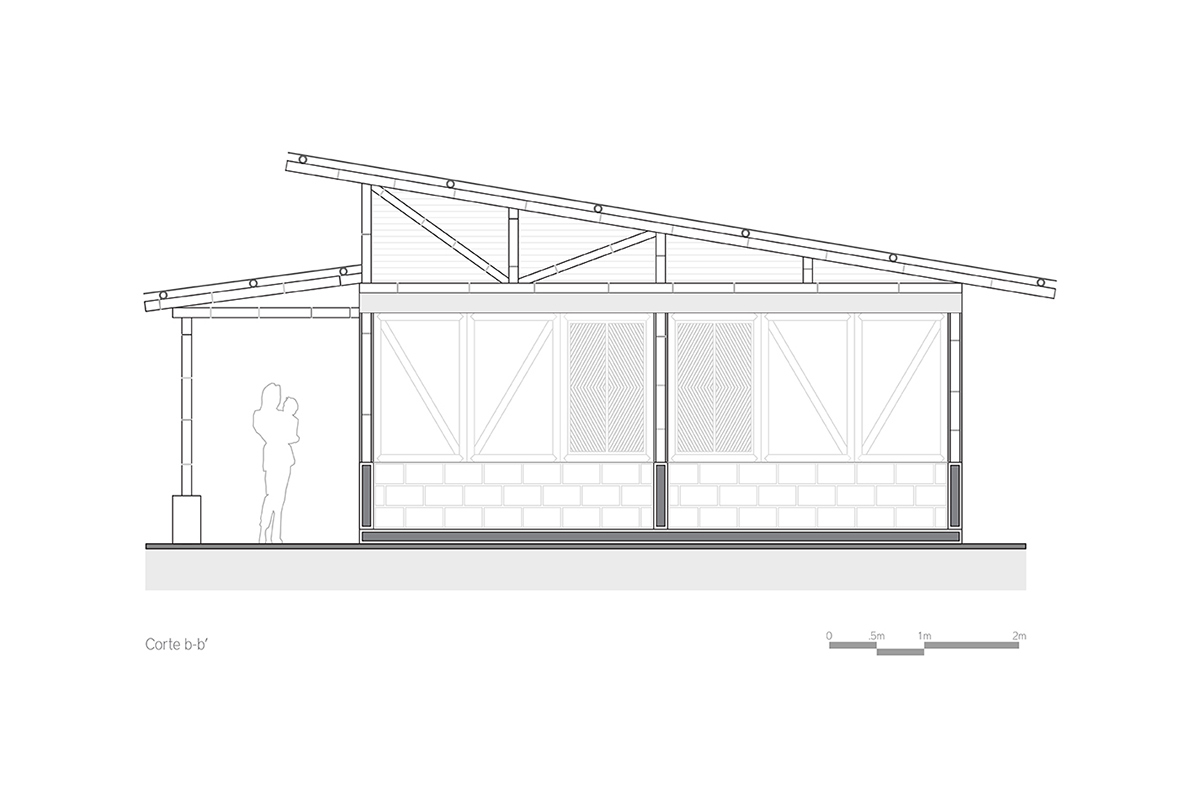
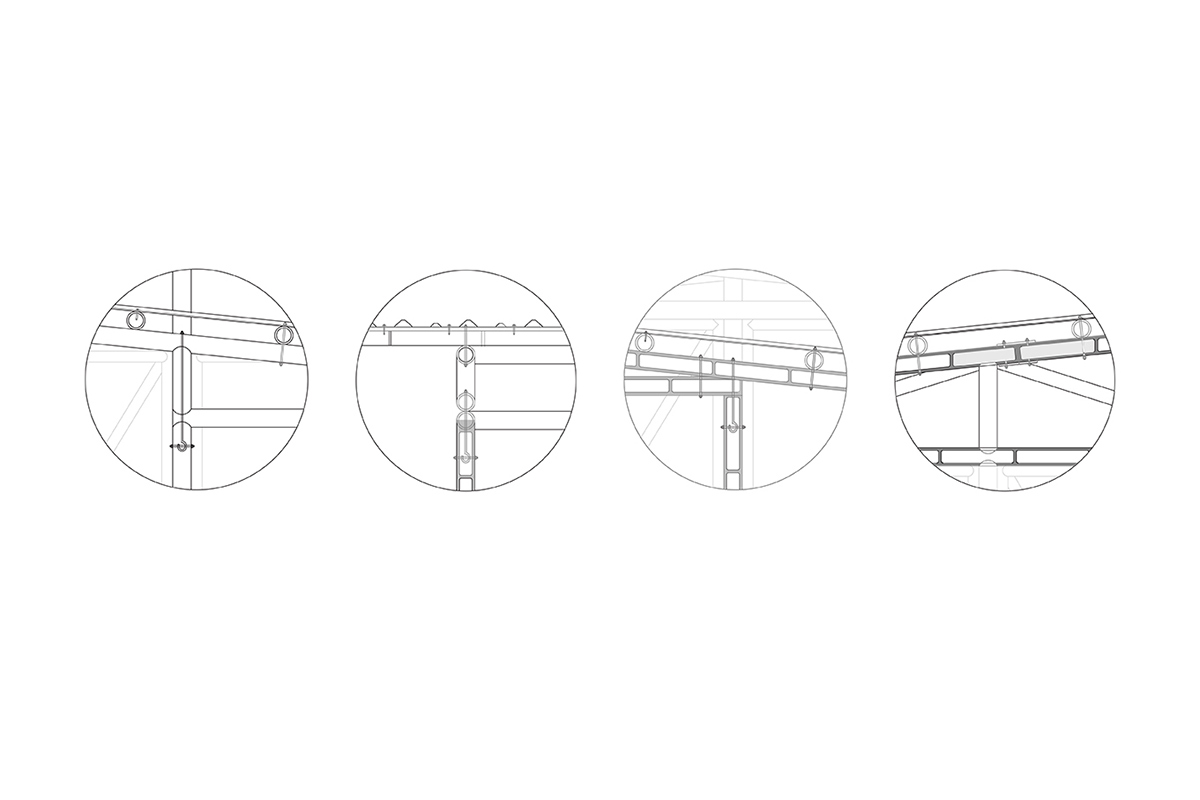
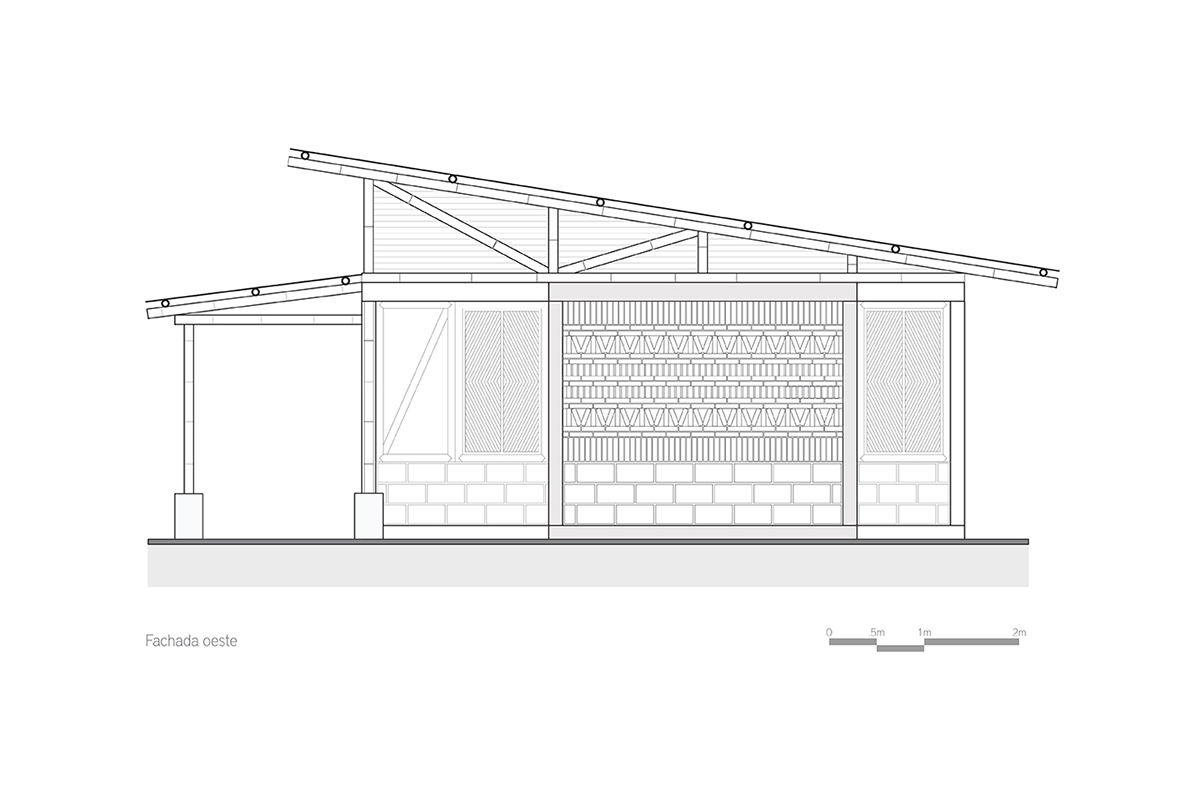
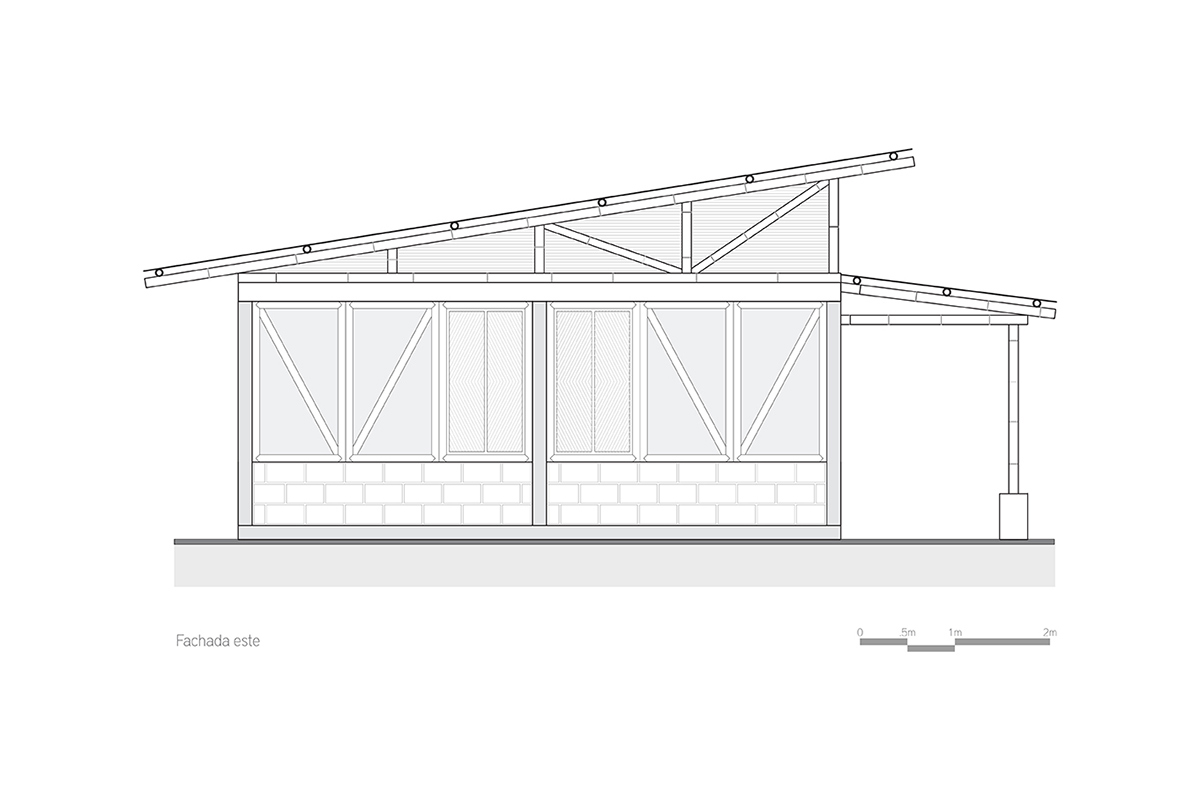
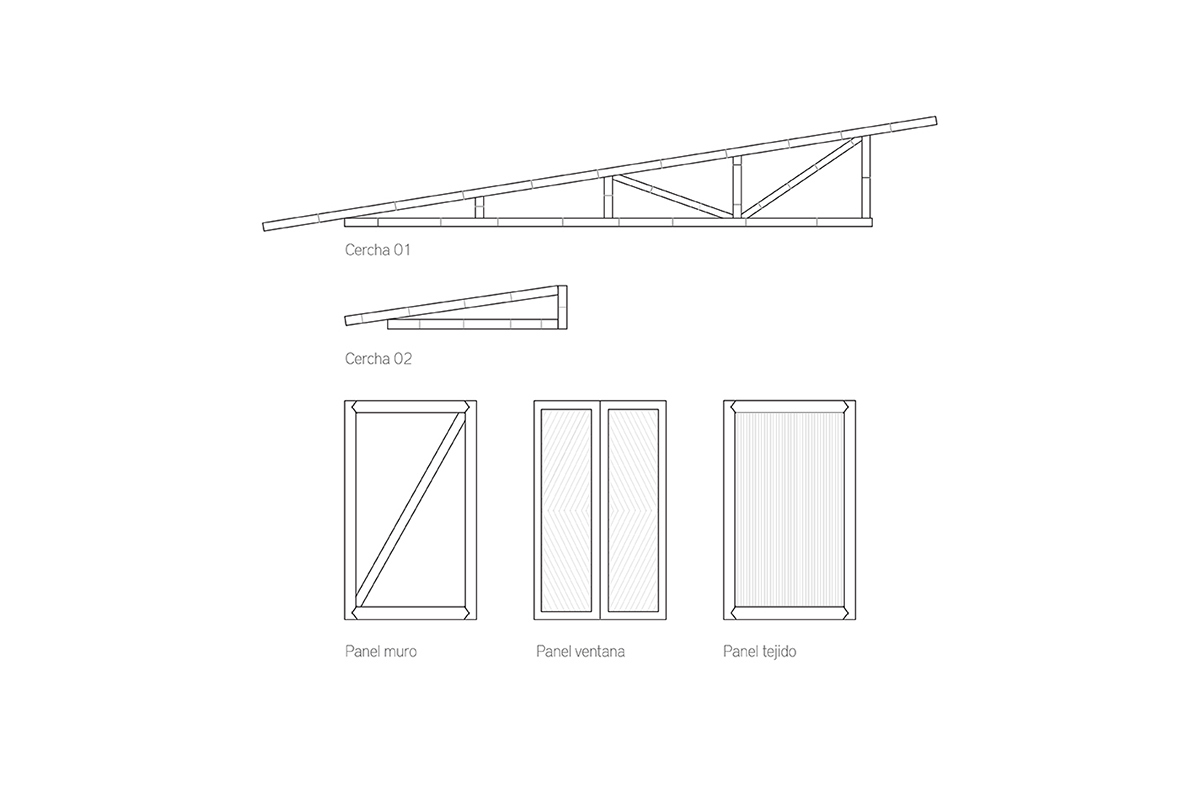
as its first housing design did not meet the necessary criteria, multidisciplinary studio comunal: taller de arquitectura worked alongside the tosepan titataniske and tosepan ojtatsentekitinij indigenous cooperatives to develop a second dwelling that avoided the use of bamboo as its primary structural element. titled ‘social housing production: puebla, mexico’, the scheme uses a modular and prefabricated building system that comprises just three elements: two trusses and an interchangeable panel.
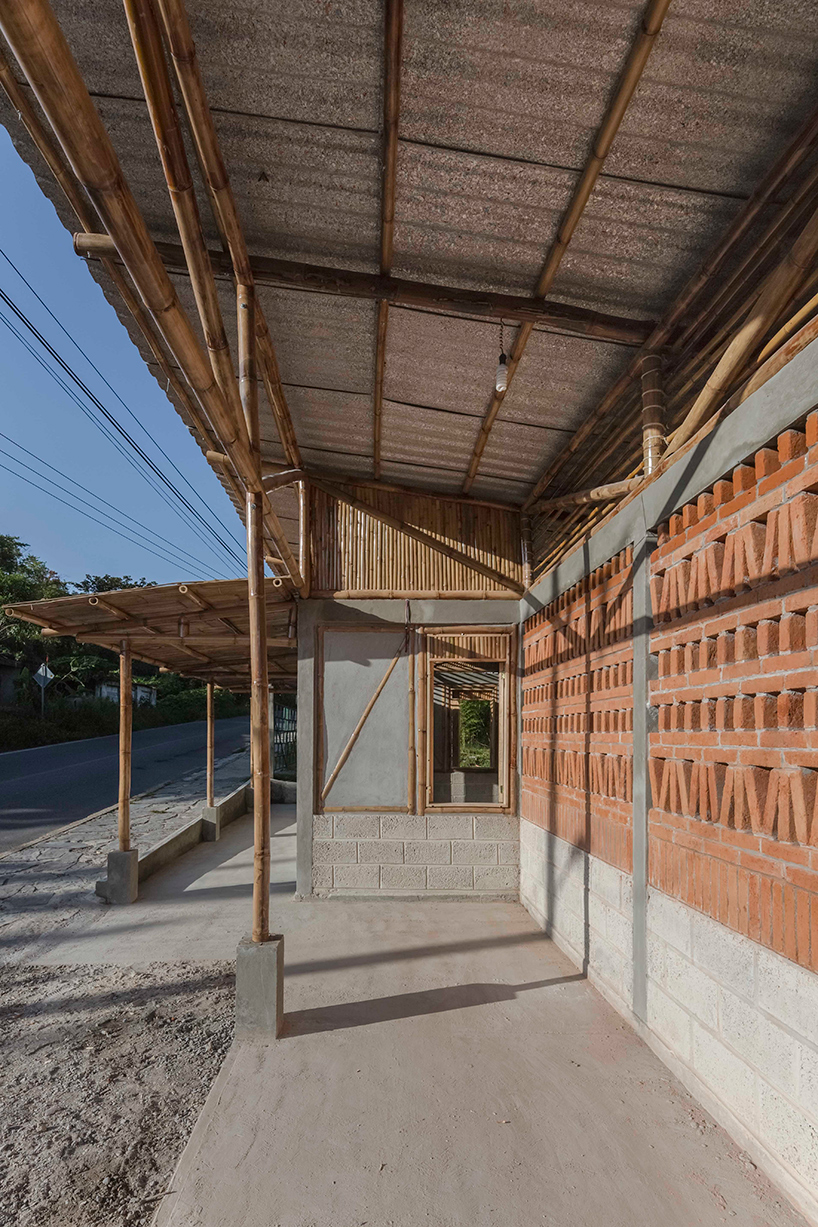
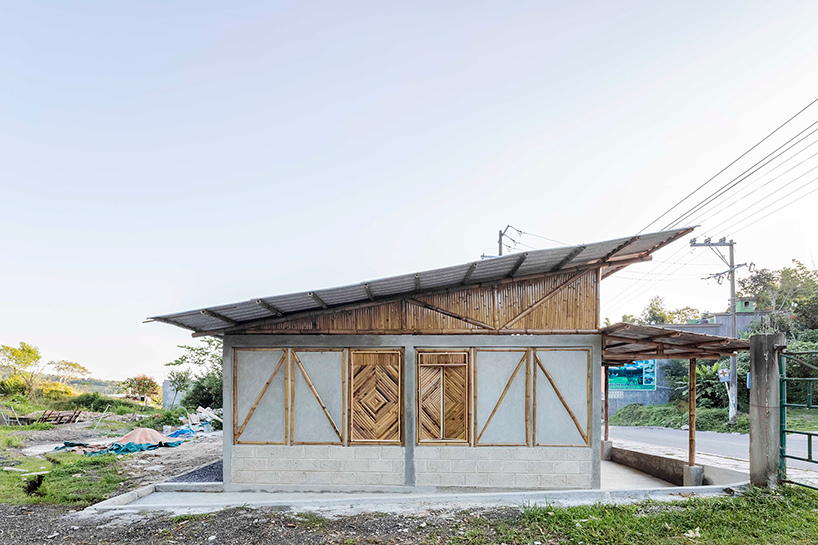
the scheme uses a modular and prefabricated building system
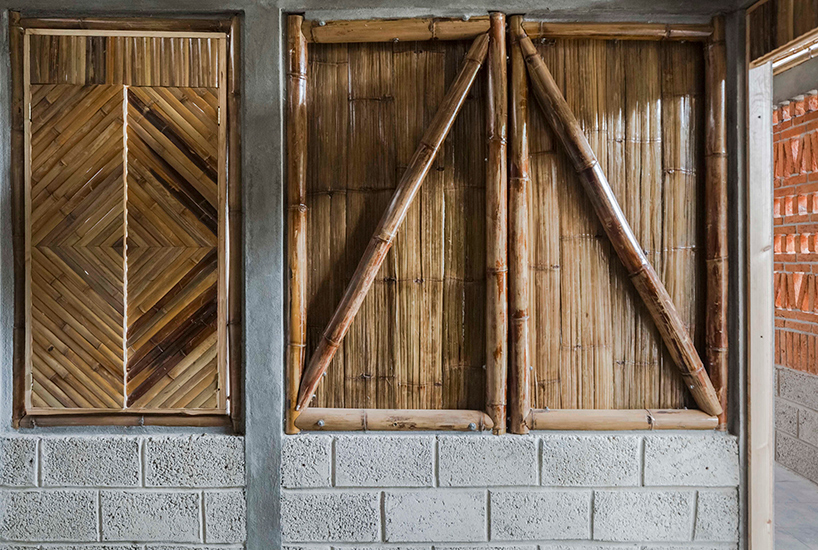
once installed, the panels are coated with ixtle (a local tissue used to make coffee sacks) and a thin layer of mortar. once the base structure has been erected, an ecolam sheet — made from food-grade aluminum waste — is fitted, offering thermal, acoustic, and antibacterial qualities. the house can be assembled in approximately one week, meaning that labor costs are kept to a minimum.
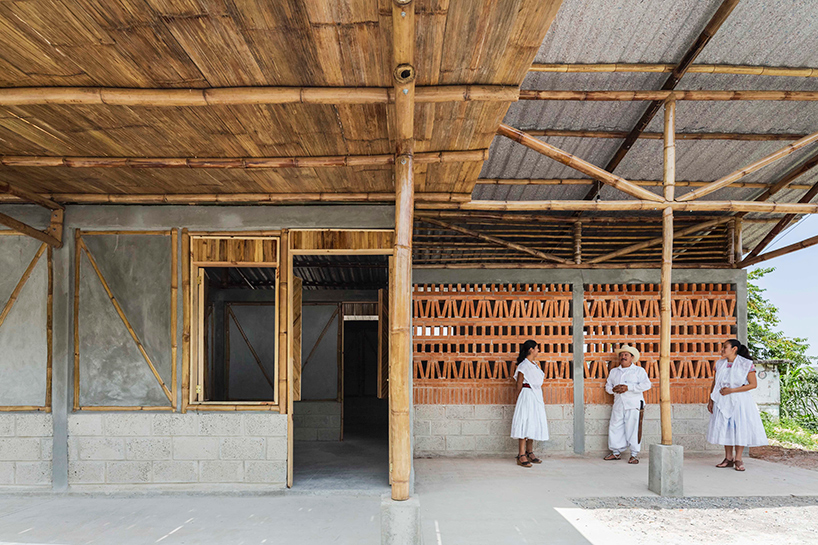
the structure comprises just three elements: two trusses and interchangeable panels
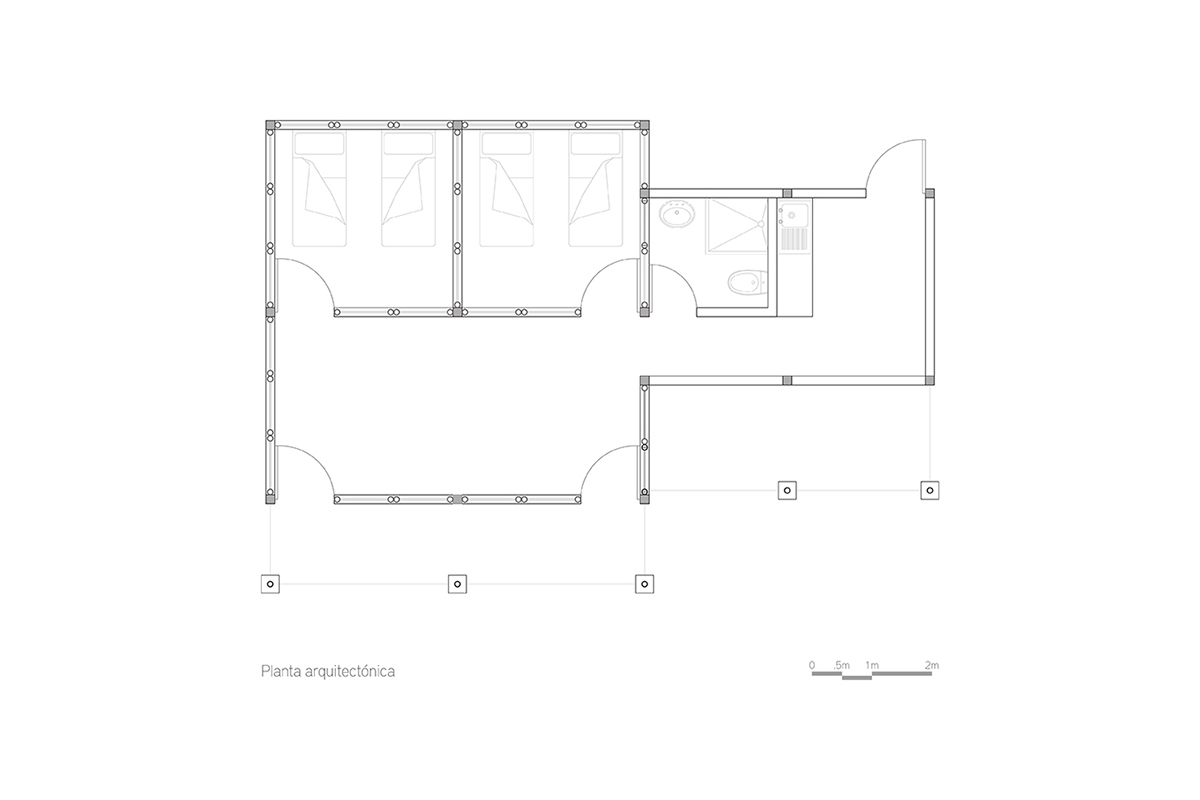
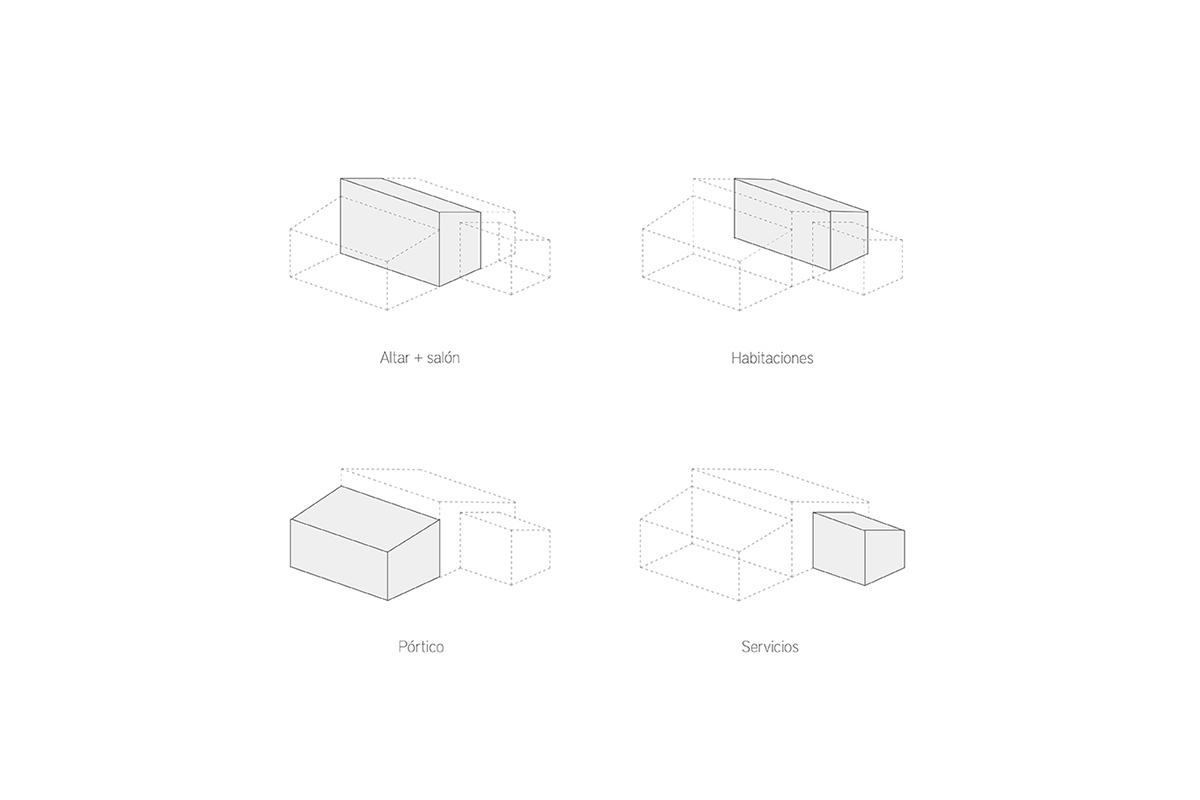
the layout responds to the customs and traditions of the native nahuatl people, who typically arrange their homes around a main hallway used to dry coffee and corn crops. meanwhile, the permeable kitchen allows smoke from the firewood to exit freely. the residence also includes two bedrooms and a bathroom, as well as sheltered external porch areas.
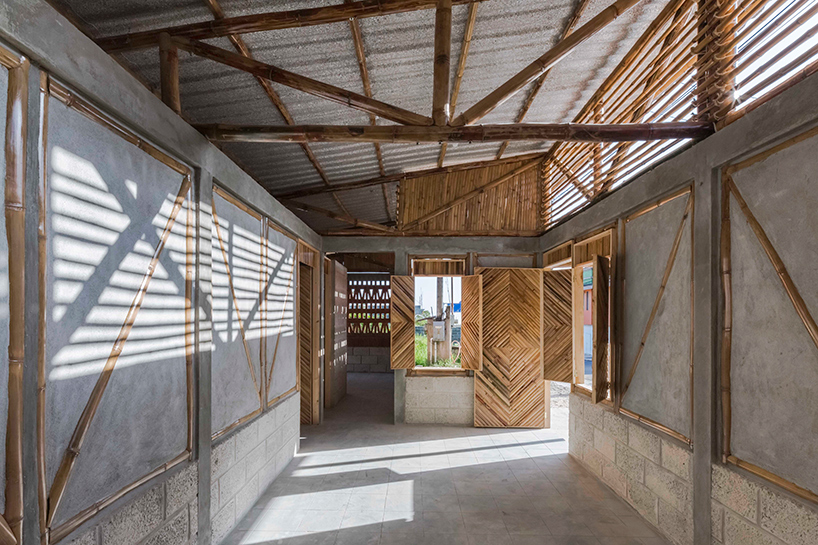
the internal layout responds to the customs and traditions of the native nahuatl people
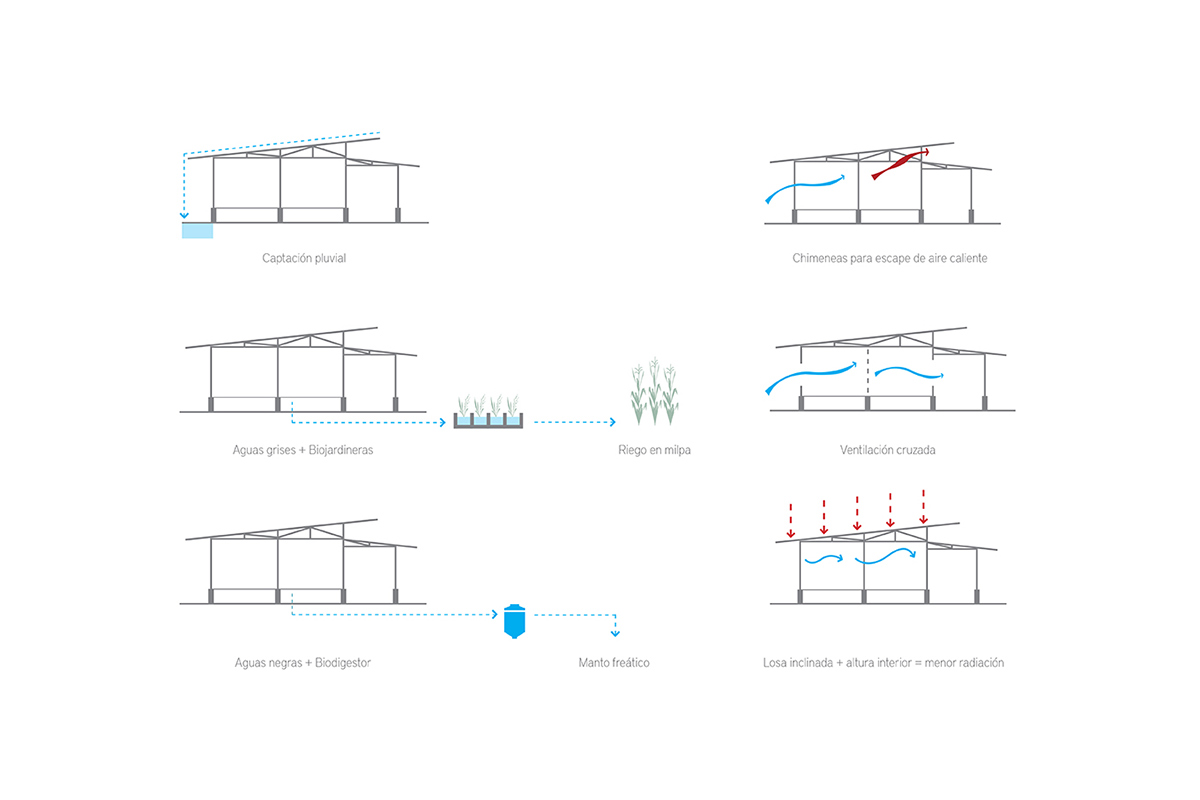
in addition to utilizing local materials, a strong emphasis has been placed on environmental performance. rainwater is harvested for reuse, while a biodigestor converts sewage into reusable energy. throughout the scheme, basic bioclimatic strategies have been implemented to combat the region’s high temperatures.
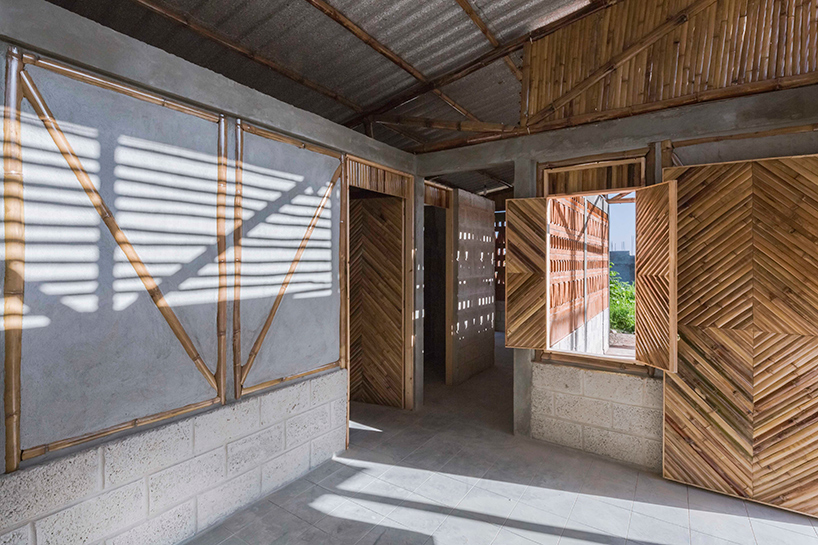
the home is arranged around a main hallway used to dry coffee and corn crops
the project has subsequently been approved by mexico’s national housing commission, meaning that it qualifies to receive federal subsidies. however, comunal: taller de arquitectura will continue to seek the viability of its first design. ‘we firmly believe that traditional building materials and constructive systems must be endorsed by public housing policies in our country and promote the autonomy of indigenous peoples,’ says the design team.
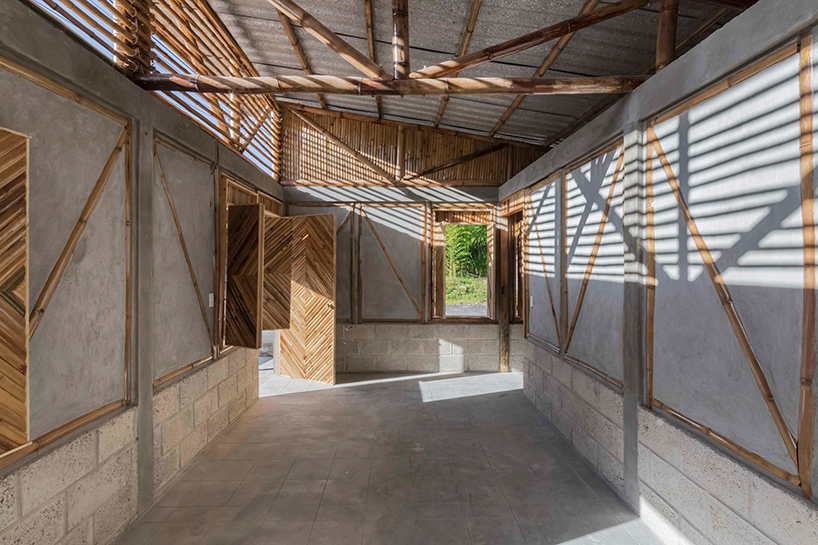
bamboo panels are coated with a local tissue used to make coffee sacks
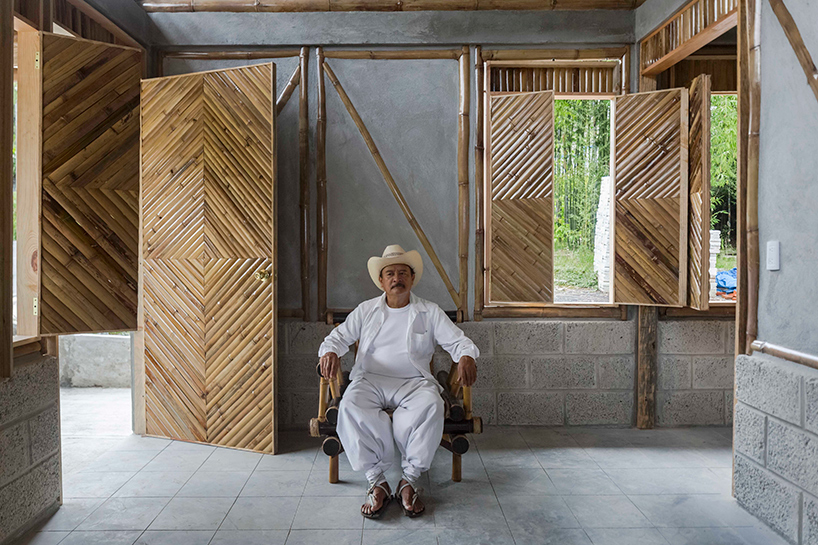
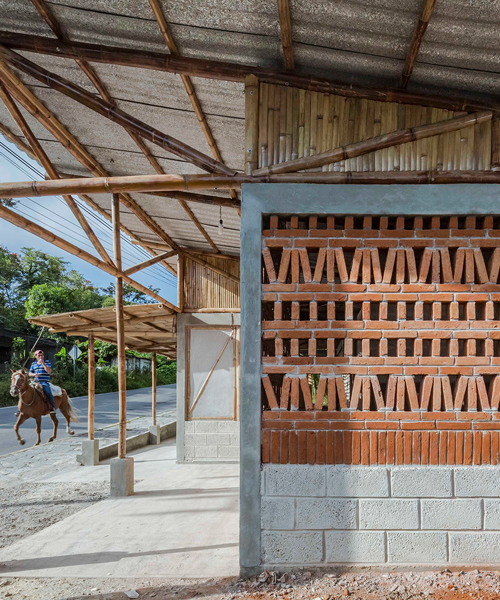
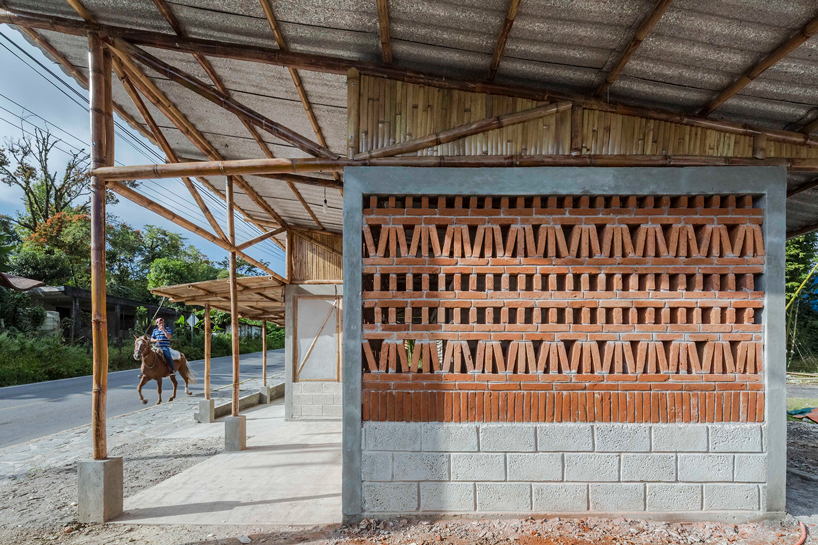
local materials have been used throughout
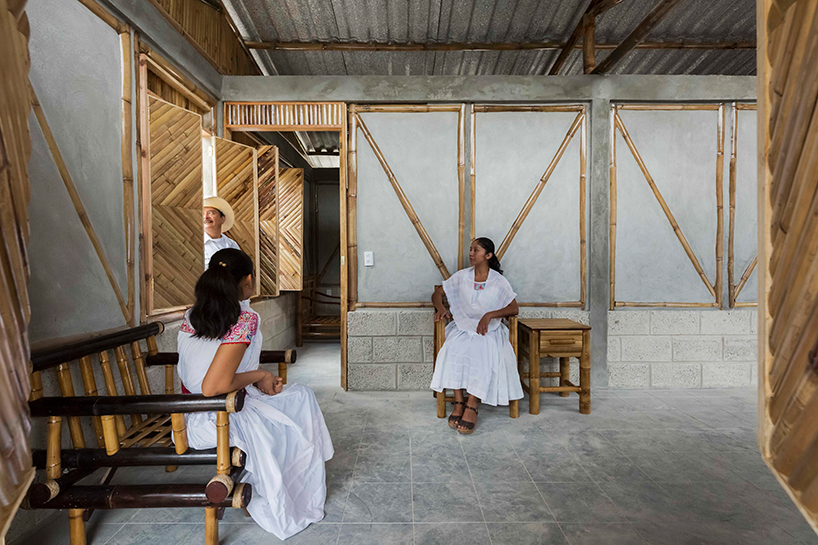
a strong emphasis has been placed on environmental performance
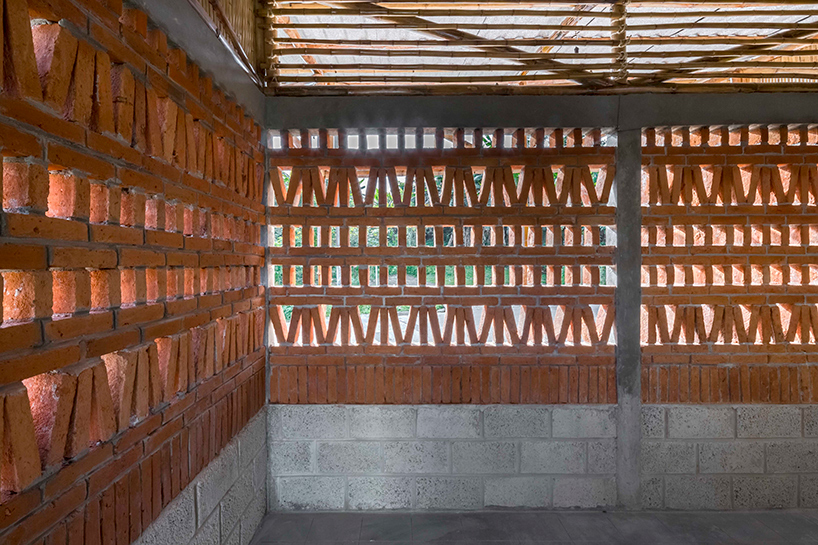
openings in the kitchen’s façade allow smoke from the firewood to exit freely
the residence includes two bedrooms and a bathroom
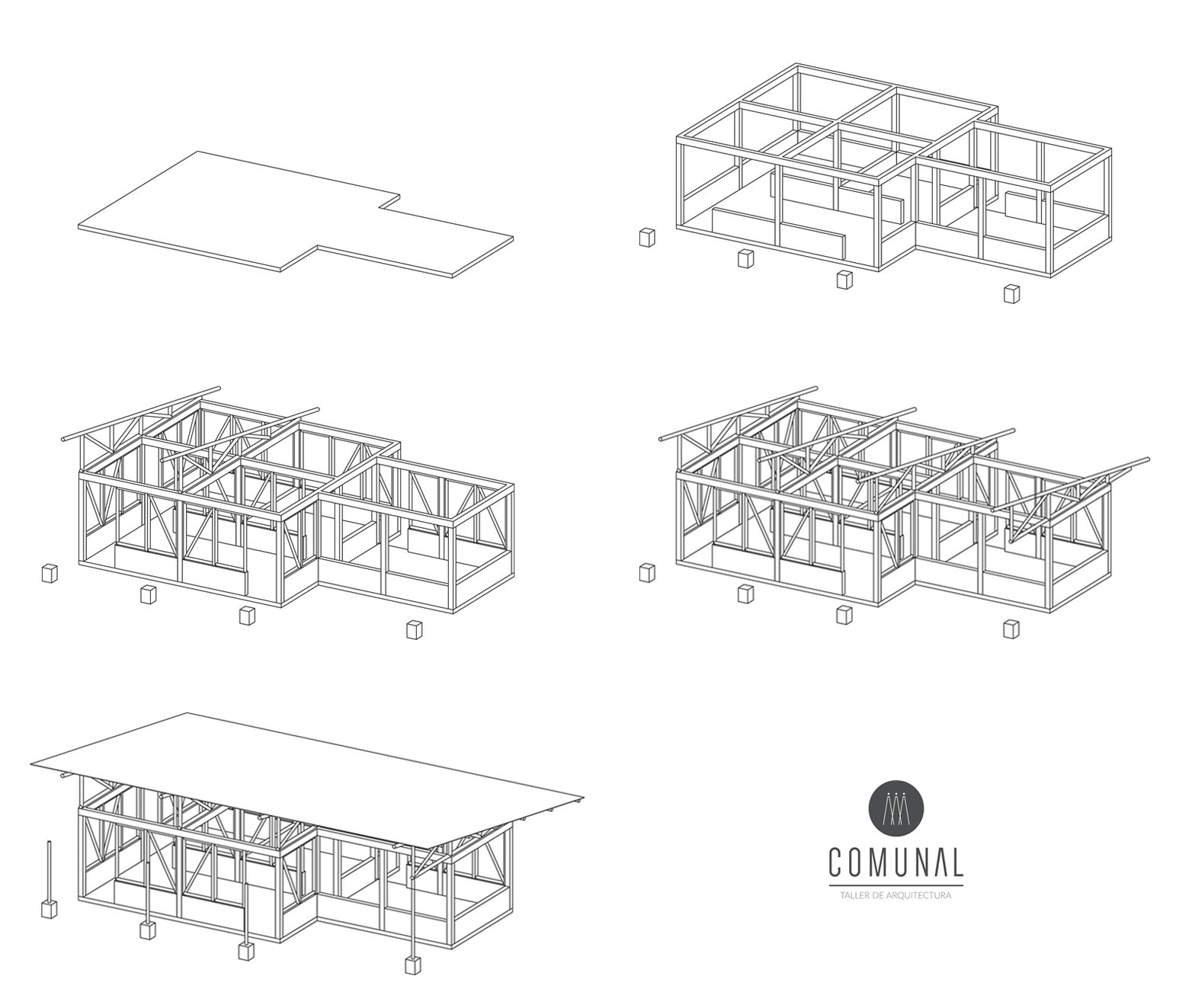
the house can be assembled in approximately one week
1/10
project info:
name: producción social de vivienda: sierra nororiental de puebla
architects: comunal: taller de arquitectura
collaborators: unión de cooperativas tosepan titataniske
location: cuetzalan del progreso, puebla, méxico
year: 2016
built surface: 60 sqm / 646 sqf
photography: onnis luque
shop
your own online design shop — no sales commission collected