floating concrete façade wraps YSLA architects’ ‘lighthouse’ residential building in tokyo
originally conceived as a hotel, the project was delivered as a residence building due to the impact of the COVID-19 on the tokyo tourism business.
prefer designboom on google[FEATURED]
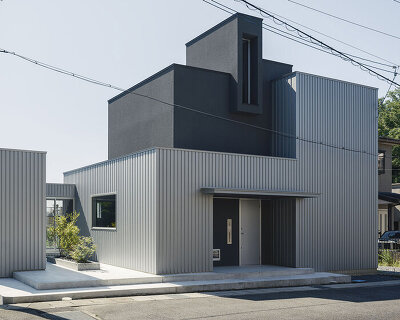
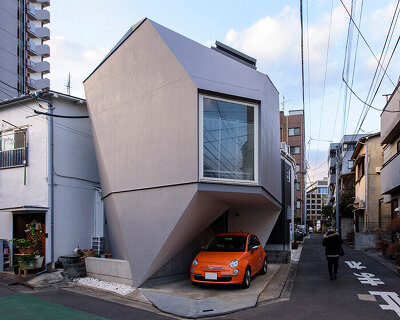
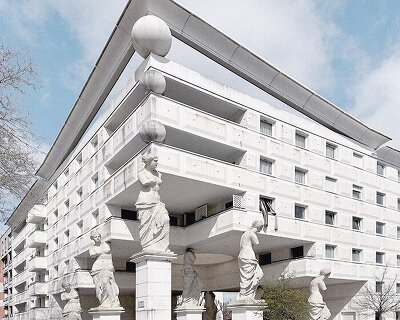
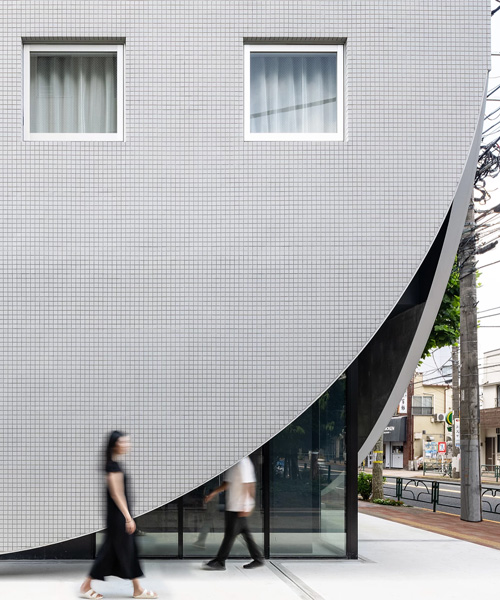
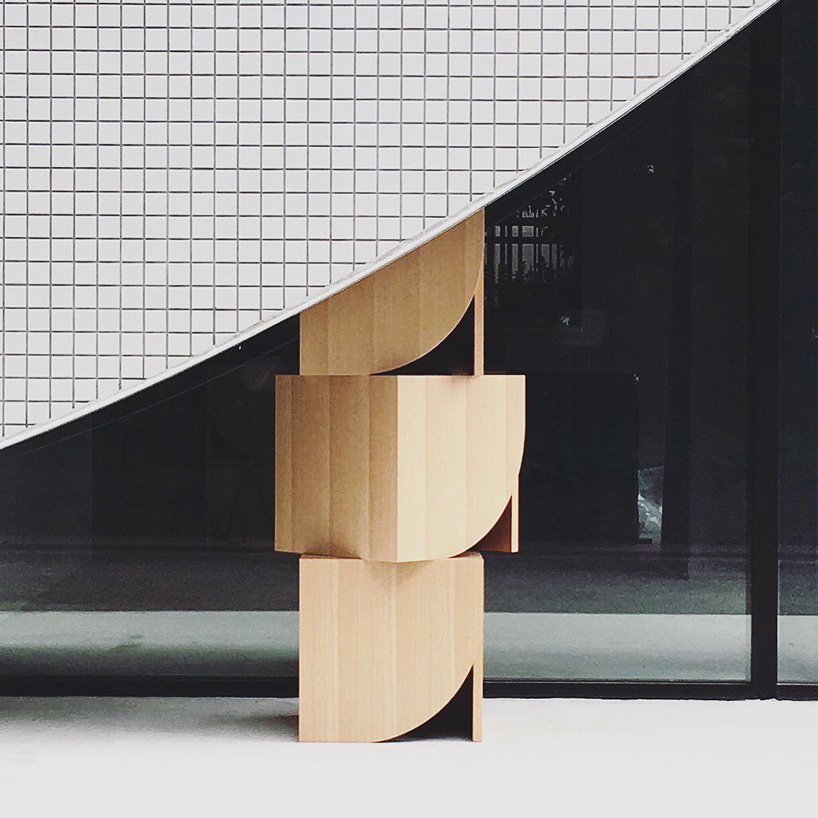
YSLA architects has clad the exterior of the ‘lighthouse’ building in a floating concrete façade, complete with two round cuts at the corner that form the main entrance. located in a crossing along waseda street, in tokyo‘s popular shinjuku neighborhood, the project was originally designed as a hotel but has been delivered as a residential building due to the impact COVID-19 has had on the tokyo tourism business. for the interior, the studio also designed ‘miwa みわ’, a modular, flexible piece of furniture whose shape references that of the building, and which can be assembled and used in different ways.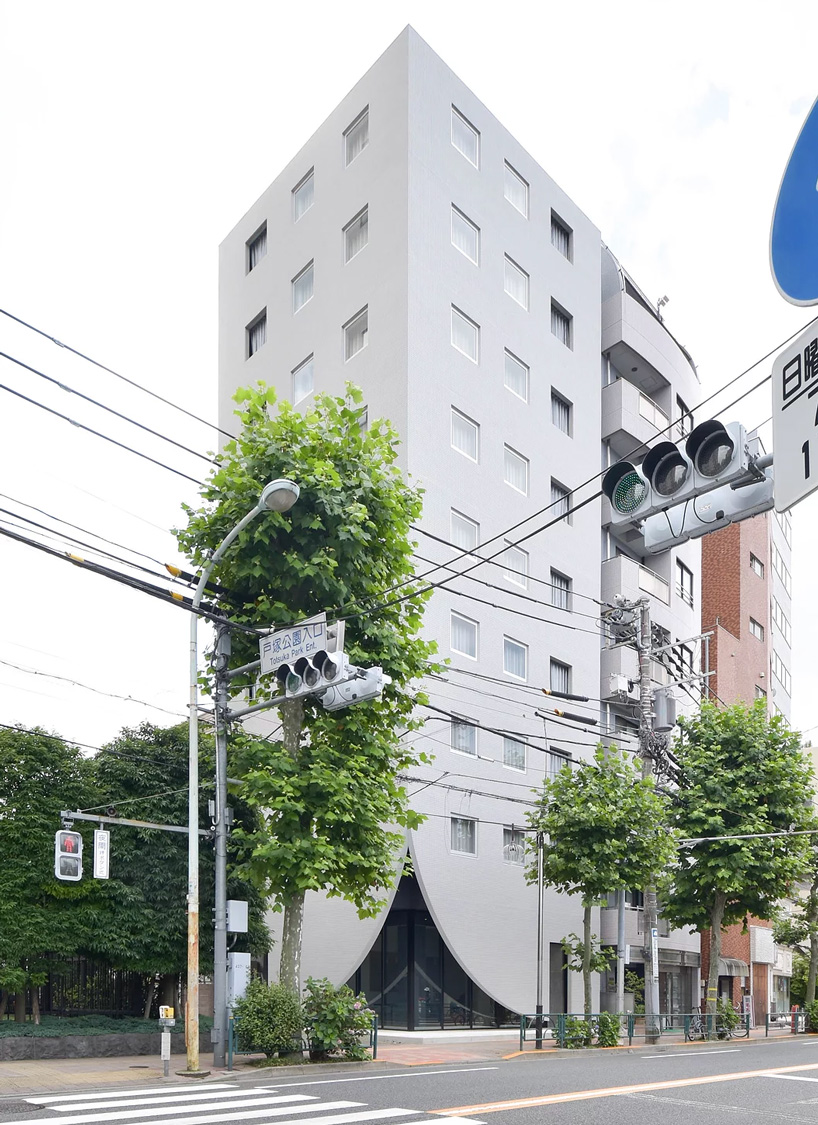 images courtesy of YSLA architects and munetaka onodera
YSLA architects designed the nine-story building as a hotel, but changed its use into a residential apartment building due to the effect of coronavirus on the city’s tourism business. located on a corner site, ‘lighthouse’ opens up to its exterior through two round cuts on its concrete façade, which invite people in from every direction. due to the change of use, the ground floor was converted into a co-working space for the residents.
’we realized during the lockdown the convenience of this kind of spaces,’ notes the tokyo & barcelona-based studio. ‘specially in families with children. “the lighthouse” became then the expression of the new normality.’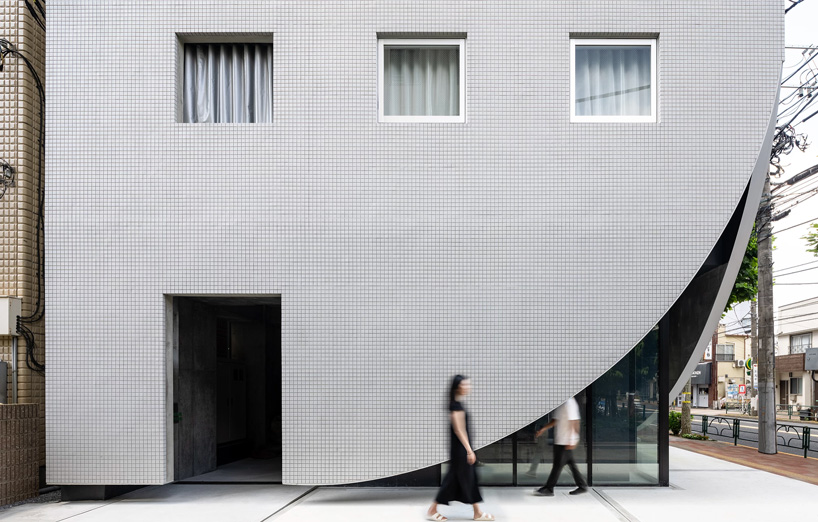
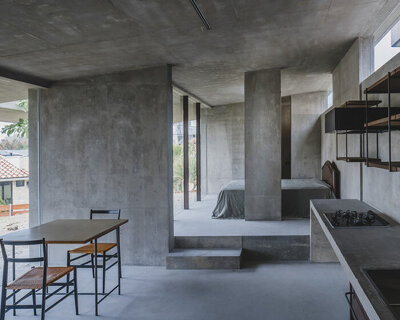
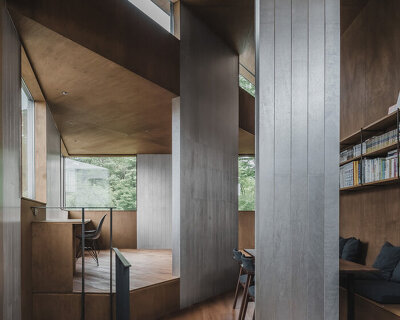
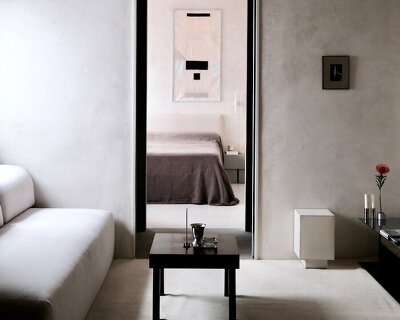
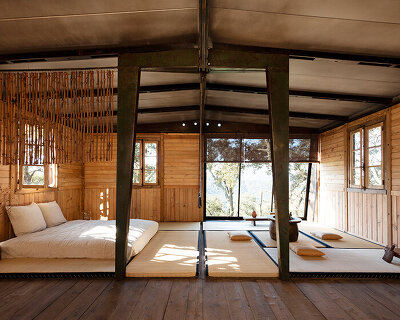
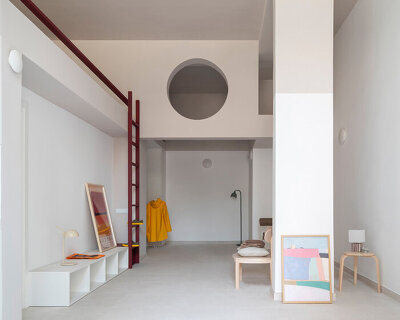
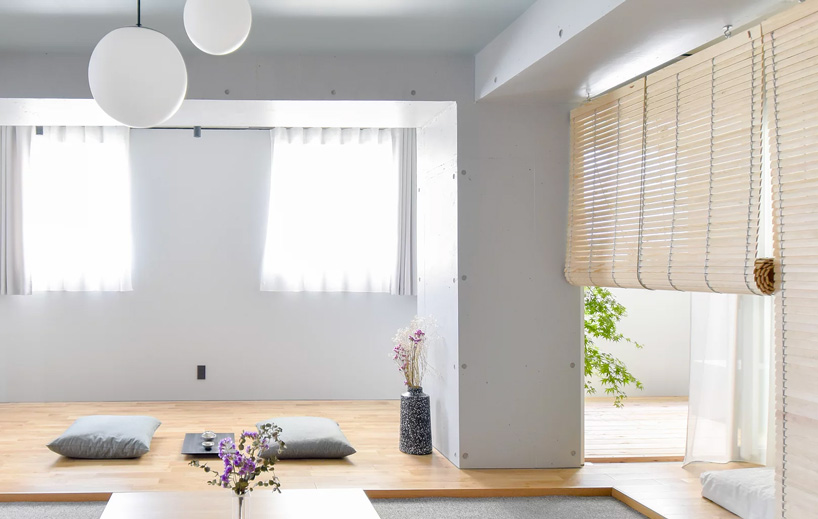
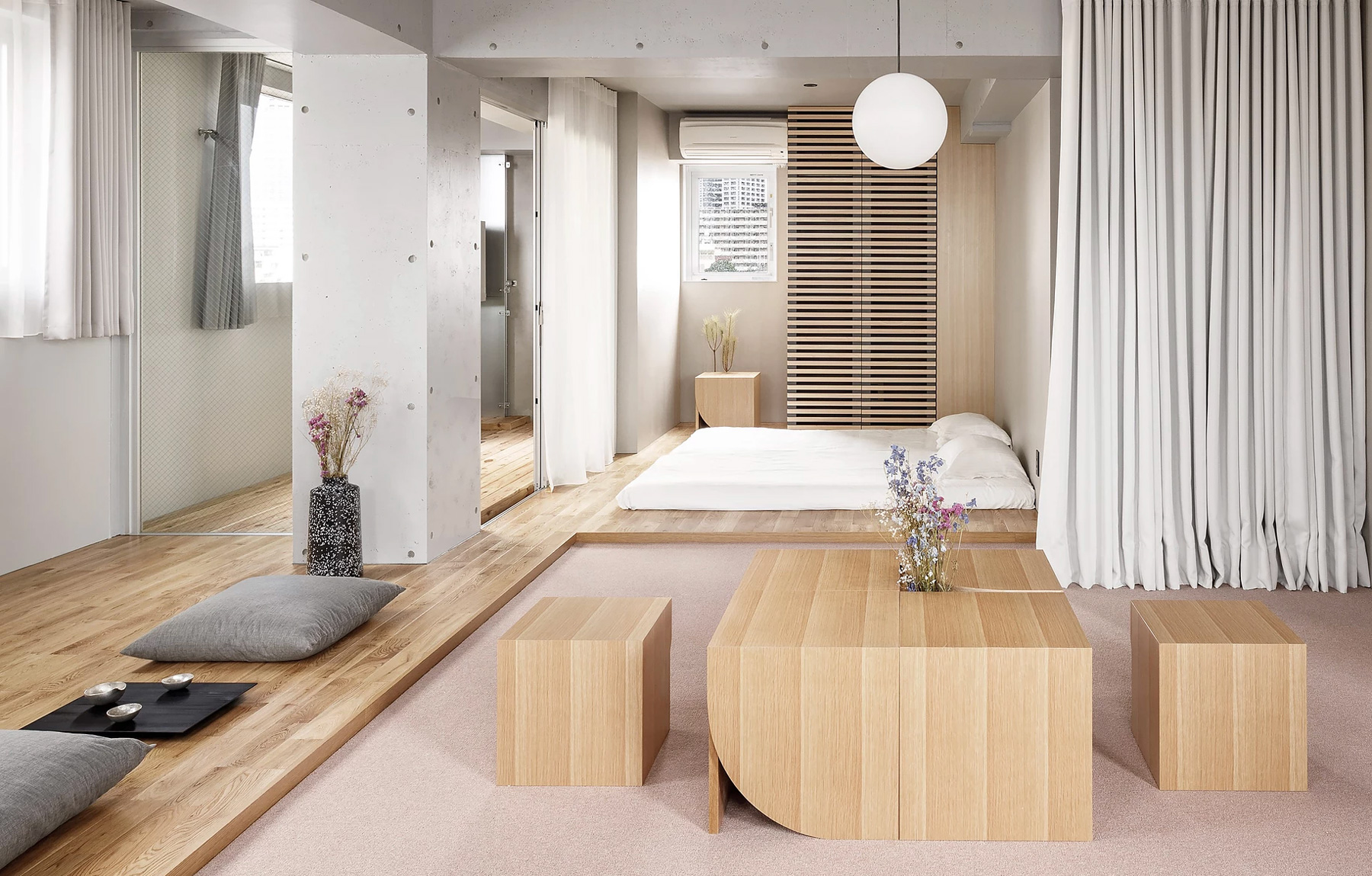
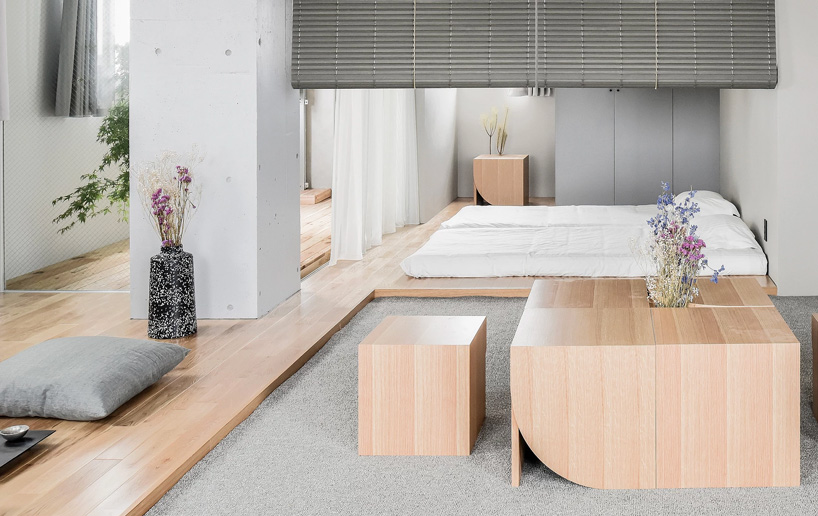
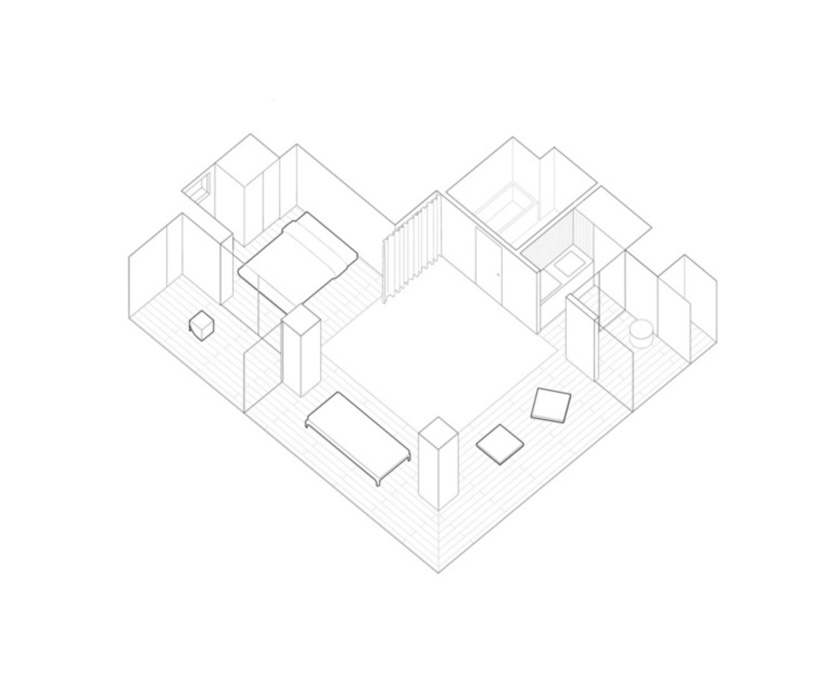
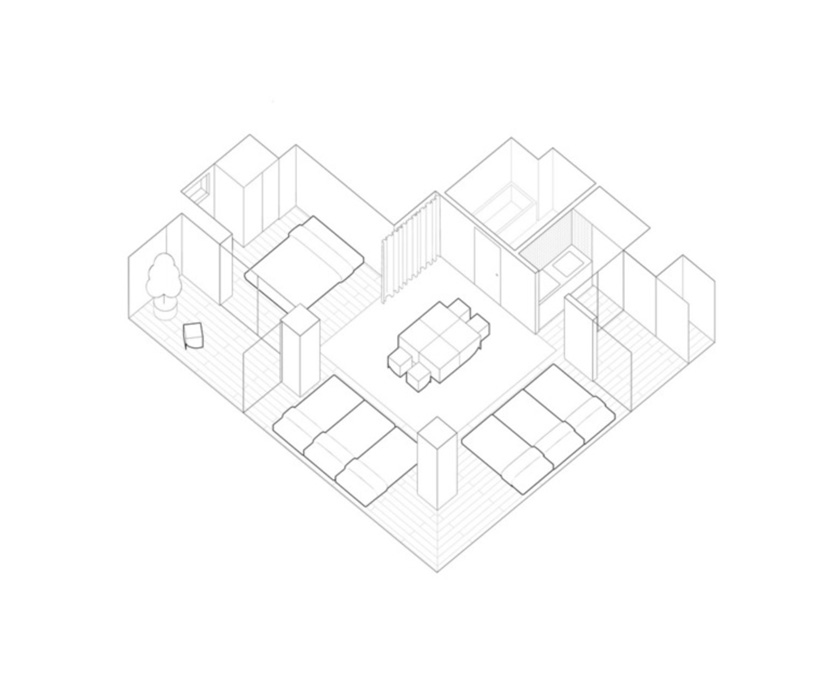
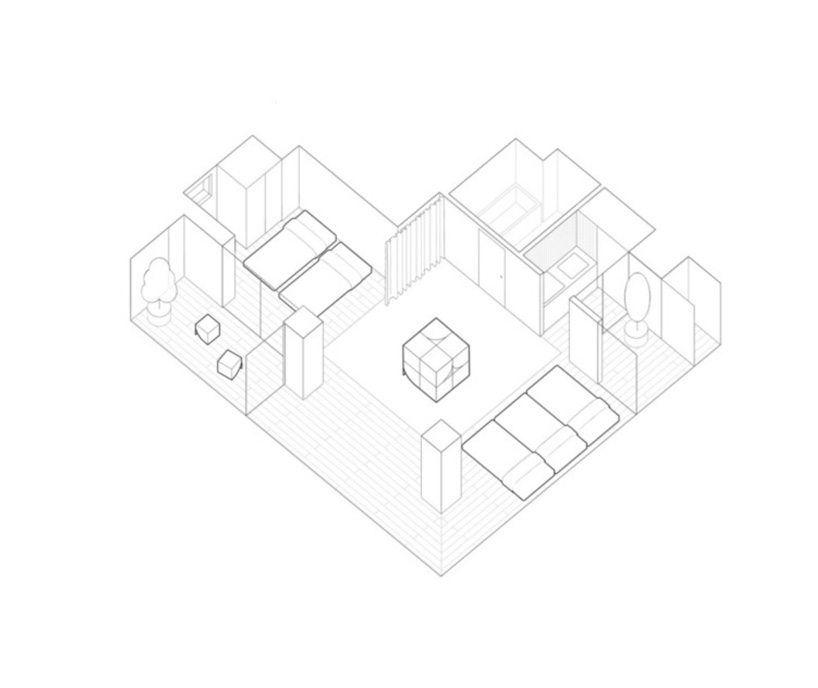
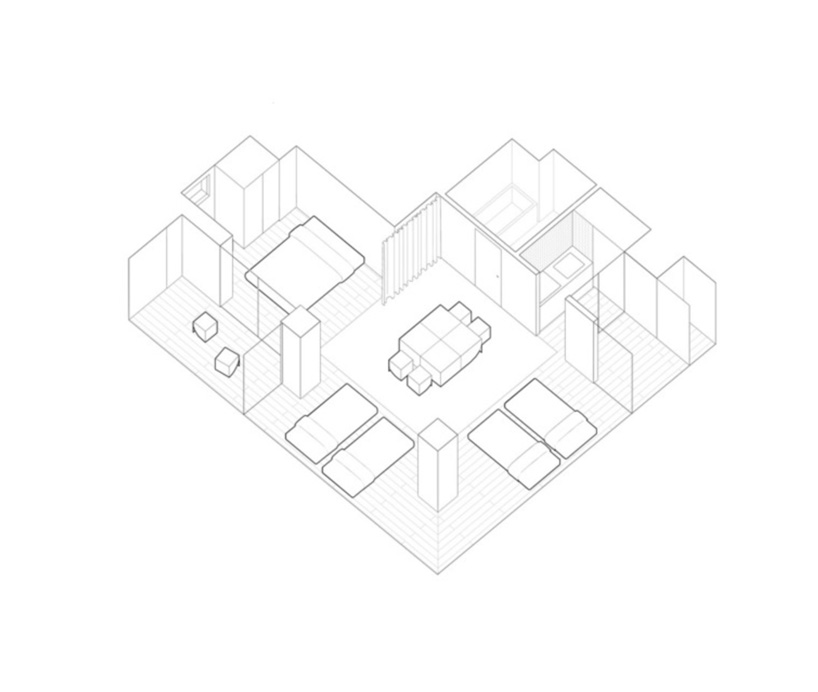
conceived as a lighthouse for the travelers, the façade blurs the boundaries between interior and exterior, and public and private. inside, the building was planned as a unique room per floor hotel, with an open plan developed around the doma (a space in traditional japanese buildings associated with the daily use and the entrance points). this area, which offers a place for guests to gather, is surrounded by a raised floor that acts as a platform for quiet activities and night use.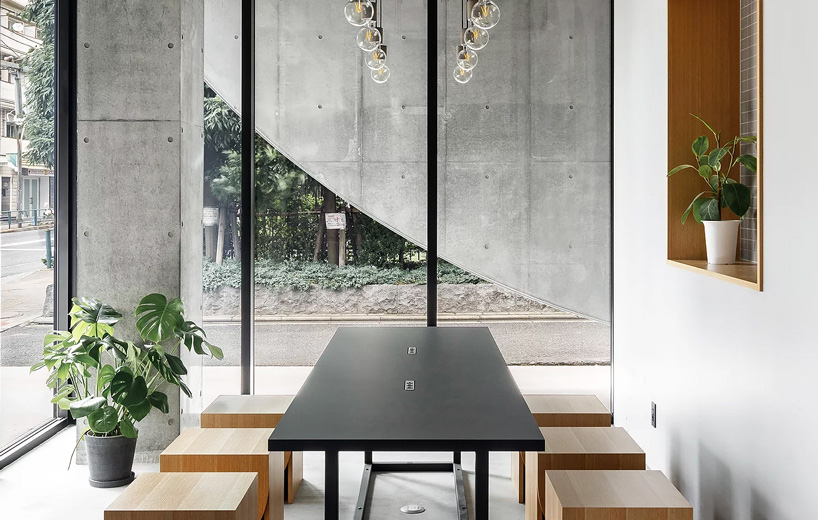
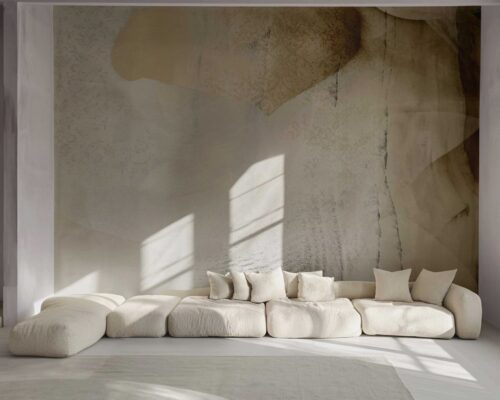
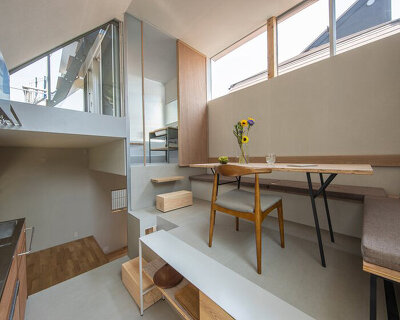
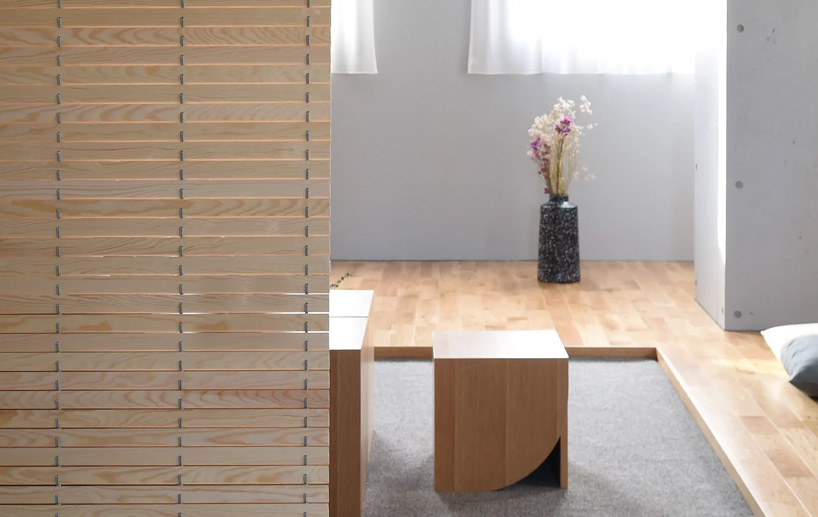
the platform is designed as a shoeless space where futons can be placed at night according to the number of guests. the boundary between the doma and this space can be closed using light partitions, wooden blinds, or curtains. in addition, YSLA architects developed ‘miwa みわ’, a modular and flexible piece of furniture that can be assembled and used in various ways, resembling the shape of the lighthouse’ building in its form.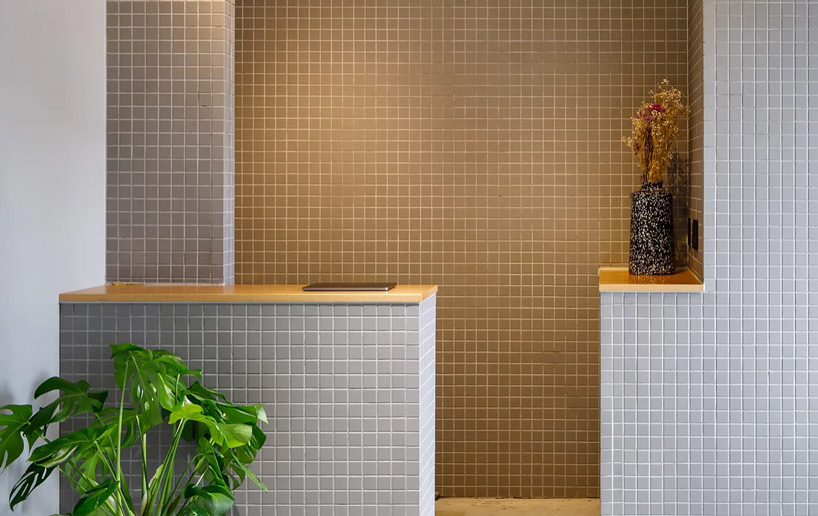
project info:
name: lighthouse
architect: YSLA architects (also interiors)
curtains: studio onder de linde
structure: yAt structure design office
contractor: fujiken
location: shinjuku, tokyo, japan
shop
your own online design shop — no sales commission collected