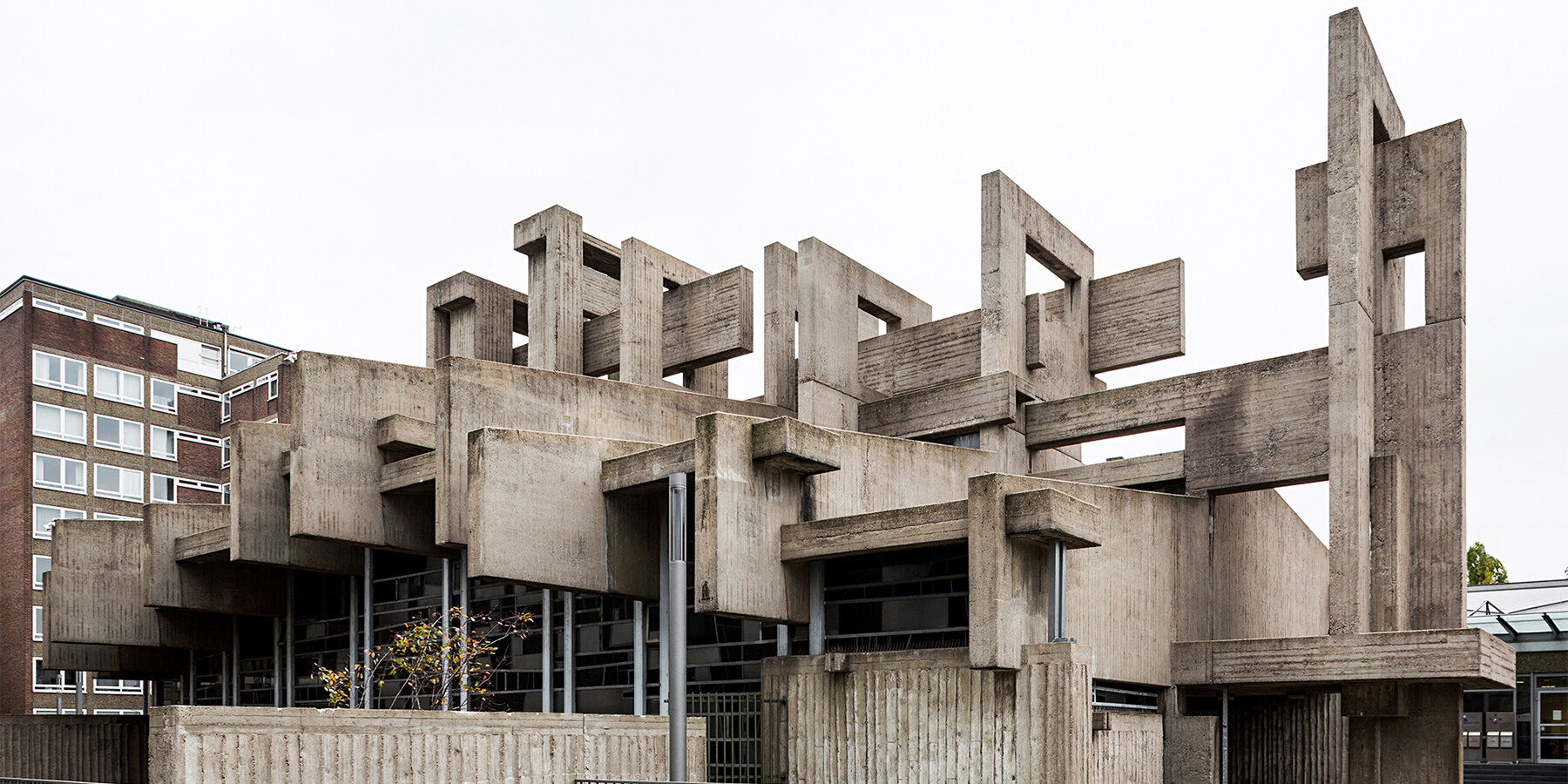
Concrete, mon amour: The Raw Imprint of Modernism
Italian photographer Stefano Perego presents Concrete, mon amour: The Raw Imprint of Modernism, a photographic study of modernist concrete architecture spanning 98 buildings across 29 countries. Documented over ten years between 2015 and 2025, the book explores the formal and material language of concrete structures built in the mid-to-late 20th century — monolithic constructions that reflect the architectural ambition and ideological shifts of the era. Through a deliberately raw visual approach, Perego focuses on the expressive geometries, surface textures, and spatial presence of these buildings, from urban landmarks to isolated outposts.
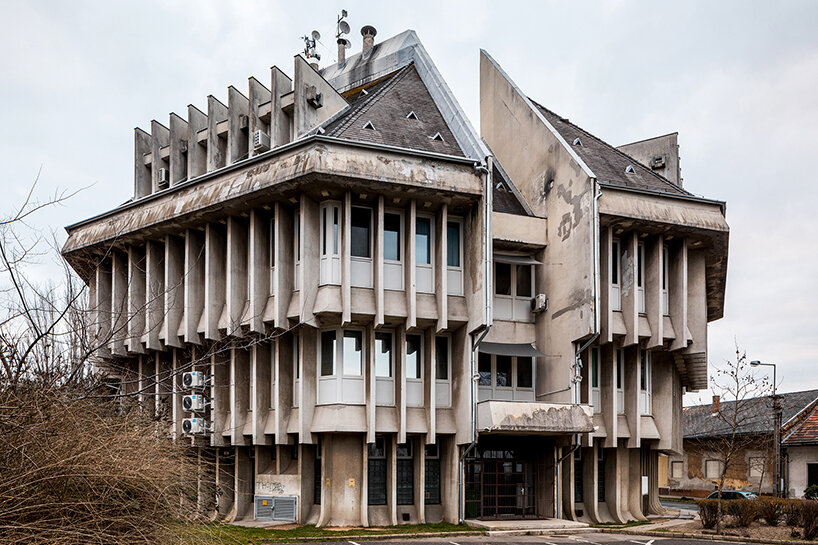
Medical center, by architect Ágoston Miklós, 1981. Budapest, Hungary. photo: Stefano Perego, Concrete Mon Amour, Gestalten 2025.
Stefano Perego explores layered meanings behind constructions
The book organizes its subjects without privileging fame or recognition, instead offering a broad view of how concrete was used to shape civic, religious, residential, and infrastructural environments. Each structure is photographed in its current state, whether well-preserved or visibly weathered, providing visual insight into the endurance and evolution of these architectural forms over time. Beyond documenting aesthetics, Concrete, mon amour by Stefano Perego also interrogates the layered meanings behind the constructions. Some appear as enduring symbols of progressive vision, while others reveal associations with political power and cultural transformation. The book frames concrete not just as a material choice but as a medium of expression — at once brutal and intentional, utilitarian and sculptural.
The IItalian photographer ultimately highlights the complexity of modernist legacies: how the permanence of concrete continues to prompt reflection on the ideals, ambitions, and contradictions embedded within the built environment. The publication is both a visual archive and an invitation to reconsider the impact and relevance of architectural modernism today.
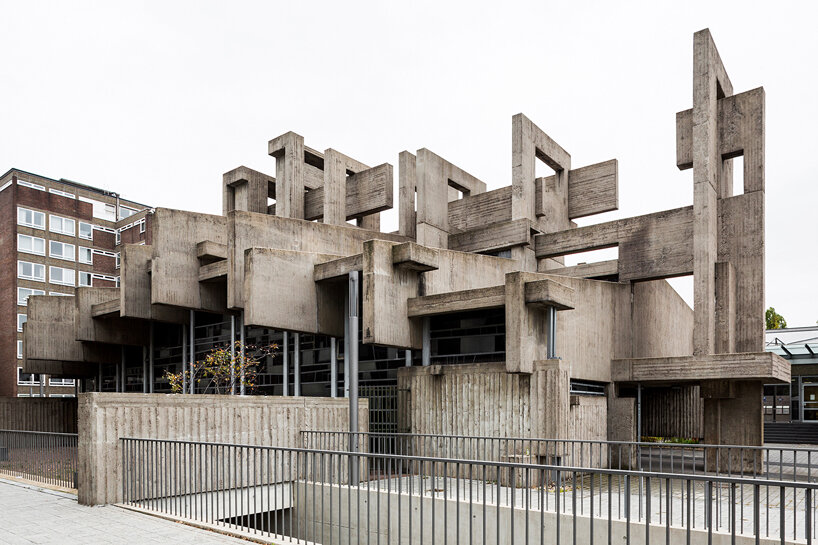
Johannes XXIII church, by architect Heinz Buchmann and sculptor Josef Rikus, 1968. Cologne, Germany. photo: Stefano Perego, Concrete Mon Amour, Gestalten 2025.
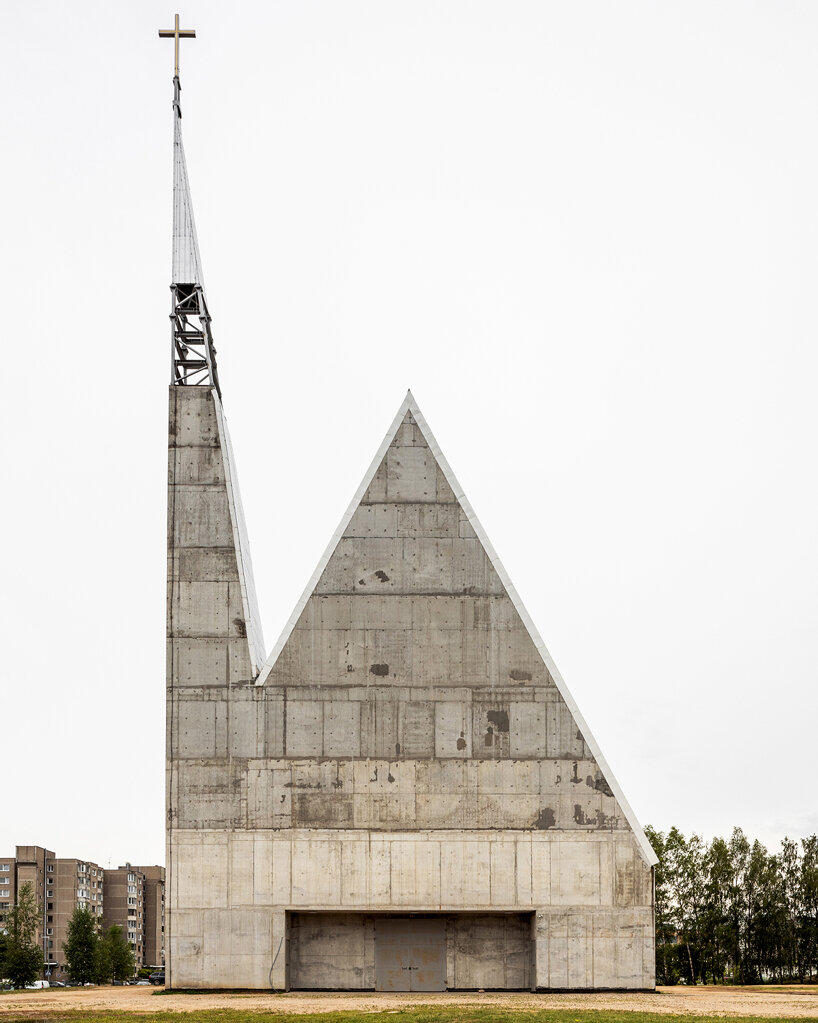
St. Joseph Church, by architects Marius Šaliamoras, Kęstutis Akelaitis and Gintaras Čaikauskas, 2016-2020. Vilnius, Lithuania. photo: Stefano Perego, Concrete Mon Amour, Gestalten 2025.
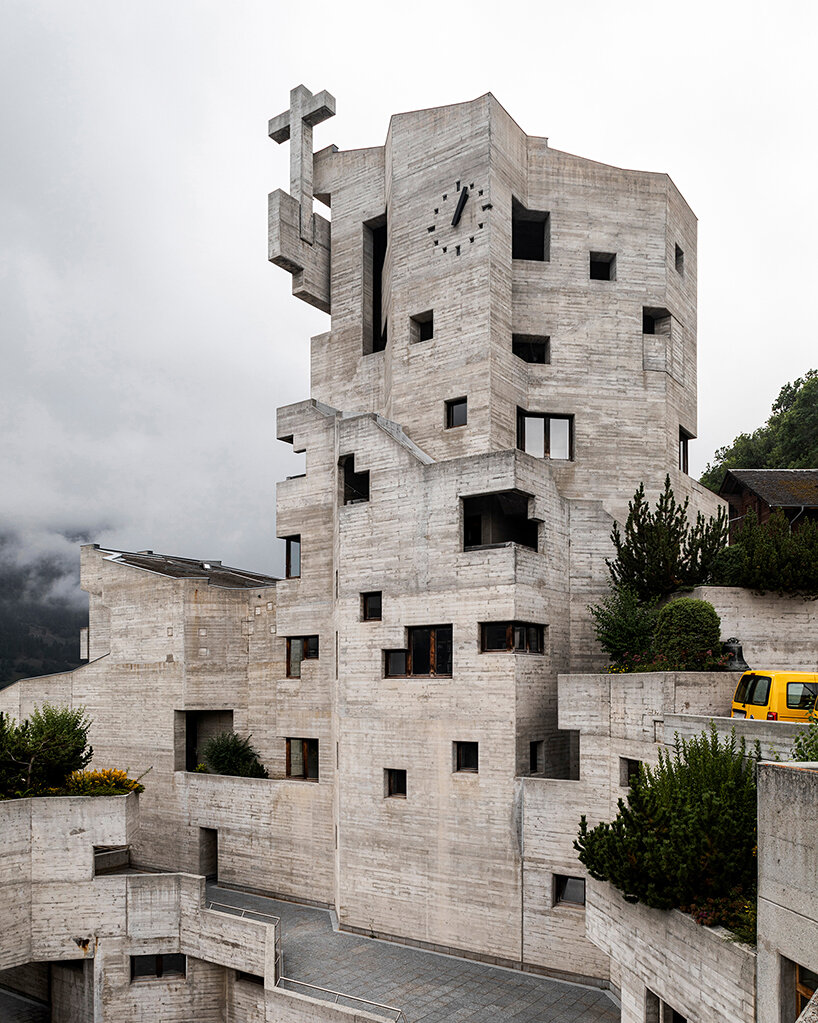
Saint Nicholas church, by architect Walter Maria Förderer, 1962-1971. Hérémence, Switzerland. photo: Stefano Perego, Concrete Mon Amour, gestalten 2025.
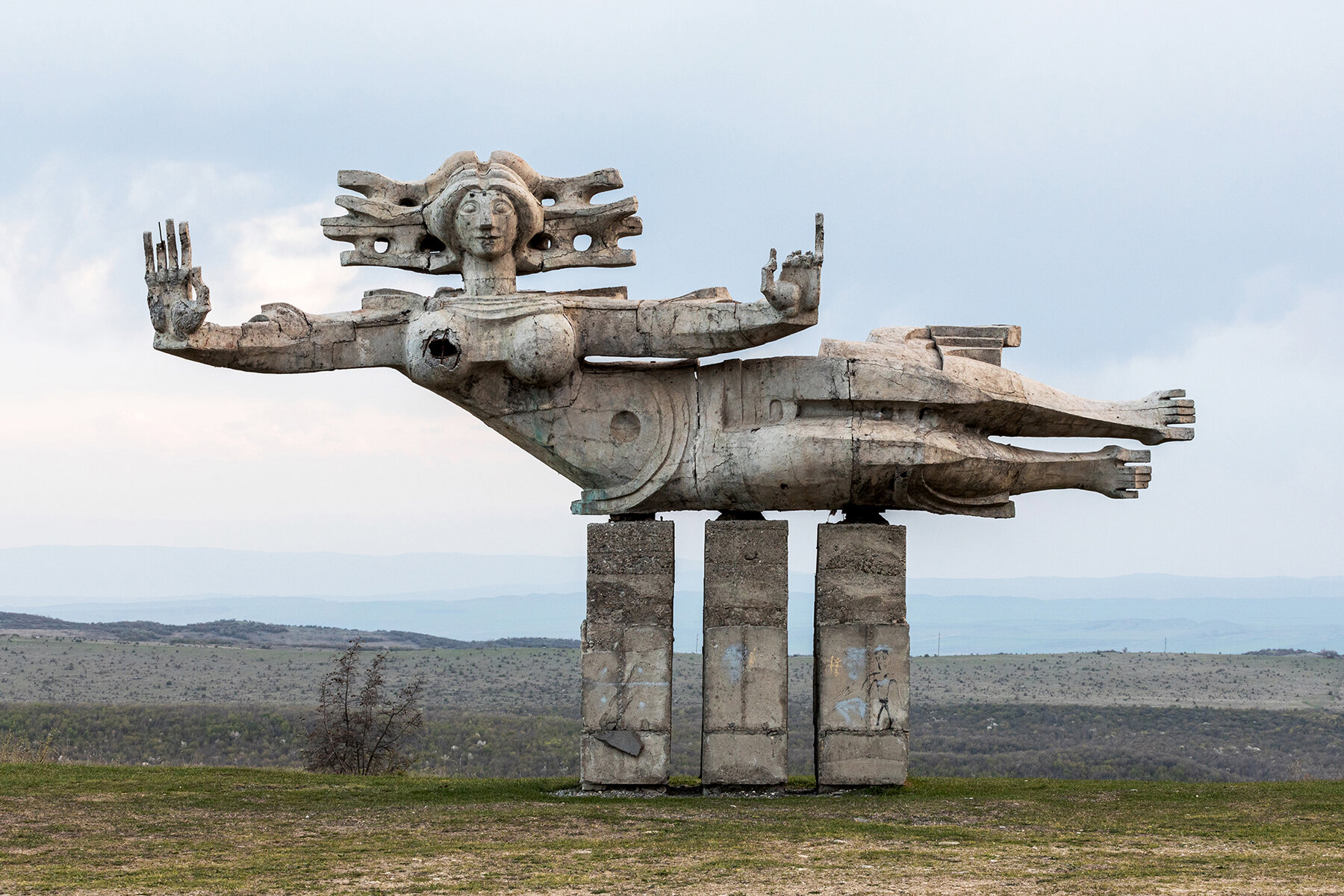
Monument “Peace”, by sculptor Nugzar Manjaparashvili, 1970s. Nukriani, Georgia. photo: Stefano Perego, Concrete Mon Amour, Gestalten 2025.
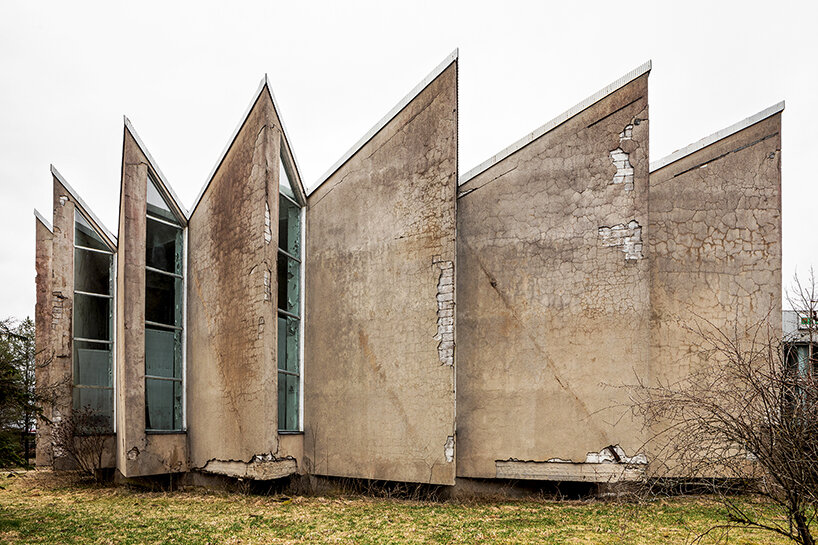
former administrative building of Põdrangu State Collective Farm, by architects Maara Metsal and Maia Laul, 1976-1977. Põdrangu, Estonia. photo: Stefano Perego, Concrete Mon Amour, Gestalten 2025
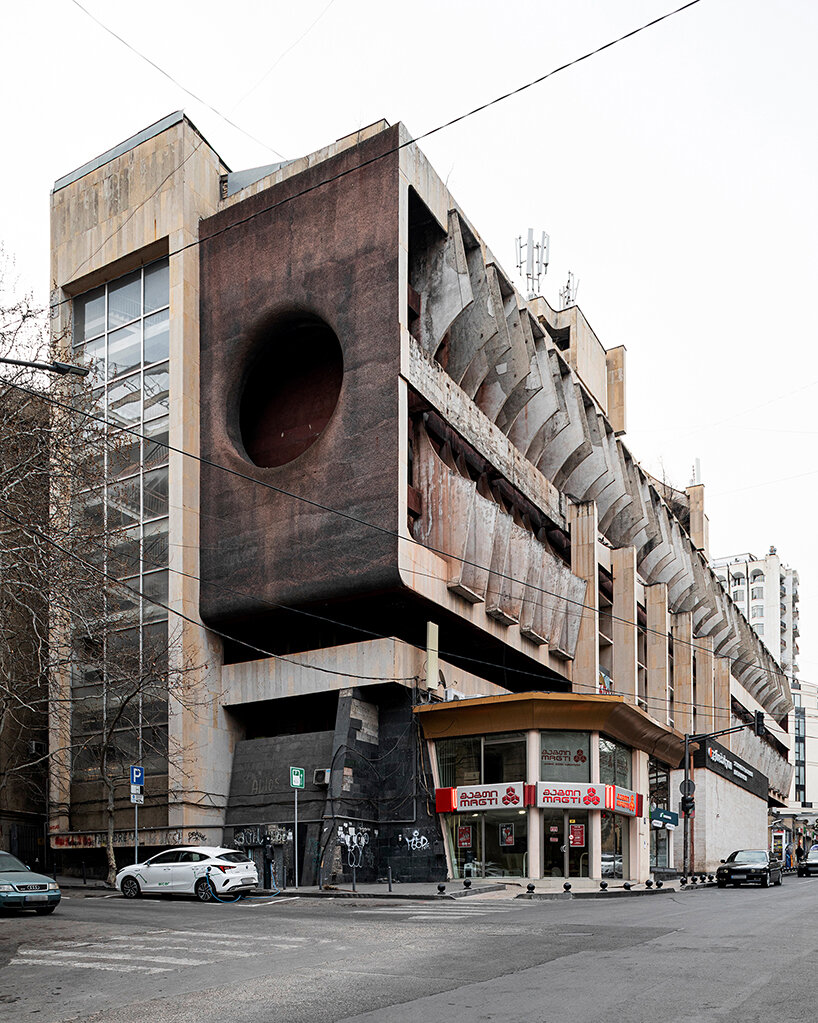
Technical Library, by architect Georgiy Bichiashvili, 1985. Tbilisi, Georgia. photo: Stefano Perego, Concrete Mon Amour, Gestalten 2025.
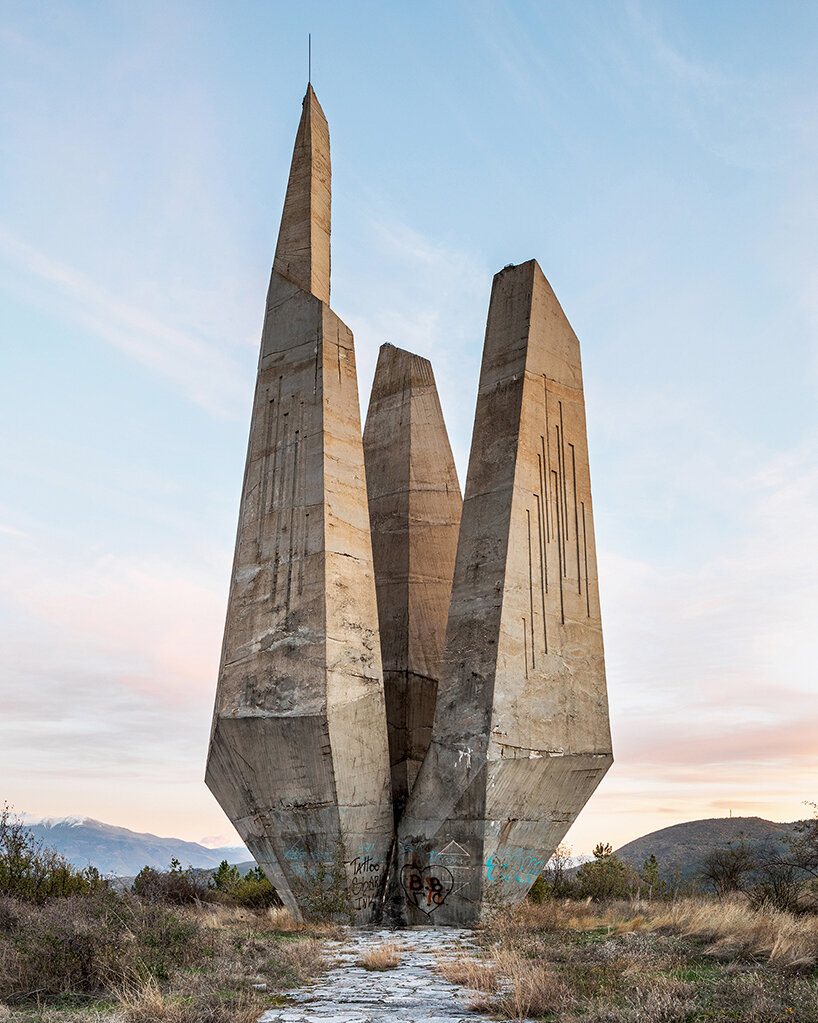
Flame monument, by architect Alexander Barov and sculptor Stefan Stoimirov, 1975. Panicharevo, Bulgaria. photo: Stefano Perego, Concrete Mon Amour, Gestalten 2025.
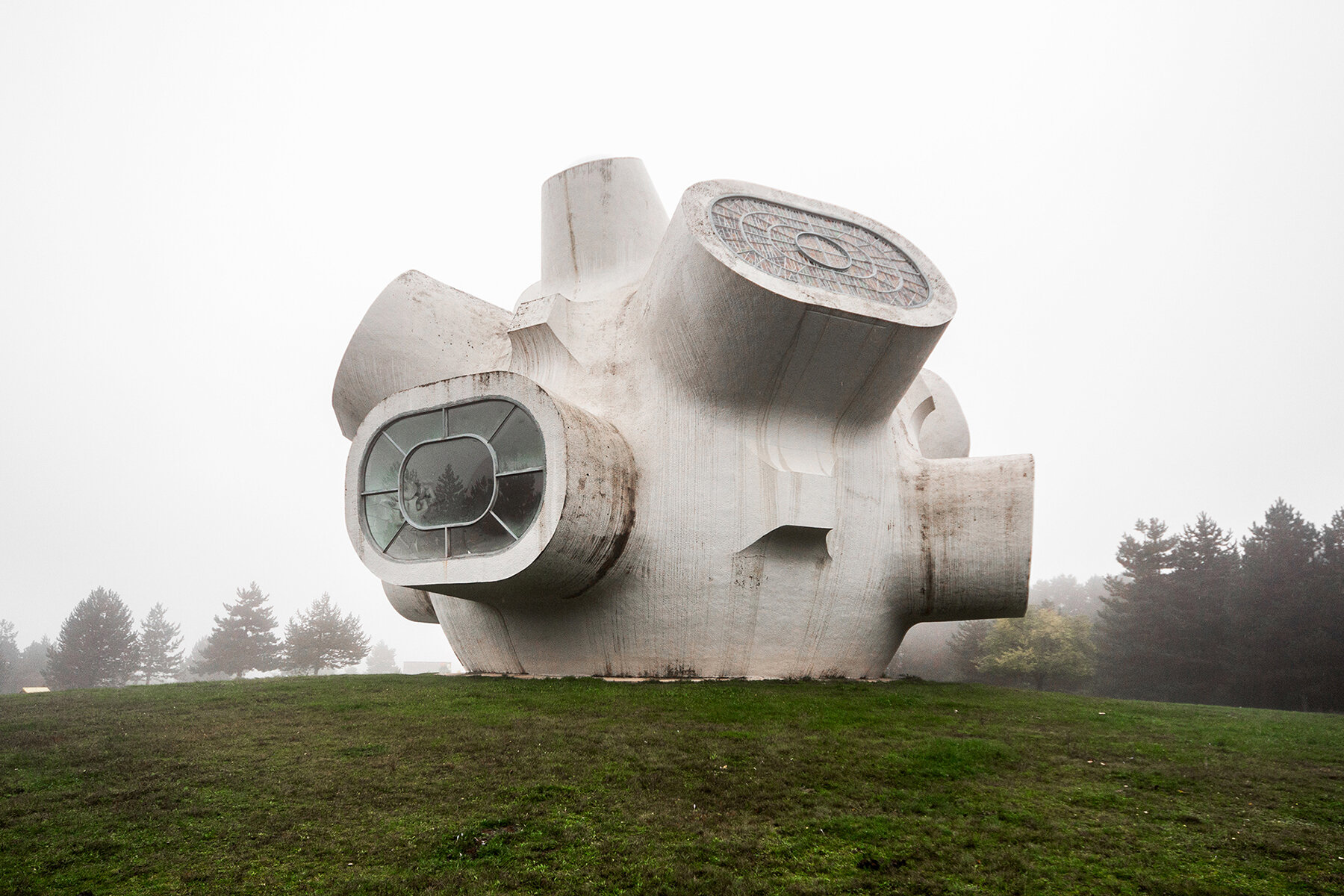
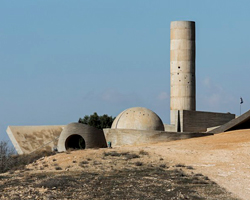
Ilinden memorial, also known as Makedonium, by Jordan Grabuloski and Iskra Grabuloska, 1974. Krushevo, North Macedonia. photo: Stefano Perego, Concrete Mon Amour, gestalten 2025
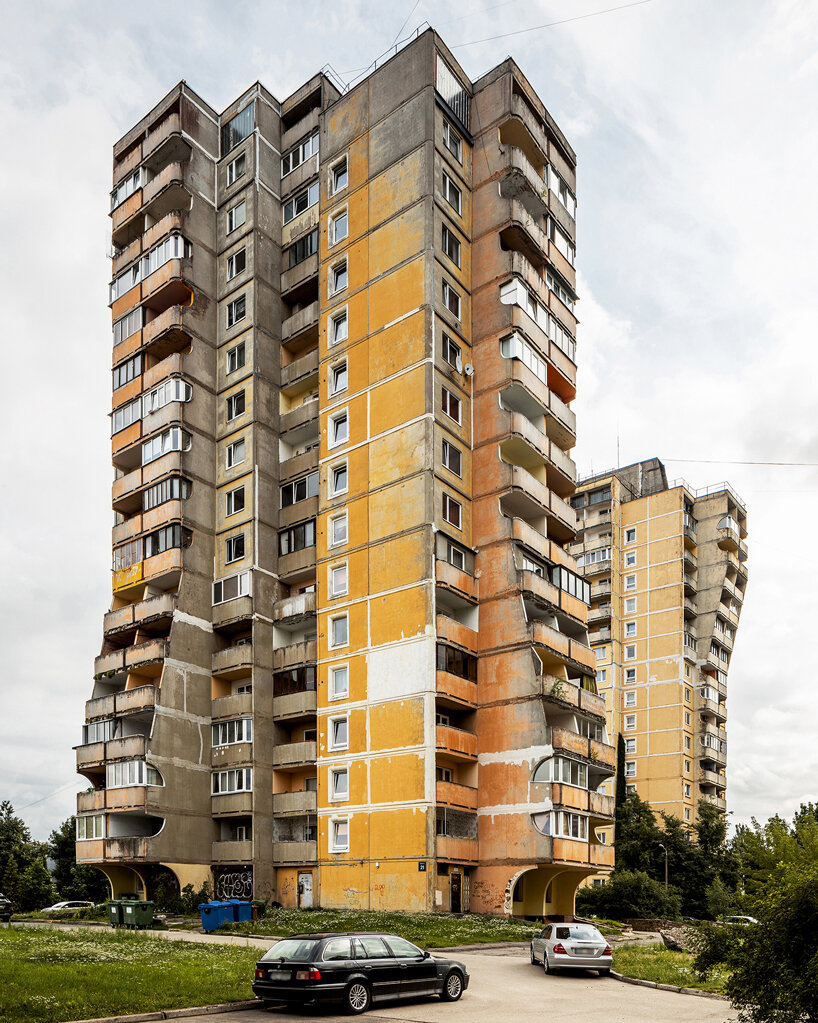
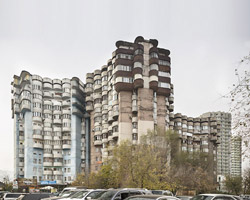
Residential towers, built in the 1980s. Riga, Latvia. photo: Stefano Perego, Concrete Mon Amour, Gestalten 2025.
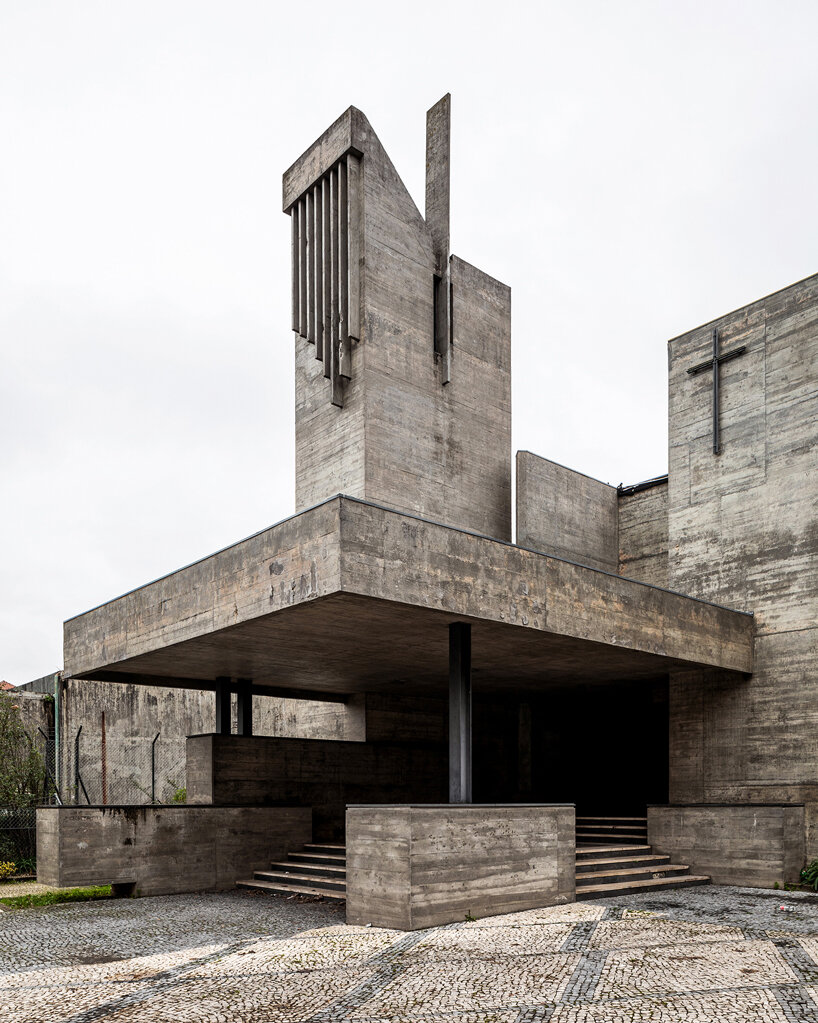
Church of Our Lady of Boavista, by architect Agostinho Ricca, 1975-1979. Porto, Portugal. photo: Stefano Perego, Concrete Mon Amour, Gestalten 2025.
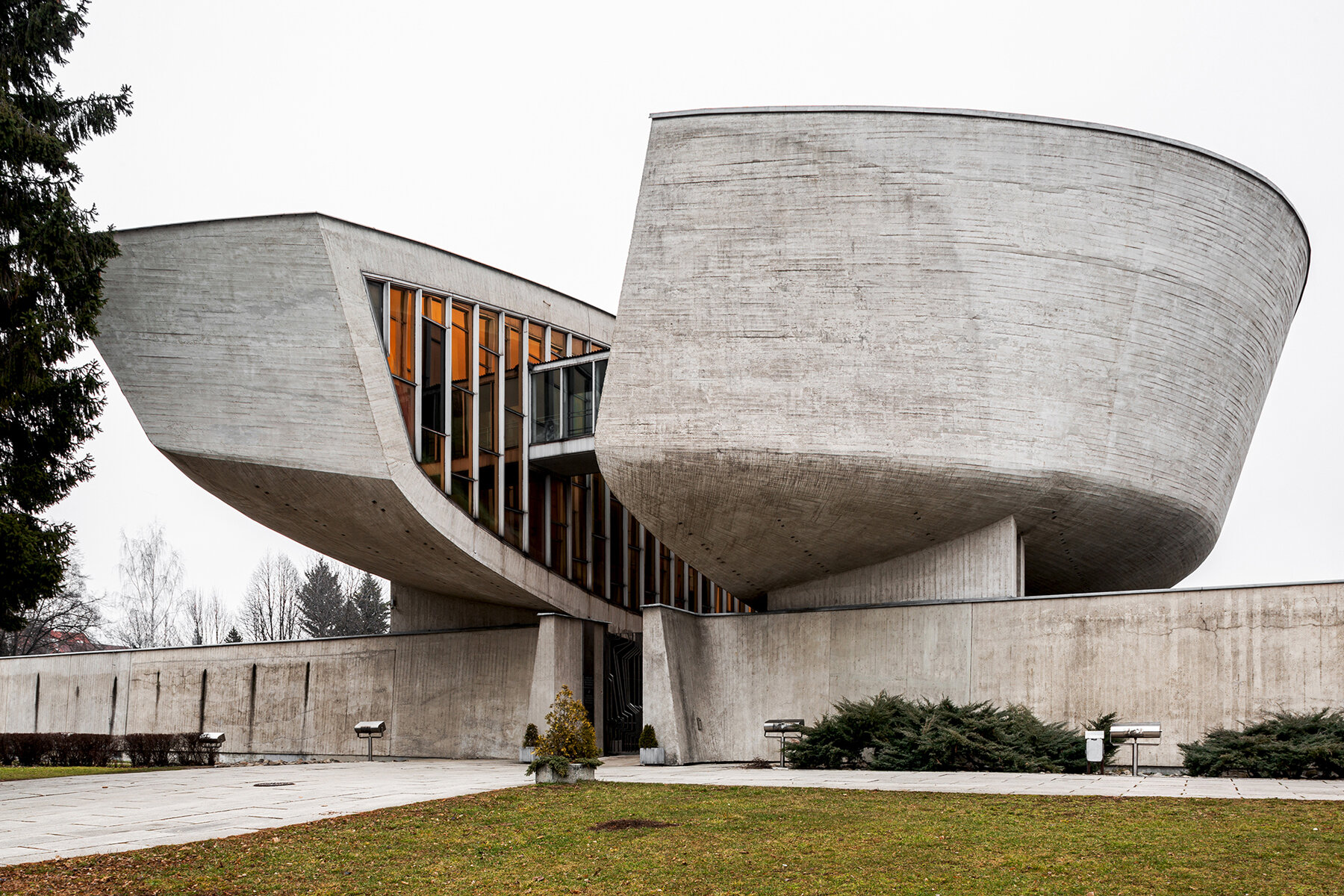
Ilinden memorial, also known as Makedonium, by Jordan Grabuloski and Iskra Grabuloska, 1974. Krushevo, North Macedonia. photo: Stefano Perego, Concrete Mon Amour, Gestalten 2025.
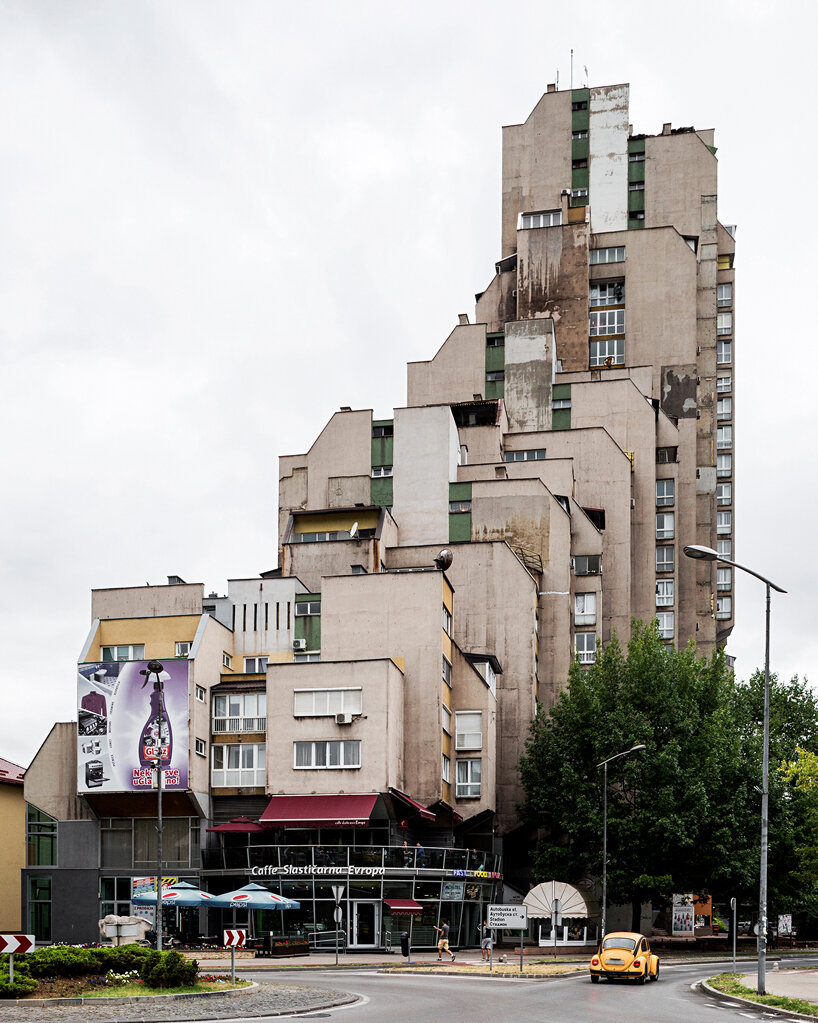
Ilinden memorial, also known as Makedonium, by Jordan Grabuloski and Iskra Grabuloska, 1974. Krushevo, North Macedonia. photo: Stefano Perego, Concrete Mon Amour, Gestalten 2025.
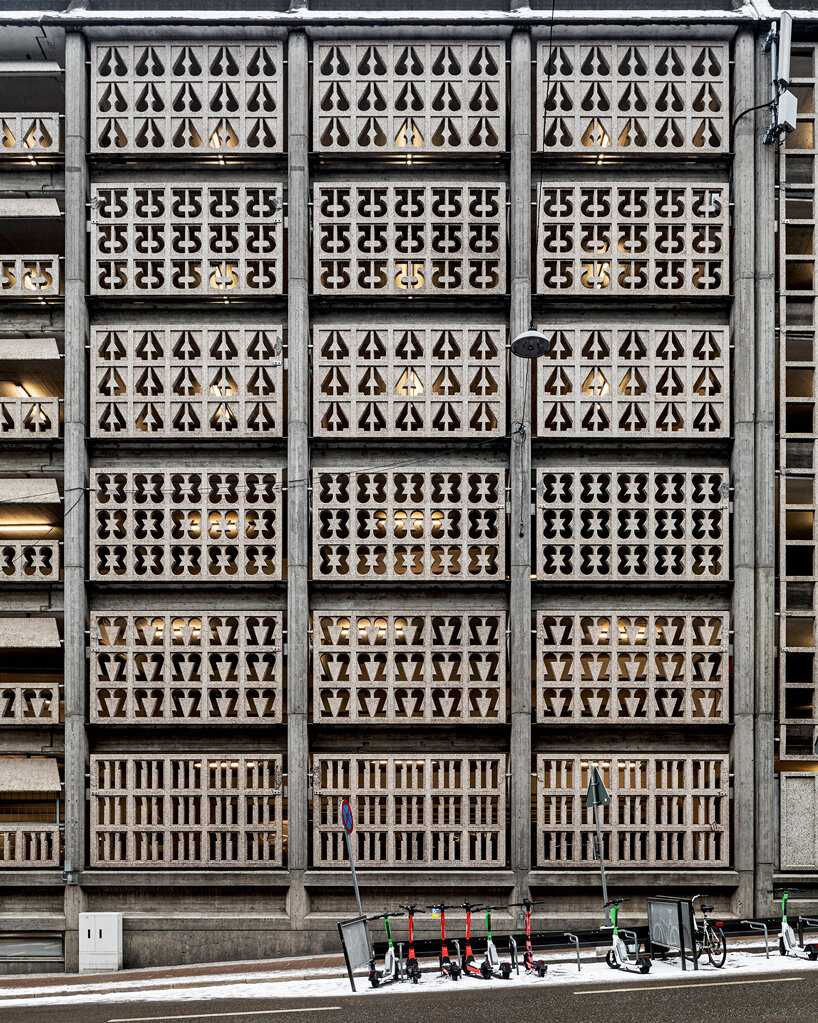
Parking Garage, by architect Hans Asplund, 1963-1965. Stockholm, Sweden. photo: Stefano Perego, Concrete Mon Amour, Gestalten 2025.
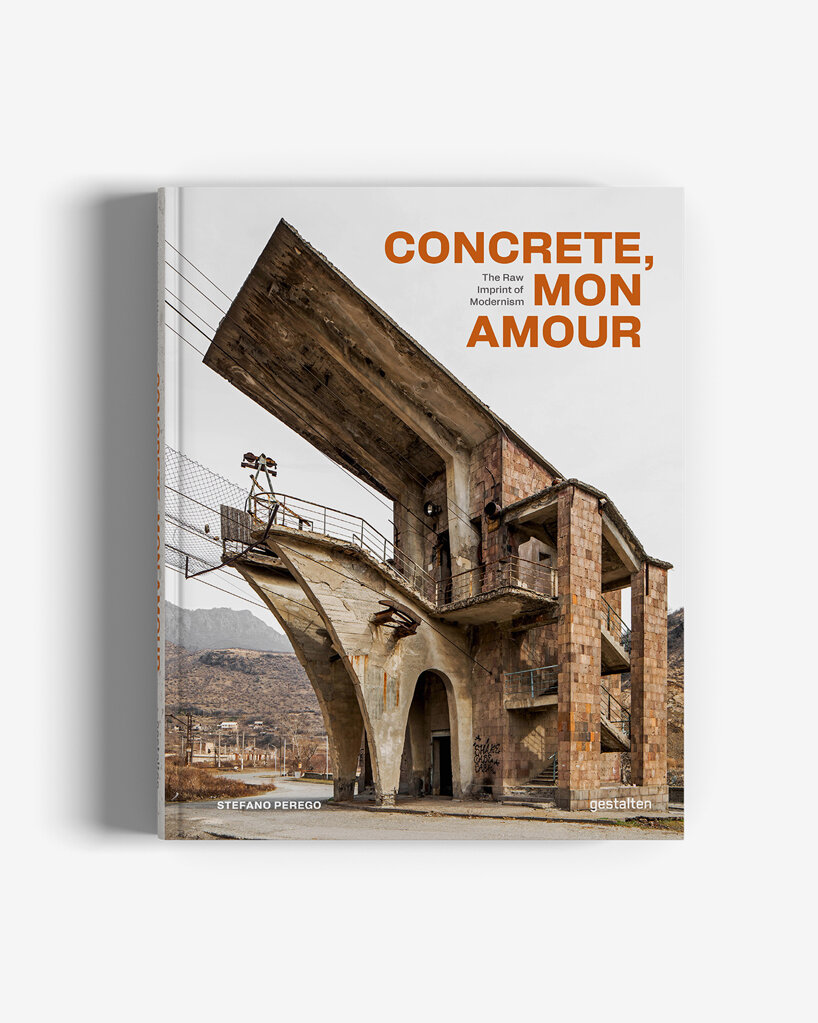
cover of Concrete, mon amour: The Raw Imprint of Modernism
project info:
name: Concrete, mon amour: The Raw Imprint of Modernism
photographer: Stefano Perego | @stepegphotography
publisher: Gestalten | @gestalten
architectural photography (396)
 Feb 16, 2026
 Feb 10, 2026
 Feb 08, 2026
 Dec 30, 2025
 Dec 29, 2025
concrete architecture and design (980)
 Mar 09, 2026
 Mar 08, 2026
 Mar 06, 2026
 Mar 04, 2026
 Mar 02, 2026
designboom book reports (234)
 Mar 07, 2026
 Mar 05, 2026
 Jan 07, 2026
 Dec 25, 2025
photography (446)
 Mar 13, 2026
 Feb 22, 2026
 Jan 31, 2026
 Jan 14, 2026
 Dec 28, 2025
stefano perego (7)
 Mar 12, 2025
 Sep 06, 2023
 Jun 22, 2020
 Apr 16, 2019
 Nov 30, 2017
 Mar 12, 2026
 Mar 11, 2026
 Feb 24, 2026