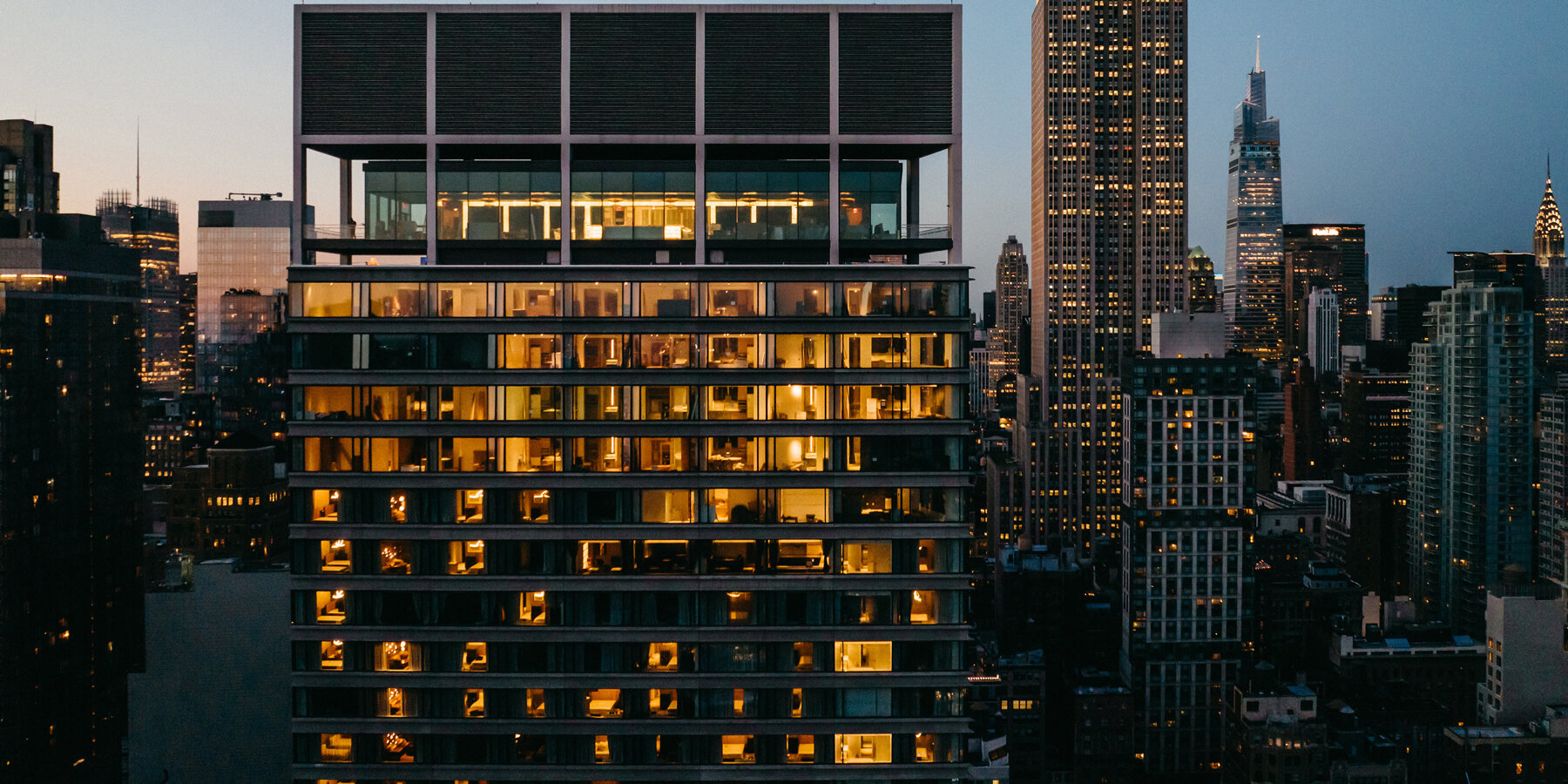
step inside the ritz-carlton new york, NoMad
Situated at the corner of Broadway & 28th street, on the outskirts of Manhattan‘s Flower District, the Ritz-Carlton New York, NoMad takes on a fresh, more relaxed approach to luxury hospitality. Rising 150 meters (500 feet) above New York’s streets, the hotel has been developed by Flag Luxury Group in close collaboration with Rafael Viñoly, while design studios such as Rockwell Group, Lázaro Rosa-Violán Studio, Martin Brudnizki, and SUSURRUS International have all contributed to its interior spaces. Together, they deliver a bold, contemporary design that honors the hotel’s setting while offering a warm, welcoming space for guests and the local community alike.
‘It’s very much a community space and that was essential to us from the start,’ Dayssi Olarte de Kanavos, president and COO of Flag Luxury Group explains. ‘We wanted the hotel to genuinely belong to the neighborhood, not to be a place with velvet ropes or an attitude of exclusivity. Public spaces are called public for a reason, and I don’t believe in the era of “cool” hotels and velvet ropes that keep people out. Our goal was always to be welcoming to both guests and locals, and I love that the lobby bar has quietly become the neighborhood’s best-kept secret.’
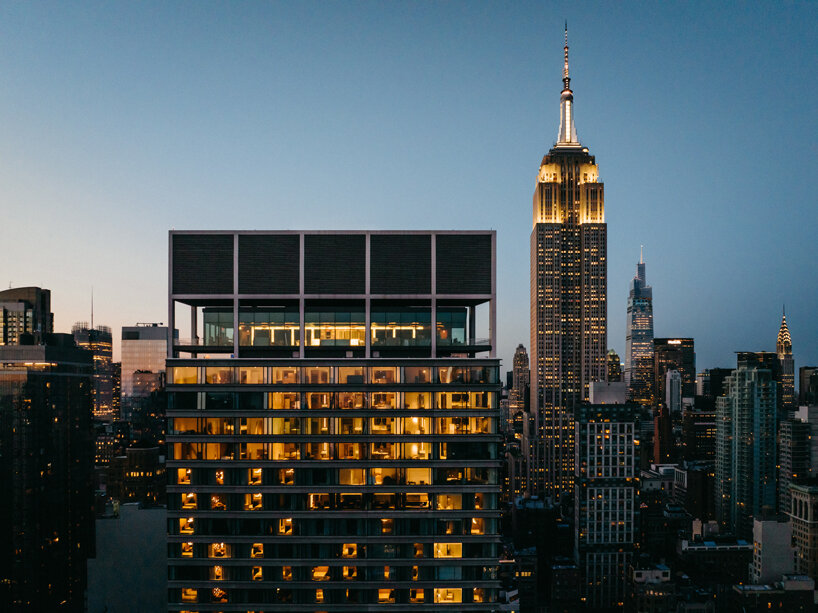
The Ritz-Carlton New York, NoMad exterior, image by Iris and Light
FLAG LUXURY GROUP AND RAFAEL VIÑOLY’S COLLABORATION
The Ritz-Carlton New York, NoMad occupies a 50-story-high tower designed by architect Rafael Viñoly, whose work began with the constraints of a compact footprint. Completed in the summer of 2022, the hotel comprises 219 guestrooms, 31 suites, and 16 one and two-bedroom penthouse residences alongside six unique food and beverage destinations and the signature Ritz-Carlton Spa & Fitness Center. The plans grew through an interior-first process to meet the demands of a vertical hotel. Dayssi Olarte de Kanavos recalls long working sessions with the now-late architect focused on precisely carving out each area in response to the needs of its program. ‘It was the only hotel he built, and he was a big Ritz-Carlton fan,’ she says. ‘I did a competition with five different top architects, and he was the only one that just wanted to work with me all the time. I had maybe one or two meetings with the other studios, but he was reaching out every day to know more about my vision and what I wanted to achieve. When he finally presented his plan, it was the one that made the most sense.’
Olarte de Kanavos and Viñoly worked in close collaboration to develop a well thought out architectural scheme that balanced between a highly luxurious experience for the guests and a financially viable operation. ‘Some of the other architects wanted to make a building from the outside in and would sacrifice on the number of rooms, and I couldn’t do that because we had such a small plot of land. I had to have an architect that could build it from the inside out because there was no way that we could fit this program and make it economically viable without that. There’s always that push and pull between what you’re dreaming in your head and then the reality of how you are going to pay for it.’
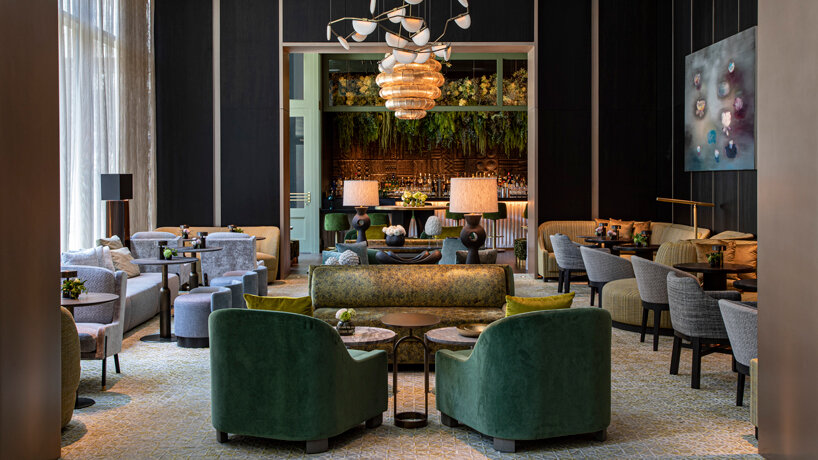
lobby area, image by The Ritz-Carlton New York, NoMad
Interiors inspired by the neighboring Flower District
Alongside Rafael Viñoly Architects, firms including Rockwell Group, Lázaro Rosa-Violán Studio, Martin Brudnizki, SUSURRUS International have each developed parts of the hotel’s interior, including the two restaurants, Zaytinya and the Bazaar by José Andrés, as well as the Lobby Lounge and Nubeluz, the hotel’s rooftop bar offering sweeping 270-degree views across Manhattan. Along the ground floor, the material palette softens the transitions between the outside world and the lobby. Floral references echoing the neighboring flower district appear through texture and line, creating a gentle connection to the district without leaning on literal motifs.
Guestrooms and suites continue on this approach with neutral palettes and furniture pieces selected to lend a more domestic atmosphere that mimics a Manhattan penthouse. Almost everything in the hotel has been custom-built particularly for this location, embodying Olarte de Kanavos’ idea of what true luxury is. ‘To me, luxury is knowing that things have been handcrafted, that things have been bespoke, that they have been especially chosen, in the selection of the fabrics, the materials.. Almost everything in this hotel is custom, very few things are not. It’s something that was really made specifically for here, you’re not going to see my minibar anywhere in the world. It’s not a copy of anything, we didn’t buy it the way it was and then wrapped it different. It was totally designed and created just for this property.’
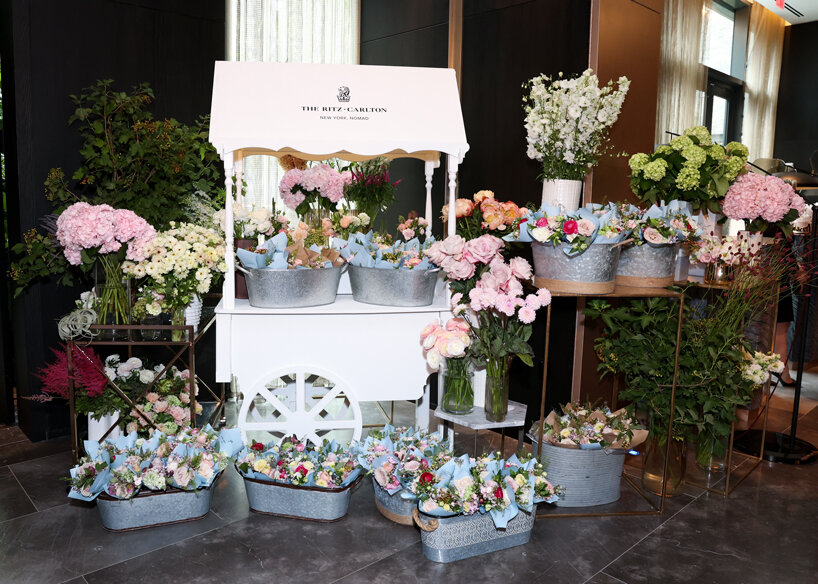
The Ritz-Carlton New York, NoMad floral cart, image by BFA
taking the stuffiness out of service
The Ritz-Carlton New York, NoMad takes shape within a steadily growing district that still maintains its independent shops and small businesses. Olarte de Kanavos recognized this balance early and envisioned a hotel that would contribute to neighborhood life while serving guests with a high level of attention. ‘It’s an unusual neighborhood, dotted with business and residential. Most neighborhoods in New York are either or, so to have a hotel in a neighborhood that is alive 24-7 is pretty incredible. We just felt that the new epicenter of New York was moving south, and that NoMad was going to be the new epicenter.’ Her approach reflects a desire for convivial luxury and inclusivity, expressed in her view that the neighbourhood not become all luxury, but instead ‘should still be a little bit of everything.’ This awareness extends to the hotel’s social environments, which are open to both guests and locals alike, supported by food and beverage concepts from Chef José Andrés that activate the property from the street-level to the rooftop.
Olarte de Kanavos often describes this property as ‘the next generation Ritz-Carlton,’ shaped for a younger clientele who seeks experiences that feel bespoke and vibrant. She observes that people today prefer an atmosphere with intimacy and personality, where the design is intentional and the service is warm. ‘I was just in a hotel uptown for lunch today and it very much felt like that same old-fashioned thing where you walk in and the front desk is like the cathedral, and then you sit in the lobby bar and everybody’s whispering, and the music feels like you’re in an airport lounge. That was not what we wanted here. We wanted to bring in elements of surprise and delight, to make the experience fun by discovering something a little bit different at every corner.’ Alongside a bespoke experience, luxury for her translates to great service, delivered with a smile. ‘You need to take the stuffiness out of the service, that over-formality. I think that people can still deliver great service without it being so hyper formal, and it should be fun.’
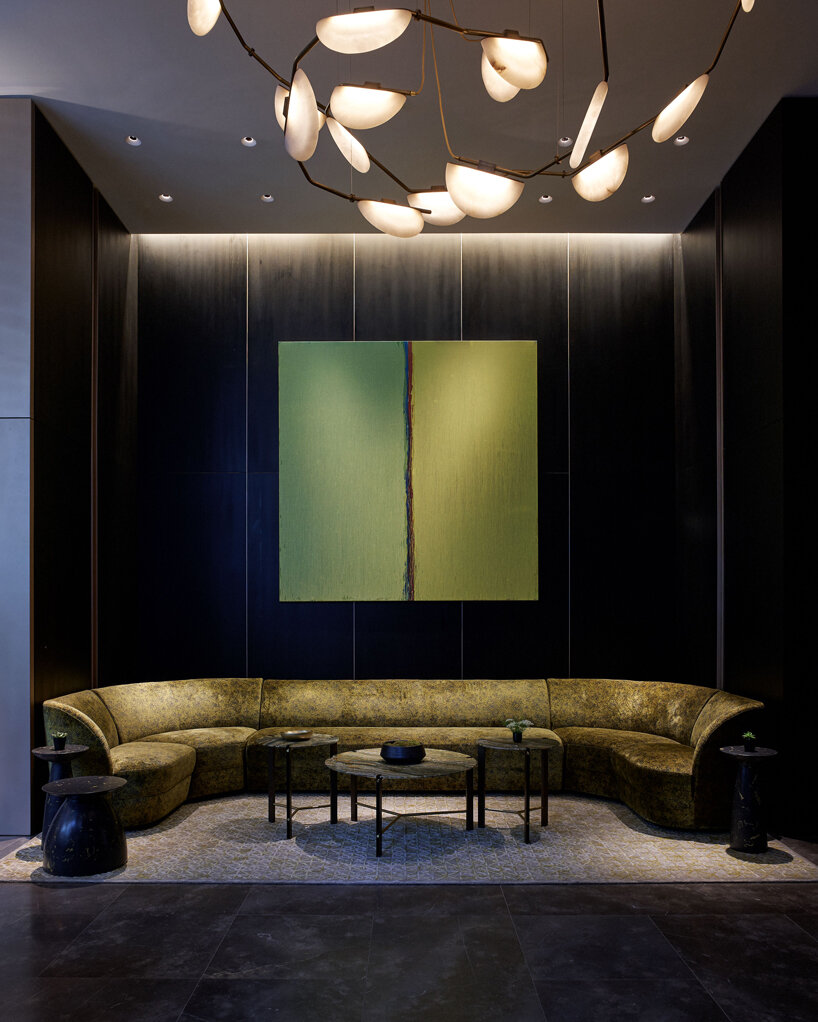
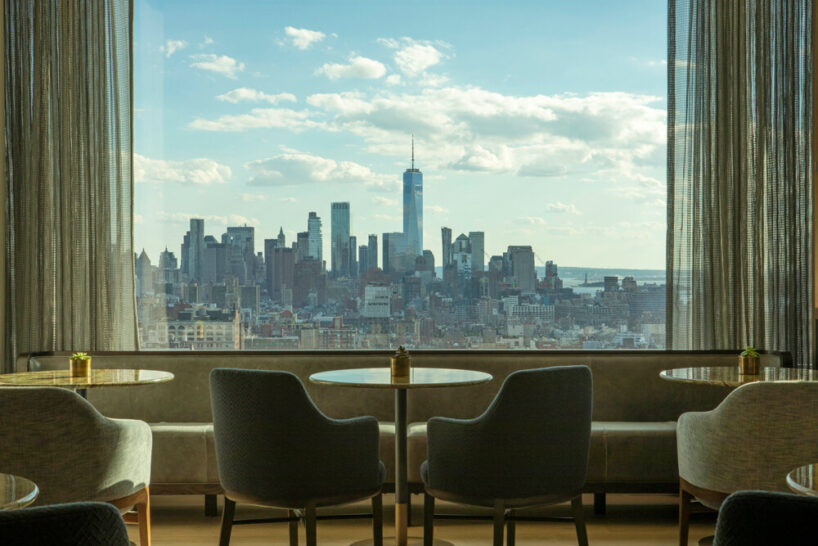
lobby seating, image by Björn Wallander
a CONVERSATION with Dayssi Olarte de Kanavos
designboom (DB): How did you get into the hospitality business?
Dayssi Olarte de Kanavos (DOK): I grew up around hospitality, I had an uncle who had a small hotel in Bogotá and my mother had restaurants. I decided to pursue that and I went the Cornell University Hotel School, and shortly after being in the hotel school, I realized I didn’t want to have anything to do with managing hotels. I realized that my interest was more about creating the hotels and that I wanted to become that person and start developing hotels. We had a class on Fridays and it was called Cookies with Clark. Clark was the dean of the hotel school and he would have speakers from all over the world that were graduates from the hotel school, and they would tell us what they did, what they’re doing now, how they got there.
One session was about a hotel developer that was developing these properties in Hawaii. He would show this barren piece of land with nothing on it, and then these incredible, beautiful hotels that he was building and how he was really creating them for the joy of his customers. That just hooked me and I realized that this is what I want to do. I want to build the hotels and other people are going to manage them, but I want to be a part of that creative process. Ever since then I’ve really focused on that part of the business, the real estate side, but also the guest experience, the architecture, the interior design, the whole experience and how it touches the customer. After graduation I worked in real estate to learn about New York real estate and then I got my degree at NYU in the real estate development master’s program, and shortly thereafter, I met my husband and we became partners. And the rest is history.
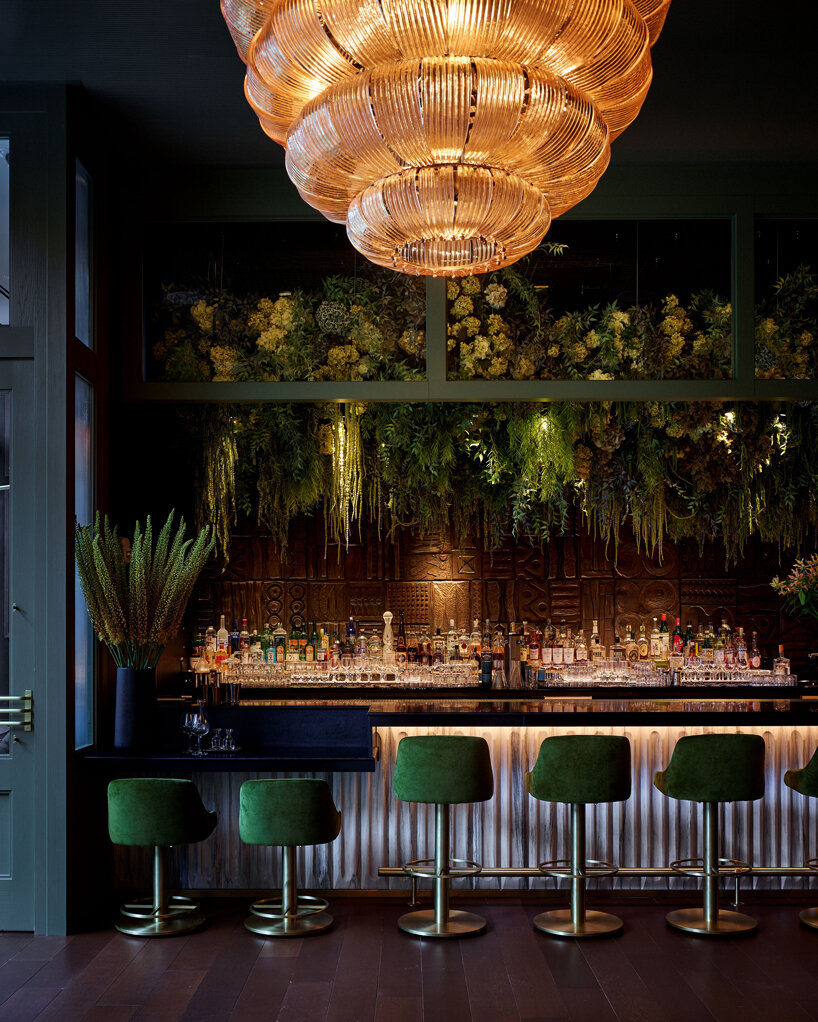
lobby bar, image by Björn Wallander
DB: Can you tell me more about how you started developing Flag Luxury Group’s property portfolio?
DOK: One of the first properties we did was the Regent Hotel downtown that then became the Cipriani Wall Street Hotel, and then it became residences. We did that as a fee developer, and while we were doing that, we were fortunate enough to get what they call the geographic exclusive from Ritz-Carlton to develop hotels in Miami. So once we had that, then we were able to open up hotels there.
So we did the Ritz-Carlton in Coconut Grove, the Ritz-Carlton in South Beach, and the Ritz-Carlton in Jupiter. And Jupiter was spa and single family homes, it wasn’t actually a hotel, but it was Ritz-Carlton branded.
Then we gave the rights to some of the other people that built other Ritz-Carltons in Miami. And since then, we purchased the One Bal Harbour and turned that into the Ritz-Carlton. We also own the adjacent Sagamore Hotel, which we are in the process of converting into an all-suite expansion of the existing The Ritz-Carlton, South Beach Hotel. This is our sixth Ritz-Carlton. We also have hotels in Orlando, and we’re looking to build other things here in New York.
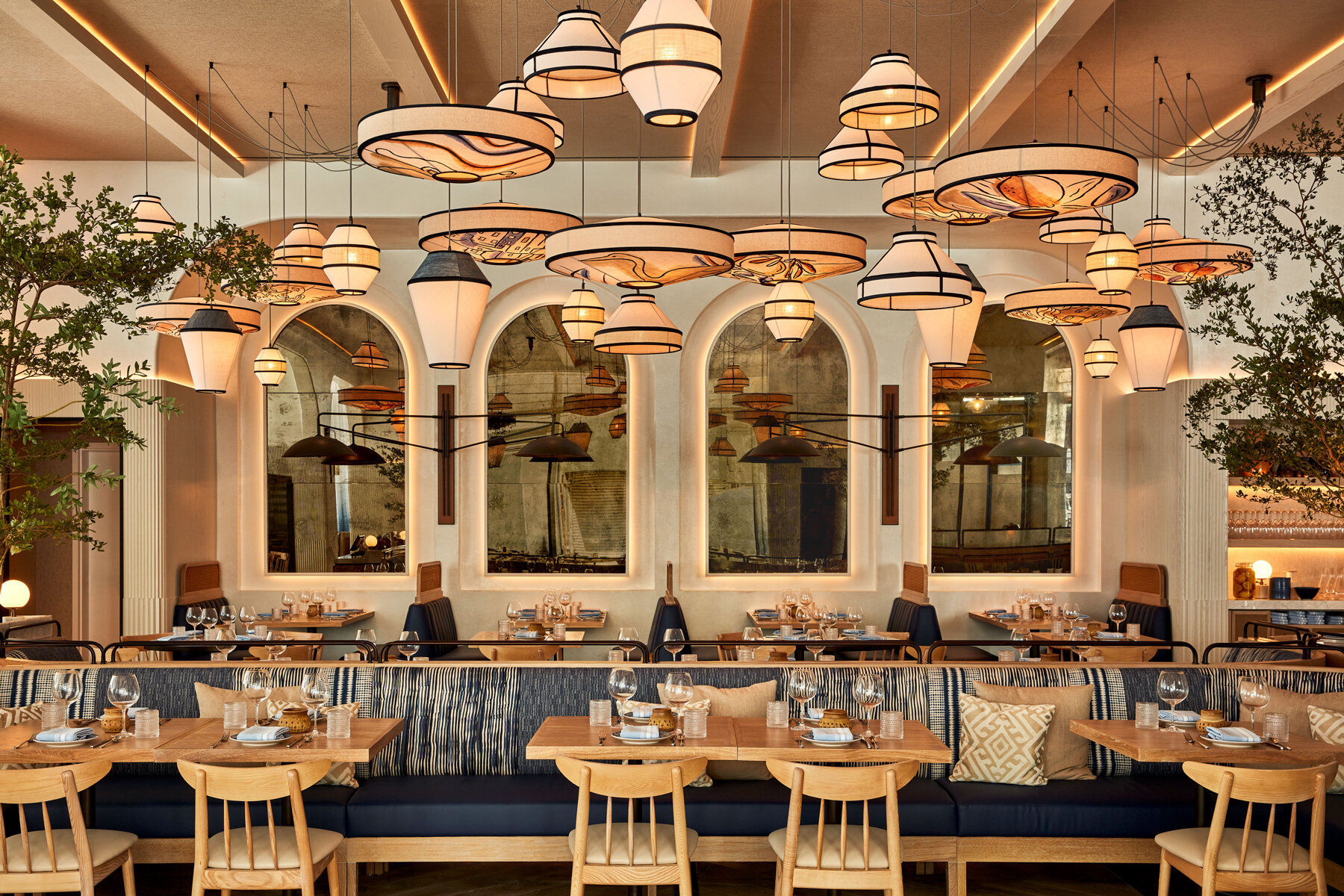
Zaytinya, image by Jason Varney
DB: How did you decide to invest in this location? How did you make it into a destination in the area? What was the concept behind it?
DOK: As a lifelong New Yorker, and especially interested in real estate, I was paying attention to how the city was growing, and at a certain point in time, downtown became the magnet for everything. Everybody wanted to go there, the real estate started becoming much more expensive there than even on the Upper East Side that usually was where all the most expensive real estate was. You could feel that pull of New York going south and all the young people wanting to live south, below 34th Street.
We realized that the opportunity to build a hotel downtown where everybody really wanted to be was very low because in SoHo and West Village, they have height restrictions and it’s not easy to try to get a big hotel down there. All of a sudden, because all those neighborhoods became so expensive, people started discovering this neighborhood and Madison Square Park. And then the NoMad Hotel opened, which is now The Ned, and between the owner of that hotel and Leslie Spira Lopez, who owns a lot of buildings here, they coined the name NoMad.
And we thought, wow, this neighborhood is on the verge. We started looking at the records and sure enough, a lot of people were pulling permits for luxury condominiums. But already this is dotted with what they call like Silicon Alley, a lot of these high tech companies have businesses here.
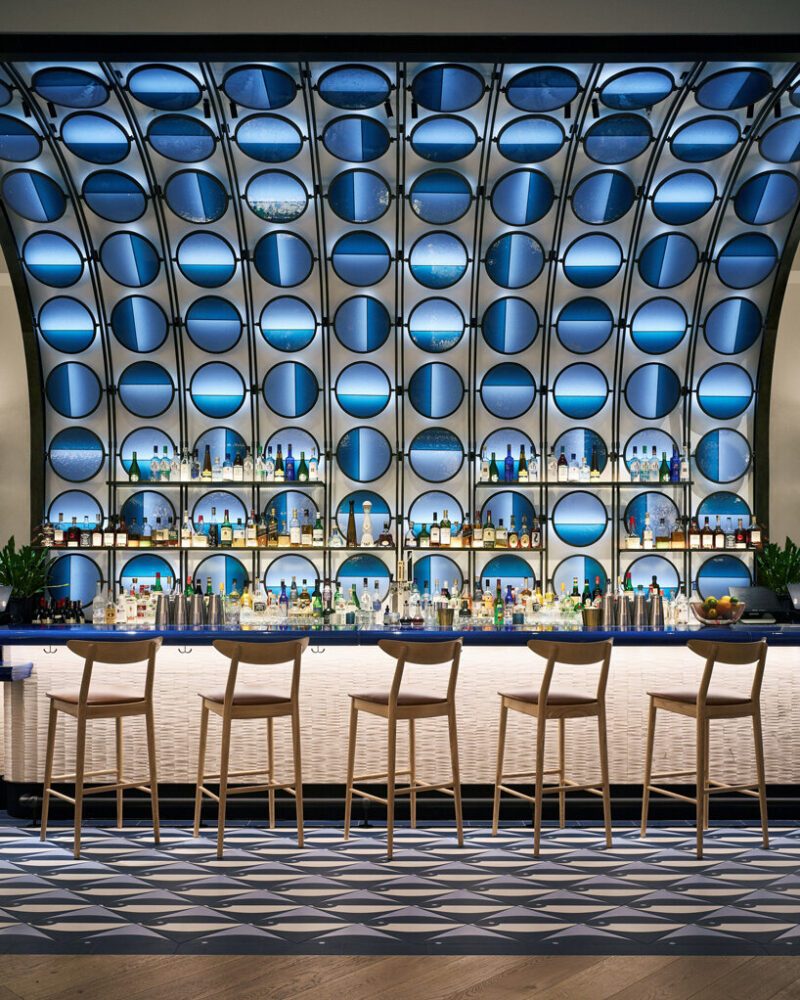
Zaytinya Bar, image by Björn Wallander
DOK (continued): So it’s an unusual neighborhood where you have it dotted with business and residential. Most neighborhoods in New York are either or. So to have a hotel in a neighborhood that is alive 24-7 is pretty incredible and we just felt that the new epicenter of New York is moving south and that NoMad was going to be the new epicenter. As soon as we bought the land, we accelerated that happening because people knew we were going to do a Ritz. So the neighborhood just became so much more dynamic.
And it had an impact right away, even though it took us eight years from the time we bought it to the time we opened. But just getting through the entitlements and everything else, people started investing more in the neighborhood.
As soon as we took down all the scaffolding from our building, it changed the whole traffic pattern because nobody used to walk down Broadway ever. But people were excited, they knew what was coming, and as soon as we took down our scaffolding, people stopped walking down Fifth, they stopped walking down Madison, and now they all walk down Broadway, and it just created this funnel of energy of people. And it’s really transformative for the neighborhood to have a Ritz-Carlton here.
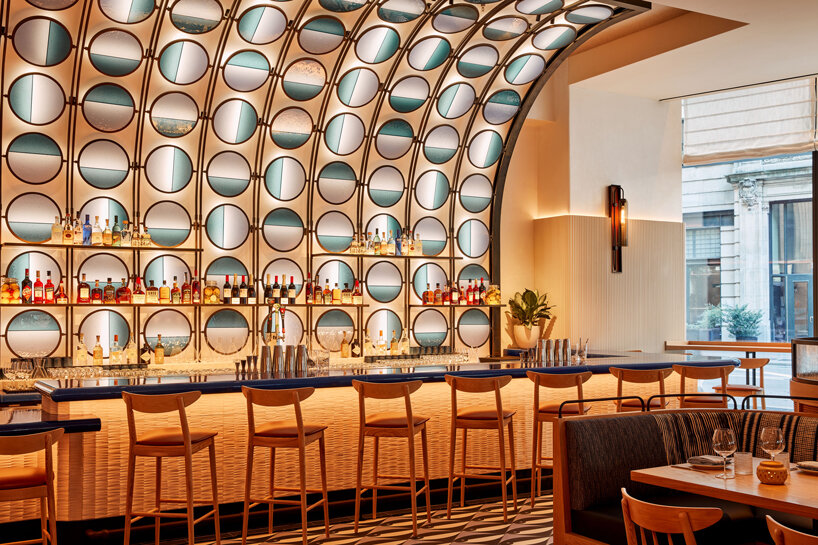
Zaytinya, image by Jason Varney
DB: I also think that with all the amenities, the restaurants and the rooftop bar, it creates some kind of place for the community as well, for the people that are part of the city.
DOK: Yes, it’s very much used by the community, and that was something that was always really important to us. We wanted to make sure that we were part of the community. When you’re building a hotel, there’s a whole plan called the public spaces, because they’re meant to be public. It’s not meant to be a velvet rope that you can’t get in or anything. The days of those velvet ropes and those ‘cool’ hotels, I don’t believe in that at all.
I believe in just being welcoming to all of our guests and our neighbors. I have to say the lobby bar, is like the neighborhood’s best kept secret. They don’t tell anybody because they don’t want anybody to know, but those are all locals.
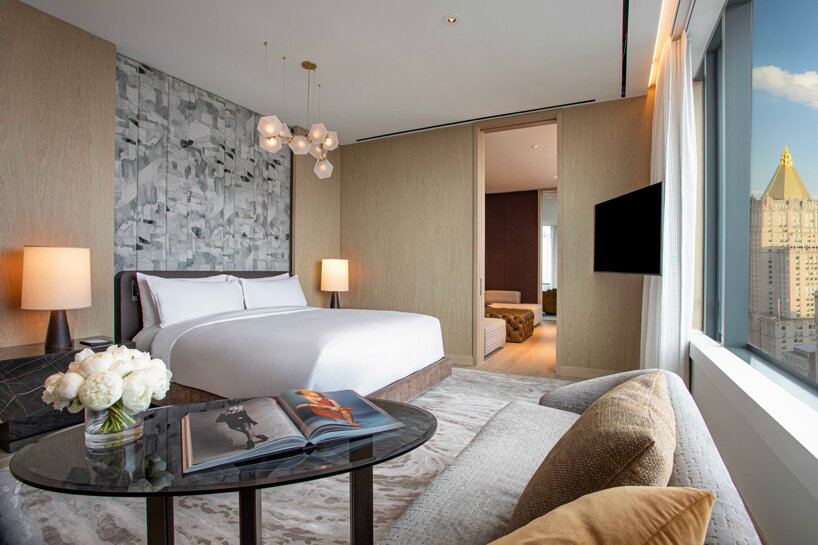
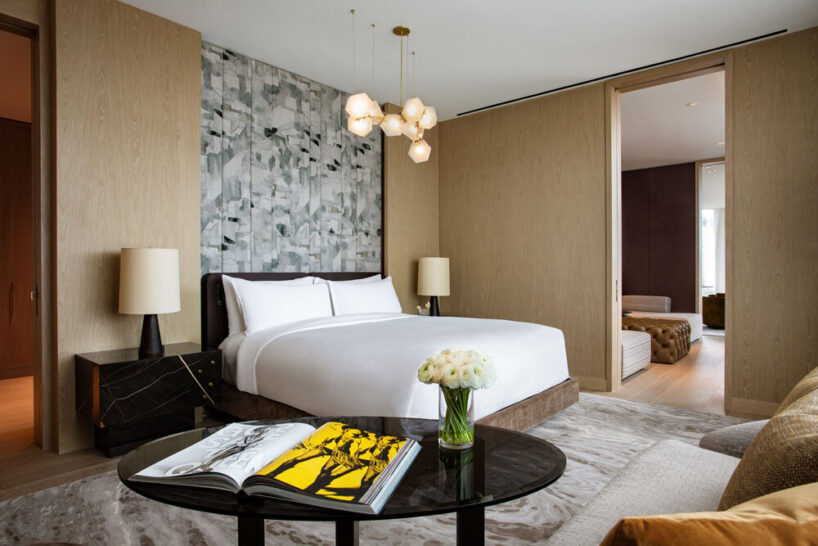
Master Bedroom, image by The Ritz-Carlton New York, NoMad
DB: What I find very interesting is that this neighborhood is not what we’d generally call 100% luxurious. How did you approach developing a Ritz here?
DOK: We’ve pioneered neighborhoods before. For example, when we opened up the Ritz-Carlton in South Beach, that was an area that was kind of dangerous and kind of shifty. People really in the luxury world weren’t going there, there were no luxury hotels.
When you have a Ritz-Carlton, it kind of gives the neighborhood a stamp of approval, that it’s okay to be there. I feel like part of the joy of visiting New York is also witnessing some of the scrappiness, right? That’s just kind of a part of what it is.
I don’t expect that the neighborhood will become all luxury one day, it shouldn’t, it should still be a little bit of everything.
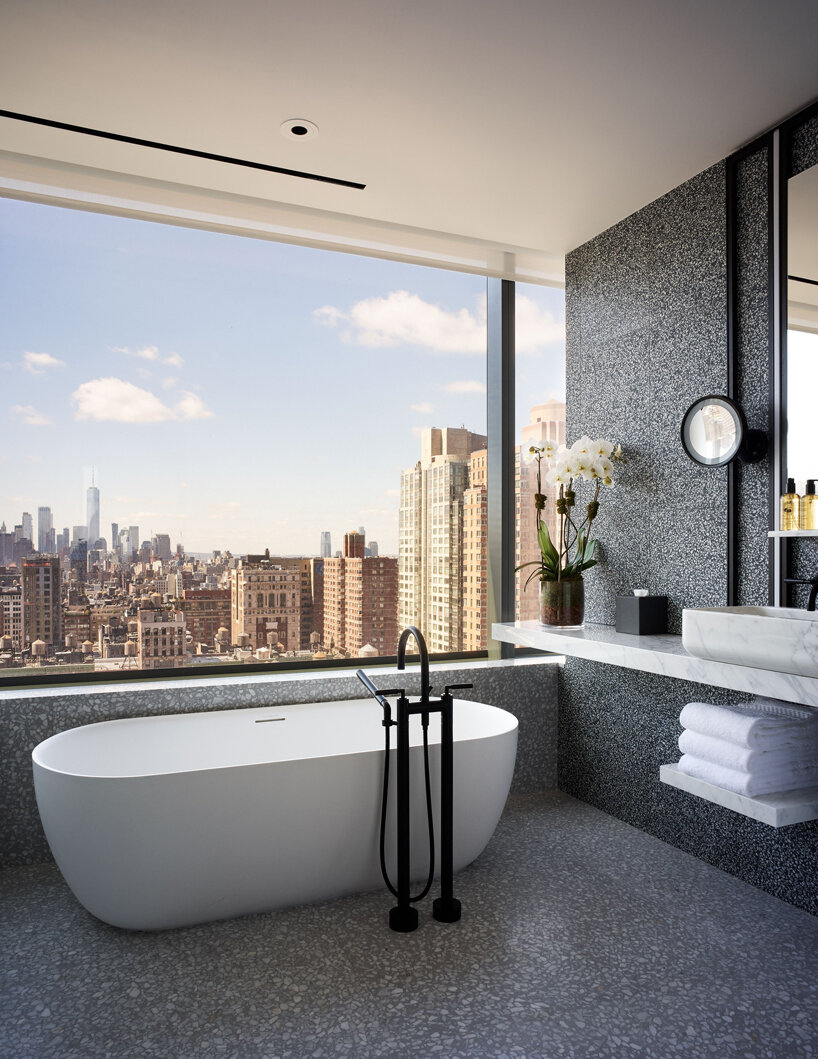
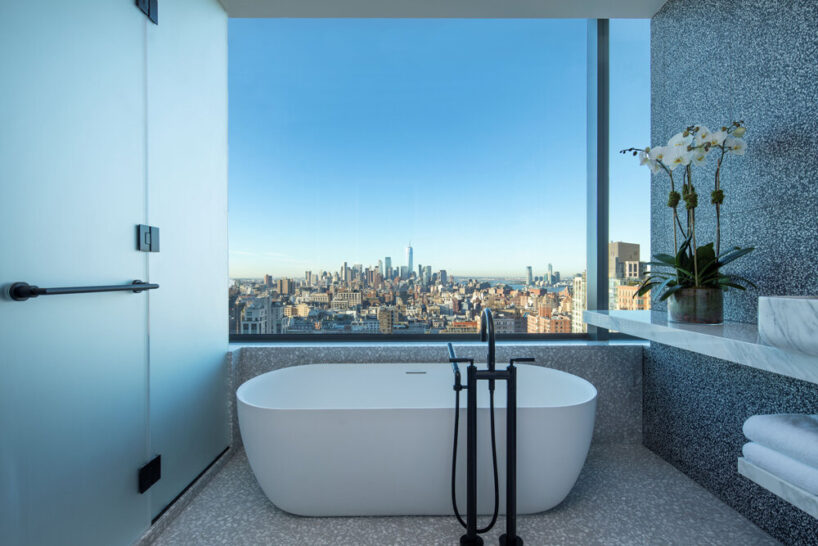
Madison Suite Bathroom, image by Björn Wallander
DOK (continued): Given that our target was the younger customer for Ritz-Carlton, we knew very specifically who we were targeting, and Ritz-Carlton’s customers have been getting younger and younger. The younger they were getting, they started going to boutique hotels or other hotels and not using the traditional Ritz-Carlton uptown.
Because they don’t want to be uptown anymore. It’s a beautiful hotel, they’ve got a great restaurant and everything, but they just don’t want to be in that location. So we knew that if we targeted the younger customer, the younger customer’s more accepting of being in a very mixed neighborhood. They don’t need it to be all, you know, disinfected and antiseptic.
And they are going to pioneering areas for clubs and bars and things like that anyway, so we felt that our customer would really love it. And what’s incredible here is that we’re literally 10 minutes away from almost anything.
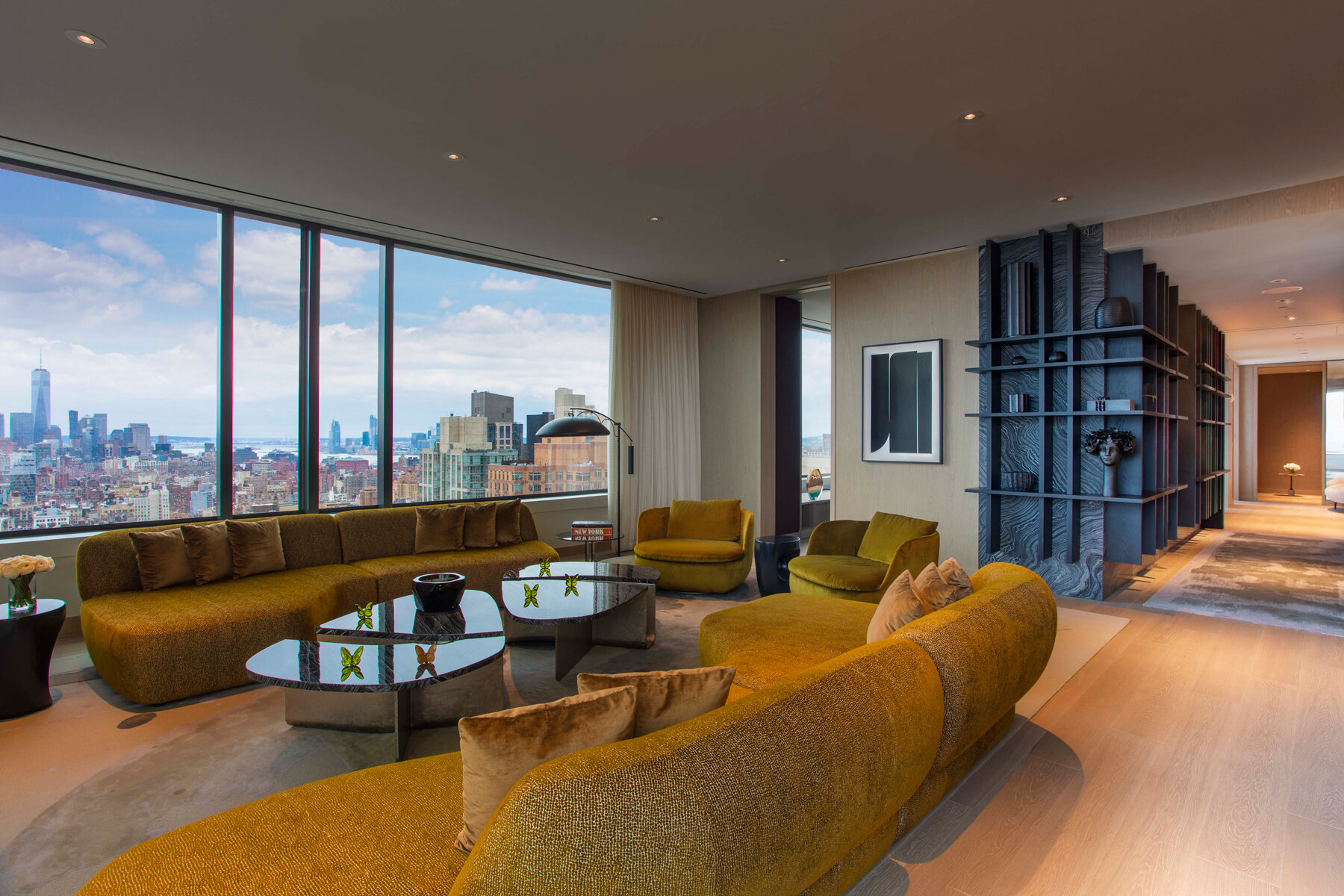
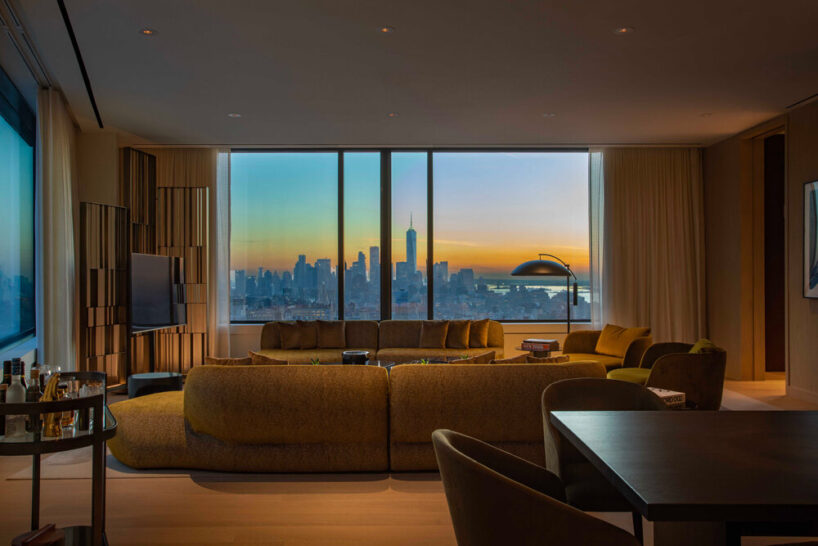
Ritz-Carlton Suite living area, image by The Ritz-Carlton New York, NoMad
DB: I feel the brand is somehow associated with a more established, classic luxury idea, and it’s very interesting to see this more fresh approach.
DOK: Yeah, because this is really the next generation Ritz-Carlton, this is how people see luxury today. Younger customers really want an experience that feels bespoke, and not to feel like they’re in such a giant building that has so much that you’re lost in it. They want a sense of intimacy, they want to be welcomed, they want it to be design-forward, and the design has to be interesting, it’s got to be vibrant.
They want to feel the energy from the restaurants, from the bars, you know, to feel like there’s something going on, not that you walked into a mausoleum.
I was just in a hotel uptown for lunch today and it very much felt like that same old-fashioned thing where you walk in and the front desk is like the cathedral, and then you sit in the lobby bar and everybody’s whispering, and the music is just not vibing. You feel like you’re in an airport lounge.
That was not what we wanted here. We wanted to bring in elements of surprise and delight, to make the experience fun by discovering something little bit different at every corner. We worked with five different interior designers here to create all of these fun, different, unique experiences.
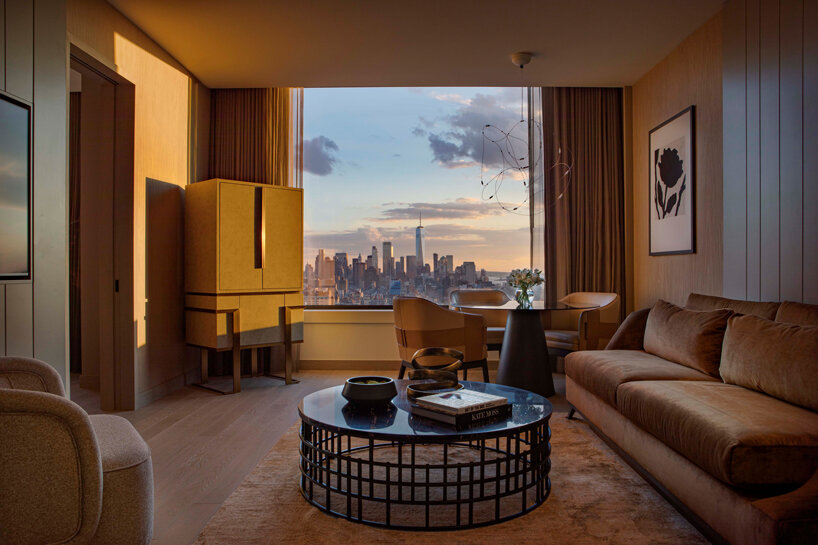
Liberty Club Suite living area, image by The Ritz-Carlton New York, NoMad
DB: I wanted to ask you about the architecture. The building was done by Rafael Viñoly, right?
DOK: Yes, it was the only hotel he built, and he was a big Ritz-Carlton fan. He was so proud to get this job and we actually spent so many hours together, he would draw on his computer or a sketch pad and we would talk it through the whole time. I did a contest where I had five different top architects and I paid them for it so they would show me substantive work.
He was the one that just wanted to work with me all the time, the other other architects, maybe we had one or two meetings, but every day he was like, ‘let’s sit and talk more, I want to know what your vision is, I want to know what you want, do you like the rooms like this?’ We just sat there and talked so much, and when he finally presented his plan, it was the one that made the most sense. That’s how we picked him and it was really exciting, we were very close.
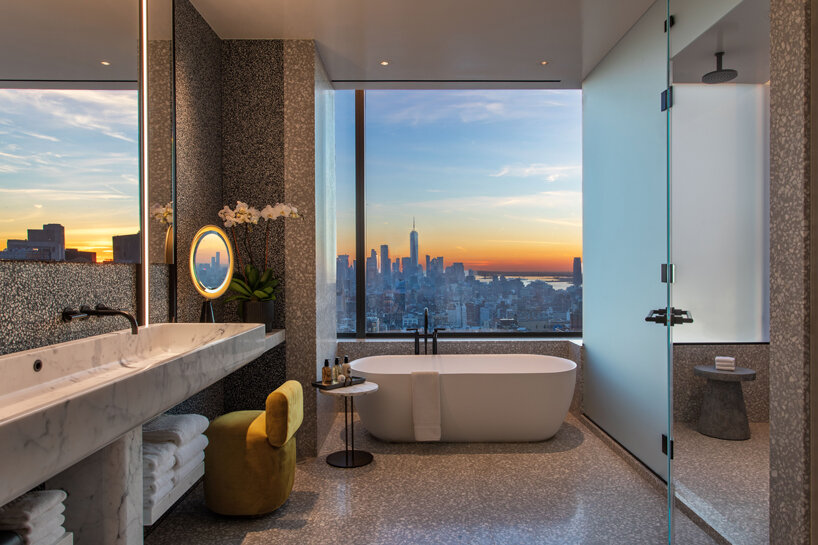
Ritz-Carlton Suite bathroom, image by The Ritz-Carlton New York, Nomad
DB: How was your collaboration? How much were you involved during the process?
DOK: In every detail. I mean, me and Rafael basically made this building. And, you know, as an architect, especially a contemporary architect, the architecture is everything.
They want to make a building from the outside in, and what I explained to all the architects was that I can’t do that because I have such a small plot of land. It’s a very little, tiny, tiny site.
It’s not very big for everything that we have to fit in here, which is a lot of program. And we fought like literally for every square foot. Everything really had to be so carefully thought out, we couldn’t miss one square foot. So I had to have an architect that could build it from the inside out. And that’s really important. Because there was no way that we could fit this program and make it economically viable without that.
And with some of the other architects, they would sacrifice on the number of rooms or this or that. And then it just wasn’t going to pencil for us, financially. So there’s always that push and pull between the finances, between what you’re dreaming in your head and, you know, what you want, and then the reality of how are you going to pay for it.
And because I went to an undergraduate business school, I can think I’m with both sides at the same time and try to make it match without sacrificing the experience. It’s a lot more work for my team because we have to value engineer, everything, things that nobody sees, and we want the guests to have the most luxurious experience. But it is a lot of work to make that happen.
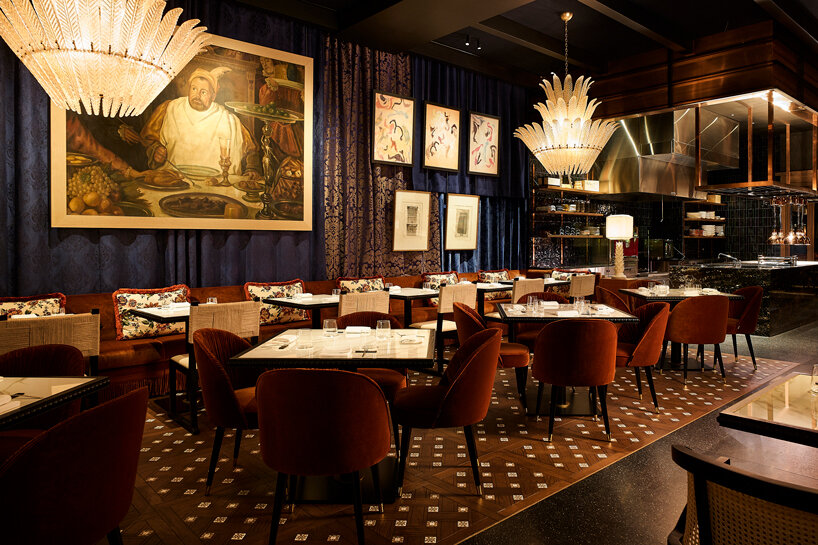
The Bazaar restaurant, image by Björn Wallander
DB: I think that’s one of the reasons why it stands out in such a competitive landscape like New York, too, is because it’s very guest-forward. A lot of the experiences are very guest-centered and guest-forward.
DOK: People are looking for that. I mean, you look at all the boutique hotels and how well they do and how much people identify with the personality of that hotel or whether it’s the designer or the owner that has a really specific point of view.
And this hotel is the kind of place where you’re kind of getting the best of both worlds. You’re getting an owner that understands and is really passionate about what the owner wants to deliver to the guest with the very best operator in the world, in the luxury world today. It’s a really unique experience because a lot of times the boutique hotels can’t offer that kind of thing. They can’t offer also the same kind of program, they don’t have the same kind of spa that we have or room service for the amount of hours that we have room service.
A lot of them don’t even have room service, right? We’re offering a full-service hotel, but with this bespoke boutique experience.
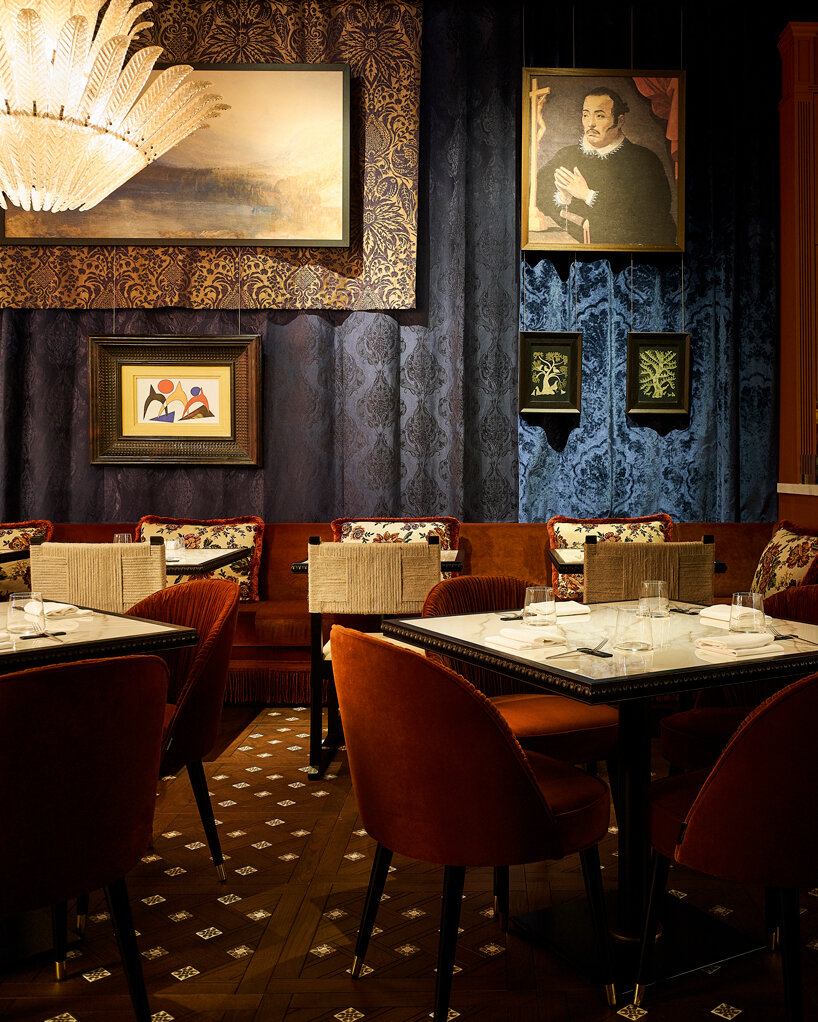
The Bazaar, image by Björn Wallander
DB: How would you define the experience of a luxurious place today? Like what are the key elements that compose this experience?
DOK: Luxury as a term can be really overused, right? And it can mean a lot of things to a lot of people, but what it means to me is knowing that things have been handcrafted, that things have been bespoke, that they have been especially chosen, in the selection of the fabrics, the materials.
Almost everything in this hotel is custom, very few things are not. It’s something that was really made specifically here, you’re not going to see my minibar anywhere in the world. It’s not a copy of anything, we didn’t buy it the way it was and then wrapped it different. It was totally designed and created just for this property.
I think that first has to do with craftsmanship, and with attention to detail in all of the physical spaces, and then, of course, luxury is an experience. What people want is they want service, and they want service with a smile. They want people to be generous. They want people to be anticipatory. And, of course, this is what Ritz-Carlton delivers so beautifully on. The experience is everything.
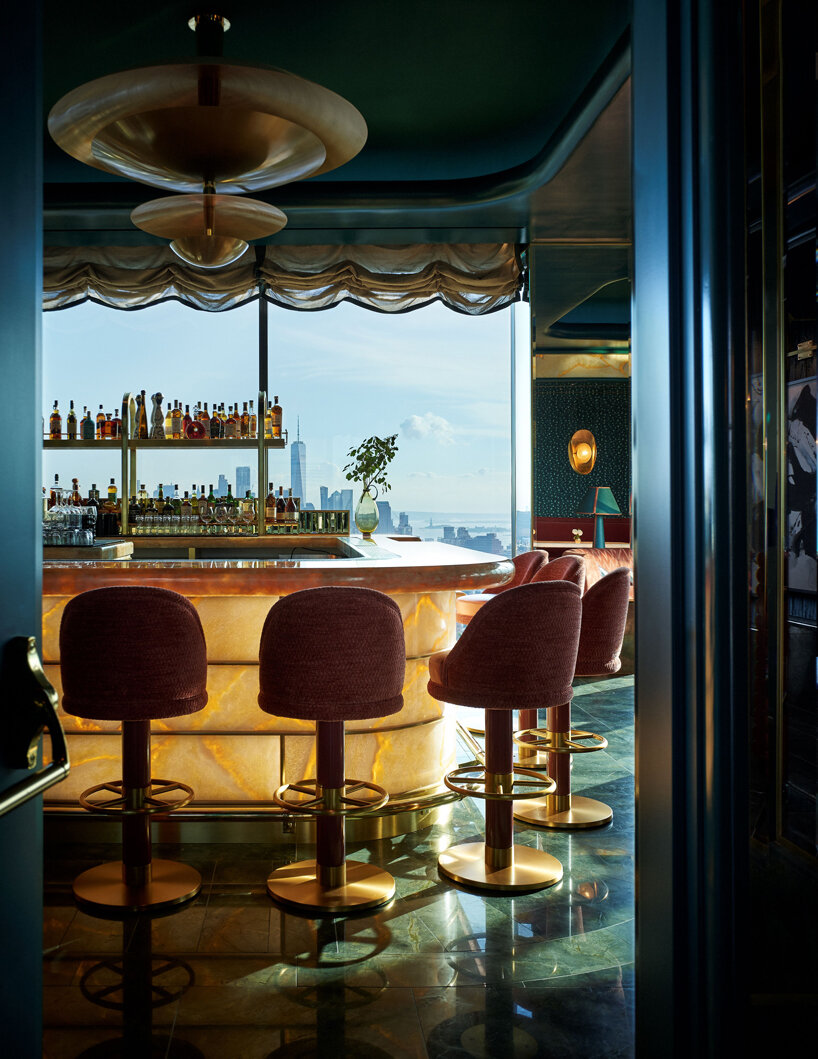
Nubeluz, image by Björn Wallander
DOK (continued): So how can we bring it all together, which is, have a friendly place to check in but know that you have access to a beautiful living room, knowing that you have access to all these extra bars and that we have two restaurants and we’ve got an incredible chef in-house, Chef Jose Andres that is also doing all the room service and all of the amenities. He’s really baking his own bread you know, everything is from scratch down there. His attention to detail is incredible.
And that experience, knowing that everything really does have a person behind it and people really care about what they’re delivering, that is what is bringing the experience to life.
For the younger customer, I think it’s about not having to be in a stuffy room with a white tablecloth to have a caviar. You can have your jeans, have a nice shirt, but you don’t have to wear a blazer and you can do caviar bumps upstairs. That’s now luxury, right? Luxury is being able to have your caviar and a bottle of champagne, spend $10,000 if you want to with your friends, but wearing jeans, not having to wear a jacket and a suit and all of this. It doesn’t feel luxurious anymore to the younger customer.
They still look smart and they still look elegant, just because you’re casual doesn’t mean you don’t look good, nobody here looks trashy or anything, but I think it’s really important when you understand the psyche of your customer.
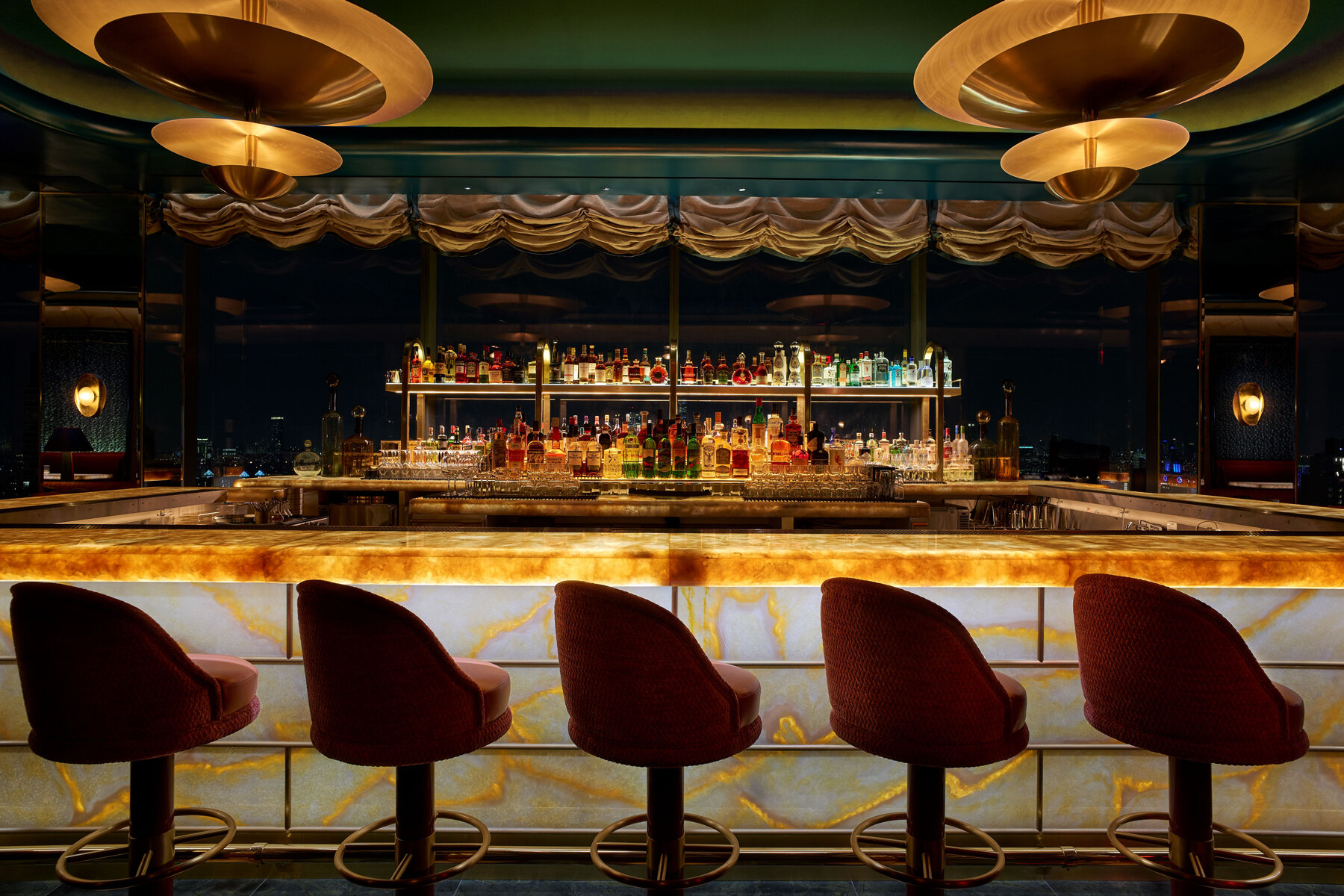
the bar at Nubeluz, image by Björn Wallander
DB: It all feels more like ‘inclusive luxury’, where you factor a lot more elements in rather than just appearing expensive or unattainable.
DOK: The shift is really about including more, yes. You need to take the stuffiness out of the service, that over-formality.
DB: A lot of times you go to these new design hotels and they are very well designed, but the service is not there anymore. Even for super simple things, like slippers in the room, that you have to call and ask for. It’s very simple things that make a difference in the end.

Bar Seating, image by Björn Wallander
DOK: Many times the boutique design hotels, they don’t understand what the customer really needs, right? Some things are just really basic that Ritz Carlton knows so well.
Like when we design a bathroom, for example, all the dimensions have to match what Ritz Carlton expects, so they give us they give us very specific guidelines like we have to have a certain number of drawers, a certain amount of hanging space, a certain amount of space for cosmetics, lighting, all of these things have to be a part of your design.
You can’t just design any room and say, oh, Ritz Carlton’s gonna put their name on it. That is a really beautiful thing because they know the science of that room design of how it needs to service the customer and how the customer has to have everything in its place. It’s a science and people that are used to a luxury hotel know that they’re still gonna find everything here even if we are catering to a younger customer, but we do get the older customer too.
I think that people can still deliver great service without it being so hyper formal, and it should be fun.
project info:
name: Ritz-Carlton New York, NoMad | @ritzcarltonnewyorknomad
architect: Rafael Viñoly Architects | @rva_ny
design teams: Rockwell Group, Lázaro Rosa-Violán Studio, Martin Brudnizki, SUSURRUS International
developer: Flag Luxury Group | @flagluxury
location: 25 W 28th St, New York, NY 10001
photography: © Björn Wallander, Jason Varney, Iris and Light, BFA ,The Ritz-Carlton New York, Nomad
architecture in new york (664)
 Mar 20, 2026
 Mar 19, 2026
 Mar 16, 2026
 Mar 03, 2026
 Feb 10, 2026
architecture in the US (1659)
Mar 19, 2026 Mar 16, 2026 Mar 12, 2026
 Mar 12, 2026
 Mar 06, 2026
david rockwell (34)
 Oct 16, 2025
 Sep 30, 2025
 Feb 13, 2025
 Nov 26, 2024
 Jul 27, 2024
hotel architecture and design (759)
 Mar 10, 2026
 Mar 05, 2026
 Feb 19, 2026
 Feb 11, 2026
 Feb 11, 2026
rafael vinoly architects (34)
 Jan 26, 2024
 Nov 08, 2023
 Mar 08, 2021
 Sep 27, 2020
 Mar 14, 2019
 Mar 18, 2026
 Mar 18, 2026
 Mar 12, 2026
 Mar 11, 2026