crossboundaries designs network of buildings to form village-like kindergarten in rural china
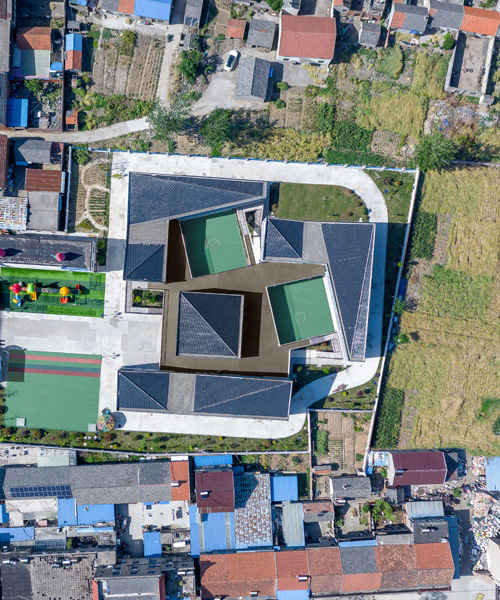
the structures create a relatively enclosed and protected setting for children to play and learn together.
prefer designboom on google[FEATURED]
in a rural part of china’s jiangsu province, beijing-based firm crossboundaries has completed a kindergarten that intends to reconnect children with their families and communities. following the completion of a project with a similar brief in the same region, the architects again designed the kindergarten as a network of buildings ‘anchored in the values of a village’.
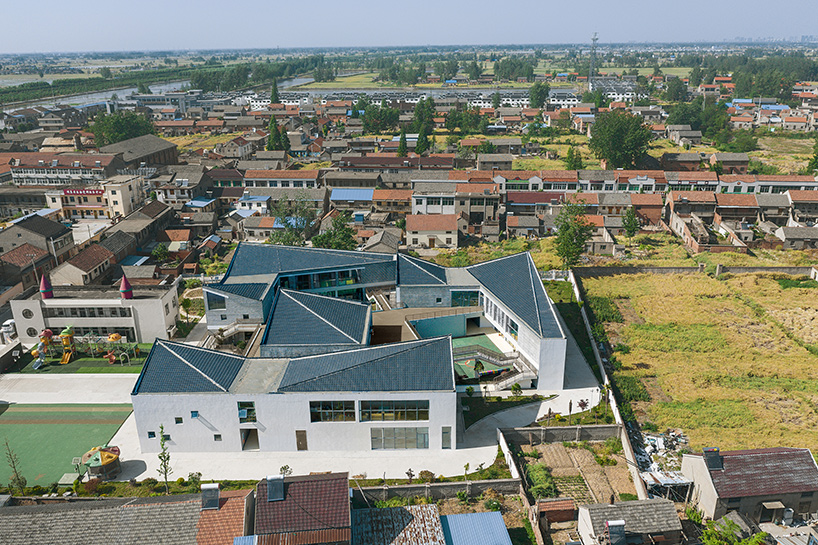
image by wu qingshan (also main image)
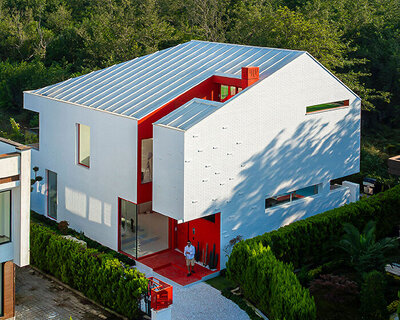
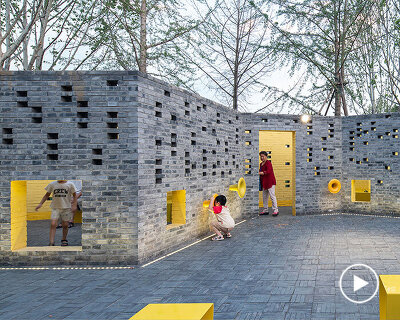
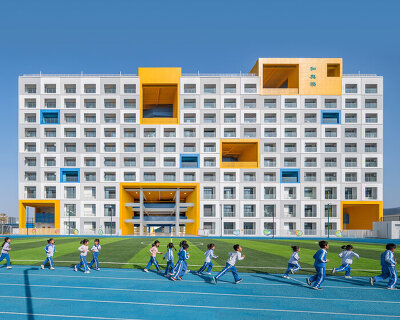
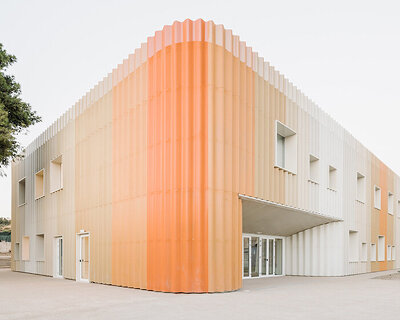
‘shuoji kindergarten’ is located within the core of a thriving county town, densely occupied by commercial businesses, institutions, and production facilities and characterized by traffic passing through the site. acknowledging this context, crossboundaries designed a group of independent multi-story buildings, which create a relatively enclosed and protected setting for children to play and learn together.
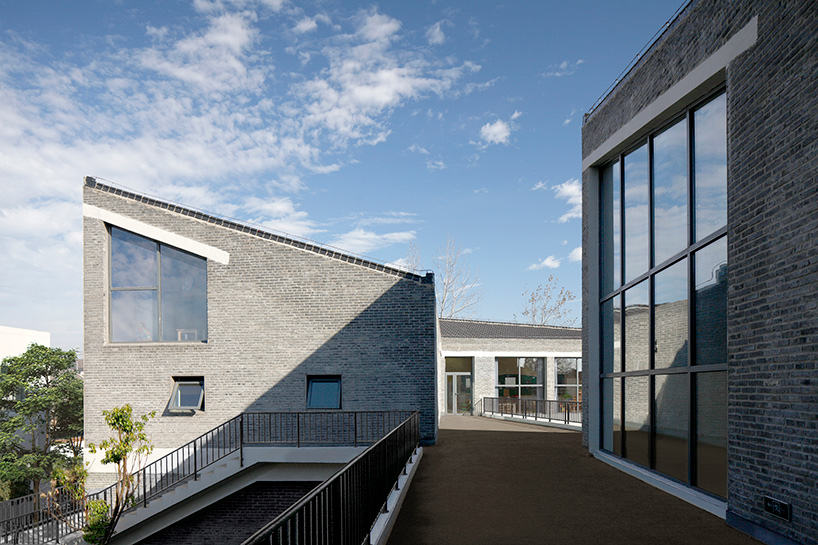
image by mini liu
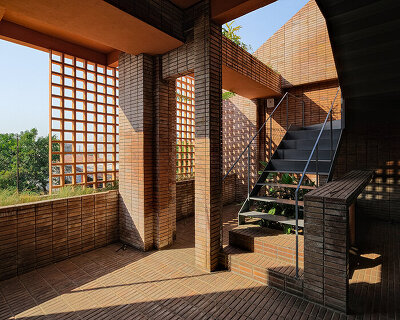
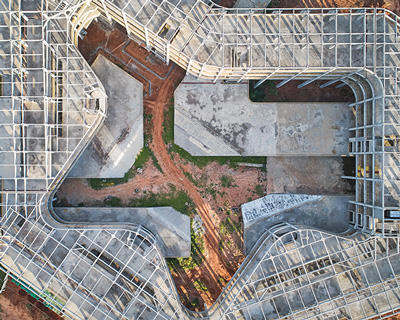
the design team’s approach was to encourage the children to ‘learn by doing’, resulting in a lot of play areas for creativity and socialization. ‘each building in the group houses a self-contained community for smaller groups of children,’ crossboundaries explains. ‘deliberately, the primary circulation connecting each ‘house’ is displaced into the shared outdoor play area increasing the opportunity for social intimacy and exploration.’
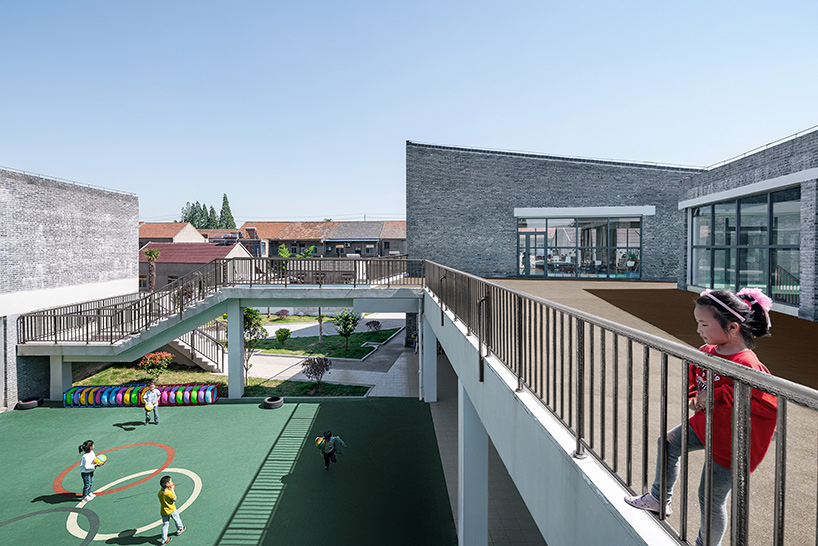
image by wu qingshan
the project imitates the scale and forms familiar to the local village dwellings, while simultaneously standing out with its simplified collection of volumes. the façades consist of two main materials: the locally produced grey bricks found on the surfaces oriented towards the center of the site and its inner courtyards, and the contrasting white plaster seen on the outer sides.
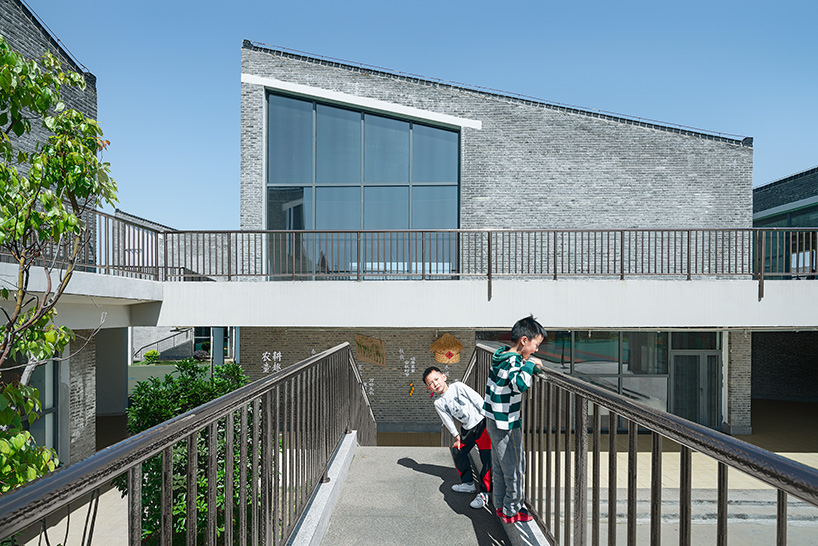
image by wu qingshan
‘whether it be an urban or rural area, the goal of education should always be to enable students to develop themselves and form independent personalities, in order to make meaningful choices for themselves in futures that are currently still unpredictable,’ says crossboundaries. ‘through our designs, as architects, we can introduce child-centered educational ideas that mediate with communities’ needs for cohesiveness to be able to serve as a ‘village’. this should become a universal approach of educators and those affiliated with the environments for education, rather than some luxury approach only available in first tier cities.’
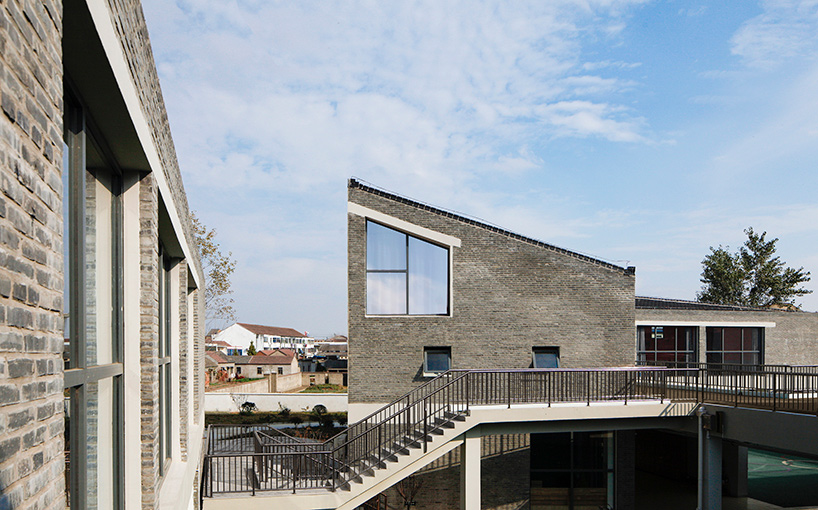
image by mini liu
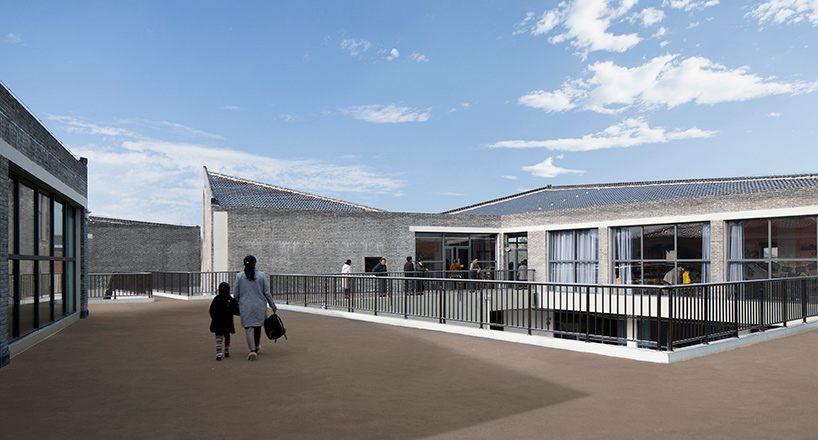
image by hao hongyi
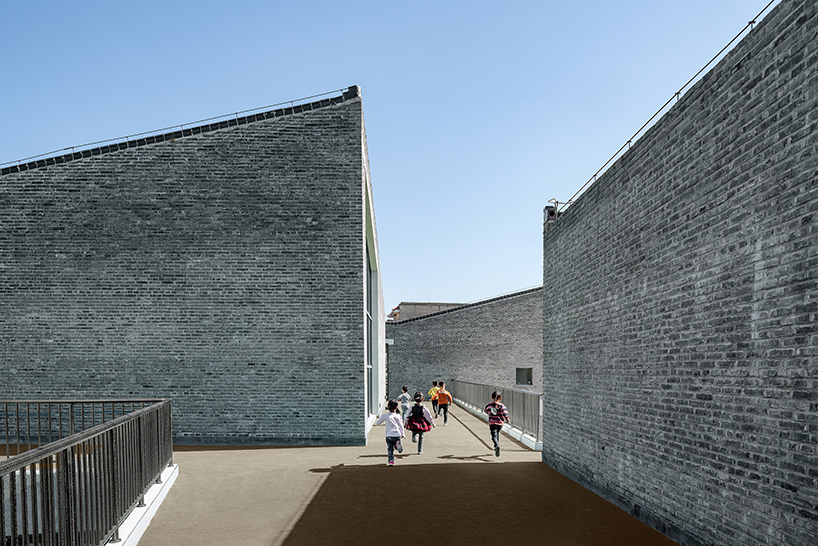
image by wu qingshan
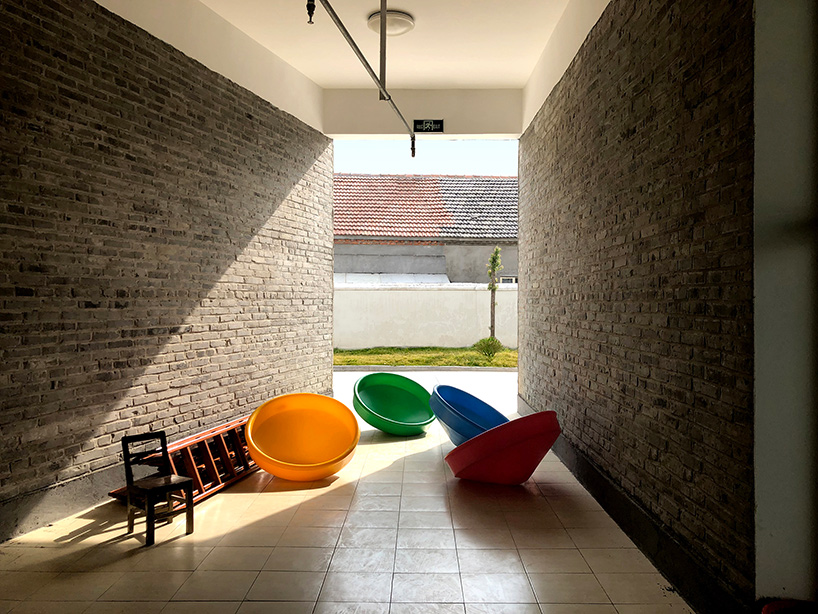
image by mini liu
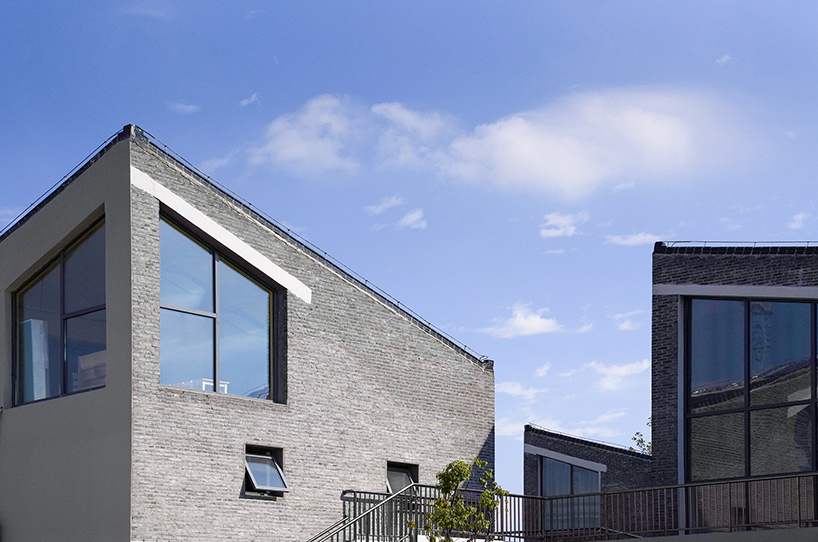
image by mini liu
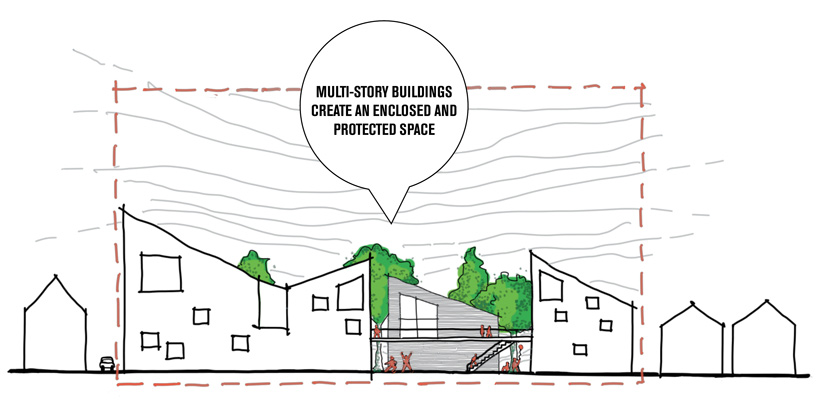
image by crossboundaries
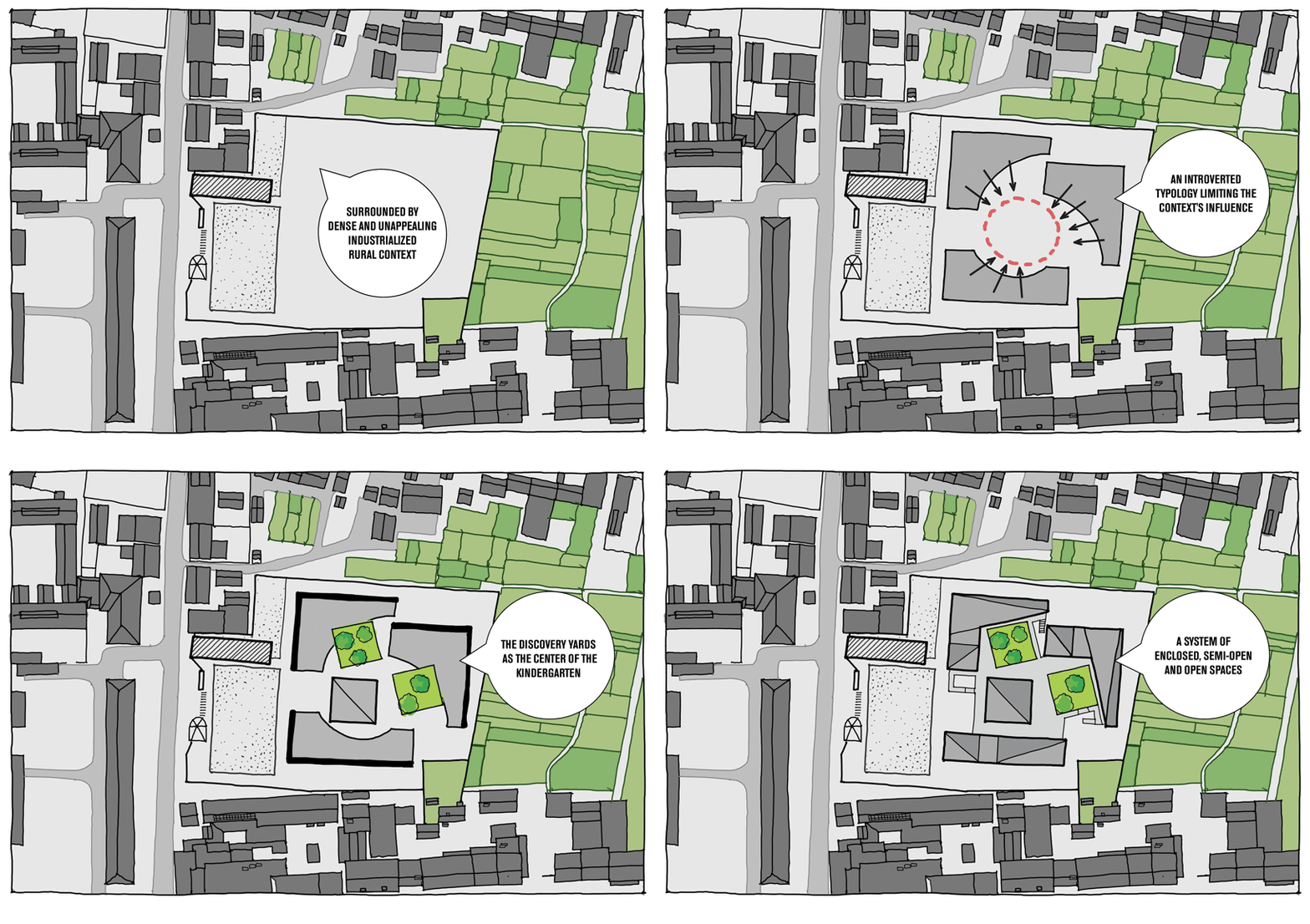
images by crossboundaries


1/13
project info:
location: shuoji community, fu’ing county, jiangsu, china
client: education bureau of fu’ning county, jiangsu
total architecture area: 3,141 sqm
number of students: 300
design period: december 2015 – september 2016
construction period: april 2017 – august 2018
completed: august 2018
architect: crossboundaries, beijing
partners in charge: binke lenhardt, dong hao
design team: tracey loontjens, alan chou, andra ciocoiu, hao hongyi
photographers: wu qingshan, hao hongyi, mini liu
shop
your own online design shop — no sales commission collected