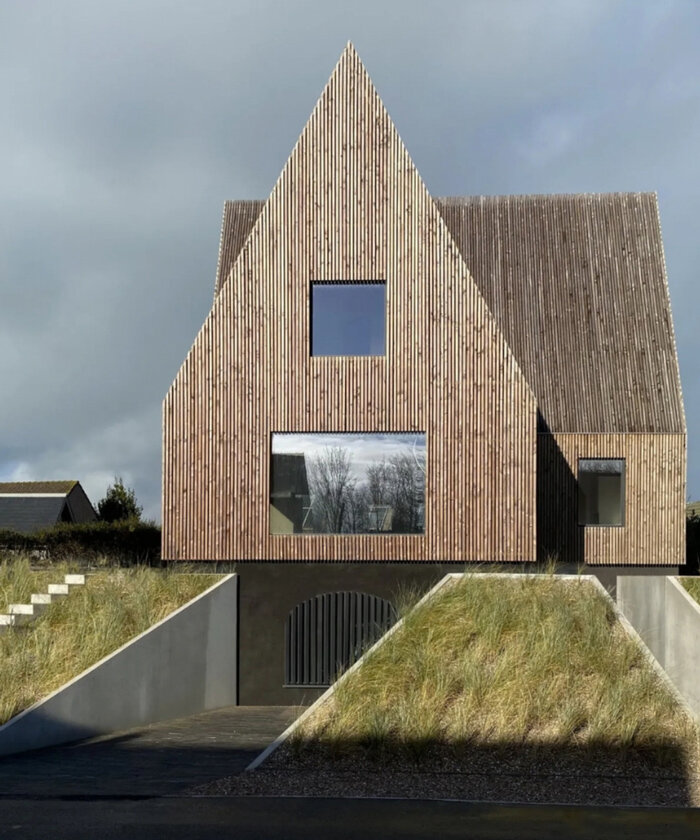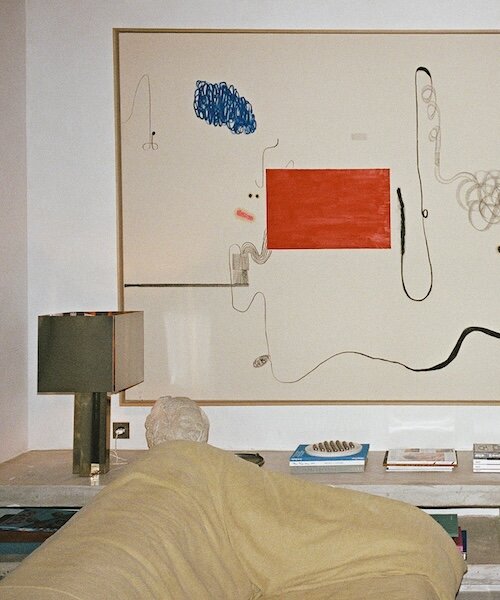
david altrath on architectural photography as an experience of space
in a personal reflection on his practice, the architectural photographer considers what happens between experiencing a building in person and translating that experience into a photograph.
[ADVERTISEMENT]
before the first photograph
Sometimes I arrive at a building and don’t take a photograph for the first hour. I walk around. I look at the light, the floor, the ceiling, the way one room leads into another. I pay attention to the materials and how they change depending on where I stand. Sometimes I know the building well from photographs. Sometimes I have travelled a long way to see a place I have been curious about for years. Other times, I arrive with very little idea of what to expect. Usually, I have an idea of what I am looking for. It is quite often wrong.
Once I am actually there, the building starts to feel different. A photograph can give you an idea of a place, but it can never really tell you what it feels like to stand inside it. You don’t know how the shadows fall, how the light moves through the room, how loud the space is, how cold the concrete feels, or how your perception changes as you walk through it. I think this is one of the reasons I became interested in photographing architecture in the first place. I like the moment when a building stops being an object and becomes an experience.
LOOKING BEYOND THE FAMILIAR IMAGE
I don’t enter a building thinking about how to make it look impressive. Especially with places that are already well known, I am more interested in finding something beyond the images I have seen before. There might be a famous view, a perfect symmetry or a photograph that seems to represent the building. When I finally stand there, that image is inevitably somewhere in the back of my head. But I don’t want to simply reproduce it. I want to find out what I see when I am actually there.
Sometimes that means looking for a different viewpoint. Sometimes it is a detail that would be easy to overlook: a shadow moving across a wall, a reflection, the way two surfaces meet, or a person crossing a space at just the right moment. Often, it is simply about waiting. The light might not be right, or I might not have understood the space yet. So I walk around some more, trying to work out what catches my attention and why.
LEARNING TO SEE THROUGH THE CAMERA
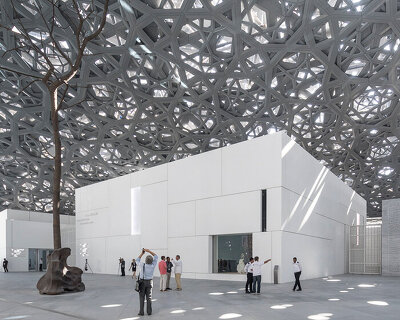
I often wonder whether I would look at buildings in the same way if I wasn’t photographing them. Probably not. The camera has made me much more aware of things I might otherwise walk past. I notice distances, edges, repetitions and small changes in light. I look at how a dark opening frames another room, or how a single person changes the scale of an enormous space.
The camera also forces me to make decisions. Where do I stand? What do I leave outside the frame? How much of the room do I actually need? Sometimes moving half a metre changes the entire image. Photographing architecture is not simply about documenting what is there. It is about choosing a particular way of seeing it. Two people can stand in exactly the same room and come away with completely different photographs. The building hasn’t changed, but the position of the person looking at it has.
WHEN A BUILDING BECOMES MORE THAN AN IMAGE
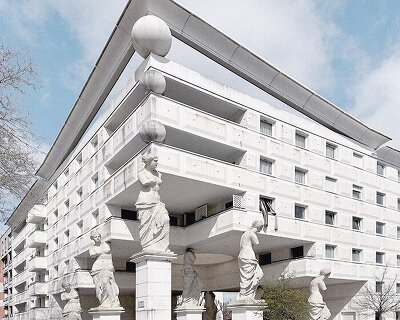
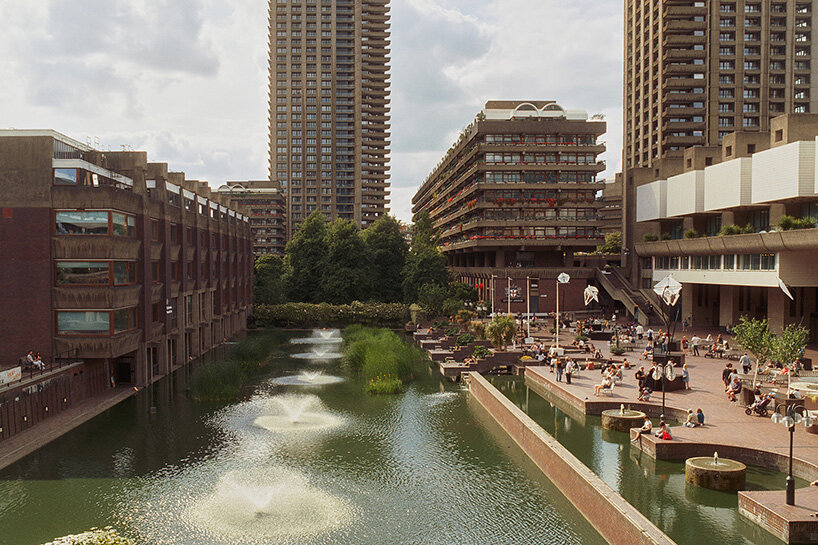
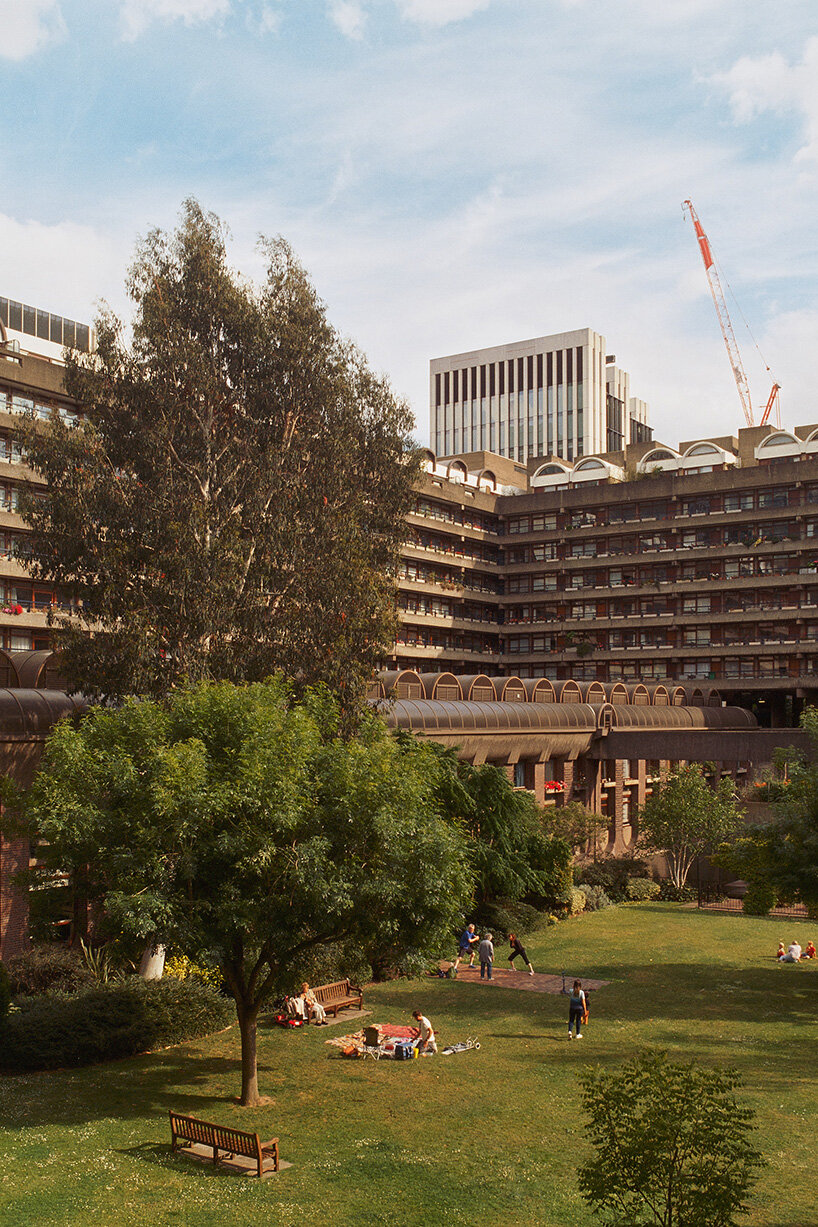
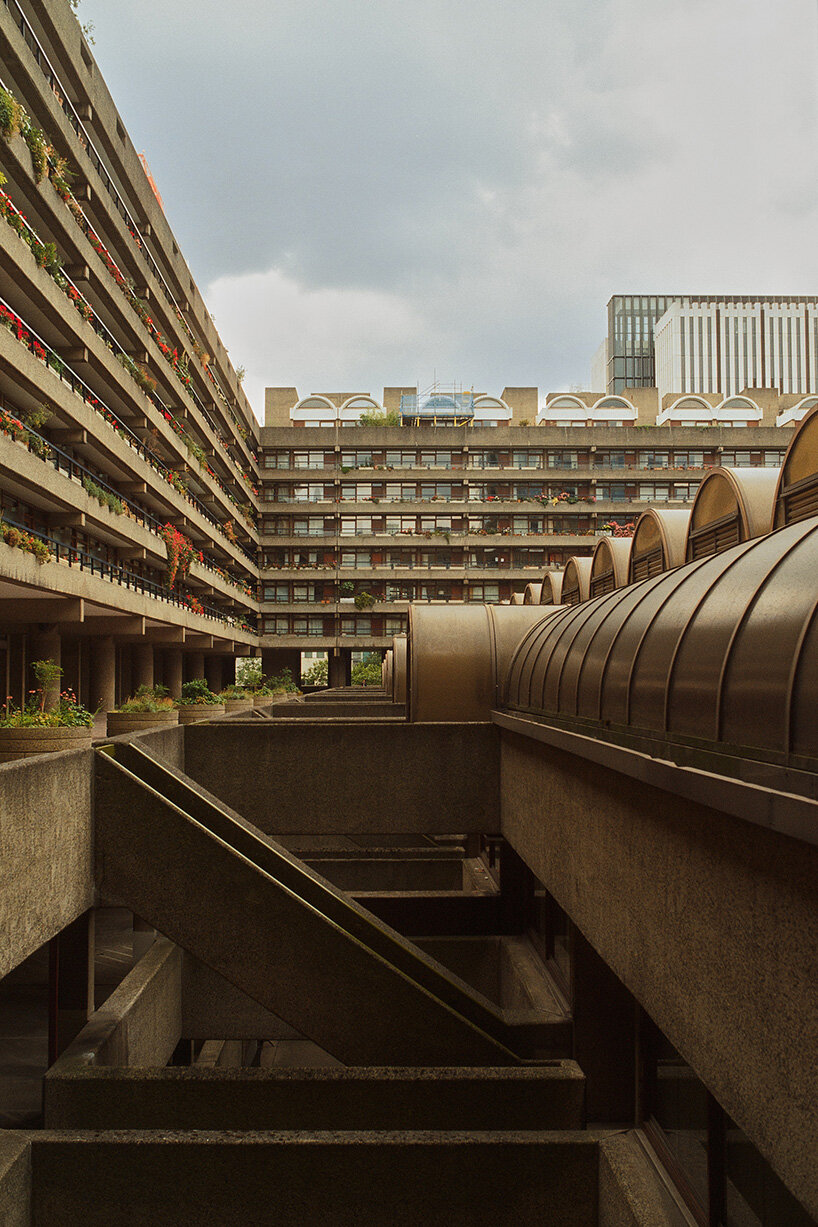
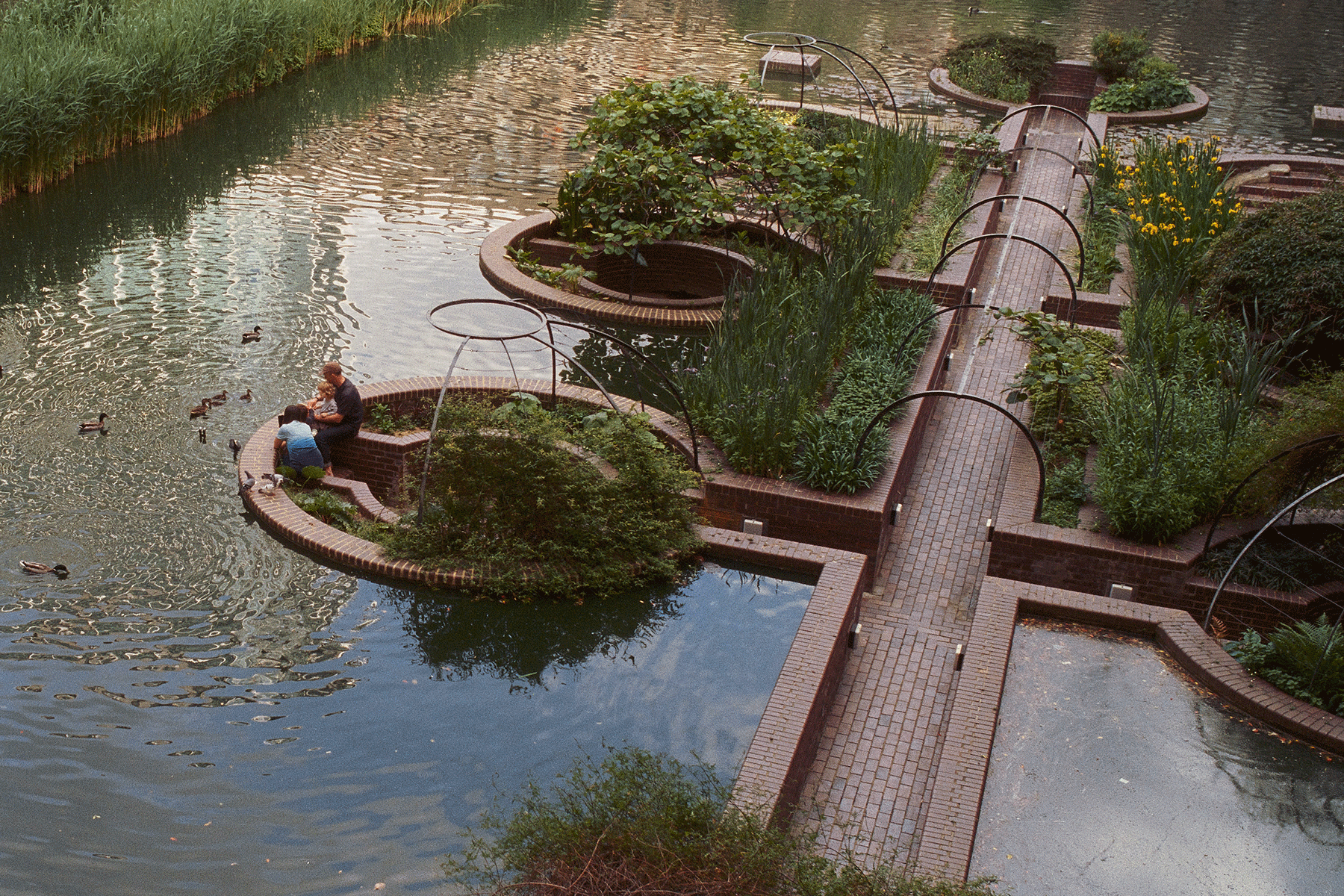
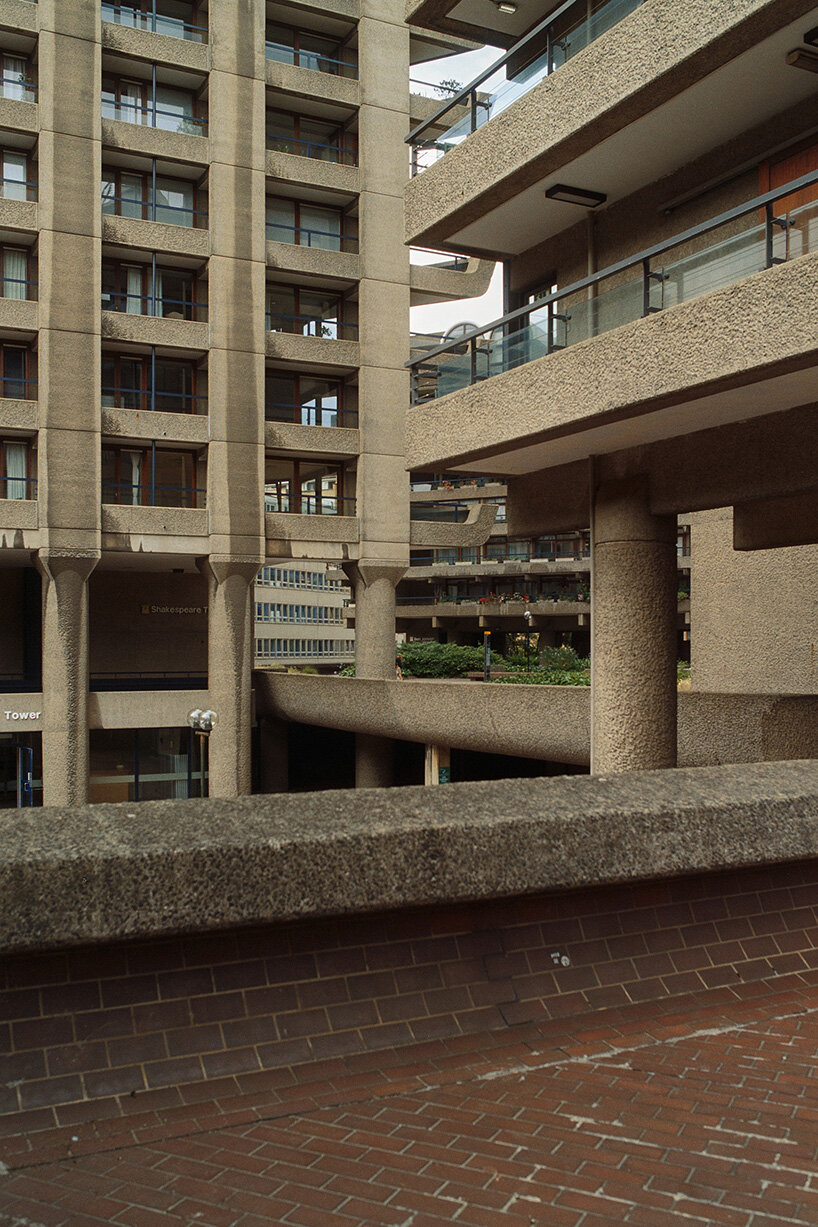
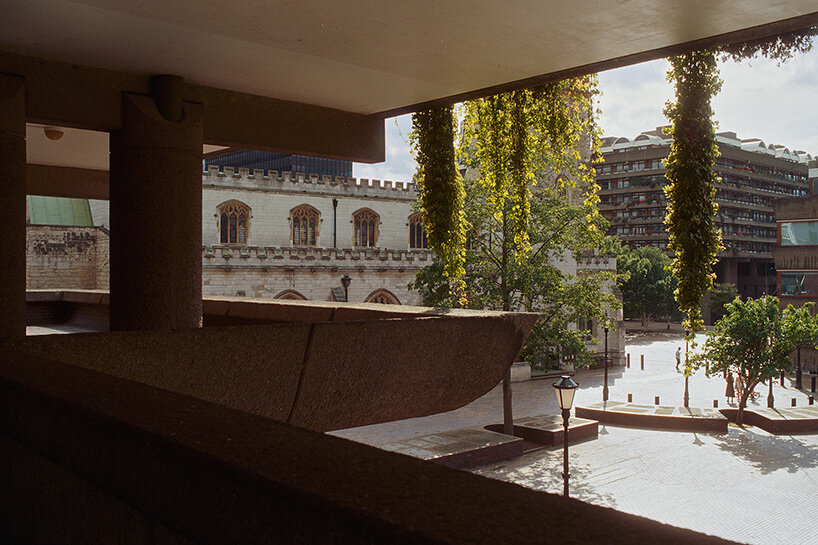
I am drawn to architecture with a strong visual language: monumental concrete structures, large churches, repetitive facades and vast interior spaces. But I don’t photograph these places simply because they are spectacular. In fact, the spectacle can sometimes get in the way. I am more interested in what happens when the first impression wears off and I begin to notice things that are less obvious. The Barbican in London is a good example. It is an incredibly recognisable place, and there are countless photographs of its architecture. But spending time there changes the way you see it. The concrete is only one part of the experience. There is the vegetation, the water, the people, the light and the small domestic details. The building becomes less like an image and more like a place.
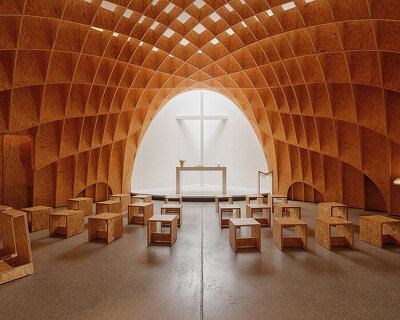
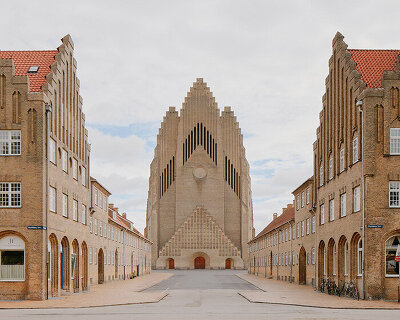
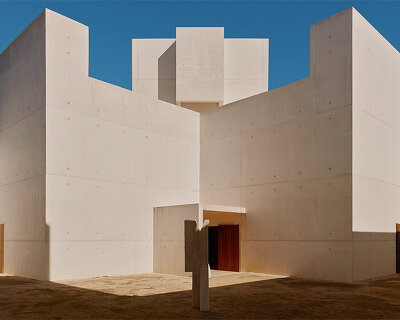
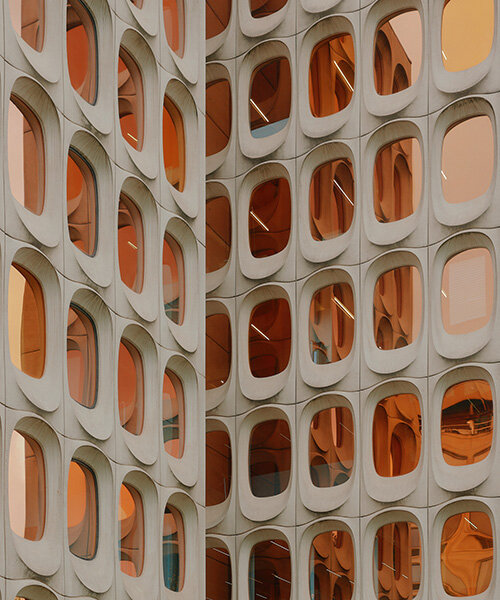
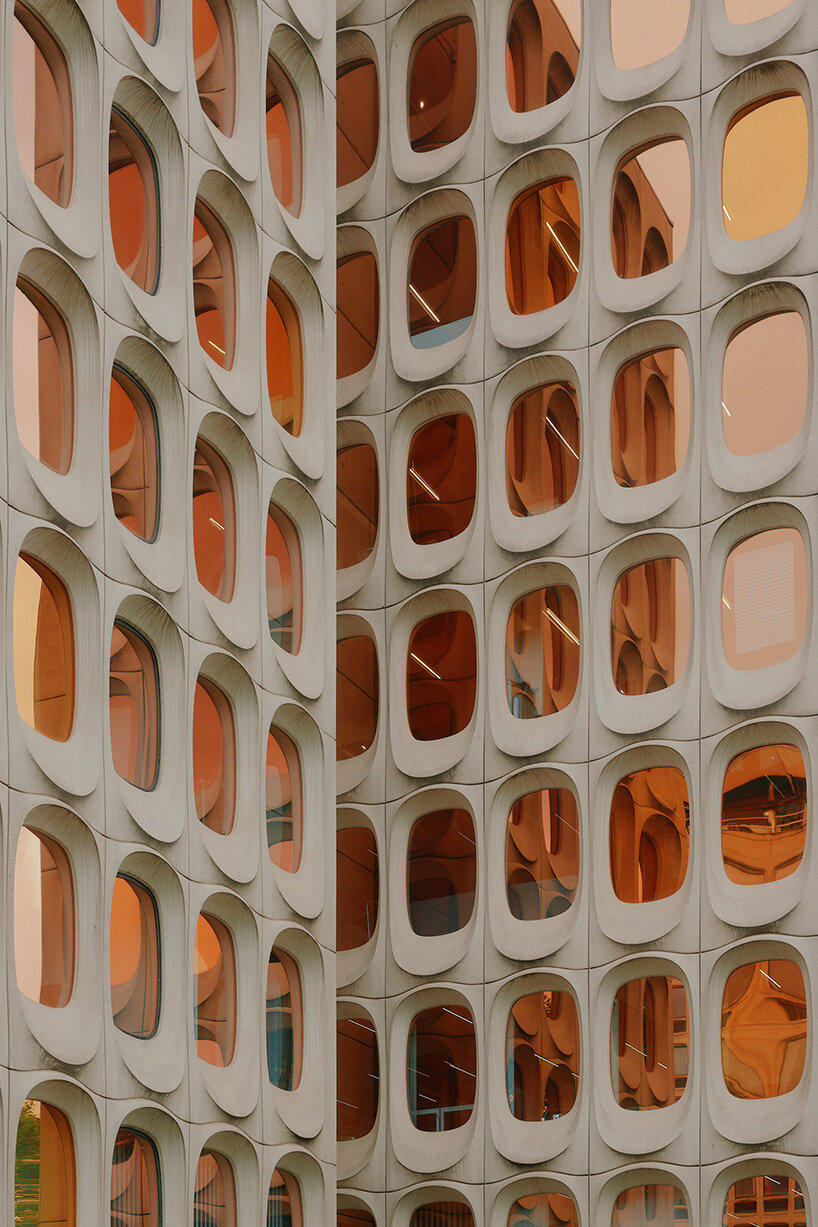
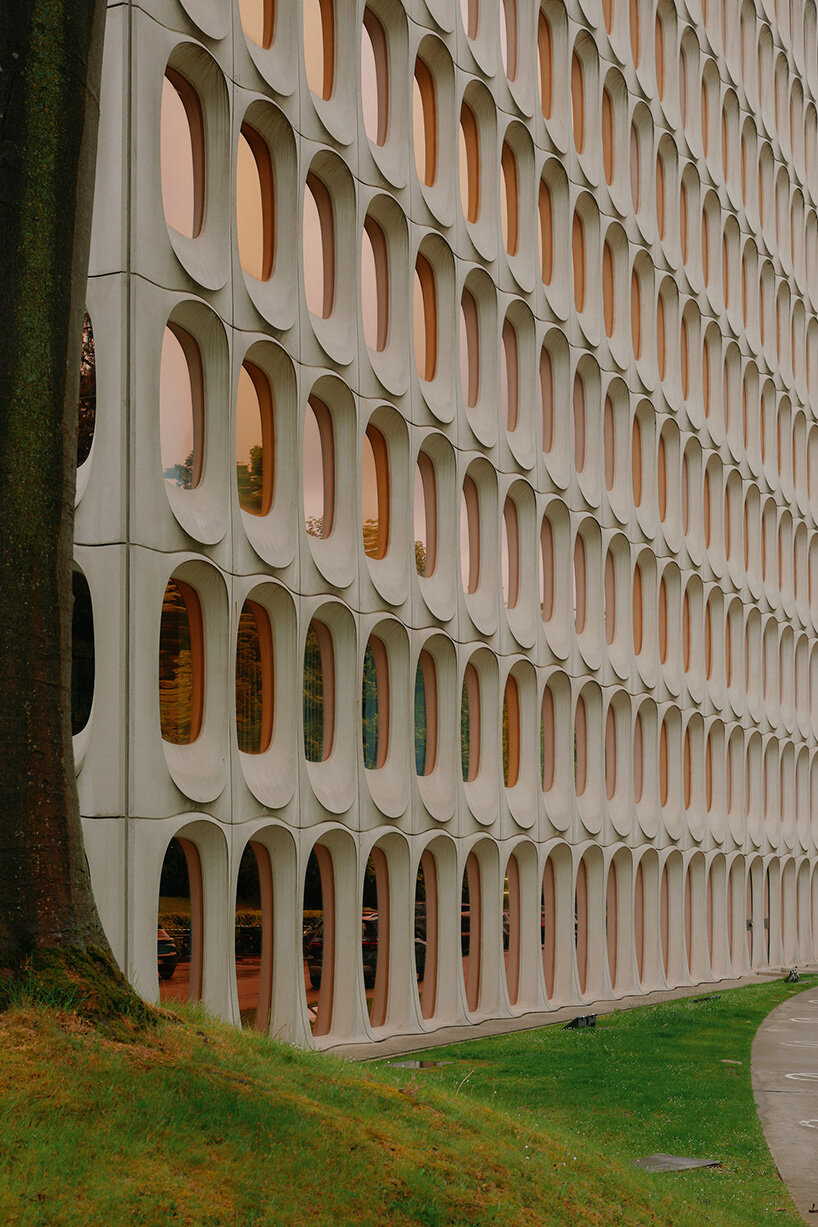
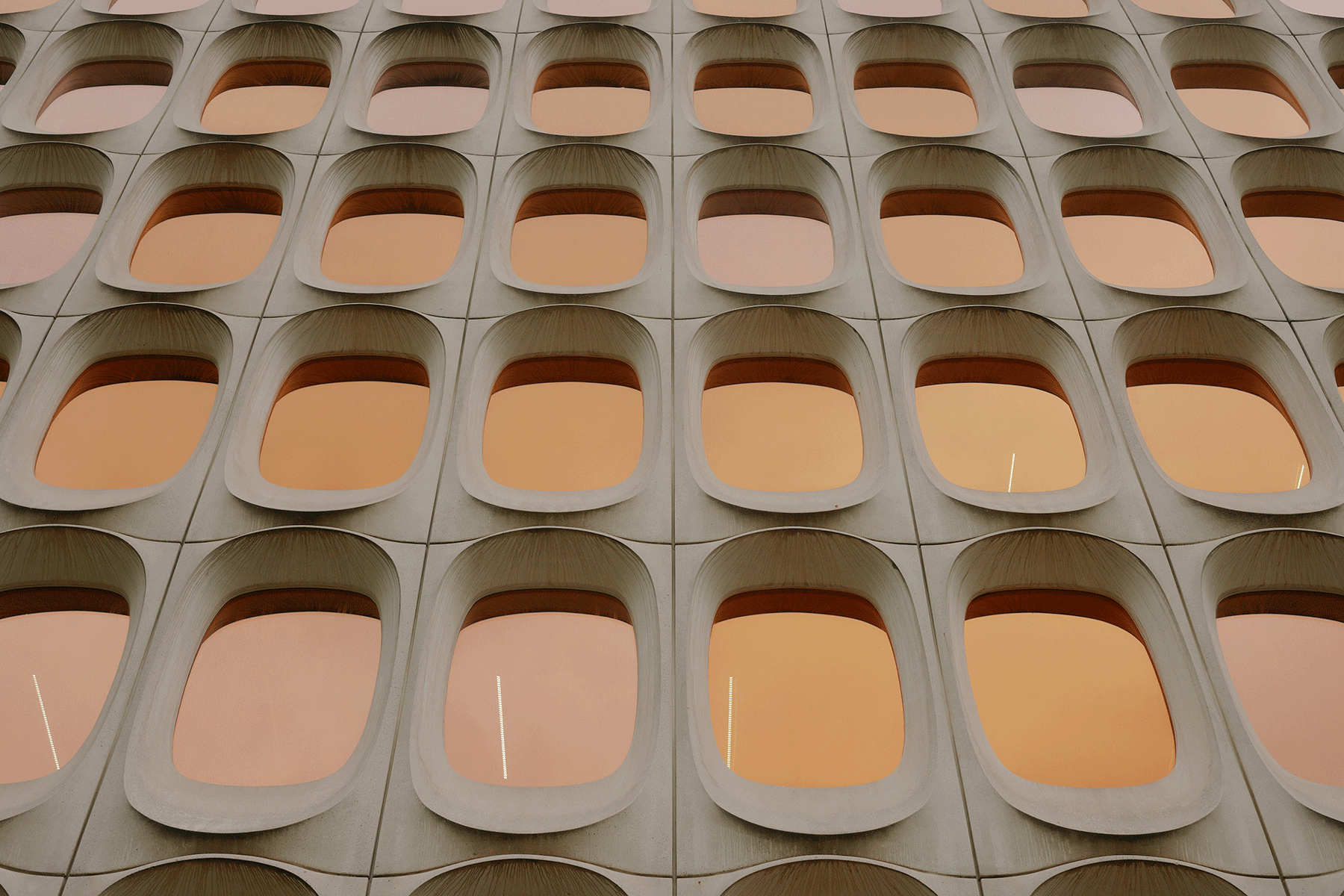
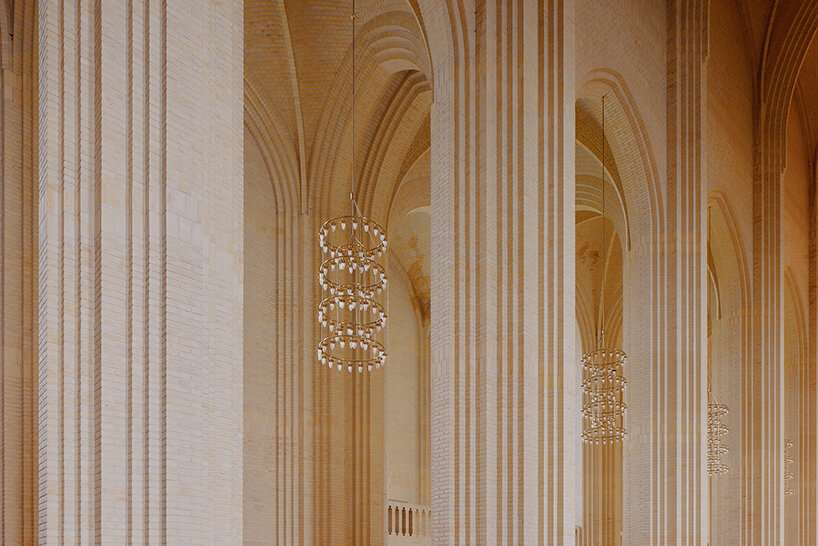
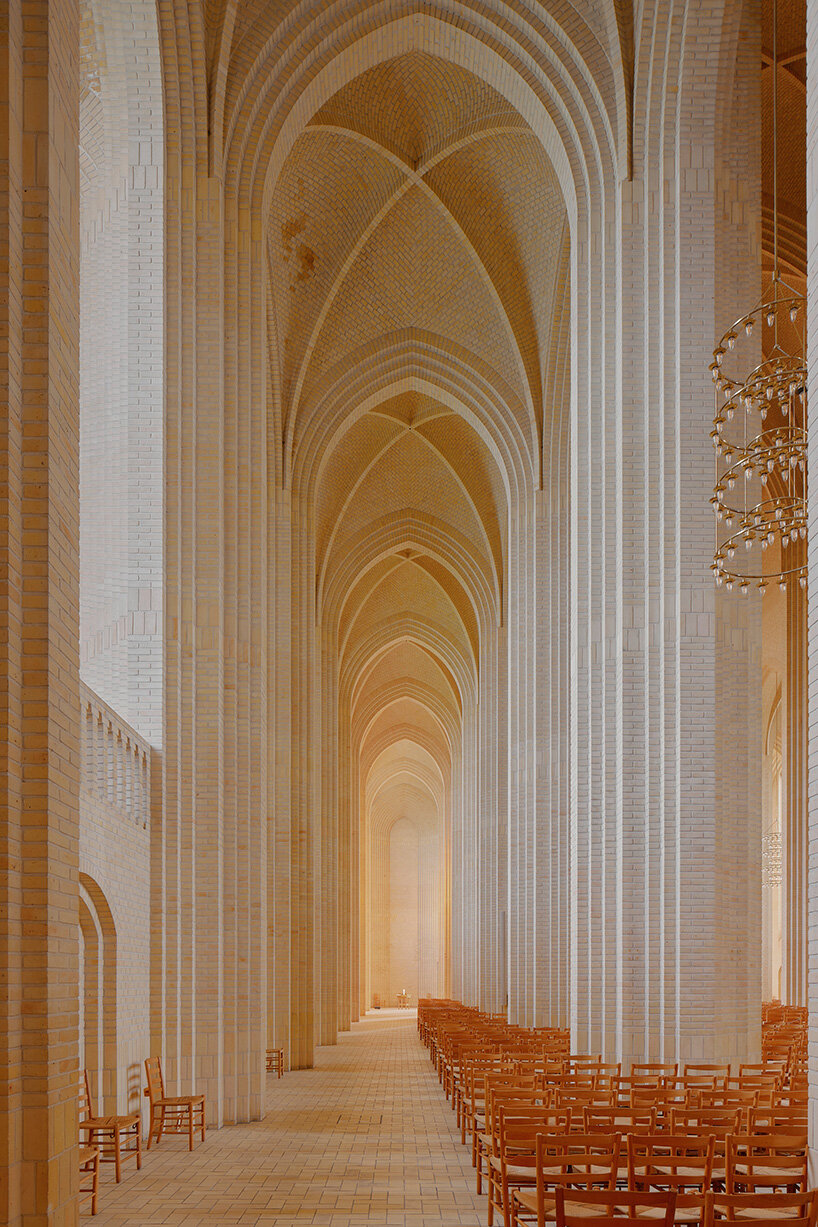
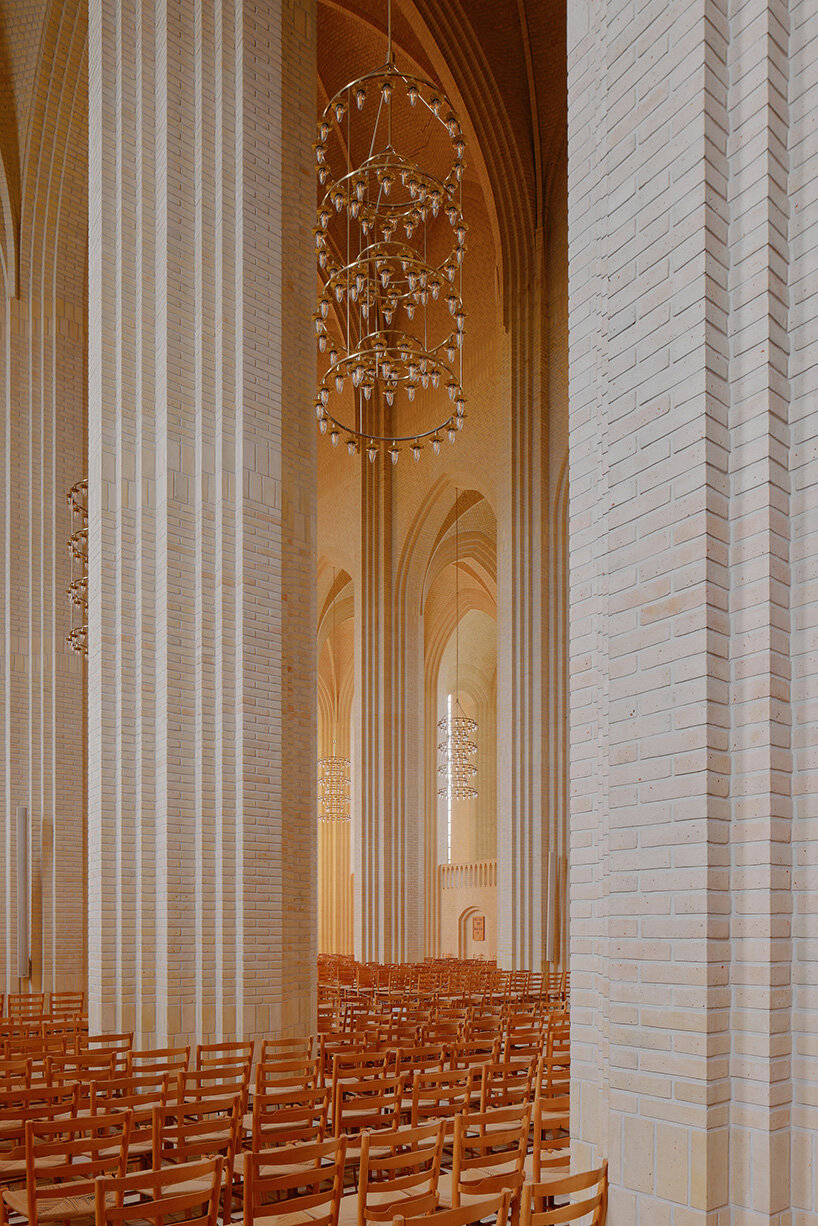
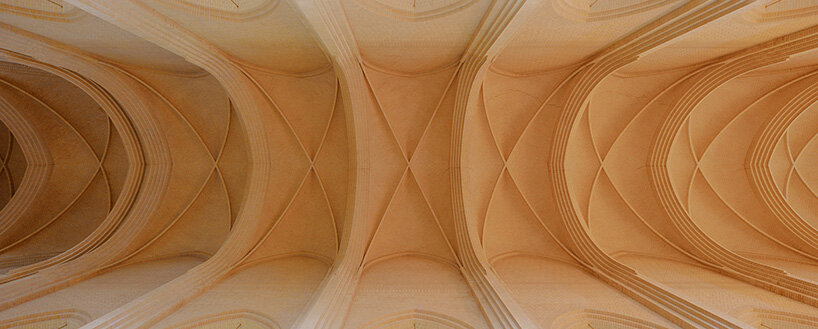
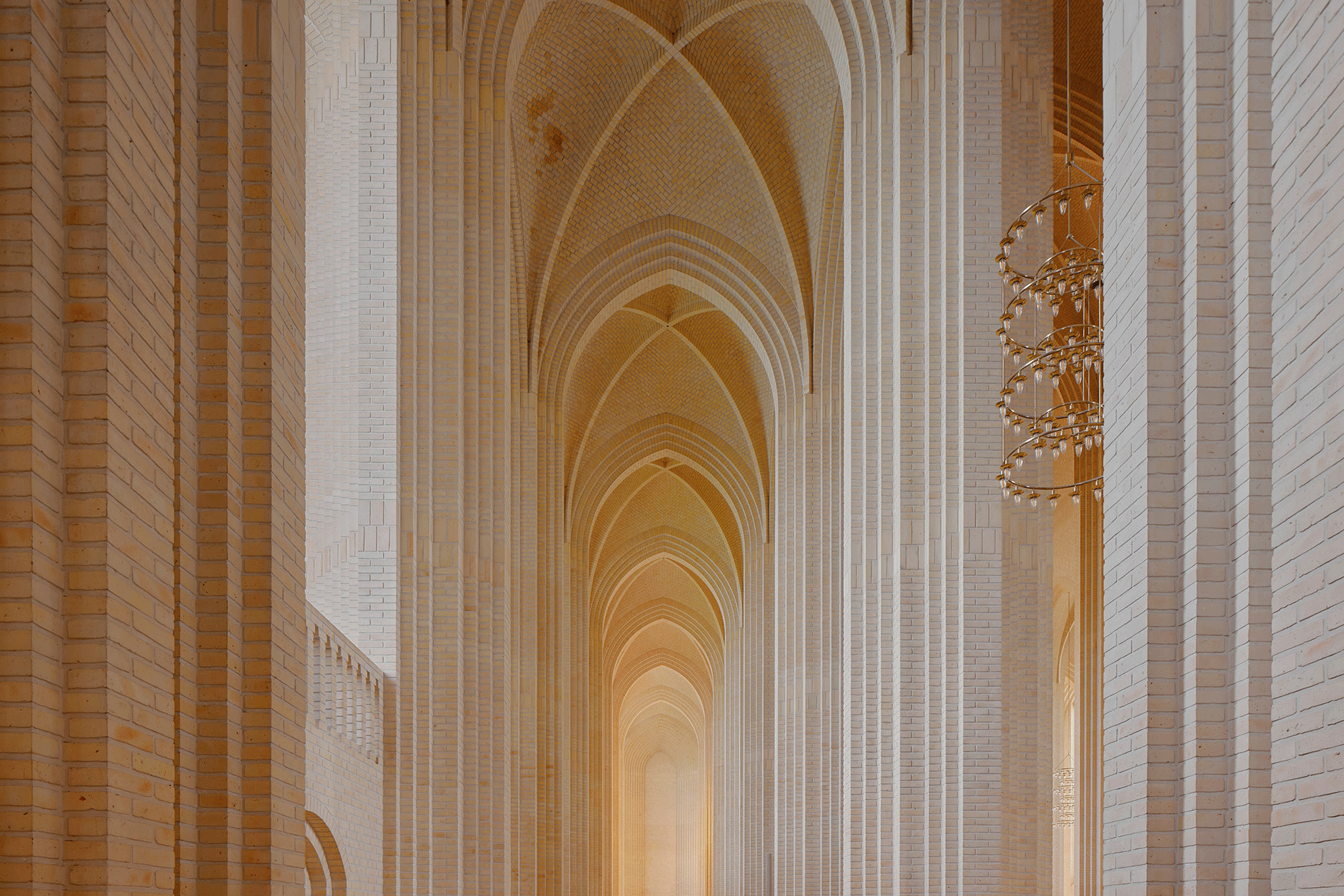
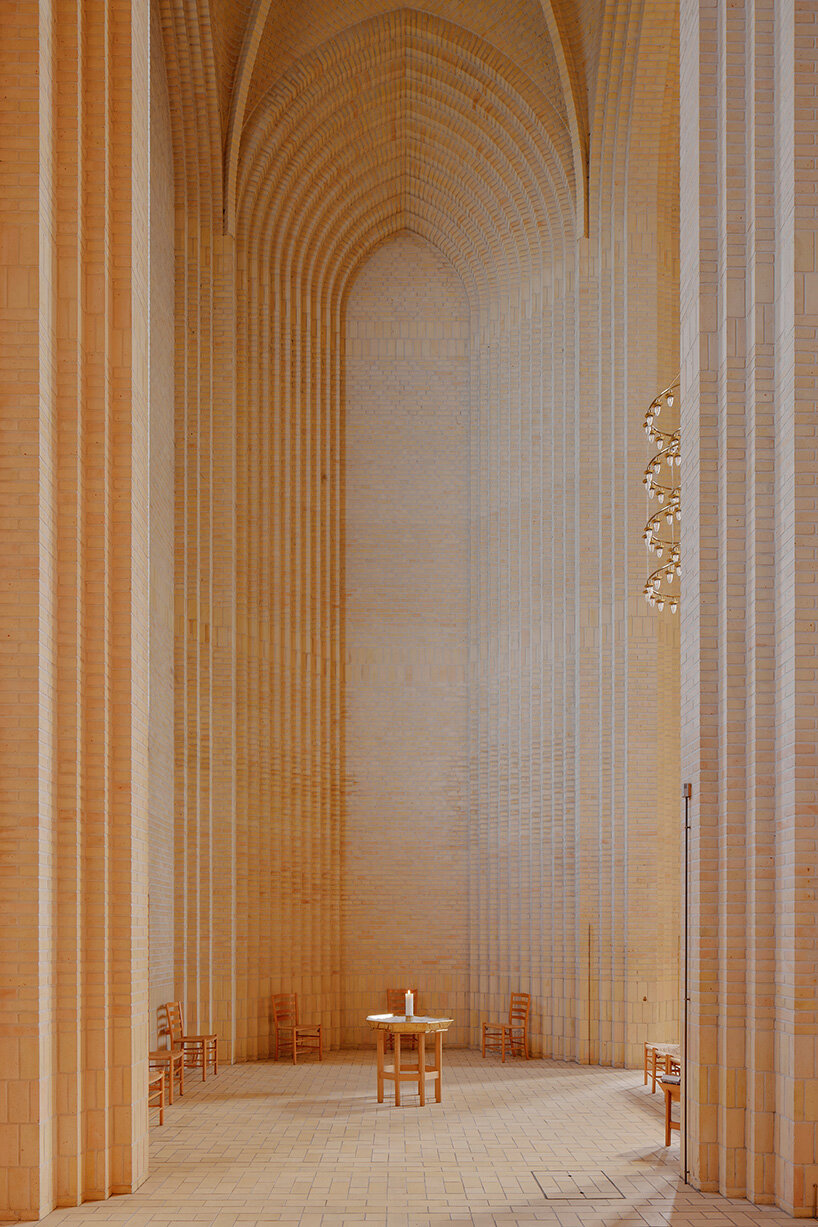
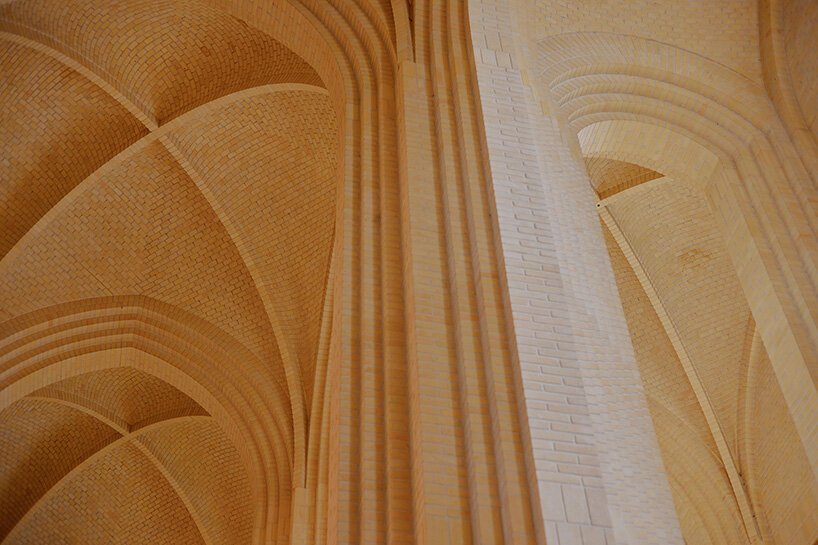
Something similar happens in churches, although each space offers a very different experience. At Grundtvigs Kirke in Copenhagen, the scale and almost overwhelming repetition of the brick architecture make an immediate impression. After spending some time there, however, my attention shifts towards quieter details: the way the light falls into the space, the rhythm of the columns, the subtle changes in colour and shadow. At the CBR Building in Brussels, I find myself looking at the relationships between forms rather than the building as a whole. Repetition, geometry and the way different elements come together begin to shape the image. The longer I look, the less I am interested in capturing the building in a single, defining photograph. Instead, I start noticing smaller relationships that might otherwise go unnoticed. For me, this is often where photographing architecture becomes interesting: when the building stops being a single object and becomes a series of observations.
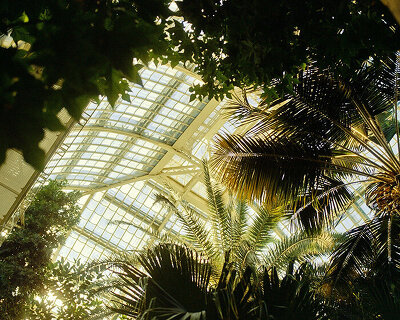
In places like these, photography becomes less about showing what a building looks like and more about understanding how you experience it. The same applies to spaces that are not monumental at all. In a greenhouse, for example, the relationship between architecture and nature becomes just as important as the structure itself. Glass, steel and concrete meet plants, changing light and humidity. The architecture shapes the environment, but the living things inside it also change how the space feels. What interests me is often this relationship between different elements, rather than any one of them on its own.
WHAT PHOTOGRAPHY CAN AND CANNOT CAPTURE
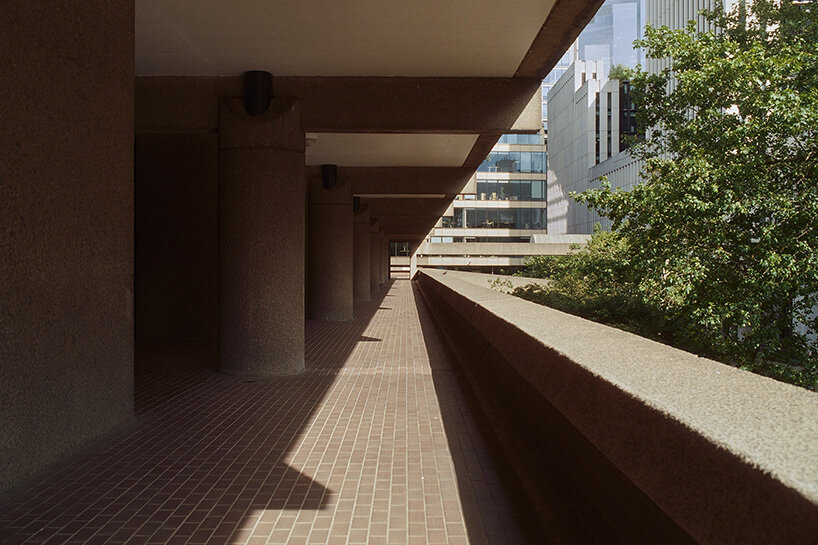
Of course, something is lost when a physical space becomes a photograph. An image removes sound, temperature, smell and movement. It flattens distance and turns something you can walk through into something you can hold in your hands. A photograph of a church doesn’t tell you how your footsteps sound inside it. A photograph of a greenhouse doesn’t convey its humidity. A photograph of a concrete wall can’t tell you how cold it feels.
And yet, something else can appear. The camera can isolate a relationship that is difficult to notice while you are simply moving through a space. It can bring together elements that were physically far apart, or make a small detail suddenly feel monumental. Sometimes I only understand what attracted me to a space after I have photographed it. You don’t always know exactly what you are looking at until you see the picture.
This is also what makes the photographer’s role interesting to me. When I enter a building, I am not only looking for a picture. I am trying to understand how the space can be experienced. Where does it make you slow down? Where does it direct your movement? What does it hide, and what does it reveal? As a photographer, I am a spectator, too. I react to the architecture like anyone else, but I can choose to freeze one particular moment of that experience.
INVITING OTHERS TO LOOK AGAIN
Once the photograph is made, however, I am no longer the only person looking. The image becomes someone else’s starting point. The person looking at it has never stood where I stood. They don’t know what happened just outside the frame, how long I waited or what the room sounded like. They bring their own memories and expectations to the image. They might see something completely different from what I saw when I made it, and I like that.
The longer I photograph architecture, the less interested I become in simply showing what a building looks like. I am more interested in what makes us stop and look. Why do we pause in one particular place? Why does one room stay in our memory while another disappears? Why can a certain quality of light suddenly change the way we understand a space? Photography doesn’t really answer these questions. It just makes me pay attention to them. Perhaps that is what I am looking for when I photograph a building: not the perfect view, and not necessarily the most spectacular one, but the moment when looking becomes an experience in itself.
The camera is an excuse to stop, to wait and to look again. And then, hopefully, to make someone else want to look, too.
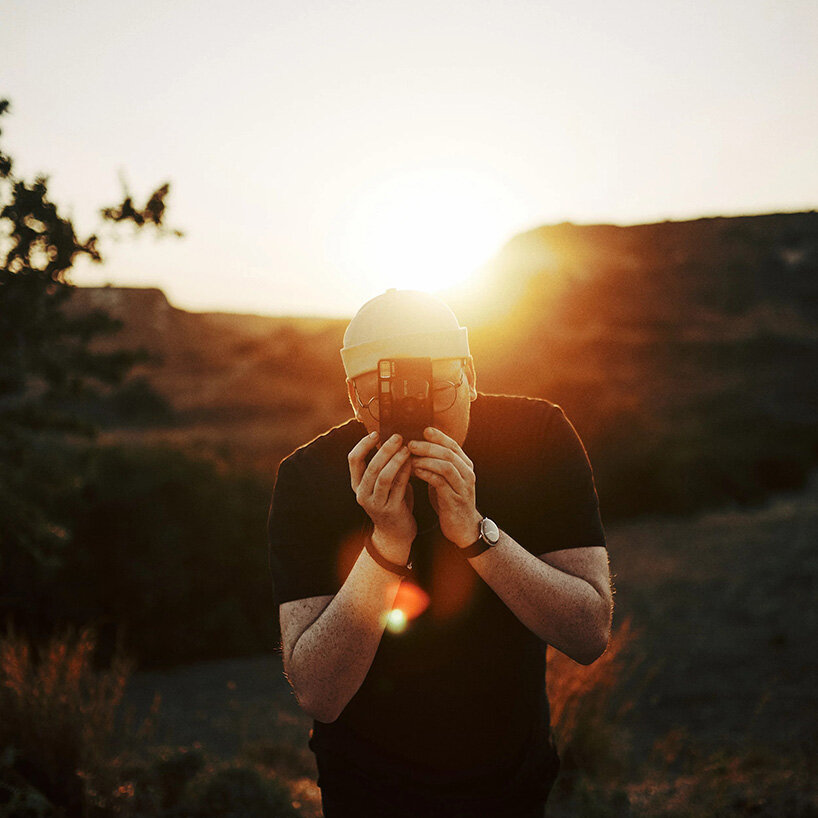
David Altrath is a Hamburg-based photographer specializing in architecture and reportage. Since graduating from Merz Akademie in Stuttgart in 2018, he has worked on a range of commissions and independent projects, with work featured in magazines, websites, and corporate and public-sector projects.
1/4
project info:
photographer: David Altrath | @davidaltrath
This guest essay is part of designboom’s SPECTATOR AND SPECTACLE chapter, asking how wonder gets built, and how it might return some mystery to a world that has measured most of it away. Presented in partnership with SolidNature, the stories in this chapter turn onlookers into participants, alter perception and disrupt the everyday – learn more here!
Each designboom chapter explores one theme in depth through projects, interviews, features and news across architecture, design, art and technology. Discover more chapters here, and get in touch if you’d like to submit a story through our submissions portal or contact form.
shop
your own online design shop — no sales commission collected