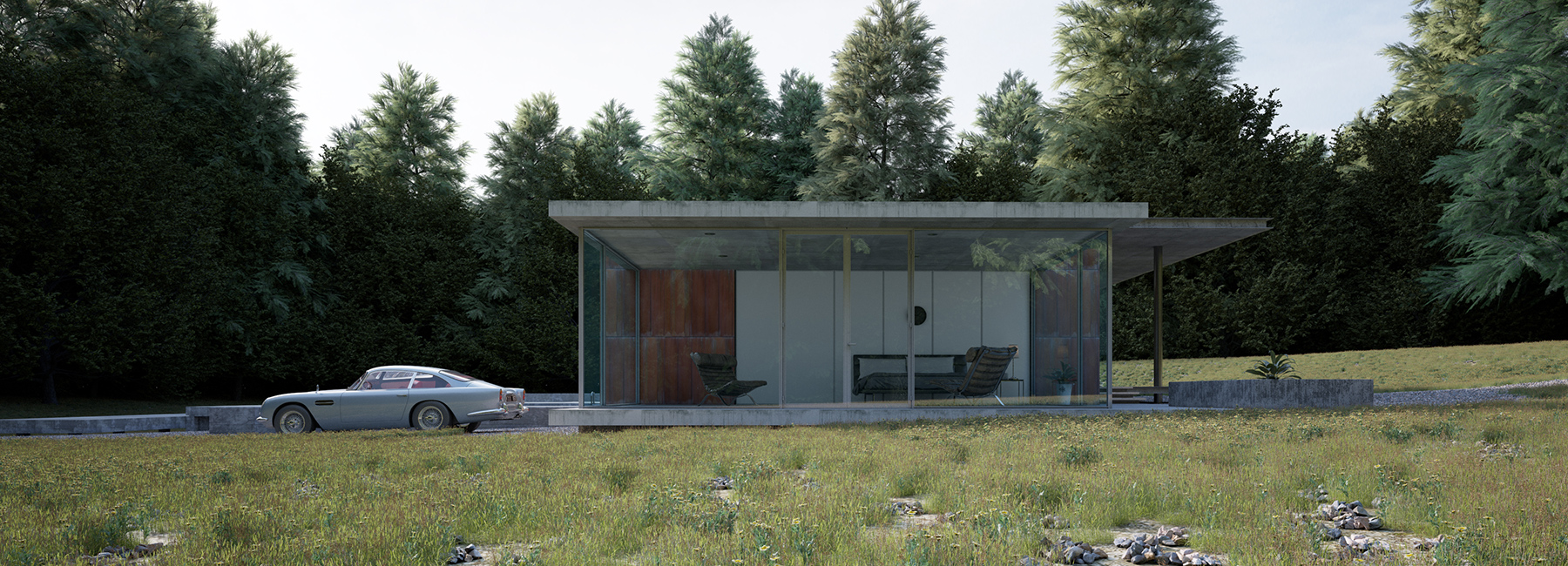
edwin seda’s ‘oda’ house is a serene retreat from busy nairobian city life
the house seeks to explore the complexities of the urban environment and the serenity of the rural landscape.
prefer designboom on google[FEATURED]
edwin seda’s ‘oda’ house is designed to be spatially dynamic and in a constant state of transparency. the residence harbors a strong sense of connection to the environment, while the tenant creates an important antagonism within the scheme. the family who commissioned the architect wanted a space to retreat from the nairobian urban life, however did not want to stray from the city.
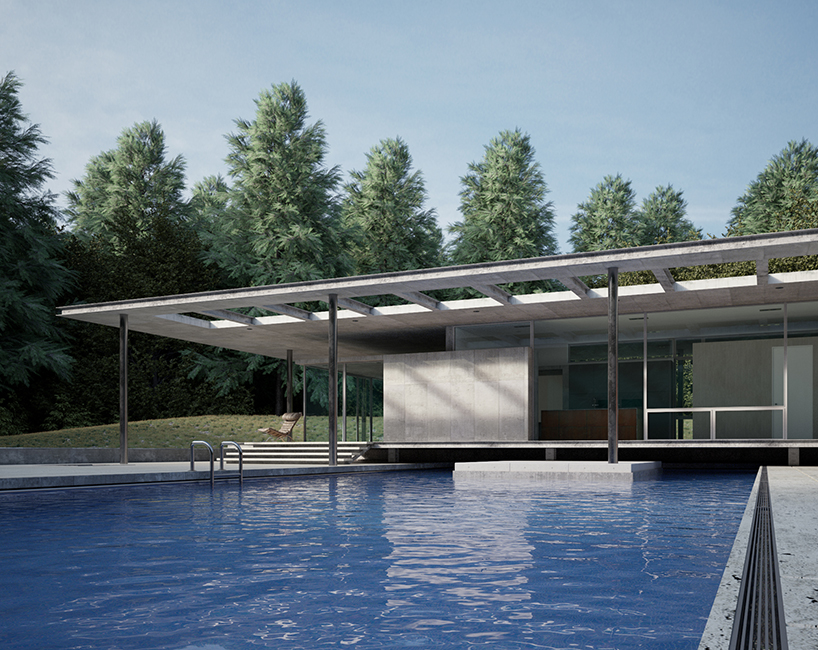
the residence harbors a strong sense of connection to the environment
having been in a constant state of transition, a connection between the urban and the rural environment was necessary to the residents. the house therefore seeks to explore the complexities of the urban environment and the serenity and frugality that the rural scenery provided. specifically designed to engage the environment and amidst exposure for views still maintain thermal serenity. the residence soars within the vast site and perhaps intentionally seeks to blend and stand out in separate points of merit.
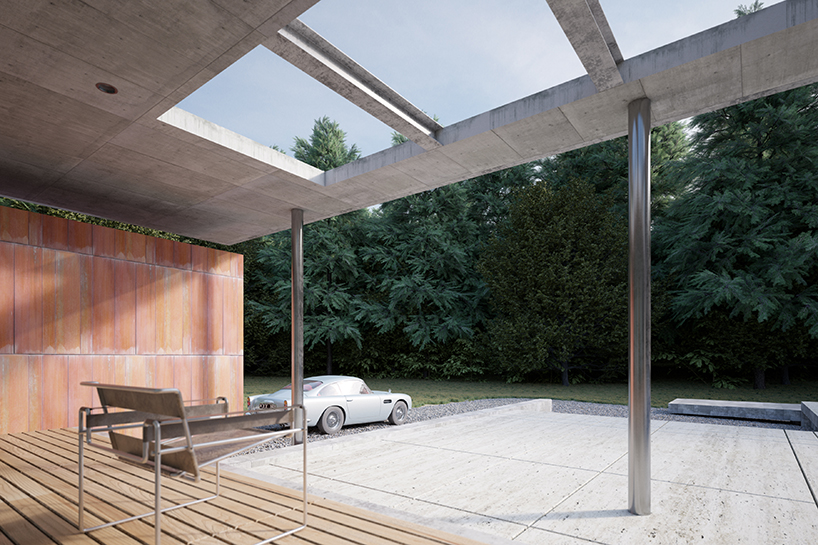
a connection between the urban and the rural environment was necessary to the tenants
the façades are champions of light and frames for views, they are not pretentious in as much as they are omnipresent, a conscious idea of framing and self-regard. sustainable passive strategies vs. modernity the house is ideally two separate masses on one level, carefully resting on the stepping site. there is a linear mass oriented north-south where the main intimate family spaces are and an east-west form clad in corten steel that houses the smaller home office and master bath. all these forms are shaded by an extensive roof slab that is thermally insulated. this also offers a high volume to allow for both cross ventilation across every single room in the house through both expansive vision zones and clerestory windows that ring the central mass, and extensively shade the building from the morning and afternoon sun while still allowing for adequate light in the heavily forested area.
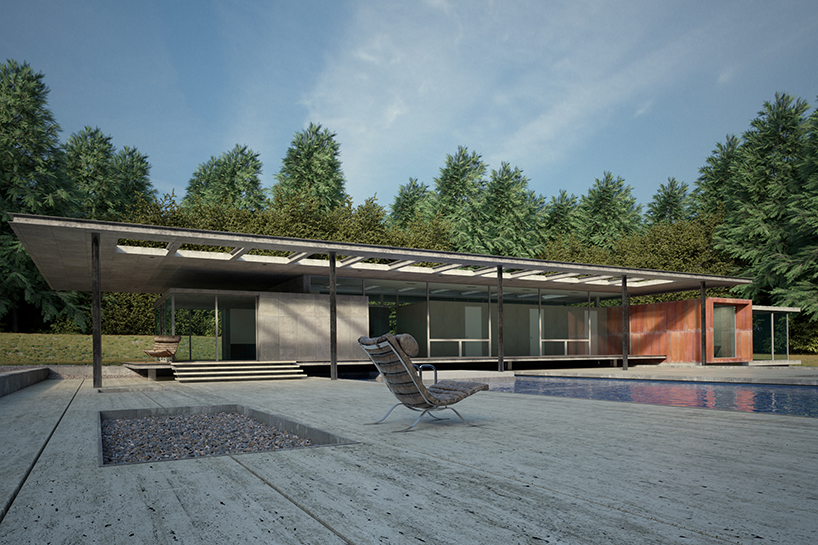
allows cross ventilation across every single room in the house through expansive vision zones
the main ideologies employed for sustainable development includes: orienting the dwelling for breeze access, buffer planting for strong breezes and noise, landscaping and raising the platform to channel cooling breeze, extensive cantilevers for shade and passive cooling including filtered day-lighting for habitable spaces and single bunking rooms to maximize cross ventilation in every single room. the central section is the most transparent section of the house, allowing the house to a half and half; an external-internal union. the corridor here acts as a ‘double blanket’, keeping the rooms warm and cool with the corridor acting as a vacuum for high thermal mass and shade in the daytime whilst retaining the heat in the night.

the central section is the most transparent section of the house, allowing an external-internal union
the spatial planning leaves each room inherently separate but connected functionally by the external terrace. the house here seeks to unilaterally link every space but retain their individuality. the spaces are repeated rhythms, a conscious effort against arbitrariness and casual space planning, it is linear and ordered but with breaks in formality that then allows for the users to explore the spaces how they see fit. the extensive cantilever explores multiple dualities in the scheme.
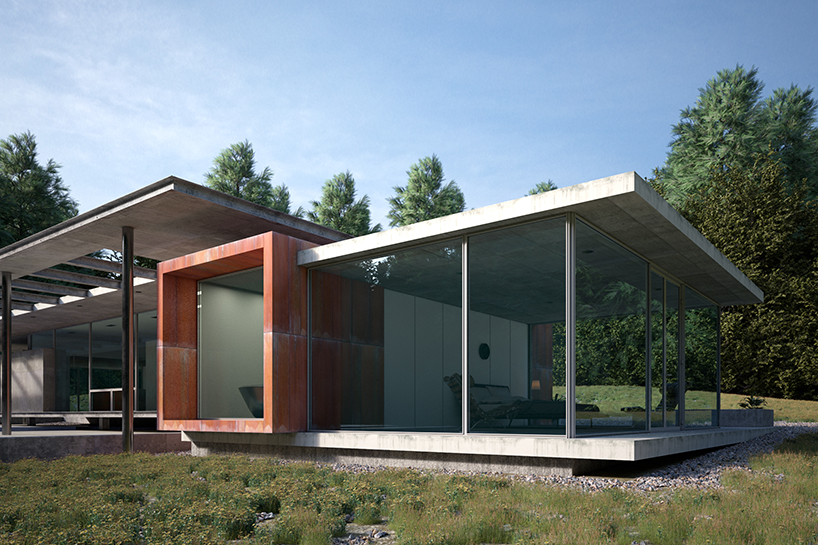
the spaces are repeated rhythms, a conscious effort against arbitrariness and casual space planning
the exposed roof surface, buffered by layers of insulation and gravel, is mounted with photovoltaic circuits that allow for the building to generate its own energy and collect rain water for sanitary use. ultimately, the oda house explores the romance of visual connection and tradition of spatial inclusivity within the context of client-environment influences.
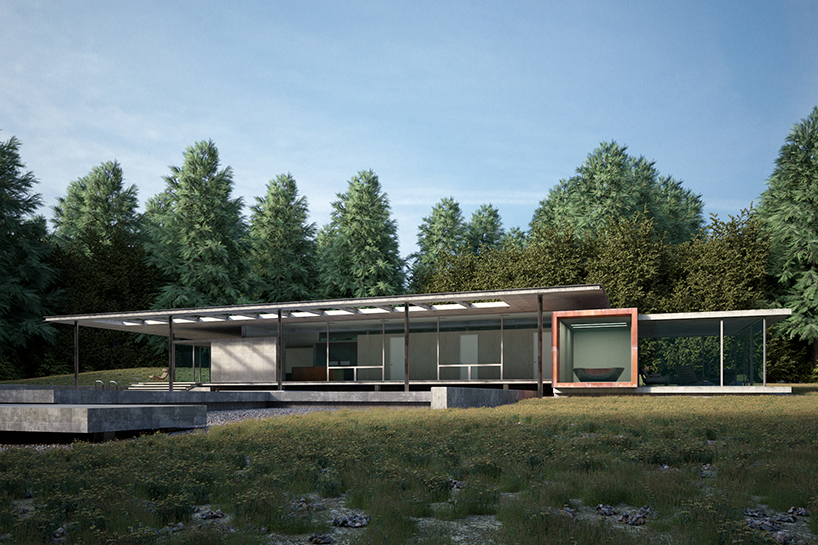
the ‘oda house’ seen from afar
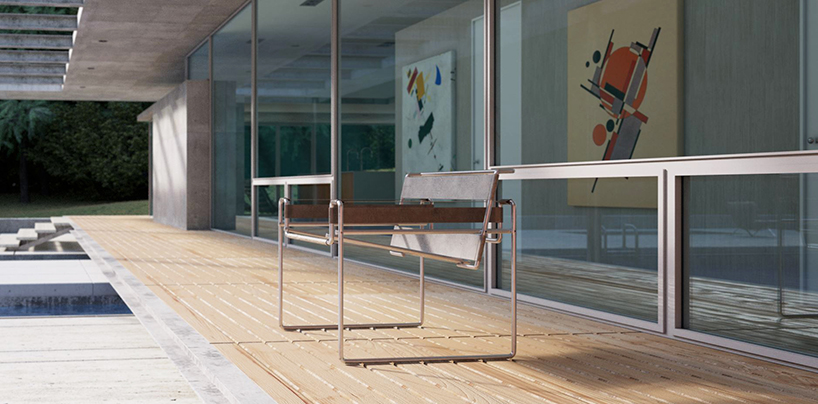
specifically designed to engage the environment and amidst exposure for views still maintain thermal serenity
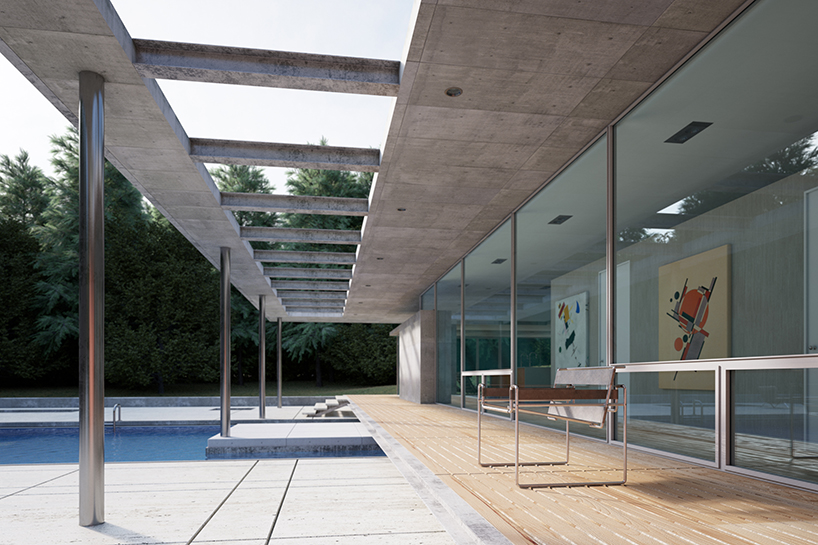
the extensive cantilever explores multiple dualities in the scheme
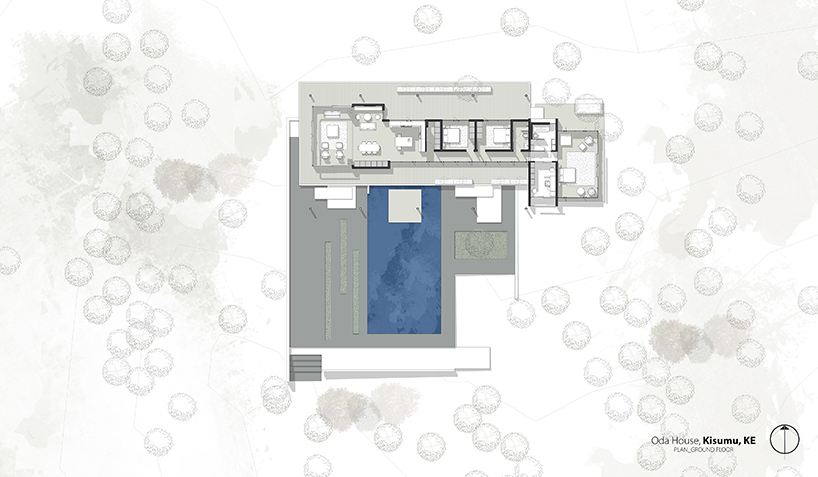
floor plan
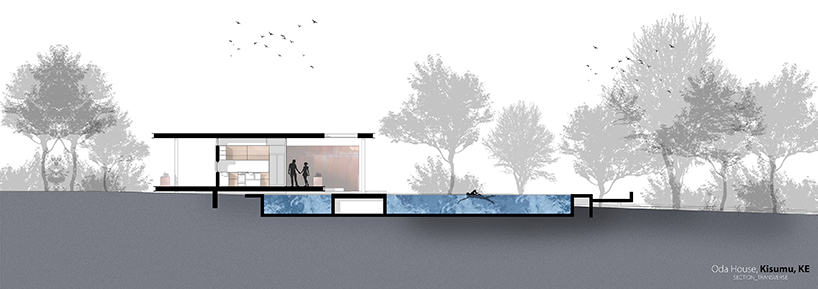
section
designboom has received this project from our ‘DIY submissions‘ feature, where we welcome our readers to submit their own work for publication. see more project submissions from our readers here.
shop
your own online design shop — no sales commission collected