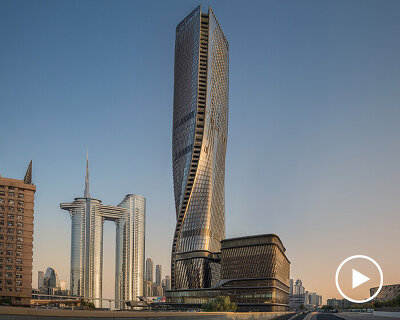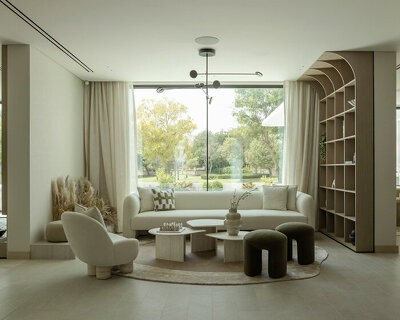
site of expo 2020 dubai to become community-focused urban development by UNstudio
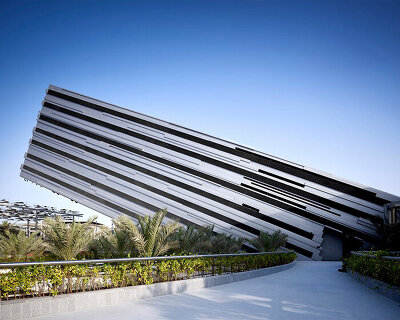
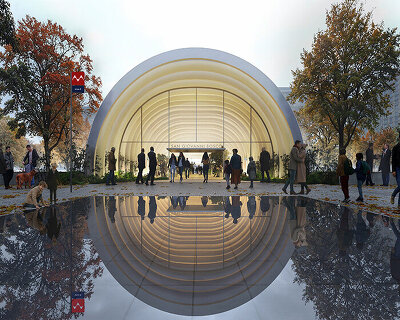
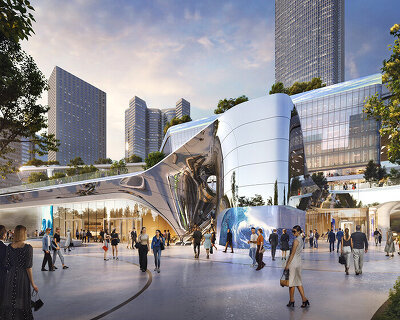
UNstudio's 'expo city dubai' mixed-use masterplan retains over 80% of the infrastructure and buildings from the world expo.
prefer designboom on googleUNStudio’s Blueprint for Sustainable Urban Living
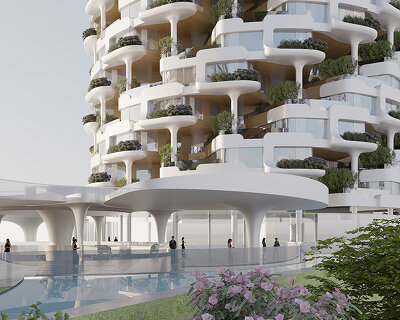
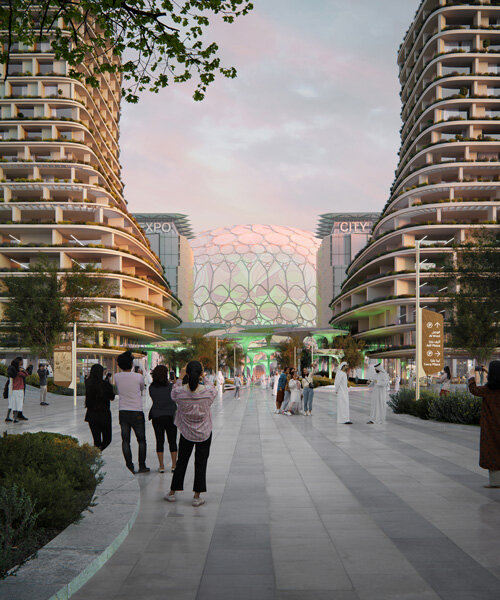
UNStudio, together with a multidisciplinary team of experts, has unveiled the masterplan for Expo City Dubai, a transformative mixed-use development that builds on the legacy of Expo 2020 Dubai. Located in the heart of Dubai, this ambitious project is planned to establish a new center for innovation, sustainability, and community-focused urban living in the UAE.
Expo City Dubai is rooted in the success of Expo 2020 Dubai, the world expo which ran from October 2021 until March 2022. The event attracted over twenty-four million visitors from 192 nations during its six-month run and later hosted COP 28. The newly announced masterplan transforms the site into a forward-thinking urban hub, designed to achieve LEED Gold and WELL Community Gold certifications. The team at UNStudio notes that this development will reflect a commitment to innovation, sustainability, and collaboration, and hopes to set a new standard for responsible urban growth.
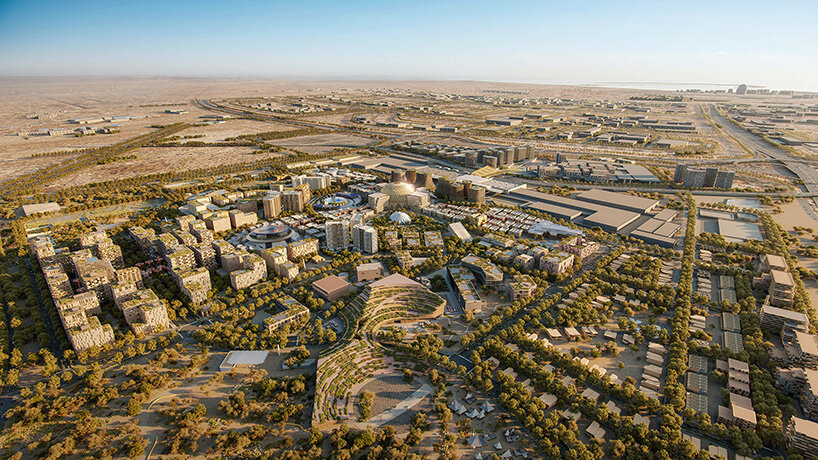
preserving and transforming the existing site
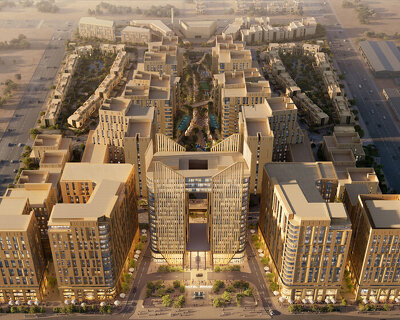
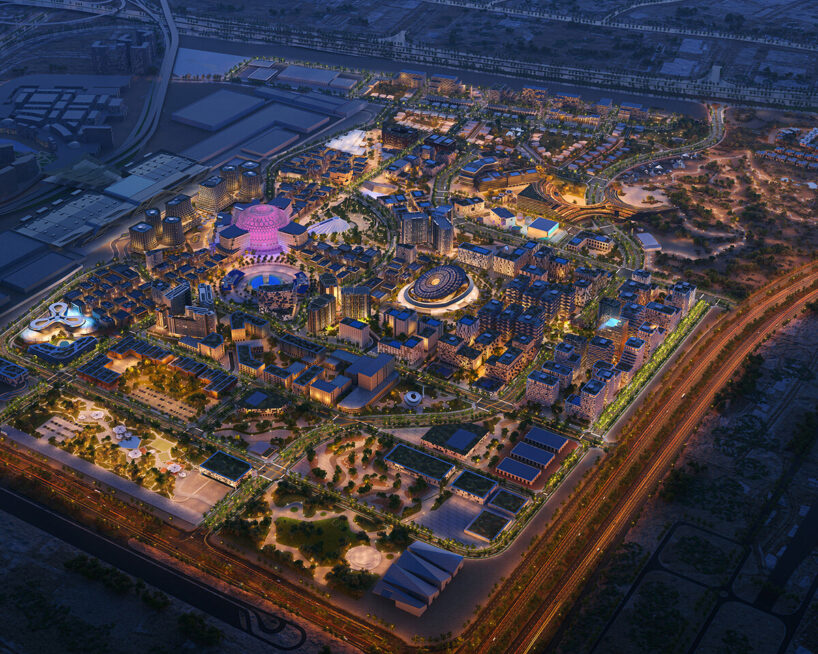
Developed by architecture studio UNStudio in collaboration with landscape studio SLA and engineering advisors at Buro Happold, the Expo City Dubai masterplan is a key component of the Dubai 2040 Urban Master Plan. It aligns with Dubai’s broader decarbonization goals and its roadmap to achieving net-zero emissions by 2050. The plan retains over 80% of the infrastructure and buildings from Expo 2020, ensuring cohesion while adapting to future needs. Covering 3.5 square kilometers, the city will eventually house more than 35,000 residents and 37,000 professionals, while continuing to attract around 50,000 visitors annually.
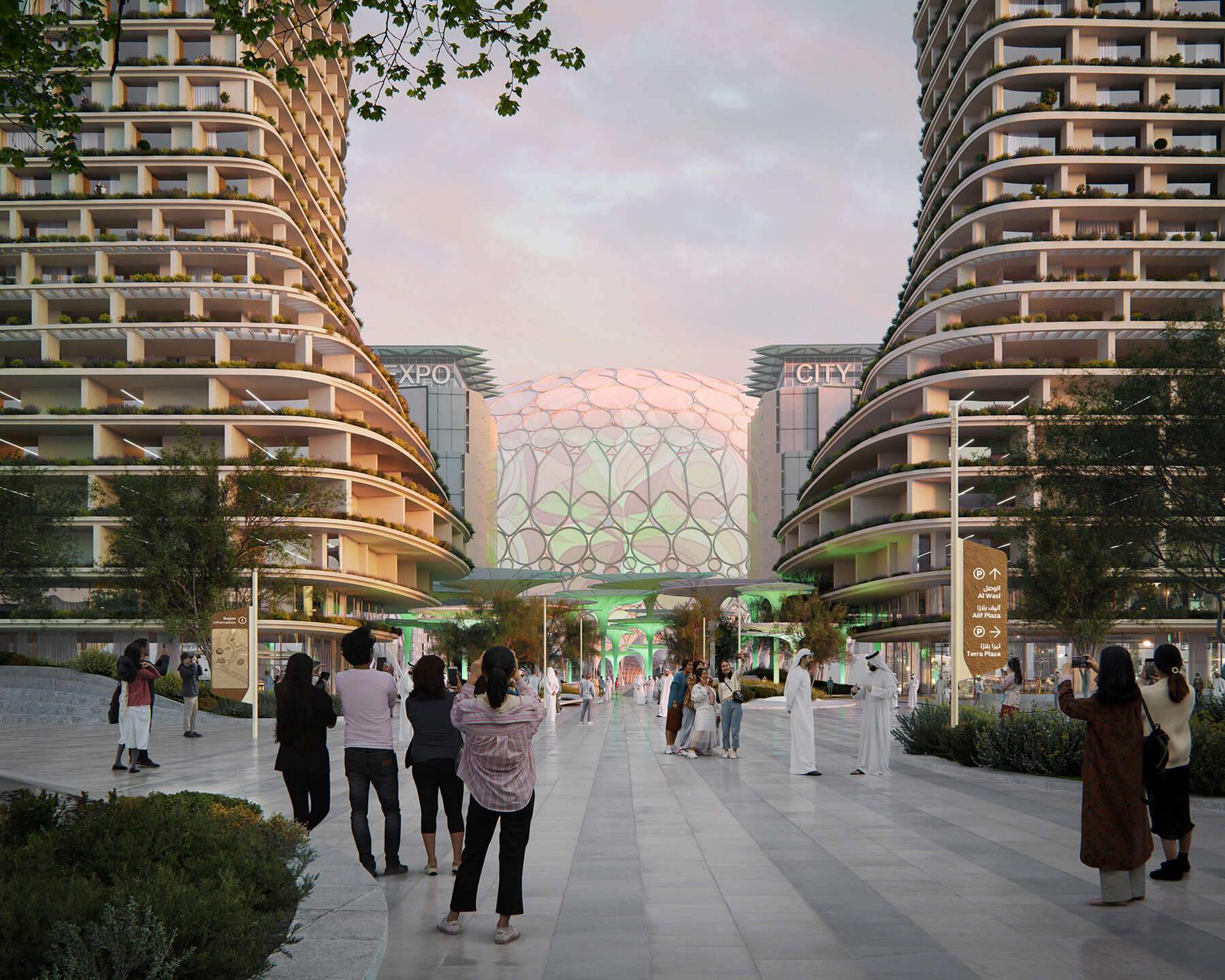
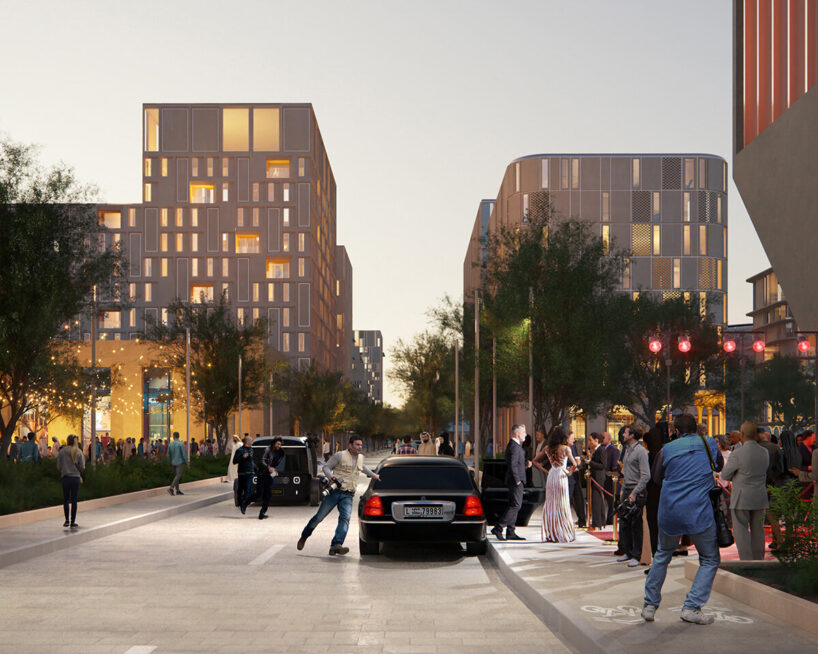
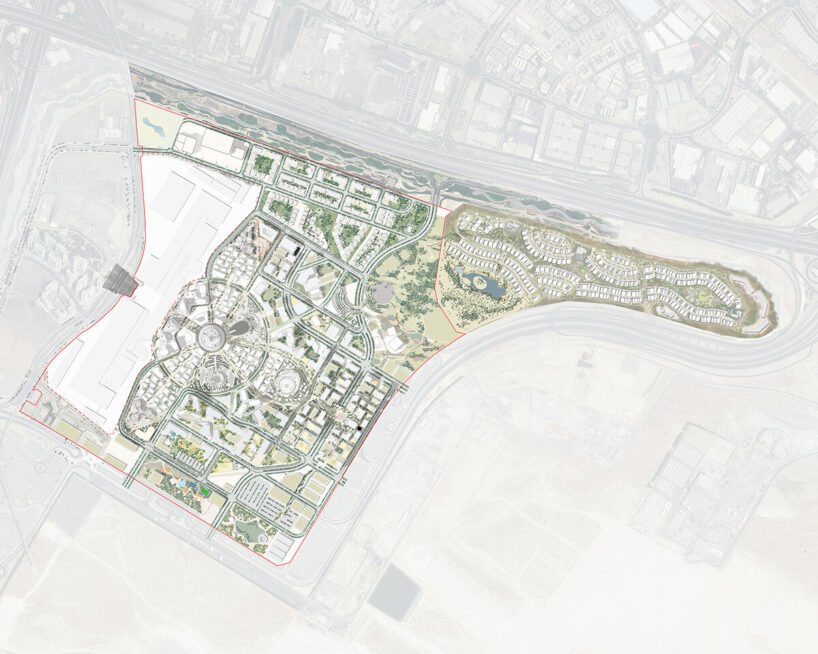
UNStudio’s masterplan preserves the spirit and fabric of the original Expo 2020 site while introducing a more efficient grid structure for improved navigation and accessibility. This shift from the organic layout of the former Thematic Districts creates a robust urban framework that supports sustainable growth. The phased development approach ensures flexibility, allowing the city to evolve in response to changing demands.
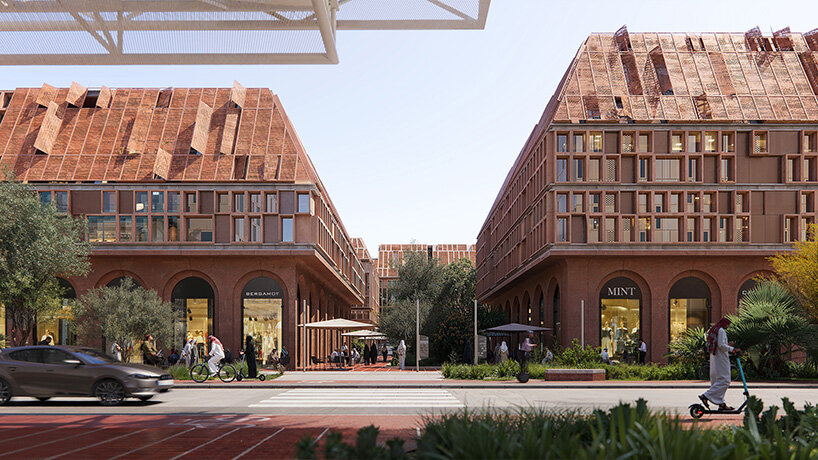
the five districts of expo city dubai
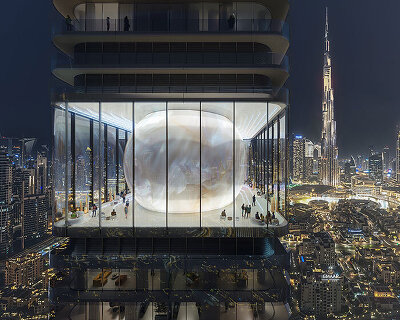
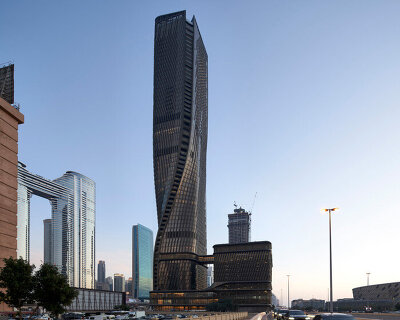
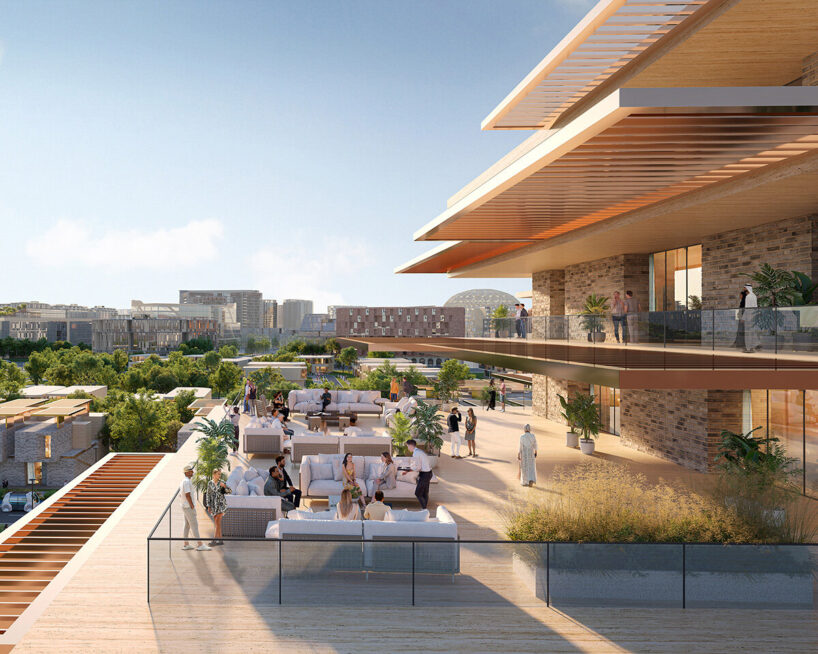
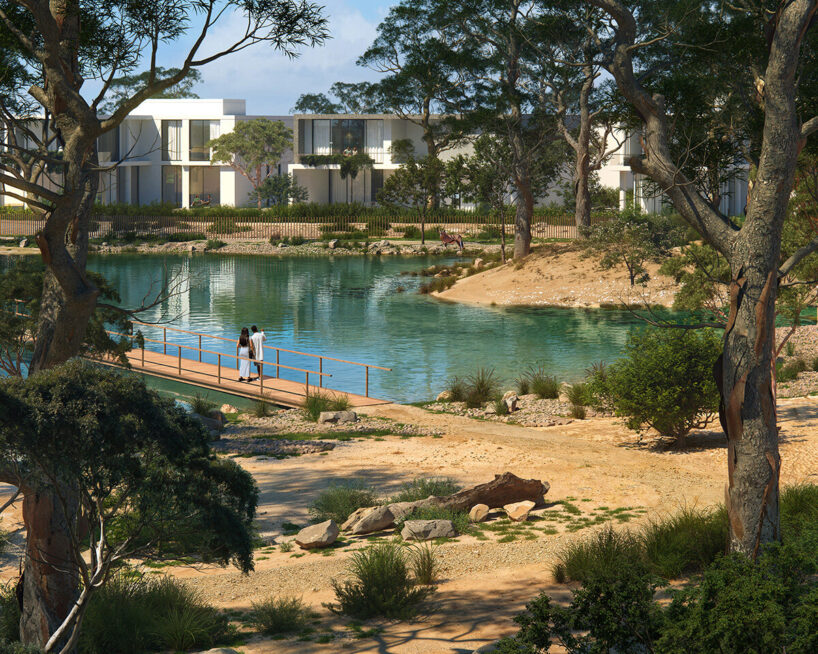
The masterplan organizes Expo City Dubai into five distinct districts, each offering a unique mix of uses and amenities: Expo Downtown: A high-density mixed-use area featuring the tallest building in Expo City; Expo Fields: A model for healthy living, including sports fields, a school, homes, retail outlets, F&B venues, and an arena for large-scale events; Expo Hills: A low-density residential community with landscaped gardens and open spaces, offering a tranquil urban living experience; Expo Business: A campus-style environment for innovative and sustainability-focused businesses; Expo Valley: A low-density residential neighborhood adjacent to the masterplan site, set for completion in 2026.
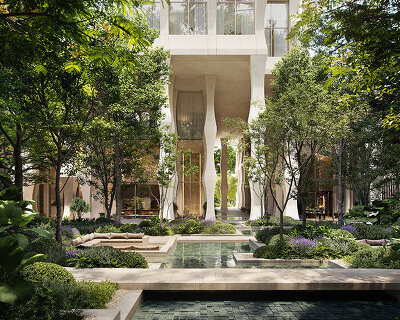
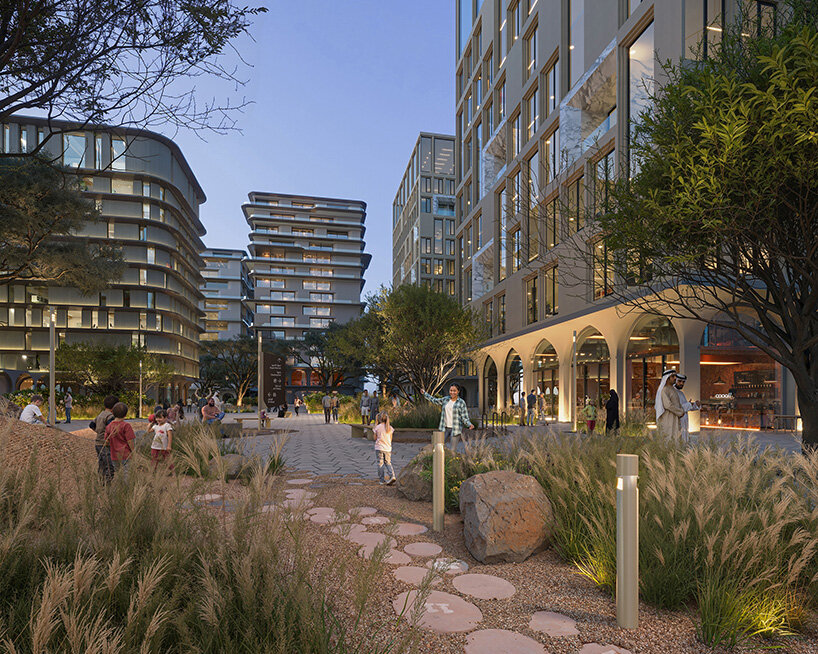
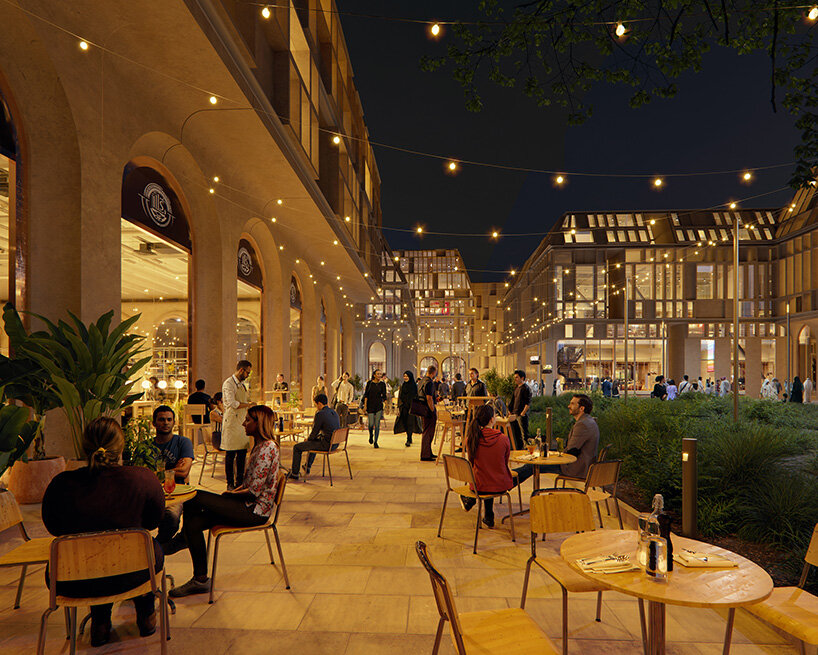
Each district integrates green and blue spaces, creating a network of parks, gardens, and urban water features that enhance the quality of life for residents and visitors alike.
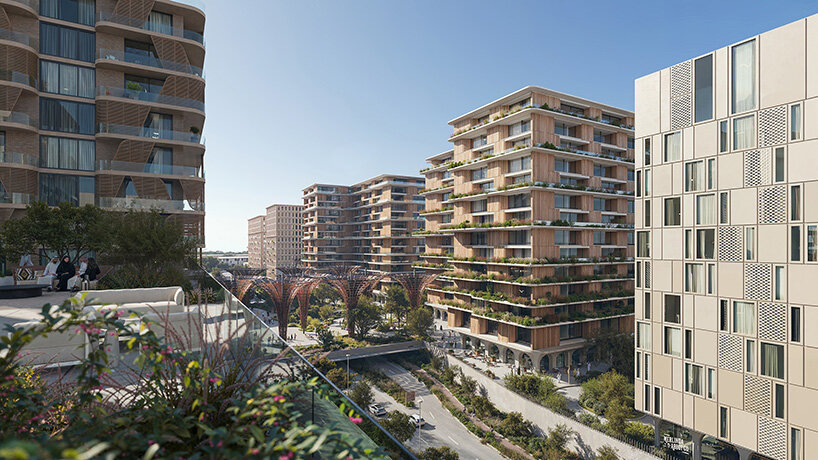
The relocation of the Dubai Exhibition Centre (DEC) to the site introduces new opportunities for business, retail, and hospitality. Special attention has been given to the interface between the DEC and Expo City Dubai, ensuring a fluid and vibrant connection. What’s more, a new open park and micro-mobility paths will link Expo Valley to Expo City Dubai, to lend a sense of community and accessibility.
With the planned opening of Al Maktoum International Airport in 2030, Expo City Dubai is poised to become a destination for transit passengers and first-time visitors to the UAE. The masterplan includes unique local hotels, farm-to-table restaurants, and a rich cultural program, offering a welcoming introduction to Dubai’s dynamic spirit.
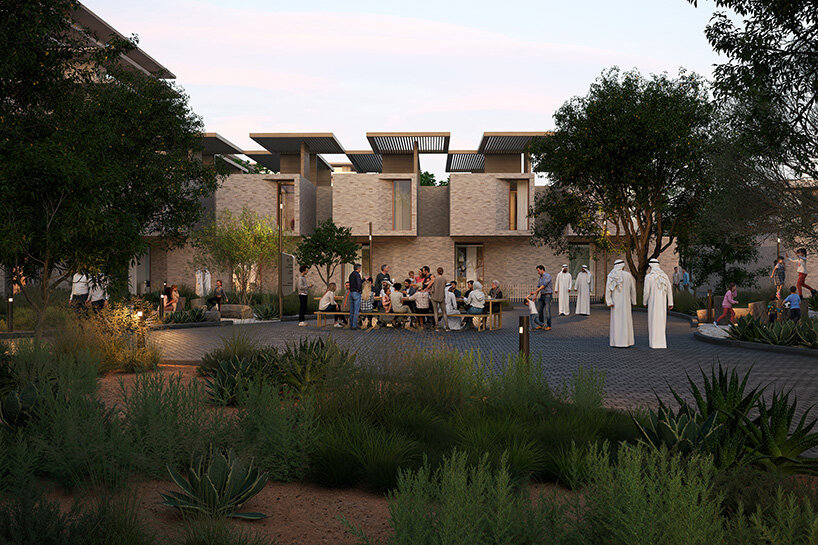
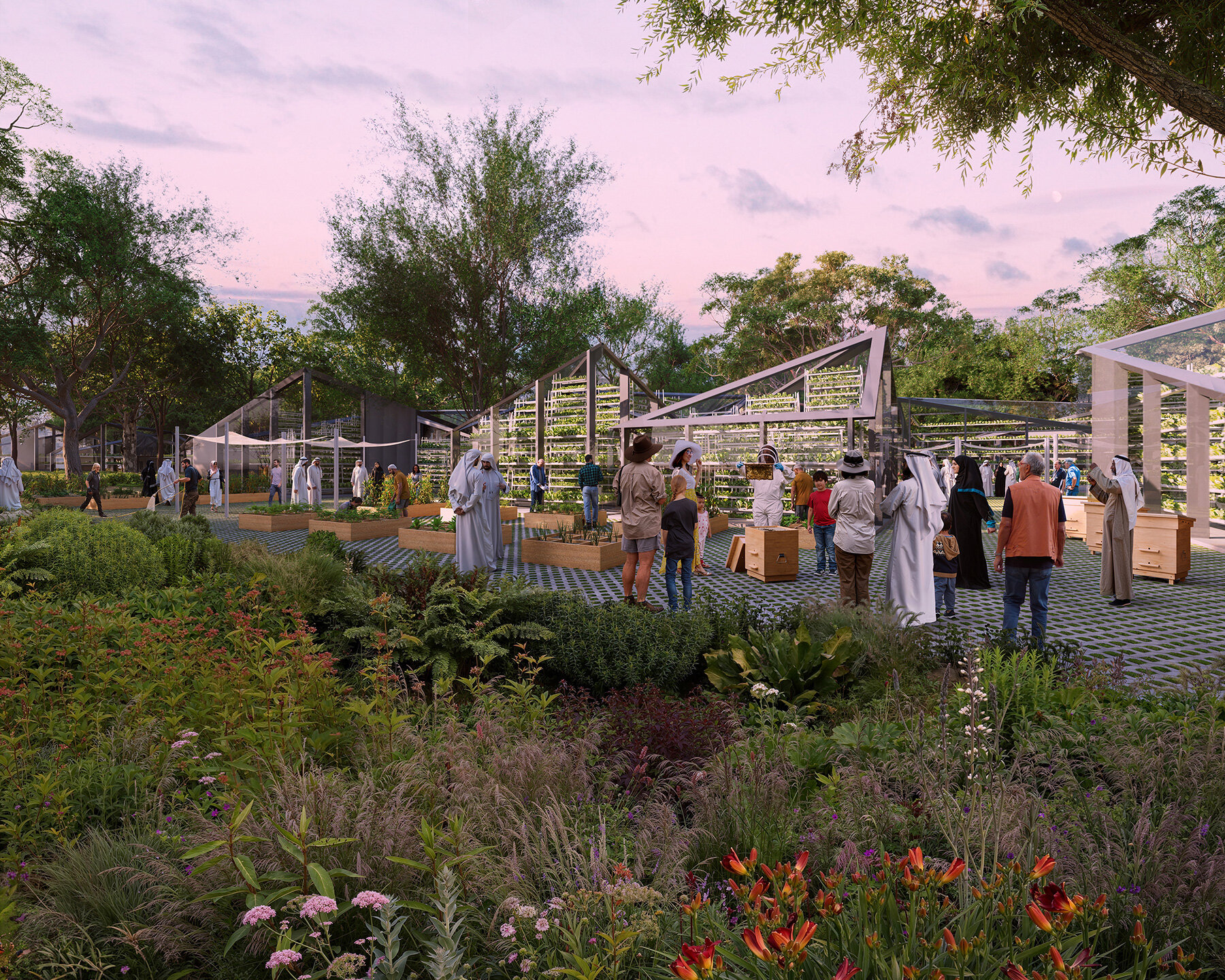
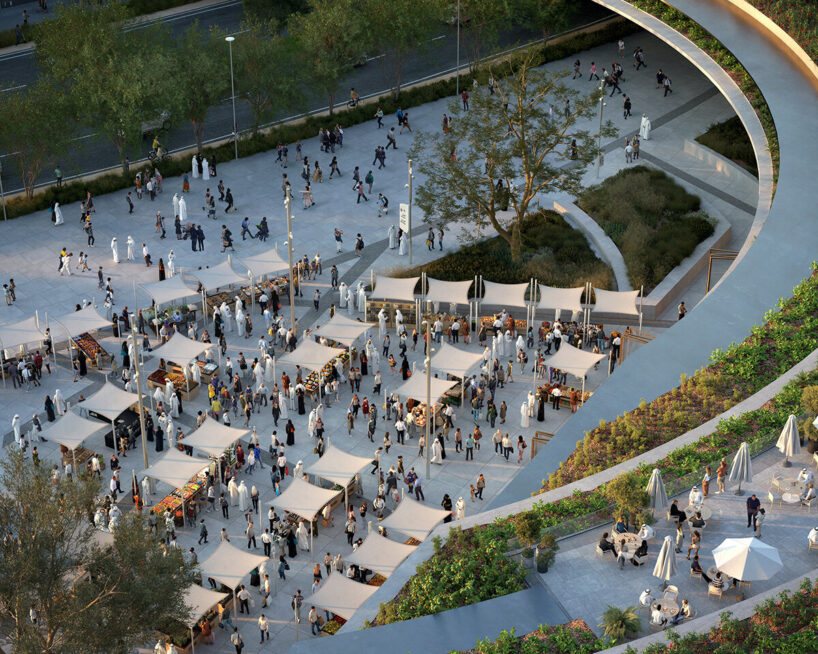
The landscape and public realm design, led by SLA, is structured around the three themes of Expo 2020: Sustainability, Mobility, and Opportunity. This approach ensures a holistic, nature-based development, featuring extensive green and blue networks, vibrant plazas, and climate-resilient strategies. The inclusion of over 30,000 native trees and the creation of an urban ‘Expo Forest’ further enhance biodiversity and provide recreational opportunities for residents and visitors.
Expo City Dubai sets ambitious sustainability goals, including reducing energy and water consumption, increasing biodiversity, and promoting clean energy and alternative water sources. The masterplan prioritizes sustainable transport options, walkable spaces, and an abundance of green areas per person. All buildings are required to meet LEED Gold standards, while infrastructure and public realm projects aim for BREEAM Excellent certification. The WELL Community Gold Certification underscores the focus on health and wellness.



1/9
project info:
name: Expo City Dubai
architect: UNStudio | @unstudio_architecture
location: Dubai, United Arab Emirates
client: Expo City Dubai
status: In progress
visualisations: © Plomp, HISM, Hansinok
landscape, public realm design: SLA
wayfinding strategy & concept design: Endpoint
lighting design: LDC
architect of record: EGIS/WMI
project management support: Vedra Developers FZ LLC
wind engineering: CPP wind
advisor: Buro Happold (mobility, sustainability, accessibility, environmental scope, fire & life safety design, infrastructure planning (wet &dry) roads and highways, traffic impact study, security, microclimate, cfd analysis, solid waste management, smart city, acoustics)
UNStudio team: Ben van Berkel, Caroline Bos with Arjan Pit, Dana Behrman, Aurelie Hsiao, Misja Van Veen, Allison Weiler, Michael Labory, Andi Balza, Olga Kotta, Chrysa Triantafyllidou, and Joshua Karategin, Nathan Ngo, Zacharoula Loizou, Yvonne Yuen, Rotem Shenitzer, Jinlai Song, Yimeng Ma, Valentina Amaya, Bart Chompff, Nathan van Nugteren, Lucas Di Gioia, Aleksei Lebedev, Daniel Diez, Juan Manuel Rodriguez, Jose Sanmartin Gonzalez, Carolina Boccella, Mircea Mogan, Hyunjin Park, Andrius Ribikauskas, Luca Fabbri, Alex Kalavech, Caroline Wang, Giovanni Cuguttu, Joe Tu, Luke Kim, Christian Maijstré, Felizitas Dochantschi, Inés Verna, Nawid Piracha, Anna Maria Pisani, Monica Palfy, Shaghayegh Shayan
shop
your own online design shop — no sales commission collected