housing proposal in rural tanzania features vortex roof for water collection
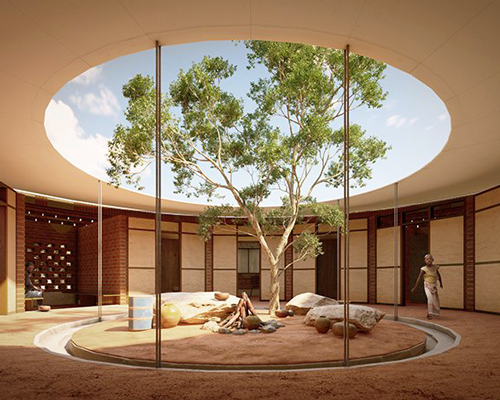
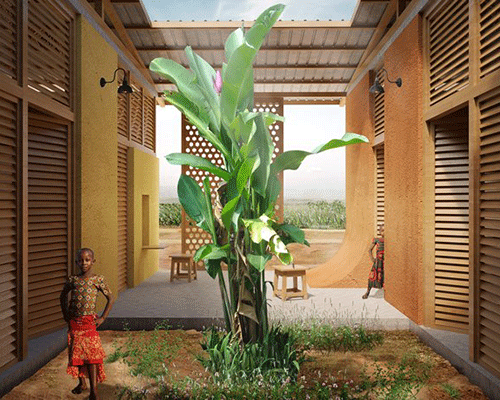
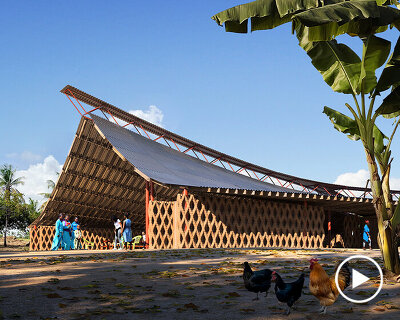
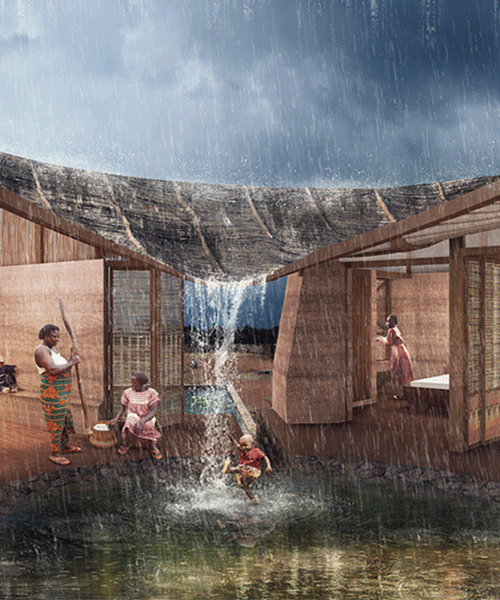
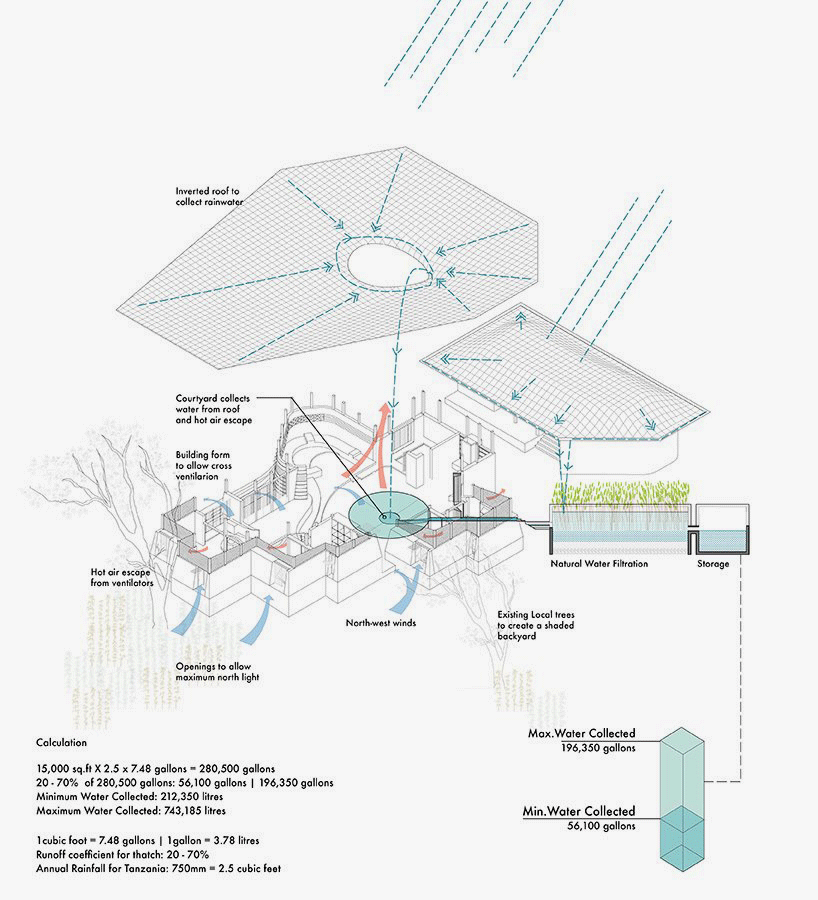
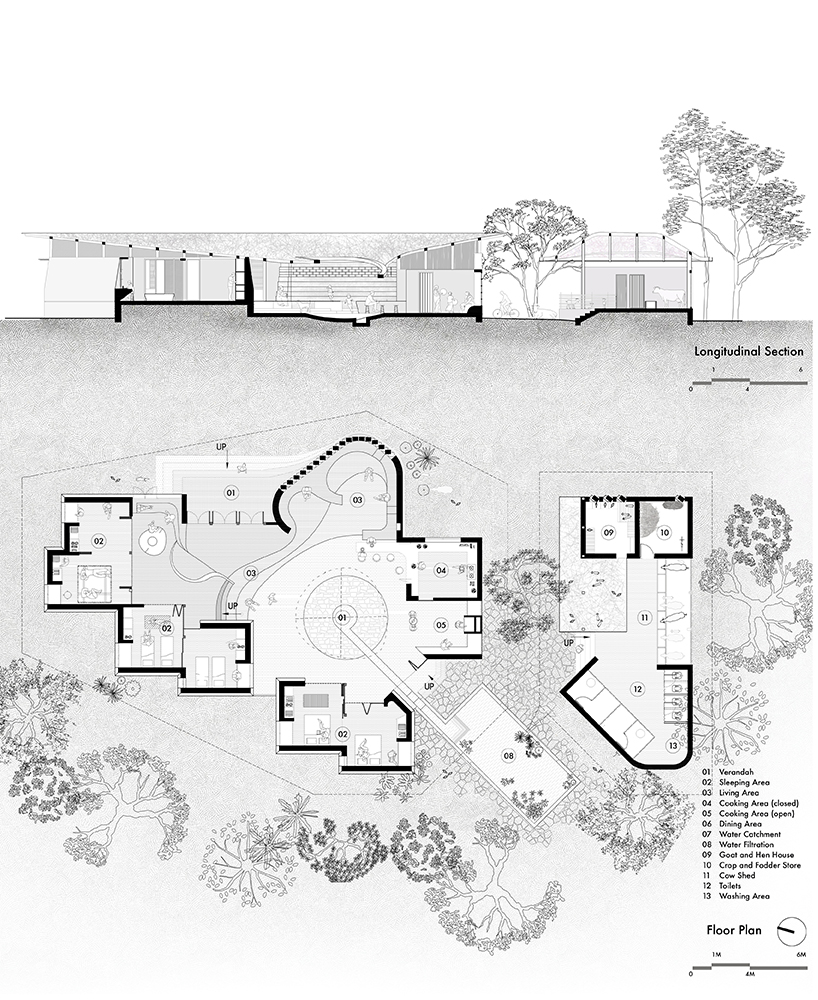
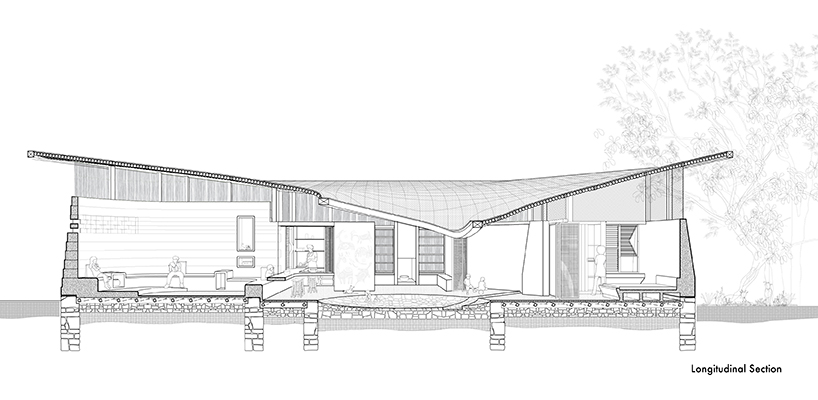
the whirlpool-like roof makes the courtyard a water collection and storage point, which also serves as a family gathering area.
prefer designboom on google[FEATURED]
as part of a competition to design a residence for the growing ‘jorejick’ family in rural tanzania, architects pranav thole and rutu kelekar have completed the ‘bridging landscapes’ proposal. the project introduces a low-cost house made from mud, that adapts and responds to the ecology, featuring a rainwater collecting vortex roof, aiming to provide a solution to the regional issue of water shortage.
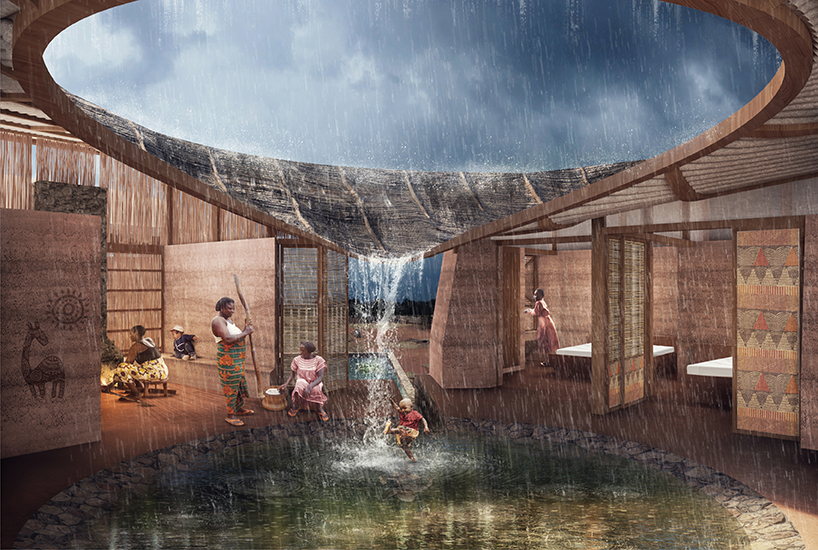
central courtyard to collect water
all images courtesy of pranav thole and rutu kelekar
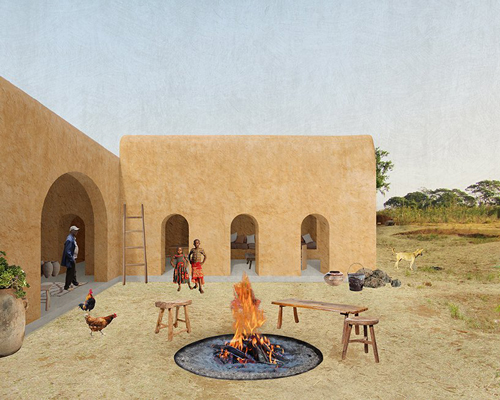
the project by pranav thole and rutu kelekar situates itself as a bridge between two different landscapes: farmland and natural habitat. it creates a seamless transition between the inside and the outside, allowing opportunities for large family gatherings in a semi-open space at all times. the flexible planning allows for multiple levels of privacy and openness throughout.
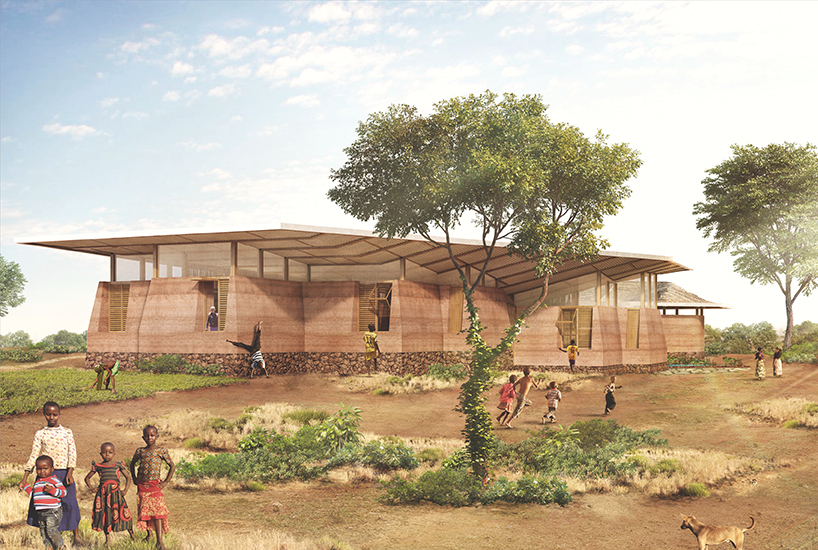
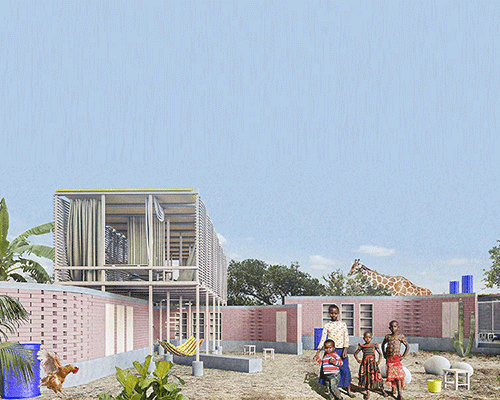
staggered volume allowing day light and cross ventillation
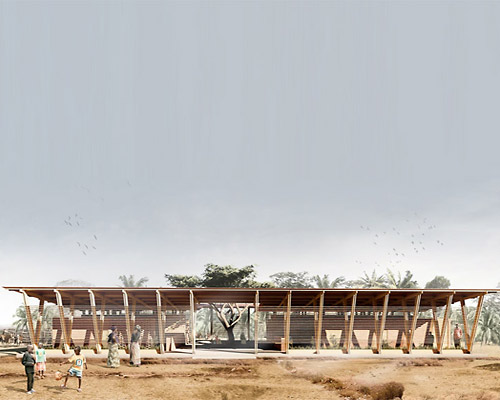
the dwelling reimagines the prevalent ideas of domesticity and is designed around a central courtyard which acts as a vortex. while creating thresholds with the landscape, the modulations in recreated ground plane create indoor spaces of comfort, the light weight roof floats above the mass of enclosed space, channelling water into the heart of the home.
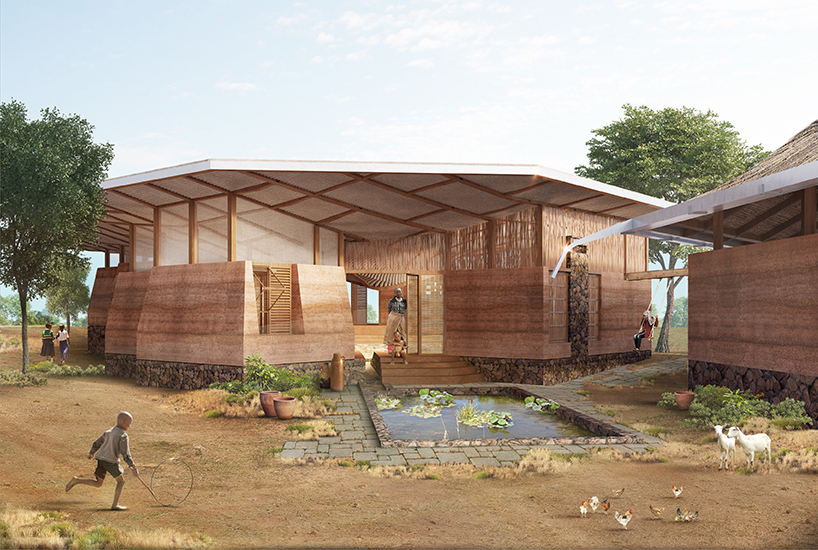
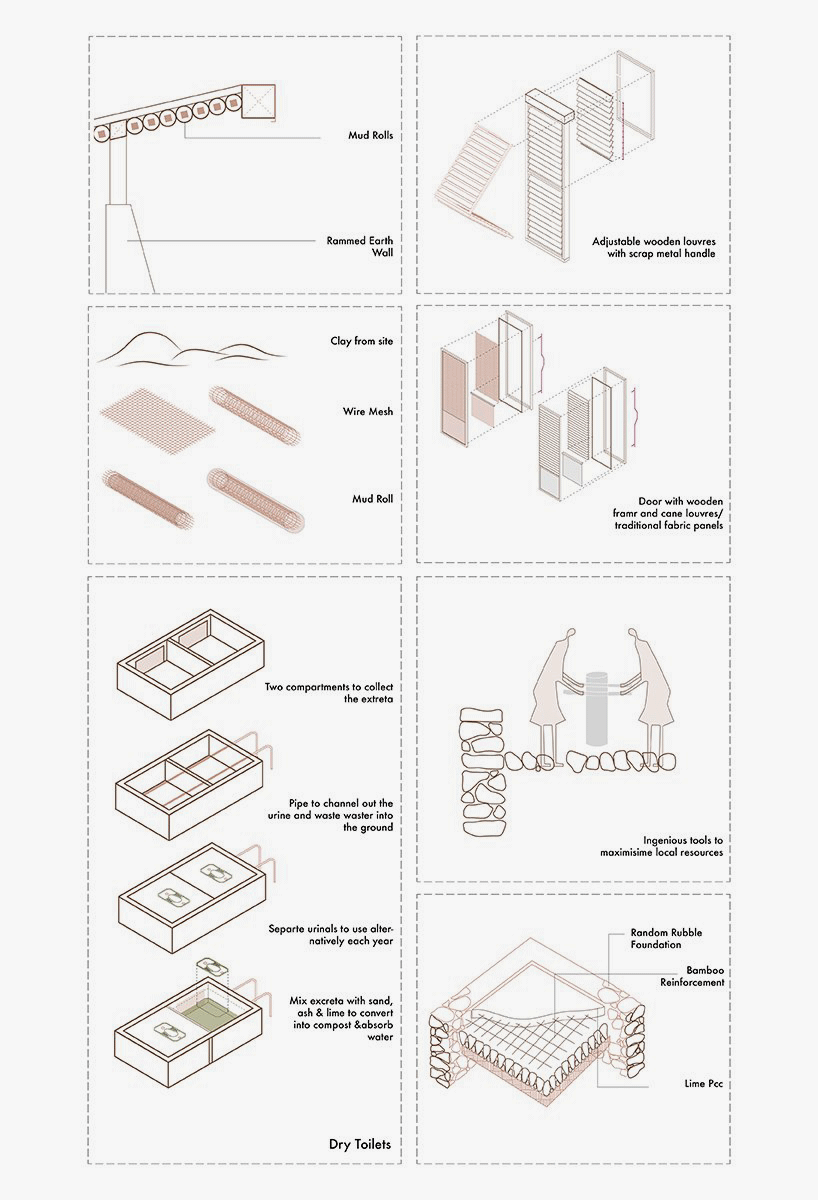
aquatic plants used as a natural water filtration system
the home for the jorejick family is an evolution of the traditional tanzanian house typology. the cylindrical, beehive homes, each mounted on a plinth and surrounded by space for livestock, highlight the deep relationship of the tanzanian home with everyday life and nature. all habitable spaces are organised around this courtyard on a large contiguous plinth.
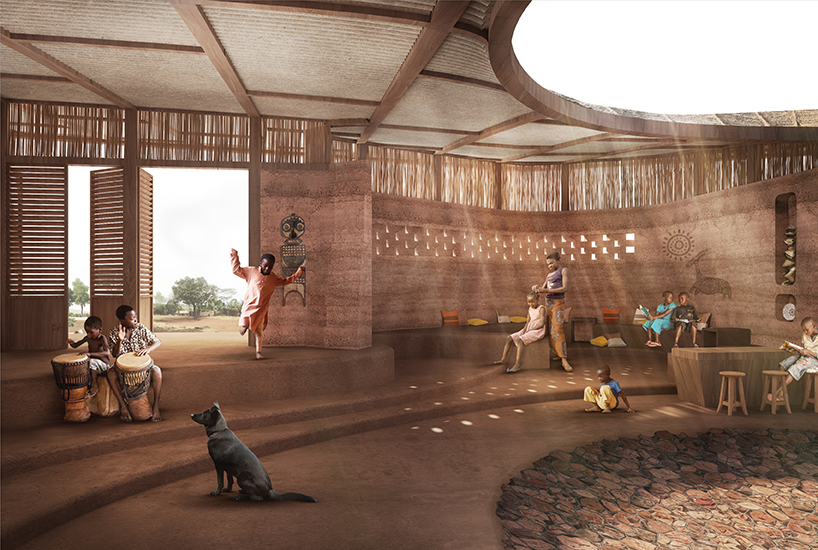
central courtyard as a gathering space
all sleeping/living spaces look into the courtyard with movable partitions allowing the house to function like a large veranda. the whirlpool like roof makes the courtyard a water collection and storage point, enabling access to safe water, while serving as a celebratory space for the family to gather. the architecture adapts to the ecology – sunlight, wind, water and enables low external energy consumption. all habitable areas are staggered to allow optimal lighting and natural ventilation, generating salubrious environments and reducing the risk of any infectious diseases.
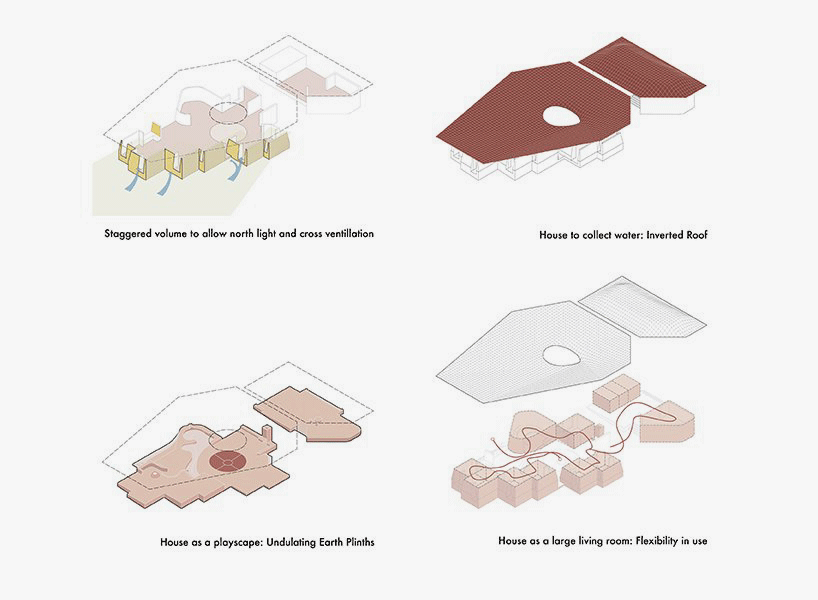
exploring the use of mud as a construction material, the project utilizes this traditional building material that is available abundantly on site, and modernises it to create a more robust and climate resistant technique. mud is also the only material that can go back to the ground, where it came from. the rammed earth walls absorb solar rays during the day and radiate heat during cooler nights.
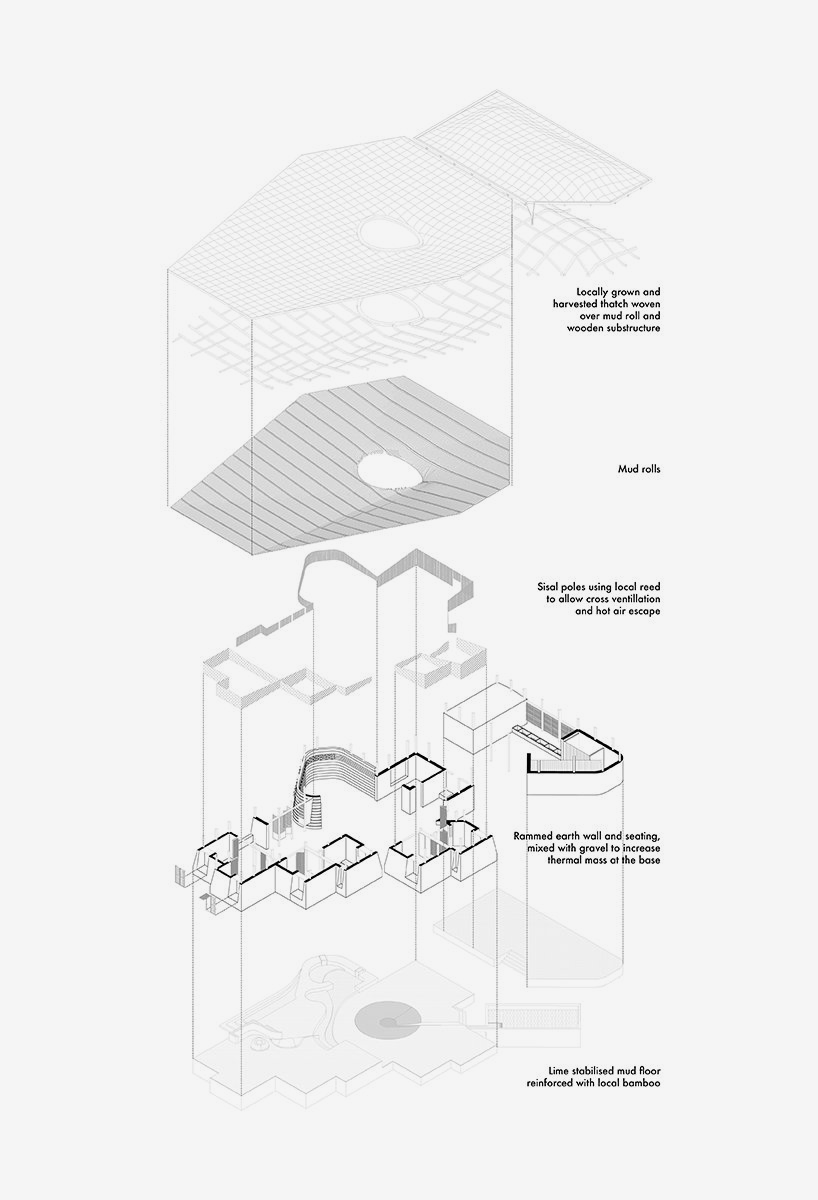
through clay as a building material, this house aims to catalyse broader engagement and contribute in the provision of affordable houses in tanzania. inexpensive materials that can be harvested from site like thatch and mud, african mahogany or local teak, scrap metal and stone debris is used in a sensitive manner to be purposeful, as opposed to merely an aesthetic addition. in a context with scarcity of resources, the project is an opportunity for an evolution in native building practices. it can serve as a skill upgradation for the local craftsmen and a vocational training for the local population.
project info:
name: bridging landscapes – house for jorejick family
architects: pranav thole, rutu kelekar
rendering team: aniket umaria
competition: archstorming
designboom has received this project from our ‘DIY submissions‘ feature, where we welcome our readers to submit their own work for publication. see more project submissions from our readers here.
shop
your own online design shop — no sales commission collected