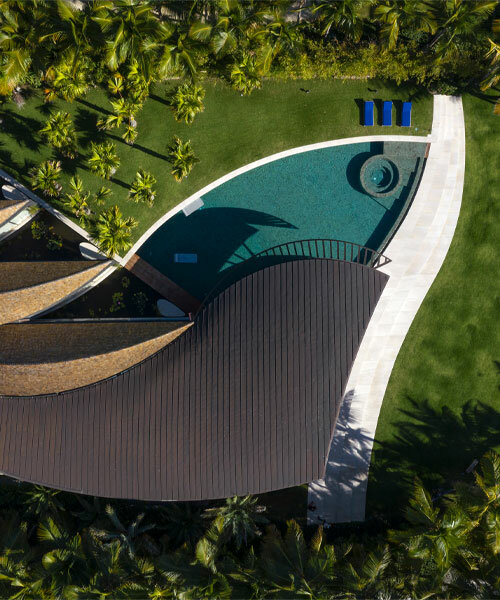
hurricane-proof casa punta cana’s organic body reaches for the caribbean landscape
signed by mareines arquitetura in the dominican republic, the one-story residence combines wood, steel, copper, and concrete to create a dynamic palette
prefer designboom on google[FEATURED]
mareines arquitetura completes Casa Punta Cana
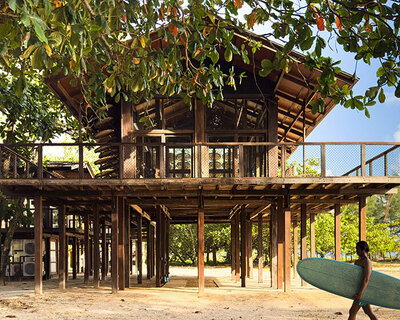
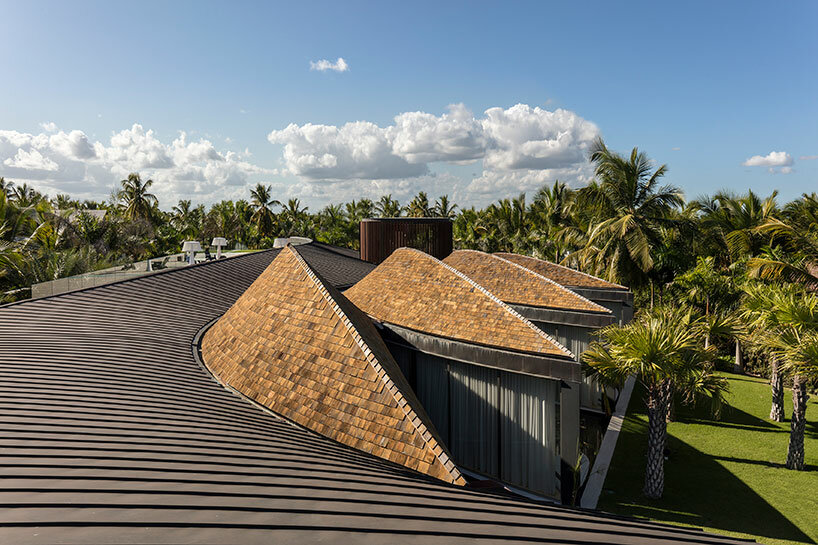
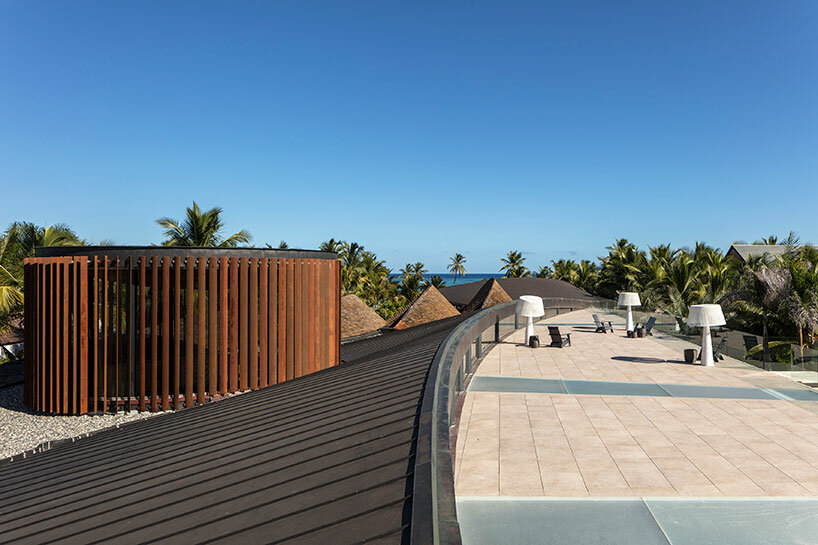
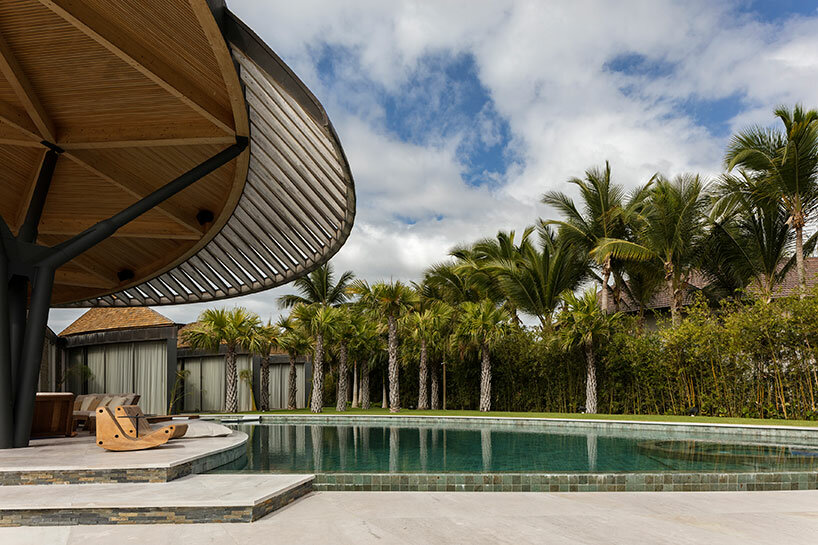
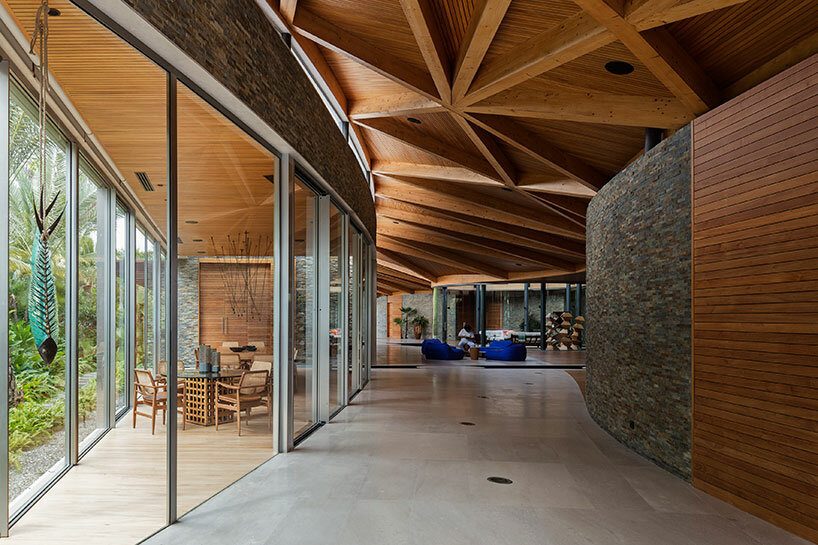
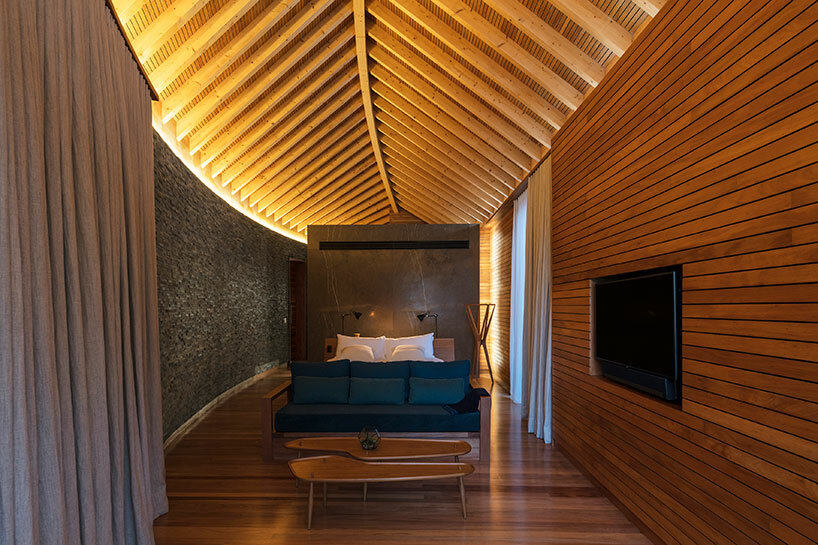
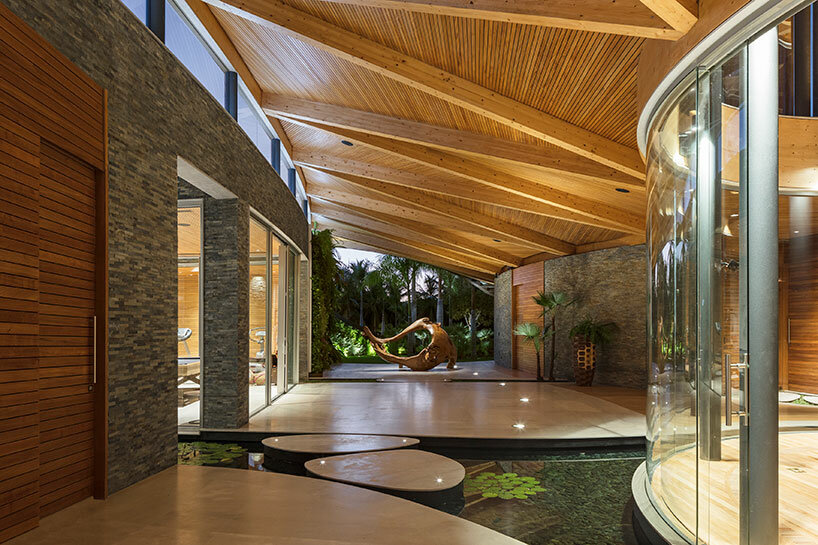
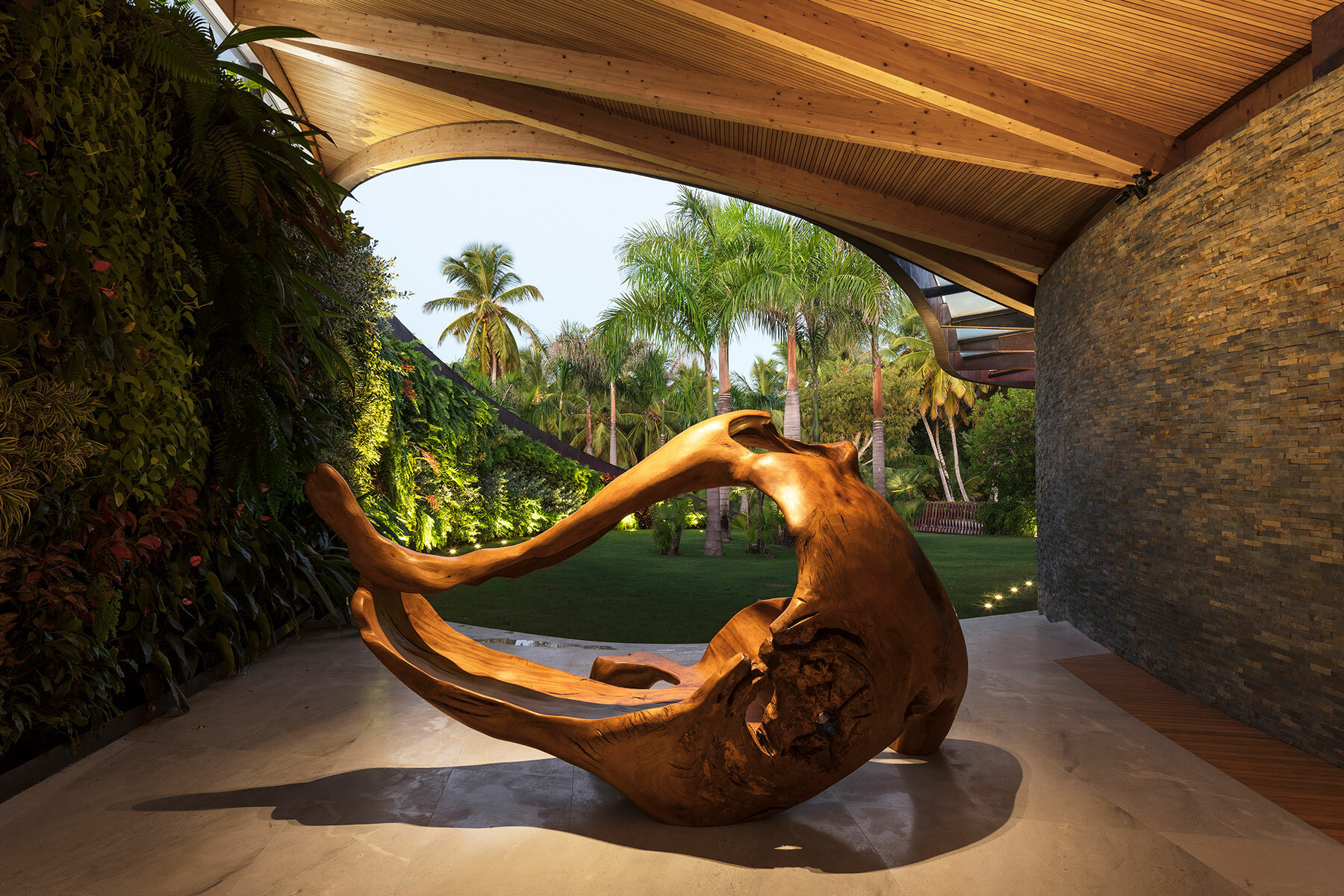
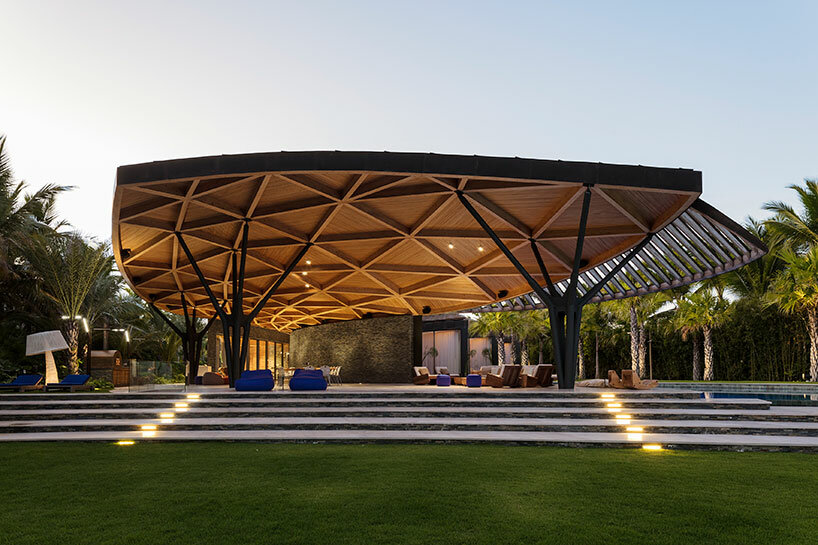
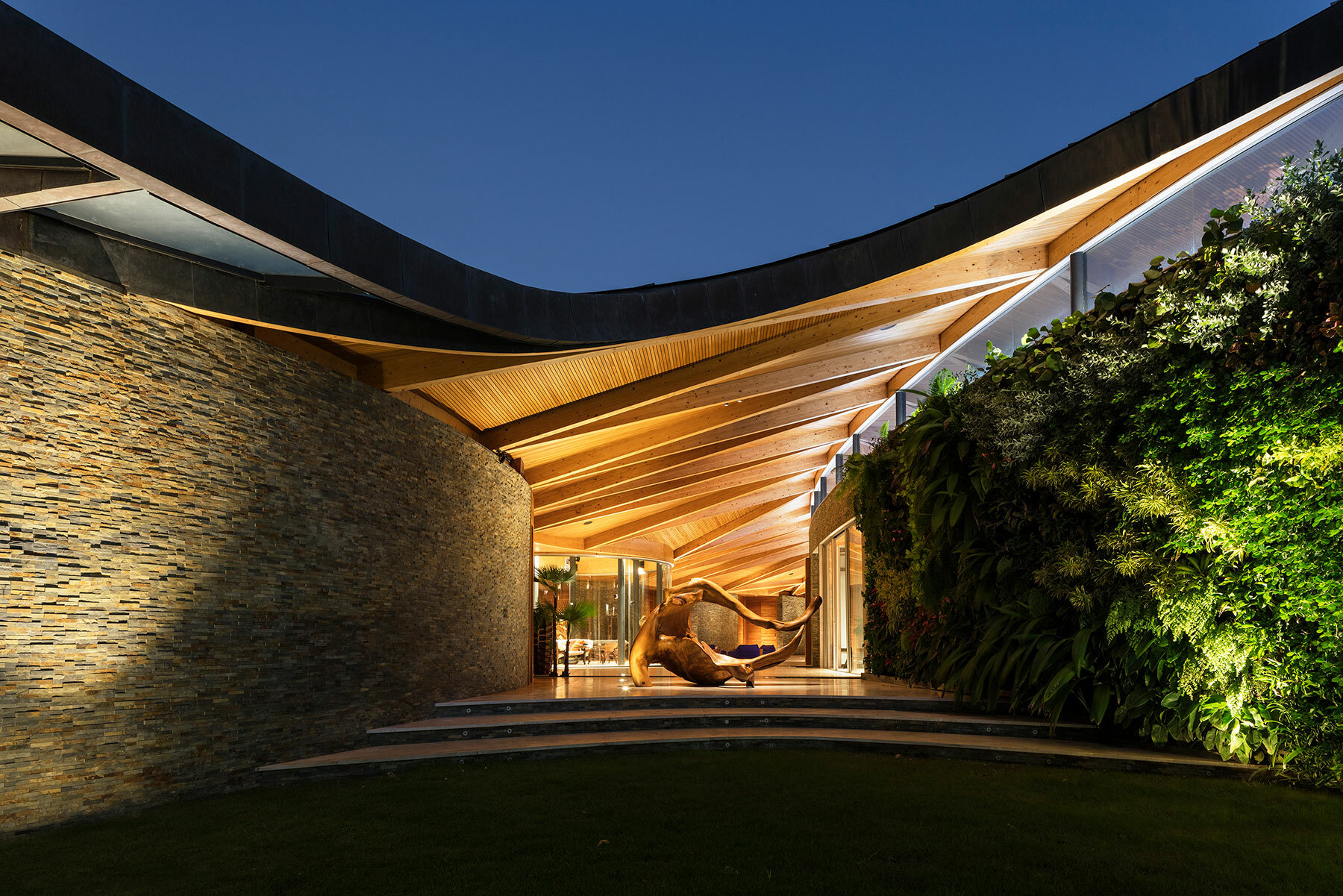
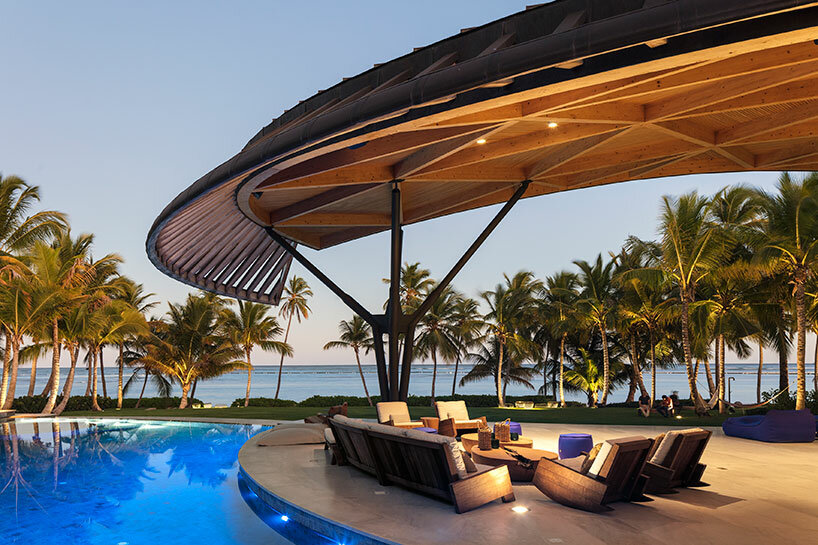
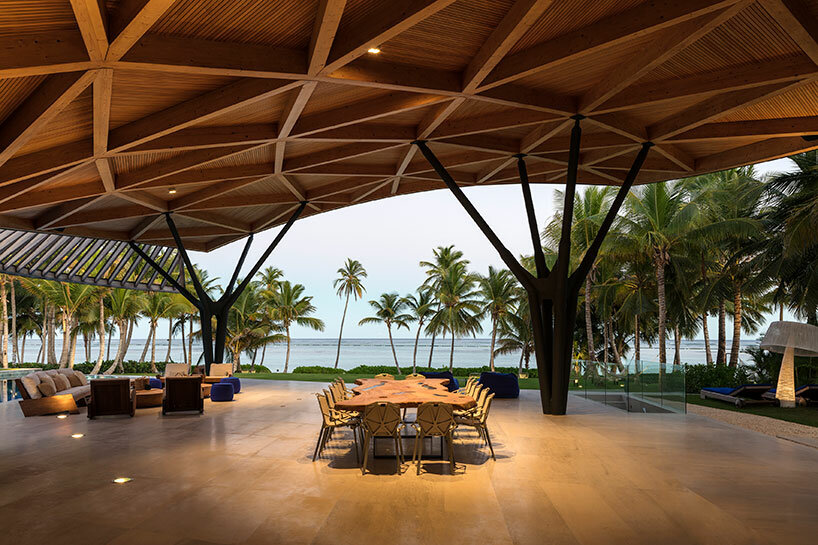
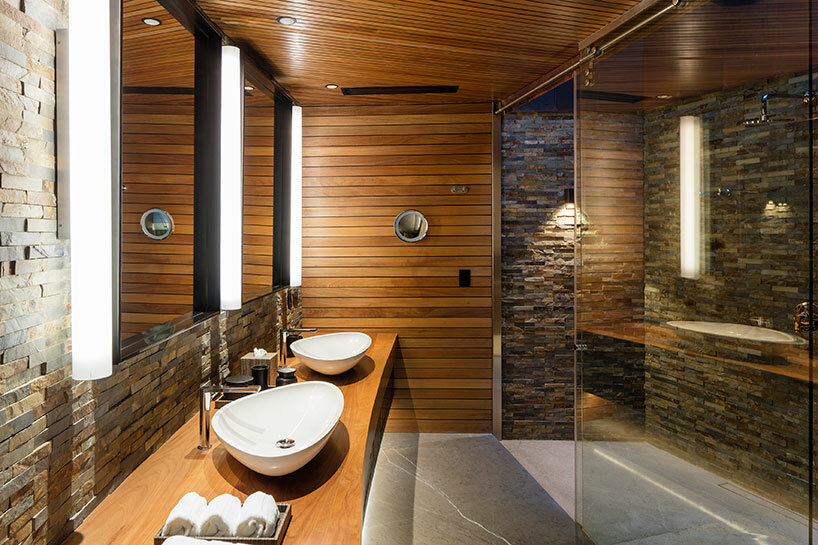
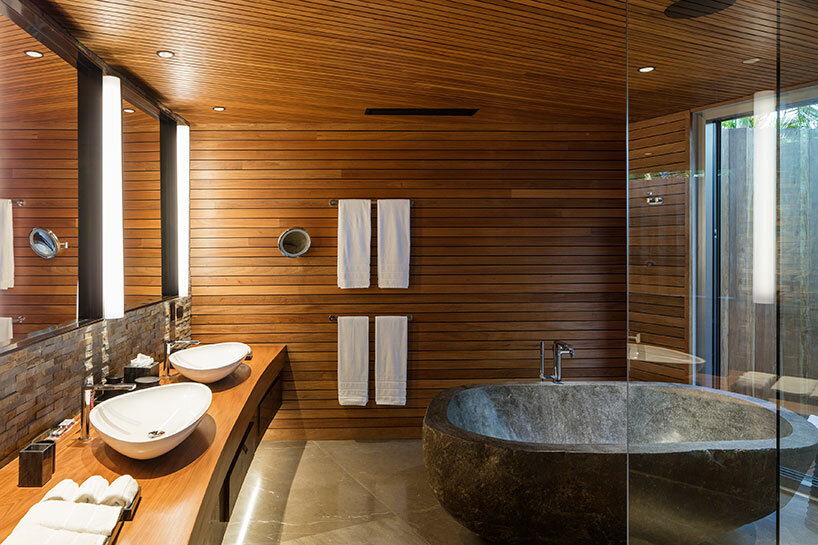
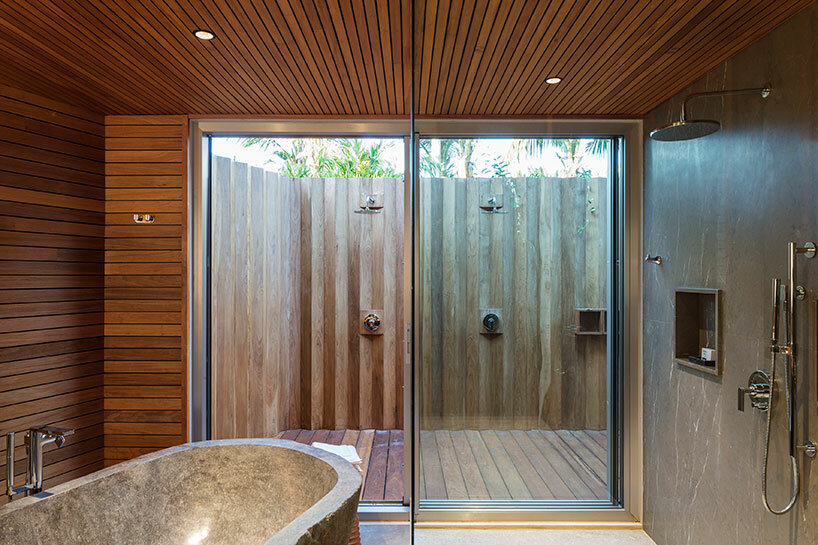
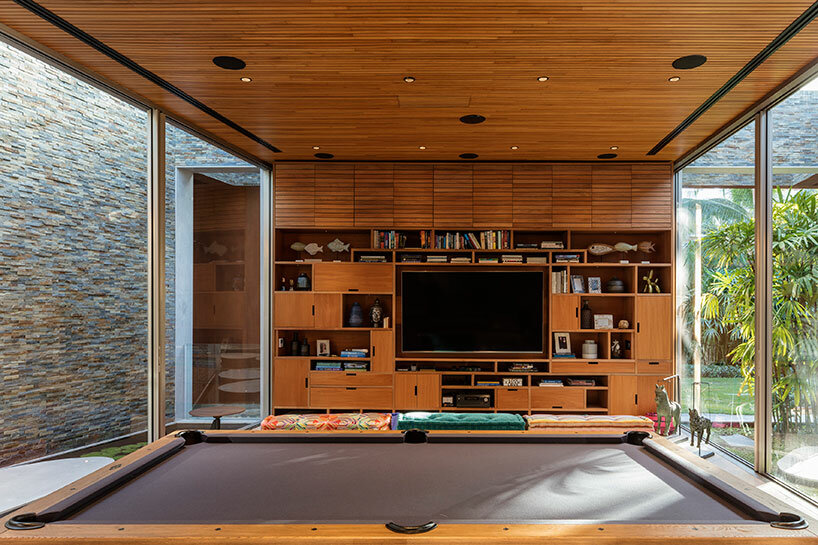
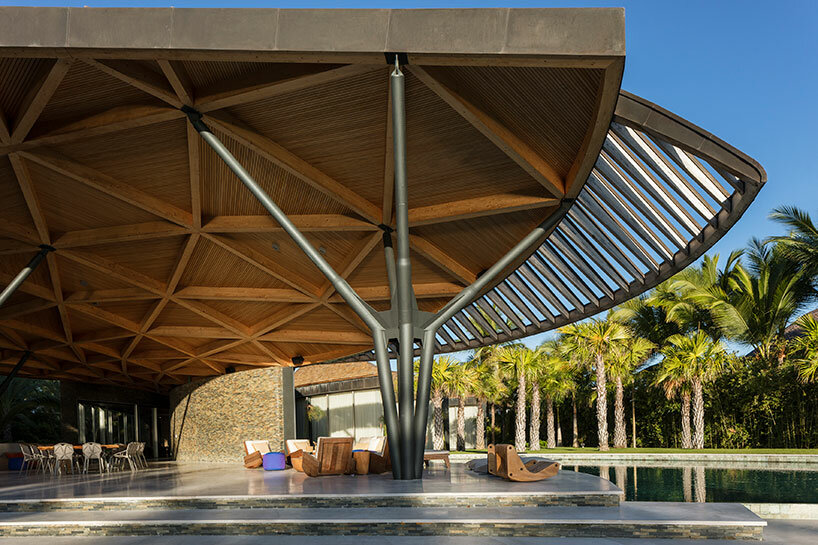
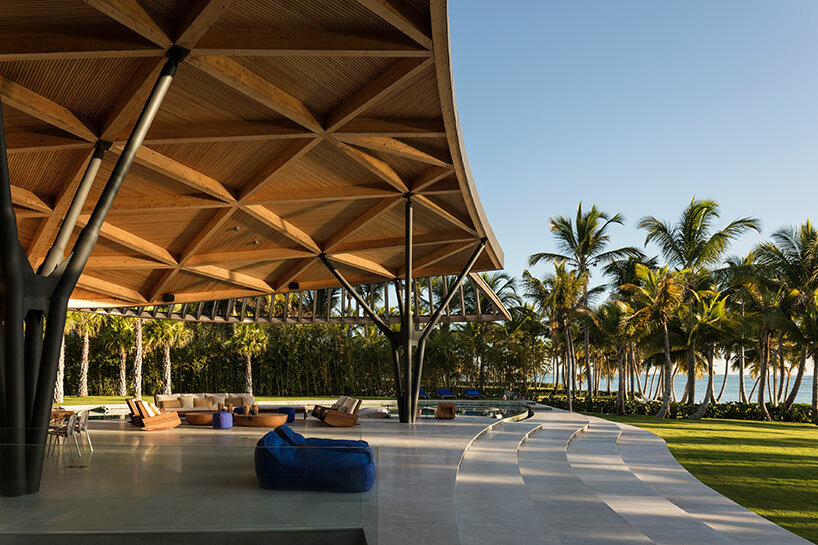
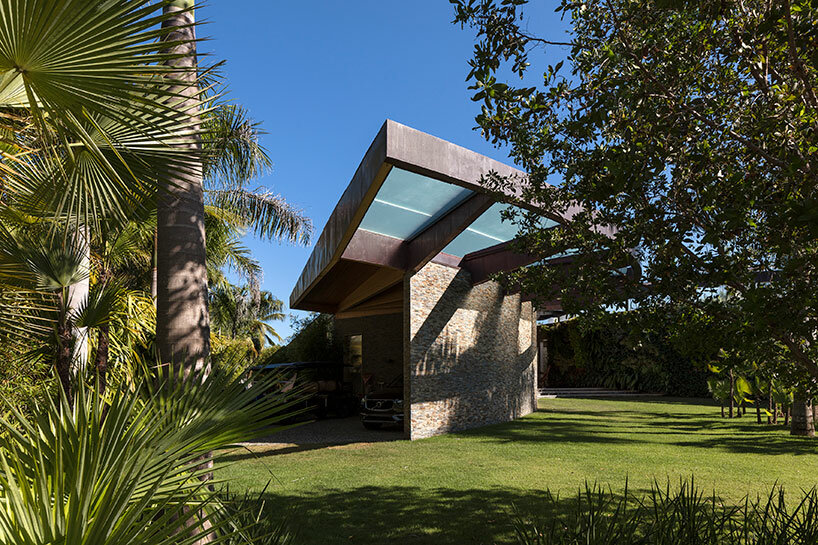
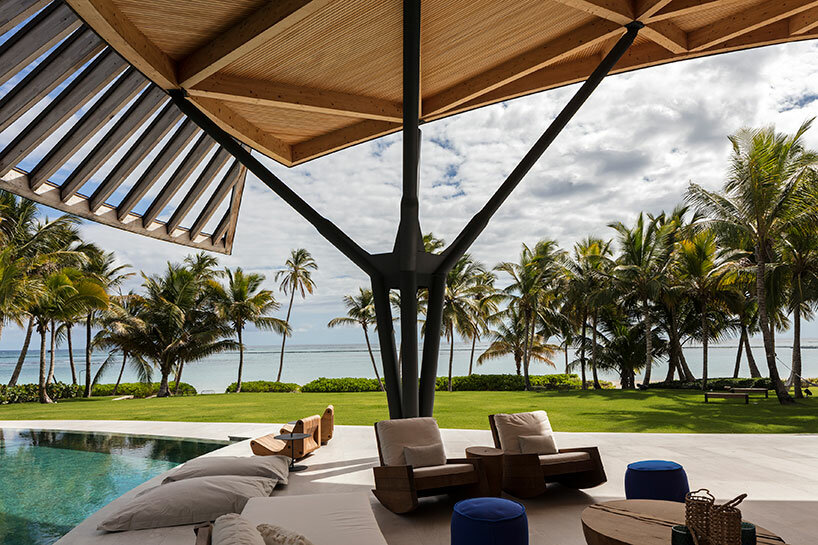
Casa Punta Cana emerges in the Dominican Republic as a contemporary, one-story residence signed by Mareines Arquitetura. The organic structure, entirely open to the Caribbean beach and the street, sweeps through the landscape with its unconventional and parallel lines, blurring inside and outside while allowing ample daylight and natural ventilation to filter into its living spaces. Being exposed to the country’s hurricanes, the dwelling is composed of a highly wind-resistant structure created with digital manufacturing technologies previously unseen in the Dominican Republic. Designed by the architects with sustainability in mind, the project also combines wood, steel, copper, stone, and concrete to create a dynamic palette.
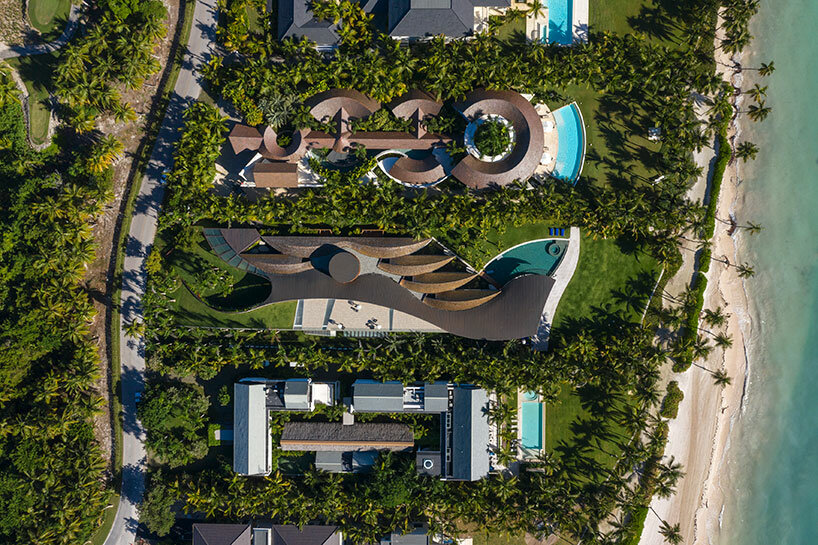
a multi-program residence embracing its caribbean setting
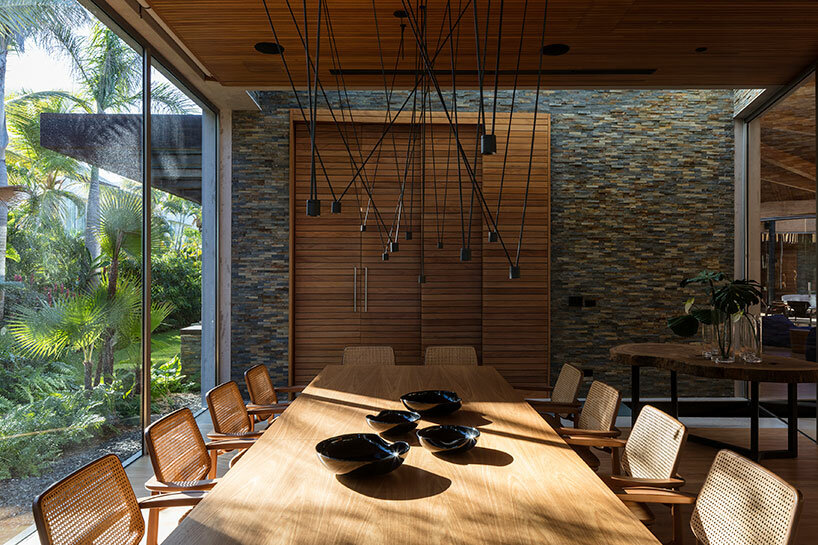
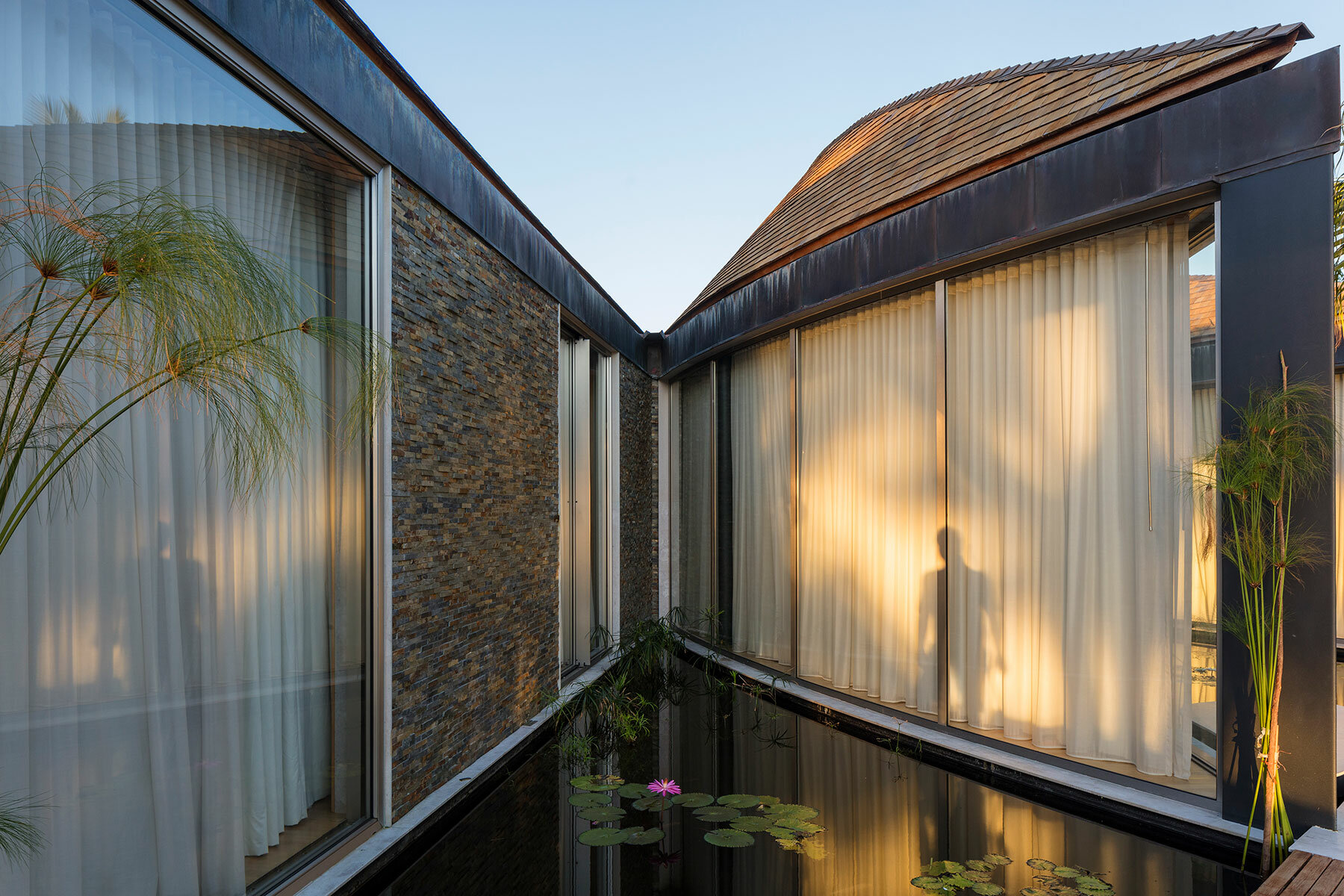
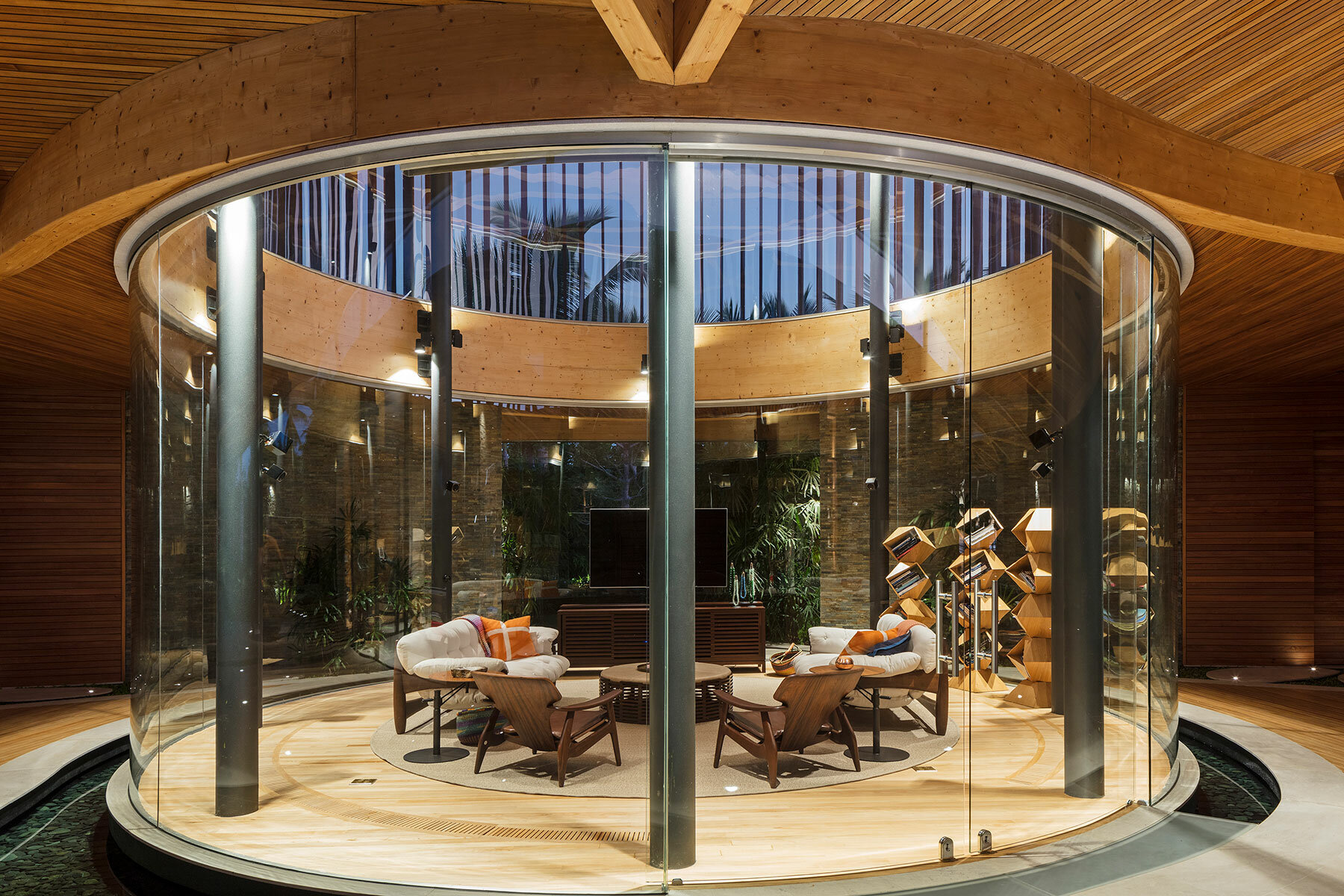
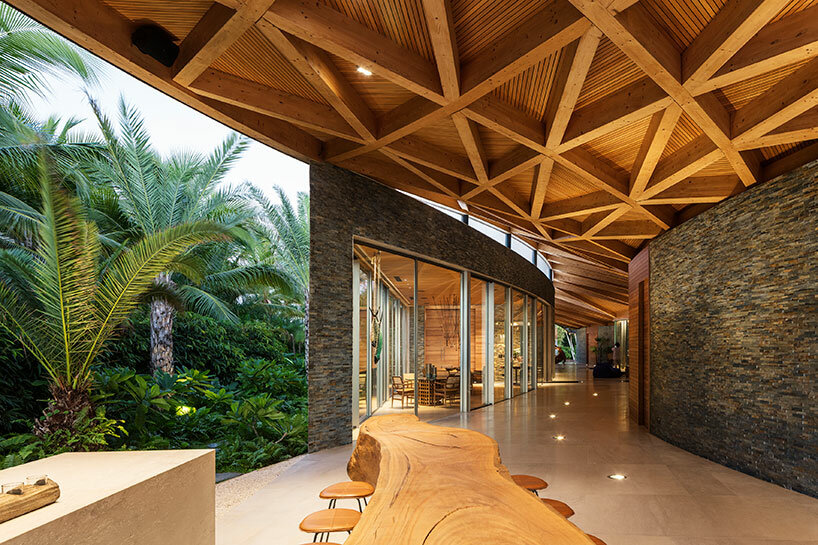
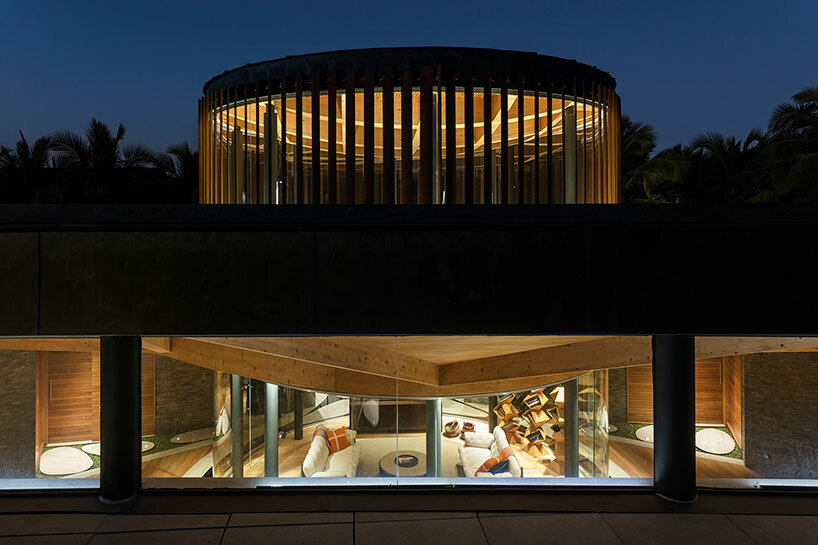
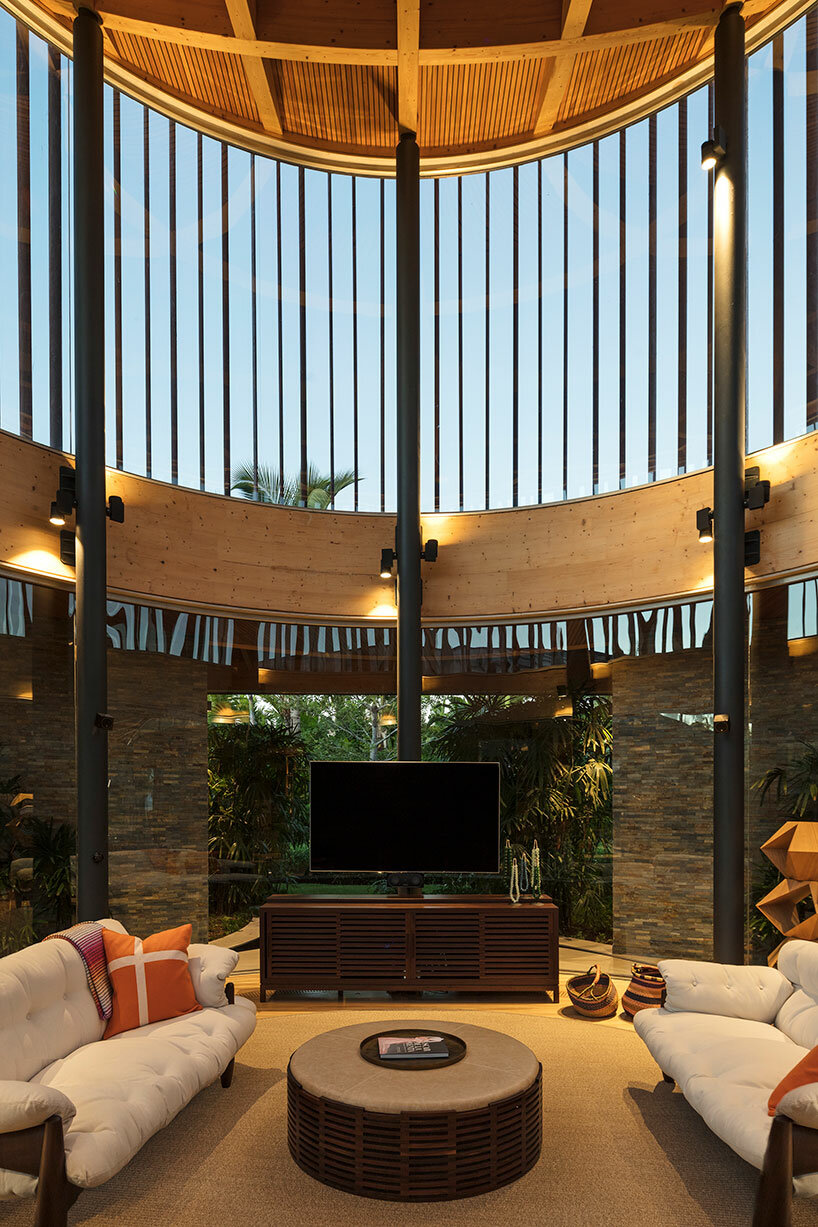
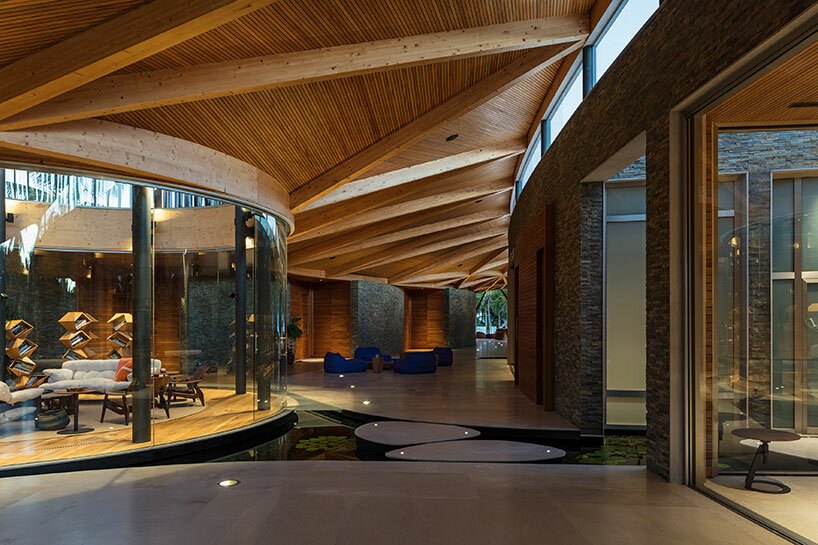
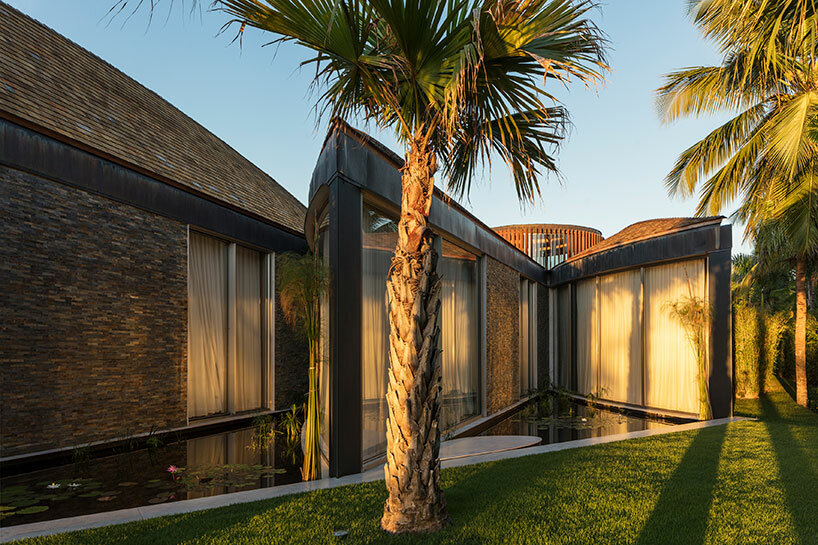
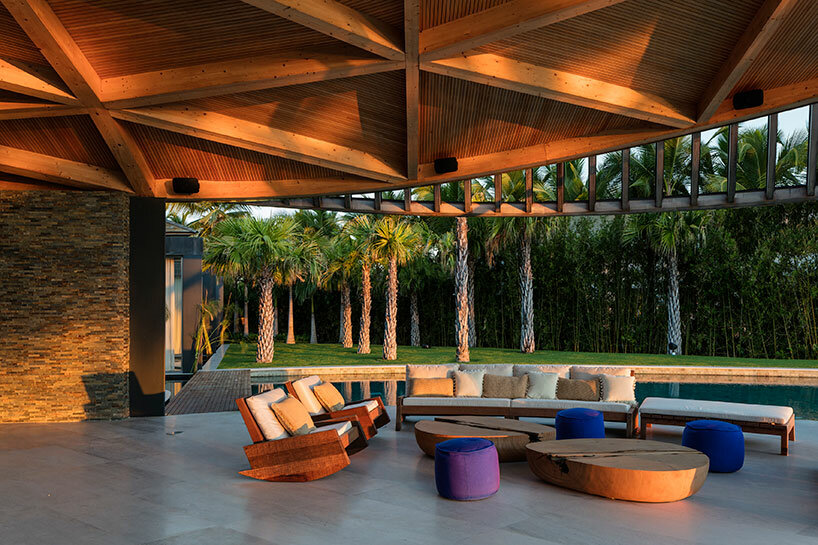
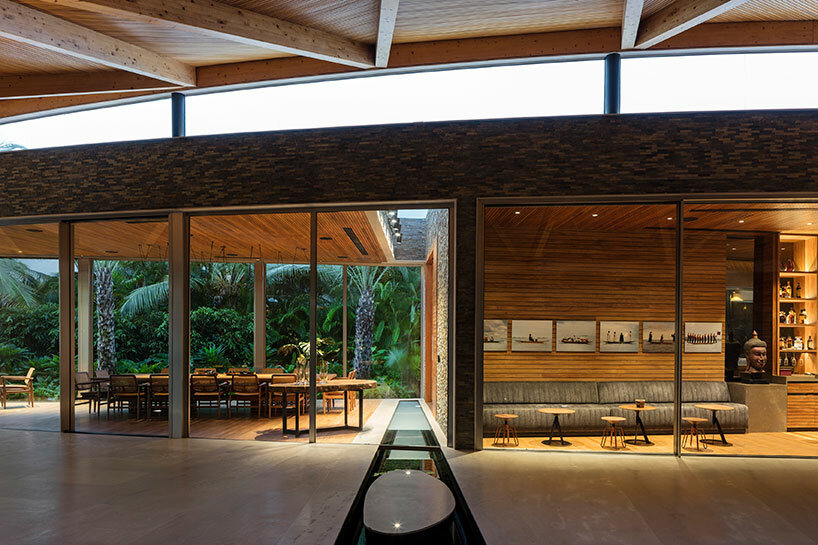
Casa Punta Cana by Mareines Arquitetura (see more here) is inhabited by an American family who took part in all stages of the design. Requesting a comfortable and large house sprawled across one level with several rooms of the same size, the clients adorned their spaces with decoration and furniture by Brazilian designers, with the exception of one chair. In the north block are six independent suites, each one with its own view and gardens. The south block houses the dining room, bar, kitchen, game room, gym, and all related services. In the center, a common room is planned as a meeting place for family members to gather, as well as guests, all coming from abroad. In addition to a glass cylinder floating amidst the water gardens, the entire residence is snaked lengthwise by a large veranda. A total of 700 sqm of open and closed patterns take over Casa Punta Cana, with highs and lows, varied shapes, and landscapes in all directions.
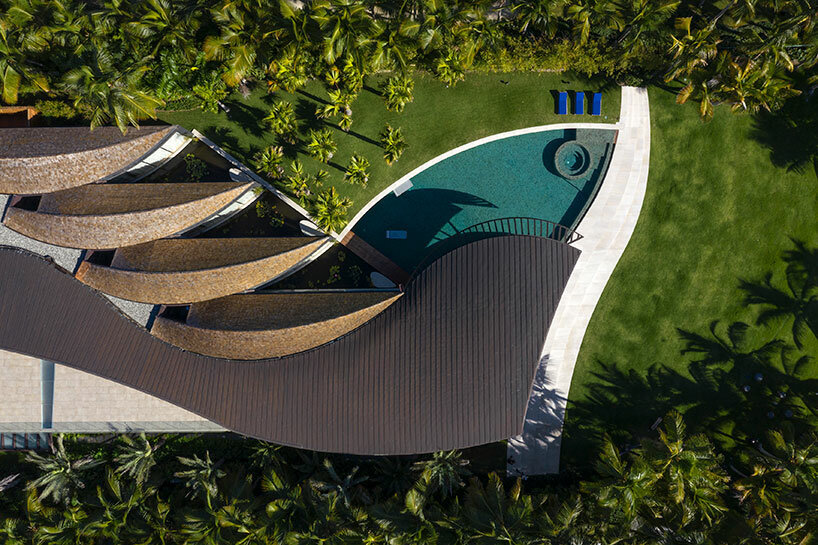
digital manufacturing technologies for hurricane-proofing
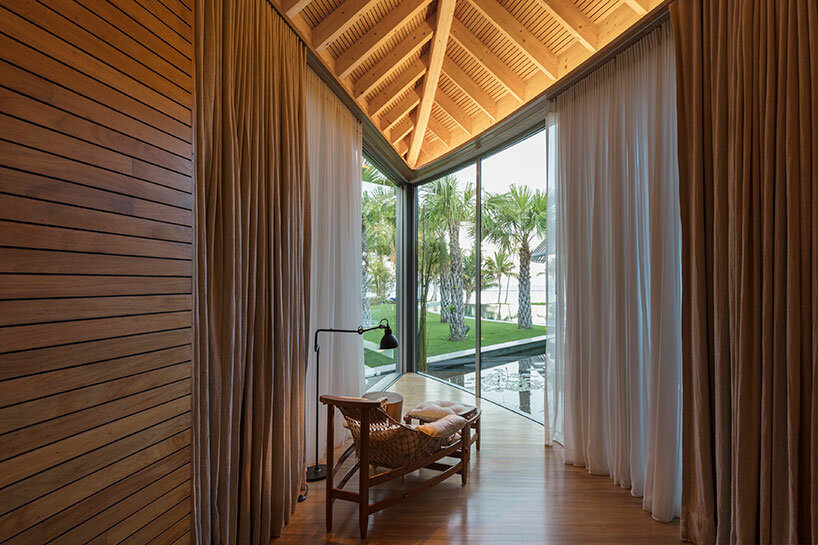
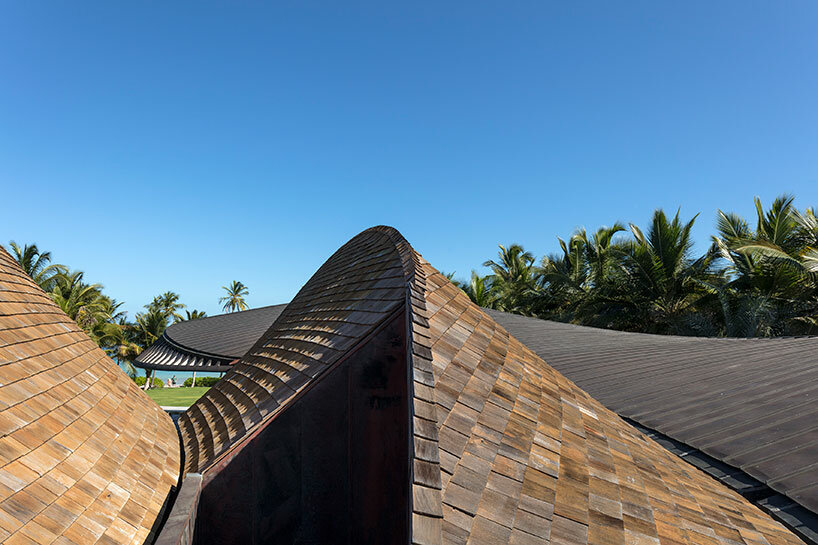
High tech solutions are another highlight of the project: The Dominican Republic, like much of the Caribbean, is subject to hurricanes with winds reaching 300 km/hour. Therefore, to produce the elements that meet these conditions, a CAD-CAM (Computer-Aided Design / Computer-Aided Manufacturing) technology was applied. The entire structure of glued laminated wood with double curvature, forming the roof of the veranda and suites, was digitally manufactured in France, as were the steel pillars that support it. The glass frames and the clipped copper roof were made in Spain, and the plates and blankets needed for the set’s perfect watertightness and thermal insulation came from the United States. In addition, to avoid being invaded by the sea in the event of a hurricane, the ground was raised and compacted at two meters above ground level, in caliche.
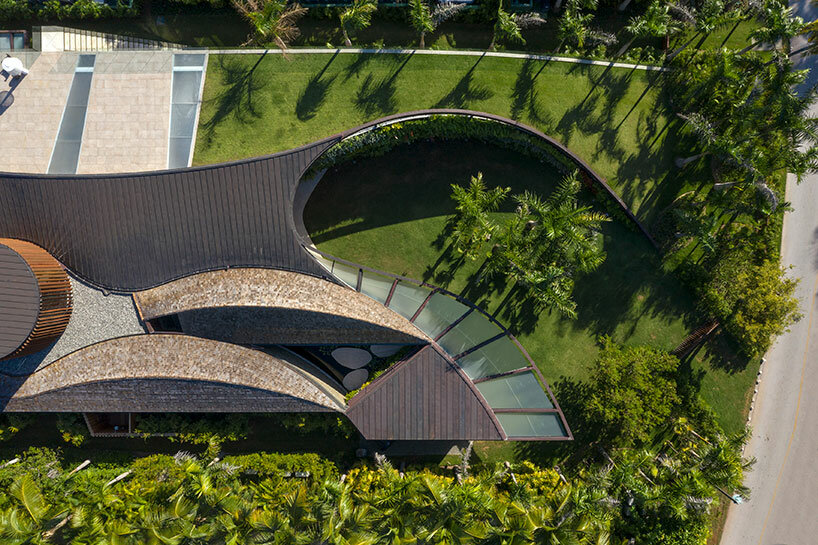
blending copper, concrete, steel, stone & wood with daylight
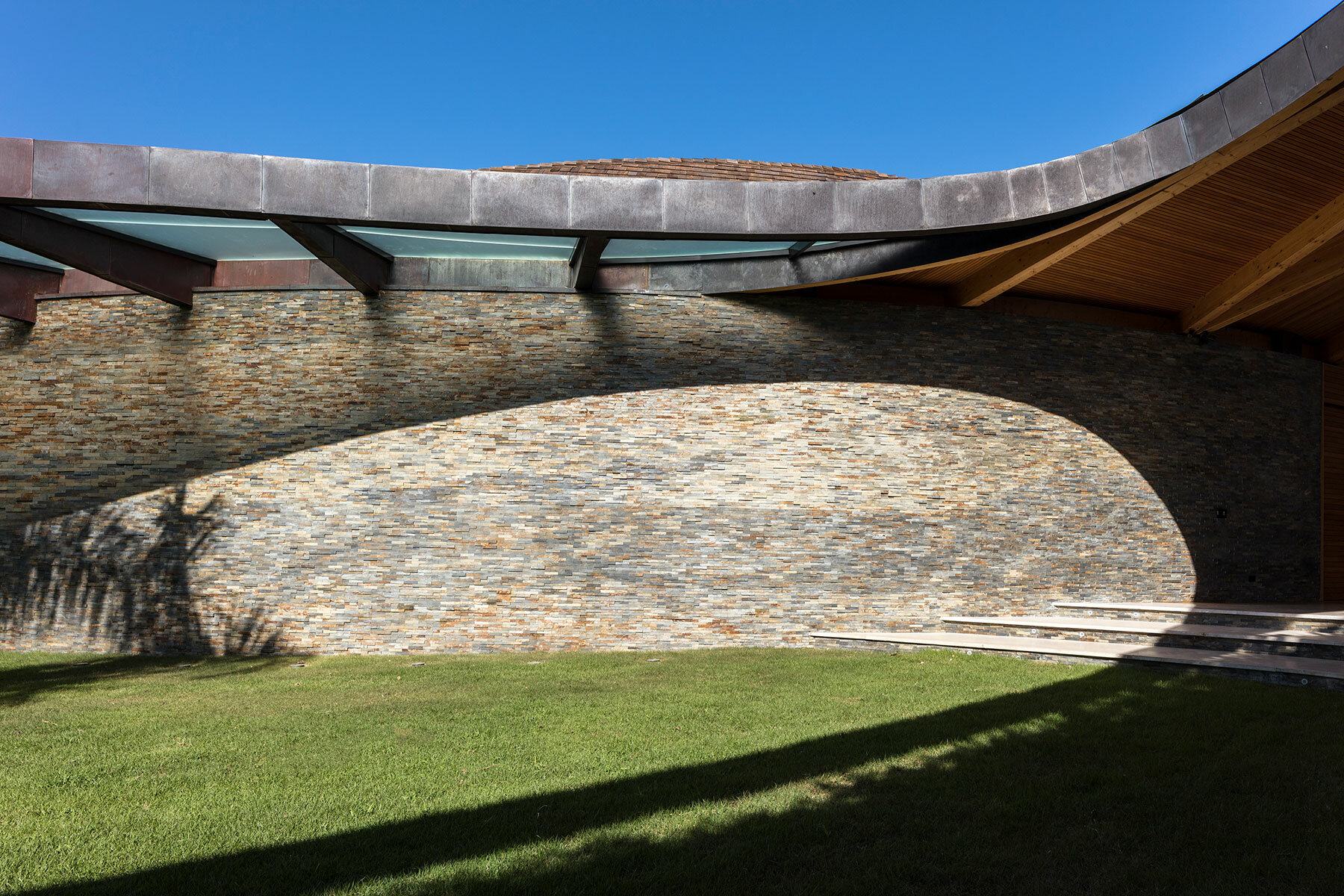
All structural connections are internal, hindering the oxidation that is common in coastal regions. Despite it, the roof comprises natural copper cladding, designed to change in color according to the action of the sea up ahead, injecting a personalized charm to Casa Punta Cana over the years to come. ‘Local labor made all the difference in the finishing of the project. Besides the perfection in the location, construction of the foundations and concrete walls that received the steel and wood structures, the artistic quality of the stone, wood, and copper finishes that dominate the aesthetic composition of the house were not neglected,’ says project manager Matthieu Van Beneden.
The lighting is predominantly natural, sneaking into the ‘slits’ of the house and changing as the day passes, as if ‘walking’ through the rooms. The landscaping, which resembles a living tapestry, unites Brazilian vertical wall work with Dominican horizontal garden work.






1/24
project info:
name: Casa Punta Cana
location: Punta Cana, Dominican Republic
architecture studio: Mareines Arquitetura | @mareinesarquitetura
lead architects: Ivo Mareines and Rafael Patalano
collaborators: Matthieu Van Beneden (project manager), Thiago Cunha,
Felipe Guimarães, Isabela Trota, Gabriel Vicente
builder: Constructora AYBAR
management: Rafael Aybar and Carlos Del Castillo
steel structure: SIMONA
frames and curved glass: Cerartec
woodwork: Phileppe Herbreteau
landscaping: Vistara Paisagismo
marble and granite: Marmotec
photographer: Leonardo Finotti | @leonardofinotti
land area: 5,525 sqm
total built area: 1,723 sqm
completion: 2017
shop
your own online design shop — no sales commission collected