glazed rectangular box + white stone walls characterize tsenpo museum extension in china
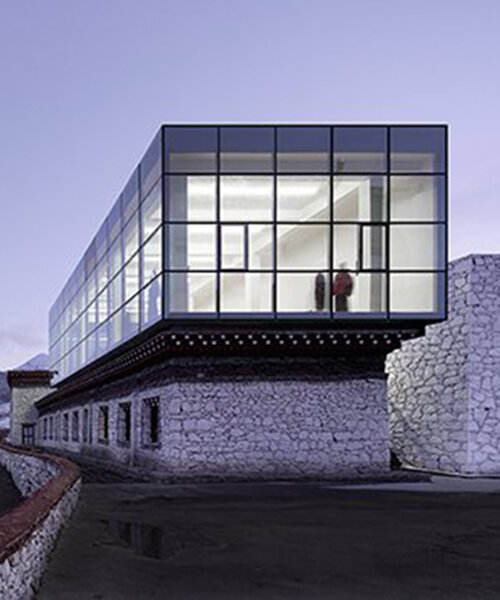
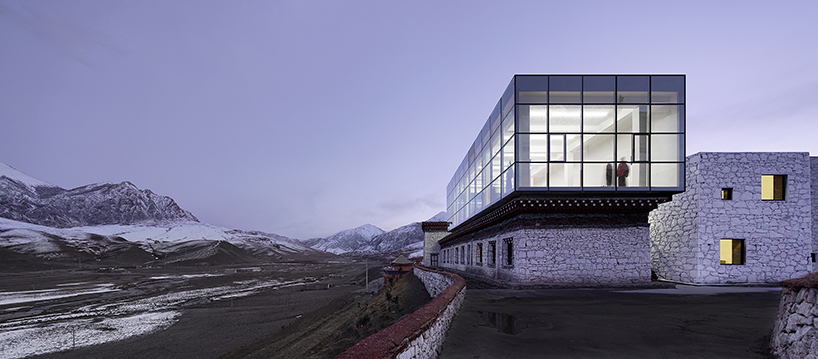
jí architects created an extension to the tsenpo museum in china by placing a glass box in the optimal position facing the holy mountains.
prefer designboom on google[FEATURED]
jí architects designed the extension of the existing 500 sqm tsenpo museum in china with an additional space of 800 sqm to meet the ever-growing needs for exhibition and cultural exchanges. the tsenpo museum was founded and built in jizha township of nangqian county, a rural town in the south of china. the museum’s main volume was constructed by piling one stone on another with the craftsmanship of shannan, tibet, and stands as the visual center of the entire architectural complex of the museum.
all images by wang hongyue
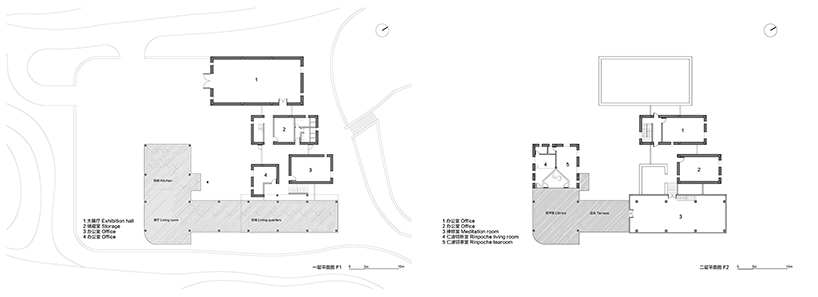
the expansion by jí architects is conducted within this area and includes more space for offices, exhibition and cultural exchanges, a 150 sqm meditation center, and an equally-sized exhibition hall. both the old and new museum campuses are jointly built by tibetan people and lamas utilizing primarily the local stone materials. one site is built in traditional tibetan style, whereas the other, stripped of conventional decorations, adopt simplistic stone façades coupled with transparent curtain walls of glass to cater for the varied needs of modern life.

the new museum surrounded by snow mountains
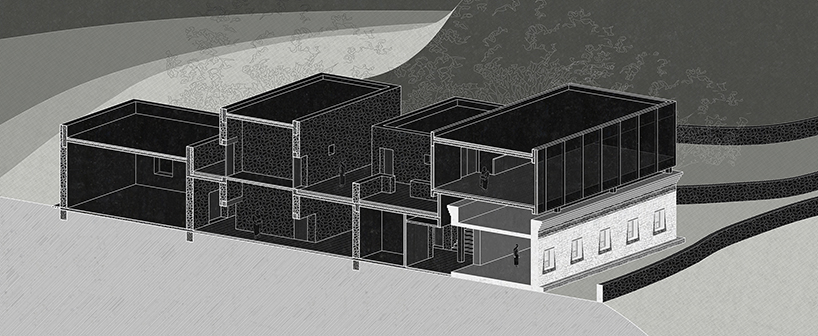
after the construction of the new extension, tsenpo museum conducted an exhibition themed ‘something in the air’ by the modern artist zhao yao, hoping that the locals would come to experience the interesting clashes arising from the introduction of new elements. the architects wanted the modern counterpart to take on an attitude of not compromising while respecting the tradition. the new campus has created some visual voids and platforms via the mutual displacement between several volumes, enabling people to sense the visual centerpiece yumbu lakhang at all times.

old museum and new expansion
meanwhile, a structural reservation from the old building is used for placing a glass box in the optimal position facing the holy mountains. the box is eye-catching and humble—during the day, wreathed by the snow mountain, it becomes semi-hidden in the surroundings through its reflection against the sky. the dazzling sunlight casts a deep shadow over the white walls and window holes; in the afternoon, the building merges itself with the glowing snow as the glass box reflects yumbu lakhang and the snow-capped mountains, constantly changing its colors along with the uncertain weather and drifting clouds. in the dark, silent night, it transforms itself into the brightest lighthouse beside the national highway 214 that runs towards tibet.

the glass of the new museum reflects the old one
the glass box suspended above the old building is the meditation center, the largest space in the new campus, which features a panoramic view of the three holy mountains. in this space, people can enjoy zen tea, dance, music, or simply do nothing but sit still with their faces towards the rolling holy mountains for a couple of hours, an afternoon or even an entire day, listening to the sounds of nature and perceiving the changing scenery around.

looking at the expanded new building from the courtyard

a meditation room was added on top of the old building

the passageway between new volumes and old museum

the white stone wall is the canvas of shadow

through glass between the stone, volumes can see the other side of the building

project info:
name: expansion of tsenpo museum
designer: jí architects/lu wenhui , li jieran
project area: 820 sqm (8,826.41 sqft)
location: china
client/construction: tsenpo museum
site supervisor: gengque duoga, bading duojie
photography: wang hongyue
designboom has received this project from our ‘DIY submissions‘ feature, where we welcome our readers to submit their own work for publication. see more project submissions from our readers here.
shop
your own online design shop — no sales commission collected