green patios pierce kéré architecture’s masterplan for cultural center in notsé, west africa
the masterplan stems from the remnants of the historic wall that encircled notsé -- the ancient capital of the ewé kingdom -- and the agbogbodzi sanctuary.
prefer designboom on google[FEATURED]
Center des Cultures et Spiritualités Ewés to wind through notsé
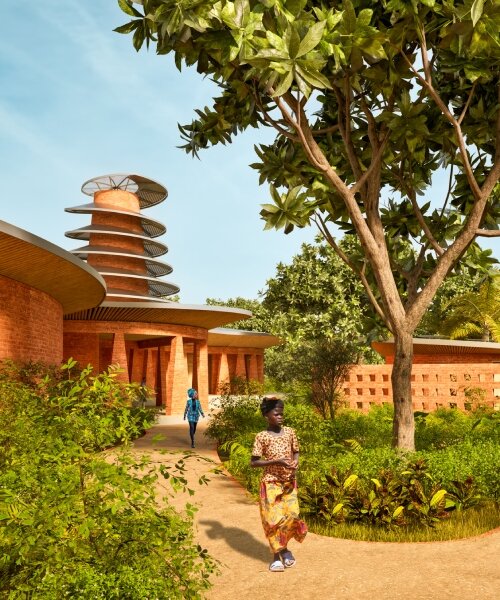
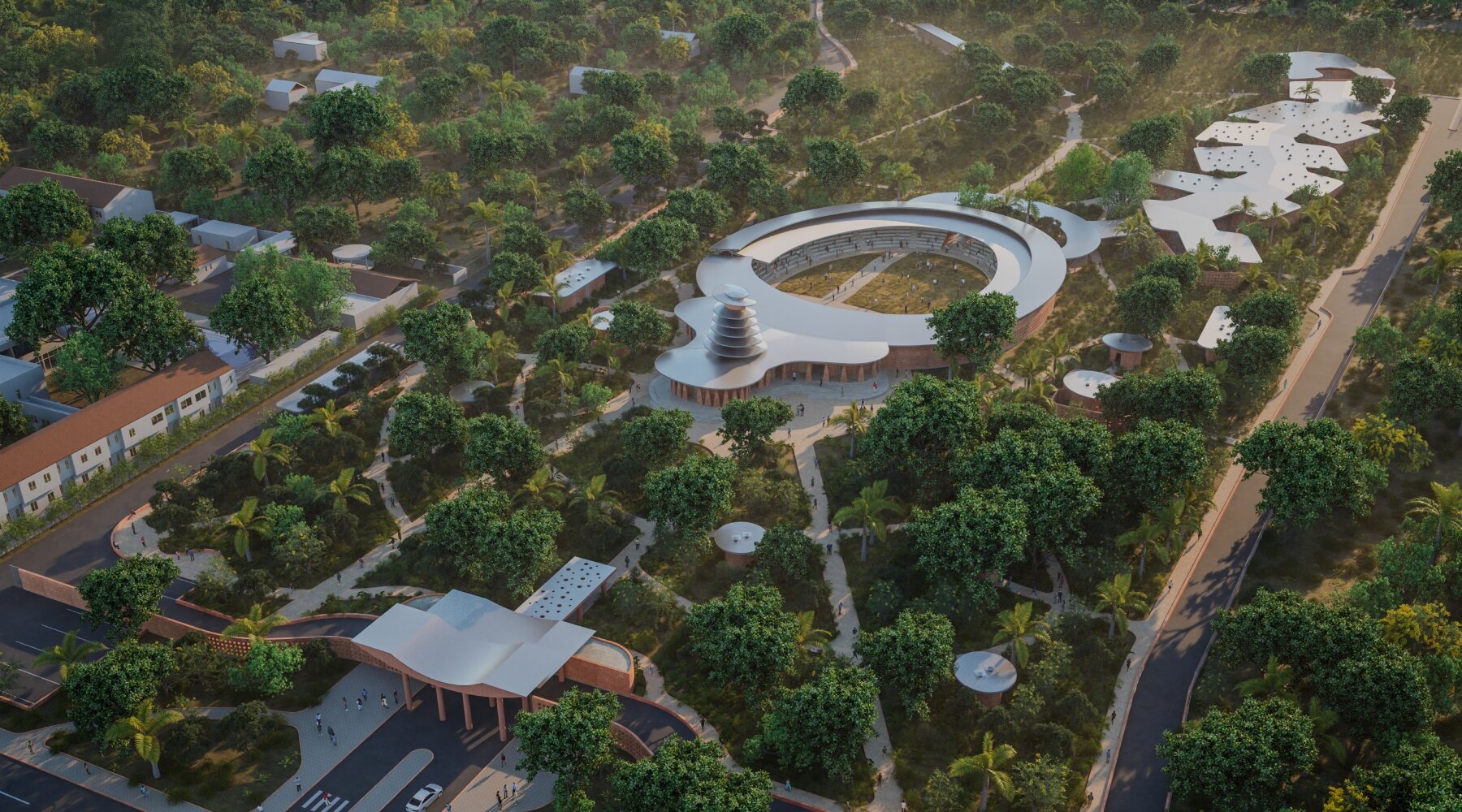
Kéré Architecture reveals its masterplan for the Center des Cultures et Spiritualités Ewés in Togo, West Africa. A cultural initiative aimed at preserving and promoting the heritage of the Ewé people, the project stems from the historic remnants of the great Agbogbo wall that encircled the city of Notsé — the ancient capital of the Ewé Kingdom — and the Agbogbodzi Sanctuary.
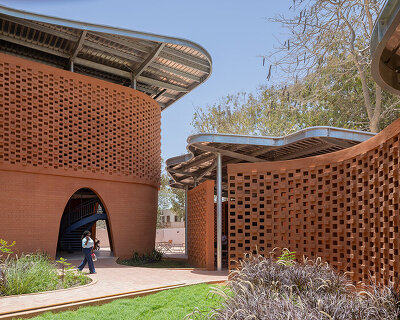
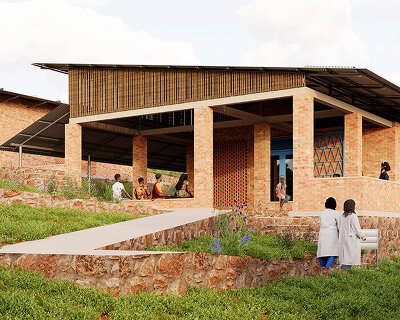
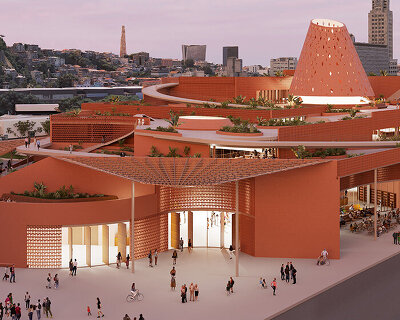
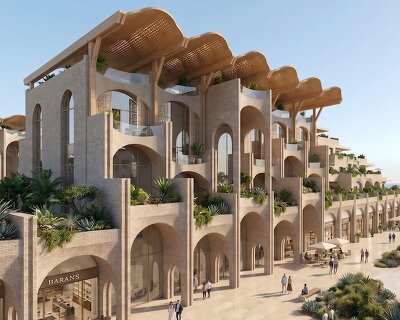
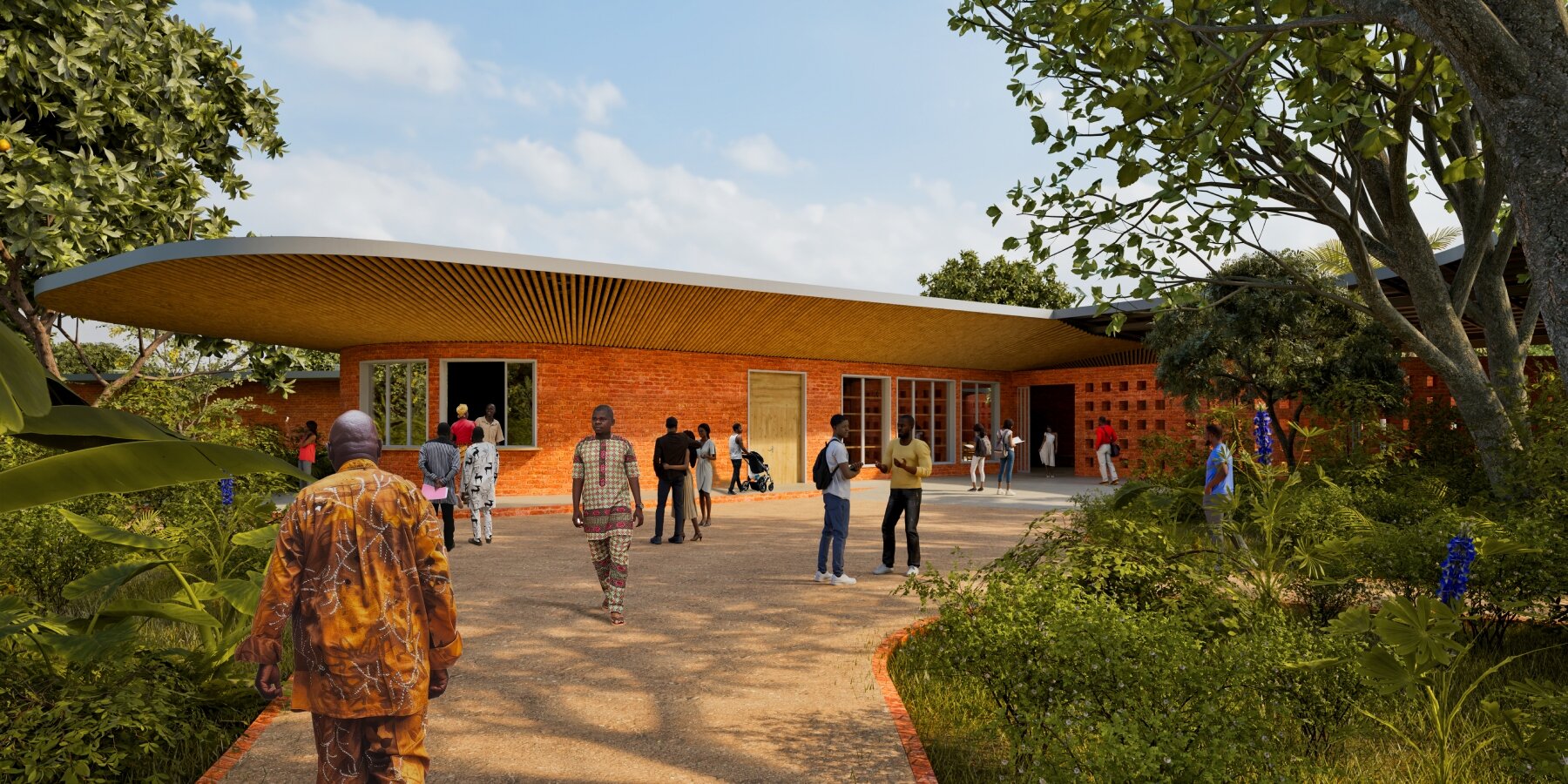
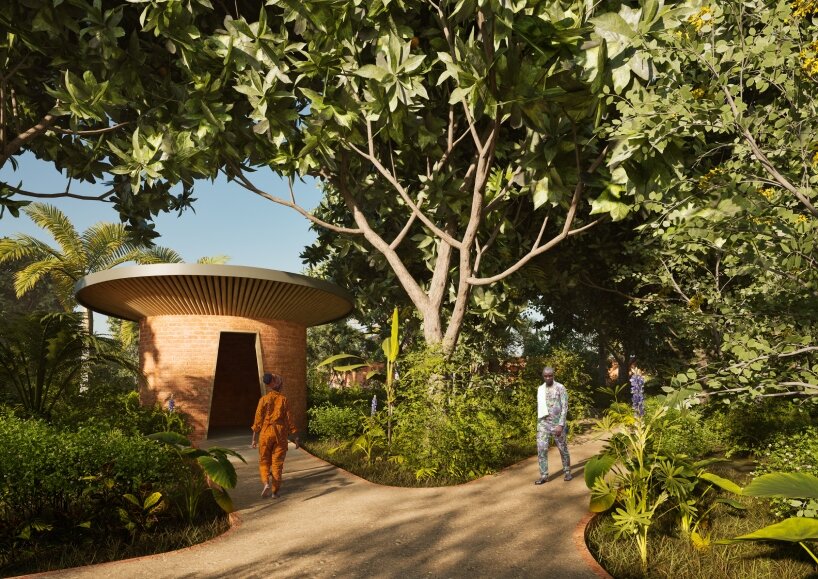
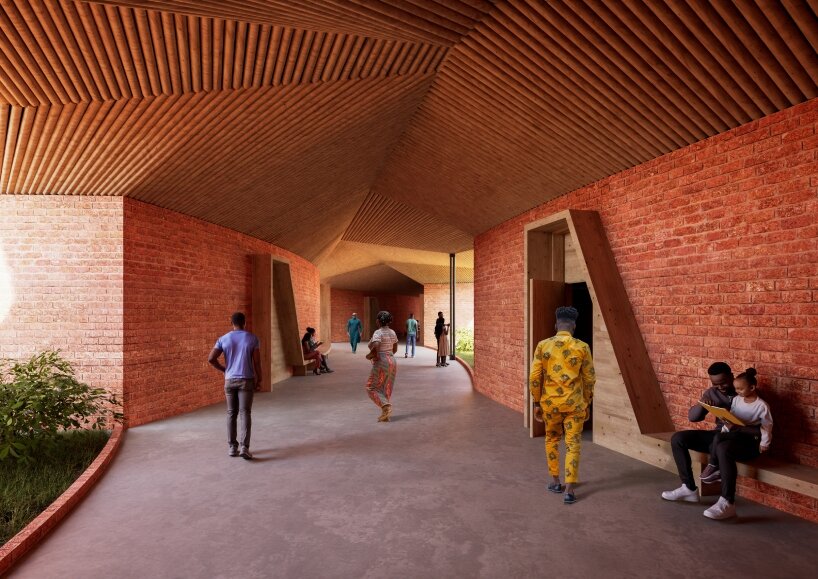
A series of red laterite brick volumes wind through the natural landscape shrouded in vegetation, introducing intimate and open spaces for community engagement and sanctuaries and temples for worship. Rising from the low-lying volumes is a single spiral tower that serves as an emblem of the site’s spiritual heritage and anchors the open-air amphitheater.
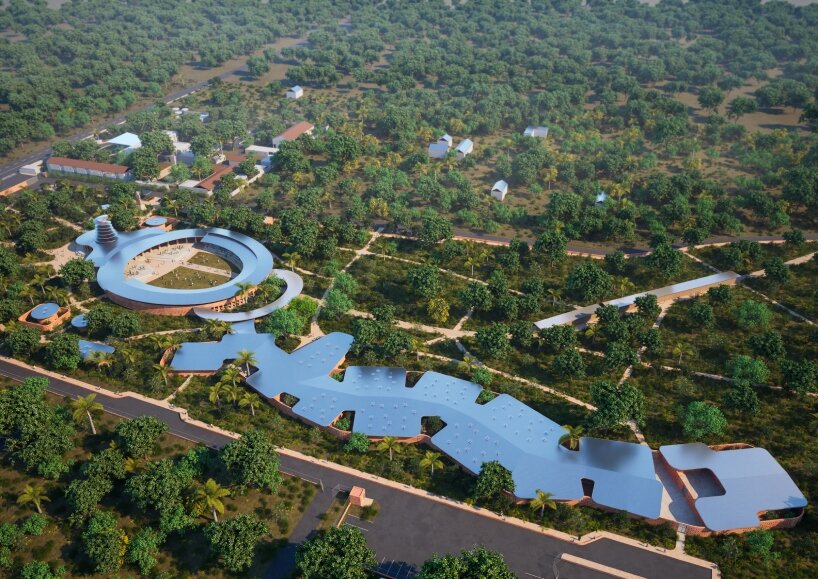
the red brick masterplan creates community and sacred spaces
Notsé, located 80 kilometers north of Togo’s capital, Lomé, is known as the origin point of the Ewé people before their historic migrations within Togo and to neighboring Benin and Ghana. Every September since 1956, the site of the Center des Cultures et Spiritualités Ewés too has served as a place for Ewé pilgrims to celebrate the Agbogbozan festival. Drawing on this historical significance, the development, initiated by the Kothor Foundation, aims to reposition perceptions of Ewé ancestral rites and traditions by establishing a globally recognized culture and heritage hub.
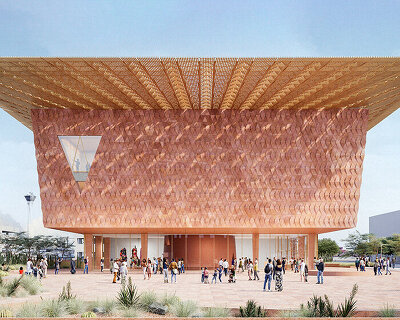
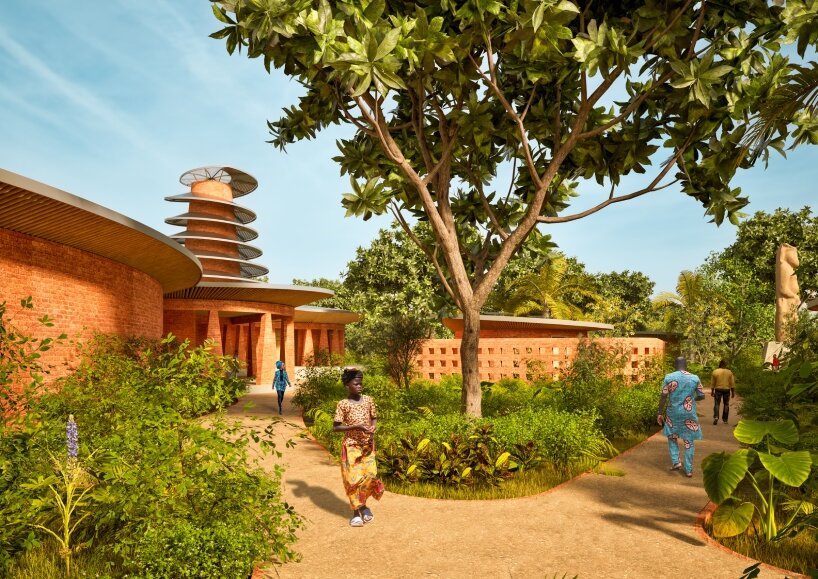
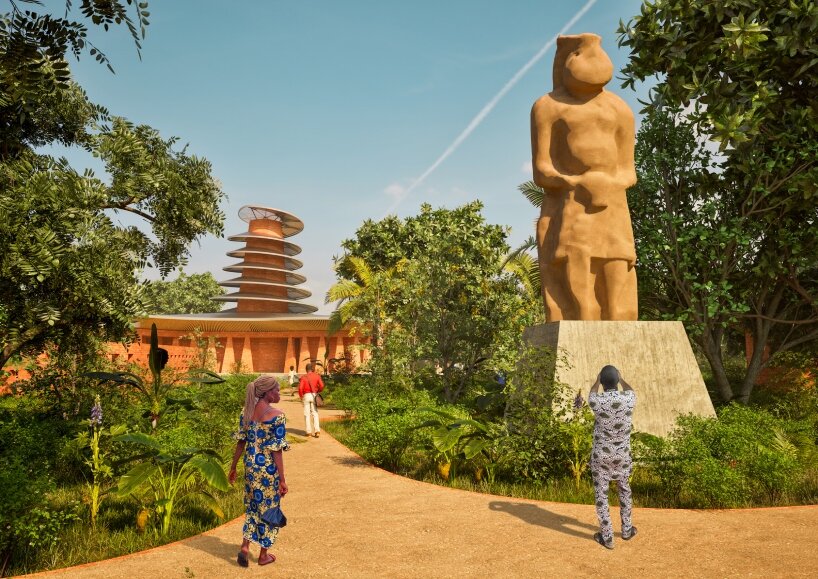
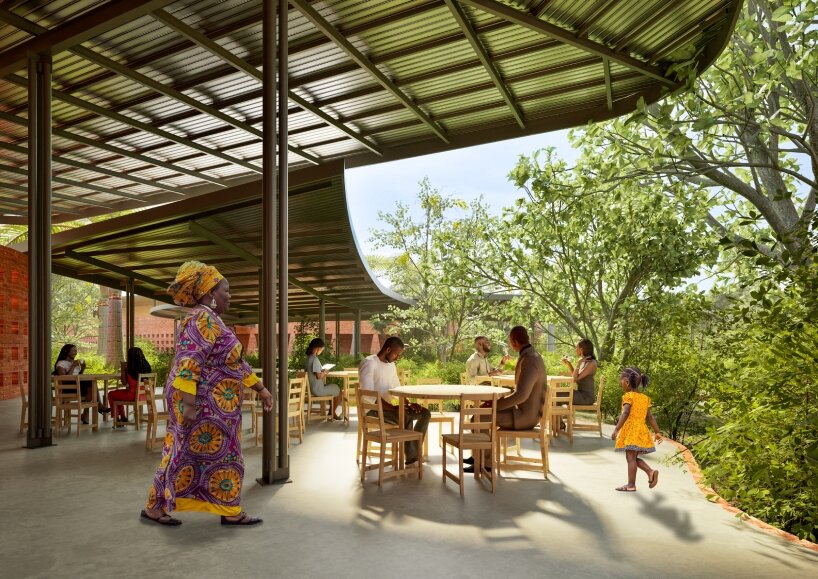
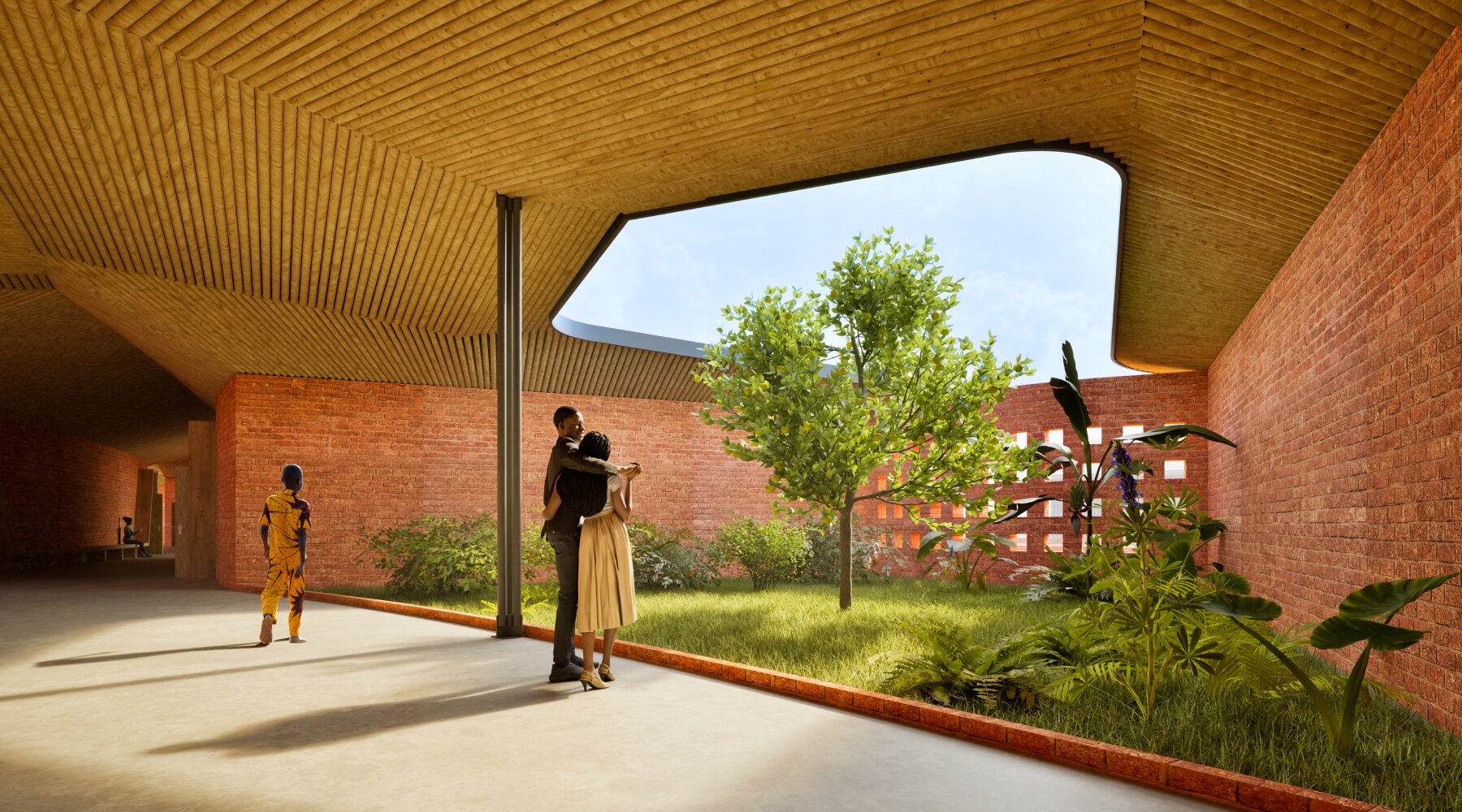
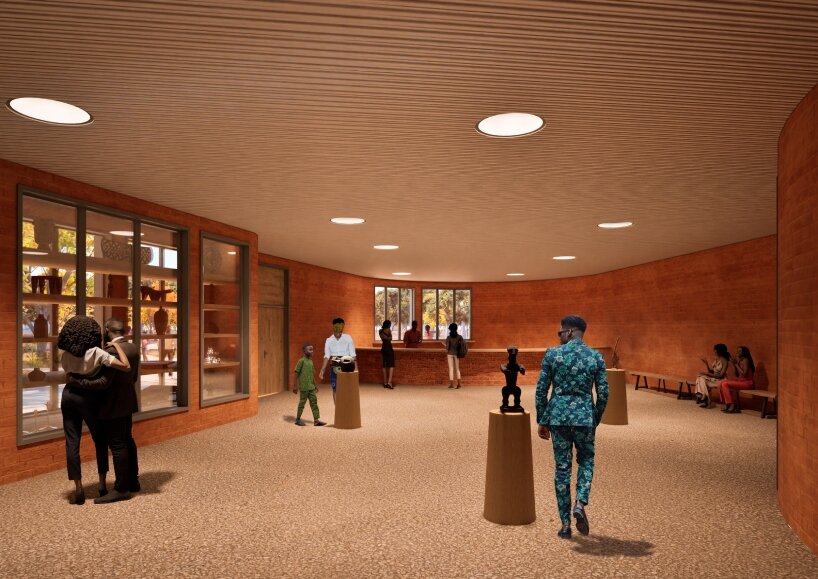
Kéré Architecture develops a fluid masterplan embracing low-rise buildings punctuated by planted patios that create transitions between built and natural environments throughout the site. The Germany-based studio marks the main entrance to the program as an emblematic, reverent gateway inspired by the Ewé Stool, a royal chair symbolizing power. The path of the ancient Agbogbo wall guides visitors through, etched into the ground with an outline inspired by traditional paving made from pottery shards commonly found at sacred sites. Ahead, exhibition rooms and an auditorium create spaces for community engagement, learning, and celebration of regional heritage. A reconstruction of the ancient royal palace and museum also offers a narrative bridge between the past and present, tracing the evolution of the Ewé people’s history alongside contemporary works.
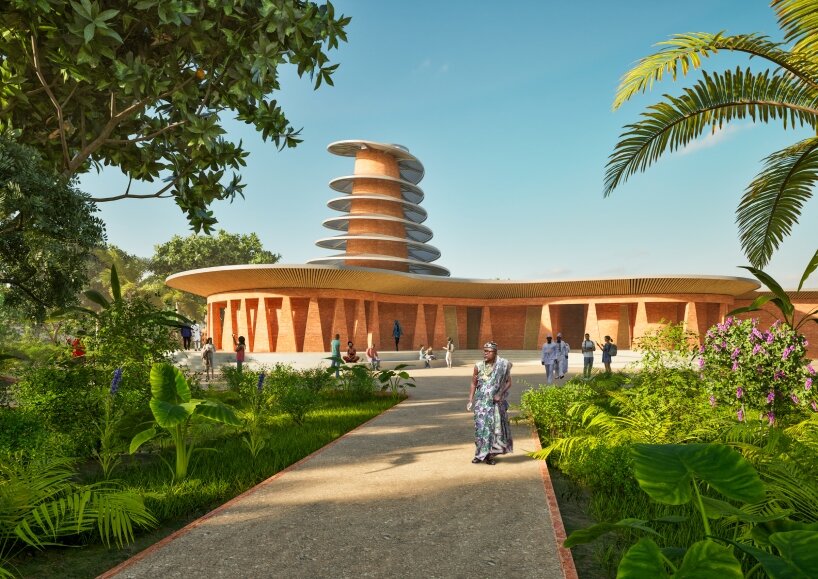
Kéré Architecture integrates natural ventilation and light
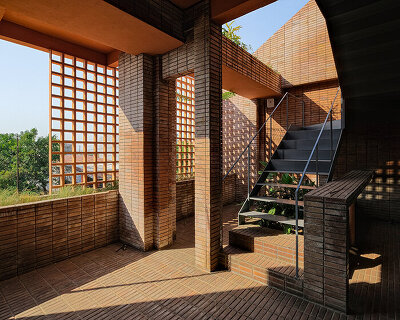
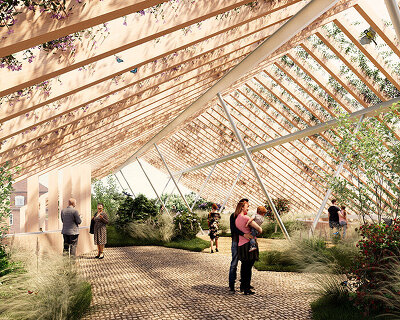
Red laterite brick, abundantly available in the region, shapes the Center des Cultures et Spiritualités Ewés organic architectural identity. The material’s rich and textured finish resonates with Togo’s vernacular architecture, while its insulating properties, porosity, and durability create an optimal space in tune with the local climate. Kéré Architecture further reinforces sustainability through natural ventilation measures such as the planted patios that invite a breeze throughout the complex, while light shafts filter daylight into the exhibition spaces. Construction began in October 2024, with completion expected in February 2026.
project info:
name: Center for Ewe Cultures and Spiritualities
architect: Kéré Architecture | @kerearchitecture
location: Notsé, Togo
lead architect : Diébédo Francis Kéré,
design team: Jaime Herraiz Martínez, Andrea Maretto, Léa Sodangbe
engineering team: Nataniel Sawadogo, Jean Sawadogo, Moïse Zannou, Lucien Tonde, Kéré Architecture SARL
contributors: Jeanne Autran-Edorh, Philippe Chazée, Yonas Tukuabo, Leonne Voegelin, Sika Azamati, Daniel Meléndez, Bagré Annicé, Onadja Augustin
project management: Jaime Herraiz Martínez, Nataniel Sawadogo, Alimadjai Boukari
collaborators: Ingenovatech
client: Kothor Foundation / LA GMA SA
area: 7,000 square meters
shop
your own online design shop — no sales commission collected