
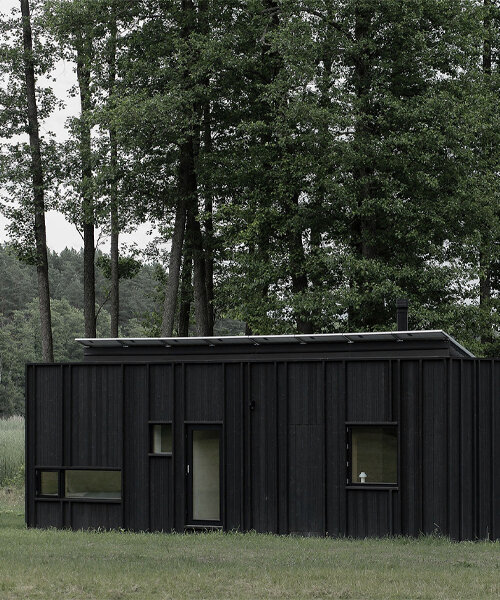
comfort meets sustainability in KONGA’s 28 sqm off-grid cabin
fully furnished, the wooden structure can be utilized as a 'hassle-free leisure in nature, as a productive working space, or as a backyard house.'
a look at the KONGA off-grid cabin
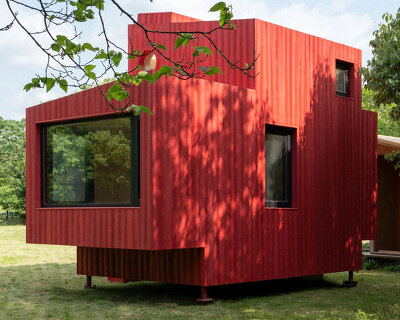
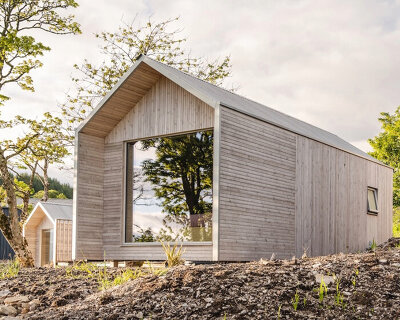
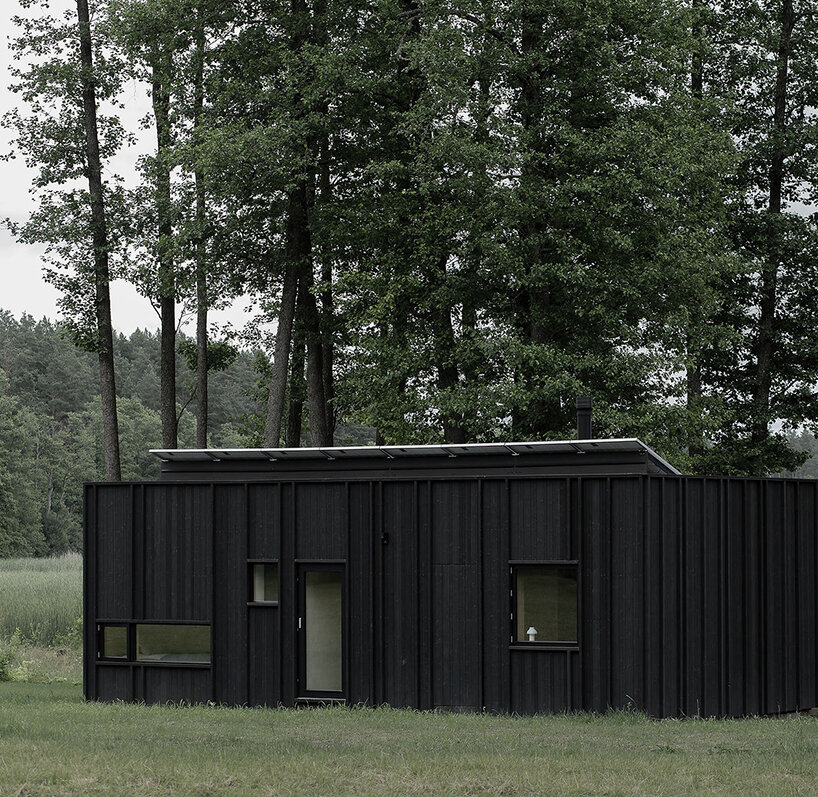
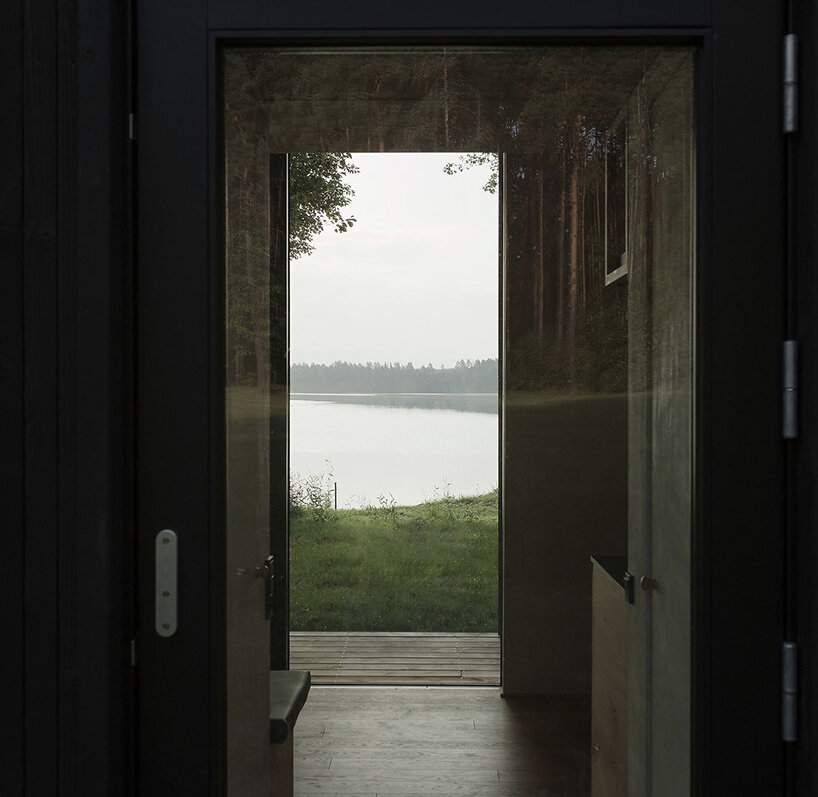
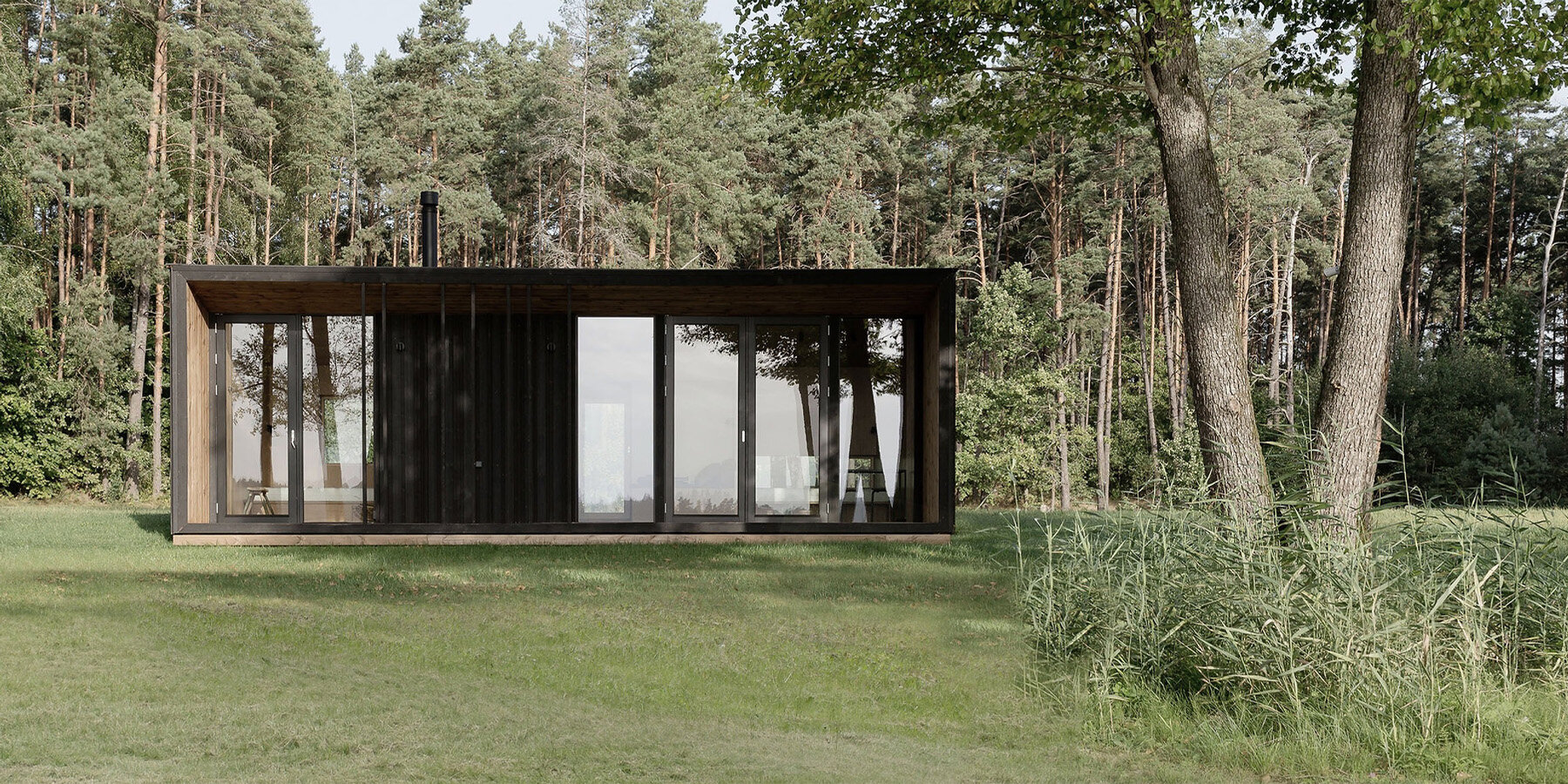
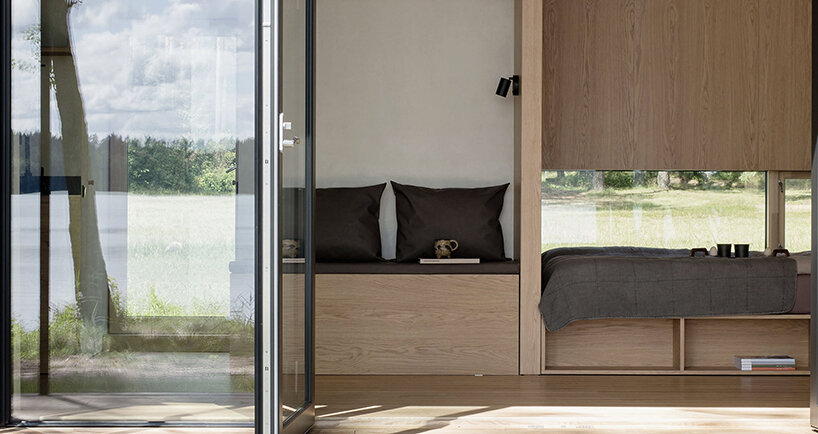
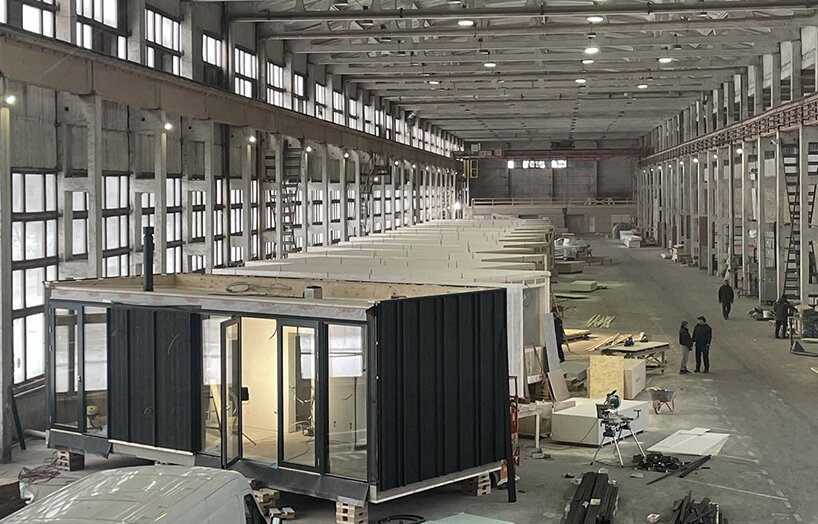
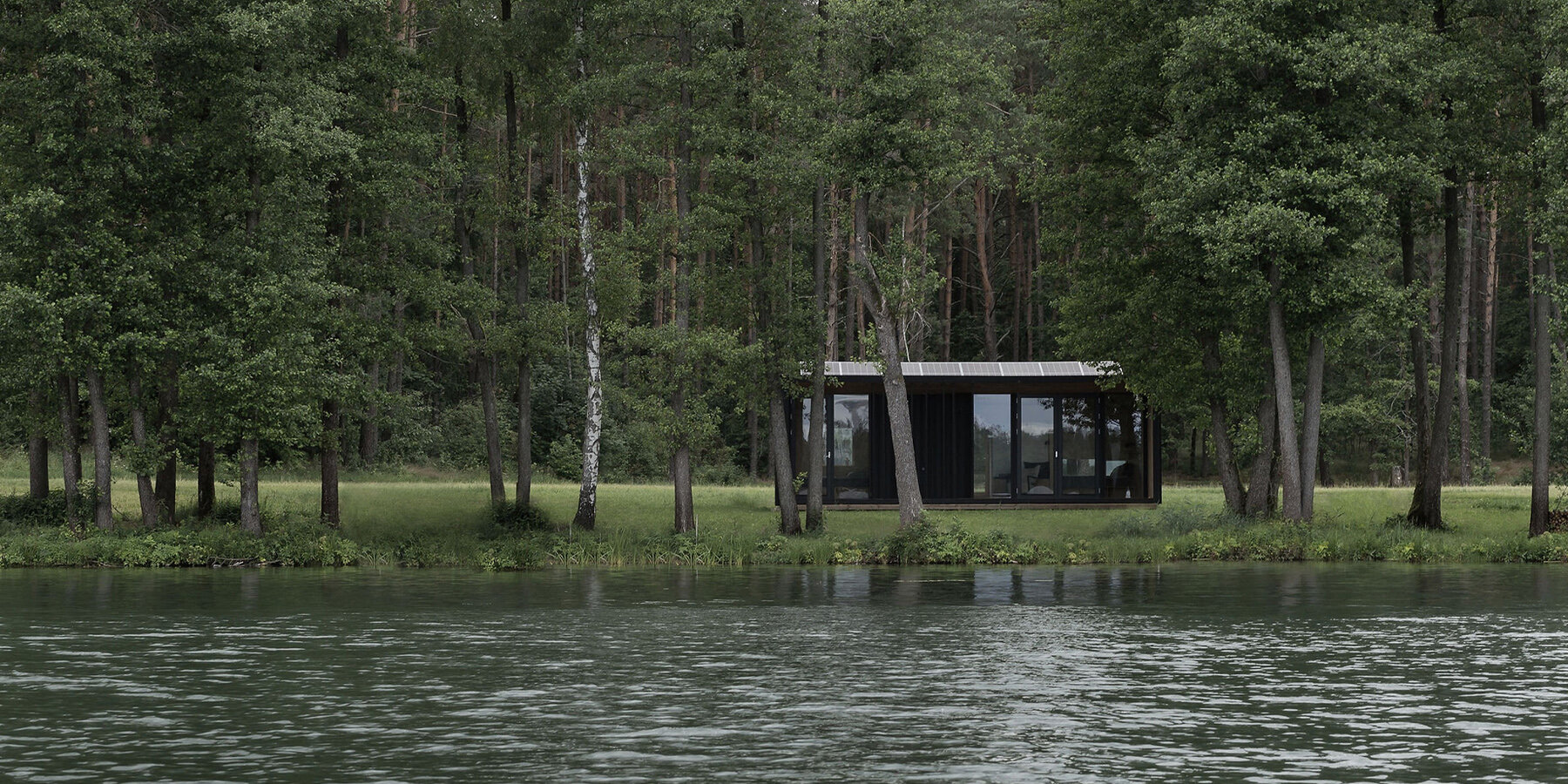
Designed by Danish architect Mette Fredskild, the KONGA off-grid cabin is a self-sufficient oasis serving as a highly adaptable modular house, ideal for those seeking a proper retreat. Fully furnished, the 28 sqm wooden structure can be utilized as a ‘hassle-free leisure in nature, as a productive working space, or as a backyard house. KONGA off-grid serves it all. It comes as a modular building that requires no particular foundation. This, in turn, allows us to construct it on-site within one day,‘ writes the brand.
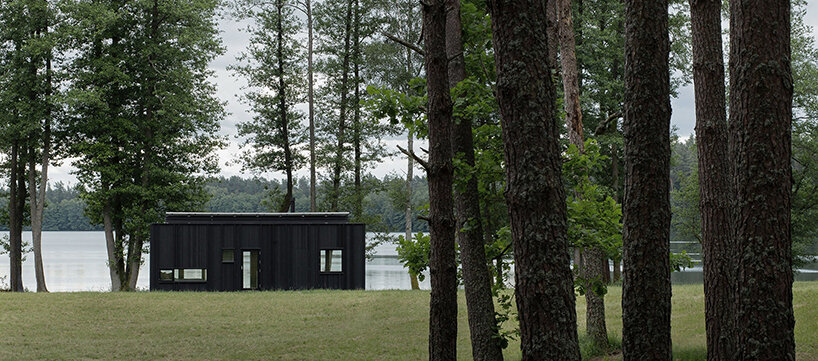
a self-sufficient, gentle living space
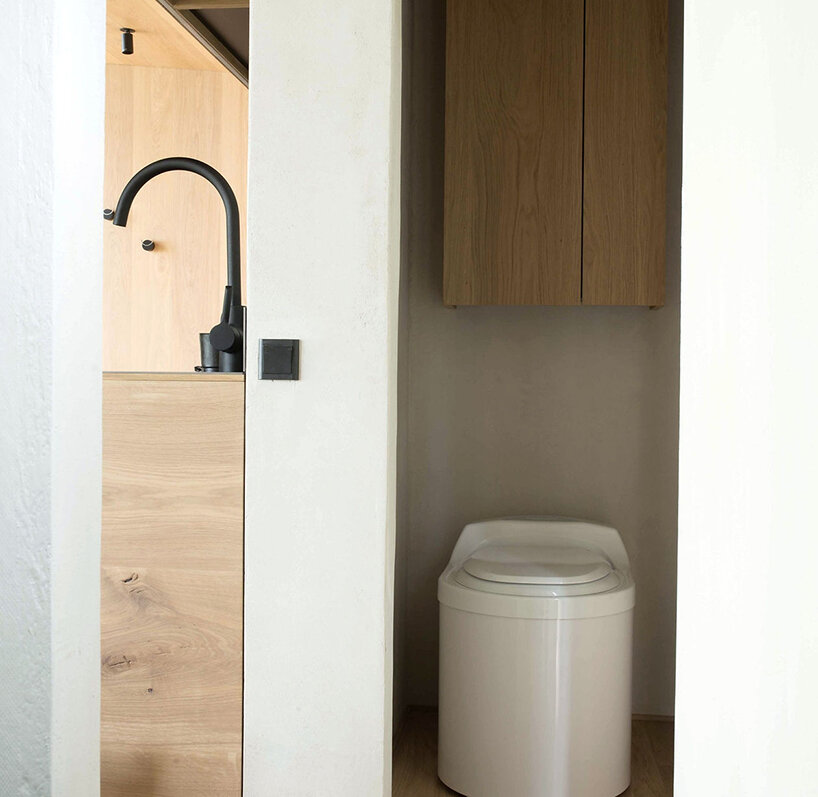
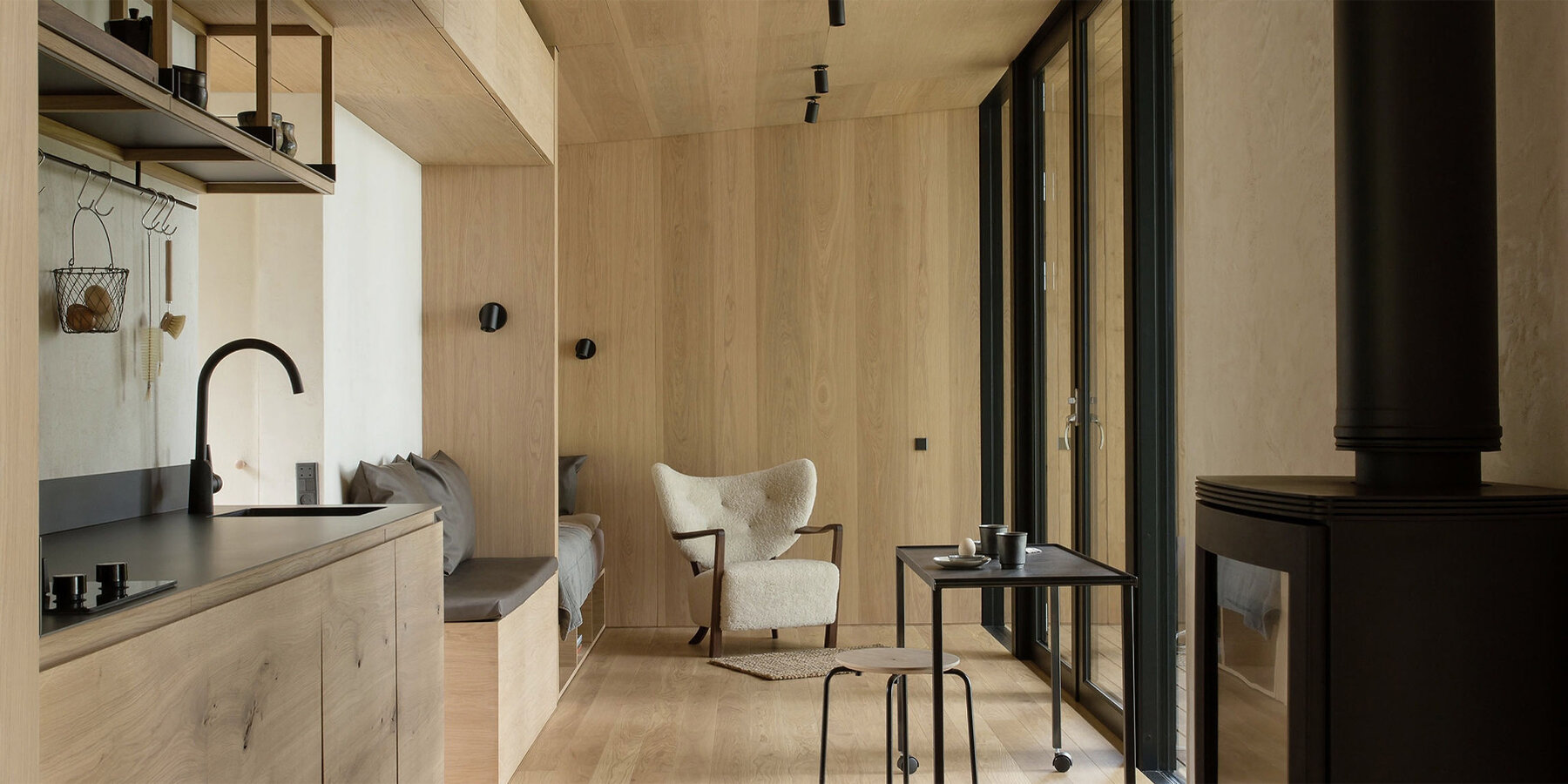
As an off-grid design, the KONGA cabin by Mette Fredskild (see more here) operates independently without relying on a utility’s power system. Instead, the tiny house is powered by a rooftop solar, a wood stove with a water heating system, rainwater collection, and natural freezing. That said, the company also offers a regular model version (GRID) for those wishing to set up their own water, electricity and waste systems.
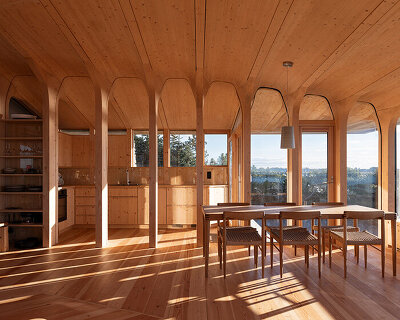
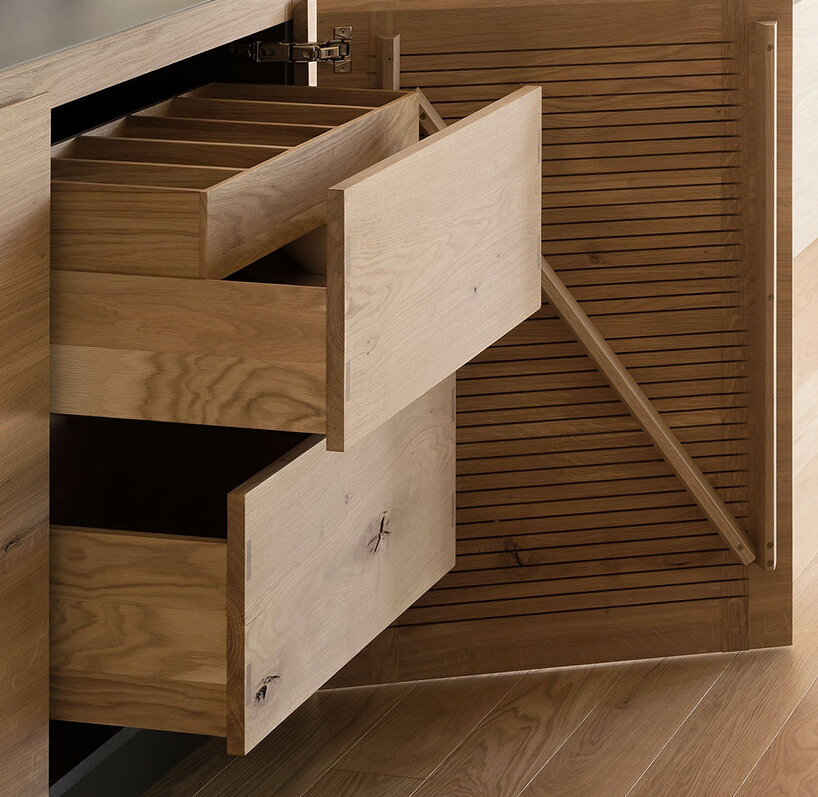
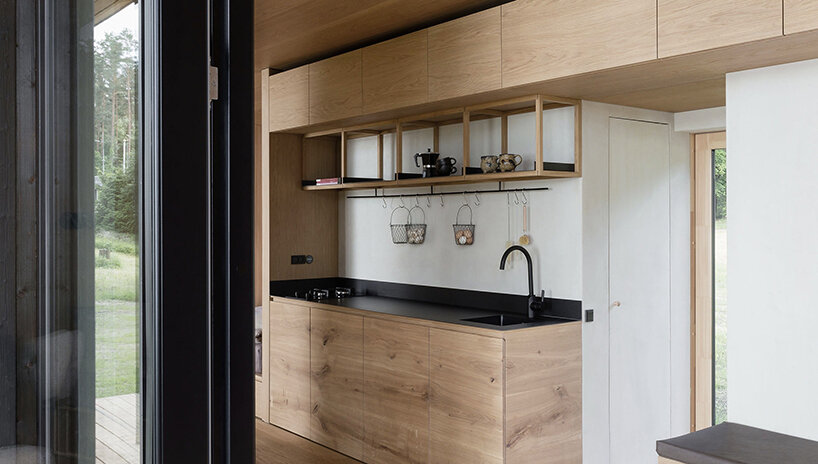
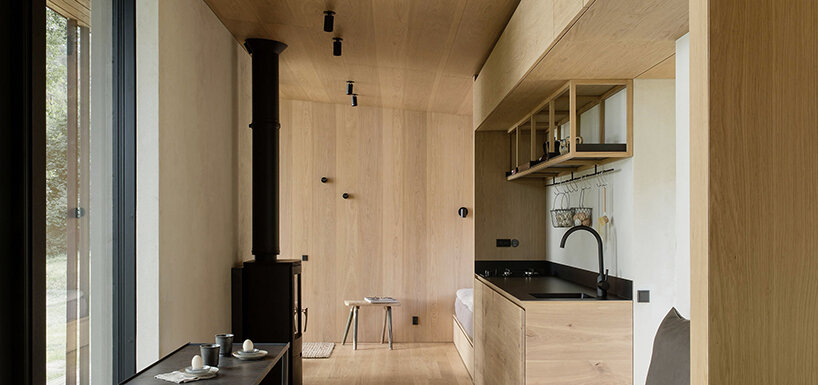
Layout-wise, the kitchen with aligned fronts is born as a combo result of wood leftovers and upper cabinets – ‘it’s our signature zero-waste 25×25 shelving system,’ explains KONGA. ‘Kitchen space is fully equipped for your daily needs: refrigerator, gas stove for cooking, sink, and well-planned storage area. Upper push-to-open cabinets can be easily used for long-term storage items.’
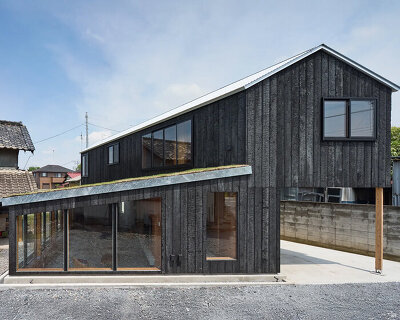
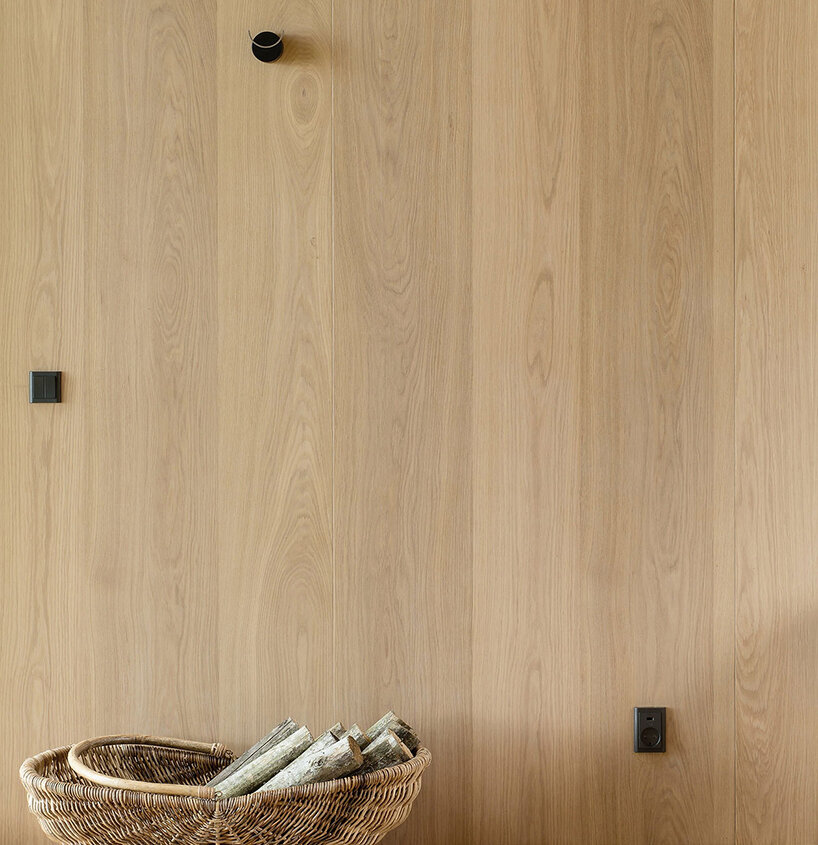
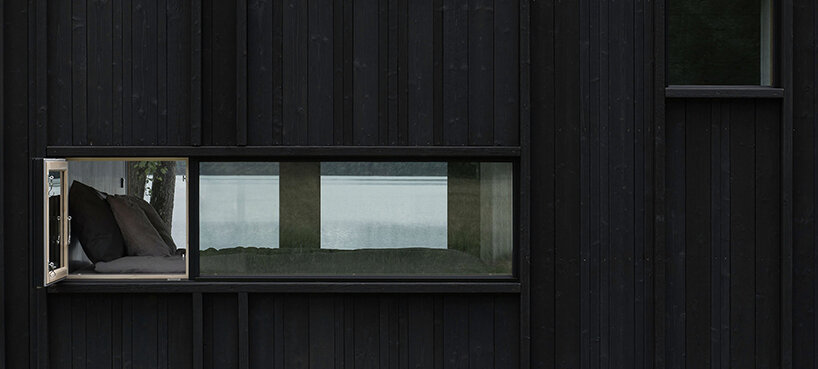
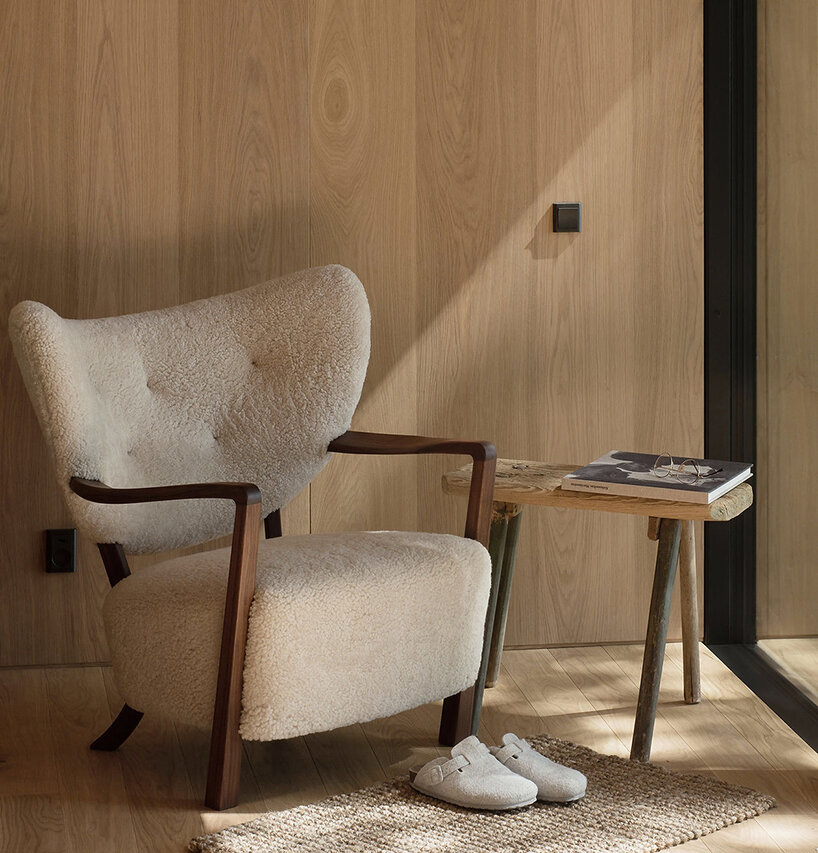
Finally, the core material used for production is wood; the architect specifically opted for wooden oak veneer panels on walls inside the house and burnt wood along the exterior facades — giving the overall design a sober yet comforting look to maximize the off-grid living experience.
shop
your own online design shop — no sales commission collected