mecanoo + ayesa articulate monolithic córdoba courthouse around ‘vertical fractures’
the series of voids helps provide natural light and ventilation throughout the complex.
prefer designboom on google[FEATURED]
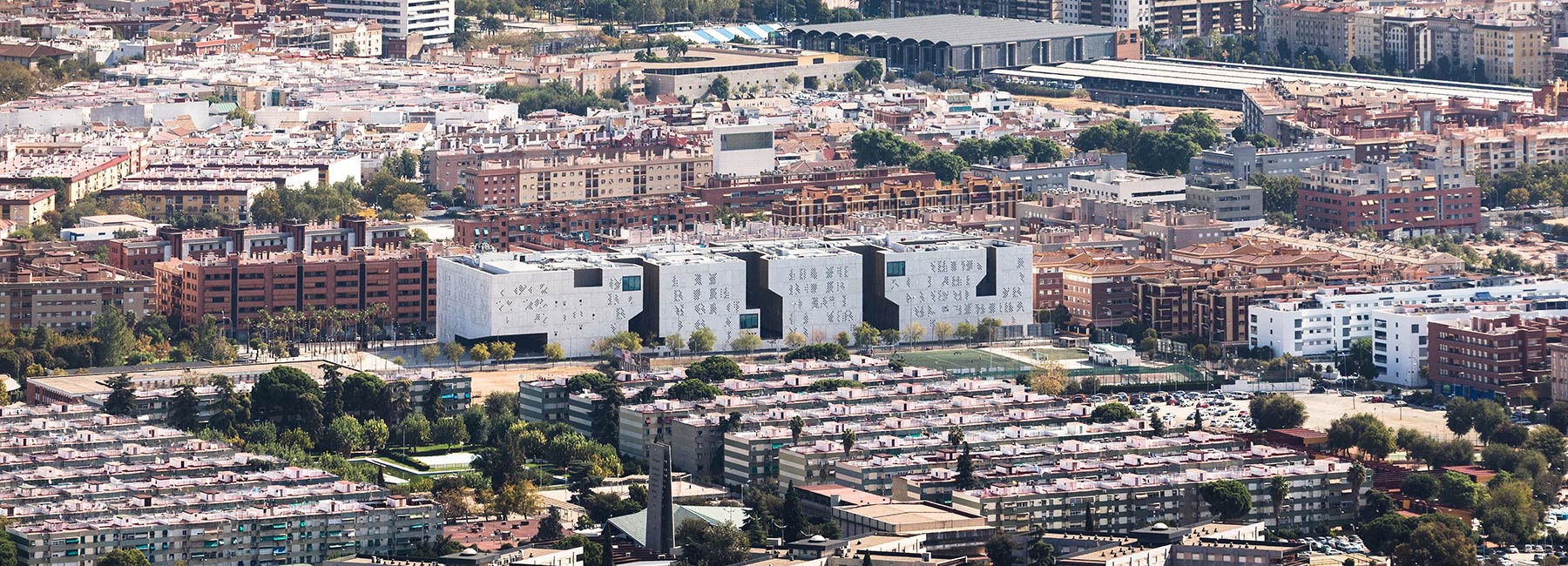
mecanoo has teamed up with engineering firm ayesa to complete a new courthouse in southern spain. serving the city of córdoba, the new palace of justice is located in a neighborhood dominated by anonymous housing blocks — products of the rapid urban development of 21st century spanish cities. ‘the addition of a public institution to the area creates the opportunity to upgrade the public realm and add a civic quality to this relatively new neighborhood,’ says the design team.
UPDATE: this project was shortlisted in the ‘civic and community – completed buildings’ category at the 2018 world architecture festival.
all images © fernando alda | video © mecanoo
importantly, mecanoo and ayesa elevated the structure two meters above street level, a gesture that solves problems of privacy and security, while giving ‘symbolic power to the building’. as the palace is divided into independent departments, several entrances were required. this means that visitors can obtain access either from the main square or via smaller patios placed along the other three sides of the institution.
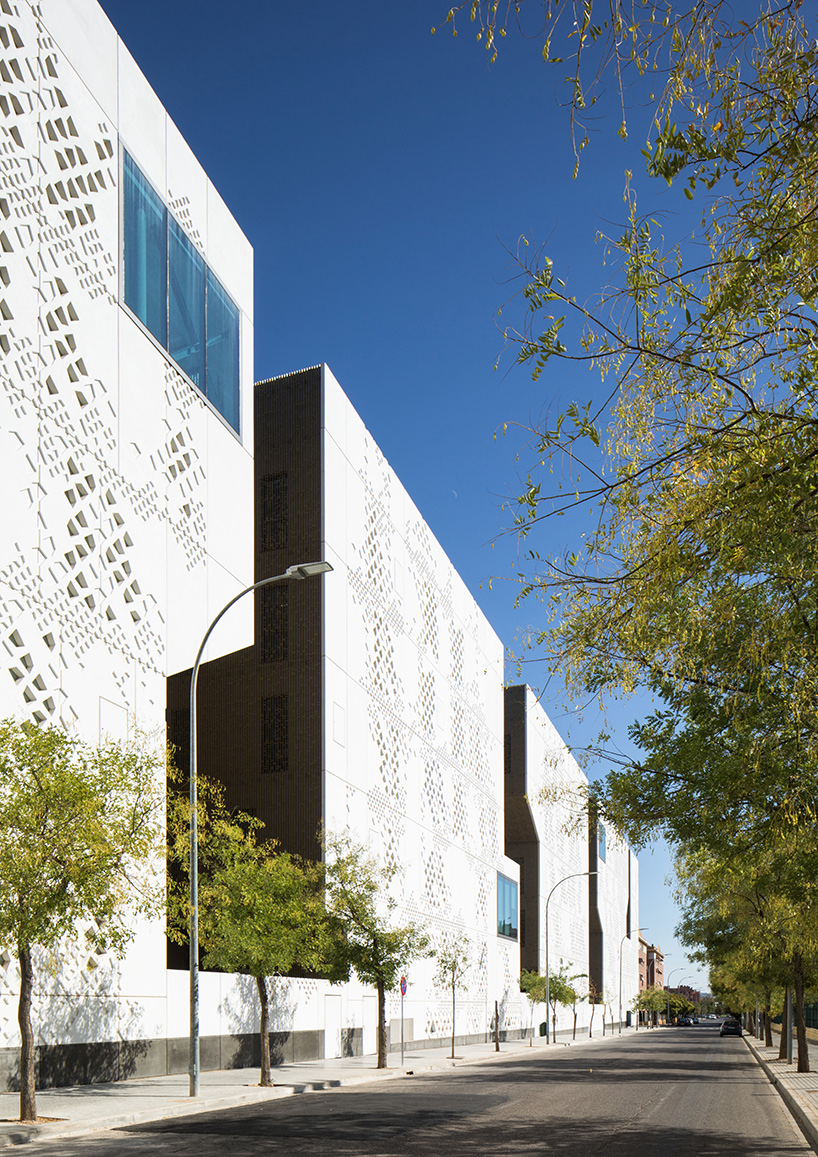
the building serves the southern spanish city of córdoba
from the main entrance, the interior’s organization is immediately recognizable. a central spine, which connects the various programs, spans through several floors across the length of the building, articulating each department. this primary route also links the public circulation with the exterior patios. the spine echoes the architectural language of the exterior massing, with multi-level day-lit voids creating sculptural atriums.
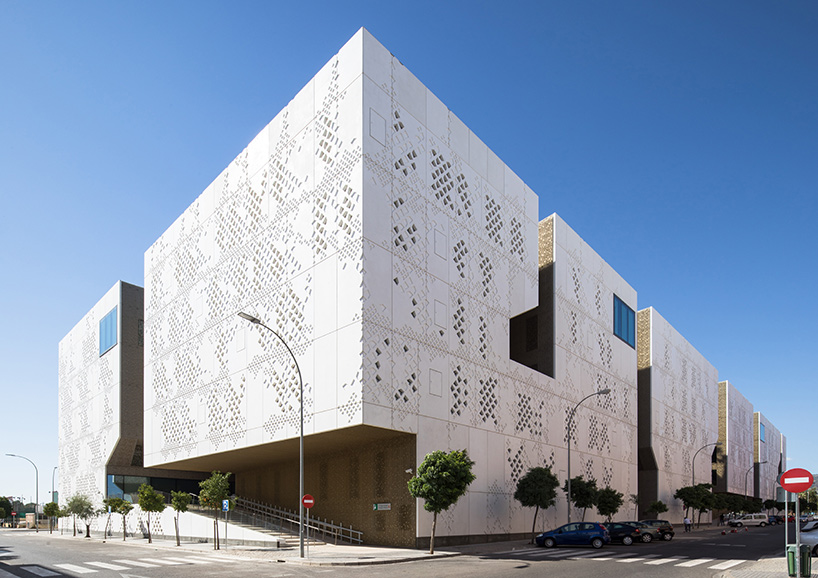
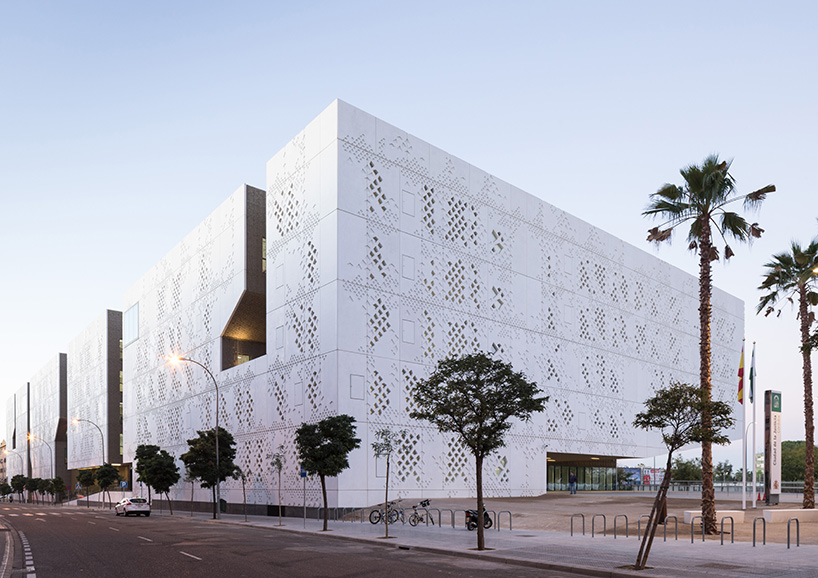
the structure is elevated two meters above street level
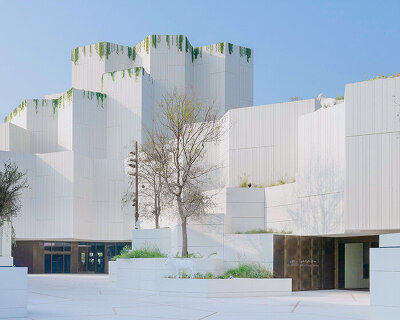
the palace of justice features an open ground floor that contains the most public areas of the building such as courtrooms, marriage registry, and a restaurant. meanwhile, high security offices are situated off the upper courtyards, while the archives and jail cells are found below ground. the project features ‘vertical fractures’, which have been introduced to create patios that relate to the region’s local courtyard typologies. these voids also help provide natural light and ventilation throughout the design.
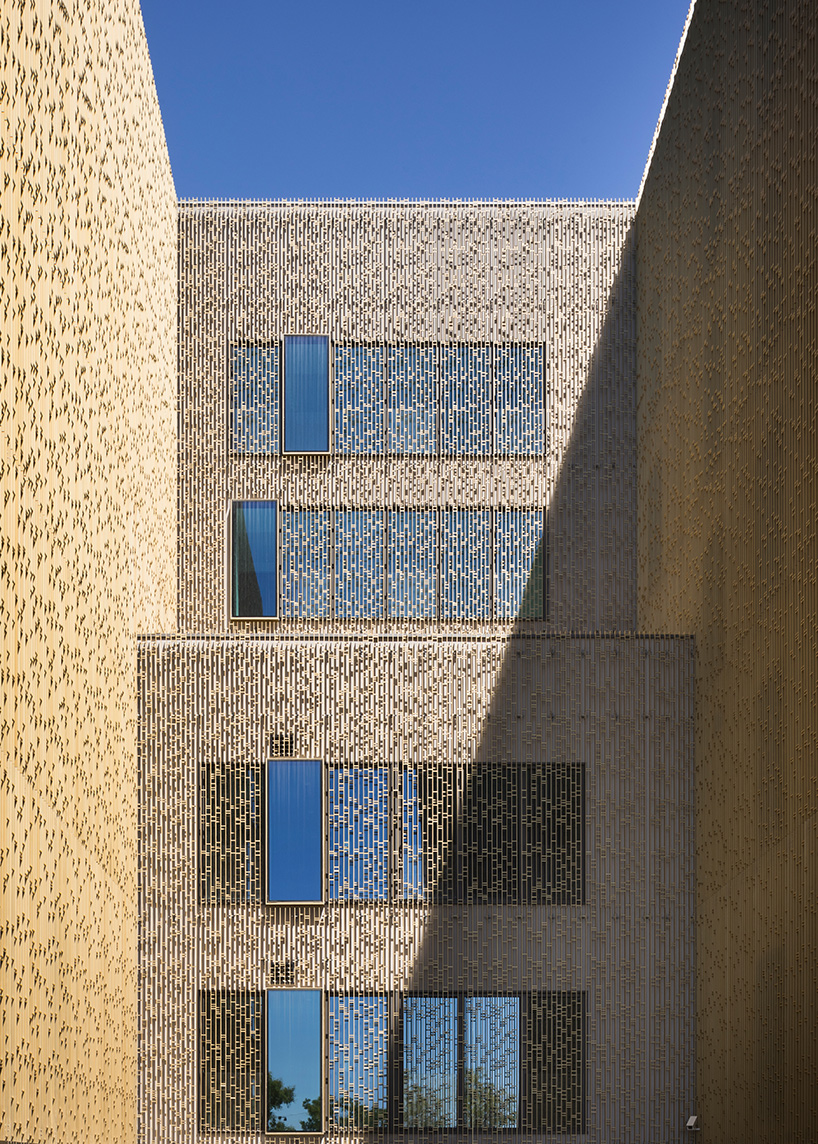
voids help provide natural light and ventilation throughout the design
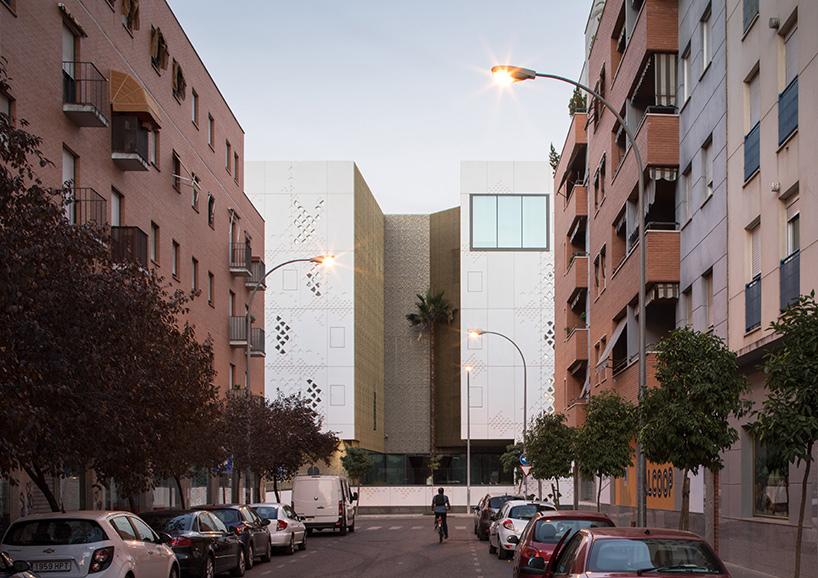
the building is located in a neighborhood dominated by anonymous housing blocks
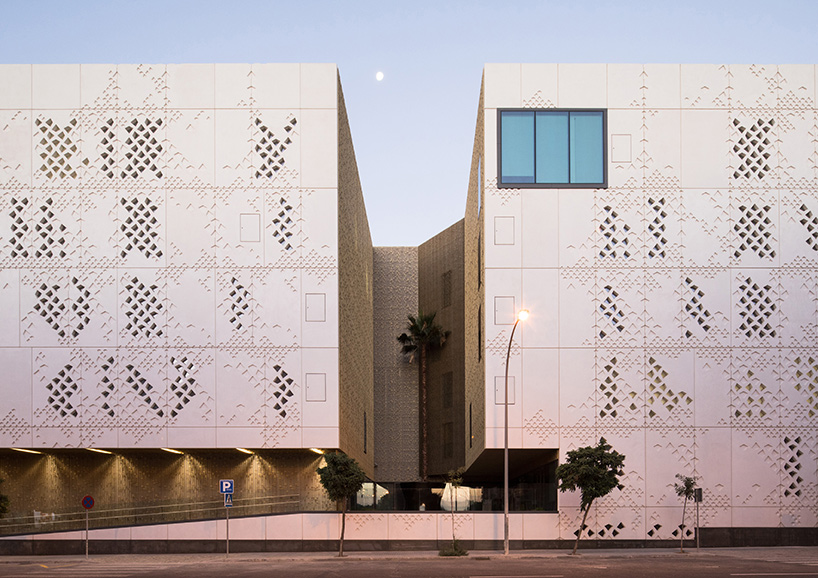
the courthouse can be accessed via a number of different entrances
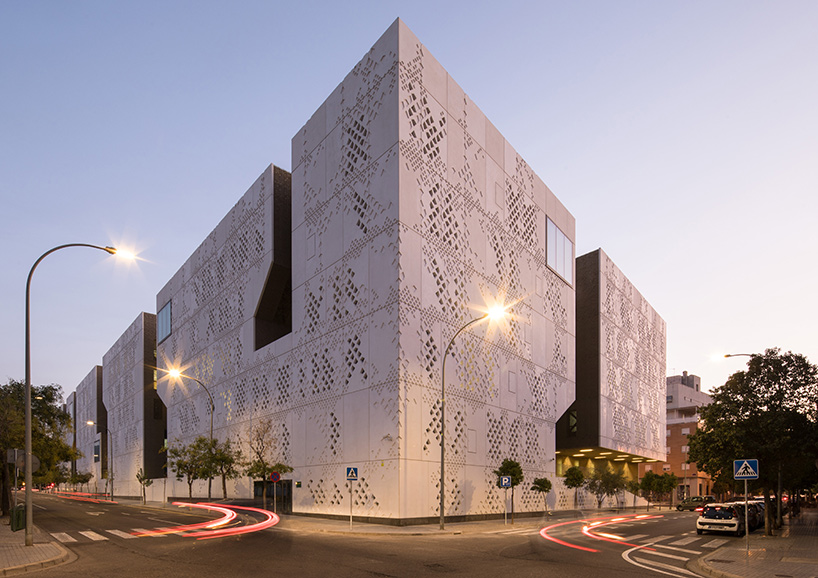
the institution features a distinctively patterned façade
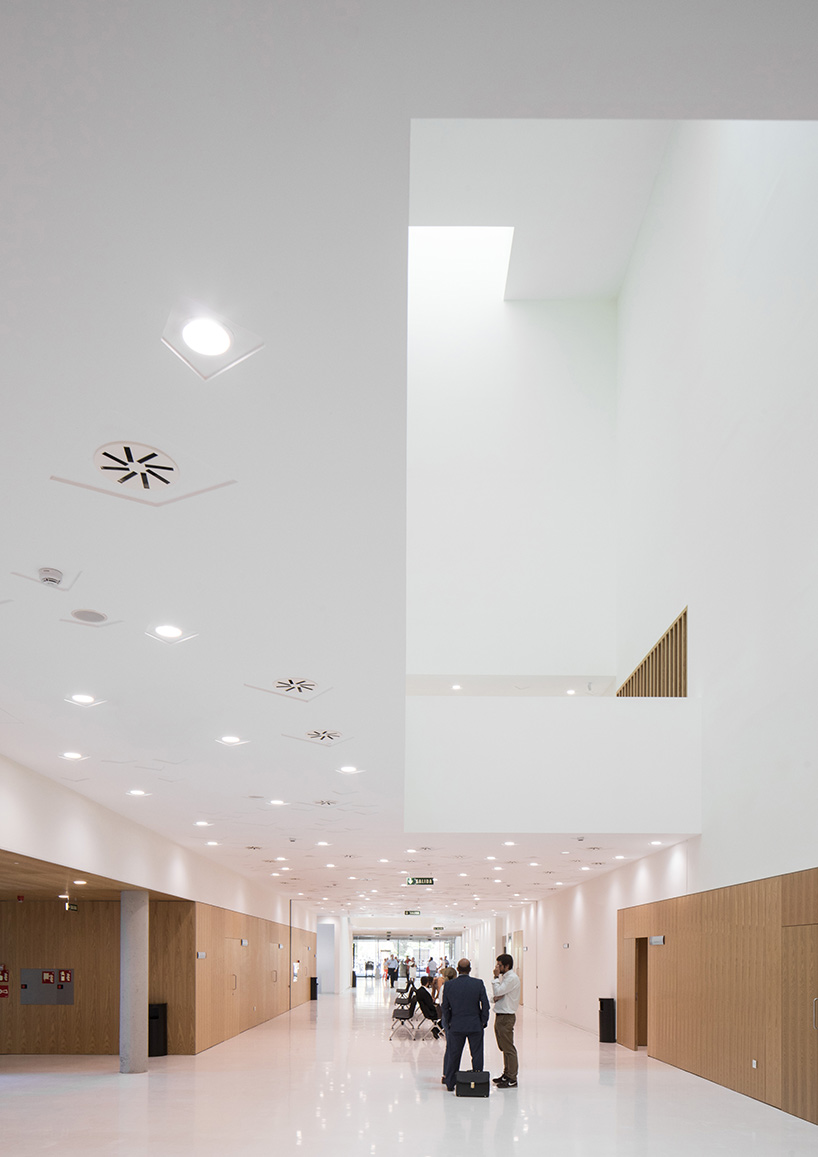
the interior is organized around a central spine
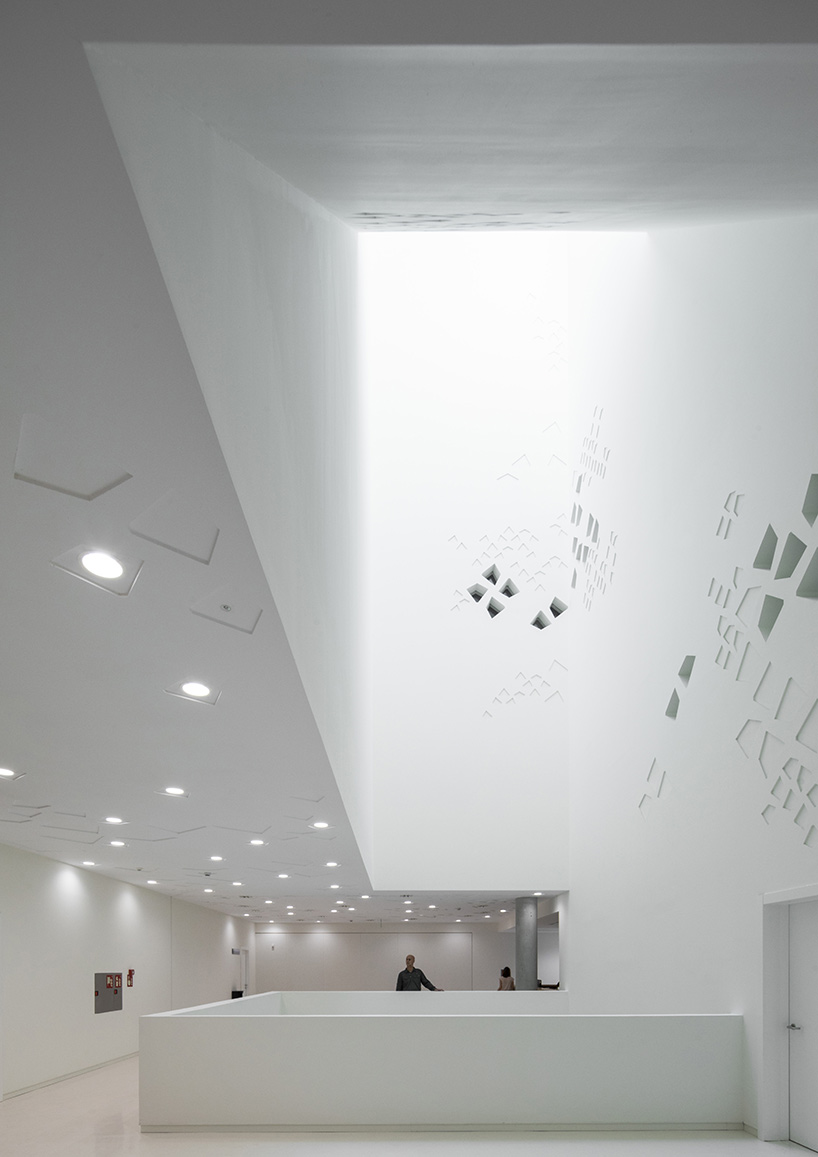
interior spaces appear brightly lit, despite the lack of windows
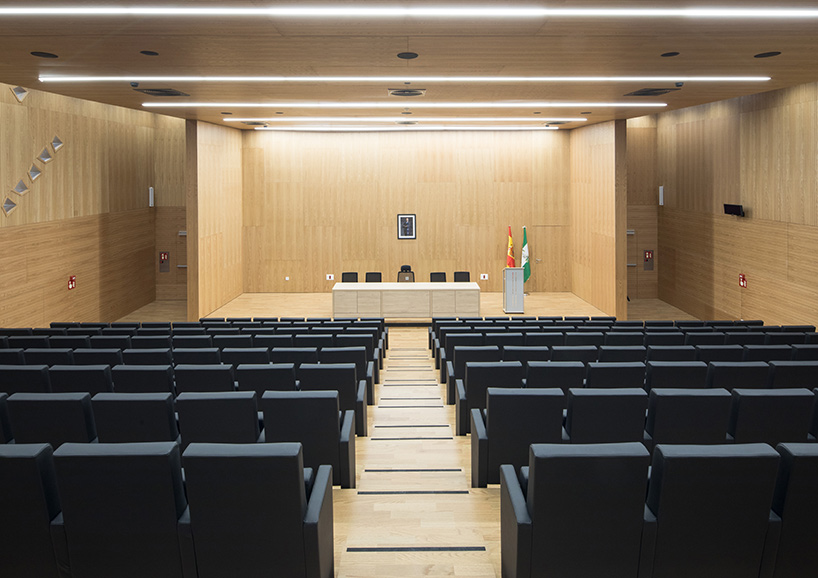
the ground floor contains the most public areas of the building
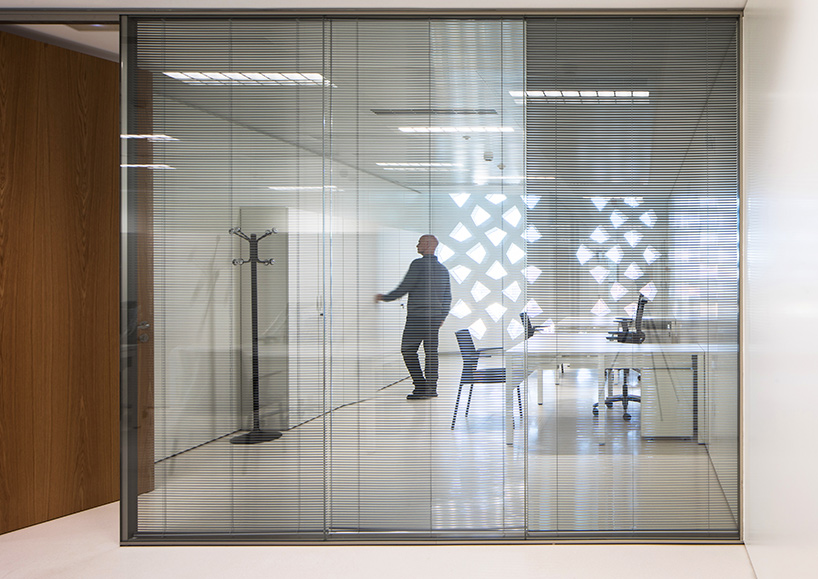
high security offices are situated off the upper courtyards
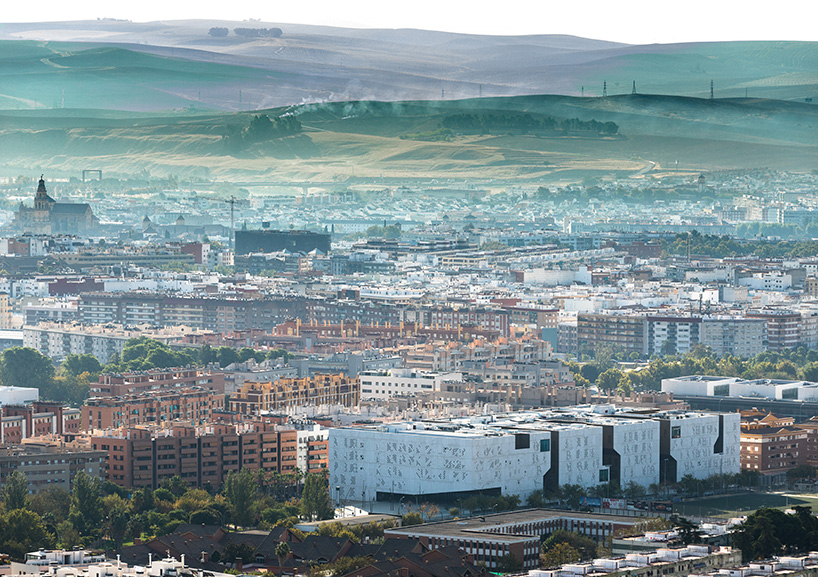
an aerial view of the building, shown in relation to the historic city center


1/9
project info:
size: 48,000 sqm
project design: 2006
project realization: 2014 – 2017
address: calle isla mallorca, calle isla formentera, calle isla gomera, calle cantabrico, córdoba, spain
promoter / owner / developer: consejería de justicia e interior (junta de andalucía).
program: courthouse with 26 courtrooms, a wedding room, a forensic institute, offices, a cafe, an archive, a prison and a parking garage
design team: mecanoo + ayesa
architects: mecanoo architecten + ayesa
consultants: ayesa (energy efficiency), ayesa (structural engineer), ayesa (mechanical engineering), ayesa (electrical engineer), ayesa (lighting), ayesa (fire safety), ayesa (roof and façade), ute isolux corsán-copcisa (contractor)
shop
your own online design shop — no sales commission collected