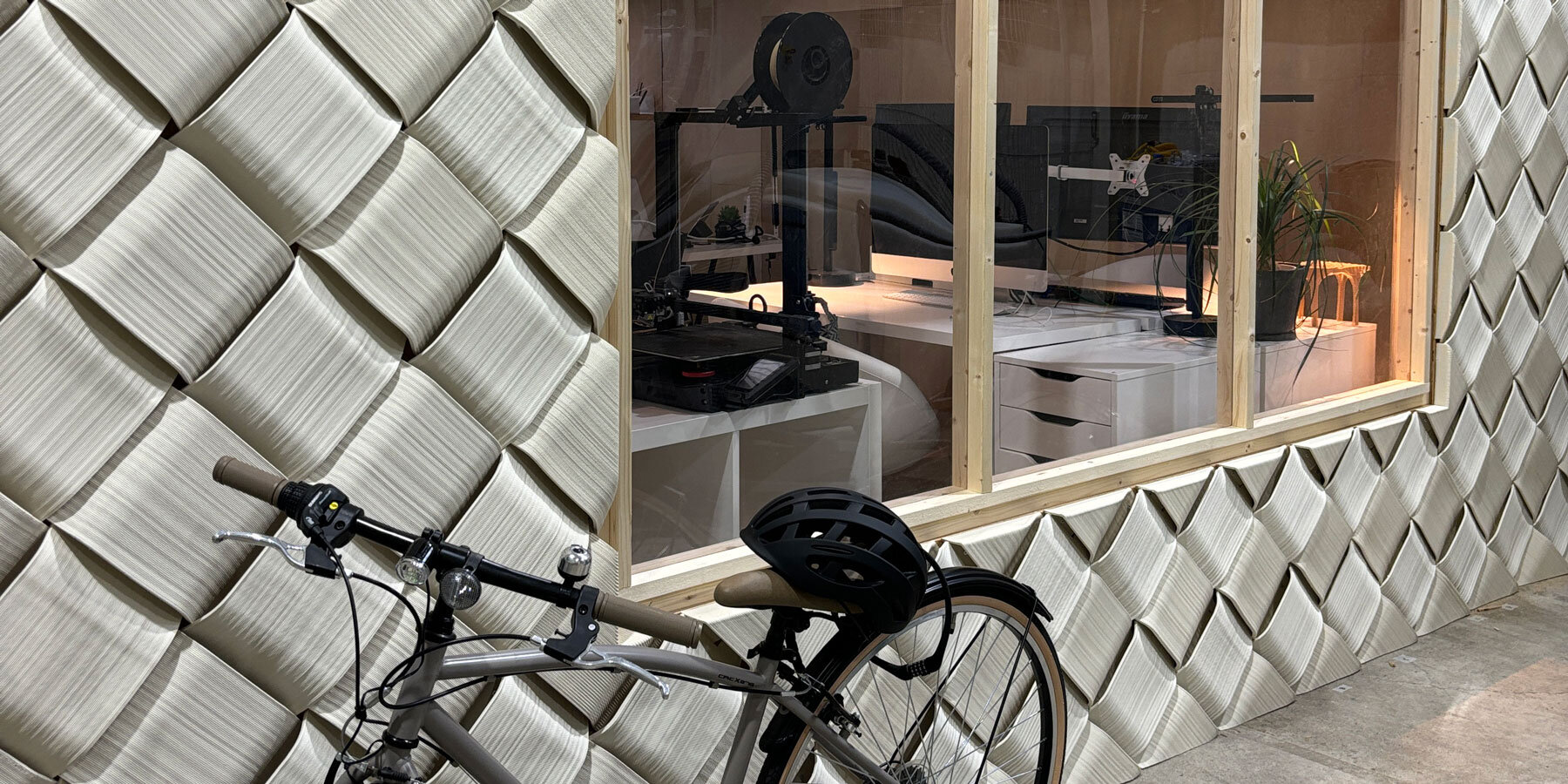
Oka Architecture’s 3D Printed Studio Exploring Circular Design
CIRCULUS Atelier is the working studio of Oka Architecture Design & Co., Ltd. (OAD) and a built application of the practice’s CIRCULUS architectural framework, which examines circularity, continuity, and long-term adaptability in design. Conceived as both a workplace in Yokohama, Japan, and a prototype, the project investigates how digital fabrication can inform architecture as a system that integrates exterior enclosure and interior spatial treatment within a unified material logic.
The building’s exterior is defined by KNIT, a modular facade system developed and fabricated by the practice using large-scale 3D printing. Rather than functioning as a conventional cladding, the facade operates as a woven surface composed of repeated printed units. Variations in geometry across the modules create depth and shadow, allowing the facade to respond to changing light conditions over time. The fabrication process remains legible, with the method of production directly expressed in the architectural surface.
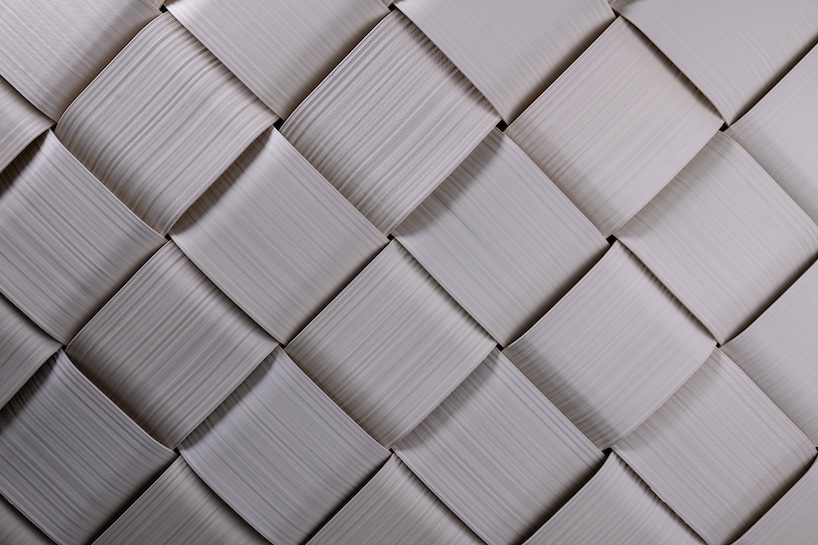
all images courtesy of Oka Architecture Design & Co., Ltd. (OAD)
Suspended 3D Printed Elements Shape CIRCULUS Atelier’s interior
Inside the atelier, Studio Oka Architecture Design & Co., Ltd. (OAD) applies the same material approach in a different manner. Flexible 3D printed elements are suspended from the ceiling, forming a draped installation that introduces a soft overhead layer above the workspace. This suspended system filters daylight, moderates acoustics, and defines spatial zones without enclosing them. The ceiling is treated as a hanging field shaped by gravity and material behavior rather than as a rigid, fixed plane.
The interior installation relies on the inherent flexibility of the printed material, allowing elements to fold, overlap, and deform naturally. Through digital fabrication, softness becomes a controlled architectural attribute rather than a purely ornamental effect. Both the KNIT facade and the interior components are designed to be demountable, repairable, and reconfigurable, aligning with the CIRCULUS framework’s emphasis on reuse and adaptability.
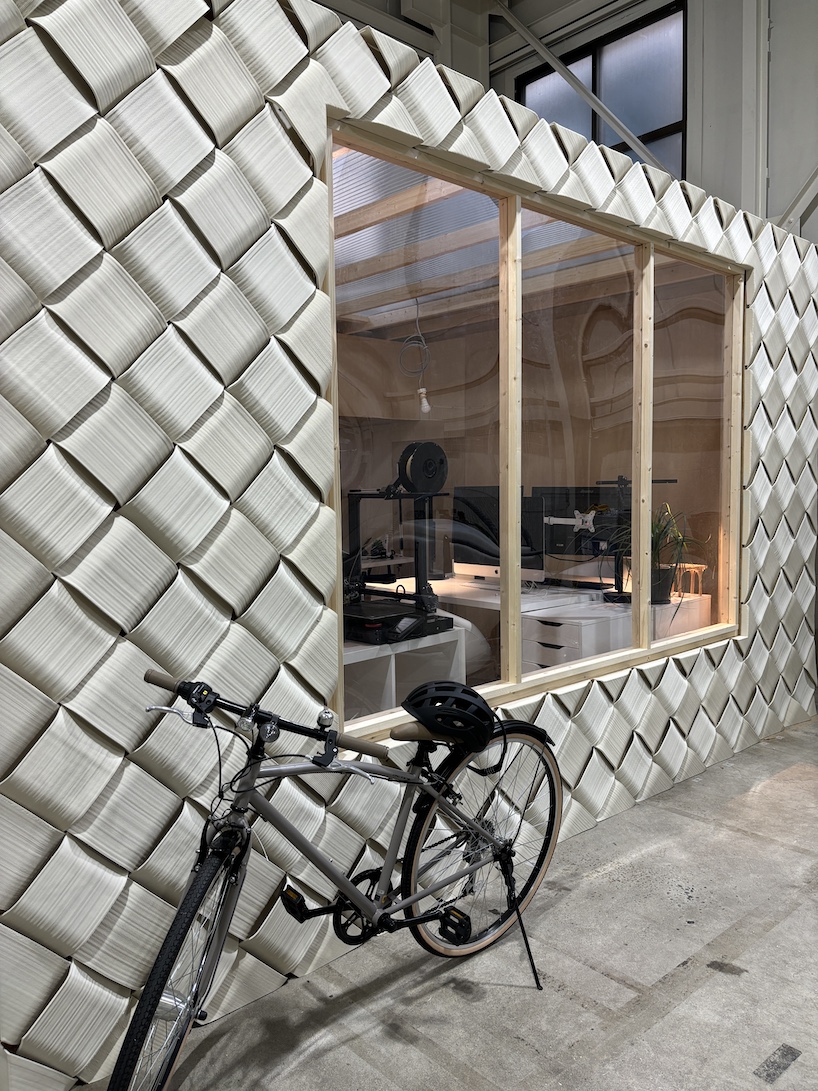
overall view of the CIRCULUS atelier, wrapped in a 3D printed KNIT facade resembling a woven surface
a studio Designed for Adjustment, Reuse and Long-Term Flexibility
All elements are produced in-house using 3D printing, enabling precise geometric control while limiting material waste. Architecture is treated as an evolving assembly rather than a finished object, capable of adjustment and transformation over time. As a working studio, the atelier provides a setting in which material performance, spatial comfort, and durability can be evaluated through daily use.
CIRCULUS Atelier operates as both a functional workplace and a test site for architectural research. By integrating design, fabrication, and occupation within a single environment, the project presents an approach to architecture that prioritizes continuity, material behavior, and long-term flexibility within a circular design system.
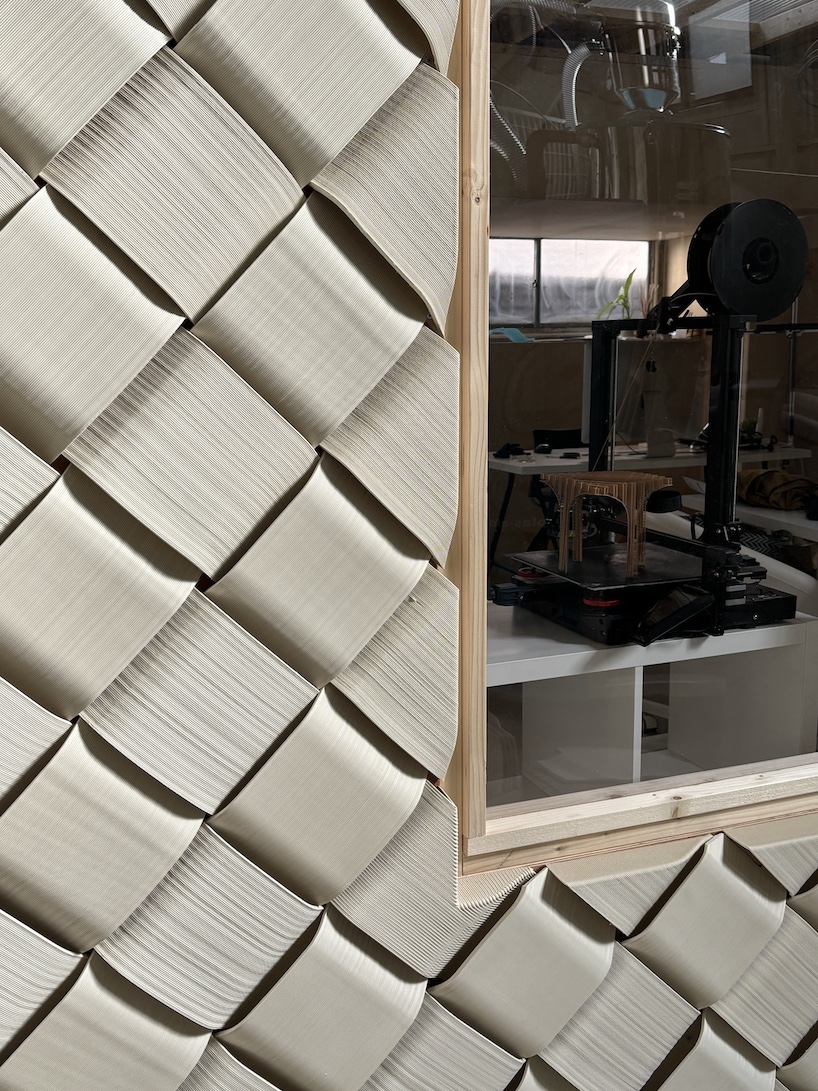
detail of the KNIT facade around the window opening reveals the layered rhythm of the 3D printed components
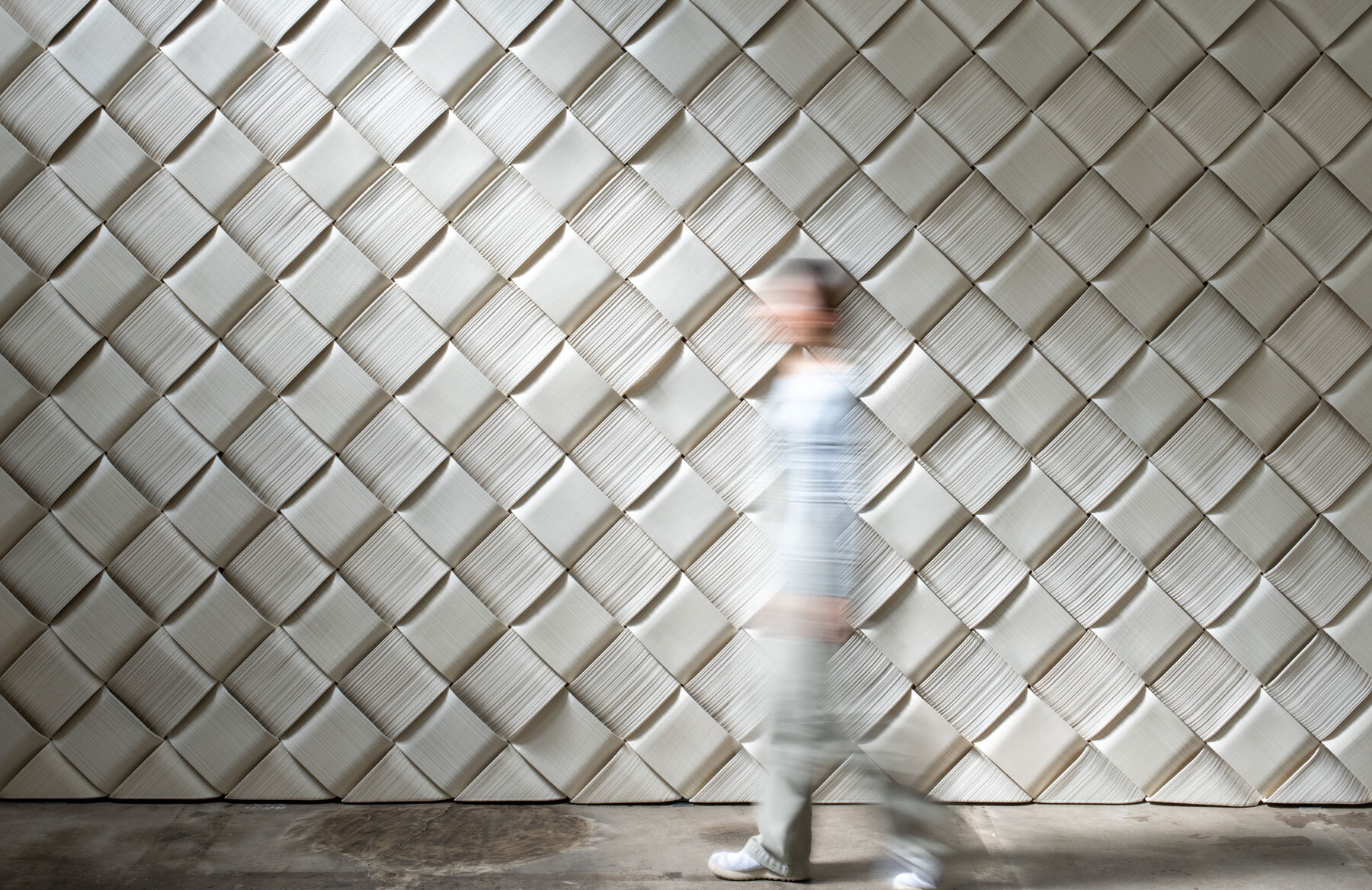
the KNIT modules showcase subtle variations created through digital fabrication
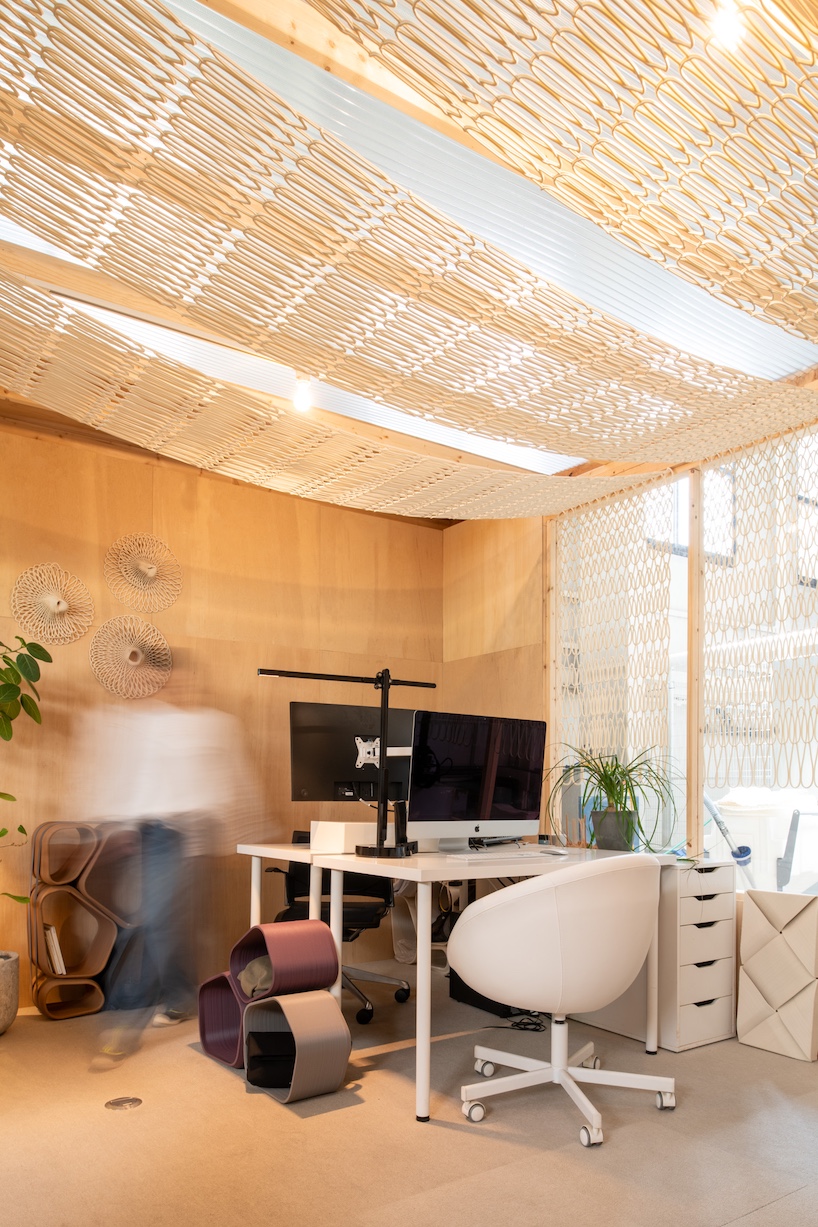
interior view of the atelier workspace beneath a softly draped, textile-like suspended 3D printed installation
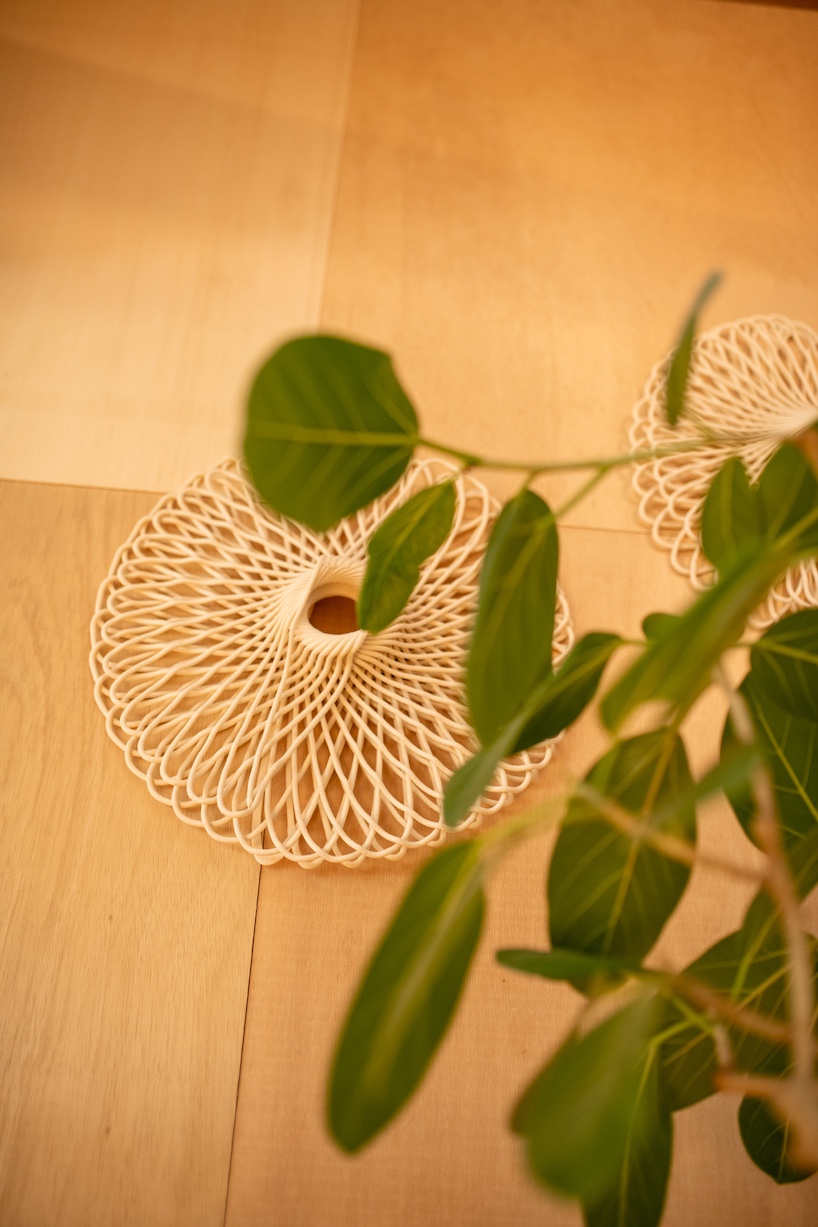
after 3D printing, the discharged material is reused as a wall-mounted object, reflecting circular principles
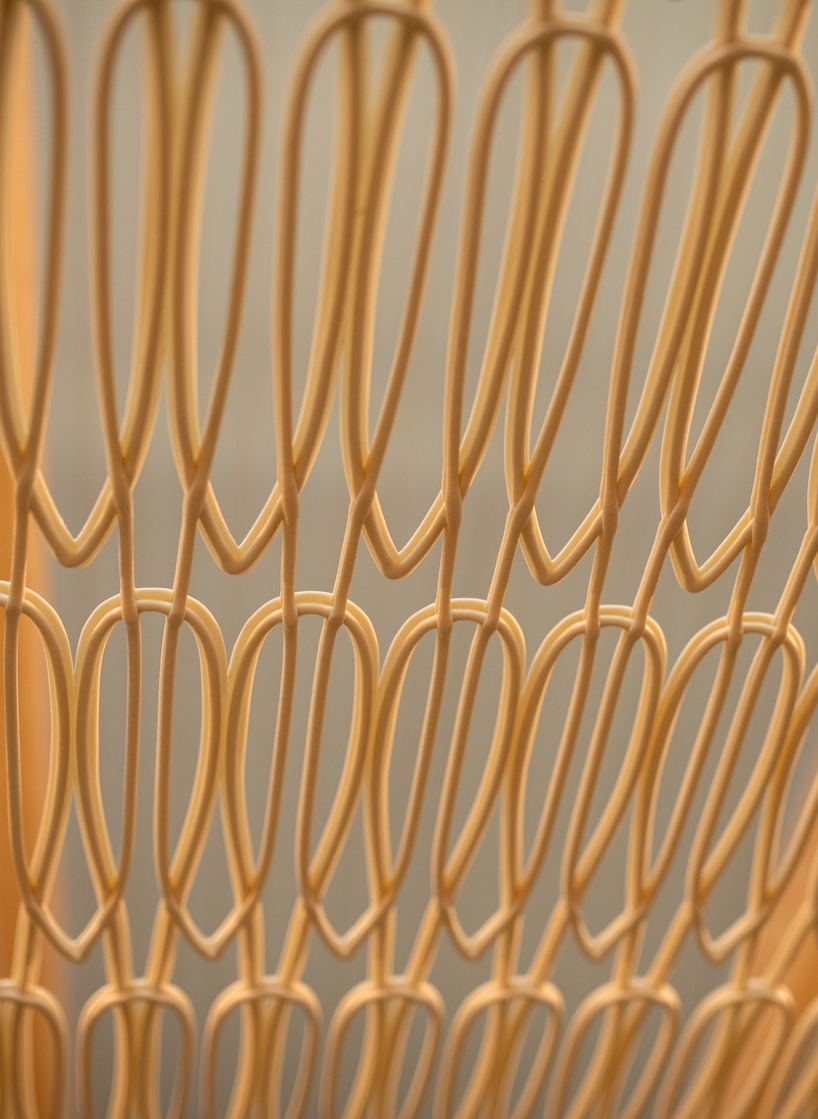
close-up of a soft, flexible 3D printed component used in the suspended interior installation
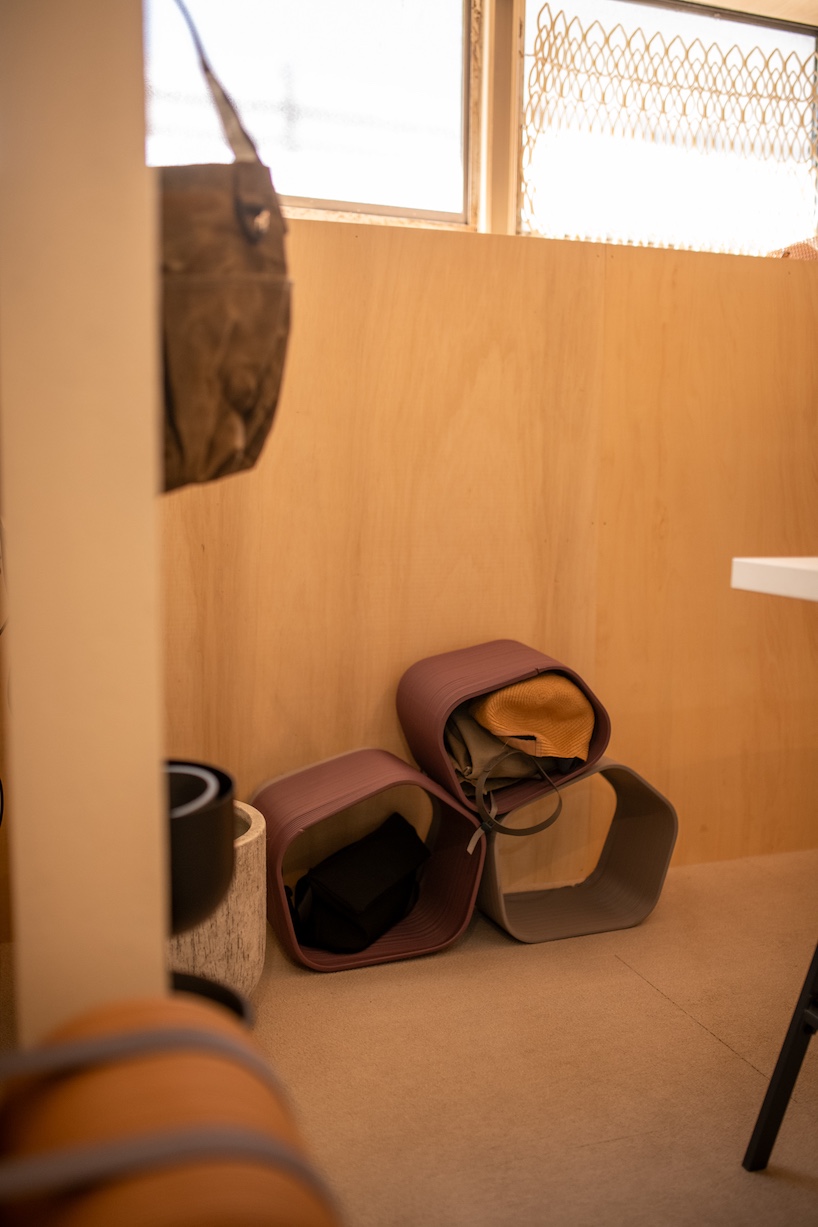
rejecting the fixed geometry of conventional shelving, 3D printed cells are assembled to form a unique shelf
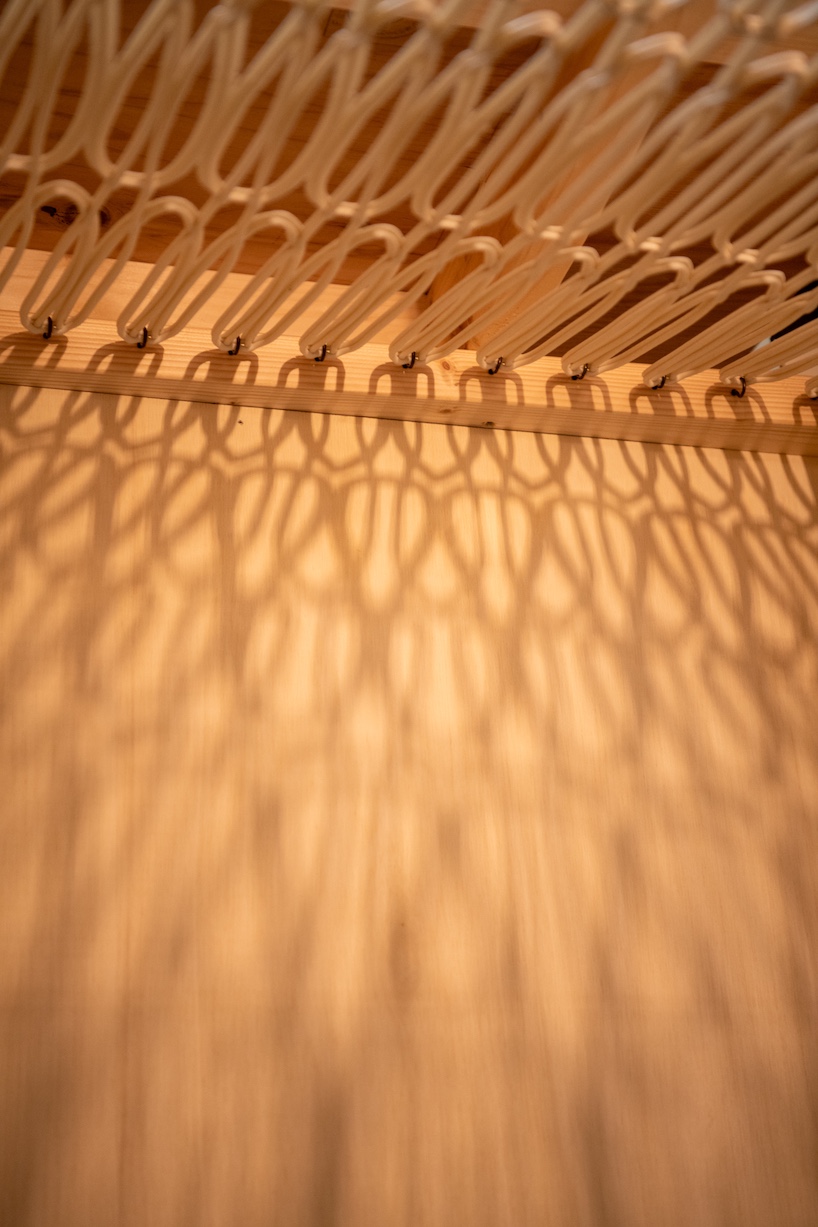
light passing through the suspended elements creates a layered and atmospheric ceiling condition
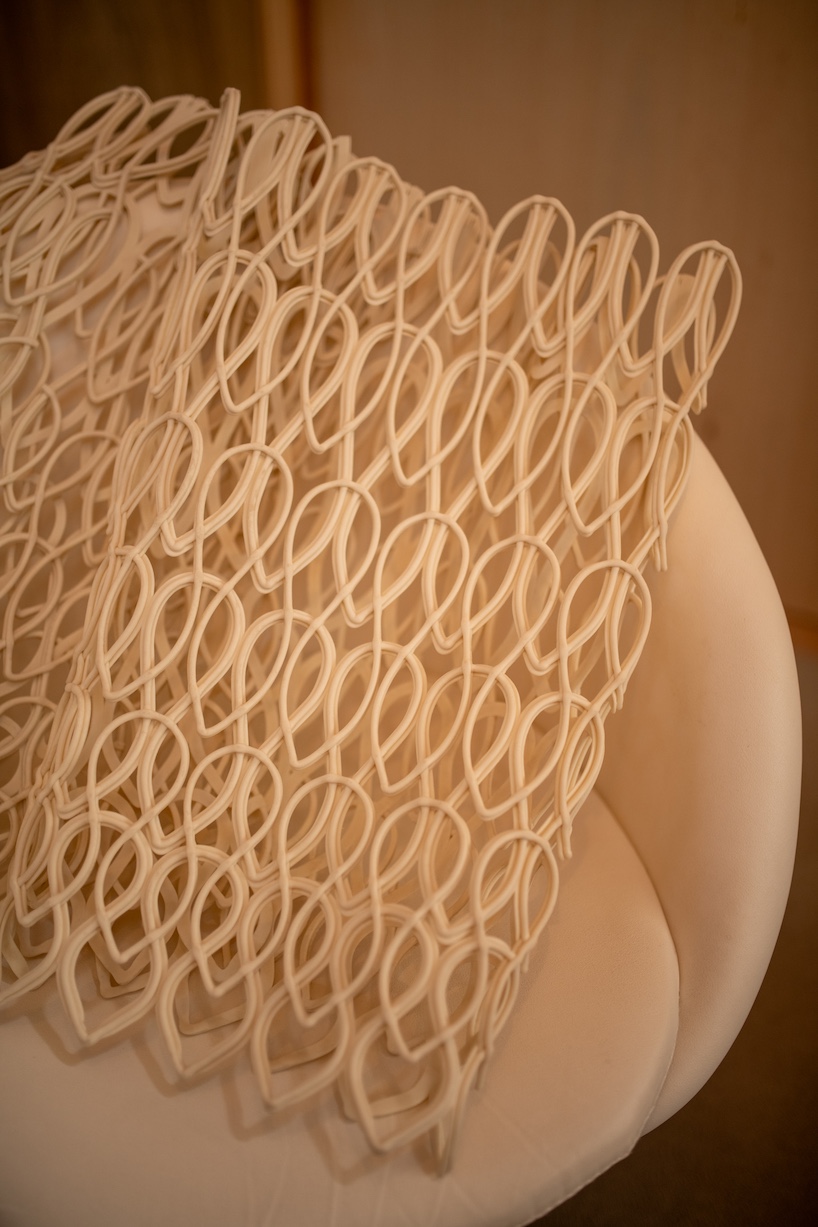
a folded 3D printed screen resting on a chair, emphasizing the softness and flexibility of the material
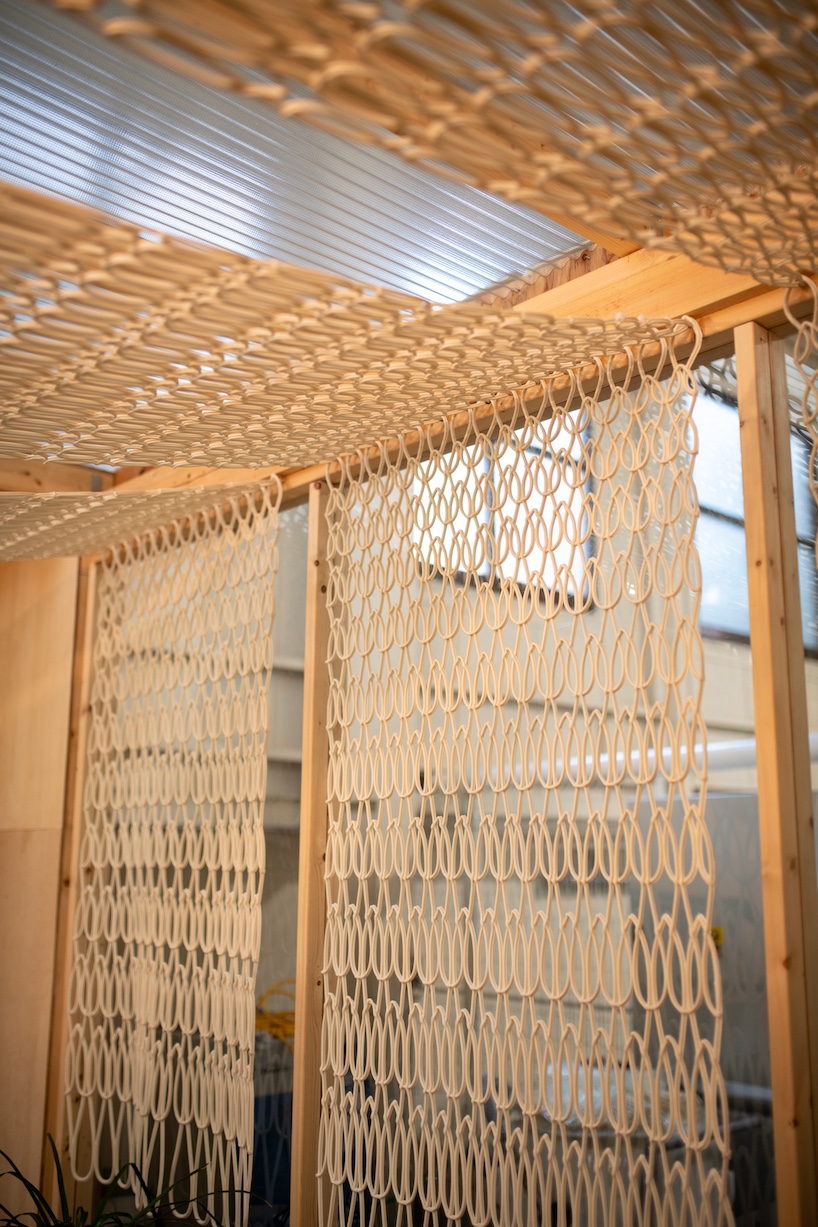
the draped installation gently defines zones within the workspace without enclosing the space
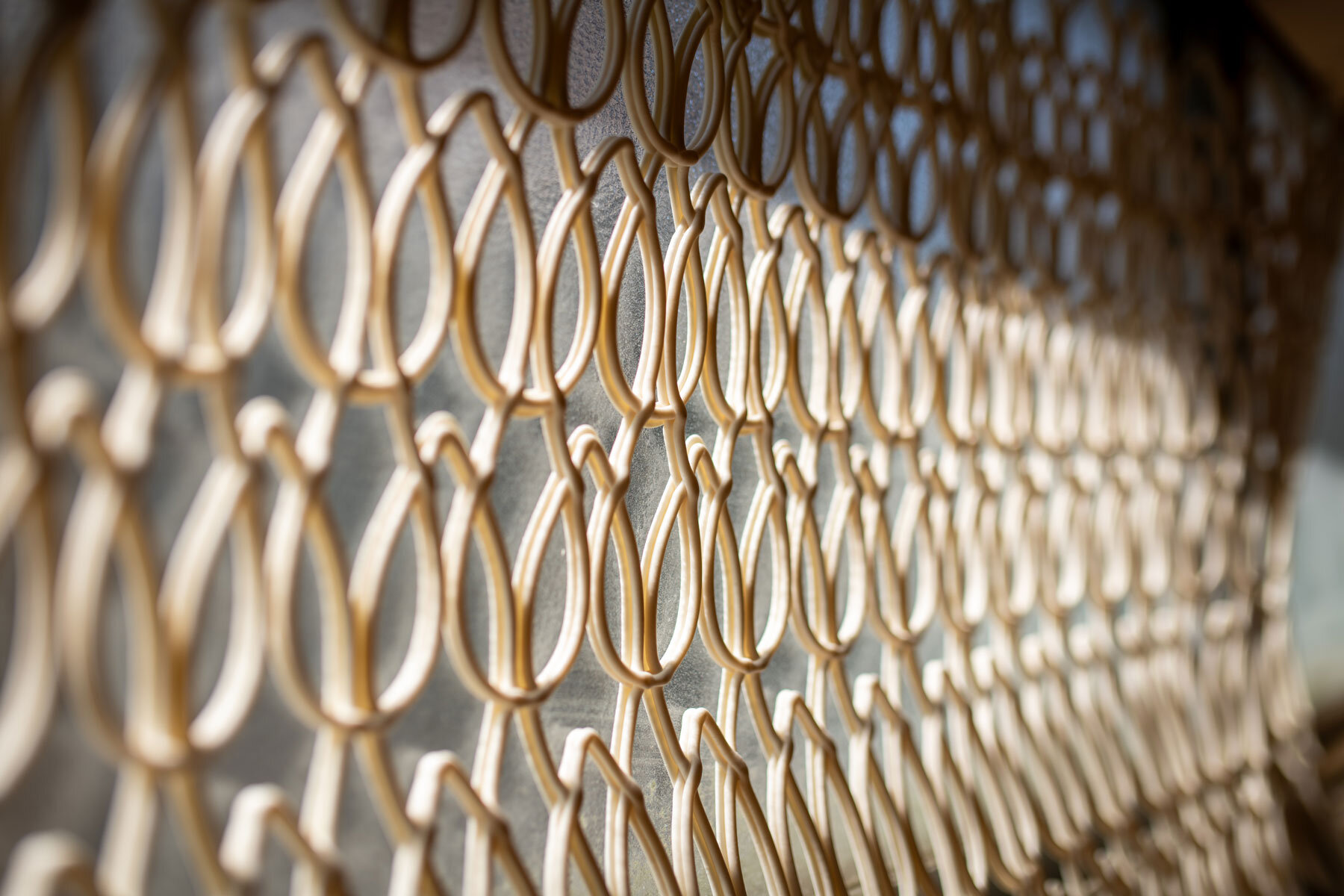
oblique view of the suspended elements, emphasizing depth, repetition, and material softness
3D printing (882)
 Feb 17, 2026
 Feb 11, 2026
 Feb 09, 2026
 Feb 05, 2026
 Jan 23, 2026
architecture in japan (1701)
 Feb 19, 2026
 Feb 12, 2026
 Feb 10, 2026
 Feb 08, 2026
 Feb 07, 2026
facades (462)
 Feb 20, 2026
 Feb 20, 2026
 Feb 13, 2026
 Feb 11, 2026
 Feb 10, 2026
materials (193)
 Feb 20, 2026
 Feb 18, 2026
 Feb 17, 2026
 Feb 14, 2026
modular design (174)
Feb 20, 2026 Feb 19, 2026
 Feb 19, 2026
 Feb 12, 2026
where people work (994)
 Feb 21, 2026
 Feb 19, 2026
 Feb 16, 2026 Feb 13, 2026
 Feb 01, 2026
 Feb 10, 2026
 Feb 04, 2026
 Jan 20, 2026