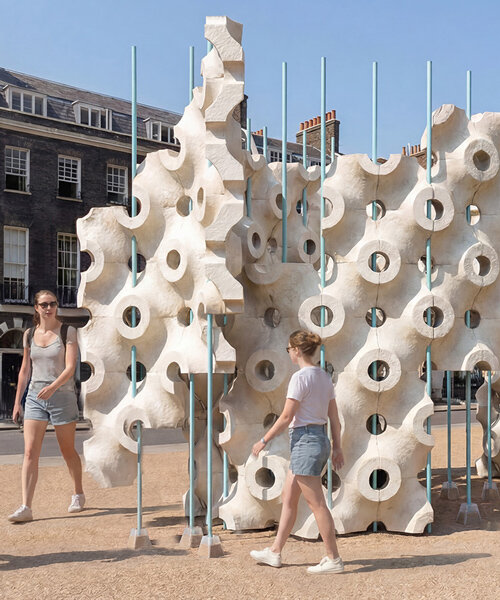
crafted from mycelium, hypha-lume pavilion maps human movement through light
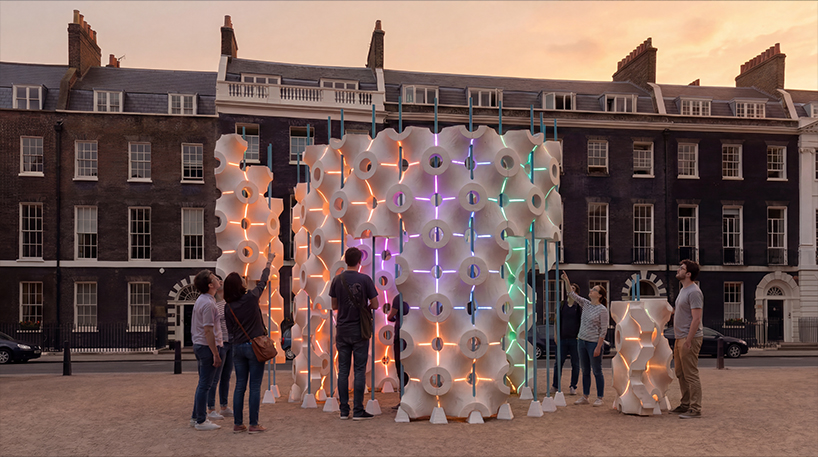
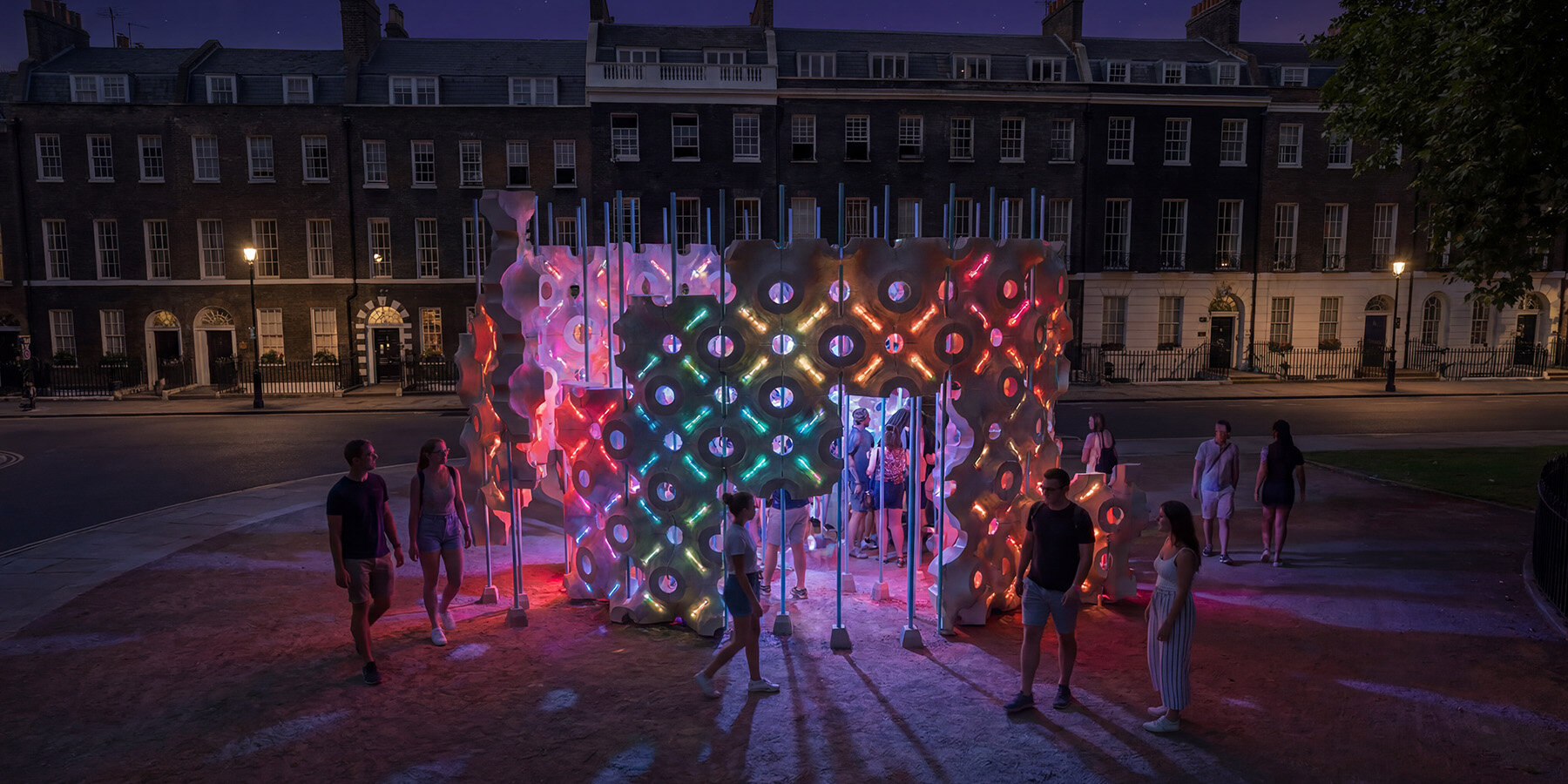
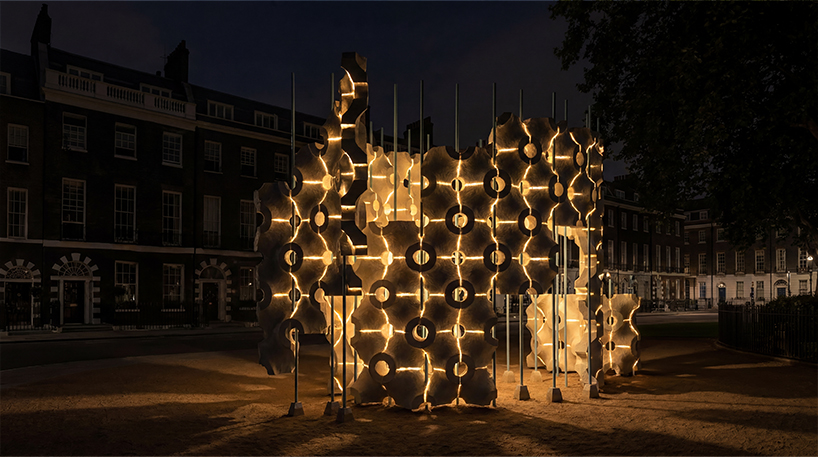
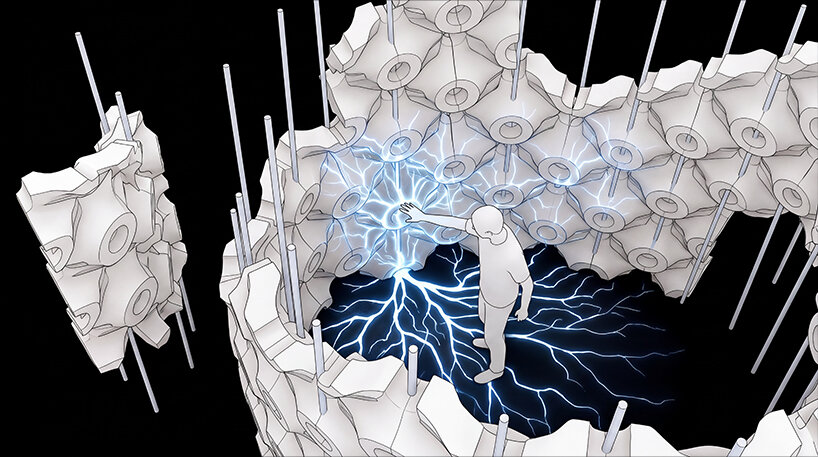
what if a pavilion could remember every movement within it? hypha-lume combines reconfigurable mycelium modules with sensors, light, projection, and sound to transform human presence into an evolving spatial memory.
prefer designboom on google[FEATURED]
MYCELIUM MODULES ADAPT TO VARIED SPATIAL CONFIGURATIONS
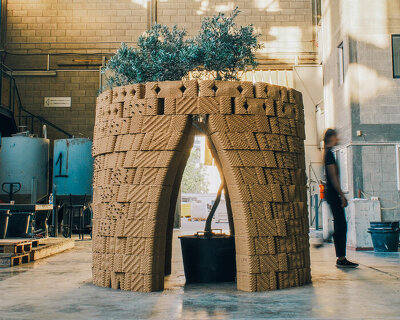
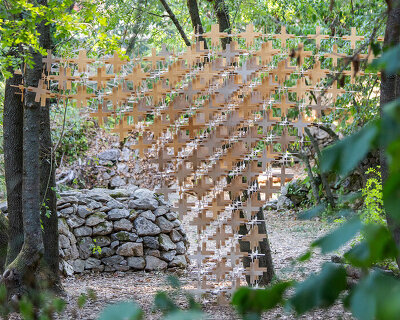
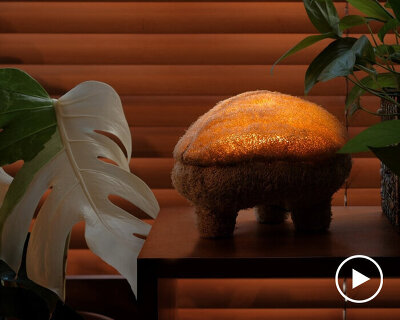
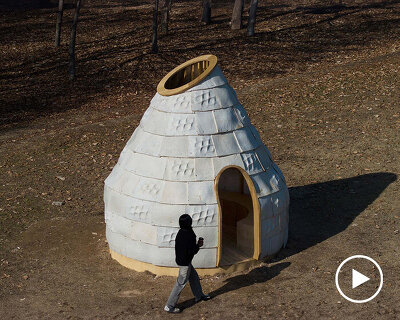
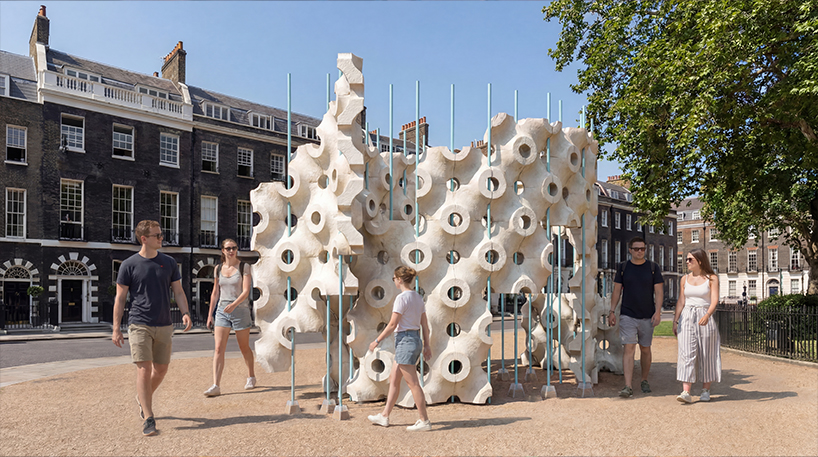
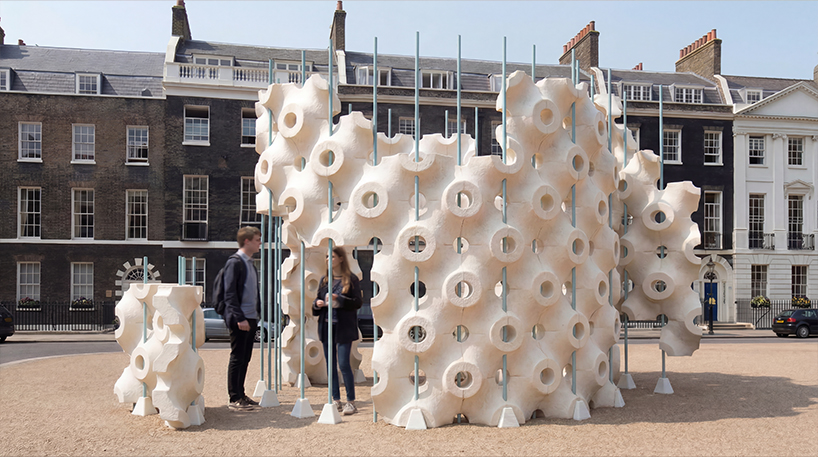
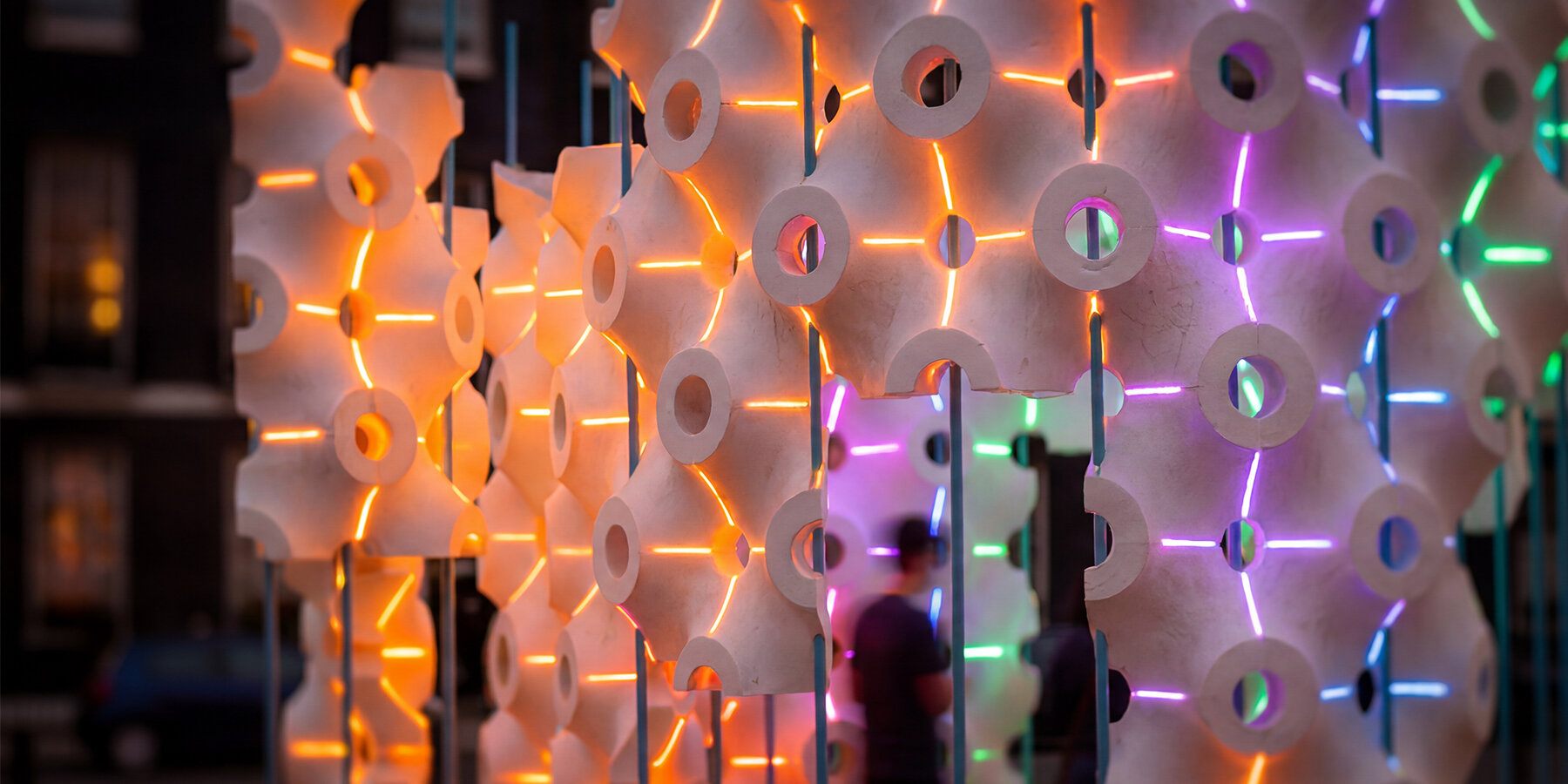
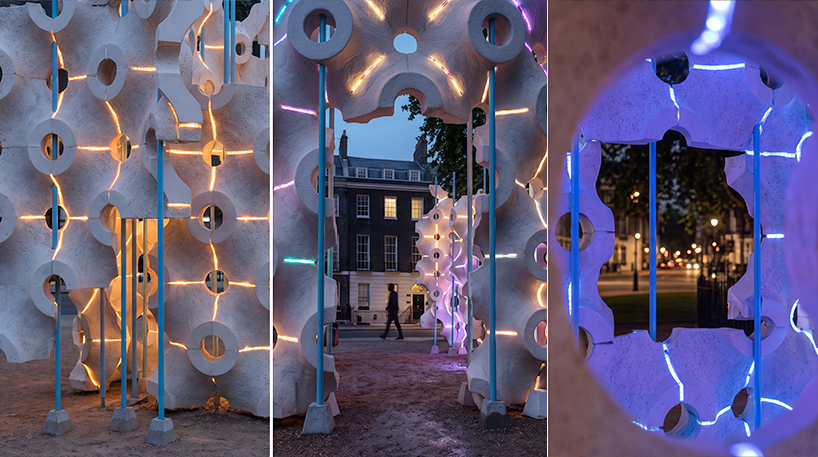
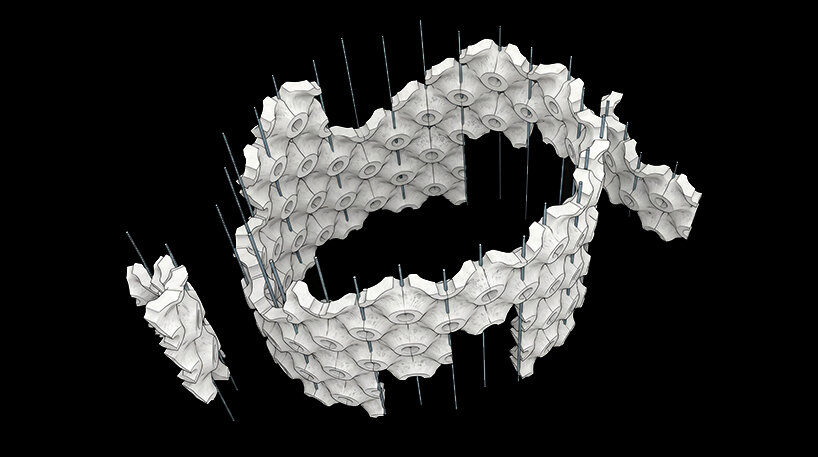
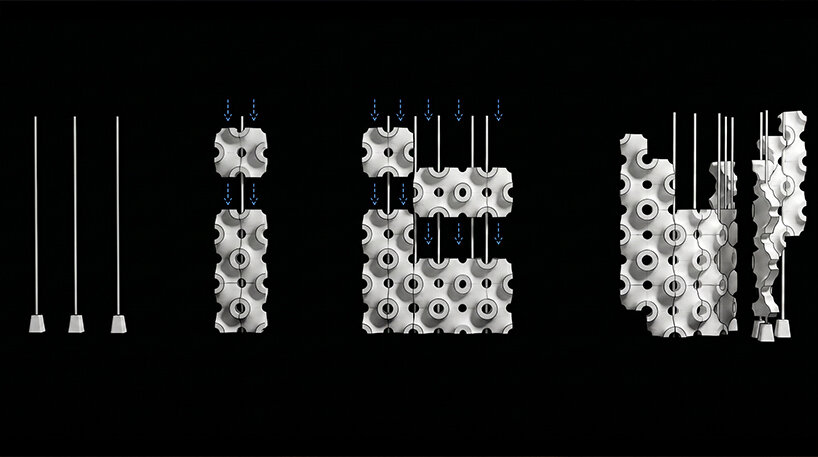
Hypha-Lume is an adaptive modular pavilion that uses reconfigurable mycelium components, sensors, projection, and sound to translate human movement into spatial data. Conceived as a responsive system, the structure incorporates three block types with curvatures of 20, 40, and 60 degrees. These tapered biomaterial modules connect around vertical supports for structural stability, allowing the shell to be reassembled into varied configurations depending on site requirements.
INTEGRATED SENSORS TRANSLATE HUMAN MOVEMENT INTO LIGHT
The pavilion, conceived by Darya Holub, Selin Ozasik, Pinak Bhapkar, Nikhil Narendiran and Baskar Bharathwaj Subramanian, functions as an interactive archive of site activity. Integrated sensors track visitor paths, pauses, and gatherings, converting occupant movement into real-time light patterns and audio. While the structure is defined by its organic geometry and modular rhythm during the day, nighttime illumination projects layered visual traces of previous human interactions directly onto the building envelope.
1/3
project info:
name: Hypha-Lume
designer: Darya Holub, Selin Ozasik, Pinak Bhapkar, Nikhil Narendiran, Baskar Bharathwaj Subramanian
designboom has received this project from our DIY submissions feature, where we welcome our readers to submit their own work for publication. See more project submissions from our readers here.
shop
your own online design shop — no sales commission collected