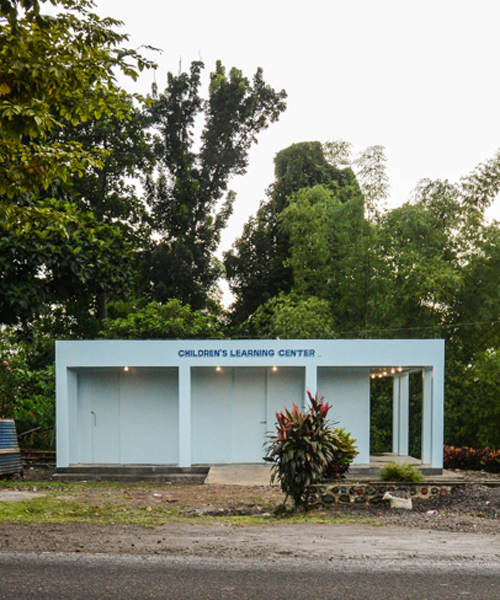
native narrative designs a disaster resilient learning center in the philippines
the first in a series of learning center projects by native narrative, giving filipino children a place to study and play after school in a rural disaster-prone area.
prefer designboom on google[FEATURED]
this after-school facility is the first of its kind in the philippines and native narrative’s first non-profit project. the brief was to integrate a library unit, a reading area, a study space, two washrooms and a performance stage within the 9 x 7 m footprint. the size of a standard filipino classroom. 21.6 million people in the philippines are living below the poverty line and 2.1 million filipino children are estimated to be in child labor. education is a route out of poverty for most.
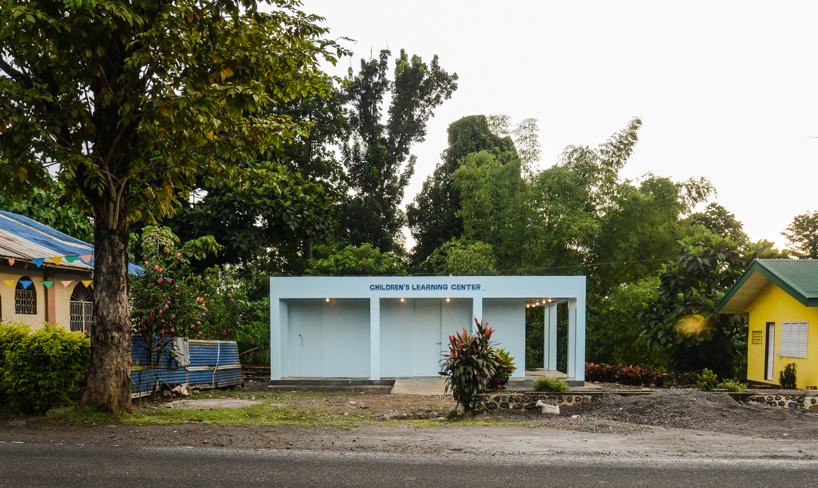
the site sits between a busy national highway, a rich tropical forest, a church and a health center
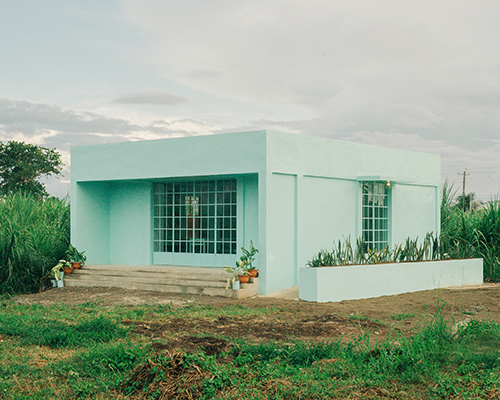
scandinavian based studio native narrative‘s design of the learning center is influenced by contrasting site conditions, children playing in the neighborhood and native construction and materials. the building is a collection of borrowed components from the predominant architectural language in the locality, although does not resemble any one particular building. the result is a reduced aesthetic in sharp contrast to the warn and rugged context. located in the ‘pacific ring of fire’, the philippines is highly vulnerable to typhoons, earthquakes, floods and tsunamis. the country ranks as the third most disaster-prone country in the world based on the 2015 world risk index.
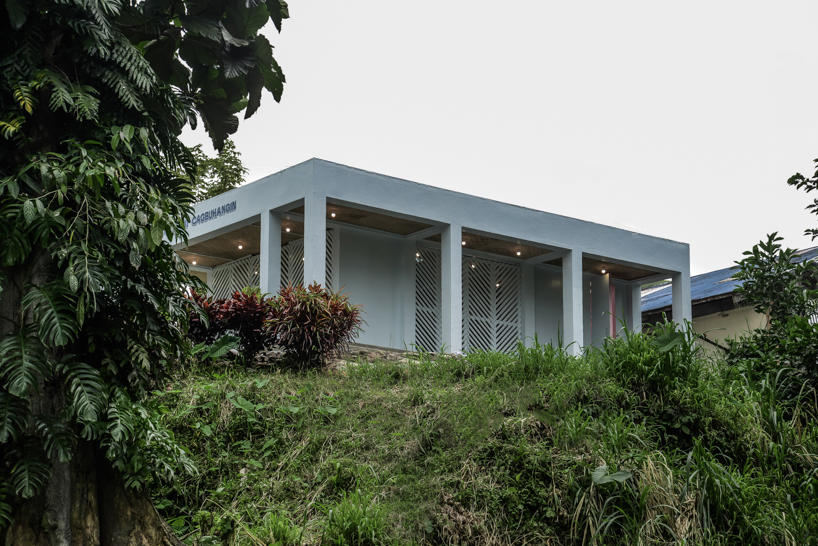
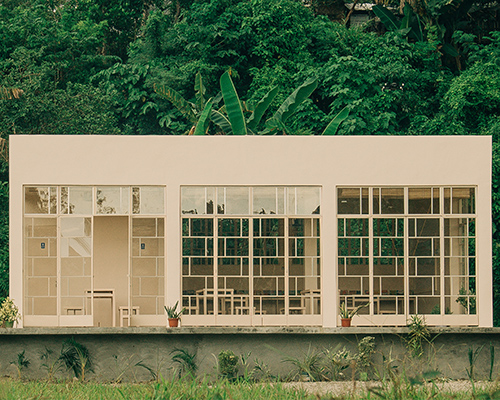
sliding timber doors open the building and visually connect it to the grand tropical forest landscape
in order to enhance a typhoon and earthquake resilient structure, the column layout is kept simple and symmetric. all furniture is made of plywood by local carpenters and the bespoke woven seating covers are made from recycled t-shirts. this technique is often used locally but reserved for door mats only. native narrative has wished to not only celebrate the method but also raise the status of recycling in an area where foreign and new is often preferred over local and used. ‘this project is very much in line with our attitudes to the architectural profession and towards responsibility. we believe considered design has the ability to raise standards of living and should be accessible for everyone, regardless of their economic circumstances. this is why we do charity architecture projects free of charge in addition to commercial design and 3D visualization services’, according to cecilie wang and jakob gate, founders of native narrative design studio.
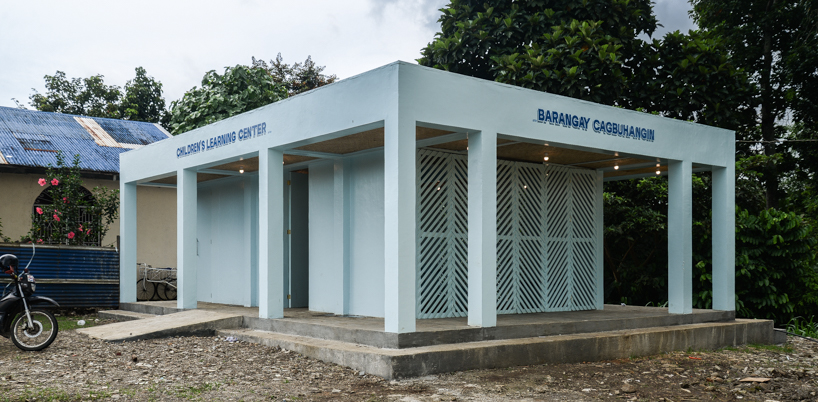
made up of a reinforced concrete structure with hollow walls, a lightweight metal roof and woven bamboo ceiling
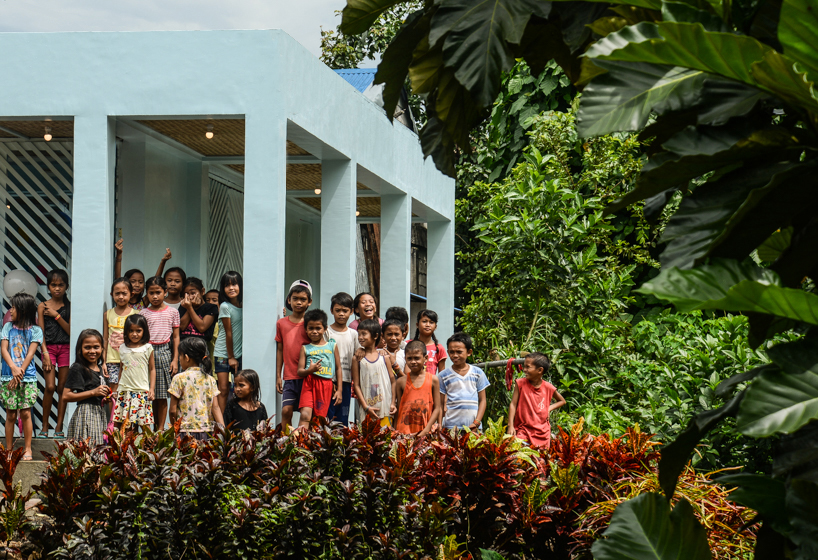
the building is reduced to a backdrop where color variation is created by children and the rich tropical context
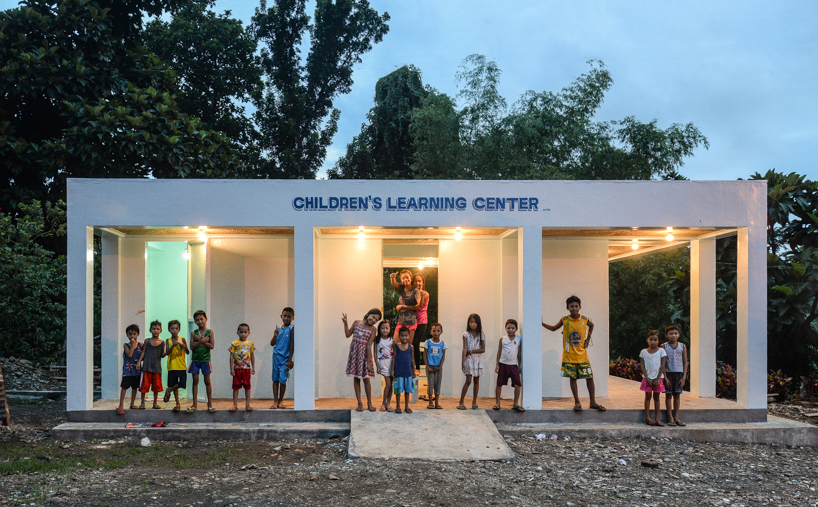
before the center, most children played along the highway or worked for their parents after school
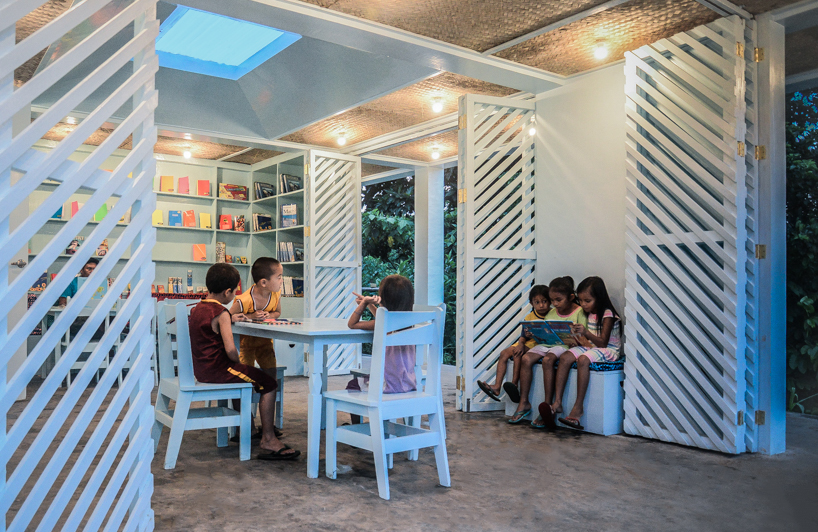
a polycarbonate skylight in the lightweight metal roof is further illuminating the interior
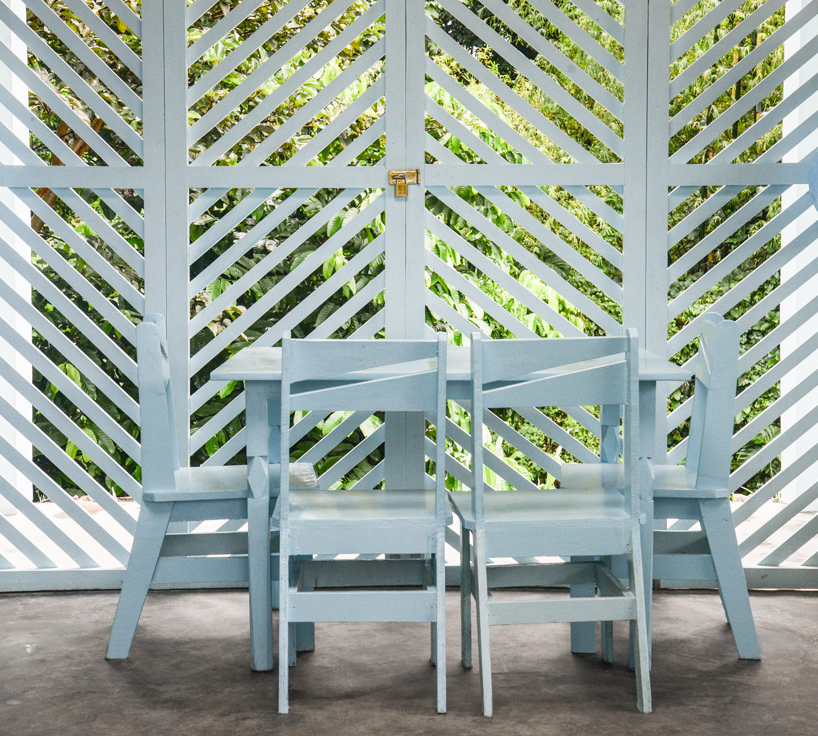
the sliding door’s geometry is echoed in the plywood furniture backrest
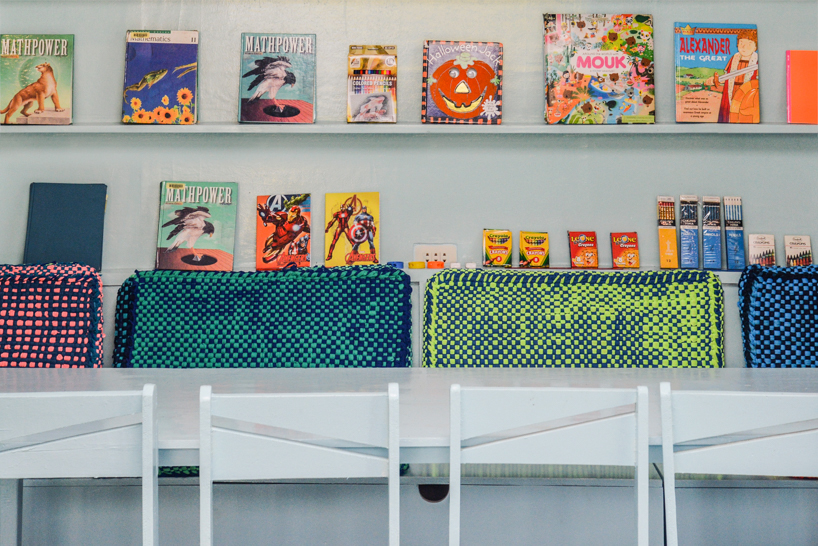
bespoke woven seating covers made from recycled t-shirts
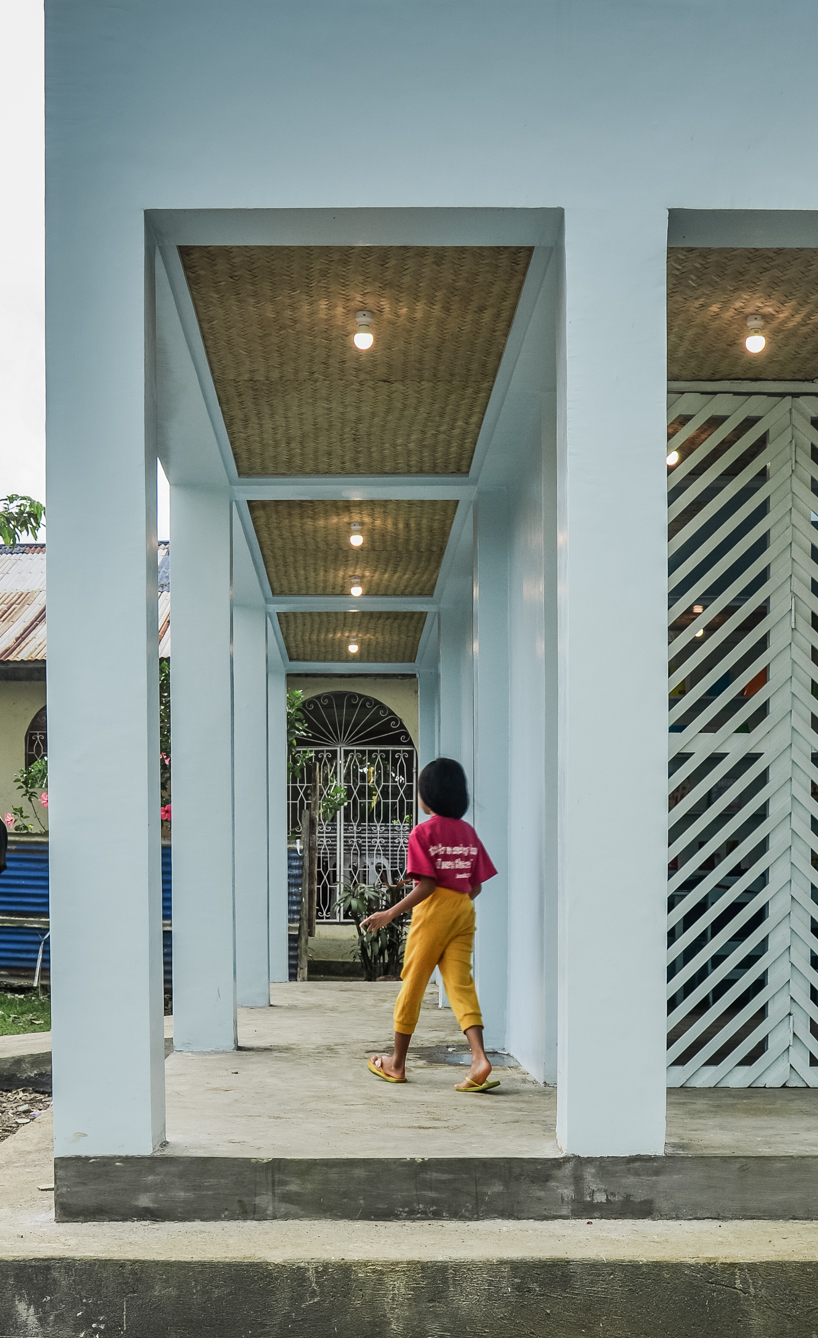
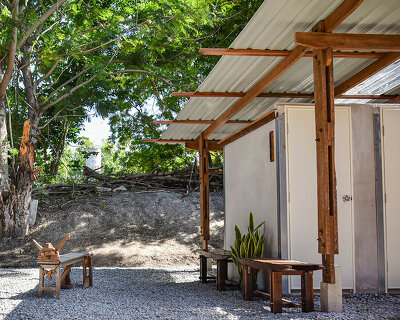
the large roof overhang is supported by its own beam and column structures
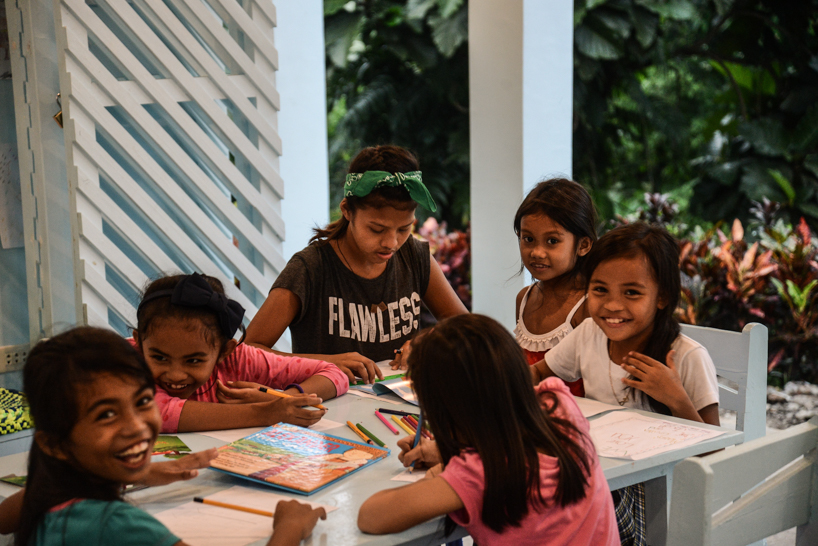
the learning center is creating a safe environment that motivates the youth to study and play
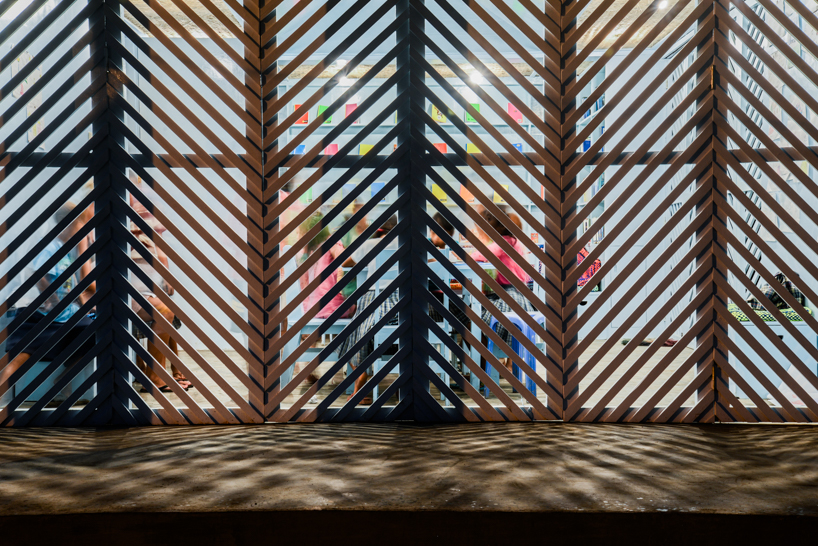
the sliding doors allow much needed natural ventilation to happen also when the center is closed
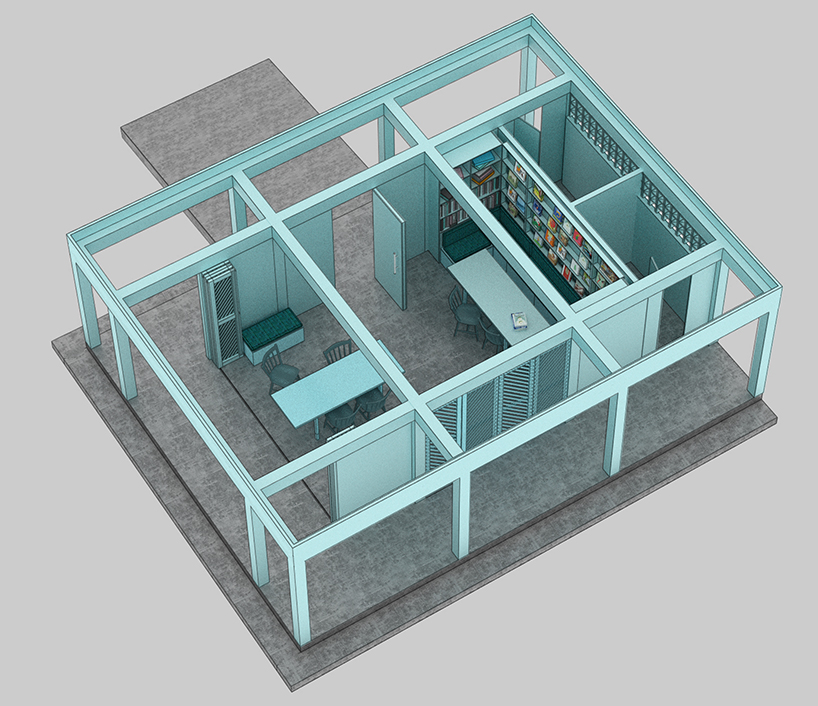
axonometric view
project info:
project initiation and part funding: the sheryl lynn foundation
main funding: ormoc city government led by mayor richard gomez.
main local consultant: rural development initiatives (NGO)
lead design & project management consultant: native narrative
structural engineer & main contractor: JV enterprises
designboom has received this project from our ‘DIY submissions‘ feature, where we welcome our readers to submit their own work for publication. see more project submissions from our readers here.

shop
your own online design shop — no sales commission collected