payette builds clt pavilion for massachusetts community farm
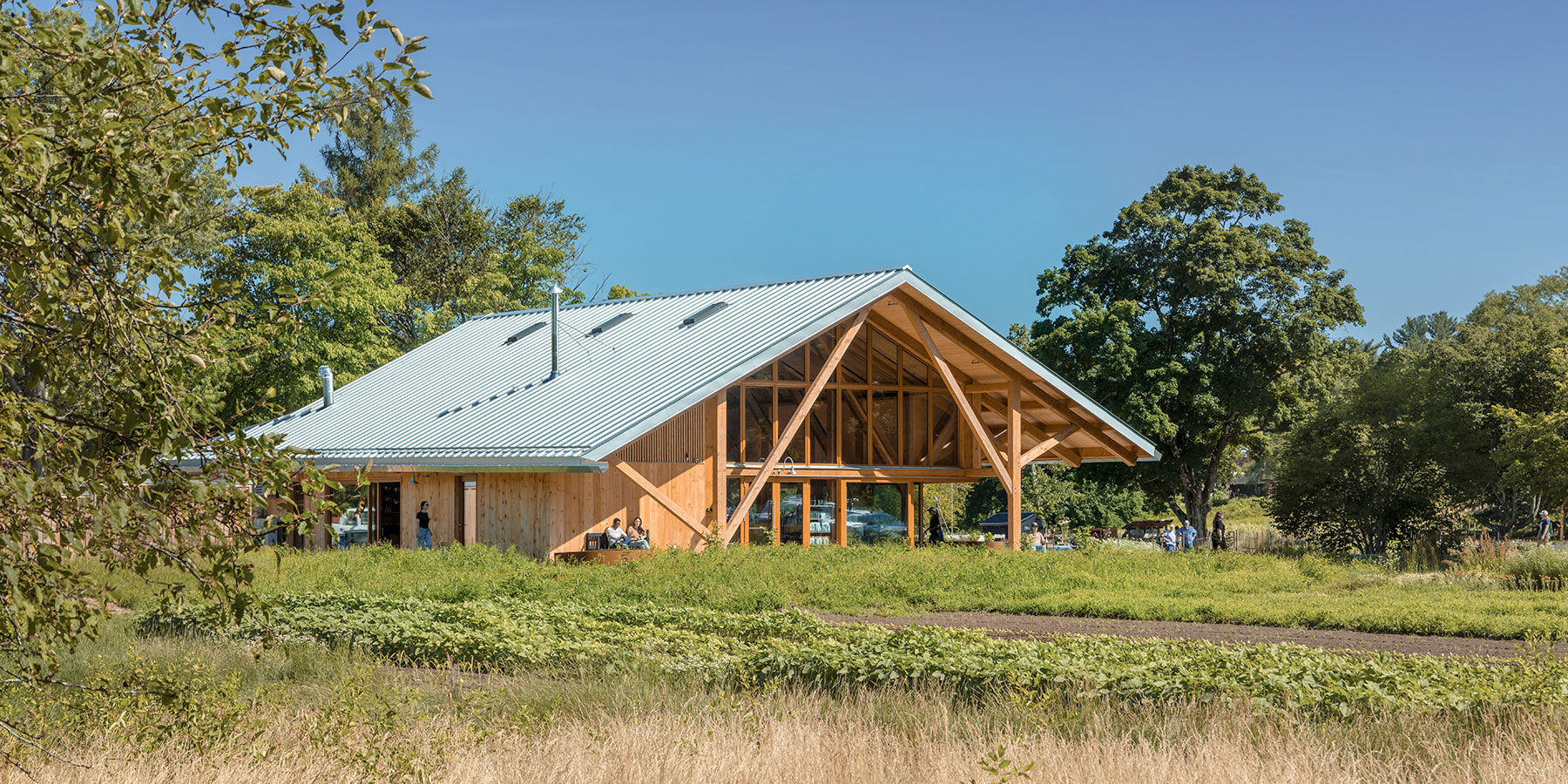
The Land’s Sake Farmstand by Payette is a net-zero pavilion built with a hybrid timber system for year-round use set on a 40-acre non-profit community farm in Weston, Massachusetts. Passive strategies work alongside efficient mechanical systems, allowing the structure to shift between open-air market and enclosed, conditioned space. Overhead, a solar roof quietly powers daily operations, while sliding panels modulate light, air, and weather to support farming, learning, and gathering. The project works in concert to utilize a wide range of sustainable principles and practices, including shading and building orientation, timber construction, a high-performance building enclosure, ventilation and heat-recovery systems, and photovoltaics. To reduce energy, the Farmstand is designed to work with the natural environment and climate. South and east-facing windows allow for passive solar heating in winter due to low sun angles, while the deep overhangs block the hot summer sun from warming the space. Operable skylights and sliding doors are aided by destratification fans to naturally ventilate the Farmstand, reducing the need for air conditioning and allowing the Farmstand to be open to the Farm.
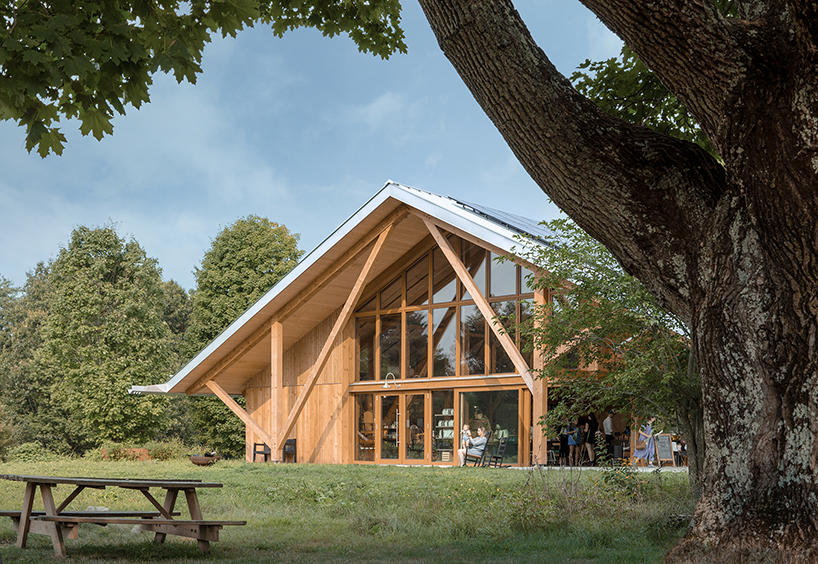
south and east-facing windows allow for passive solar heating in winter | all images Warren Jagger
the land’s sake farmstand minimizes energy consumption
Plants and trees naturally store carbon as part of photosynthesis, turning carbon dioxide into oxygen, making wood a carbon-positive material. The Farmstand is a hybrid traditional timber frame that is clad in cross-laminated timber (CLT). The timber frame utilizes mortise and tenon joints held together with wood pegs. The 4” cross-laminated timber skin forms the exterior enclosure and lateral bracing. Wood-fiber insulation made from waste wood pulp and rough-sawn wood cladding results in a carbon-positive all-wood building envelope. While air tightness prevents heat loss, the architects also made sure to provide ample fresh air for healthy building maintenance. A dedicated energy recovery ventilator (ERV) exhausts air from the bathrooms and provides fresh filtered outdoor air to the space. The exhaust air passes through a heat exchanger that pulls the heat to the incoming air, recovering up to 75% of the energy that would typically be exhausted from the building.
While the Farmstand is designed to use as little energy as possible, it still takes energy to run the LED lights, kitchen, heat pumps, and most importantly the large walk-in coolers for storing vegetables. A large 36kW south-facing solar array feeds energy directly to the building and will supply the grid with excess energy. The tightly sealed envelope with a thick layer of continuous insulation is critical to minimize the amount of energy required for heating and cooling. Paired with high-efficiency triple-glazed windows and minimized thermal breaks, this passive house level envelope minimizes heat loss. These design moves not only minimize the building’s impact on the environment, but they also minimize operational costs, ensuring Land’s Sake’s future as a sustainable farm.
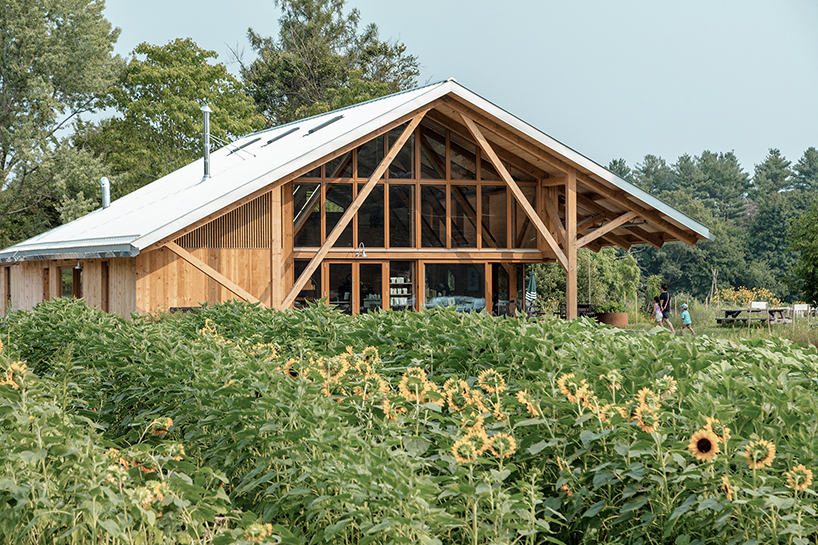
cross-laminated timber makes up the majority of the farmstand’s hybrid frame
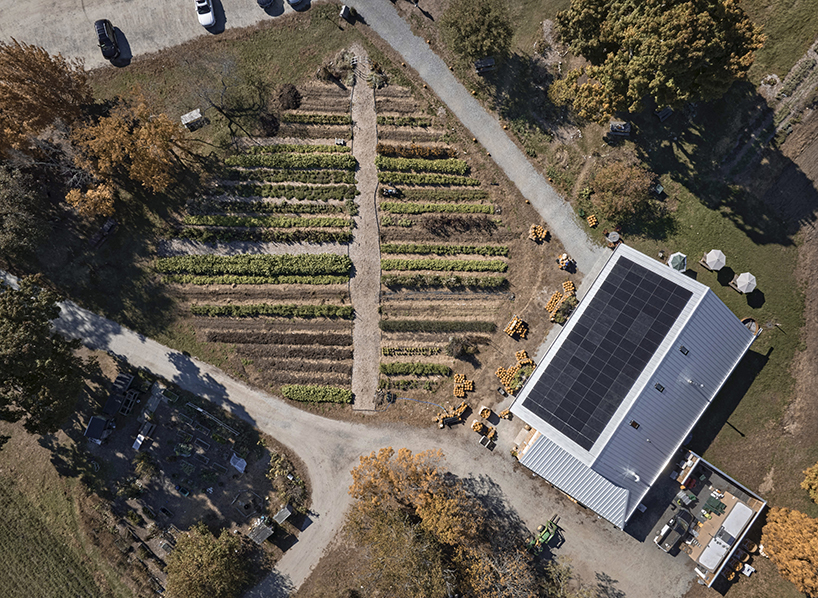
payette capped the building with a large solar array and an ever-changing roof line that embraces the structure below
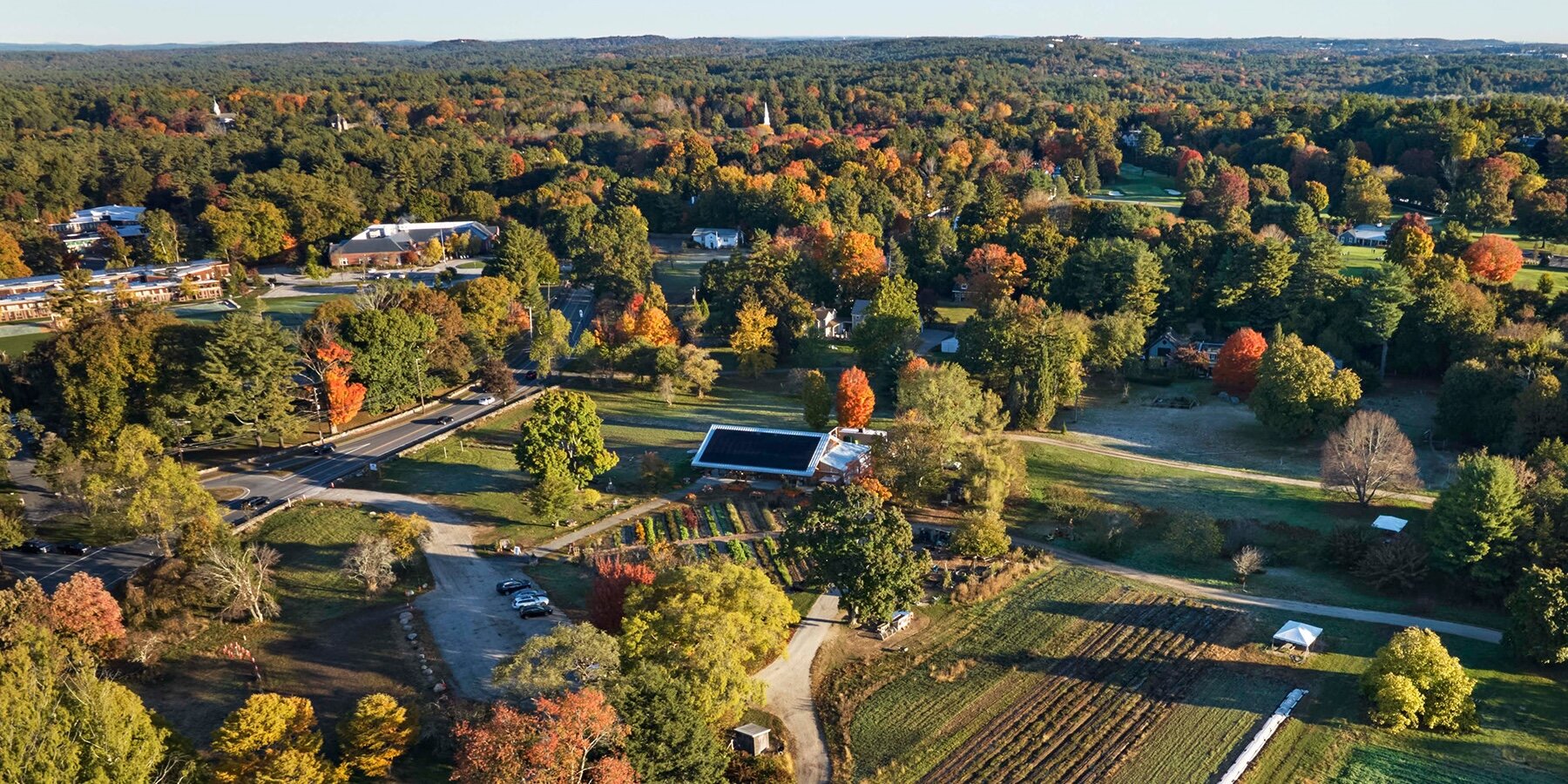
historic homes and agrarian structures make up the surrounding landscape
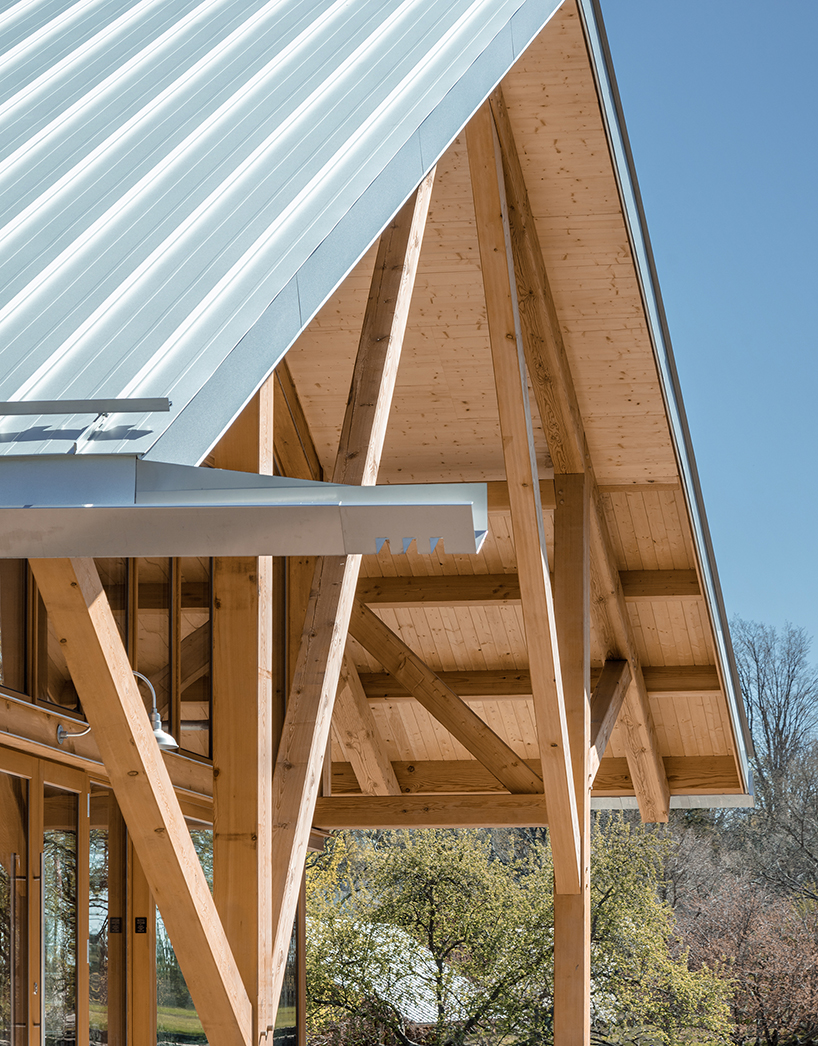
materials consist of a timber structure, galvalume roofing, stainless steel gutters, and stainless steel door hardware
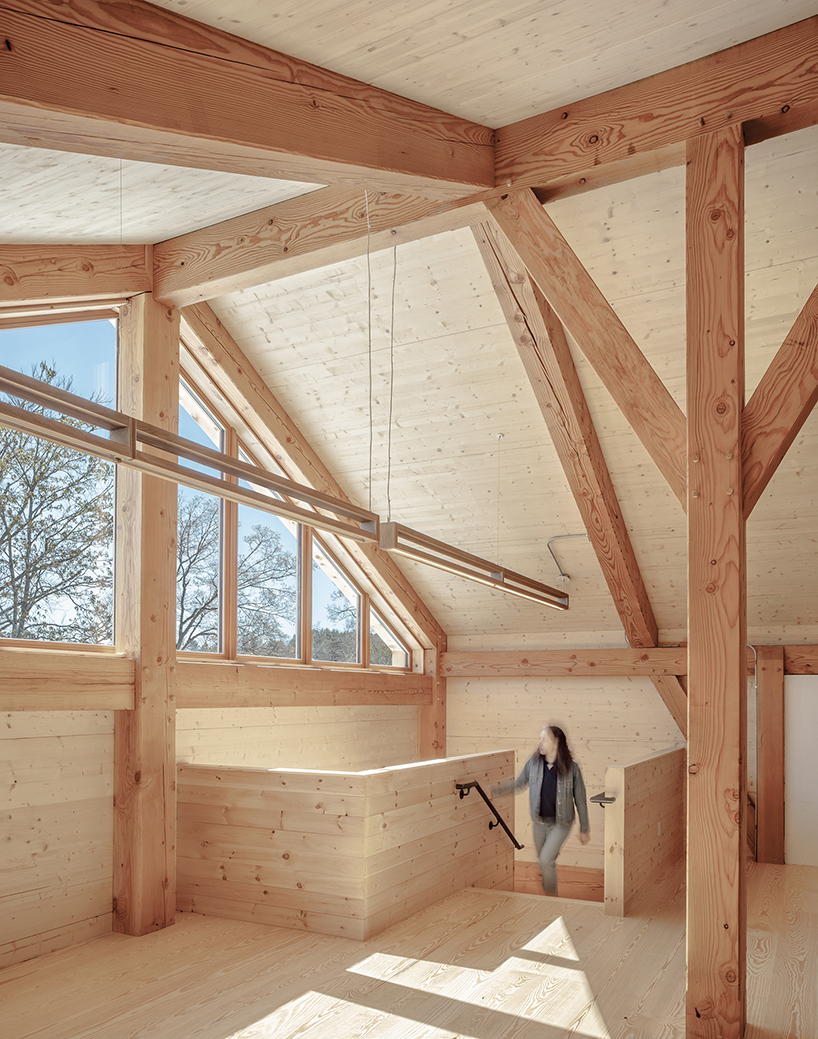
locally sourced timber and handcrafted details permeate the entire structure
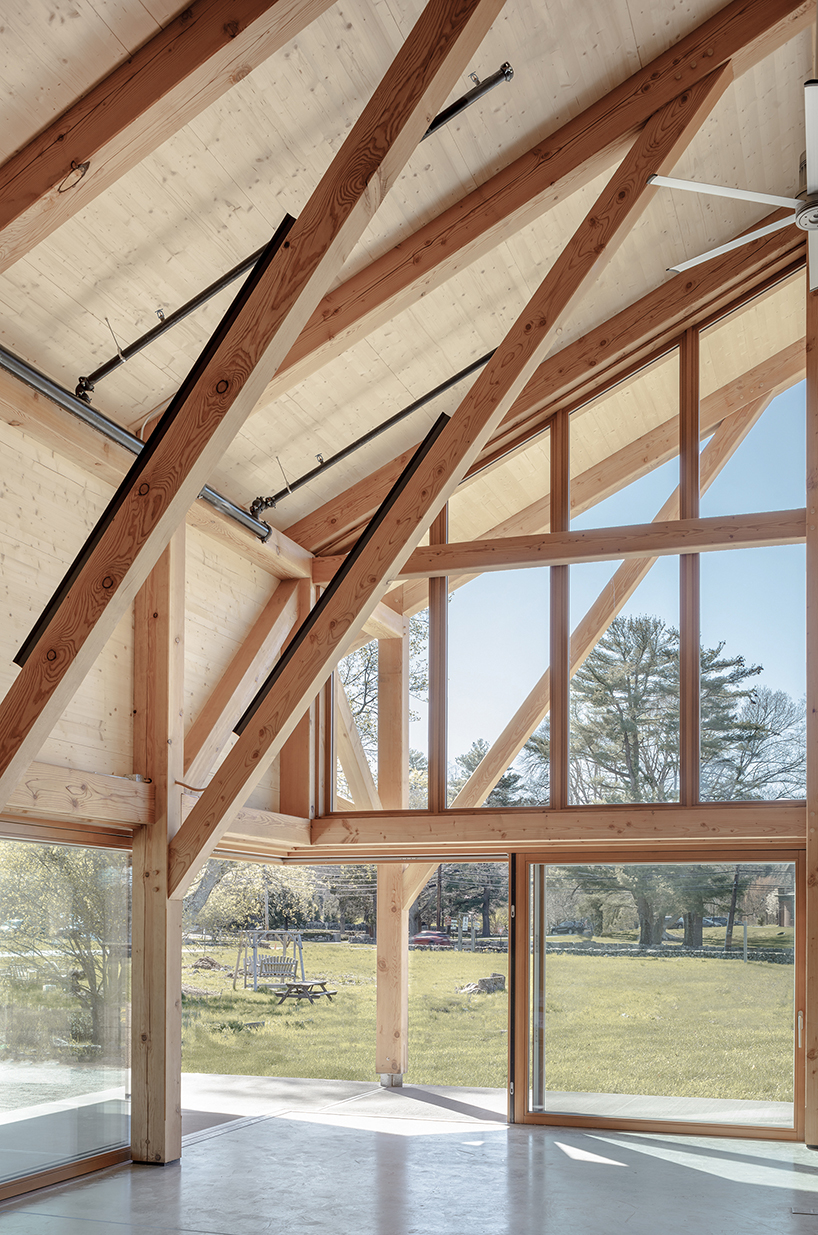
payette served as the architectural metals fabricator
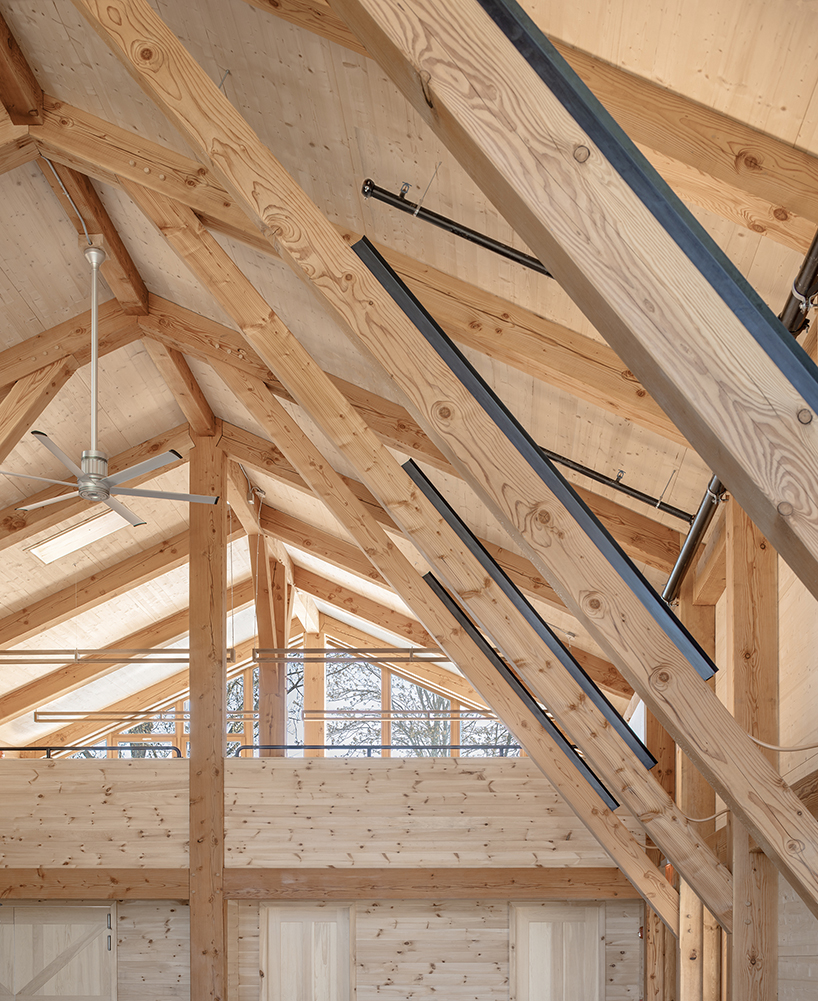
blackened steel light shrouds conceal fixtures and wash the timber frame
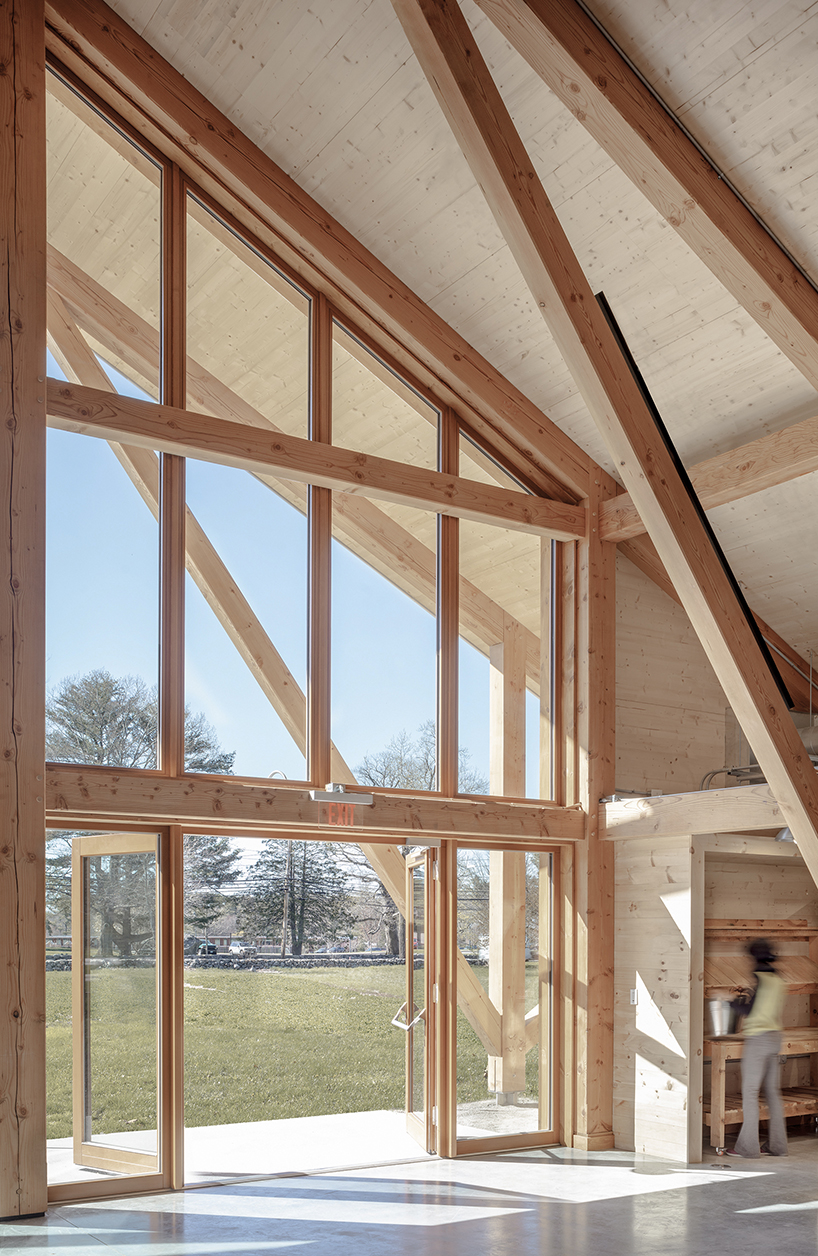
sliding glass panels transform into an open-air structure during the warmer months
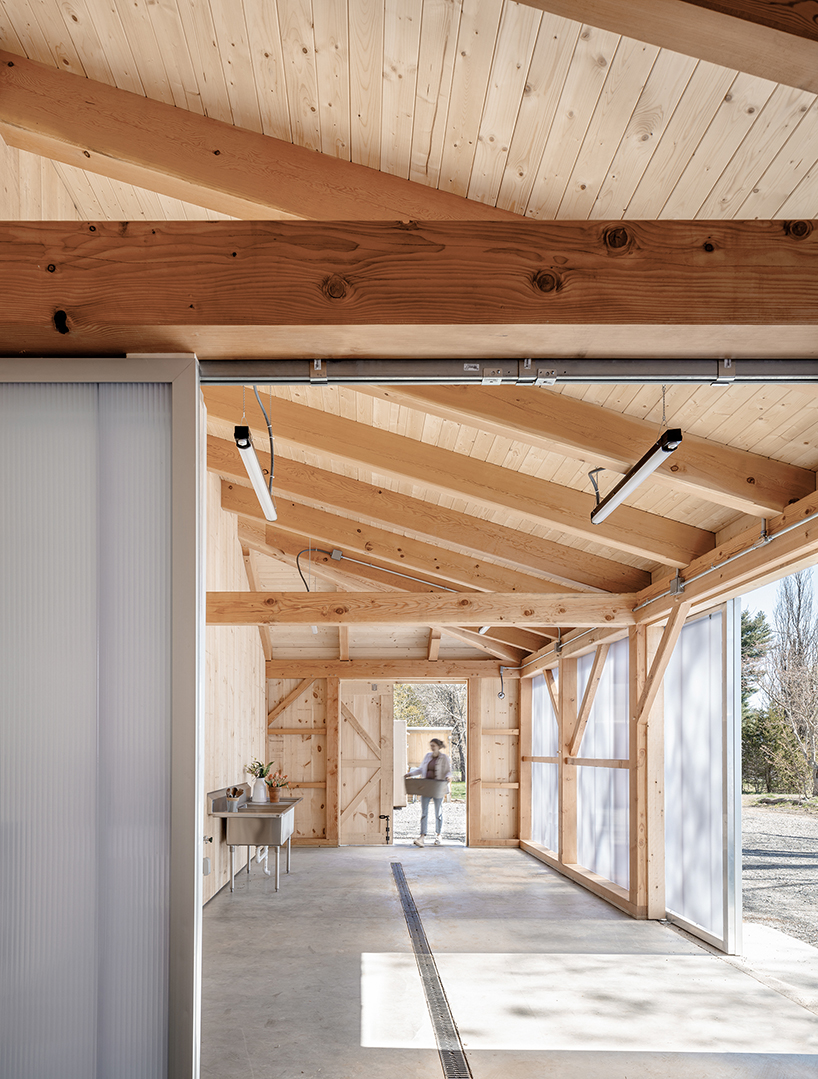
a system of translucent sliding polycarbonate panels delivers natural light in work areas
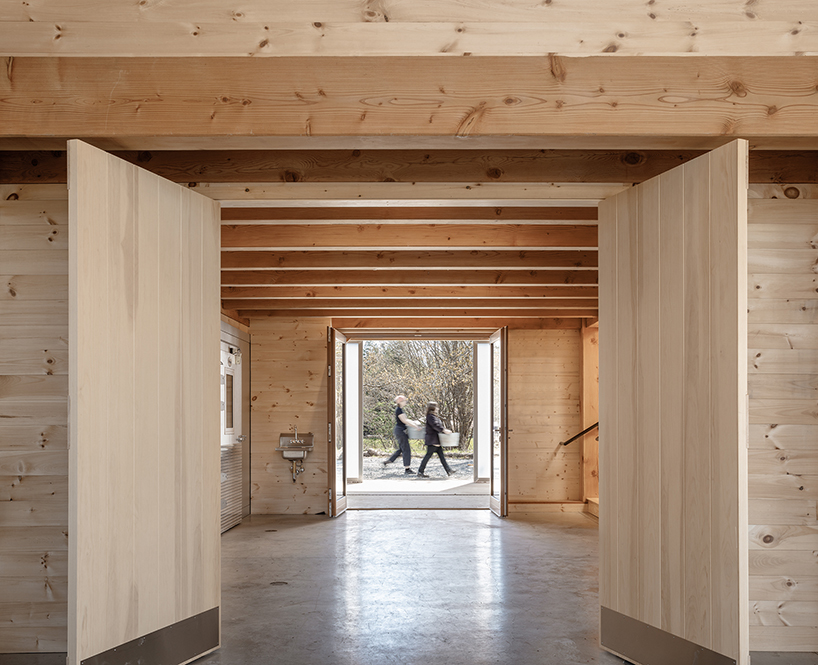
cross-laminated timber skin forms the exterior enclosure and lateral bracing
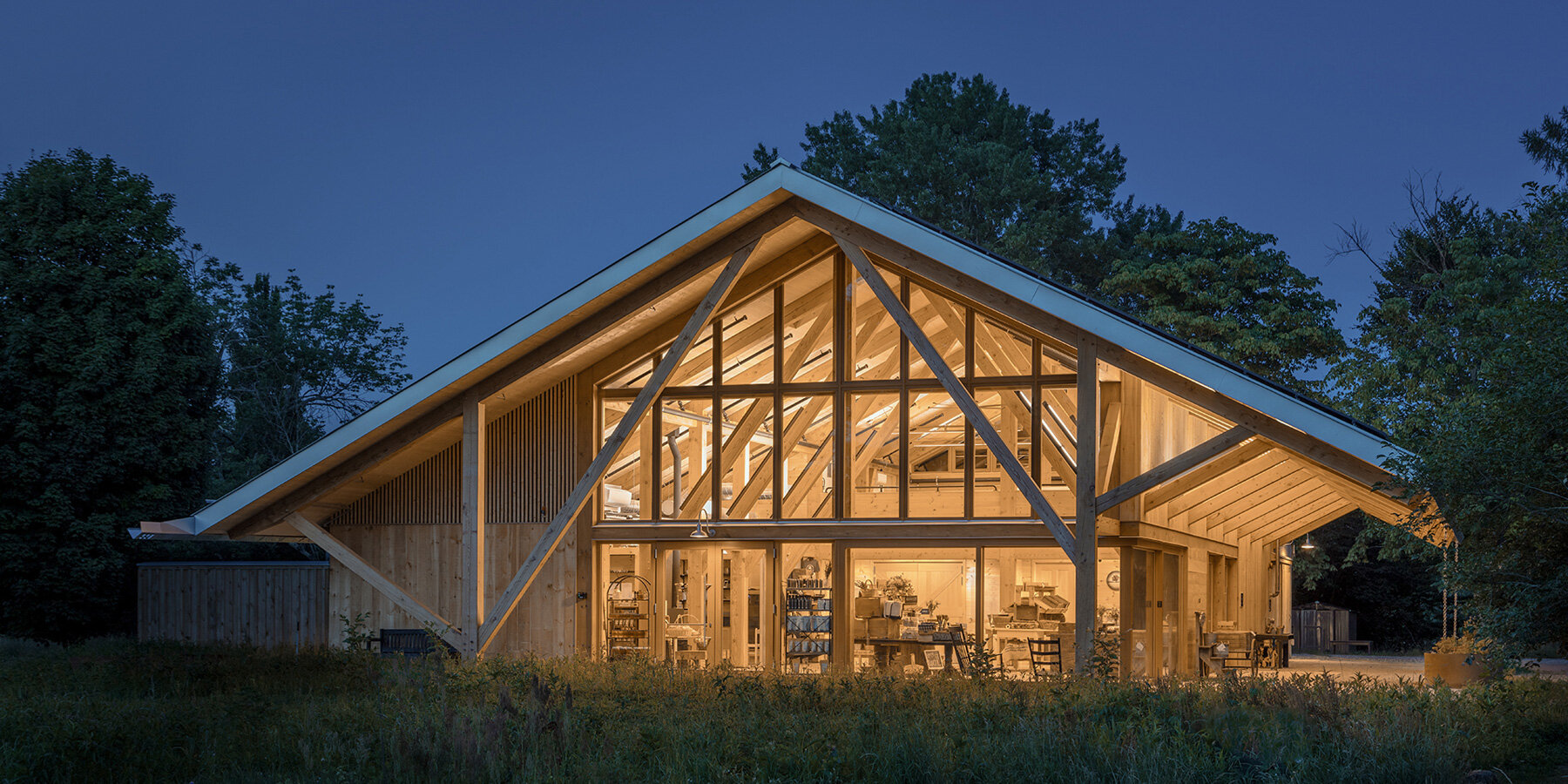
the project works in concert to utilize a wide range of sustainable principles and practices
architecture in the US (1657)
 Mar 12, 2026
 Mar 12, 2026
 Mar 06, 2026
 Mar 04, 2026
 Feb 23, 2026
rooftop architecture and design (219)
 Mar 15, 2026
 Mar 12, 2026
 Mar 10, 2026
 Mar 09, 2026
 Mar 02, 2026
wood and timber architecture and design (1402)
 Mar 11, 2026
 Mar 09, 2026
 Mar 08, 2026
 Mar 05, 2026
 Mar 03, 2026
 Mar 12, 2026
 Mar 11, 2026
 Feb 24, 2026