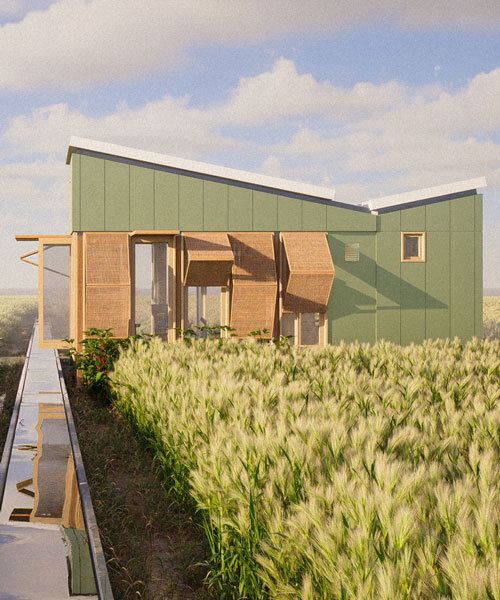
permeable microhome proposal integrates groundwater recycling system in india
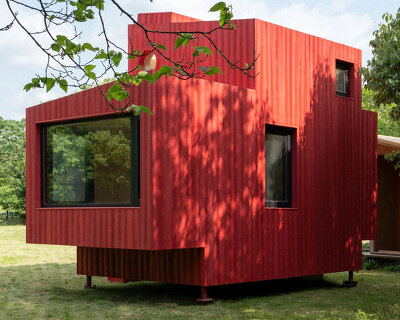
the buildner microhome competition winning proposal employs a raised timber frame to minimize disruption to the ground
Living on Groundwater by Aleksa Milojevic and Matthew W Wilde
Living on Groundwater by Aleksa Milojevic and Matthew W Wilde is a 25 sqm prefabricated dwelling that received first prize in the Kingspan-funded MICROHOME #10 competition, organized by Buildner. Developed as a response to groundwater depletion, the project reframes the microhome not as a self-contained unit but as part of a broader environmental system. Through its design, the dwelling links domestic occupation directly to water management and ecological repair.
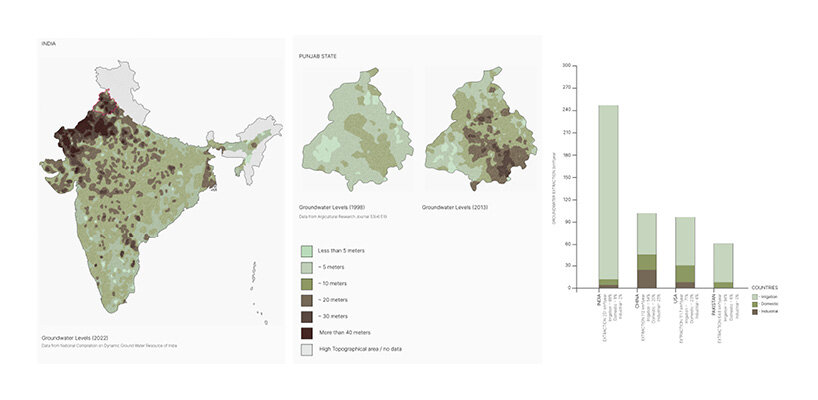
The MICROHOME #10 competition called for an off-grid dwelling under 25 sqm, encouraging participants to explore how compact architecture can address contemporary environmental and social challenges. Free of site constraints, the competition functions as a testing ground for material strategies, spatial efficiency, and environmental performance at the scale of individual housing. Living on Groundwater engages this framework by responding to conditions in Punjab, India, where groundwater extraction supports both daily life and intensive agricultural activity.
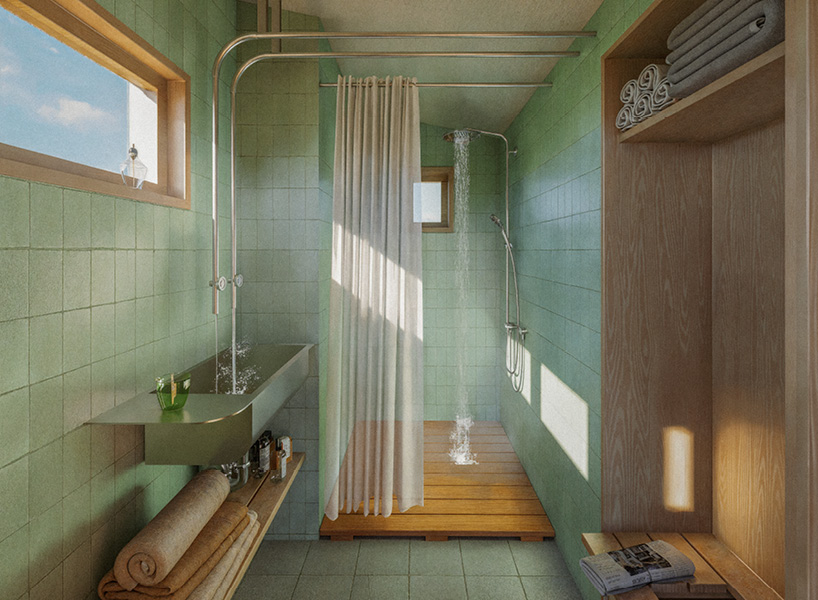
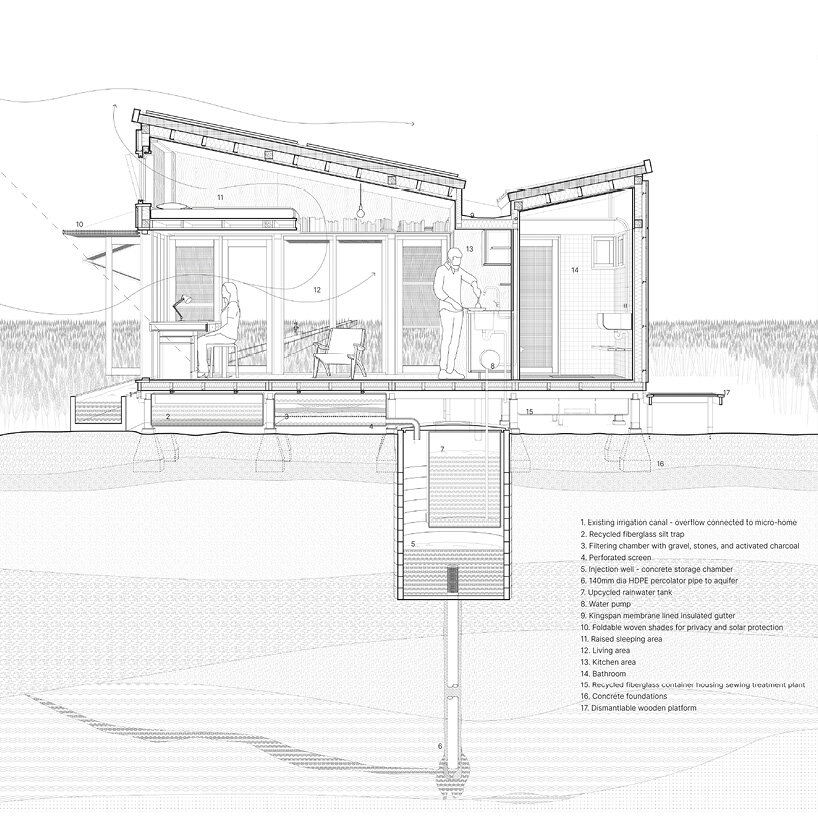
Water functions as the primary design driver of the project. The dwelling is organized around processes of water collection, use, treatment, and return. Rainwater is captured on site, greywater is recycled, and treated surplus water is directed back into the aquifer through an injection well, allowing the building to operate as a hydro-positive system. By making these processes central to the architectural concept, the project positions domestic habitation as an active participant in long-term groundwater replenishment.
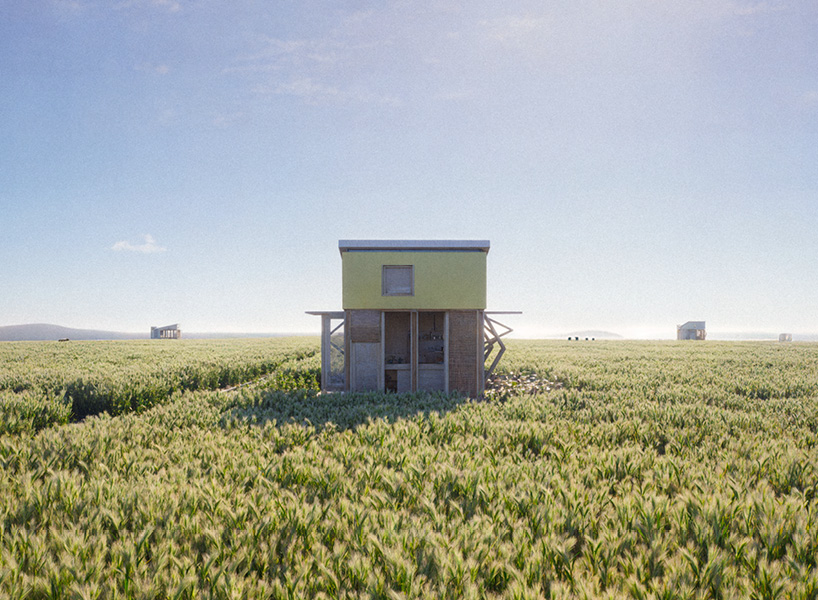
The project wins first prize in Buildner’s MICROHOME competition
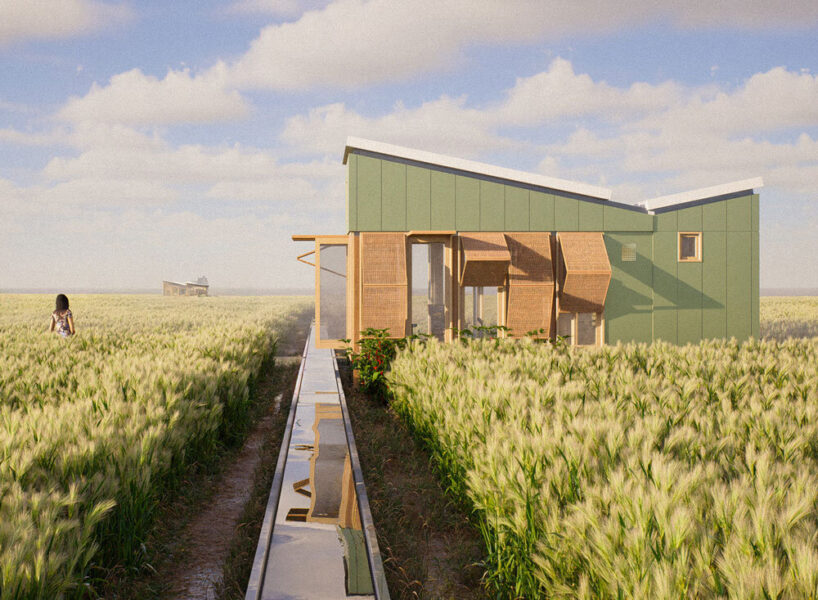
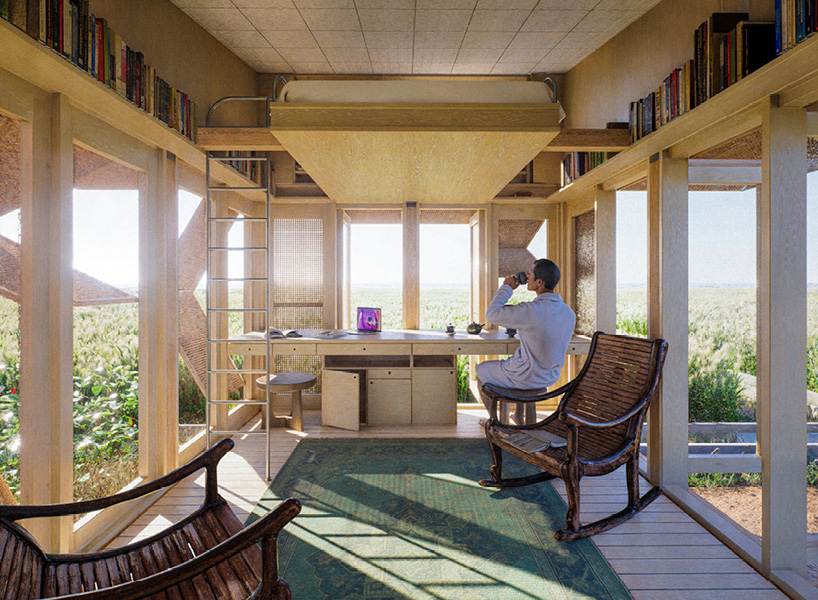
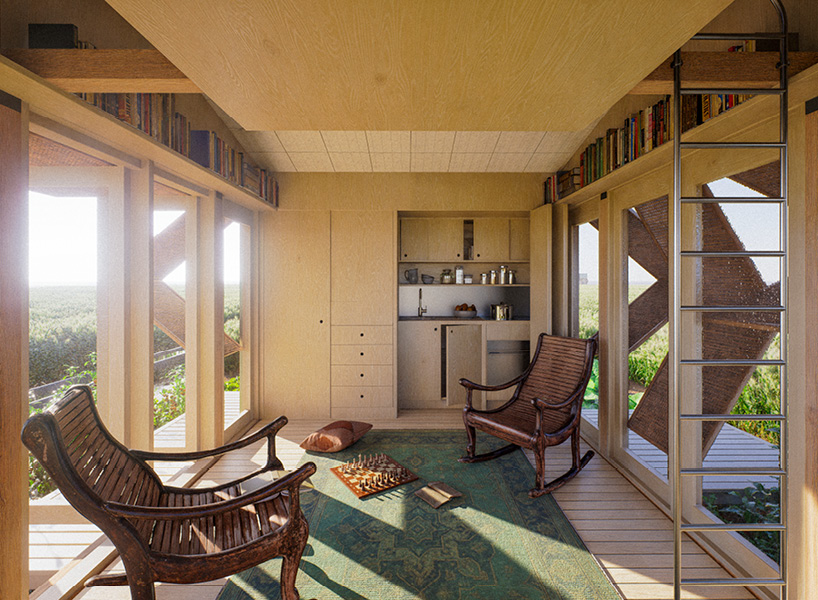
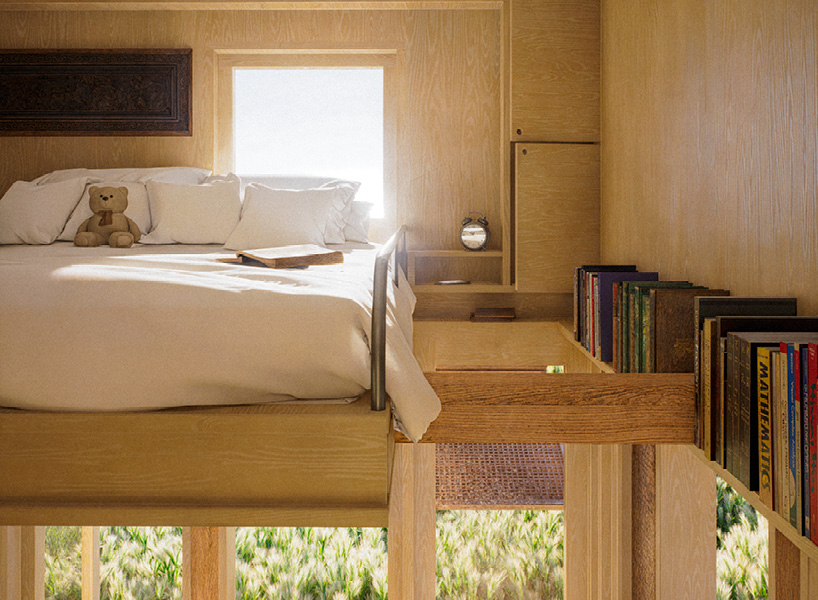
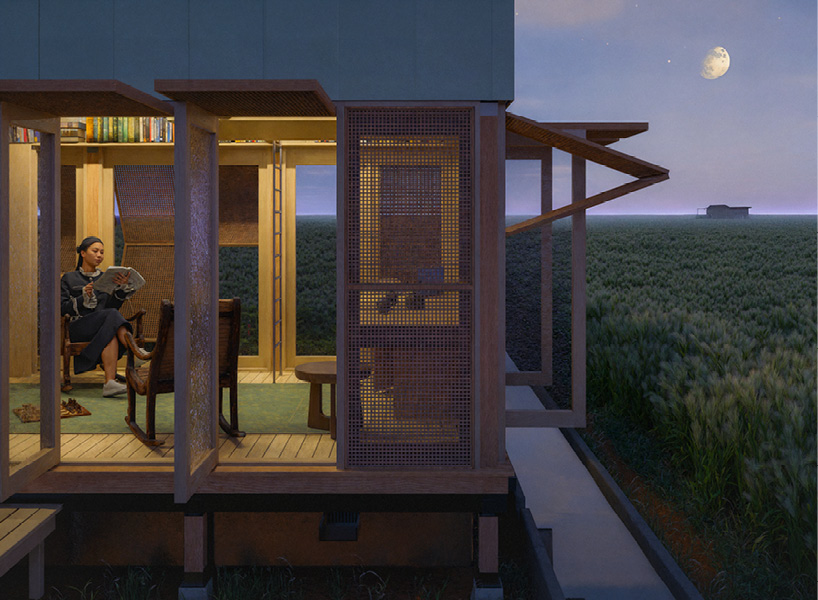
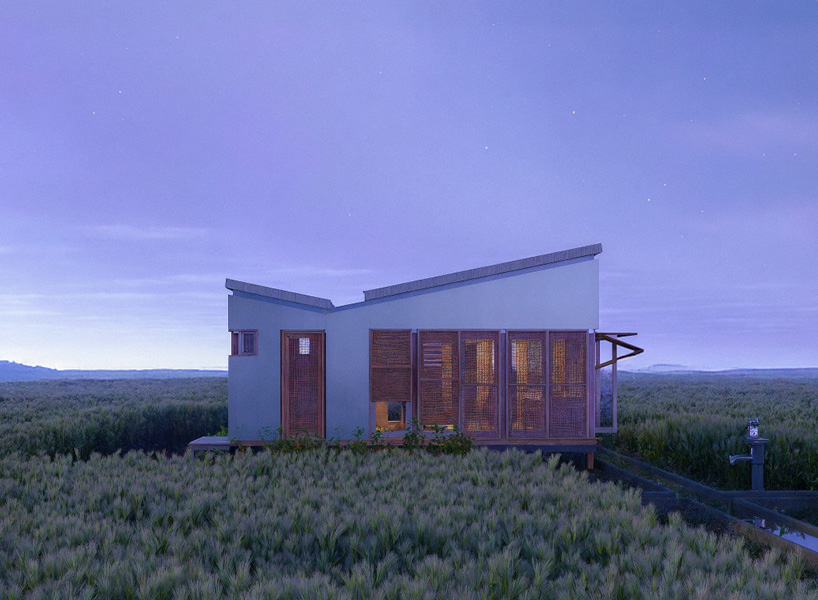
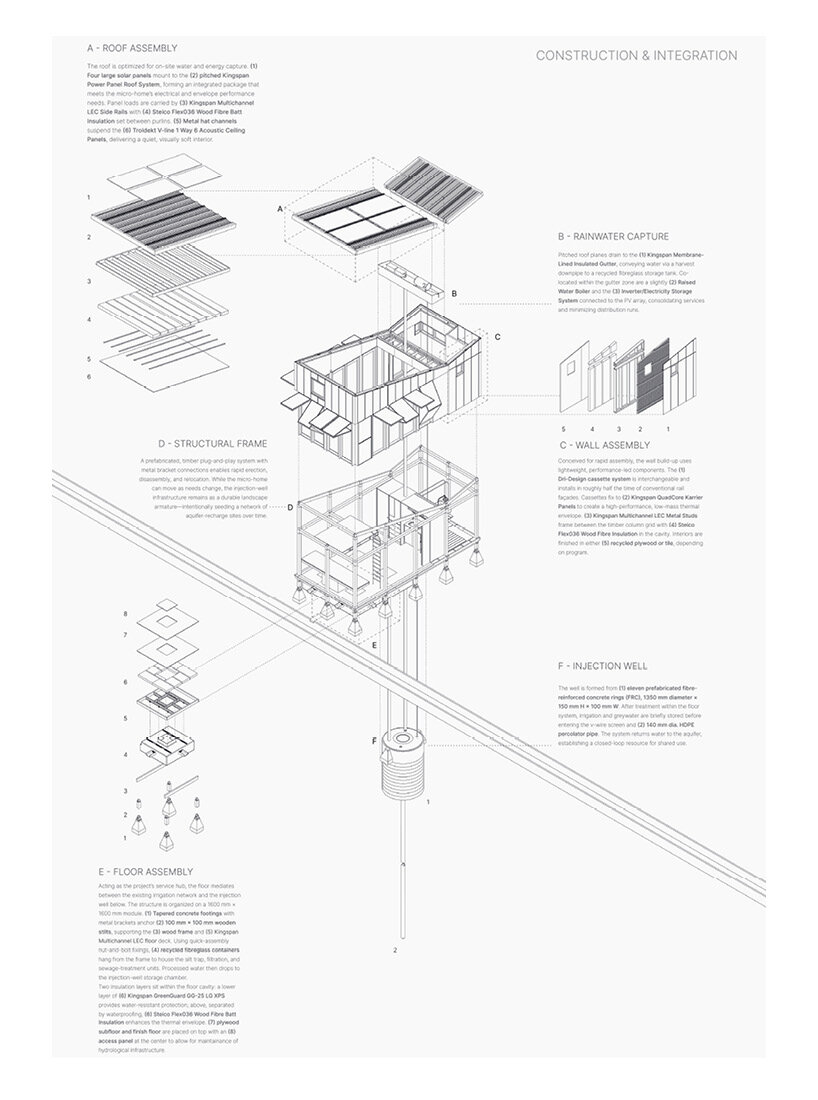
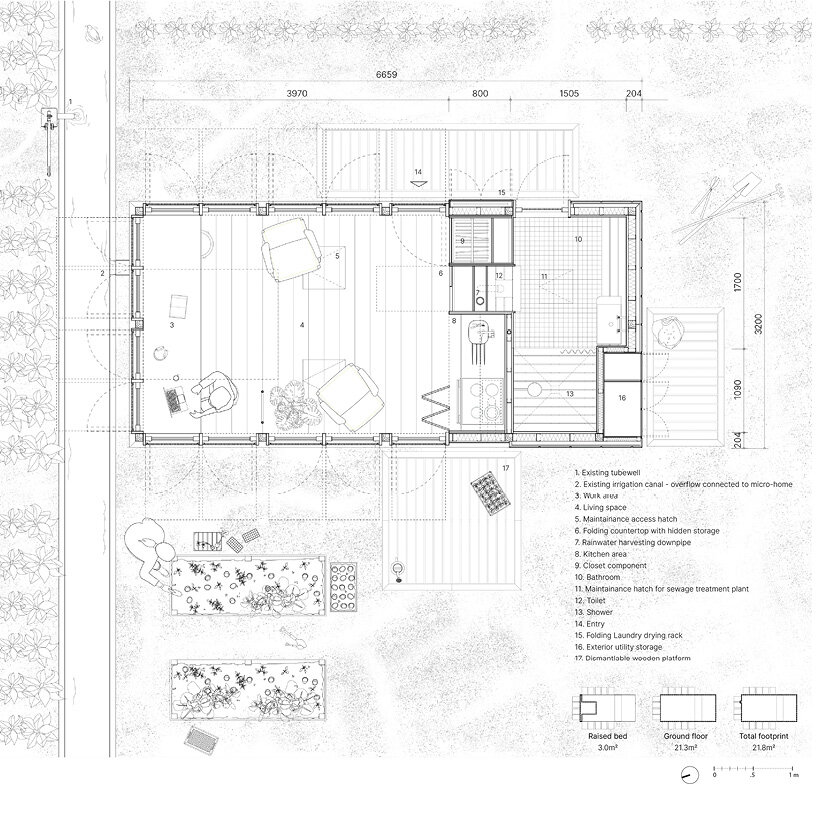
Architecturally, the structure is elevated on a raised timber frame, minimizing disturbance to the ground while allowing water flow, air movement, and vegetation to pass beneath. A permeable facade system mediates light, views, and environmental conditions, responding to seasonal variation while maintaining visual connection to the surrounding landscape. Within the compact footprint, spatial organization prioritizes flexibility. A lofted sleeping area frees the ground level for living and working functions, while modular storage and adaptable surfaces allow the interior to shift throughout the day. Prefabricated wall and roof assemblies support efficient construction and suggest scalability across rural contexts facing similar environmental pressures. Rather than focusing solely on minimizing impact, Living on Groundwater proposes a model in which housing contributes to the repair of the ecological systems it depends on. Infrastructure, typically concealed below ground, is made legible through architectural form, section, and construction logic.
The jury cited the project’s clarity of system integration, technical resolution, and effective use of drawings and diagrams in communicating environmental performance and buildability. Among submissions addressing climate adaptation and modular living, Living on Groundwater was recognized for aligning spatial design with ecological process.
Aleksa Milojevic is a New York–based architectural designer, researcher, and filmmaker whose work examines urban conditions, spatial symbolism, and socio-cultural participation. Matthew W Wilde is a Brooklyn-based architectural designer working across built projects and speculative research, with a focus on social and ecological commons. Together, their collaborative practice operates at the intersection of architecture, research, and experimentation. Living on Groundwater received the first prize as part of MICROHOME #10’s broader investigation into how small-scale architecture can respond to global environmental challenges.

1/5
project info:
name: Living On Groundwater
designer: Aleksa Milojevic, Matthew Wilde
competition: MICROHOME #10, Buildner
location: Punjab, India
designboom has received this project from our DIY submissions feature, where we welcome our readers to submit their own work for publication. see more project submissions from our readers here.
shop
your own online design shop — no sales commission collected