podcast: architecture that refuses signature styles for spaces shaped by instinct
the room for utopias podcast continues with indian architects and designers exploring how to dismantle signature styles to create spaces rooted in human instinct.
prefer designboom on google[FEATURED]
DESIGNBOOM X INDX|GLOBAL: ROOM FOR UTOPIAS
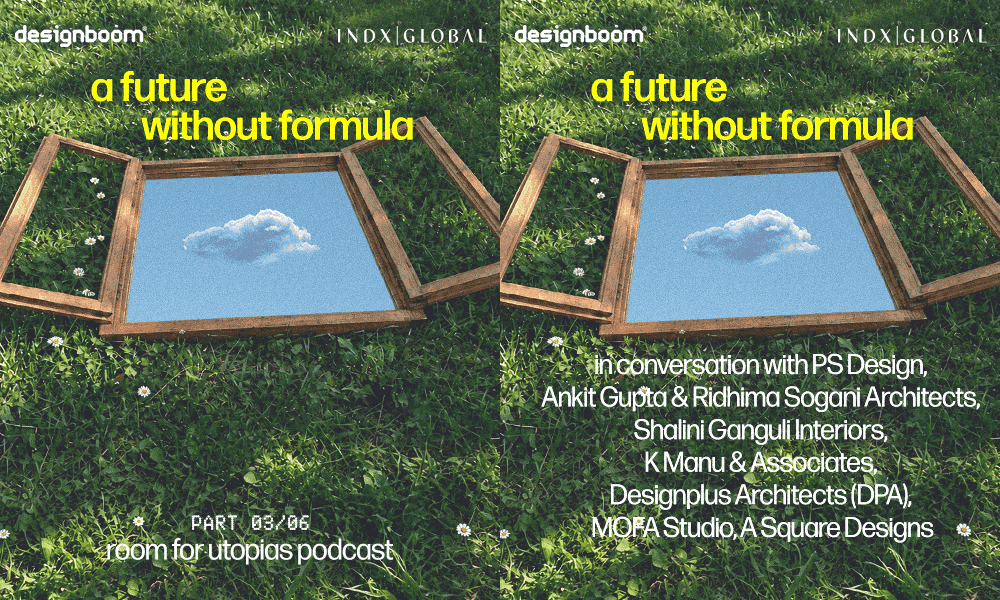
Challenging the impulse to package buildings into neat aesthetic categories, the Room for Utopias podcast series returns with Indian architects and designers interrogating the tension between enduring human rituals and the myth of signature style. Realized in partnership with INDX|GLOBAL during designboom.paris, this edition, themed A Future Without Formula, investigates what happens when practices step away from recognizable branding. Across two panel debates, hosted by designboom’s Managing Editor, Iñaki Laguardia, the series frames architectural identity not as a static visual stamp, but as an evolving narrative rooted in environmental responsibility and a fluid way of thinking.
BETWEEN DIGITAL HABITS AND UNCHANGING BIOLOGY
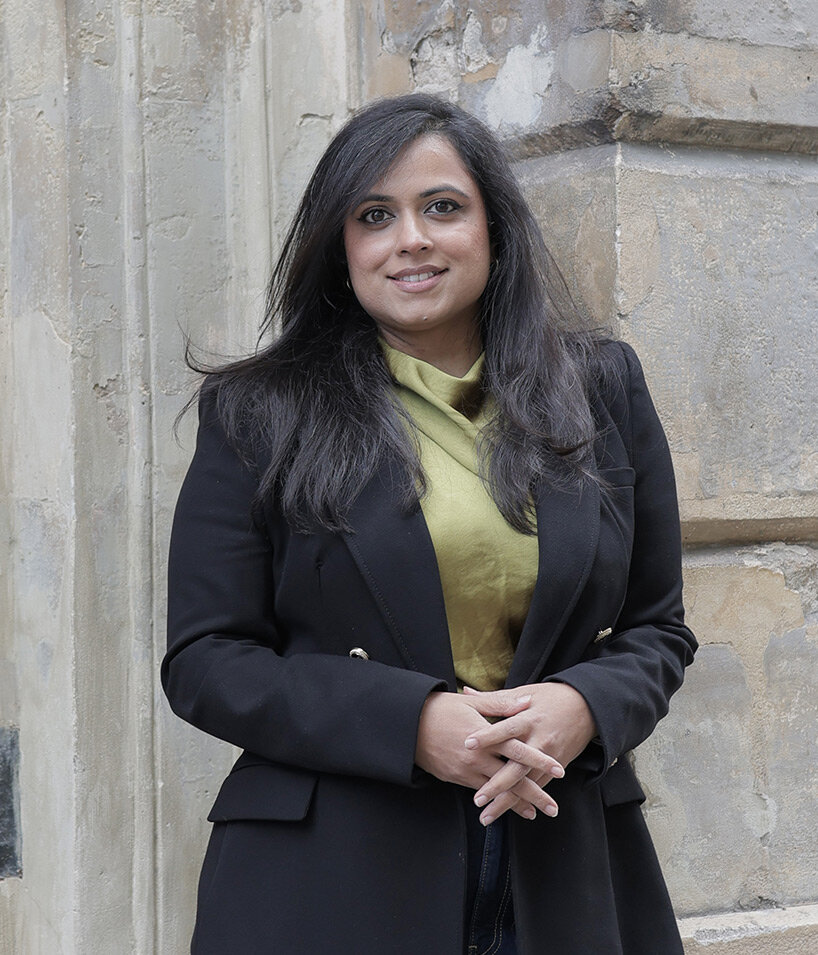
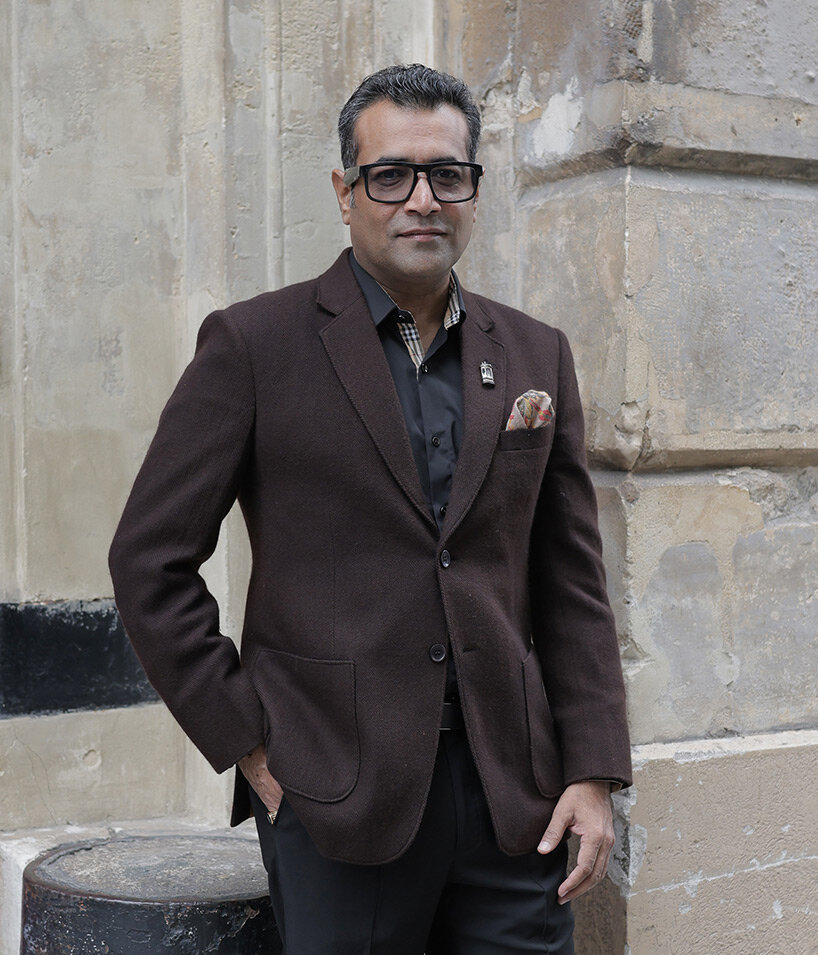
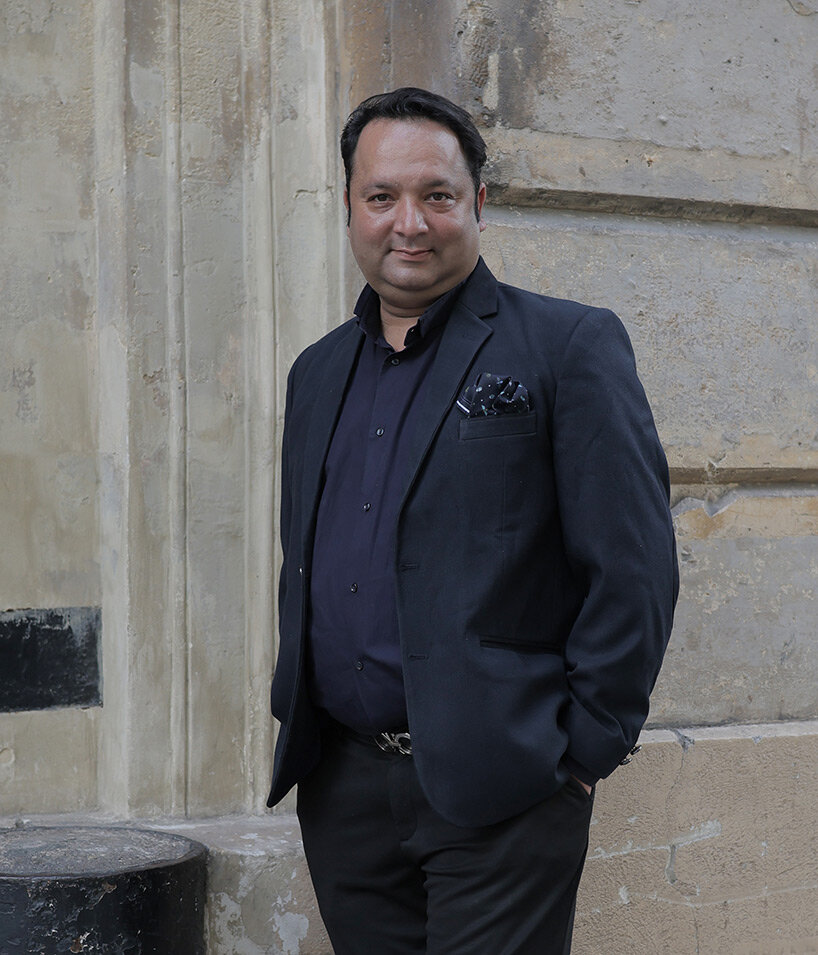
The fifth episode of Room for Utopias brings together Ankit Gupta of Ankit Gupta & Ridhima Sogani Architects, Shalini Ganguli of Shalini Ganguli Interiors, and Kshitiz Manu of K Manu & Associates to examine how architecture can balance fast-evolving lifestyles with persistent biological instincts. The conversation moves past superficial trends to identify what built spaces must preserve and what they must urgently reinvent.
Kshitiz Manu of K Manu & Associates distinguishes between daily habits and human nature through a computational metaphor. ‘Ritual is a software and instinct is an operating system. Rituals can be changed… but our instinct stays the same. To maintain that balance is architecture,’ Manu explains. He critiques hermetic, high-tech interiors that disconnect occupants from nature, warning against what he terms ‘2:00 p.m. building’ where static artificial lighting and perpetual climate control freeze the perception of time. Instead, he advocates for spaces that let moving sunlight and lengthening shadows reveal the day’s progression, emphasizing that a building’s real life only begins once the designer departs and daily chaos takes over.
Shalini Ganguli of Shalini Ganguli Interiors addresses domestic fragmentation caused by private screens and self-contained bedrooms, urging designers to safeguard areas of unstructured shared presence. Ganguli argues that rooms must intuitively enable families to coexist without forced interaction. ‘In many rooms you have your own television, you can completely lock yourself out… but what happens is that your life goes unwitnessed. It is our moral responsibility to not ever get rid of areas in the house which enable the family to interact with each other,’ Ganguli states, calling for homes that accommodate human connection and layered memories over sterile, picture-perfect staging.
Ankit Gupta of Ankit Gupta & Ridhima Sogani Architects emphasizes the emotional power of spatial sequencing. Drawing on historic typologies, Gupta describes how traditional architecture moderated privacy through layered transitions, leading occupants progressively from public streets into verandas, central courtyards, and finally secluded quarters. He argues that contemporary luxury lies in this subtle, unhurried progression rather than loud visual statements, requiring an earthy, climate-responsive material palette sensitive to local topography, whether building for the dry heat or colder mountain regions.
1/3
WHY STYLE IS JUST MARKETING FOR ARCHITECTS
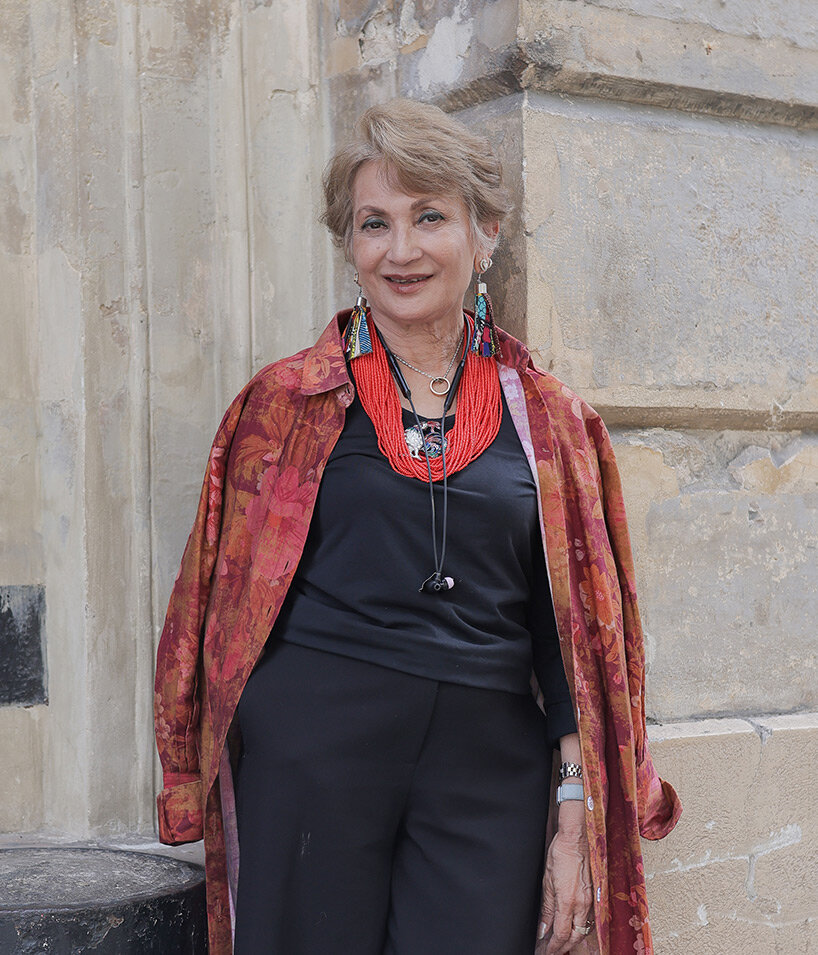
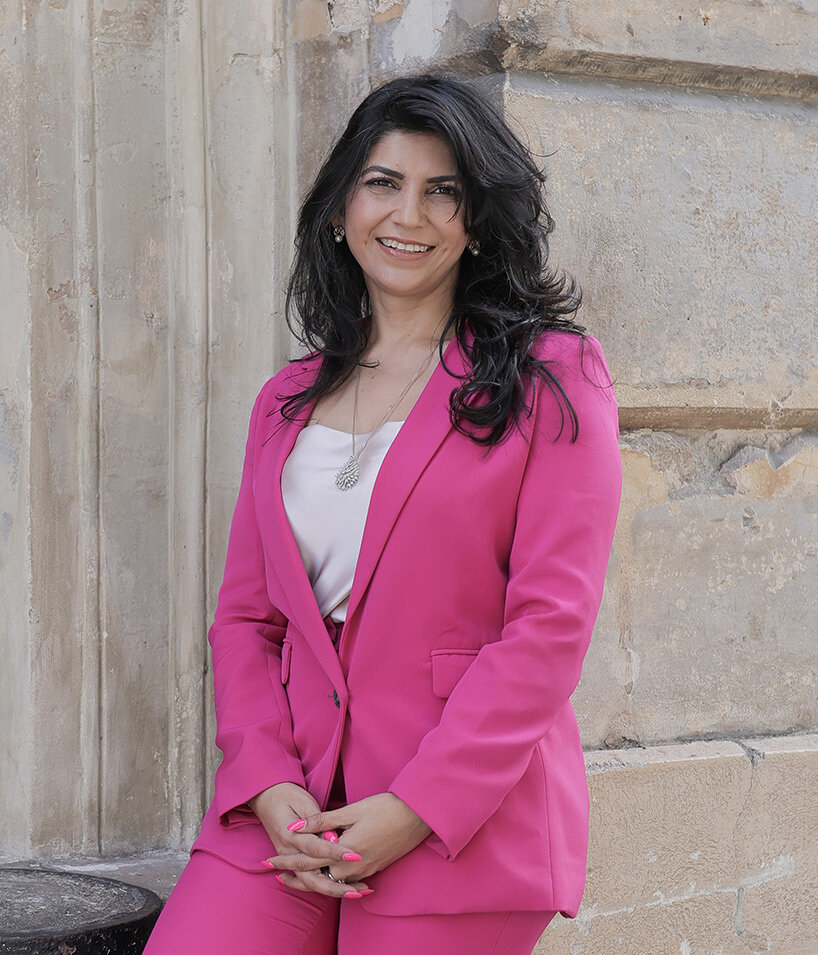
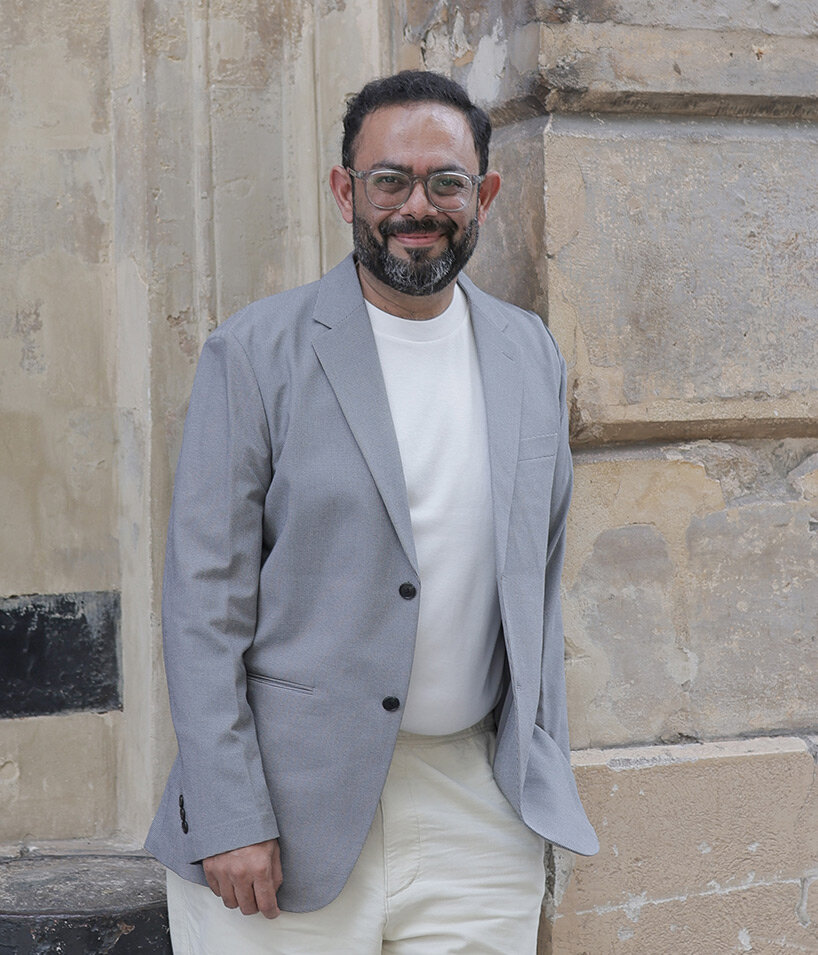
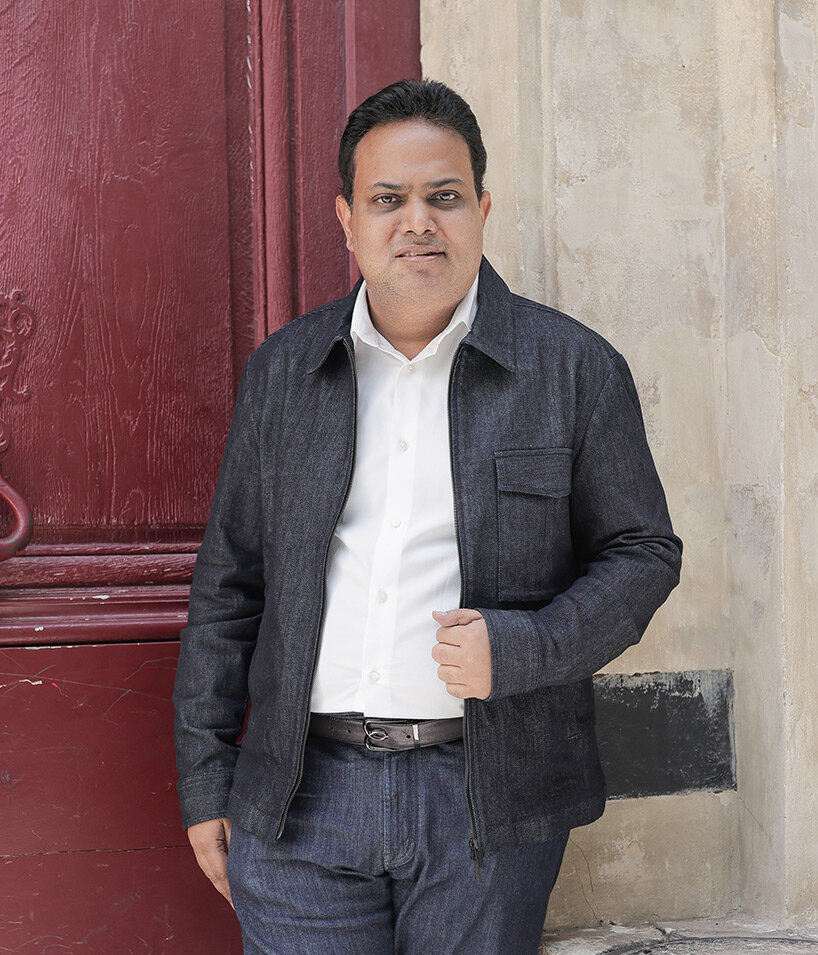
The sixth conversation dismantles the commodification of architectural aesthetics. Moderator Iñaki Laguardia sits down with Sonali Bhagwati of Designplus Architects (DPA), Priyanka Mehra of PS Design, Manish Gulati of MOFA Studio, and Ajay Arya of A Square Designs to interrogate whether signature styles limit creative evolution and contextual responsiveness.
Sonali Bhagwati of Designplus Architects (DPA) differentiates between superficial packaging and genuine practice identity. ‘When you look at identity, you are actually looking at the core values that a firm or a practice wants to imbibe. You don’t have to try and superimpose a particular style which is trending onto everything,’ Bhagwati states. For her, design s anchored in a deep narrative rather than aesthetic imitation: ‘The moment your narrative is strong, your architecture will always have a place.’
Manish Gulati of MOFA Studio challenges the historical obsession with stylistic signatures, arguing that styles are retrospective constructs invented by critics to sell architecture. ‘Style is only useful for critics and journalists… It’s the packaging. If you have to sell something and you don’t package it well, it won’t sell,’ Gulati remarks. Describing his studio as’’optimistic non-conformists,’ Gulati asserts that architecture should respond to personal aspirations, user memory, and pressing planetary urgencies rather than dogmatic stylistic rules. ‘Future is not about style. Future is about what is important at the moment — like climate change — that’s the most important factor when it comes to architecture,’ he notes.
Priyanka Mehra of PS Design defends contextual belonging, balancing client aspirations with geographic rootedness. ‘The house must sit where it belongs. A design has to be rooted in identity, in context where it is sitting,’ Mehra emphasizes. She argues that individual stories should drive spatial concepts. ‘No two individuals are alike. Why do the houses need to be the same?’
Ajay Arya of A Square Designs reflects on the evolving nature of urban living, noting that major cities are experiencing a transitional phase where rigid stylistic dogma is giving way to fluid expression. Arya argues that an architect’s identity should not be bound to reproducing the same look repeatedly, but should instead manifest in how materials are combined and softened to reflect the personality of the inhabitant. ‘I feel creativity should be fluid… and also they should have freedom of thought, and how new things would just come our way in the future,’ Arya shares, emphasizing that spaces must balance modern trends with enduring personal resonance.
1/4
ARCHITECTURAL PRACTICE ROOTED IN VALUES, NOT LABELS
From domestic thresholds that allow natural light and time to mark the day, to studios actively unlearning signature aesthetics in pursuit of ecological and public responsibility, both conversations advocate for an architecture unburdened by dogma. These practitioners show that utopias in contemporary practice do not require inventing a novel aesthetic stamp. By prioritizing core values over trending formulas, they point toward an architecture that remains grounded, adaptable, and genuinely alive long after construction ends.
project info:
podcast: Room For Utopias
episodes: 05 and 06
theme: A Future Without Formula
host: Iñaki Laguardia
guests: Ankit Gupta (Ankit Gupta & Ridhima Sogani Architects | @ankitguptaarchitects), Shalini Ganguli (Shalini Ganguli Interiors | @shaliniganguliinteriors), Kshitiz Manu (K Manu & Associates | @kshitizmanu), Sonali Bhagwati (Designplus Architects | @dpa_designplusarchitecture), Priyanka Mehra (PS Design | @psdesign.co.in), Manish Gulati (MOFA Studio | @mofa_studio), and Ajay Arya (A Square Designs | @asquaredesigns)
in partnership with: AMICI | @amici_india; MARMO SOLUTIONS | @marmosolutionsindia; AGGLOTECH | @agglotech
shop
your own online design shop — no sales commission collected