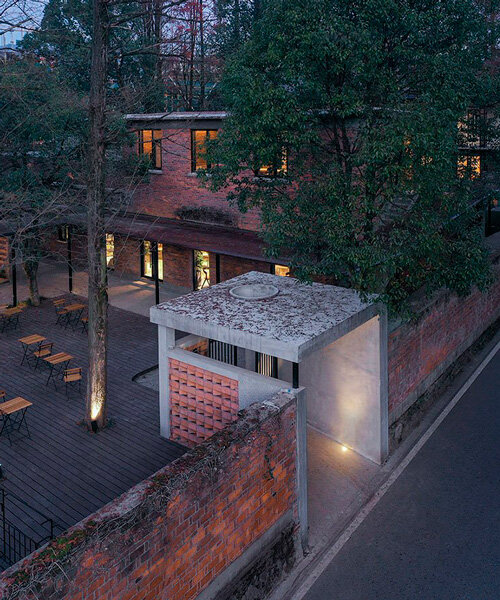
y.ad studio shapes neglected dormitories into B&B unit in china with minimum intervention
'pushe · xikou' bed and breakfast complex by y.ad studio breathes new life into abandoned dormitories in china.
prefer designboom on google[FEATURED]
Pushe · Xikou b&B takes over neglected hospital complex in china
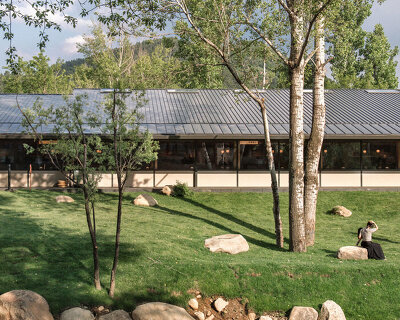
Shanghai-based y.ad studio redeveloped an architectural complex consisting of a former hospital and several old factory dormitories into a bed & breakfast accommodation unit. The premise of ‘Pushe · Xikou Homestay’ is located in the Rural Future Community in Xikou Town, Zhejiang Province. The design process centered around three axes – infusing a new design while preserving the site’s historical trace, connecting separate buildings to facilitate the daily operation of the B&B, and making use of the existing redwood courtyards in the master site plan.
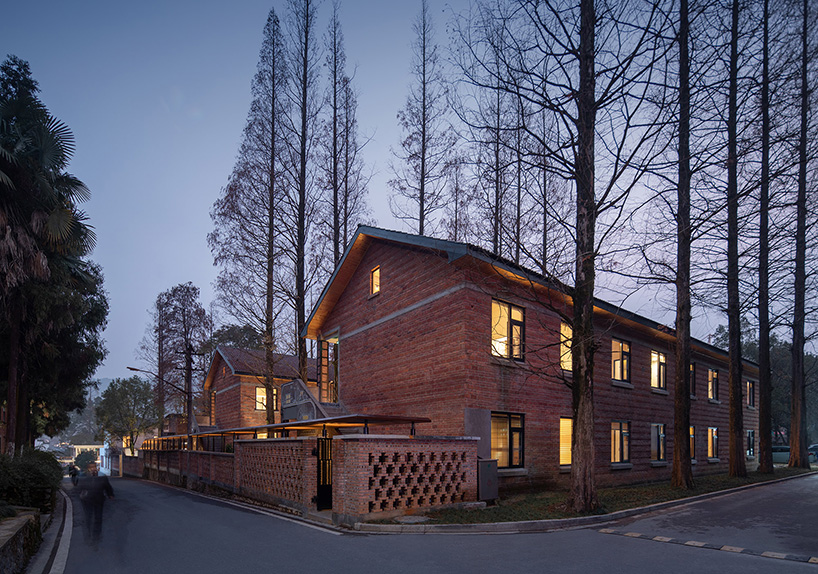
new vital design preserves 70s nostalgic textures
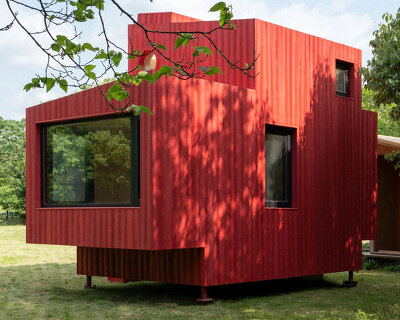
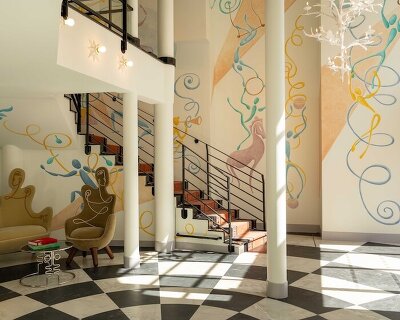
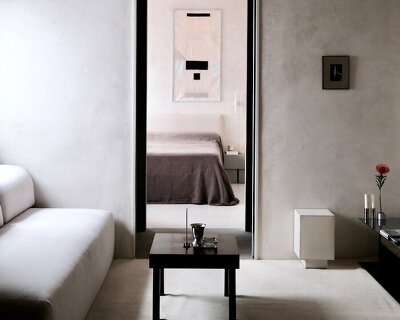
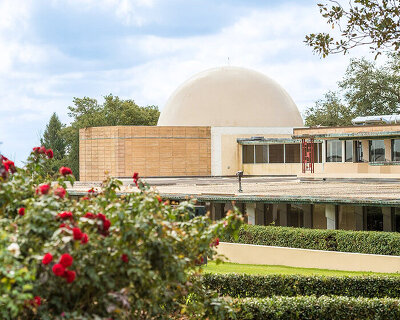
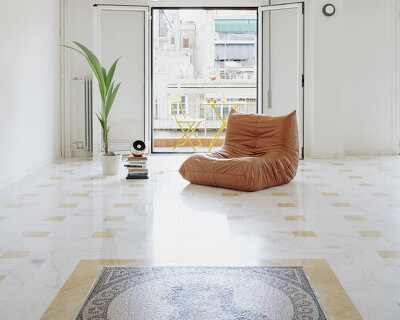
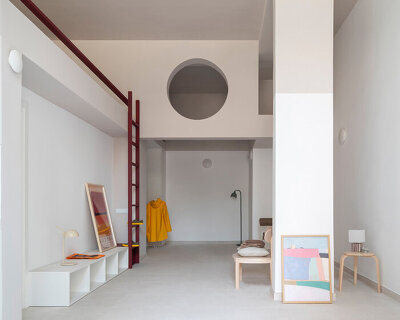
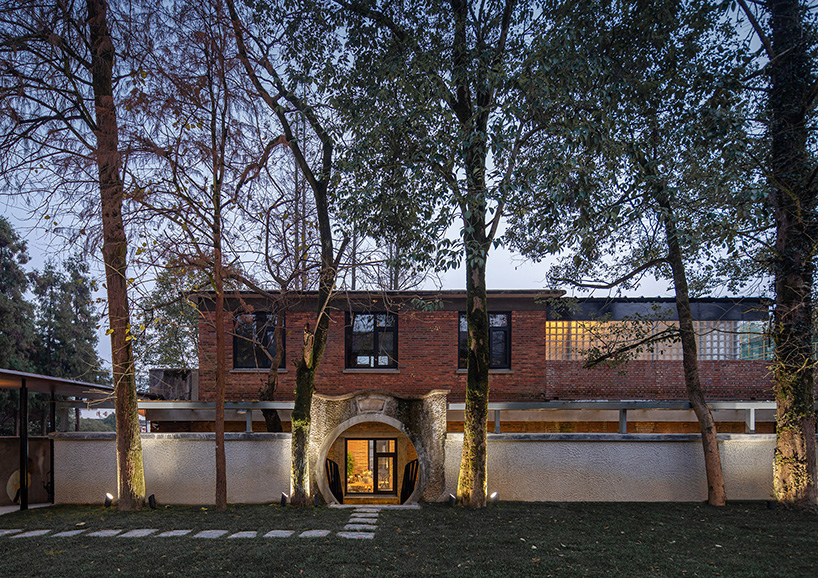
The walls, roofs, and construction elements of the existing buildings were in shabby condition due to years of neglect, still carrying the historical traces of the 1960s and 1970s. The team‘s adopted renovation strategy paralleled with preserving the historical background and cultural context of the complex, while drastically improving its condition through micro transformation and minimum intervention. Respecting the original texture, the deserted old buildings were injected with new vitality. The transformed venue undertook interior renovation marked by the memory of the original space. The facades were refurbished, restored, and consolidated in a restrained way to blend with the initial structure. The design meets the requirements needed for the operation of a B&B and complies with modern lifestyles and habits. A sense of nostalgia remains throughout the interior area which is decorated with features and materiality reminiscent of a different era.
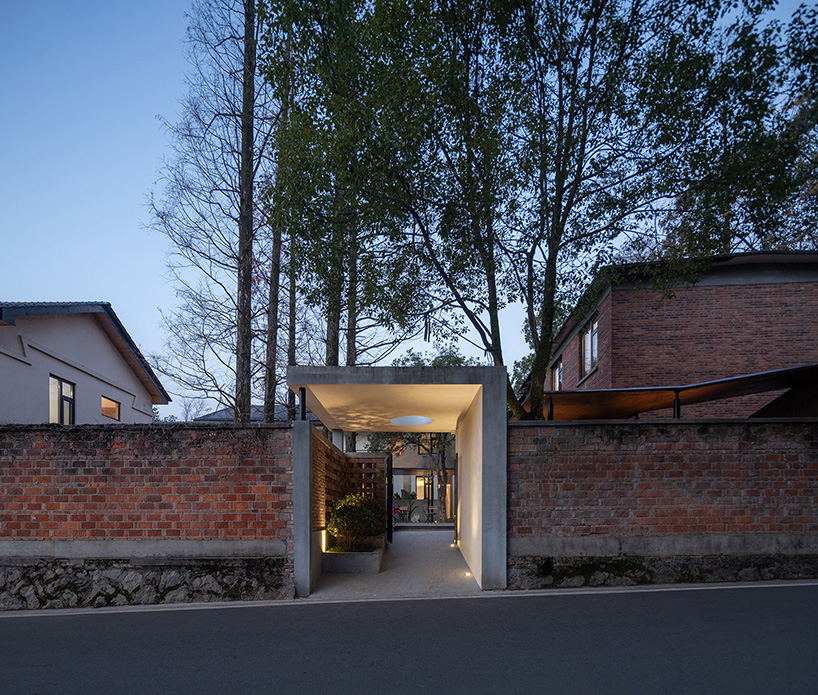
B&B functions carry visual and sensory daily experiences
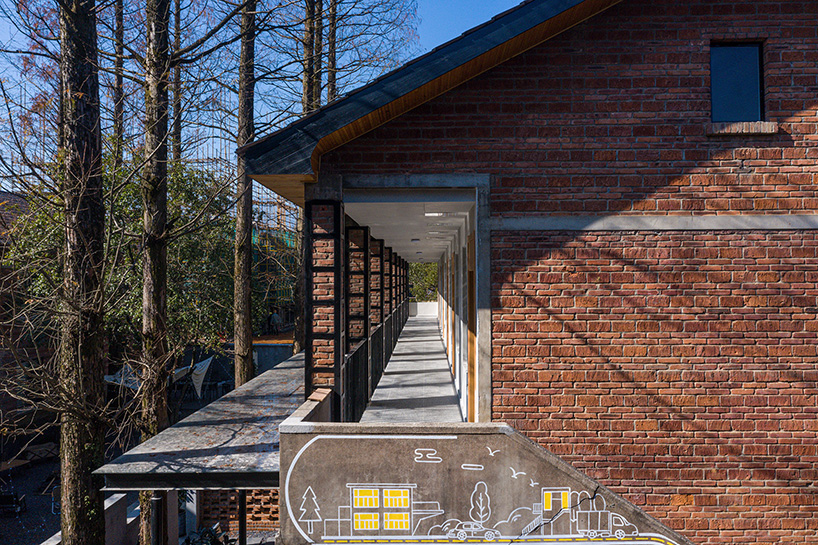
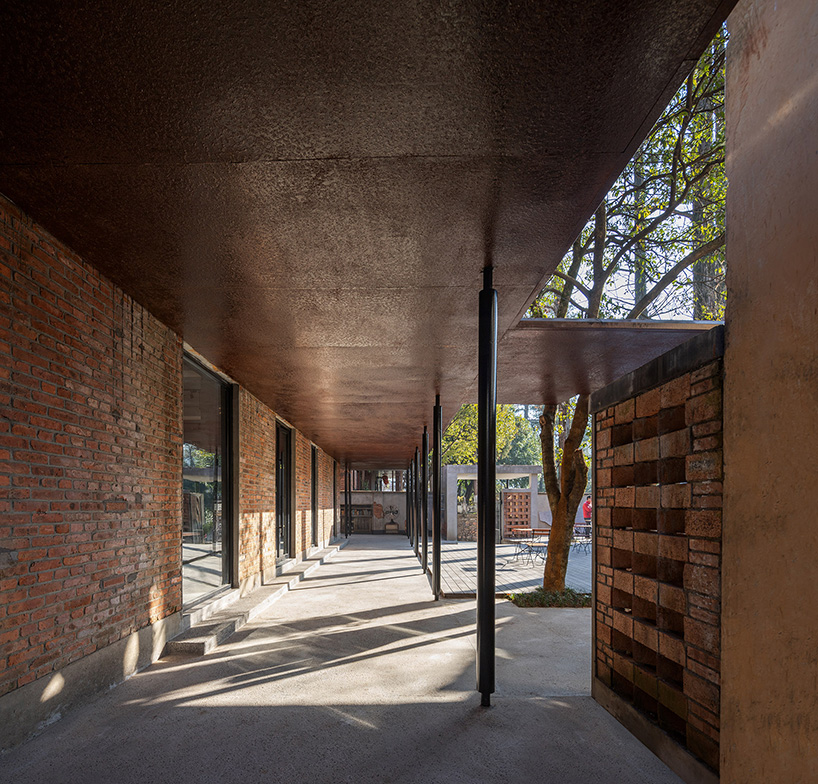
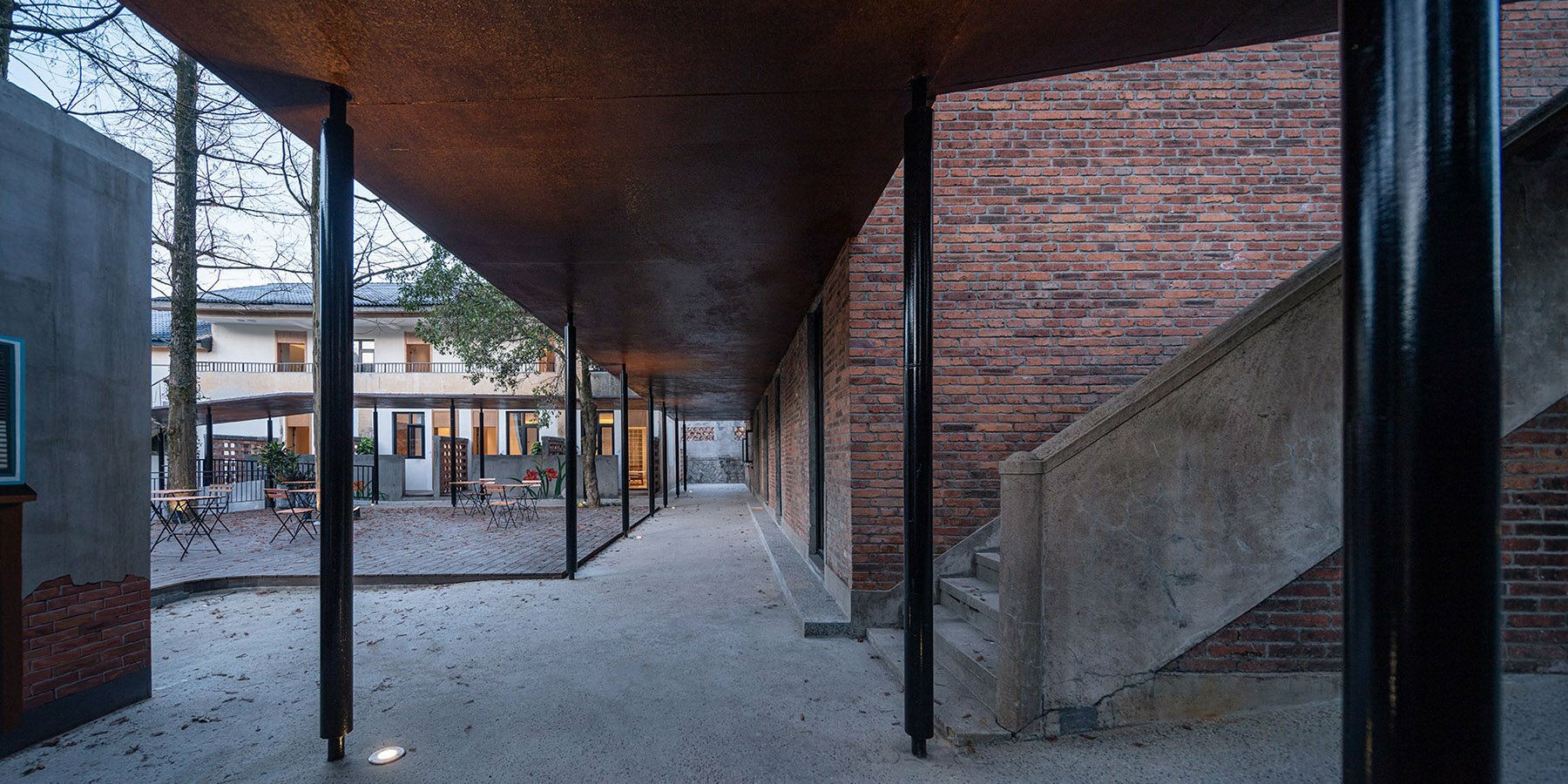
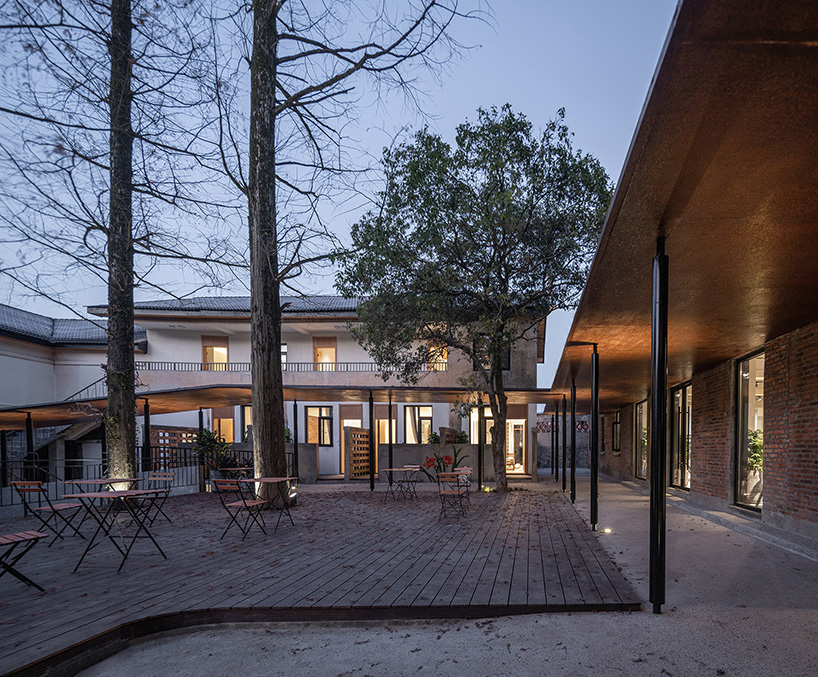
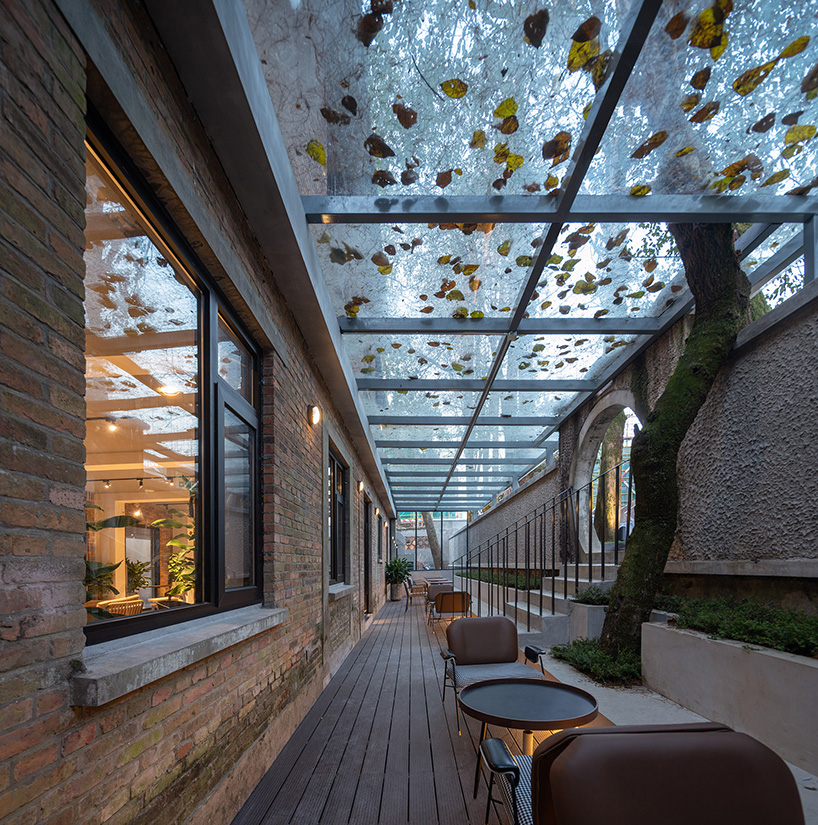
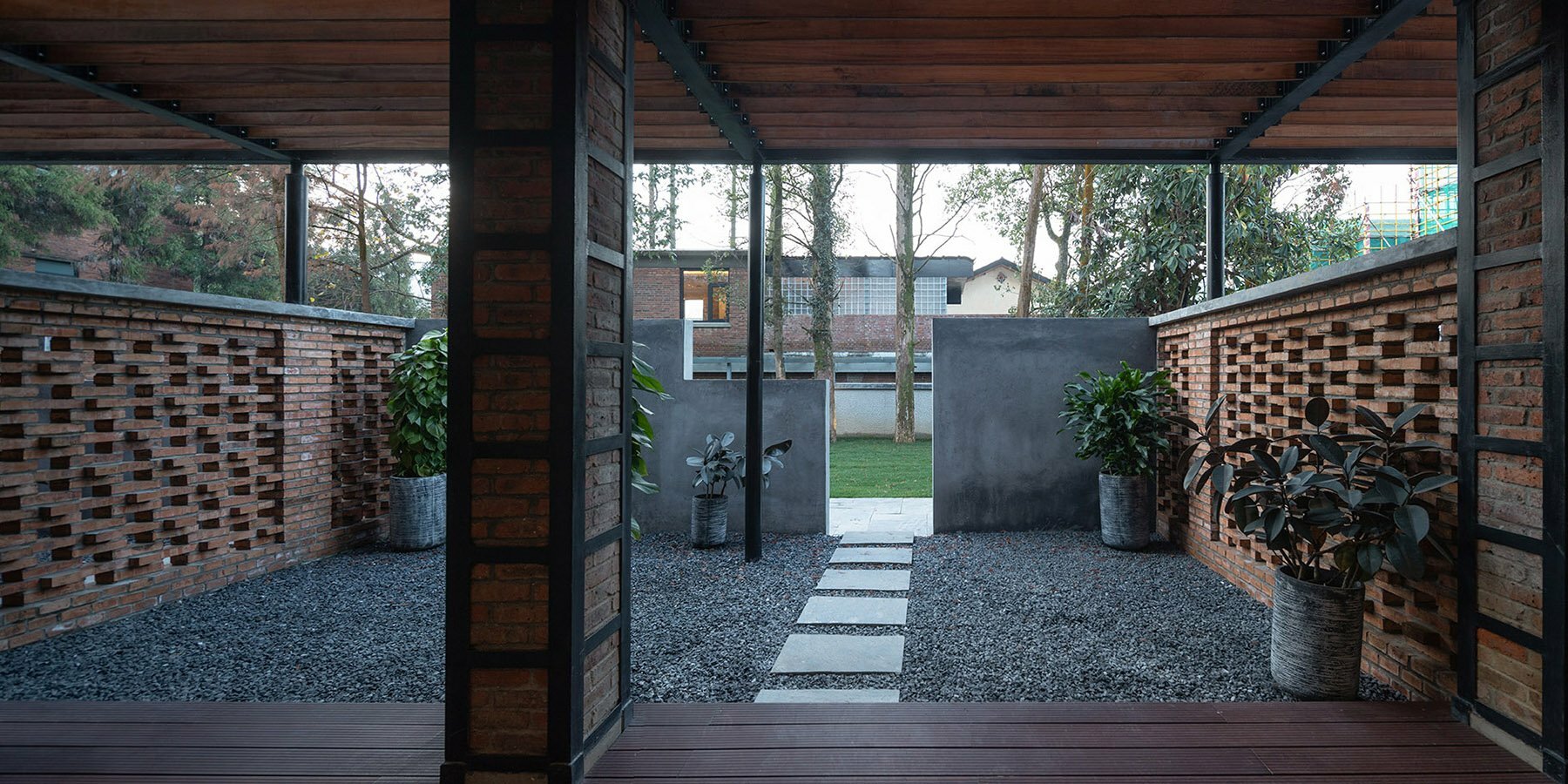
Connecting separate buildings to facilitate the daily operation of the B&B, the architects redistributed the spatial functions of the original scattered and segmented layout. The first floor of building No.1 is used as a public area and a bar, while the second floor is used for attending guestroom needs. The first floor of building No.3 hosts a restaurant and the second floor is used as a venue for team-building activities and meetings. The majority of the rest of the building volumes operate as guestrooms. To ensure the independence and privacy of the B&B, certain shattered walls were repaired to enclose the complex. A roofed corridor was also added to link the buildings. Reshaping the circulation route and the spatial hierarchy, the restoration brings more unity to the site. The corridor intended to provide shelter from the weather creates a leading route between different functional spaces and courtyards. The flexibility of movement in the site forms varying visual and sensory experiences.
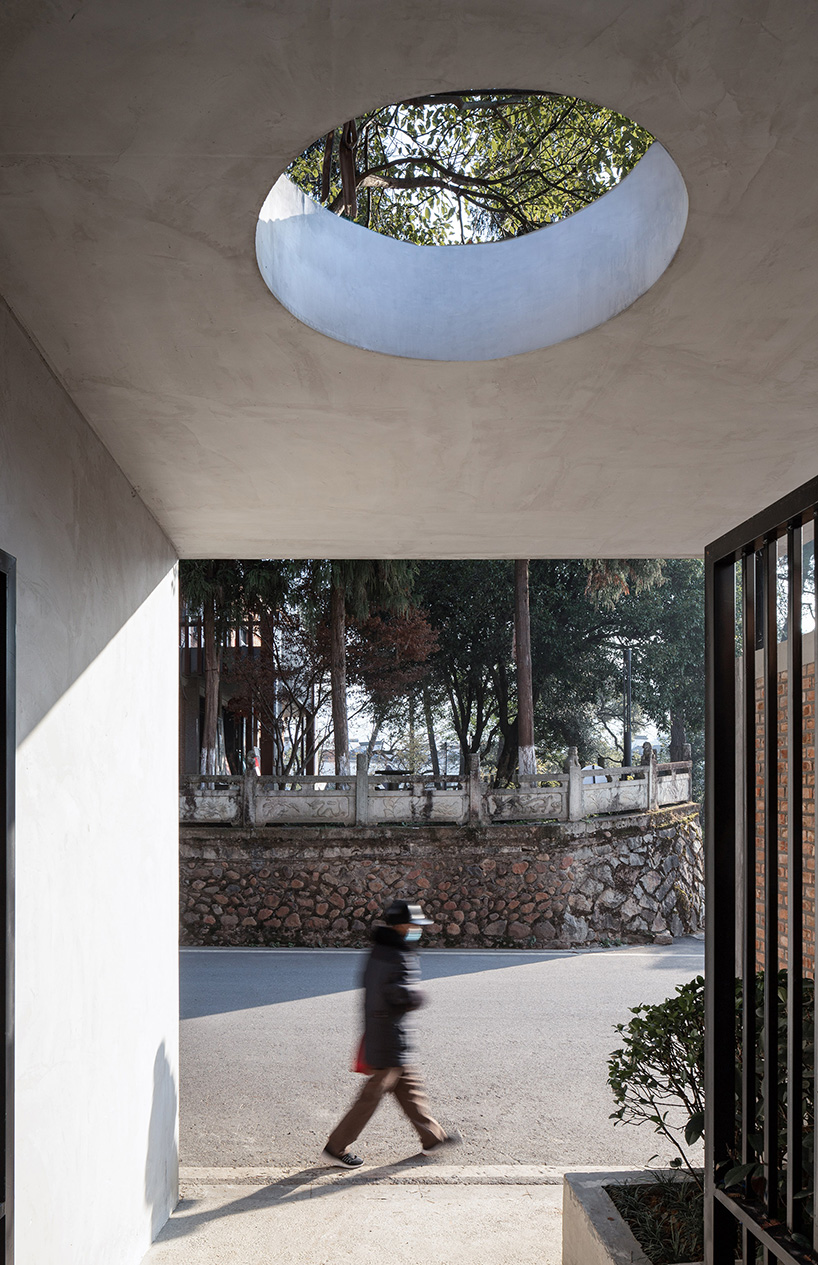
Redwood trees blend with the building complex for scenic value
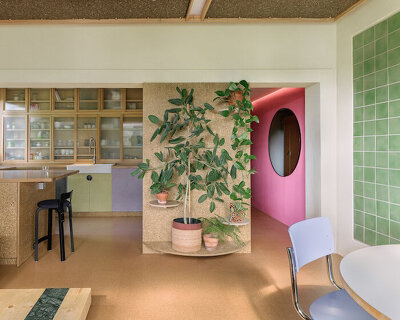
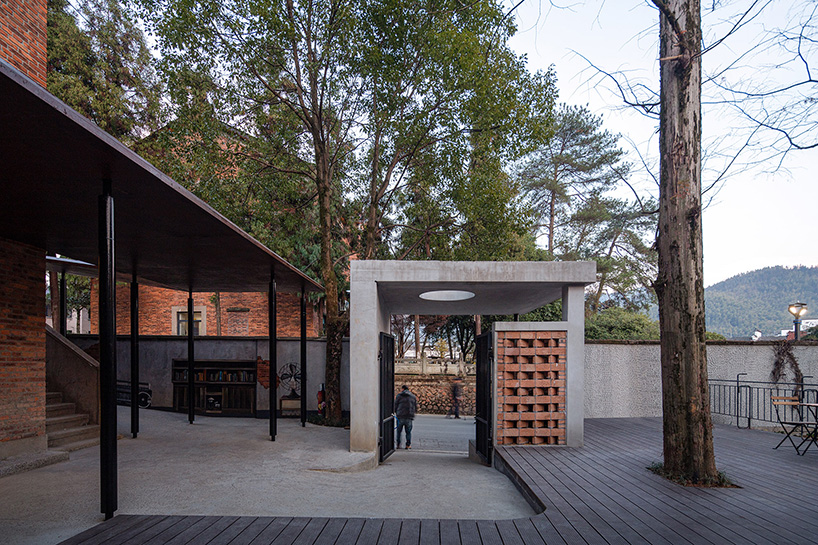
Dawn redwoods have grown for years in the existing courtyards in between buildings, giving the site a special, fresh quality. The original courtyard spaces, long misutilized, were redesigned and relocated. After the originally compartmentalized dormitories were transformed into guestrooms, the limited in-between space was expanded in the redwood area as an extension of the restaurant, and a public zone for leisure and dining purposes. The rest of the courtyards were divided into large sections for public activities to maximize the value of the outdoor spaces in the accommodation site.
project info:
name: Pushe · Xikou Homestay
architecture: y.ad studio
chief architect: Yan Yang
designer: Wu Kejia
location: Xikou Town, Longyou County, Quzhou City, Zhejiang Province
development organization: People’s Government of Xikou Town
architectural design collaboration: Shanghai Times Architecture Design Co., Ltd.
construction drawings: Hangzhou Zhongya Architectural Design Co., Ltd.
design & construction management: Zhu Zhen, Gao Chengkai, Jia Yidong
area: 2,336 sqm
photography: SCHRAN
designboom has received this project from our DIY submissions feature, where we welcome our readers to submit their own work for publication. see more project submissions from our readers here.

shop
your own online design shop — no sales commission collected