Urbanitree shapes african flow kindergarten in Cameroon
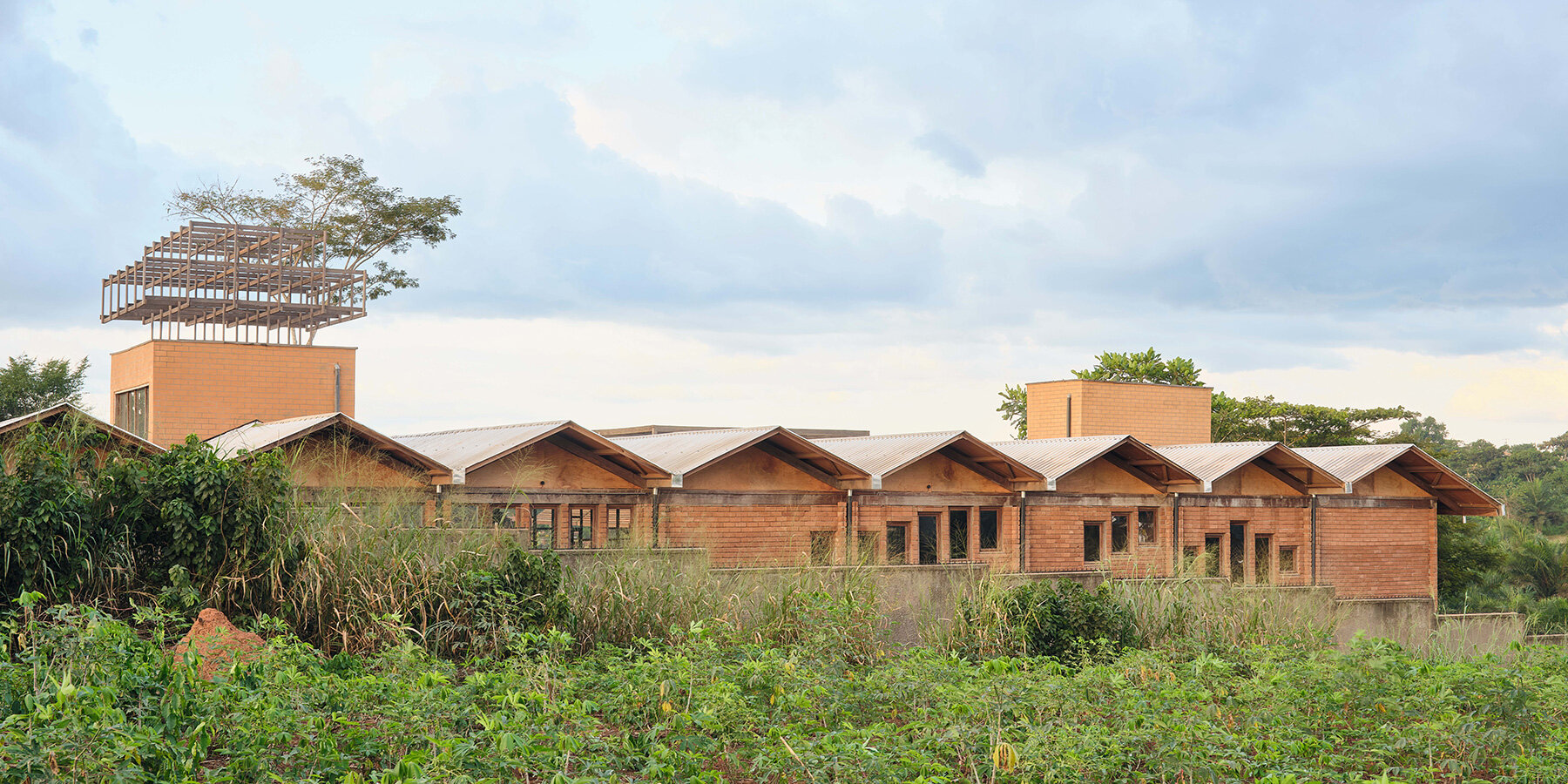
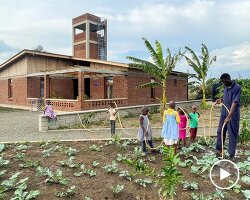
Architects Vicente Guallart and Daniel Ibáñez of Urbanitree complete a kindergarten for the African Flow campus in Soa, Cameroon. Rooted in the principles of ancestral African architecture, the 1,600-square-meter kindergarten is built through a collective process that trains local workers, engages teachers, and partners with nearby suppliers. The team employs local materials, such as rammed earth and wood, low-tech construction methods, and spatial storytelling to shape a nurturing environment for early childhood education. African Flow kindergarten is the first part of a broader educational complex, commissioned by the Missionary Daughters of the Holy Family of Nazareth, that will span from early years to secondary school.
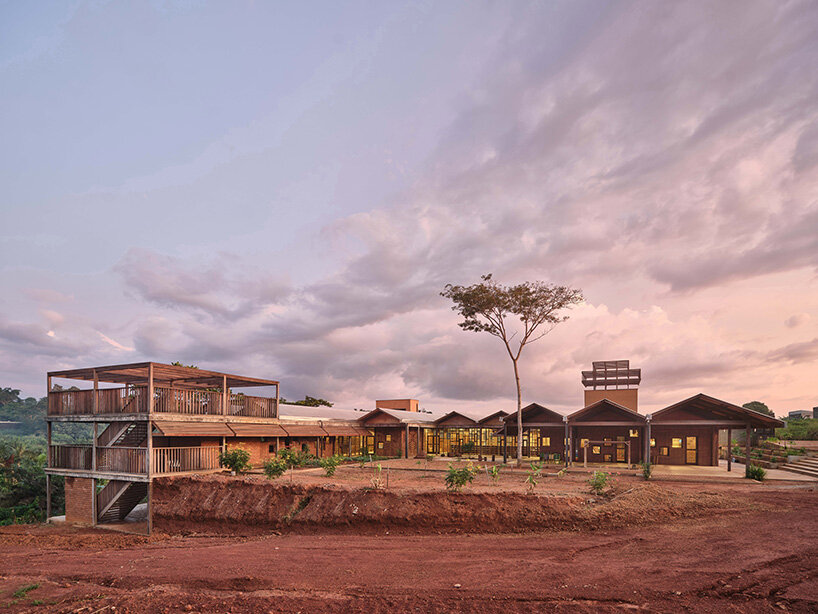
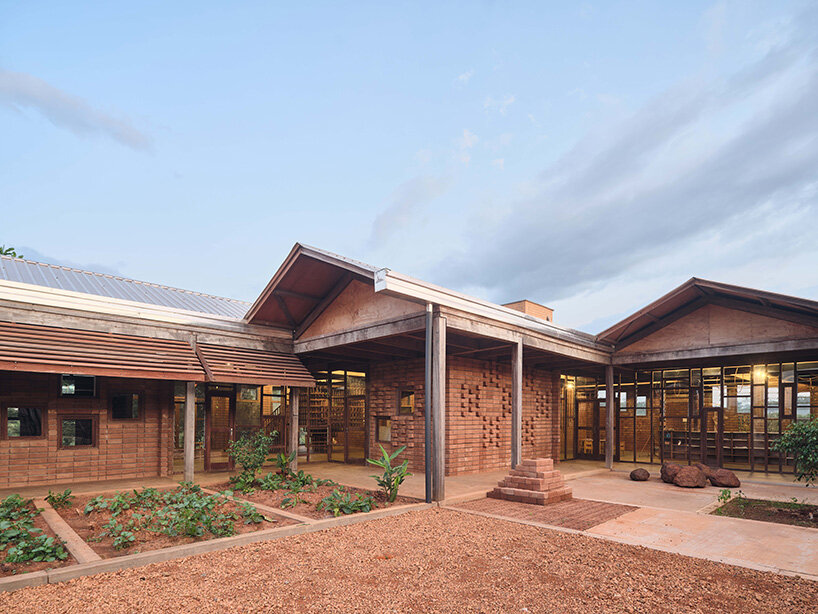
Four symbolic ‘ecosystems’, mountain, savanna, village, and forest, form the concept of the building, each hosting different types of activities and interactions. These zones are organized around a central courtyard and connected by a continuous corridor that allows free movement and spontaneous learning.
all images by Adrià Goula
four ecosystems compose the rammed earth and wood project
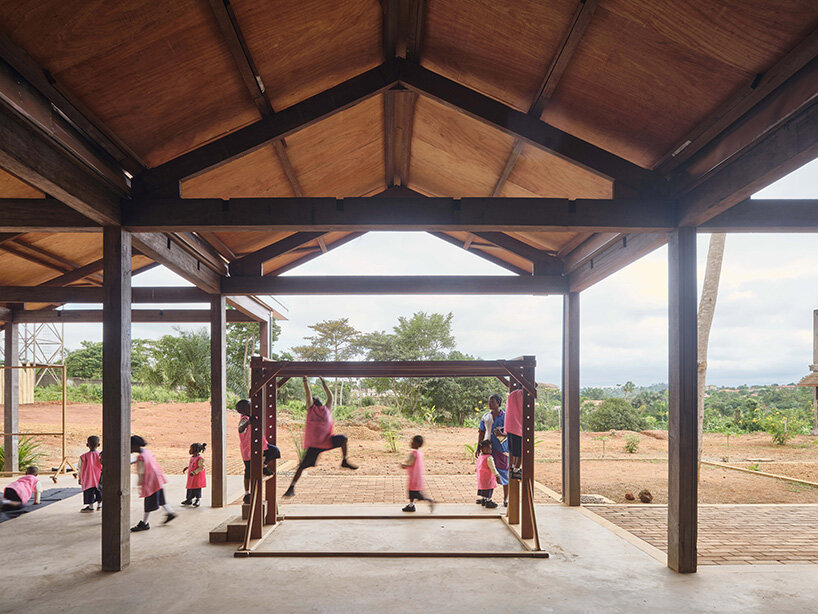
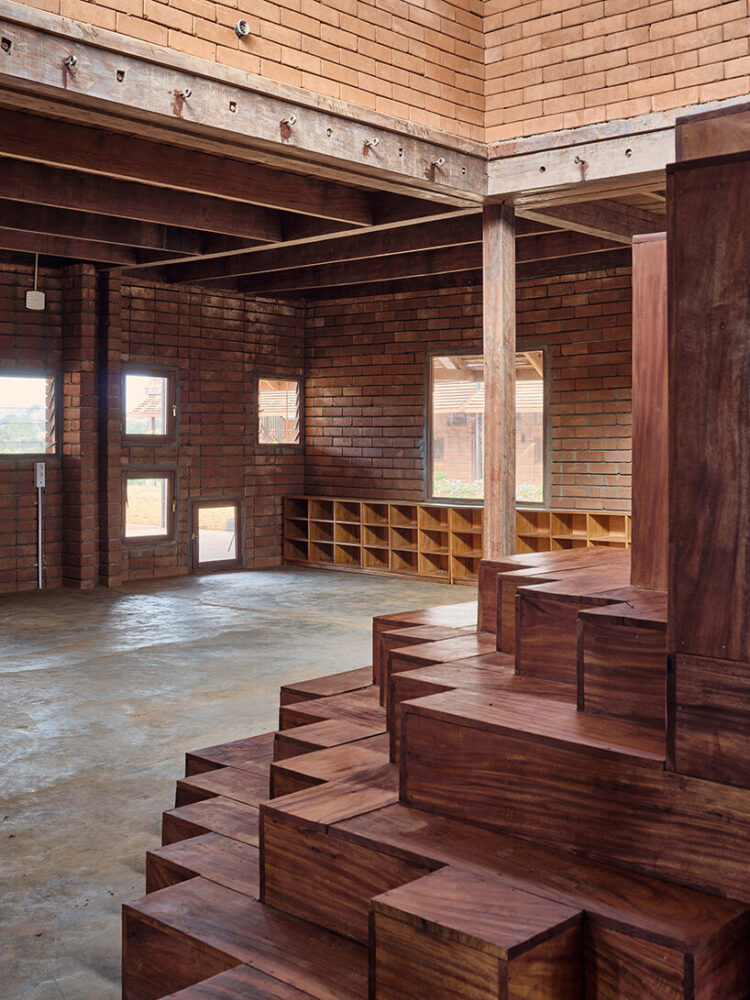
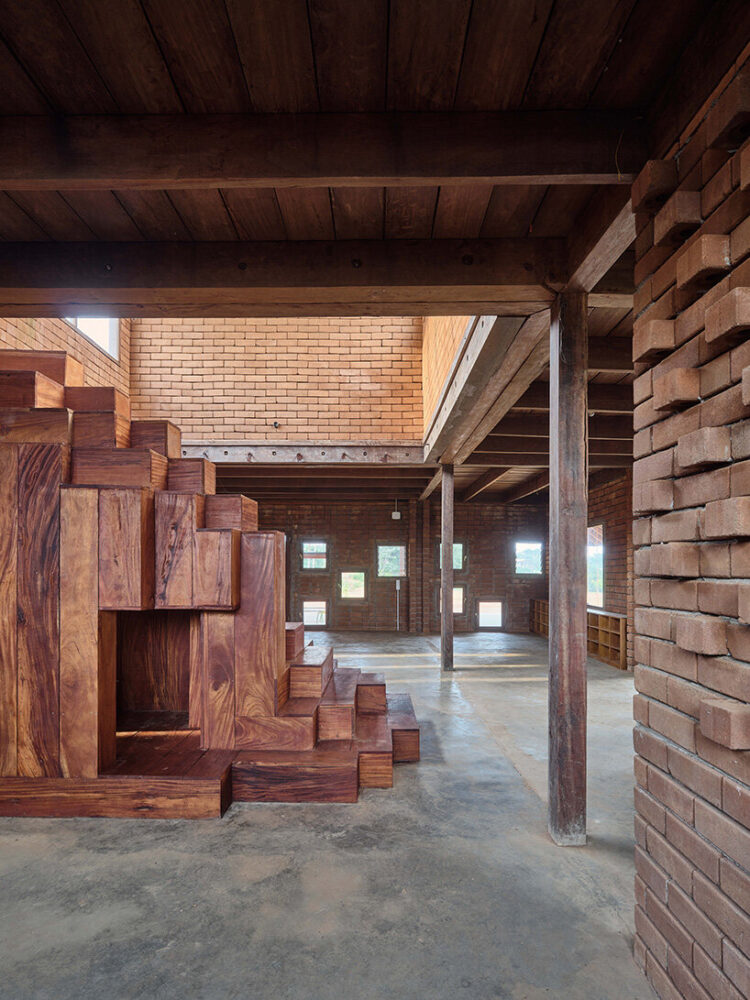
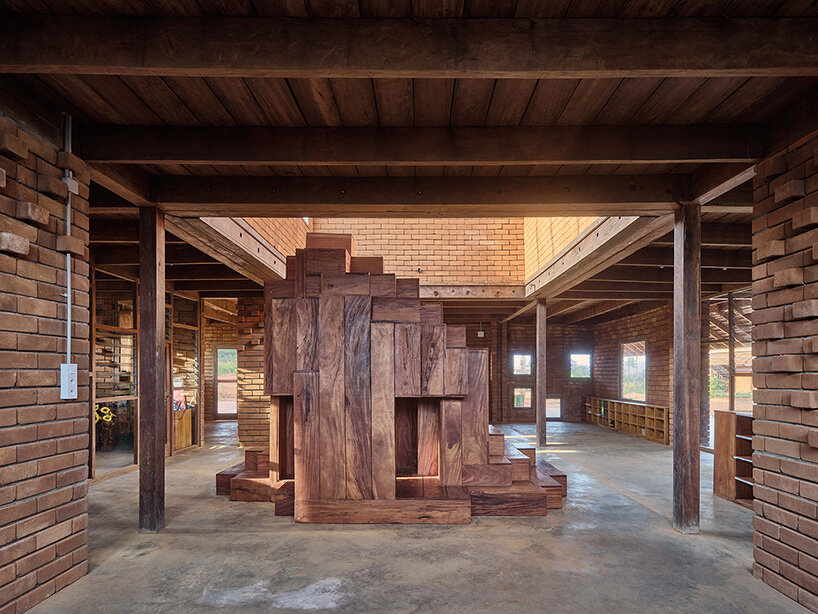
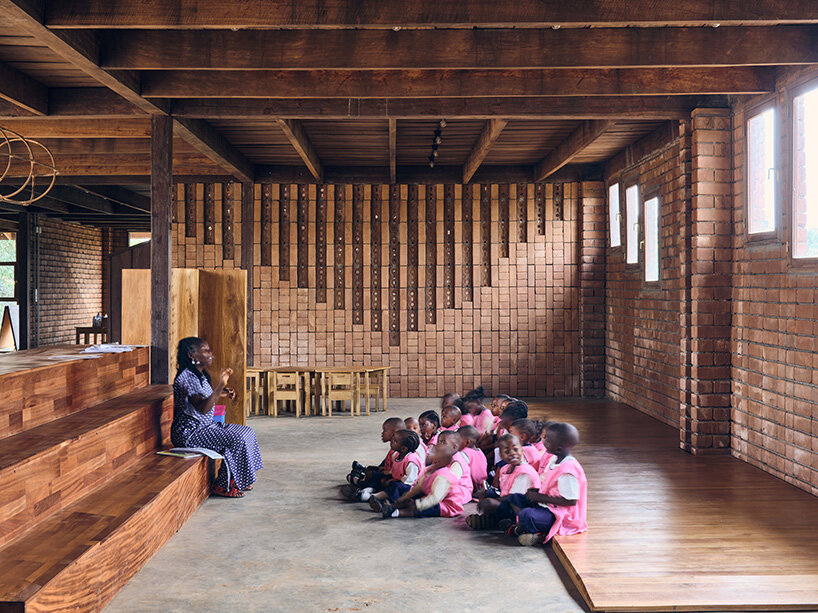
The Barcelona-based architects of Urbanitree shape each of the four ‘ecosystems’ in the African Flow kindergarten to support different types of experiences and learning. The mountain area is a quiet, sheltered space that includes a small grotto, where children can spend time alone in silence. The savanna is a long, open area designed to host group activities like storytelling or learning in a circle, with simple steps where children can sit together. The village includes a small chapel, designed as an abstract space where natural light filters through patterned walls, creating a calm atmosphere for moments of quiet. The forest connects the building to the outdoors and includes a large tree-like wooden structure that children can climb. This sits next to a real patch of forest, blending play with exploration and a connection to nature.
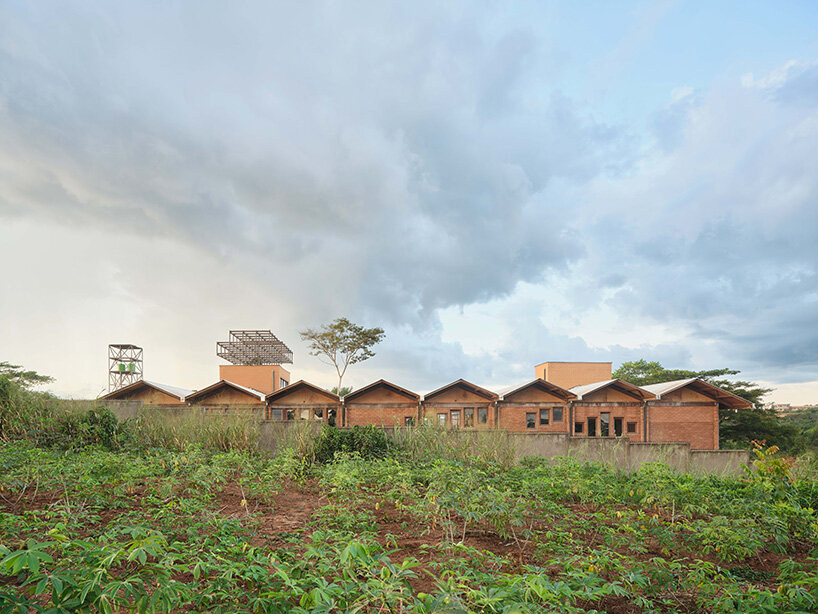
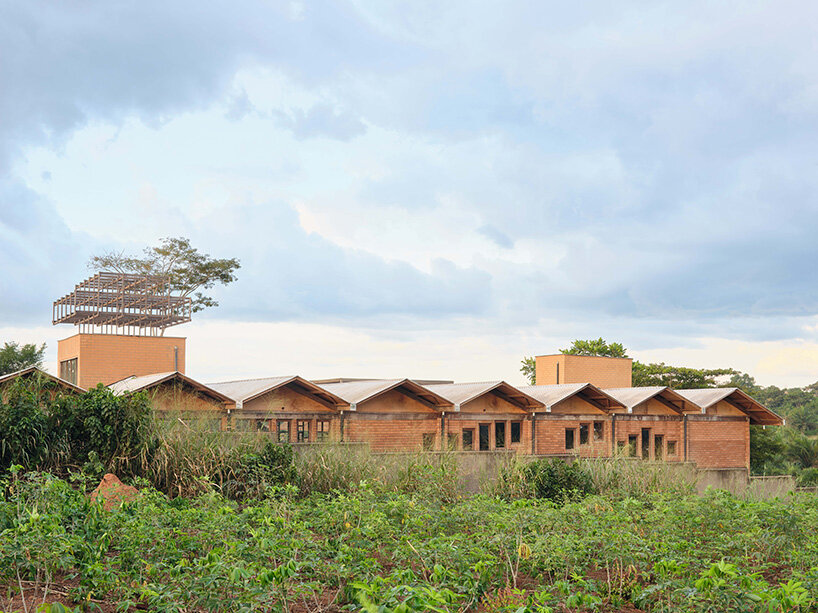
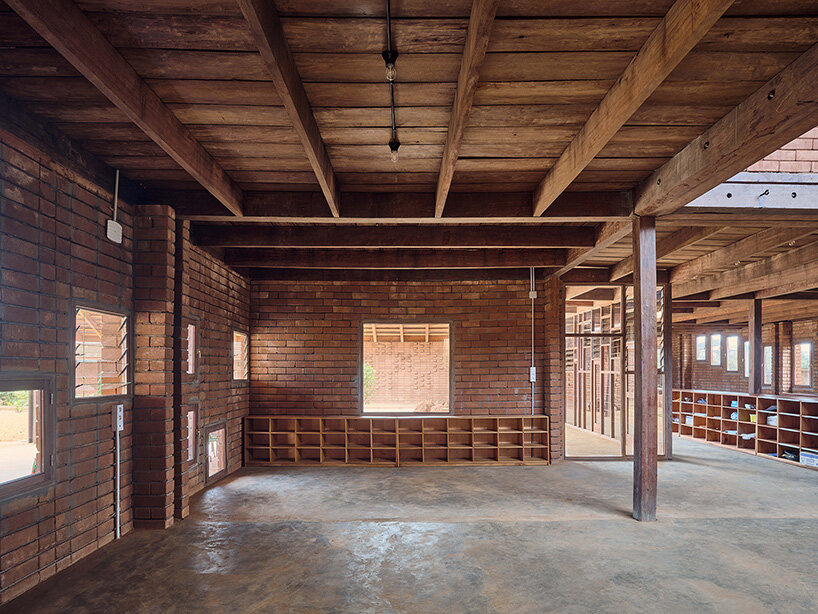
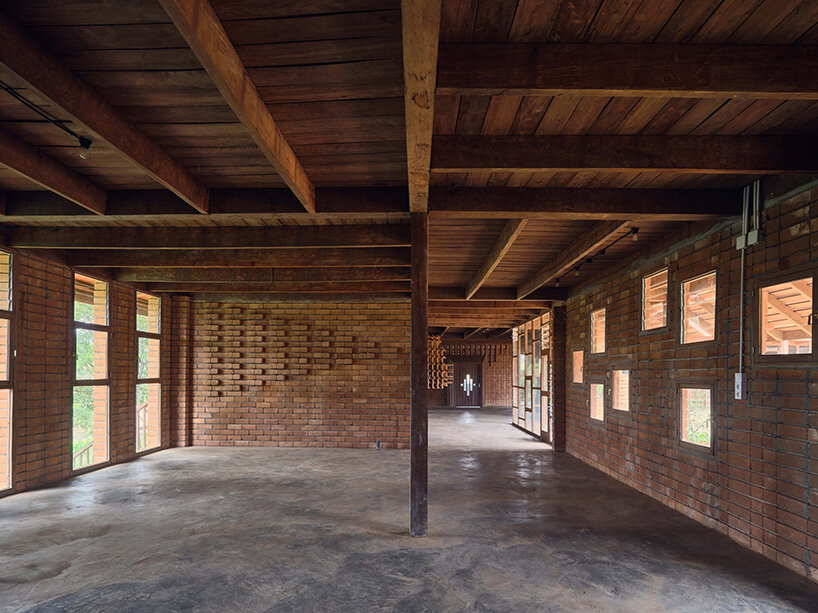
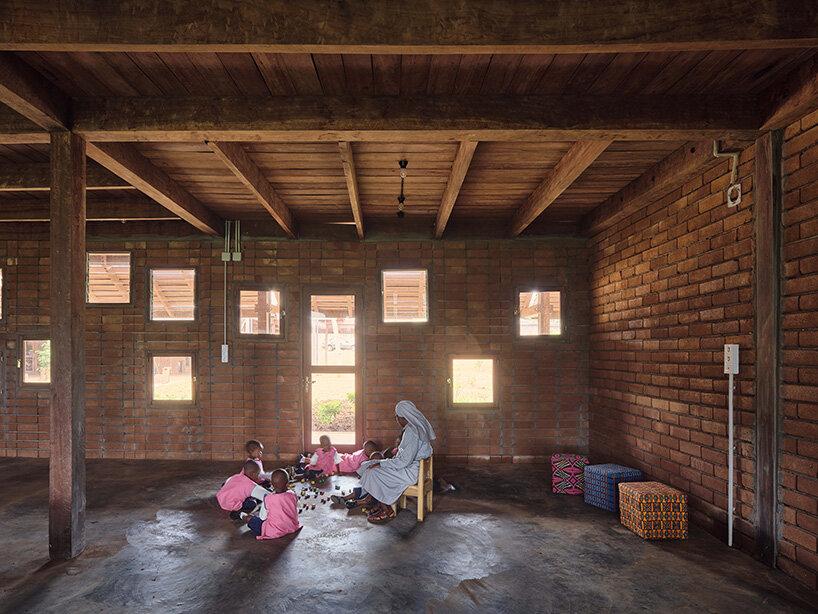
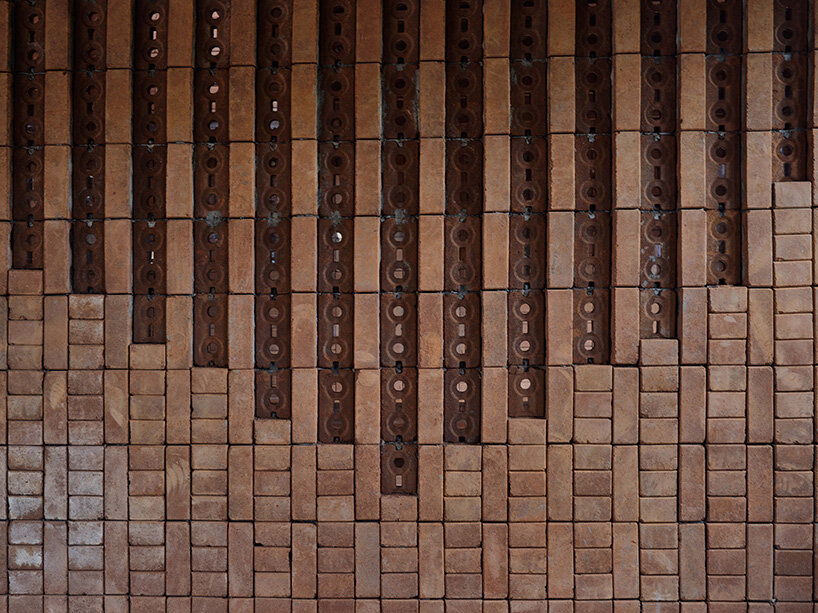
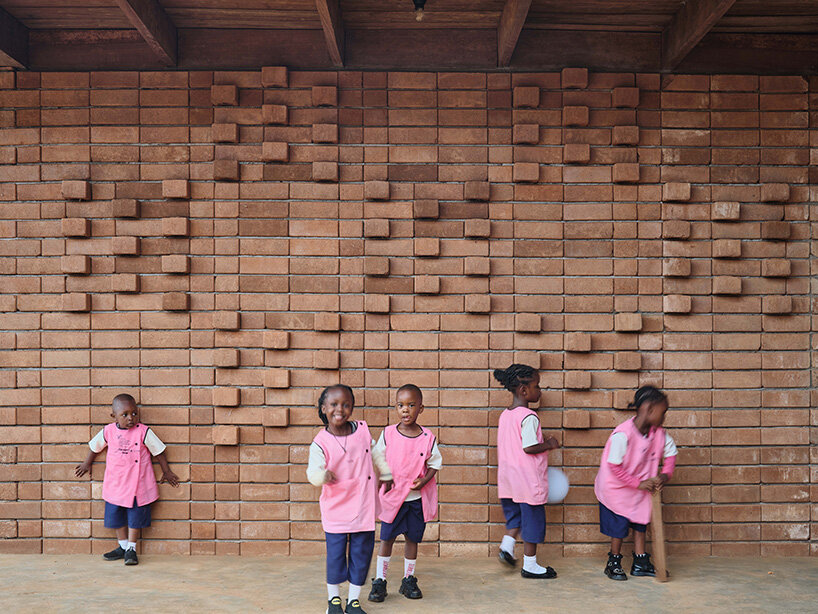
The design of the school focuses on using local materials and simple construction techniques that are in tune with the environment. The walls are made from unfired rammed earth bricks, pressed blocks of the reddish local soil, that allow light and air to pass through. These patterns create unique shadows throughout the day and link the building visually to the ground it stands on. The structure itself uses wood from local species such as azobé, iroko, and sapele. These dense hardwoods are commonly exported to other countries, but here they are used directly in the construction to support a local, low-carbon approach. Even the water tower is redesigned and built from wood instead of concrete, covered with solar panels. This helps the building stay powered and supplied with water, even during frequent outages.
Urbanitree completes a kindergarten for the African Flow campus in Cameroon
the result of a collaborative process
Urbanitree’s work on the African Flow kindergarten was shaped by a collaborative and hands-on process that focused on learning by doing. Many of the carpenters and laborers involved in the construction had no previous experience working with wood, so they were trained on-site as the building took shape. This approach turned the construction process itself into a form of education. Teachers were also invited to use the building as part of their teaching, connecting daily lessons with the design of the space, and local suppliers became active partners in the project. Instead of importing systems or products, Vicente Guallart and Daniel Ibáñez chose to work with what was already available: the local soil, the surrounding forests, the knowledge of the community, and the people themselves.
rooted in the principles of ancestral African architecture
rethinking progress through a slow architecture
This slow and thoughtful way of working challenges the common idea that progress in architecture must rely on industrialized materials and fast-paced, standardized methods. In contrast, African Flow aims to show that design can follow a path that resists extractive approaches and puts local culture, resources, and skills at the center.
The building itself reflects this philosophy by being connected to its site and surroundings, with forms that follow the natural slope of the land. Thanks to this topography, a second level was added and is now used as housing for the team that manages the school, making the building even more integrated into the life of the campus. Urbanitree’s work here is part of a larger design strategy based on circular thinking, which looks at the full cycle from forest to finished building. In doing so, the project becomes a tool for social and environmental connection, especially in areas where fast urban development often pushes aside local traditions. Looking ahead, the African Flow campus will grow to include primary and secondary schools.
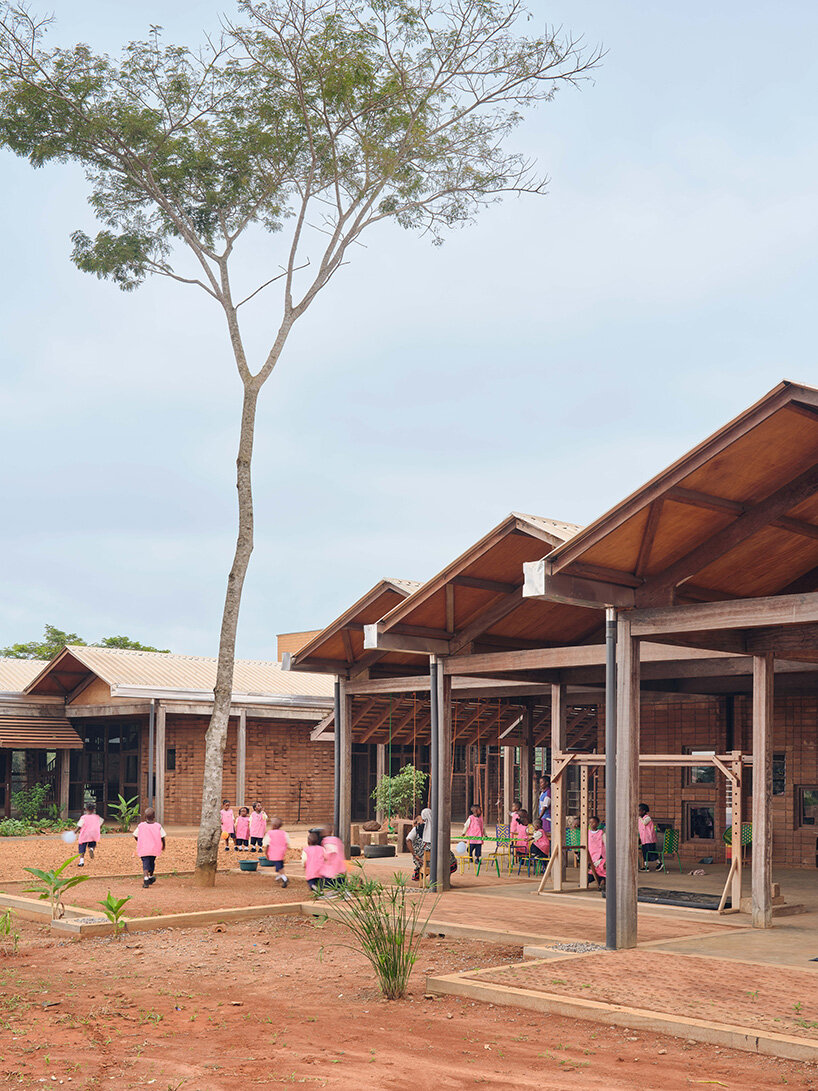
the 1,600-square-meter kindergarten is built through a collective process
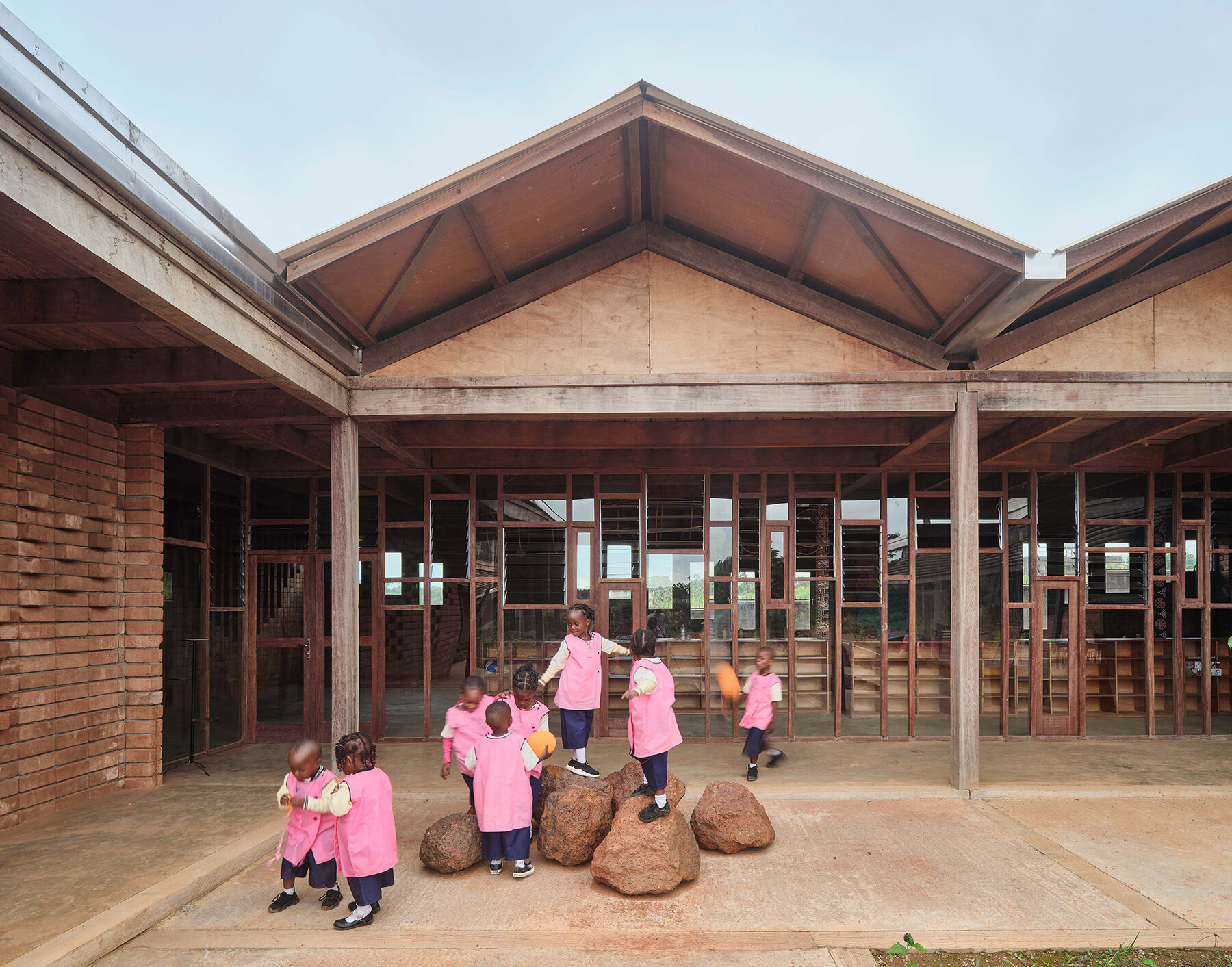
the team employs local materials
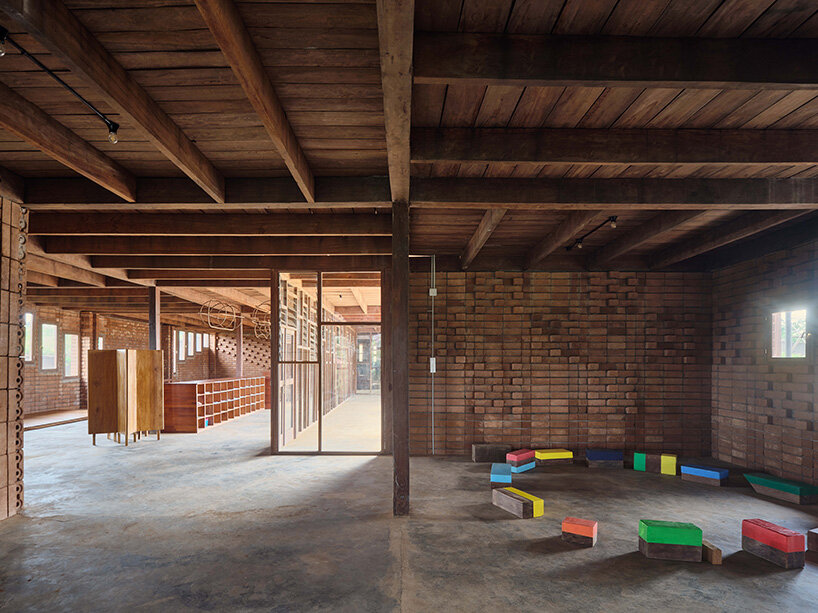
rammed earth and wood shape the project
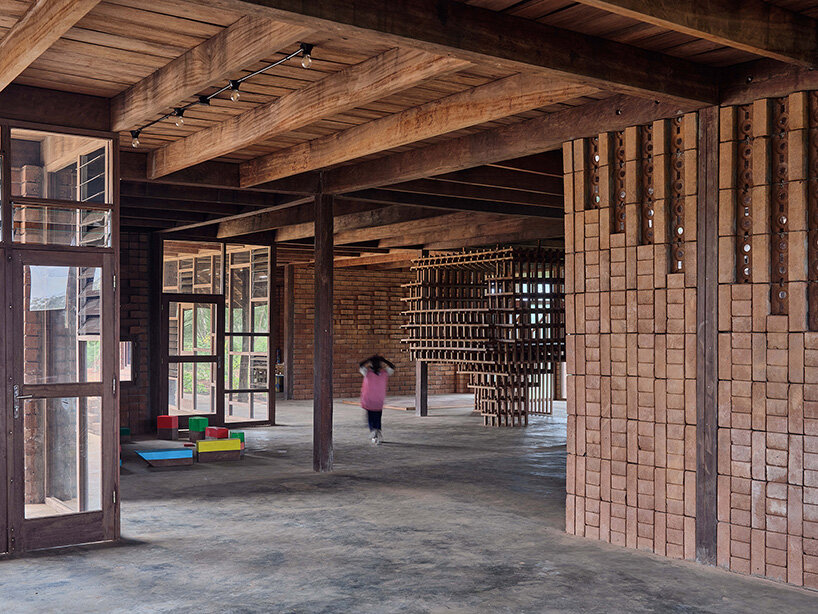
a continuous corridor allows free movement and spontaneous learning
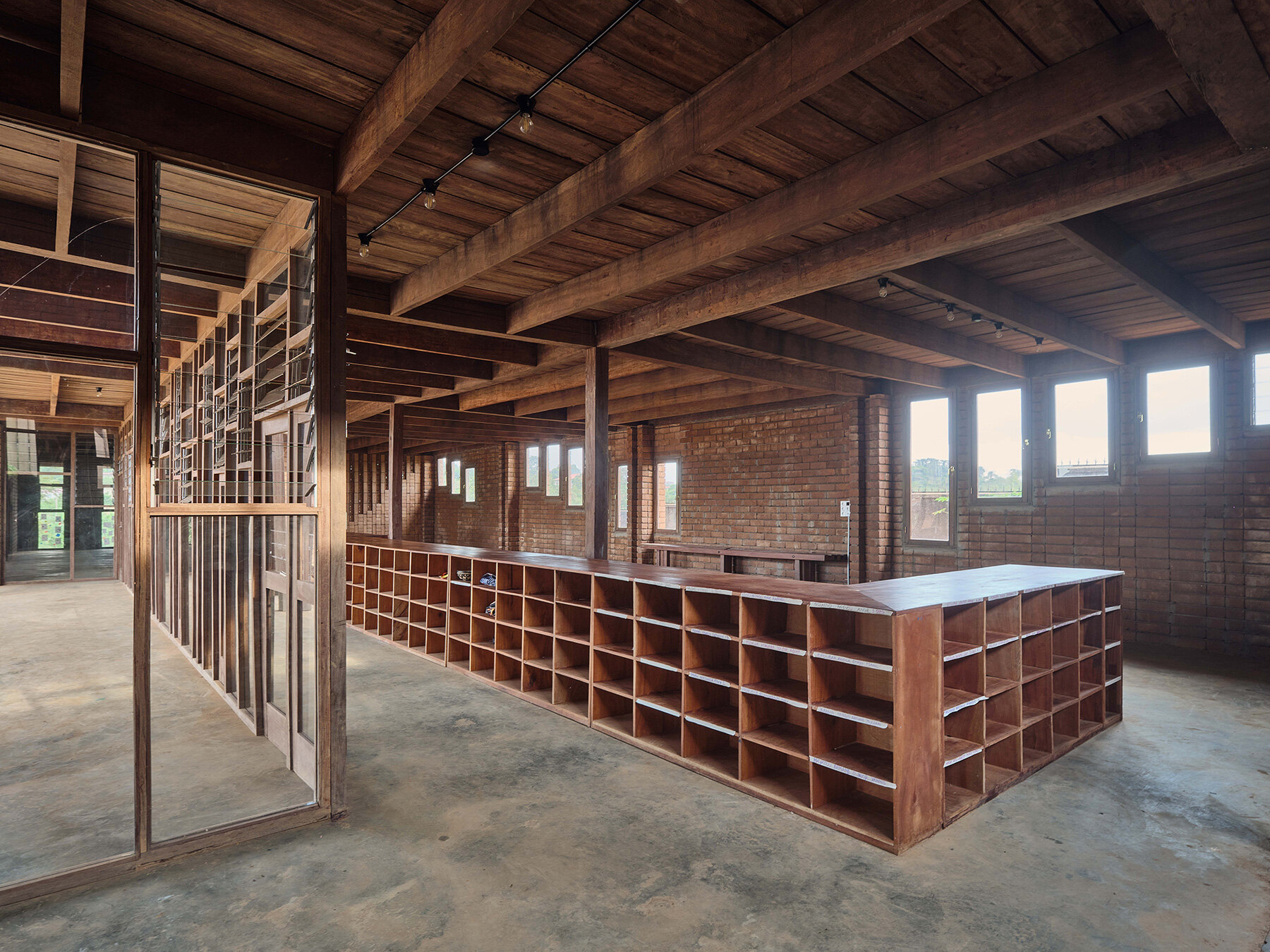
African Flow kindergarten is the first part of a broader educational complex
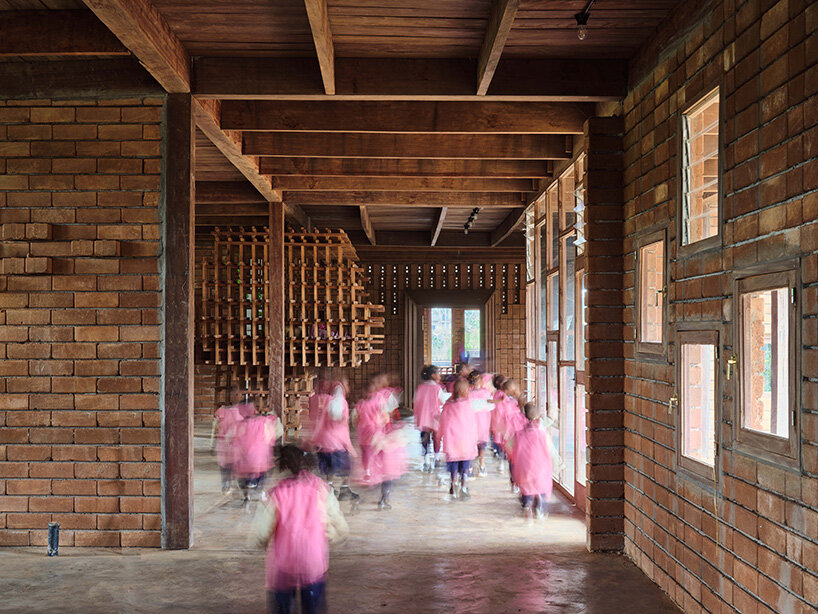
low-tech construction methods and spatial storytelling form a nurturing environment for early childhood education
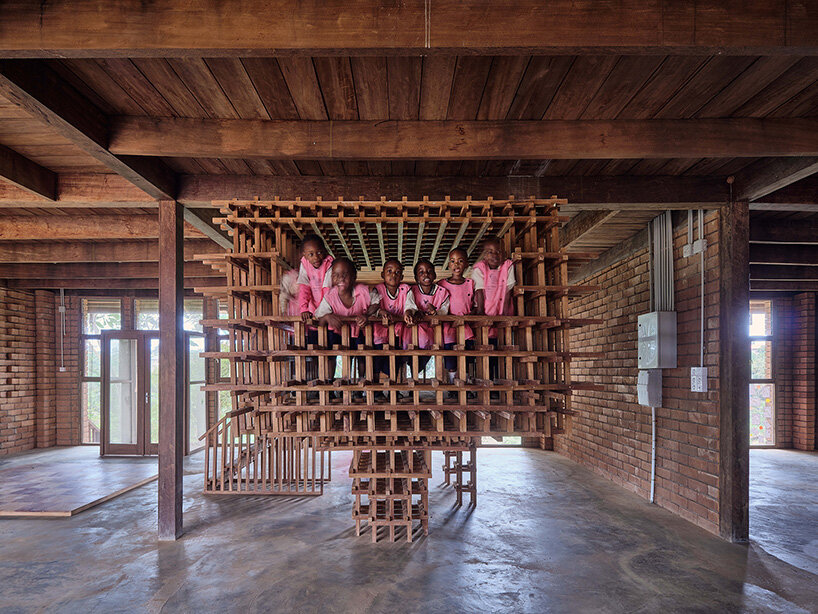
four symbolic ‘ecosystems’, mountain, savanna, village, and forest, form the concept
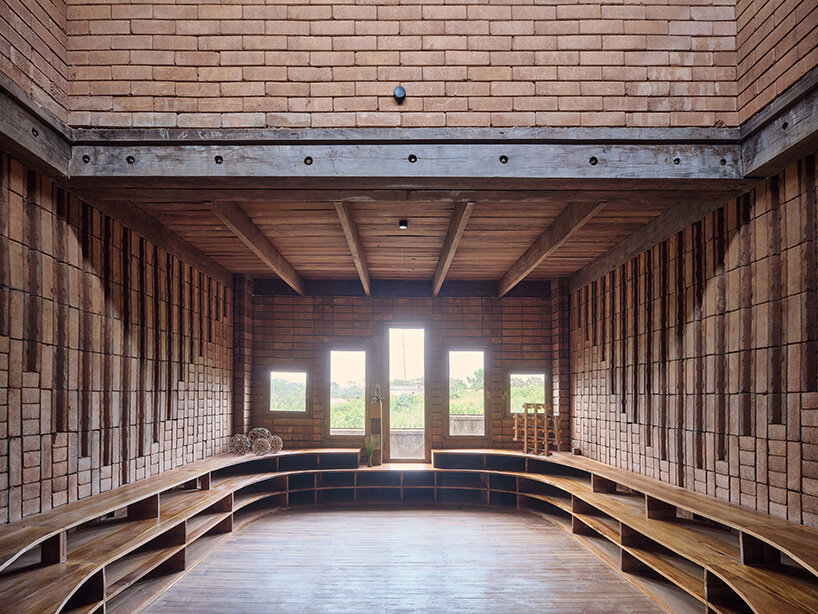
hosting different types of activities and interactions
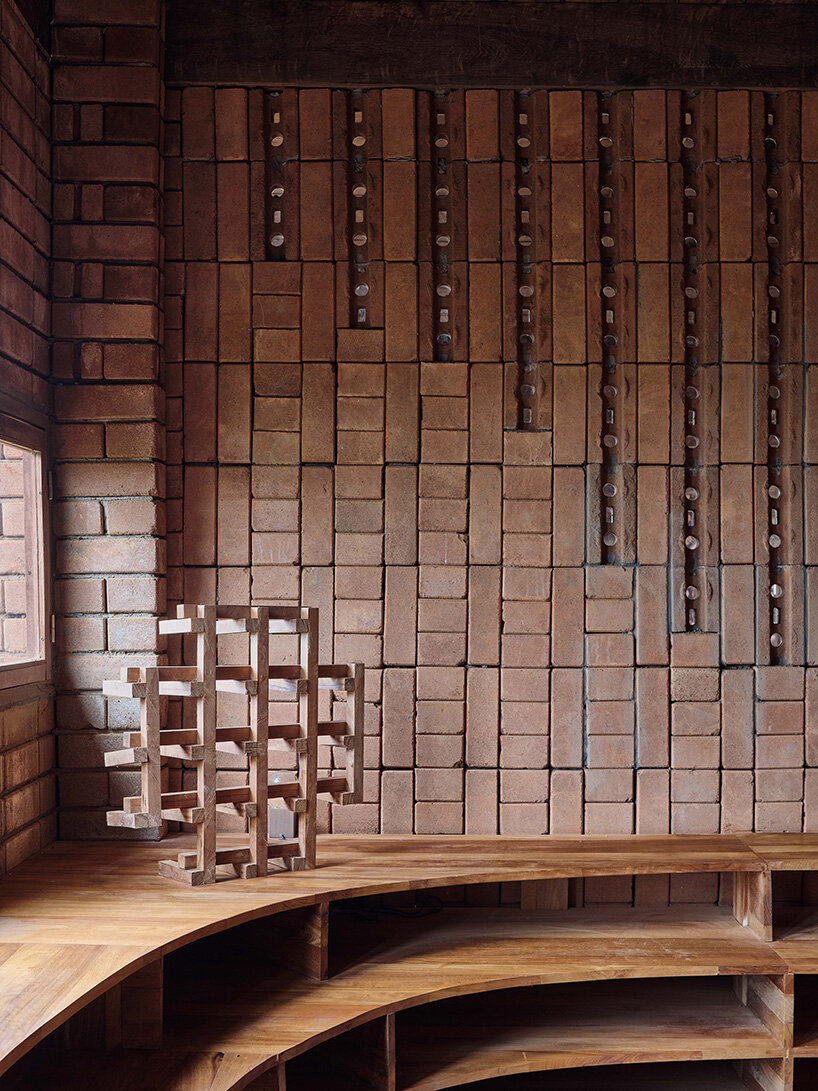
the walls are made from unfired rammed earth bricks
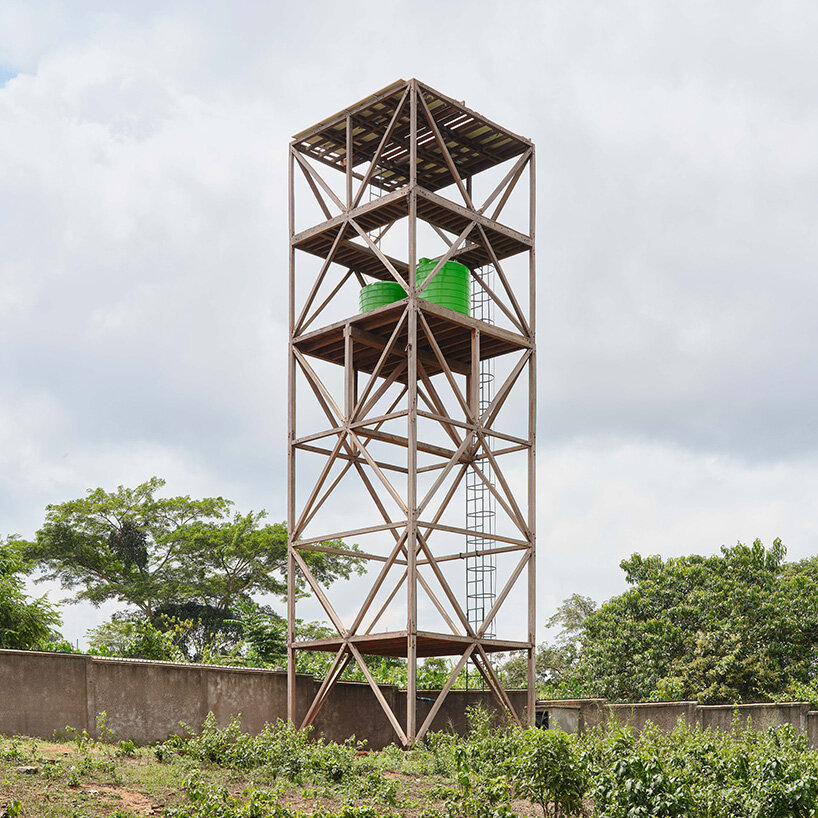
the water tower is built from wood and covered with solar panels
organized around a central courtyard
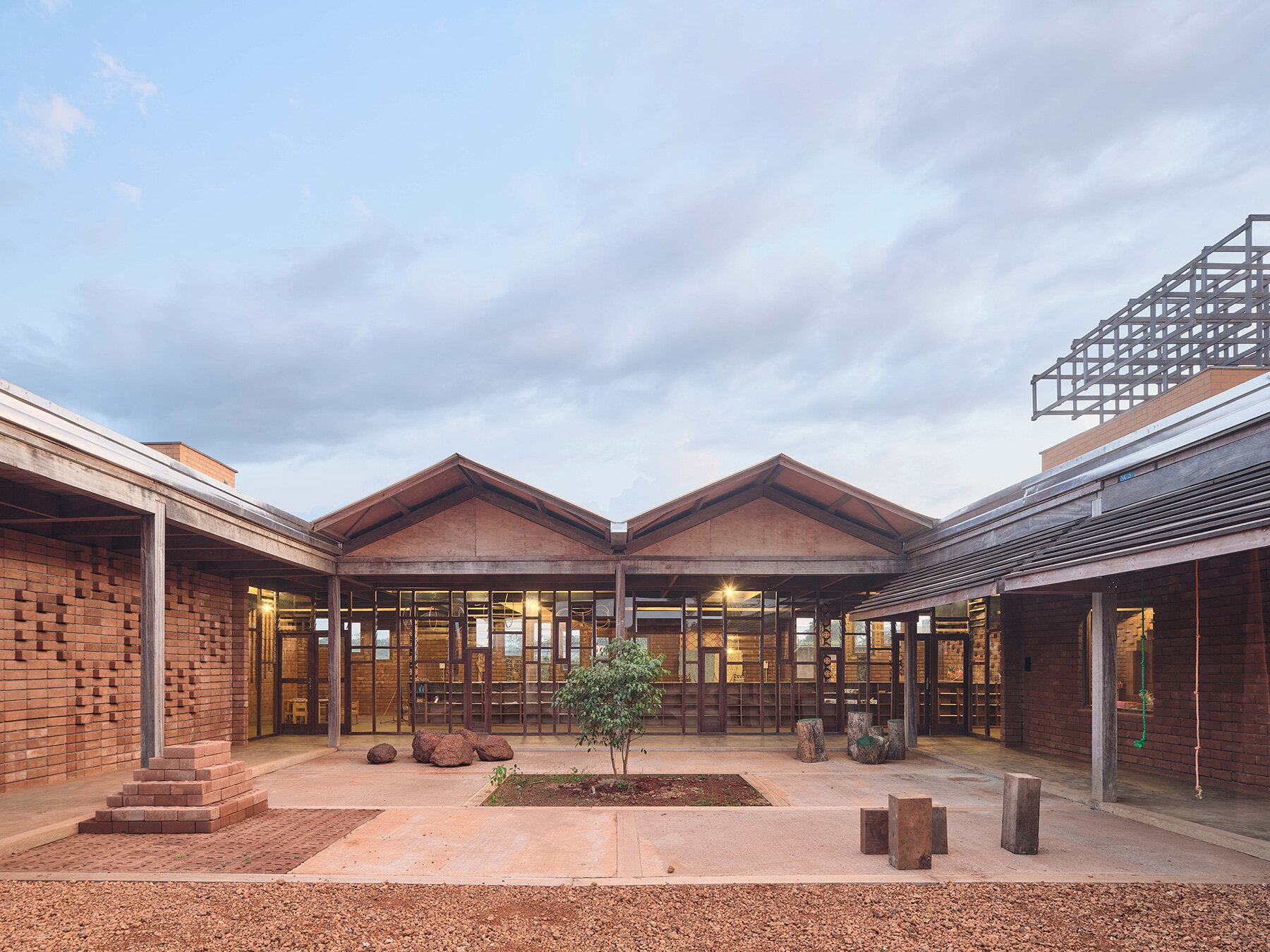
the structure itself uses wood from local species such as azobé, iroko, and sapele
project info:
name: African Flow kindergarten
architect: Urbanitree | @urbanitree
location: Soa, Cameroon
floor area: 1,600 square meters
lead architects: Vicente Guallart, Daniel Ibáñez
collaborating architects: Ali Basbous (BAD Architects), Daniel Fraile (Arquivio)
developer: Community of Nazareth
contractor: GIC Ma’asapkeng
carpenters: Alexandre Onguene, Tchawe Fabrice Ronelle, Germain Atanga
photographer: Adrià Goula | @adriagoulaphoto
architecture in cameroon (4)
children's spaces (146)
 Feb 28, 2026
 Feb 24, 2026
 Feb 20, 2026
 Feb 07, 2026
 Jan 08, 2026
rammed earth architecture and design (67)
 Mar 12, 2026
 Feb 27, 2026
 Feb 11, 2026
 Jan 28, 2026
 Jan 28, 2026
school architecture and design (766)
 Mar 02, 2026 Feb 28, 2026
 Feb 23, 2026
 Feb 17, 2026
 Feb 15, 2026
wood and timber architecture and design (1402)
 Mar 11, 2026
 Mar 09, 2026
 Mar 08, 2026
 Mar 05, 2026
 Mar 03, 2026
 Mar 12, 2026
 Mar 11, 2026
 Feb 24, 2026