making room for nature: the urban landscapes of kongjian yu
turenscape’s ecological landscapes show how wetlands, waterways, and restored habitats can become part of urban infrastructure, making room for both people and other forms of life.
prefer designboom on google[FEATURED]
designing cities beyond the human
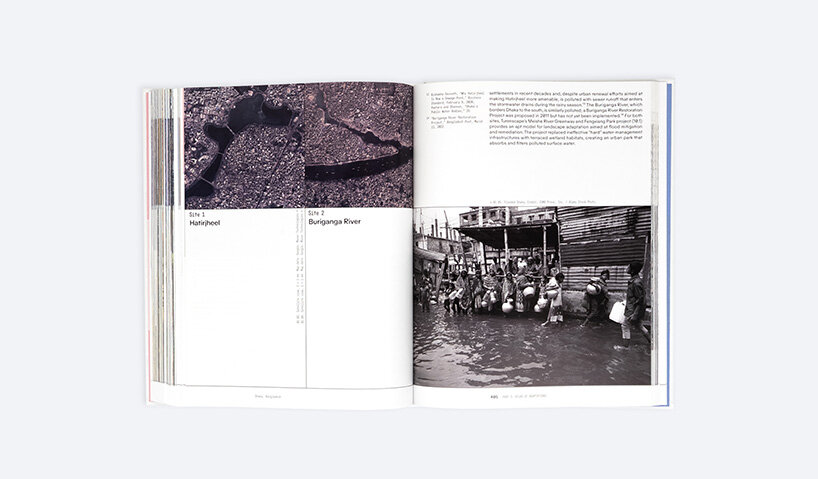
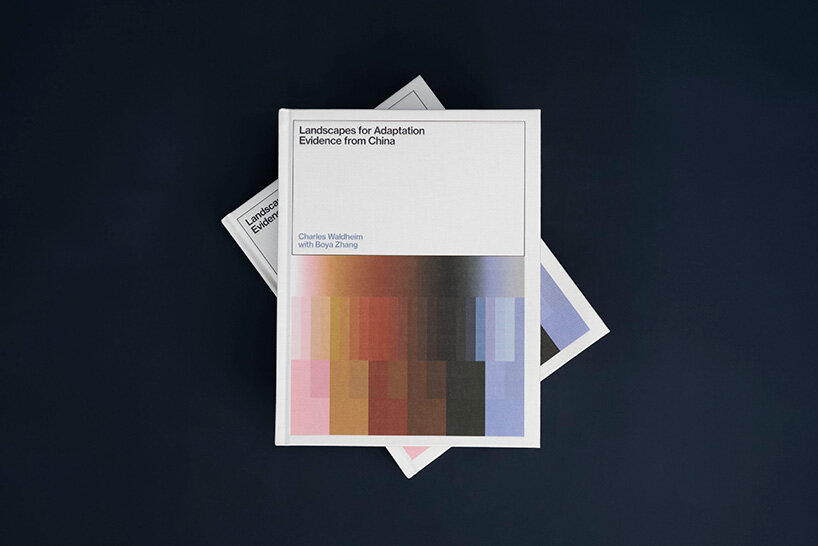
In Landscapes for Adaptation: Evidence from China, architect and Harvard professor Charles Waldheim examines 60 built experiments realized by Chinese landscape architect Kongjian Yu and his practice Turenscape over the past two decades.
Analyzing their environmental performance, the book documents how landscape architecture can respond to flooding, climate volatility, and ecological change through implemented projects. These built experiments offer a starting point for exploring a broader question: can cities be designed as shared habitats for humans and other forms of life?
Yu, founder of Turenscape and a leading advocate of the sponge city concept, has spent decades arguing that urban development should work with natural processes. His approach uses landscape as infrastructure, allowing water, vegetation, and existing ecological systems to play an active role in addressing flooding, pollution, and habitat loss.
repairing the urban landscape
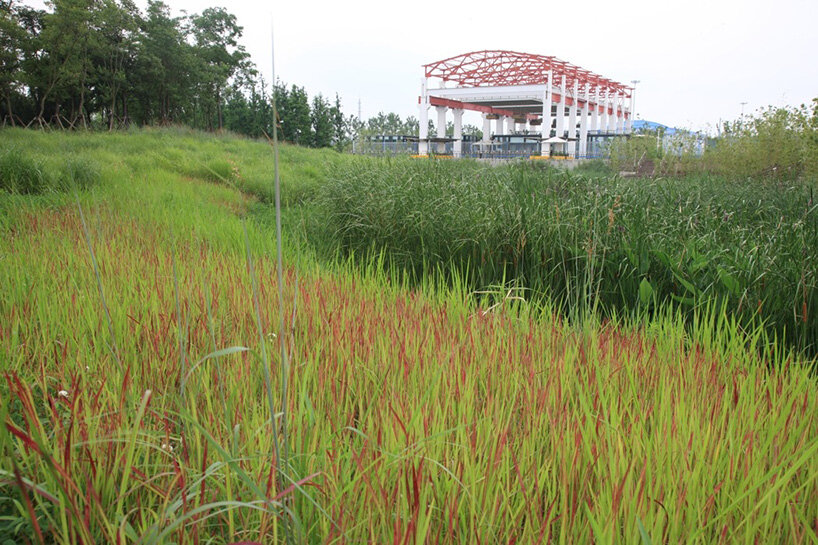
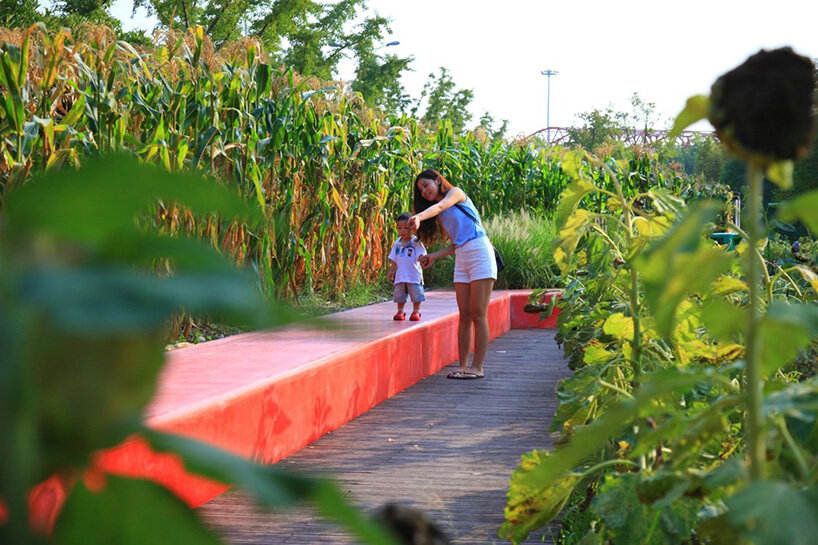
In Shanghai, Houtan Park demonstrates how landscape architecture can make ecological processes part of the urban fabric. Designed by Turenscape and completed in 2010 for the Shanghai World Expo, the 14-hectare park occupies a former industrial site along the Huangpu River. Once used by a steel factory and shipyard, the land was heavily degraded, while the adjacent river was severely polluted. The design builds on the industrial past of the site, transforming its existing landscape into a new ecological and public space. A constructed wetland runs through the park, using a sequence of terraces, cascades, and wetland plants to treat polluted river water.
The system was designed to treat approximately 2,400 cubic meters of water per day, improving its quality from Lower Grade V to Grade III for non-potable uses. The wetland also forms part of the flood-management strategy of the park, while its planted river edge creates conditions for aquatic and bird habitats. Reclaimed industrial materials, agricultural terraces, and a network of paths connect these ecological functions with the public experience of the park.
Water treatment, flood protection, habitat creation, and public access operate within the same landscape. Houtan Park makes infrastructure visible, allowing visitors to encounter environmental processes that are usually hidden behind concrete walls and underground networks.
working with existing landscapes
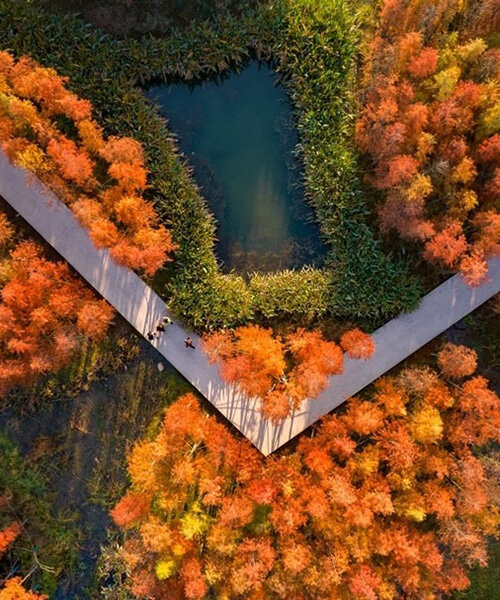
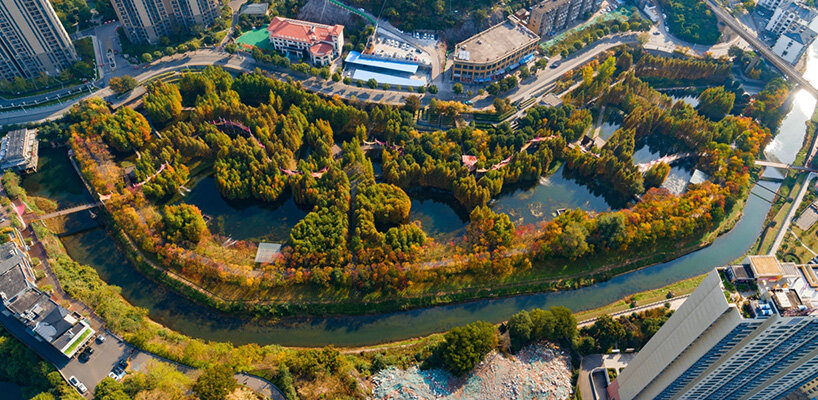
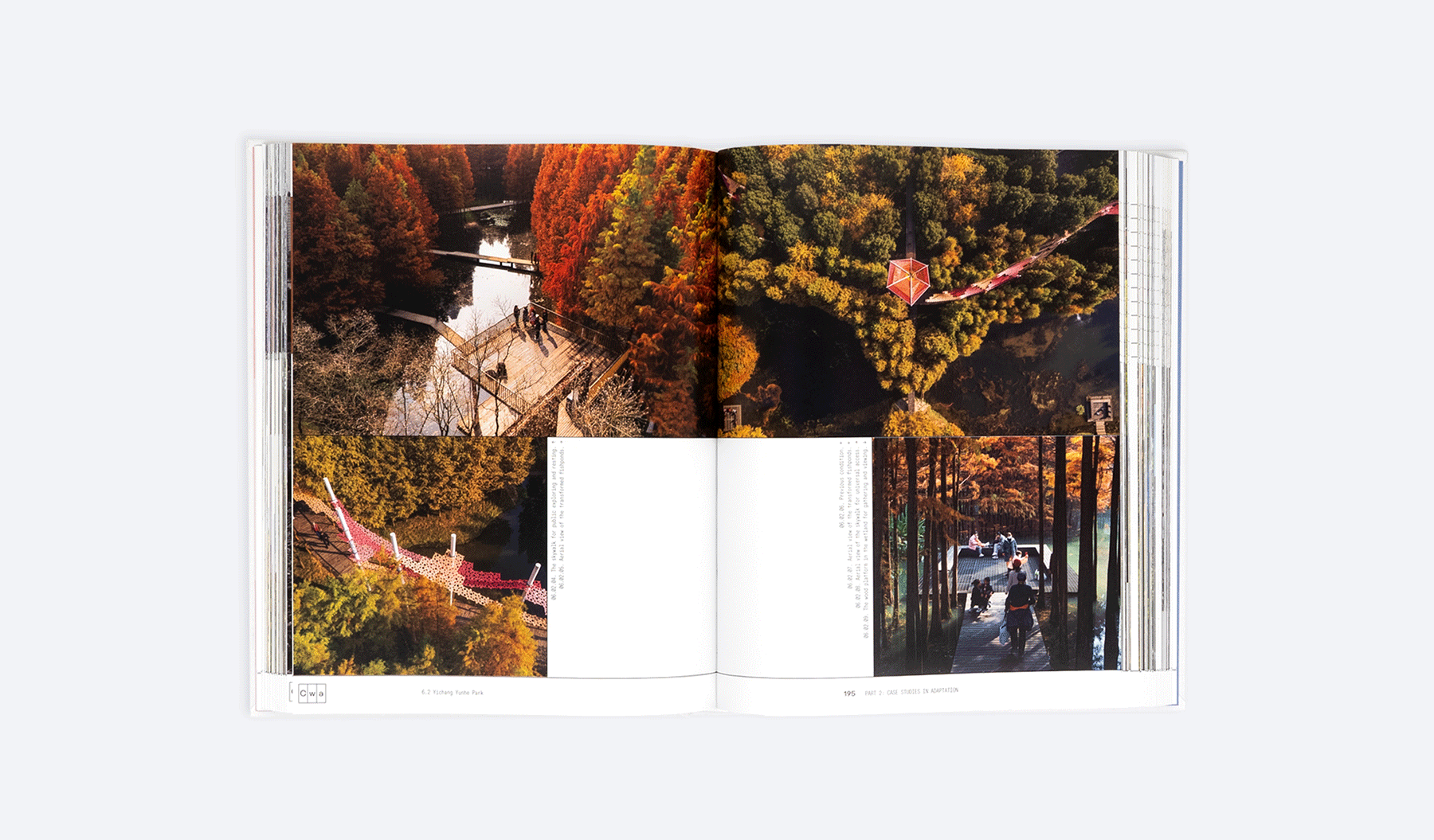
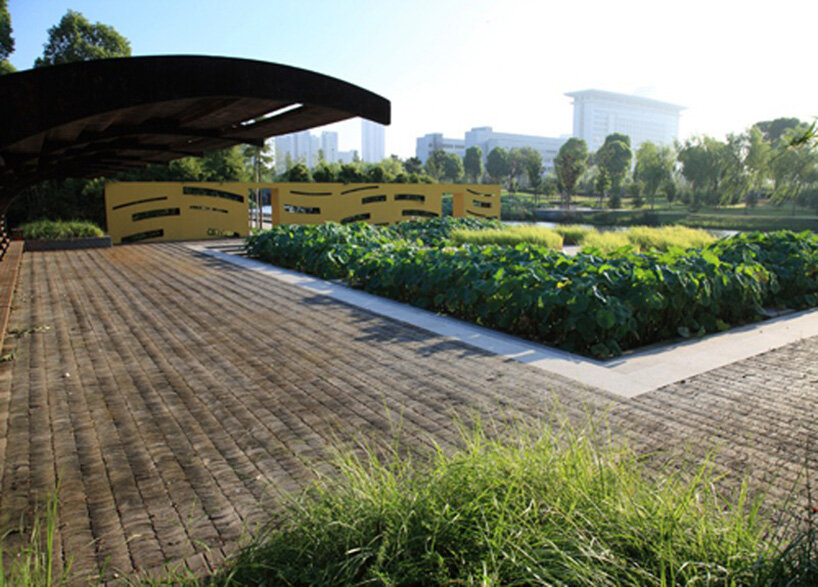
A related approach appears in Yichang Yunhe Park in Hubei province. Designed by Turenscape and completed in 2013, the 12-hectare project transforms twelve polluted, abandoned fish ponds into what the practice describes as a ‘green sponge’. The design uses the existing water bodies as the foundation for a system that cleanses polluted canal water and remediates contaminated stormwater.
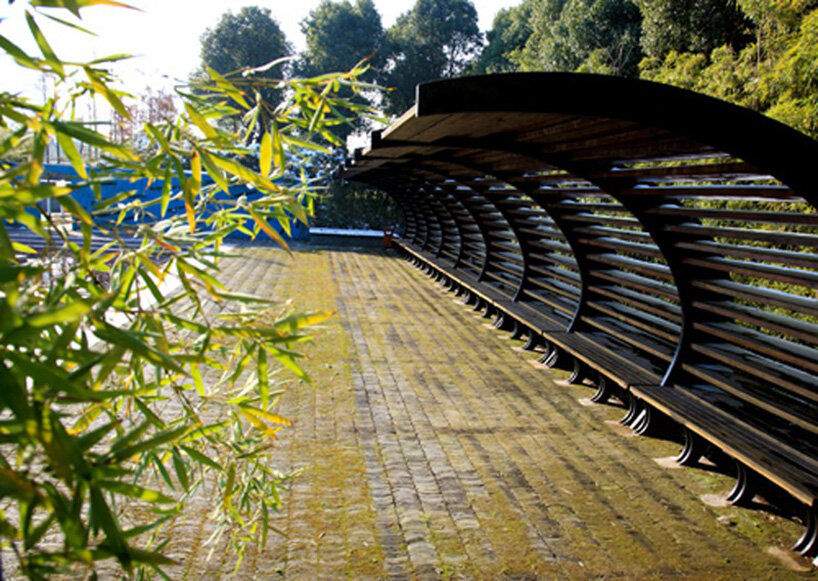
The project relies on regenerative design and minimal intervention. The former ponds become part of a wider landscape of vegetation and water, while paths and elevated walkways allow people to move through the site. Its significance lies partly in the decision to work with an existing, damaged landscape.
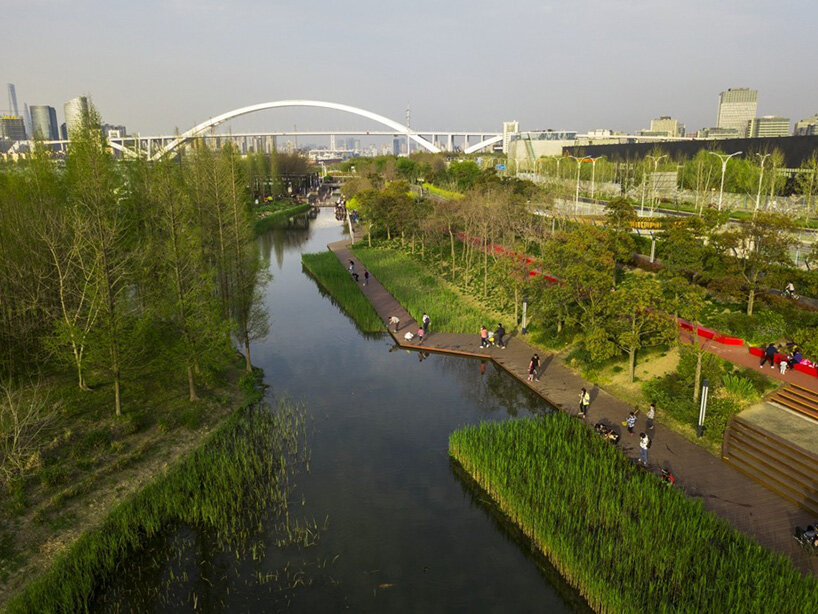
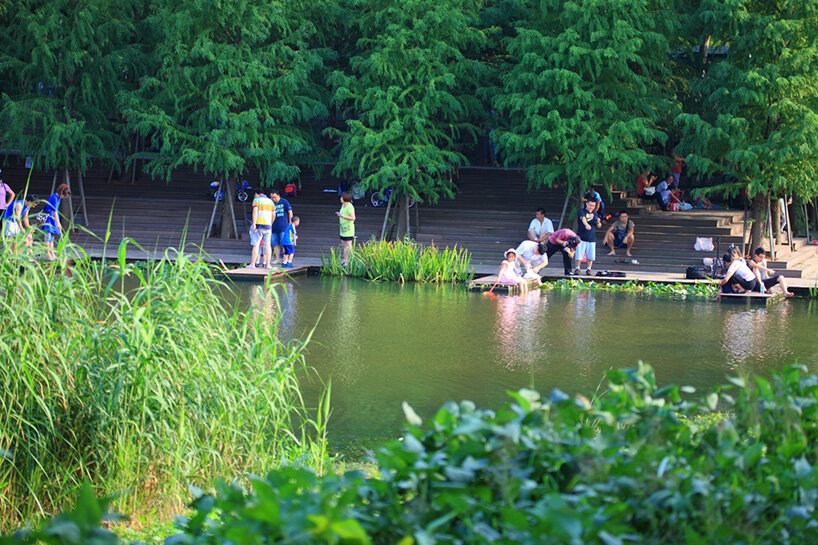
In Ningbo, the Yinzhou Central River Transformation explores the potential of restoring an urban waterway. Completed in 2010, the project introduces wetland planting along the riverbanks, alongside walkways and areas for public use. The intervention softens the engineered edges of the river, retaining its role as part of the city’s water infrastructure.

the idea of making-with
These are some examples of Turenscape’s projects that suggest that ecological urbanism does not necessarily depend on introducing untouched nature into the city, but it can also involve reconsidering infrastructure that already exists: drainage channels, abandoned ponds, industrial waterfronts, and flood-control systems. Such sites become opportunities to restore ecological functions, changing how people encounter water and landscape. However, creating landscapes that manage water and support vegetation is not necessarily the same as designing cities around the needs of other forms of life.
In Yu’s projects, wetlands and planted riverbanks help reduce flooding, improve water quality, and provide habitats. Their value also depends on whether other species can thrive there, how ecological systems develop over time, and how well these landscapes are maintained. In her 2016 book Staying with the Trouble: Making Kin in the Chthulucene, feminist theorist Donna Haraway challenges the idea that humans exist separately from the rest of the living world, describing life as a network of interdependencies in which organisms and environments shape one another. Her concept of sympoiesis, or making-with, offers a way to understand the world as something produced collectively rather than controlled by a single species.
Seen through Haraway’s ideas, Yu’s projects can be understood as more than infrastructure for managing water and flooding. The wetlands and river corridors also create environments where plants, insects, birds, microorganisms, and aquatic species interact. This shifts the focus from what these landscapes provide for people to the wider ecological relationships they support and how these relationships shape urban life.

the limits of the ecological utopia
This does not mean that ecological infrastructure automatically produces a more-than-human city. A landscape can support biodiversity while remaining primarily designed around human priorities. Its ecological value depends on factors such as long-term maintenance, water quality, habitat connectivity, and whether different species can establish and survive. The presence of vegetation or the appearance of a natural landscape is not, on its own, evidence of a functioning ecosystem.
There are also social questions to consider. Green infrastructure can improve urban environments, but it does not necessarily address unequal access to public space, the displacement of existing communities, or the uneven distribution of environmental benefits.
Ecological restoration can become part of wider redevelopment processes, sometimes increasing land values and changing who can afford to live nearby. Assessing these projects therefore requires looking beyond their environmental performance to consider how they affect both local communities and other forms of life.

TOWARD A MORE-THAN-HUMAN CITY
The projects documented in Waldheim’s Landscapes for Adaptation: Evidence from China demonstrate how landscape architecture can contribute to climate adaptation through built, functioning systems. Their significance extends beyond the technical integration of water management and public space. They suggest that cities can be understood as environments shaped by relationships between human activity and ecological processes.
Yu’s work offers a practical foundation for this shift, while Haraway’s thinking invites us to take its implications further. If cities are understood as shared environments, their success cannot be judged solely by how efficiently they protect people from environmental change. It must also be considered in terms of the relationships they allow to develop between different forms of life. The more-than-human city is not necessarily a finished ecological utopia, but an ongoing process of learning how to live alongside the many species and systems that already make urban life possible.

This article is part of designboom’s POSTHUMAN UTOPIAS chapter, exploring what happens when humans are no longer the measure of all things. These stories rethink our relationship with the planet through interspecies architecture, living materials, regenerative landscapes and emerging technologies – learn more here! The chapter is presented in partnership with INDX|GLOBAL – a global cultural platform placing Indian architecture, design, and creative intelligence in conversation with the world.
Each designboom editorial series explores one theme in depth through projects, interviews, features and news across architecture, design, art and technology. Discover more chapters here, and get in touch if you’d like to submit a story through our submissions portal or contact form.
shop
your own online design shop — no sales commission collected