rosmaninho + azevedo turns two railway buildings into a visitor center in northern portugal
the 'tua valley interpretive centre' provides information on the region's history in the form of exhibitions and educational facilities.
prefer designboom on google[FEATURED]
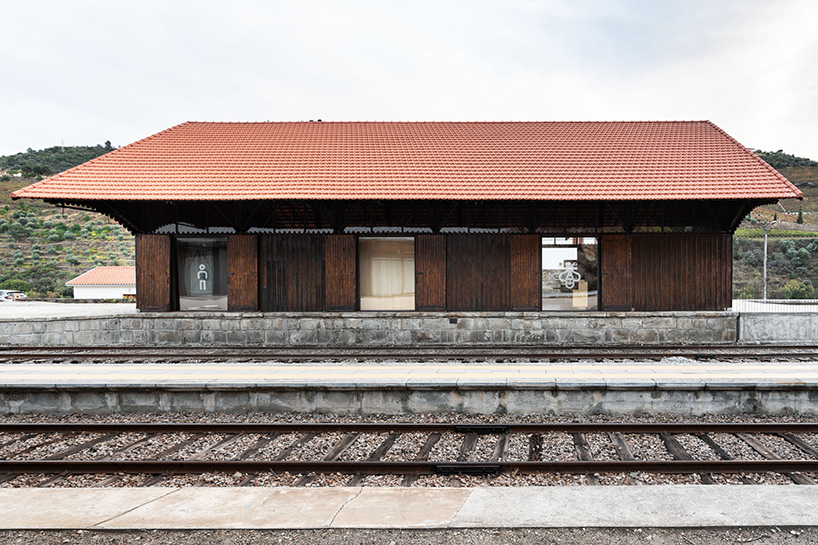
porto-based firm rosmaninho + azevedo has added a visitor center to a railway station in the north of portugal, which provides information on the region’s history. the douro railway line originally opened in 1880, providing a much-needed alternative waterway transport. ‘travelers, but more particularly port wines and the products necessary to produce them, benefited from the two hundred kilometers of rail tracks connecting the spanish border and the city of porto,’ explains the design team.
all images © luís ferreira alves
however, in 2008, after decades of closures, operation of the line ceased entirely. the following year a dam on the tua river was approved, the construction of which required 16 kilometers of railway tracks to be flooded, rendering any full reinstatement of the service impossible. as part of the compensation program associated with the construction of the dam, plans were drawn up for the tua valley interpretive centre — a building at the tua station that allows visitors to get to know the history of the valley.
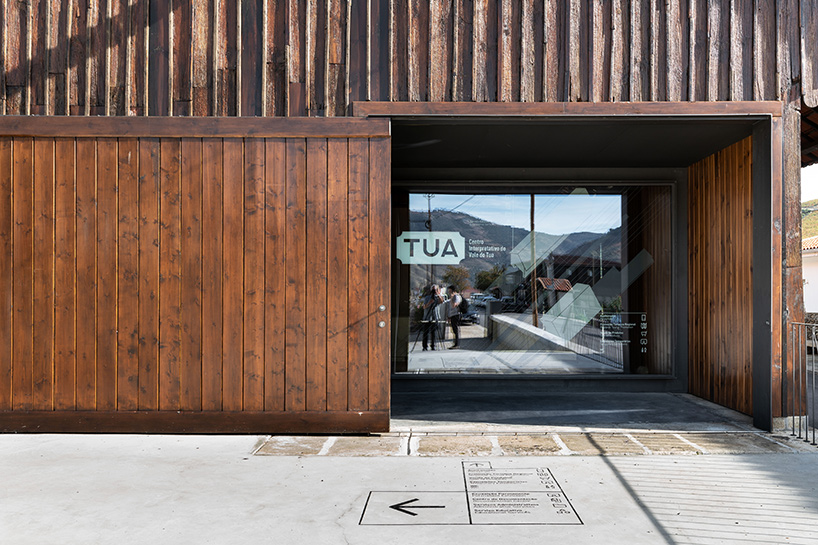
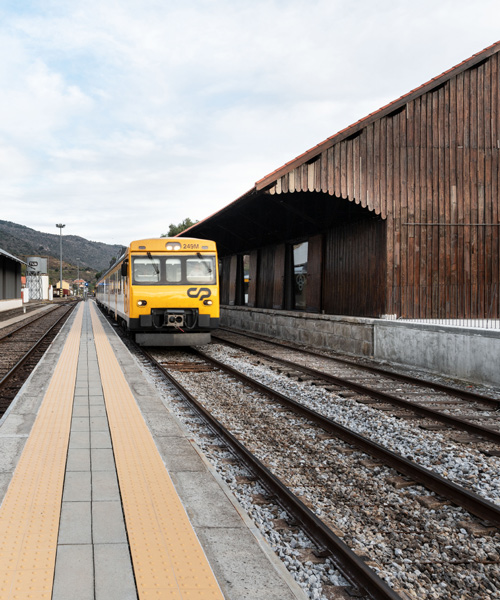
the timber structure contains the project’s entrance
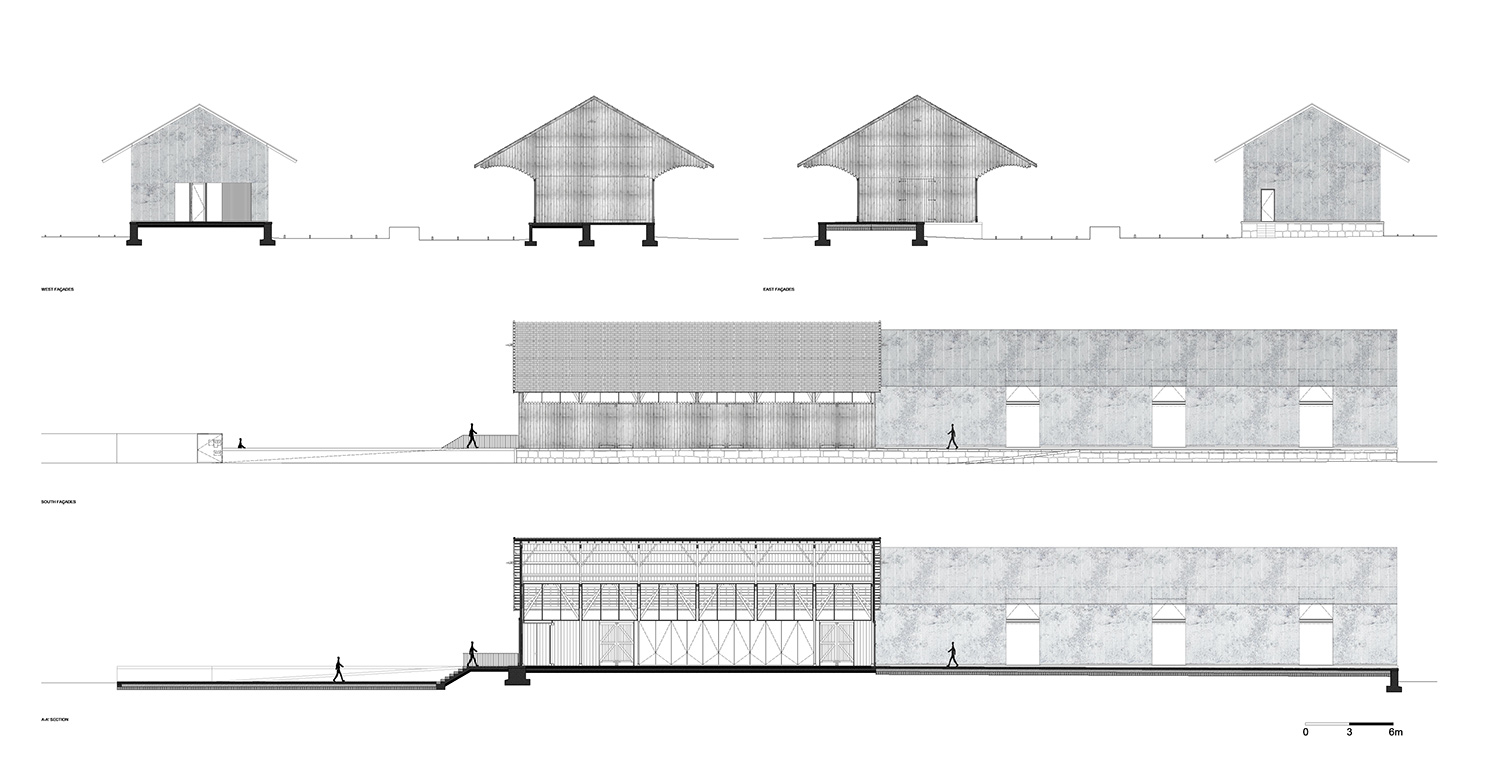
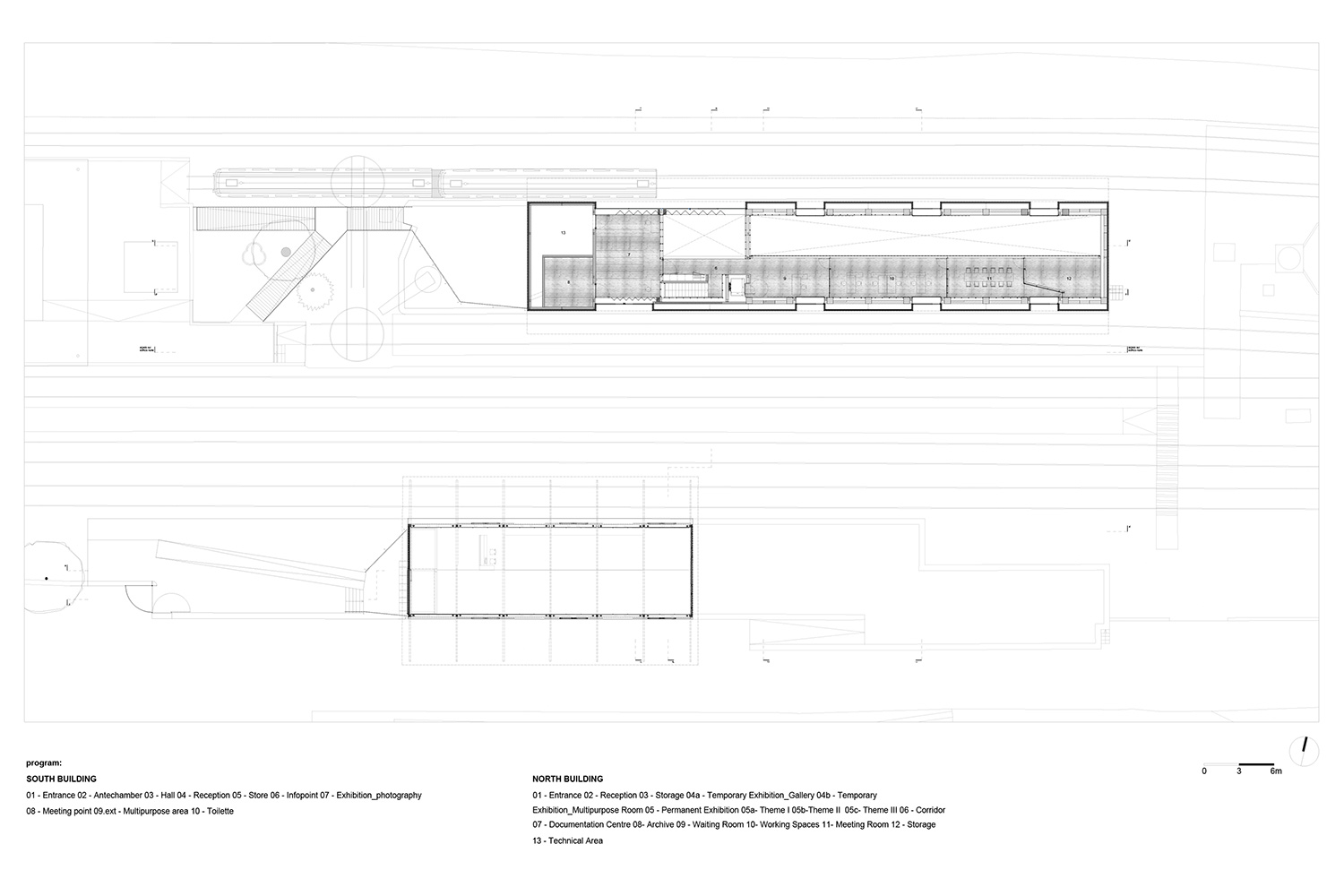
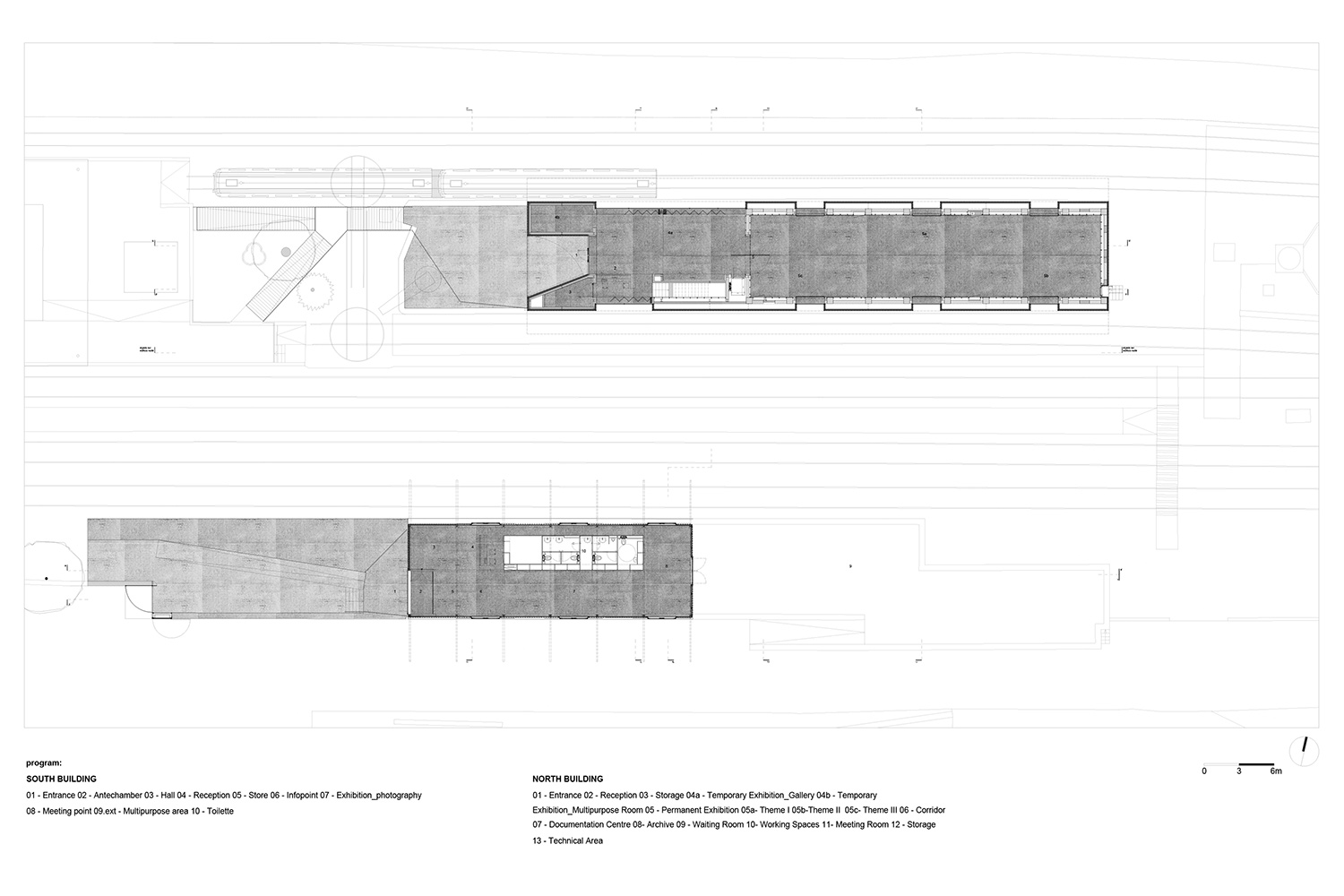
the venue is housed within two disused hangars, to which rosmaninho + azevedo gave separate identities. restored ‘board by board’ and made thermally efficient, the timber structure contains reception areas and photography exhibitions. on the other side of the tracks, the second building was more comprehensively renovated with zinc cladding chosen to fit in with the site’s industrial character. quartz-zinc corrugated panels were installed on the roof and façade, reinterpreting the century-old timber hangar.
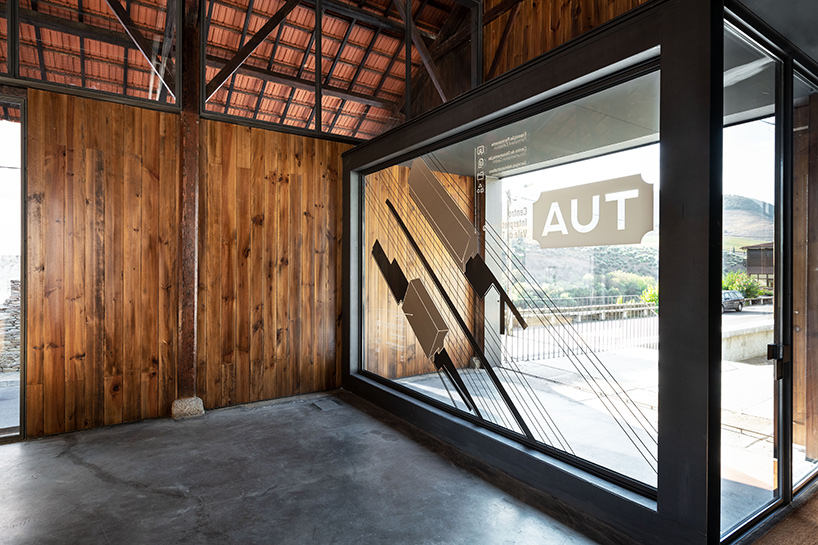
the historic building has been restored ‘board by board’
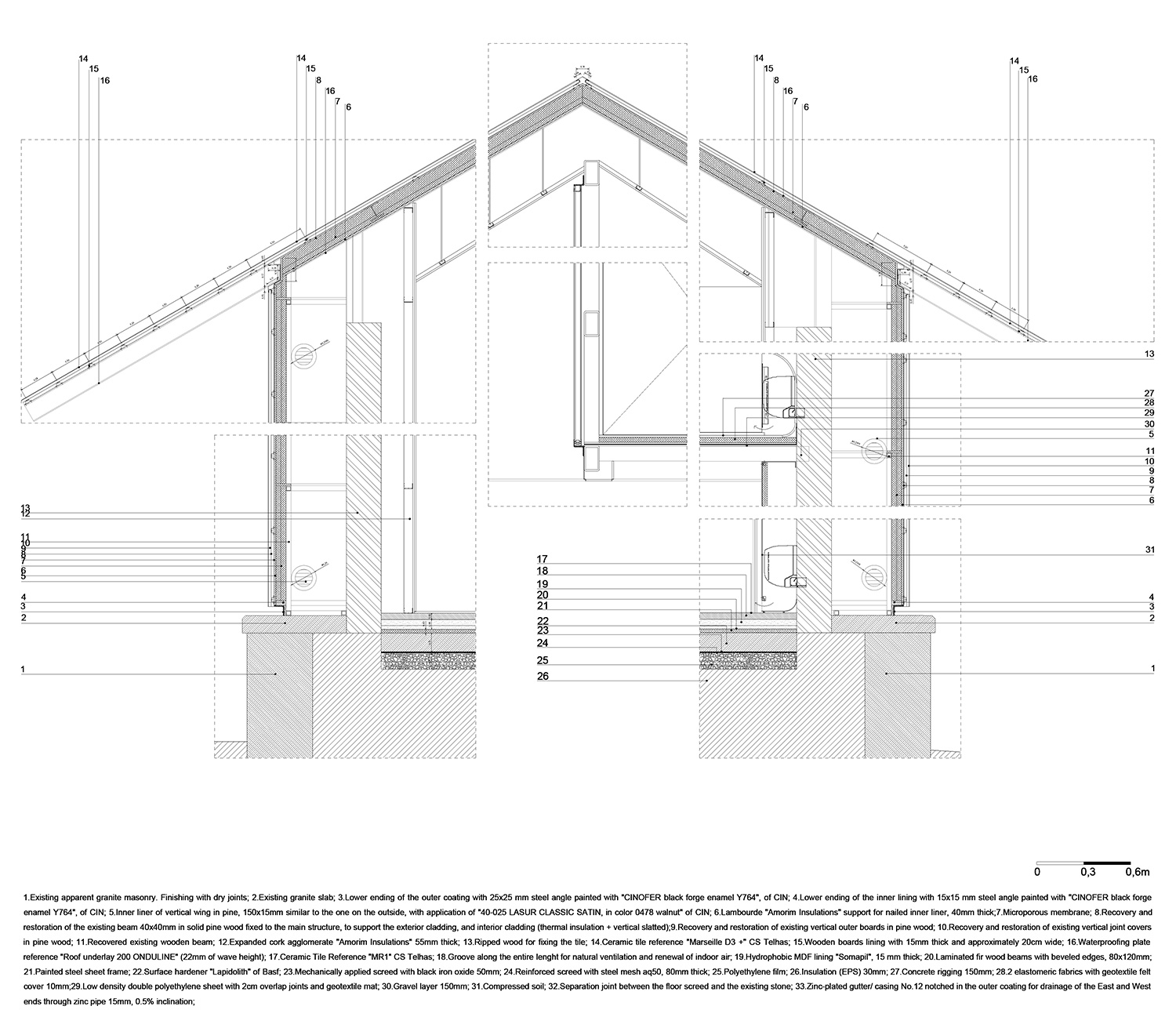
with the side platforms no longer required, thick walls with an integrated air gap were added behind the zinc cladding. this produces natural ventilation, and minimizes the need for air conditioning. in order to house the desired program, the building’s floor area was extended as much as possible. permanent exhibition areas are found on the ground floor, while the upper level contains educational facilities and workspaces.
earlier this year, the project received the jury’s special award of the archizinc trophy in paris.
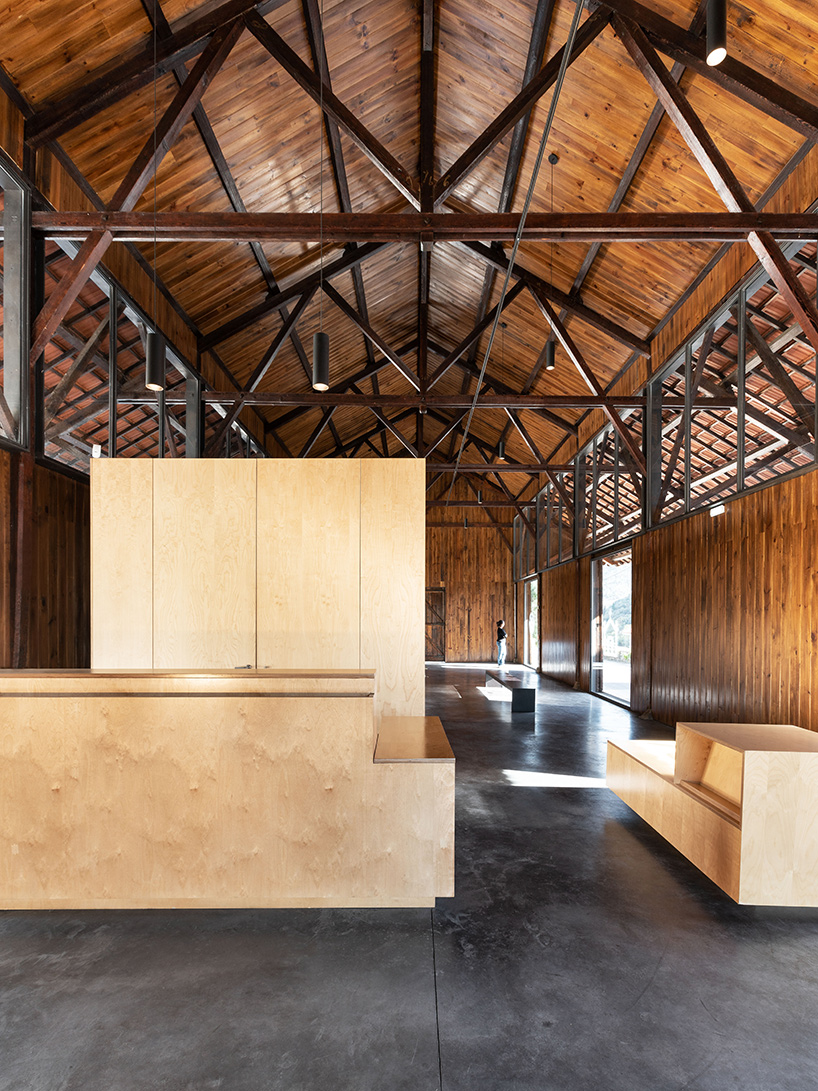
the reception desk within the former railway hangar
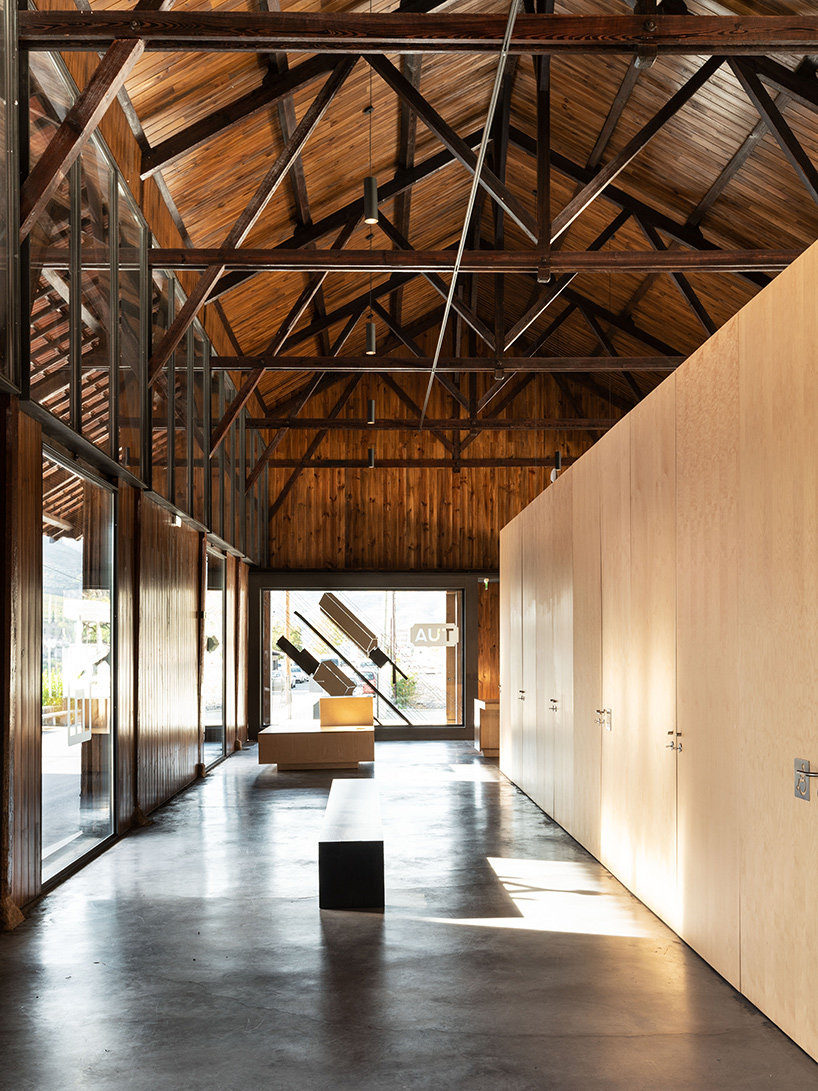
the structure also hosts photography exhibitions
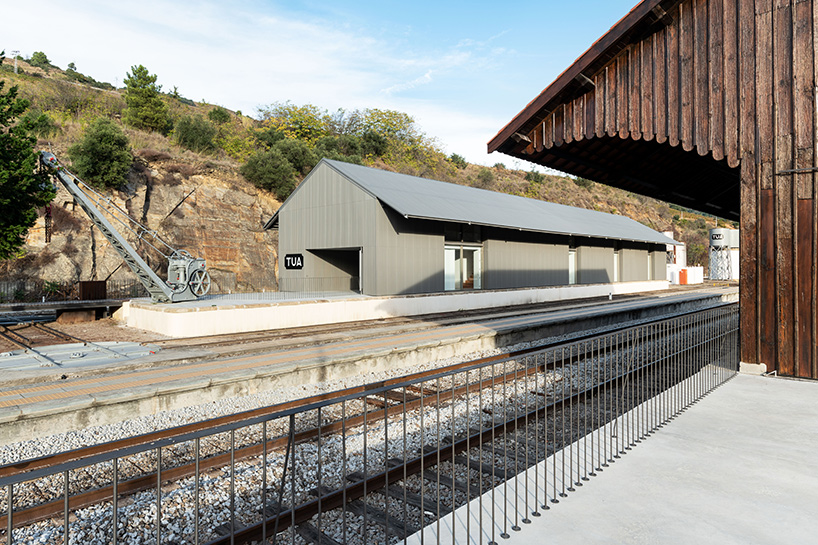
the second building is located on the other side of the tracks
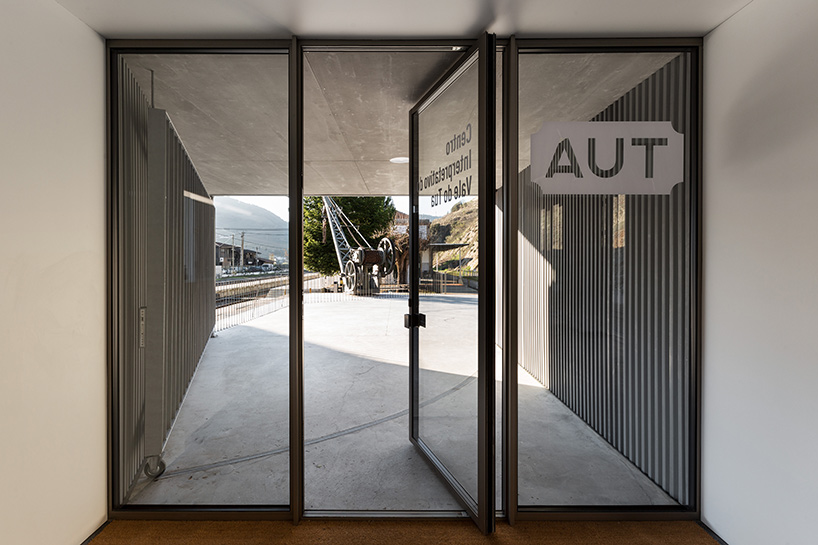
quartz-zinc corrugated panels were installed on the roof and façade
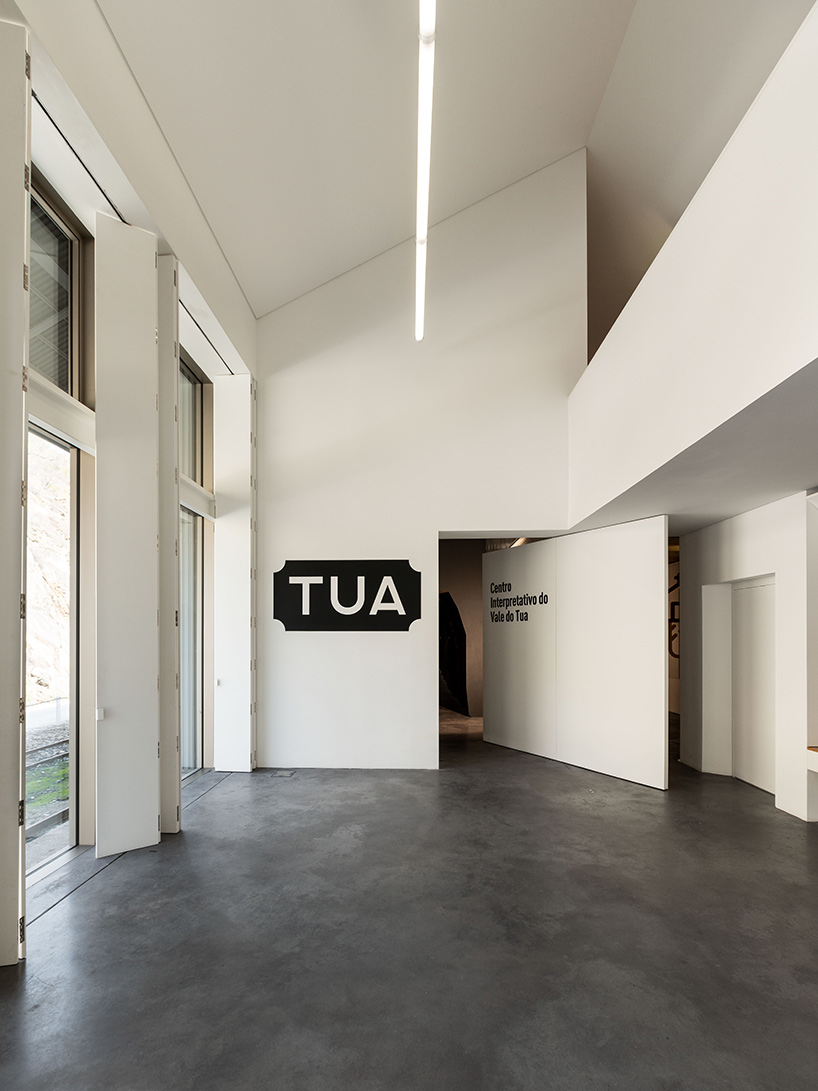
thick walls with an integrated air gap were added
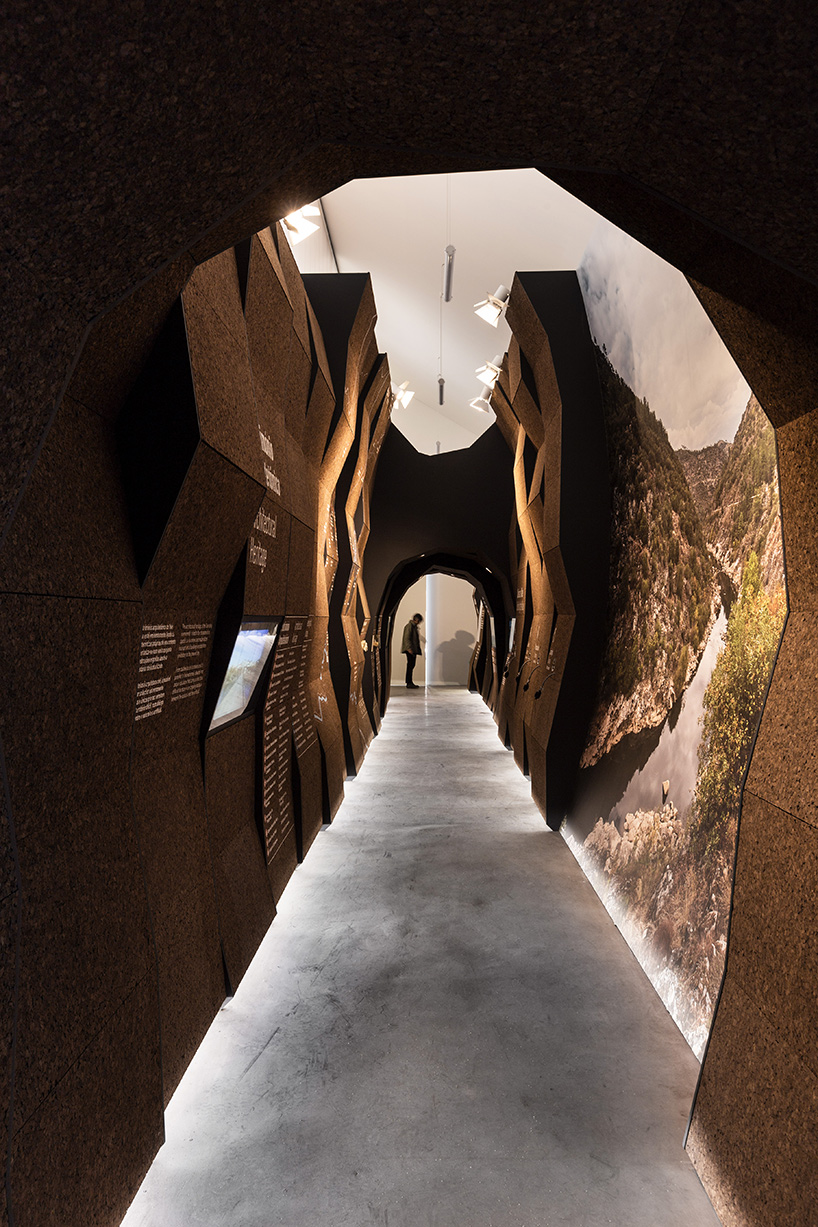
the visitor center provides information on the region’s history
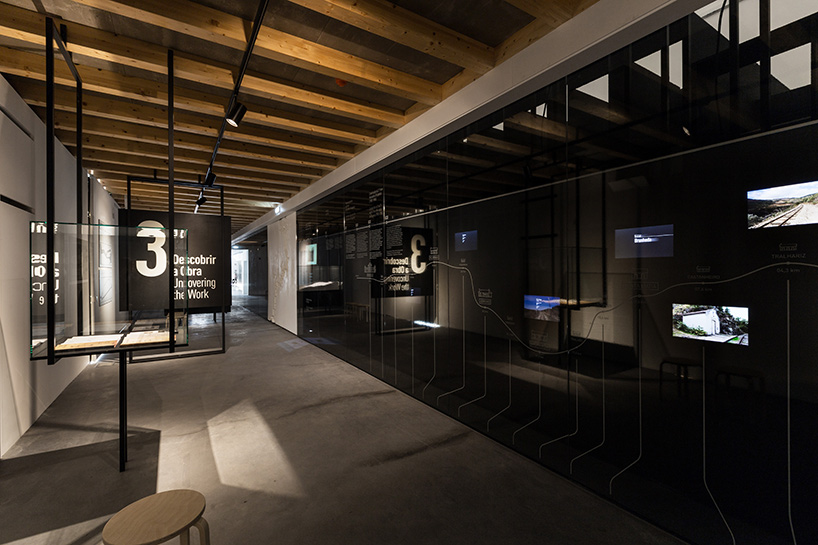
permanent exhibition areas are found on the ground floor
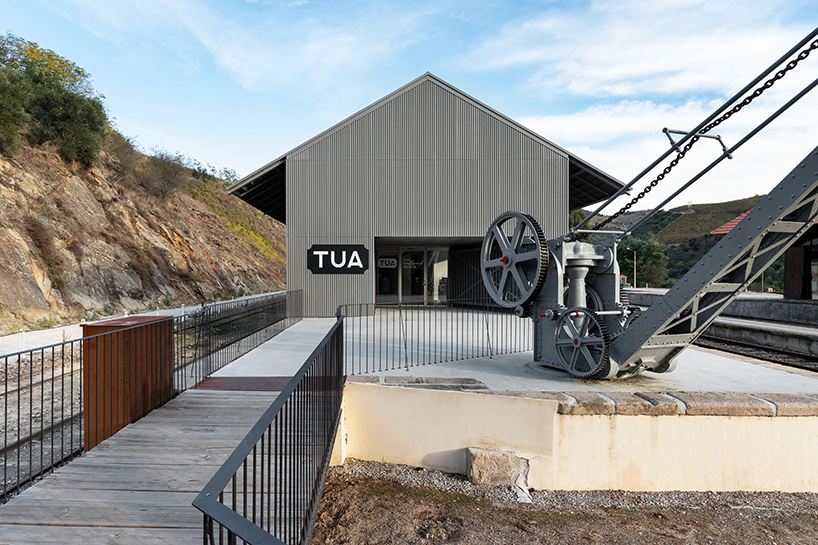
zinc cladding was chosen to fit in with the site’s industrial character
1/4

shop
your own online design shop — no sales commission collected