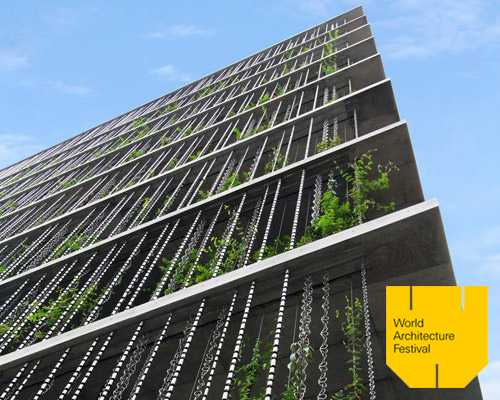
seo inc. and jun hashimoto clad JCCU façade with toh rain-chain
first used around the azuchi momoyama period, approximately 1558-1600AD, rain-chains (kusari-toi in japanese) are objects which hang from a roof and function as eave spouts.
prefer designboom on google[FEATURED]
rain-chain (kusari-toi in japanese) is a general term used to describe any object which hangs from a residential roof and functions as an eave spout. a japanese style, the functional pieces first started showing up around the azuchi momoyama period approximately 1558-1600AD. at that time, fibers from the outermost layer of hemp plants were woven into a rope, which was then hung on a home’s eaves.
UPDATE: the co op kyosai plaza won the ‘office – completed buildings award’ at the 2017 world architecture festival.
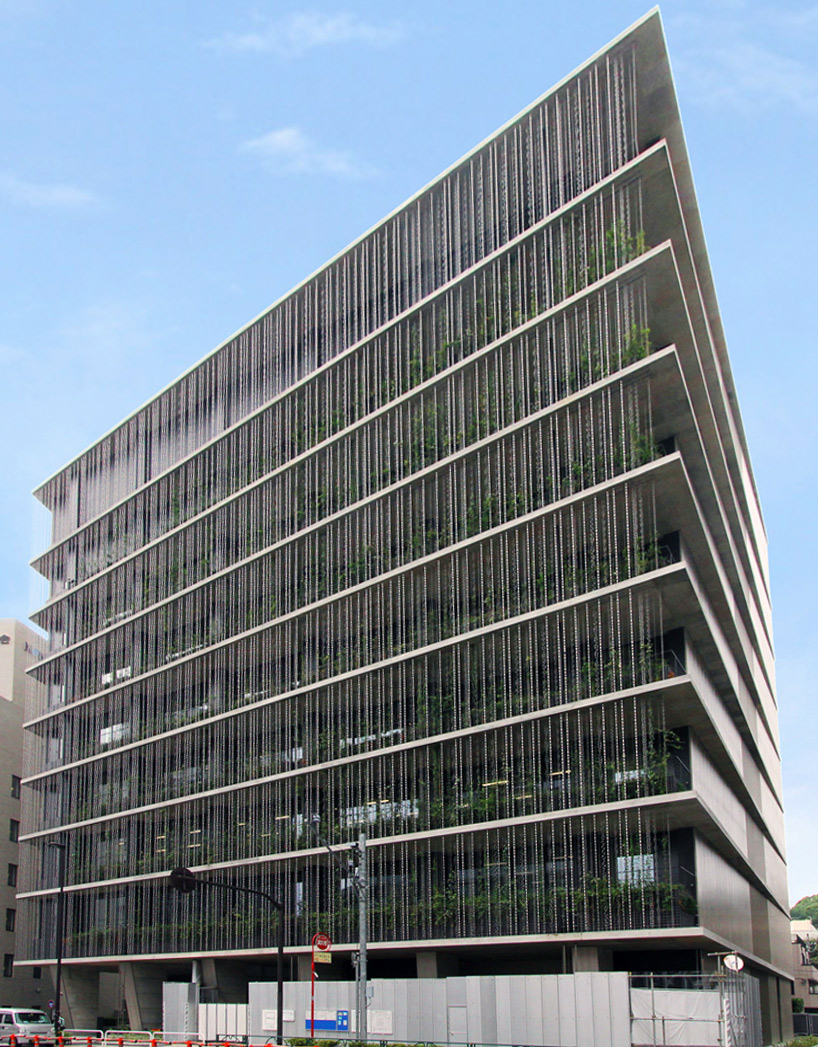
all images courtesy of seo inc.
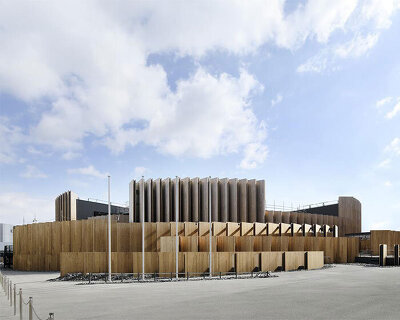
a lot has occurred since then, but the rain-chain is still in use, finding its home now as exterior decoration on the co-op kyosai building belonging to the japanese consumers’ cooperative union. created in collaboration between seo inc. and interior designer jun hashimoto, ‘toh’ — rain-chain model — has been installed on the entirety of the front and back of the multi-story façade. the building was designed by tatsuya hatori and nikken sekkei ltd.
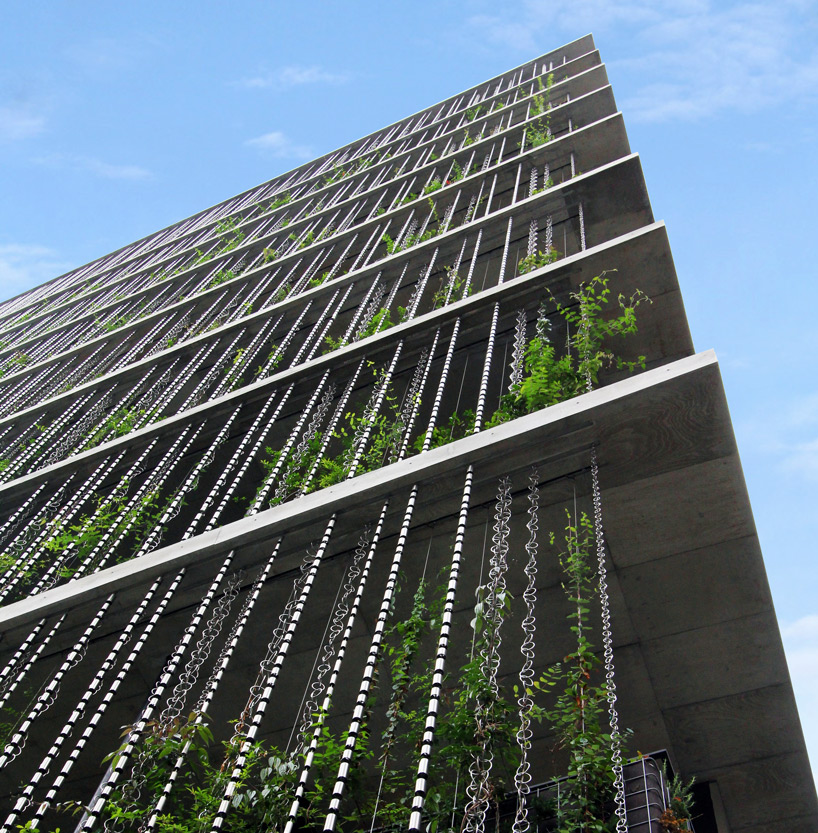
façade detail
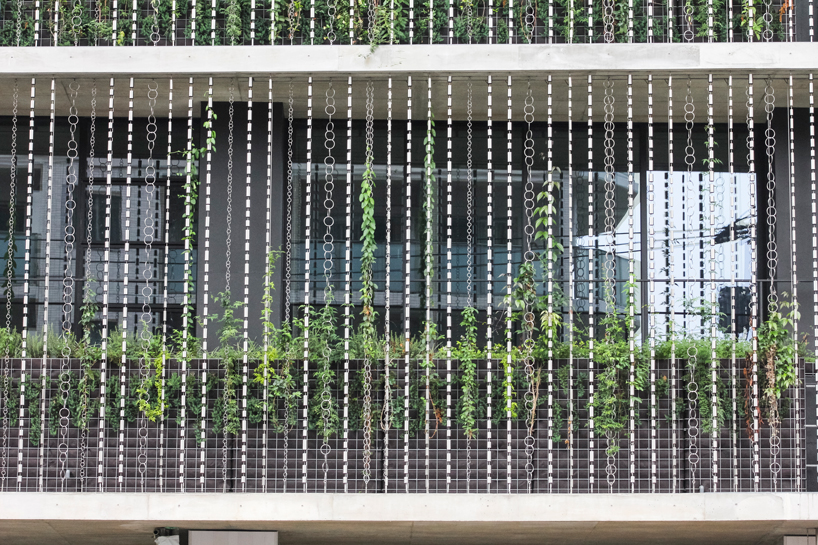
floor detail
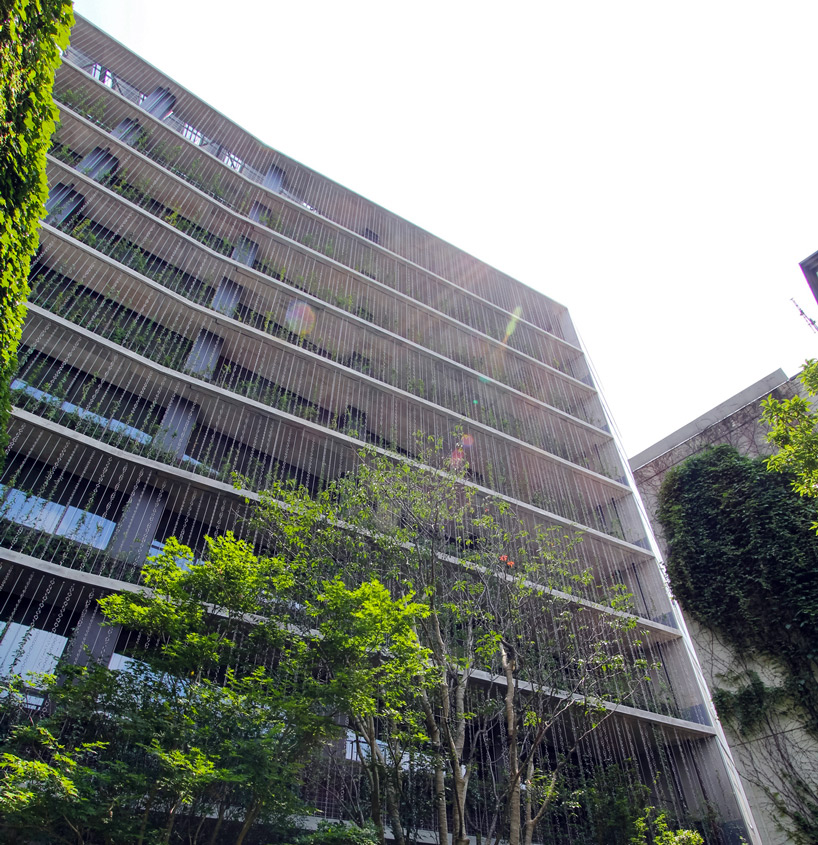
the rain-chains cover the entire exterior on both front and rear of the building
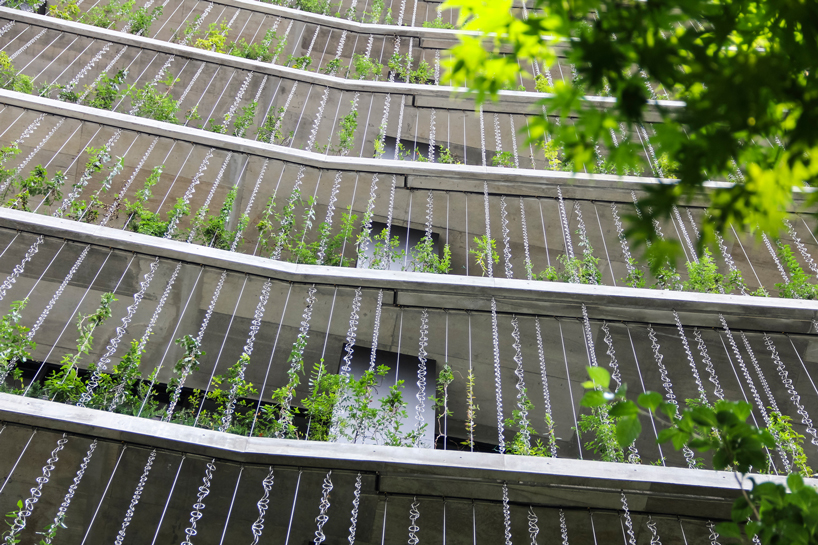
back of building
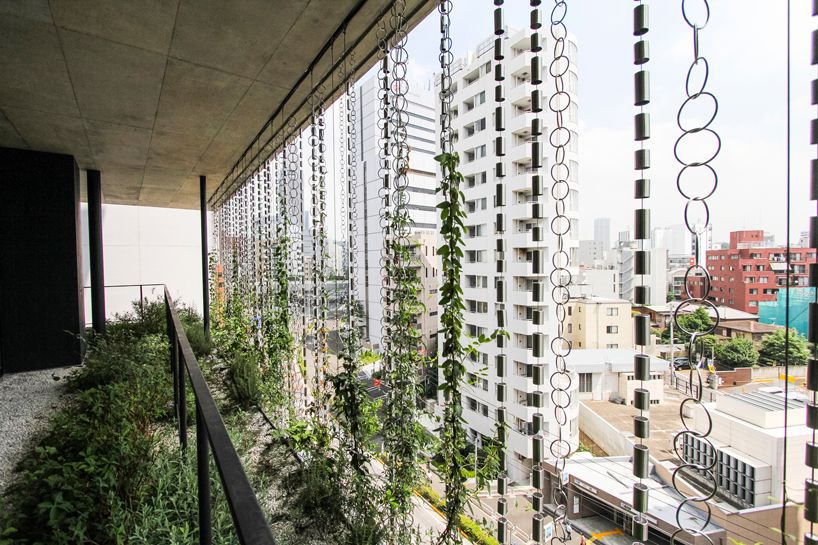
various rain-chains
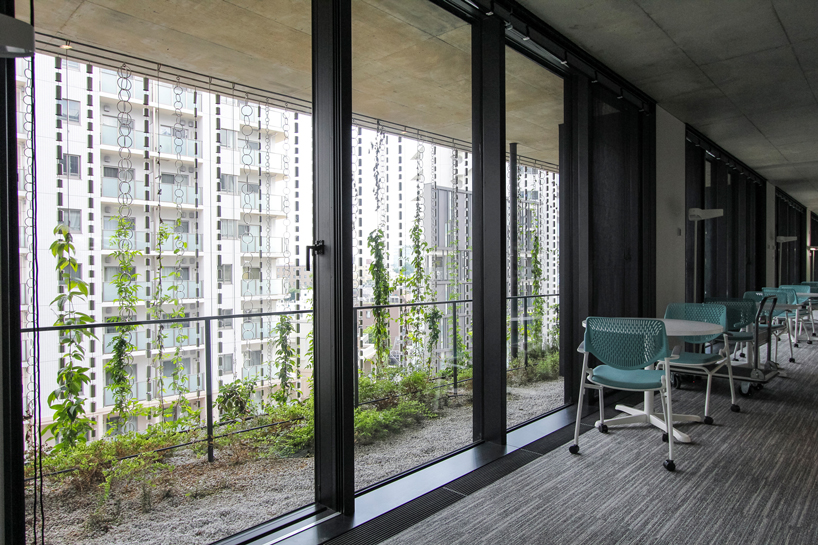
seating area with exterior elements
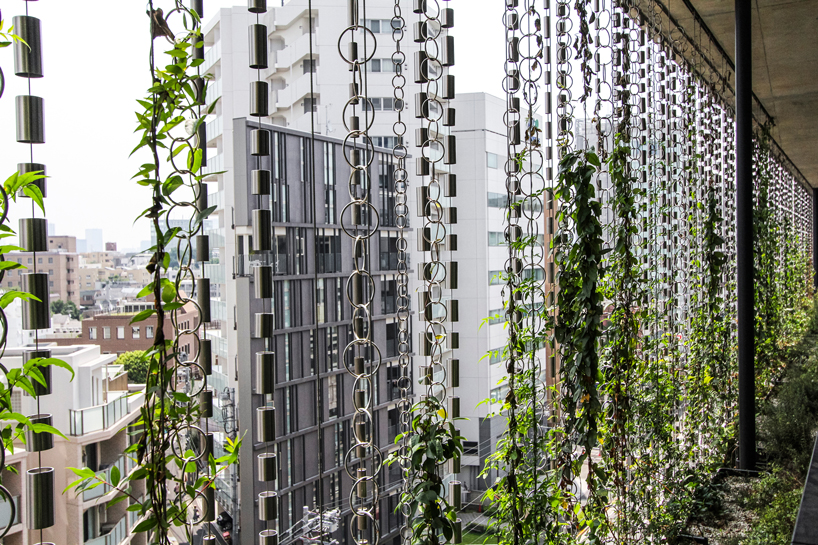
view from inside
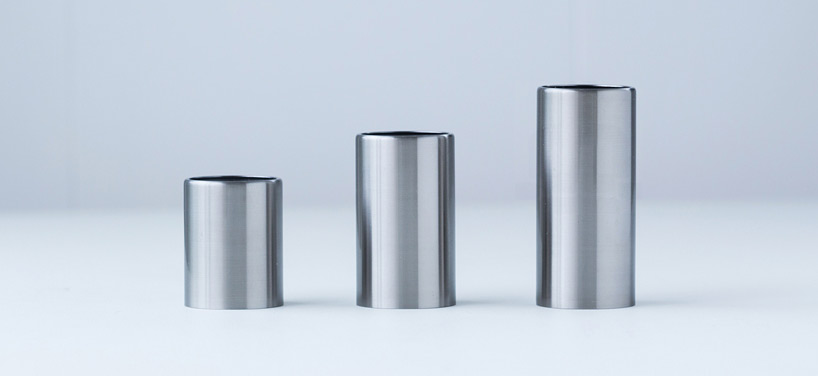
components
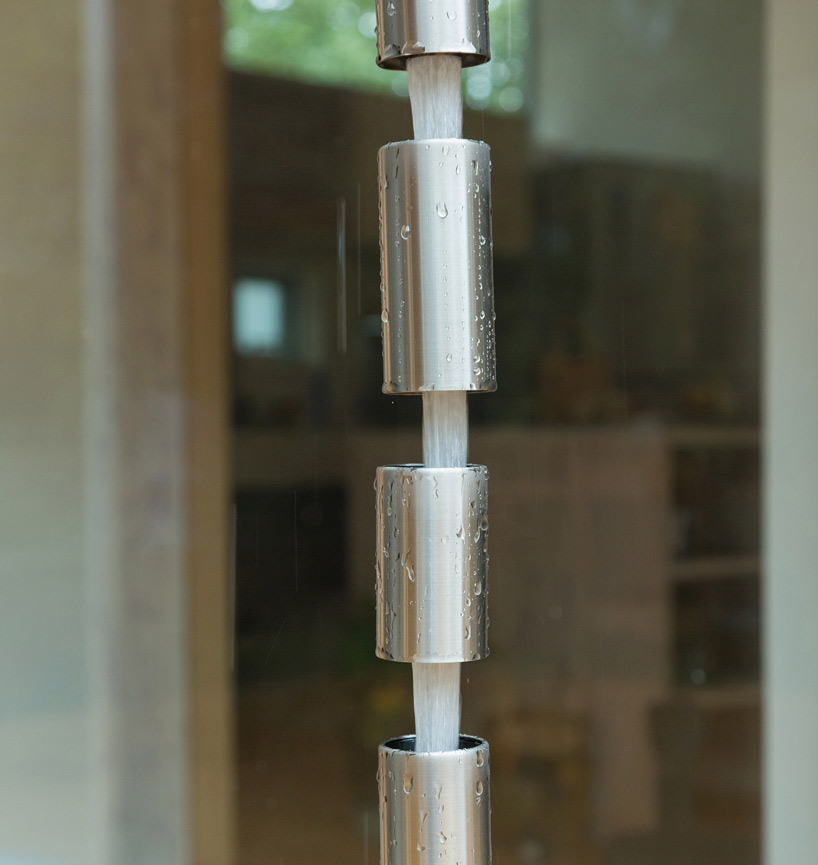
the ‘toh’ rain-chain

rain-chain production
designboom has received this project from our ‘DIY submissions‘ feature, where we welcome our readers to submit their own work for publication. see more project submissions from our readers here.
shop
your own online design shop — no sales commission collected