shigeru ban, francis kere + gringo cardia: the humanitarian adventure
shigeru ban, francis kéré and gringo cardia have conceived the scenography for the permanent exhibition space at the red cross museum in geneva, switzerland.
[FEATURED]
one hundred years of prevention – reducing natural risksarchitect: shigeru banphoto: alain germond, ©MICR
a new permanent exhibition at the musée internationale de la croix-rouge in geneva, switzerland has been unveiled. organized around three central topics: ‘reducing natural risks’, ‘restoring family links’ and ‘defending human dignity’, the scenography of each space has been designed by an international architects: shigeru ban (japan), diébédo francis kéré (burkina faso), and gringo cardia (brazil). the distinct areas have been built to instill a sense of hopeand human resilience, expressing the belief that even small actions can make a difference. entire display has beendeveloped to be anything but static, offering visitors an interactive and emotional experience.
 chamber of witnesses – reducing natural risksarchitect: shigeru banphoto: alain germond, ©MICR
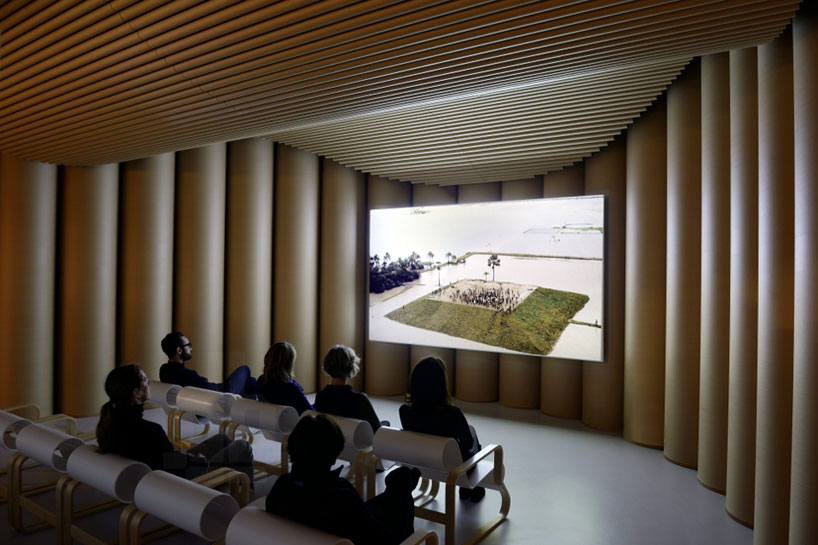
the design for ‘reducing natural risks’ has been conceived by shigeru ban. the construction utilizes the japanese architect’s signature building material of cardboard tubes of varying sizesused to define the space.
‘we have built temporary lodgings, some schools and churches in the refugee camps in africa and the zones stricken by natural disasters using recycled tubes of paper,’ says ban. ‘in the museum, the tubes are arranged in organic curves and waves reminiscent of a forest or wetlands – it gives a sense of flexibility, of strength and resilience.’
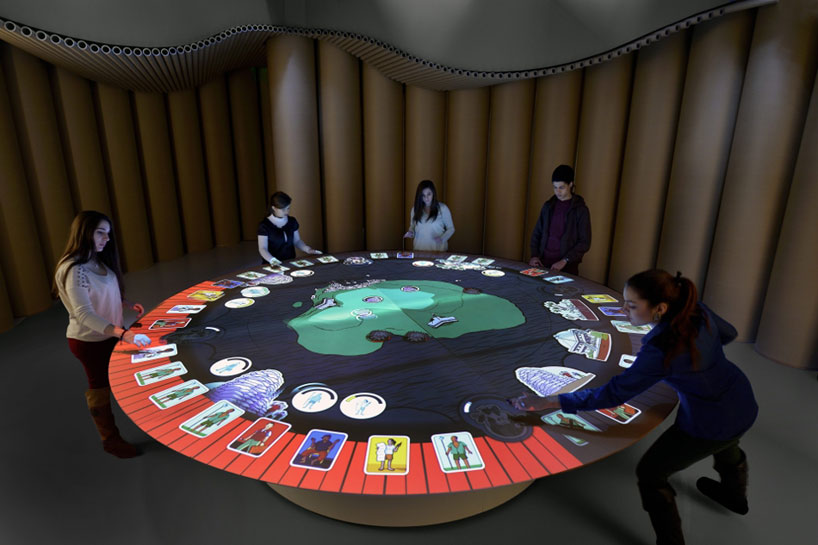 blast theory (UK): hurricane – reducing natural risksarchitect: shigeru banphoto: alain germond, ©MICR
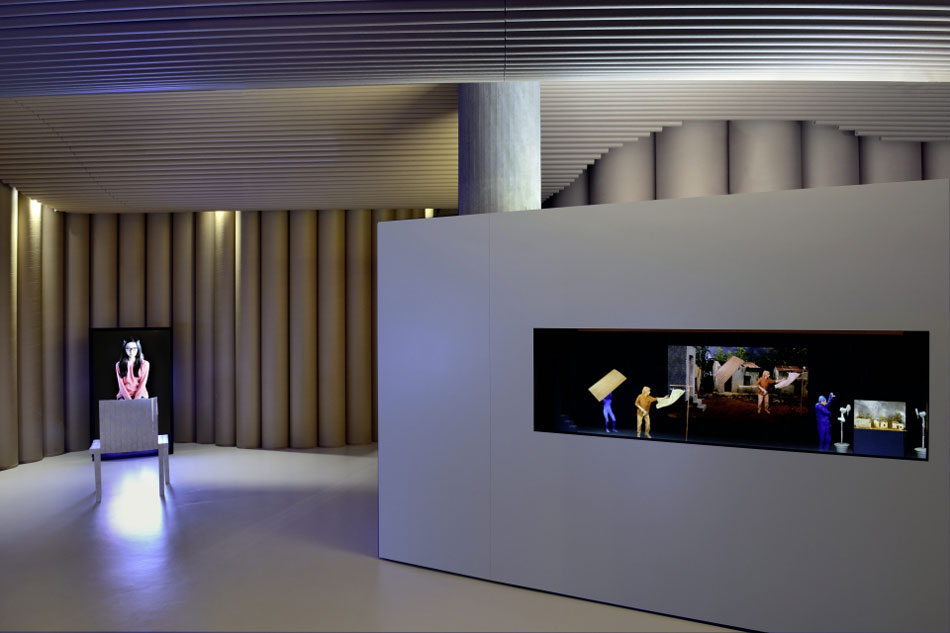
in one of the rooms constructed by ban, there is an interactive game which tests visitors decision making skills, as if they were to experience a hurricane, rating their responses.
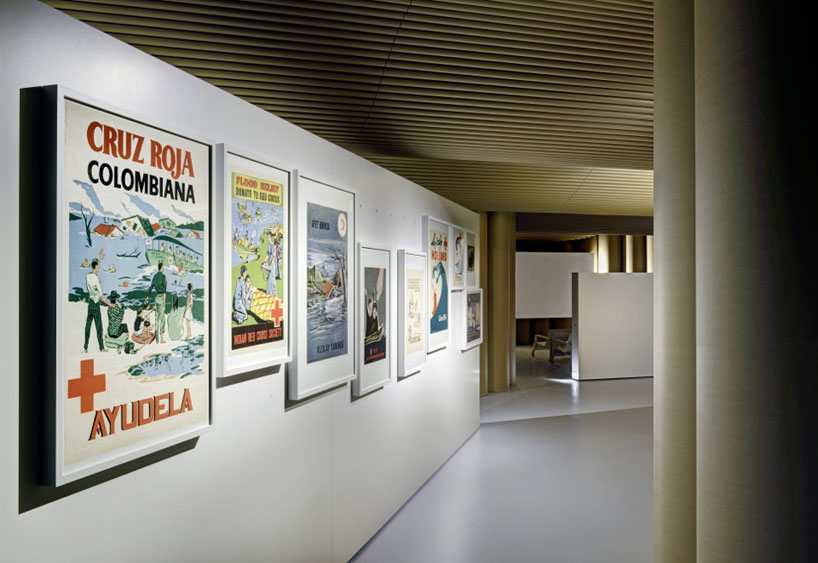 communicating to prevent – reducing natural risksarchitect: shigeru banphoto: alain germond, ©MICR
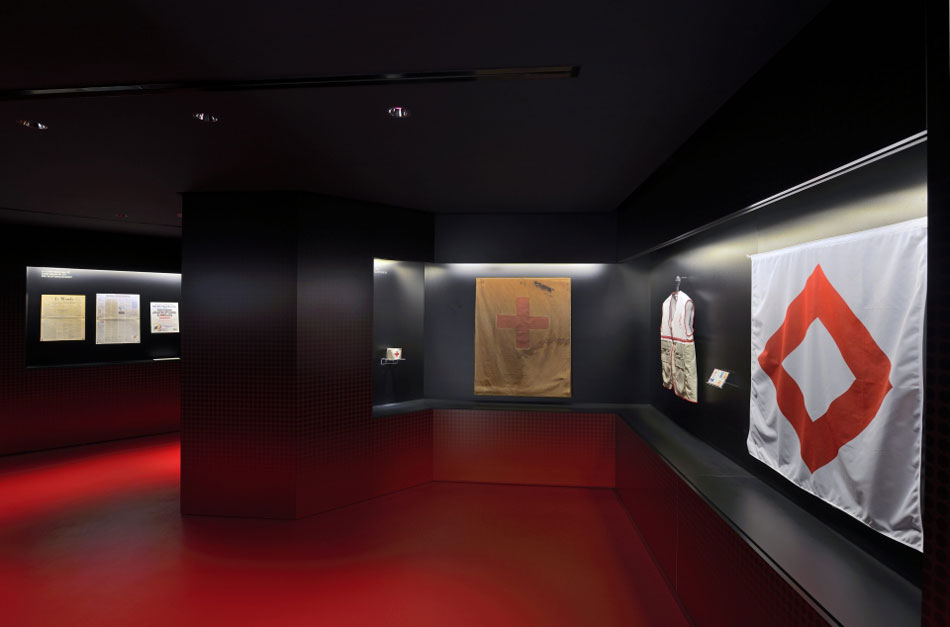
red cross posters from the organization’s international posts line the walls…
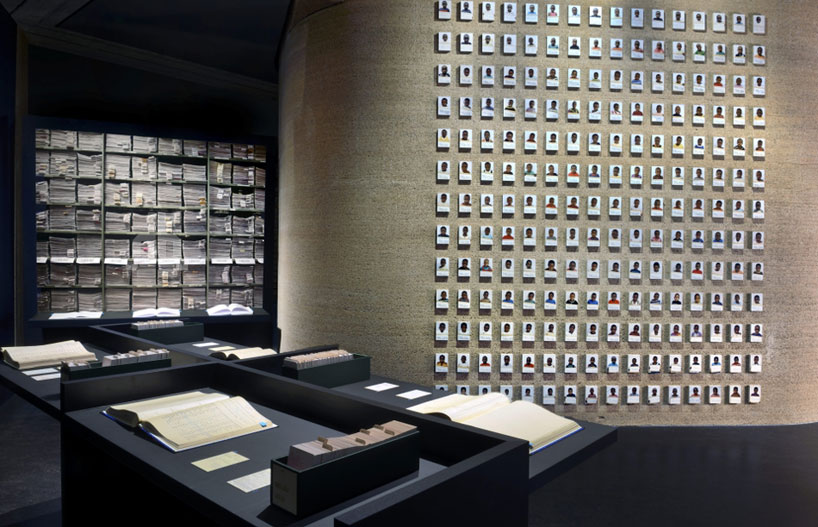 tracing the missing: consultation tables – restoring family linksarchitect: diébédo francis kéréphoto: alain germond, ©MICR
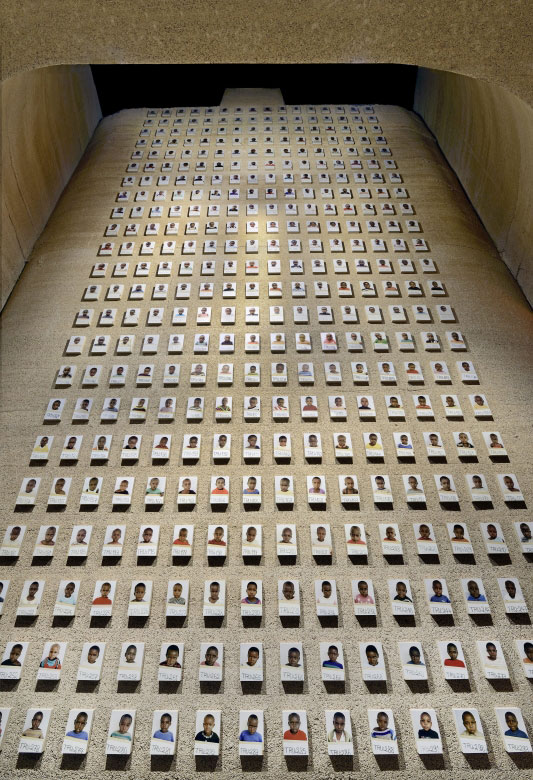
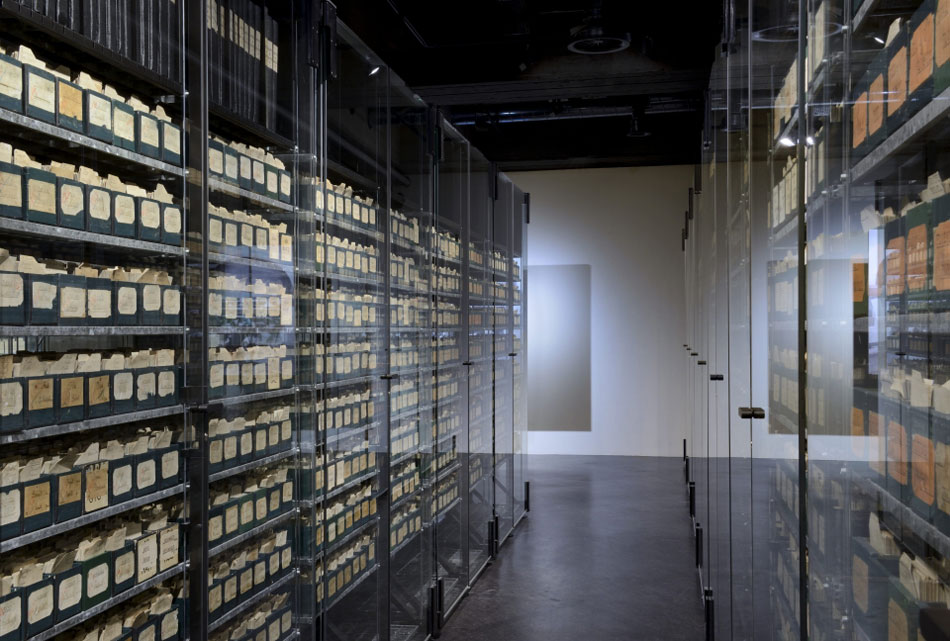
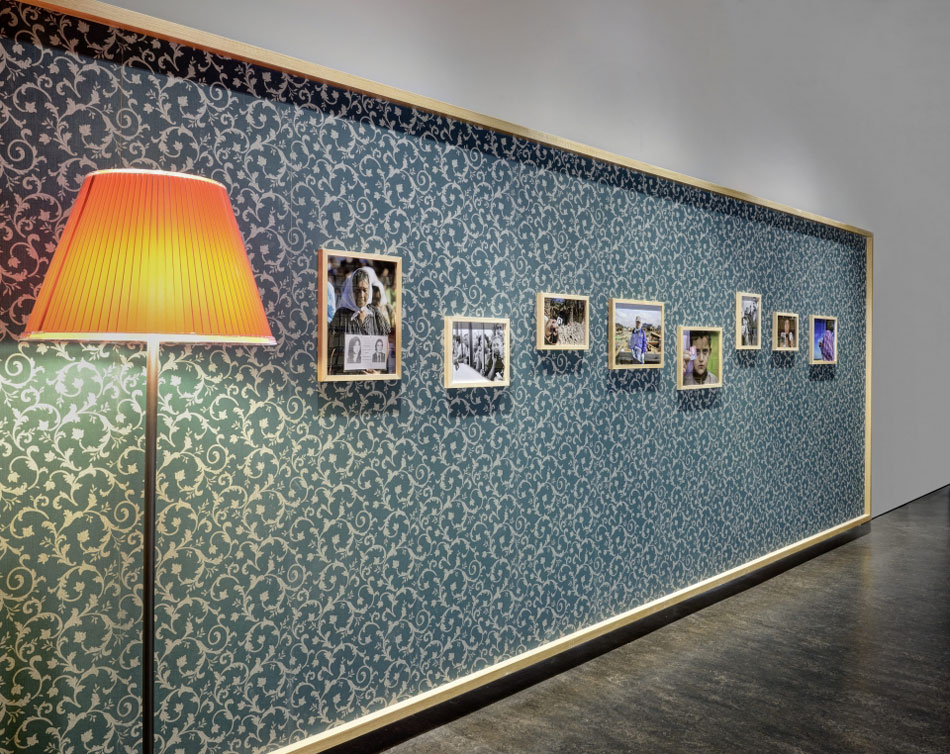
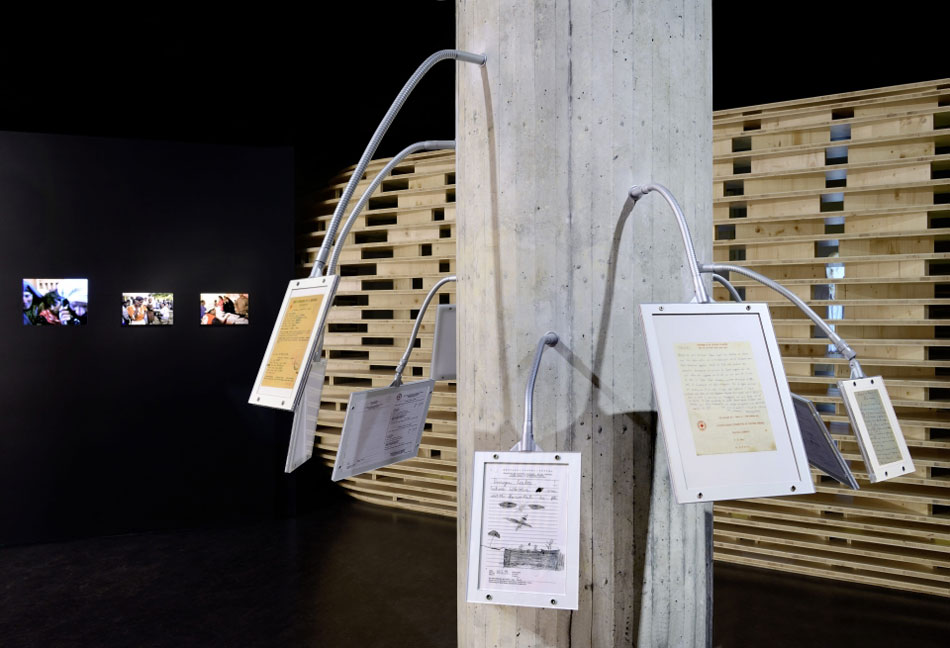
francis kéré has created an archive in the museum’s exhibition segment ‘restoring family links’. consultation tables and large glass cabinets have been installed, organizing the documentation of civilians and prisoners of world war I. on a hemp lined wall, photographs of rwandan children are displayed, a means of which helped themreunite with relatives during the country’s 1994 genocide. see designboom’s coverage of francis kérés initial conceptfor the exhibit here.
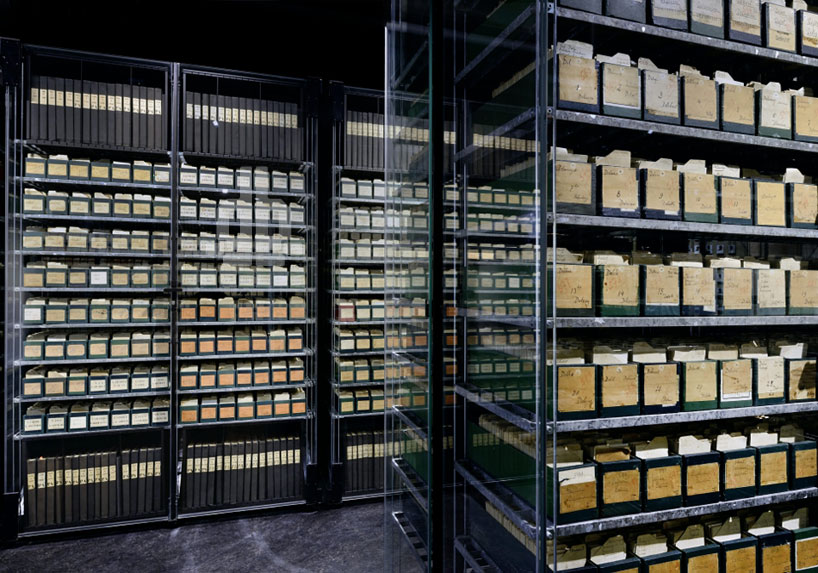 international prisoners of war agency (1914-1923) – restoring family linksarchitect: diébédo francis kéréphoto: alain germond, ©MICR
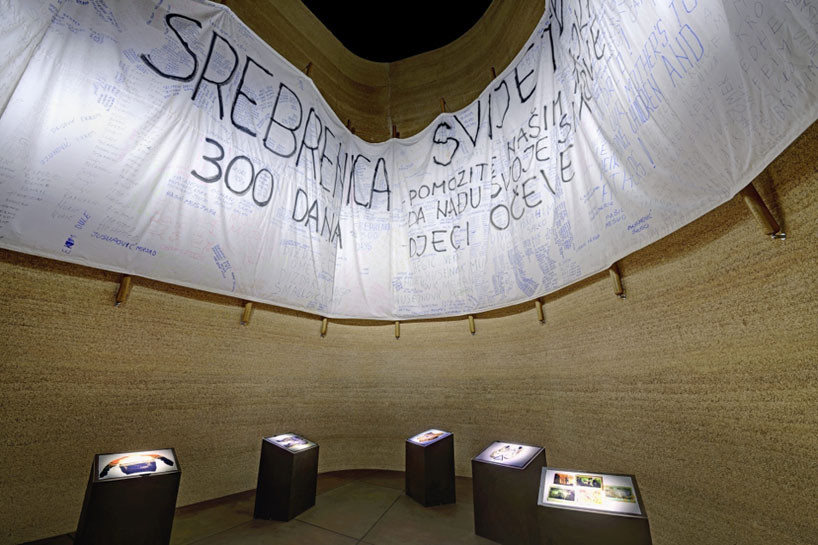 tracing the missing: srebrenica – restoring family linksarchitect: diébédo francis kéréphoto: alain germond, ©MICR
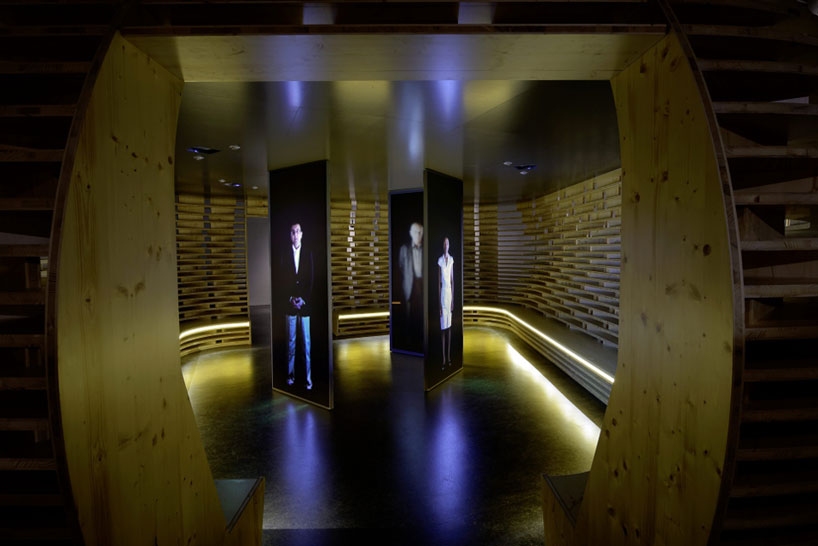 chamber of witnesses – restoring family linksarchitect: diébédo francis kéréphoto: alain germond, ©MICR
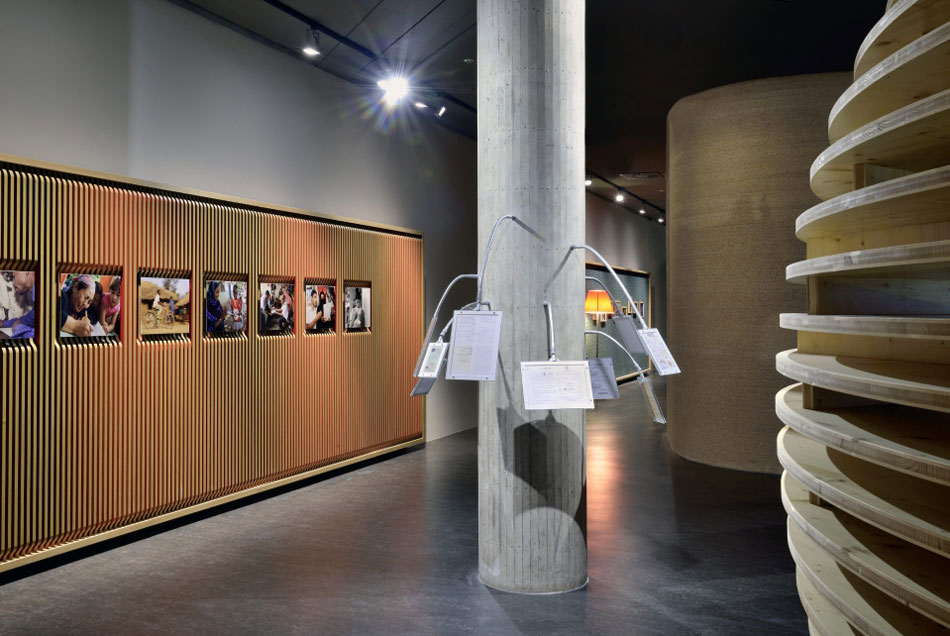 receiving news – restoring family linksarchitect: diébédo francis kéréphoto: alain germond, ©MICR
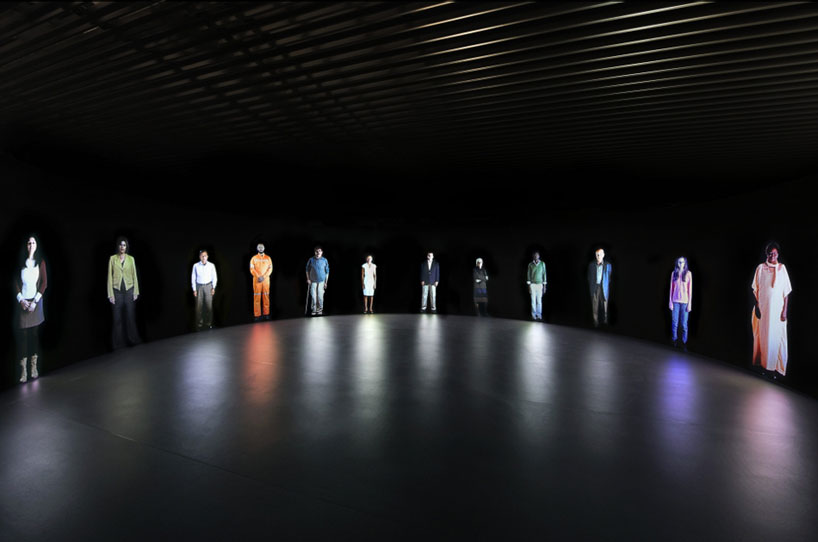 chamber of witnessesphoto: alain germond, ©MICR
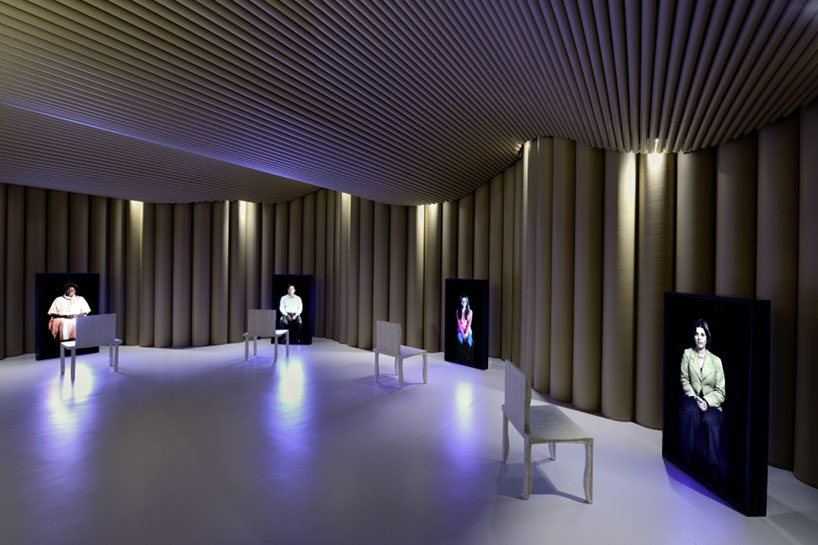
within the ‘hall of witnesses’, life-sized projections of real people touched by conflict, natural disaster or humanitarian interventiontell their stories, including emmanuel jal, a former child soldier from sudan who was converted by an aid worker who encouraged himto go to school, where he regained some of his forgotten humanity.
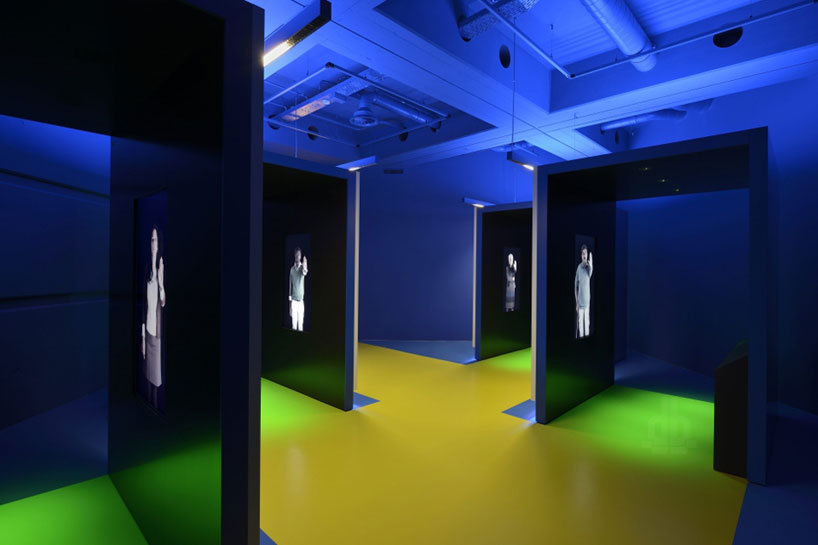 chamber of witnesses – defending human dignityarchitect: gringo cardiaphoto: alain germond, ©MICR
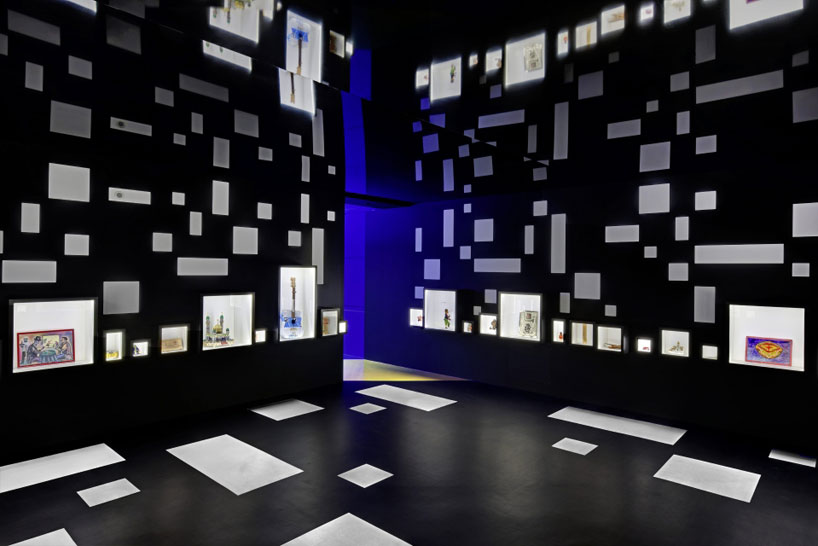 prisoners’ objects – defending human dignityarchitect: gringo cardiaphoto: alain germond, ©MICR
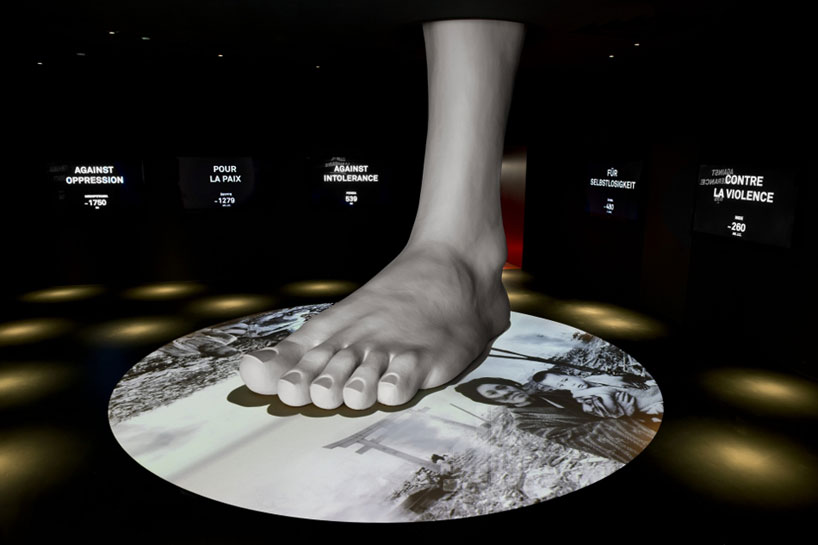 dignity trampled underfoot – defending human dignityarchitect: gringo cardiaphoto: alain germond, ©MICR
the main feature of gringo cardia’s ‘defending human dignity’ exhibit is a massive foot which seems to be descending from the sky,standing on projections depicting people affected by disaster and conflict which could be interpreted as a symbol ofthe power of oppression, or of the enduring strength of humanity.
‘a huge foot could be one that crushes others, or one that runs, fragile and barefoot, for survival,’ he says.
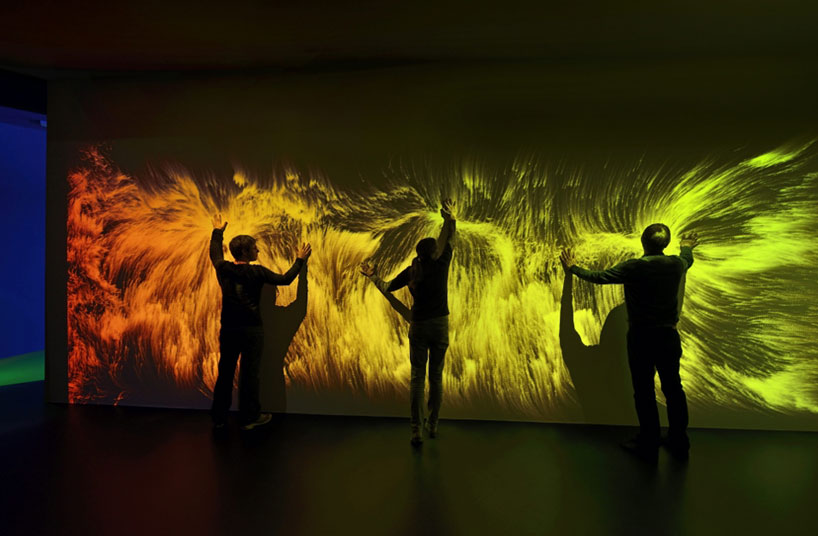 the colours of dignity in partnership with EPFL + ECAL lab – defending human dignityarchitect: gringo cardiaphoto: alain germond, ©MICR
a look at ‘the humanitarian adventure’video courtesy of the musée croix rouge

1/8
shop
your own online design shop — no sales commission collected