SoPA uses rammed earth and traditional techniques to build school library in tanzania
throughout the building's realization, the design team engaged the local community and its craftspeople.
prefer designboom on google[FEATURED]
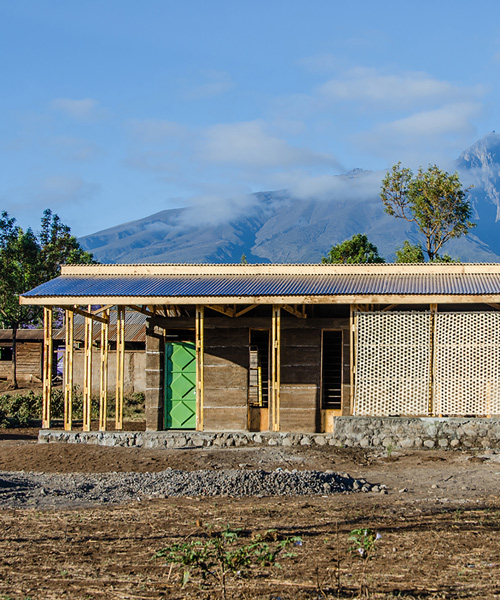
in kibaoni, a small tanzanian village close to the kenyan border, SoPA (social practice architecture) has completed a school library built out of rammed earth. importantly, the project uses traditional construction methods rather than imported materials and techniques, which, according to the architects, are often inefficient with a detrimental effect on the environment. the design team also says that the ‘amani library’ can serve as an example to future developments, including the region’s rural housing.
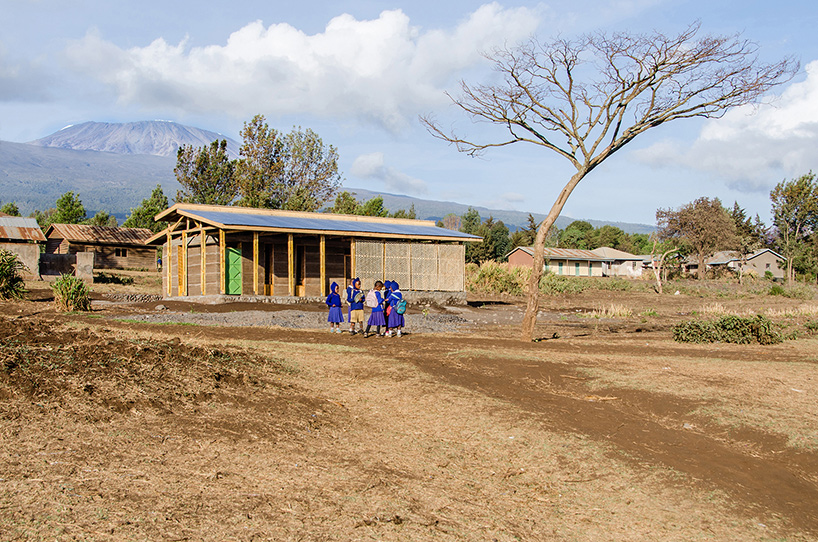
all images by lara briz
‘in tanzania, building with earth represents the past and is associated with poor living conditions,’ explains patricia báscones and lara briz who lead SoPA. ‘traditional materials and techniques adapted to the environment are abandoned in favor of importing expensive and sometimes energy-inefficient materials and products, such as concrete blocks, from which only manufacturers in more advanced economies benefit.’
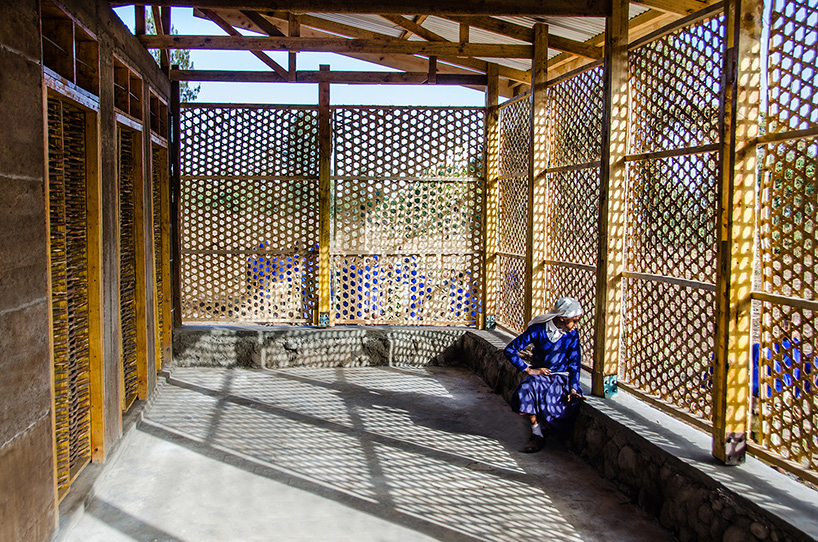
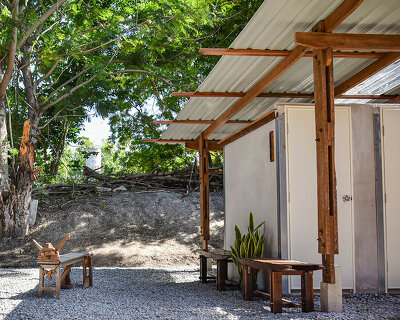
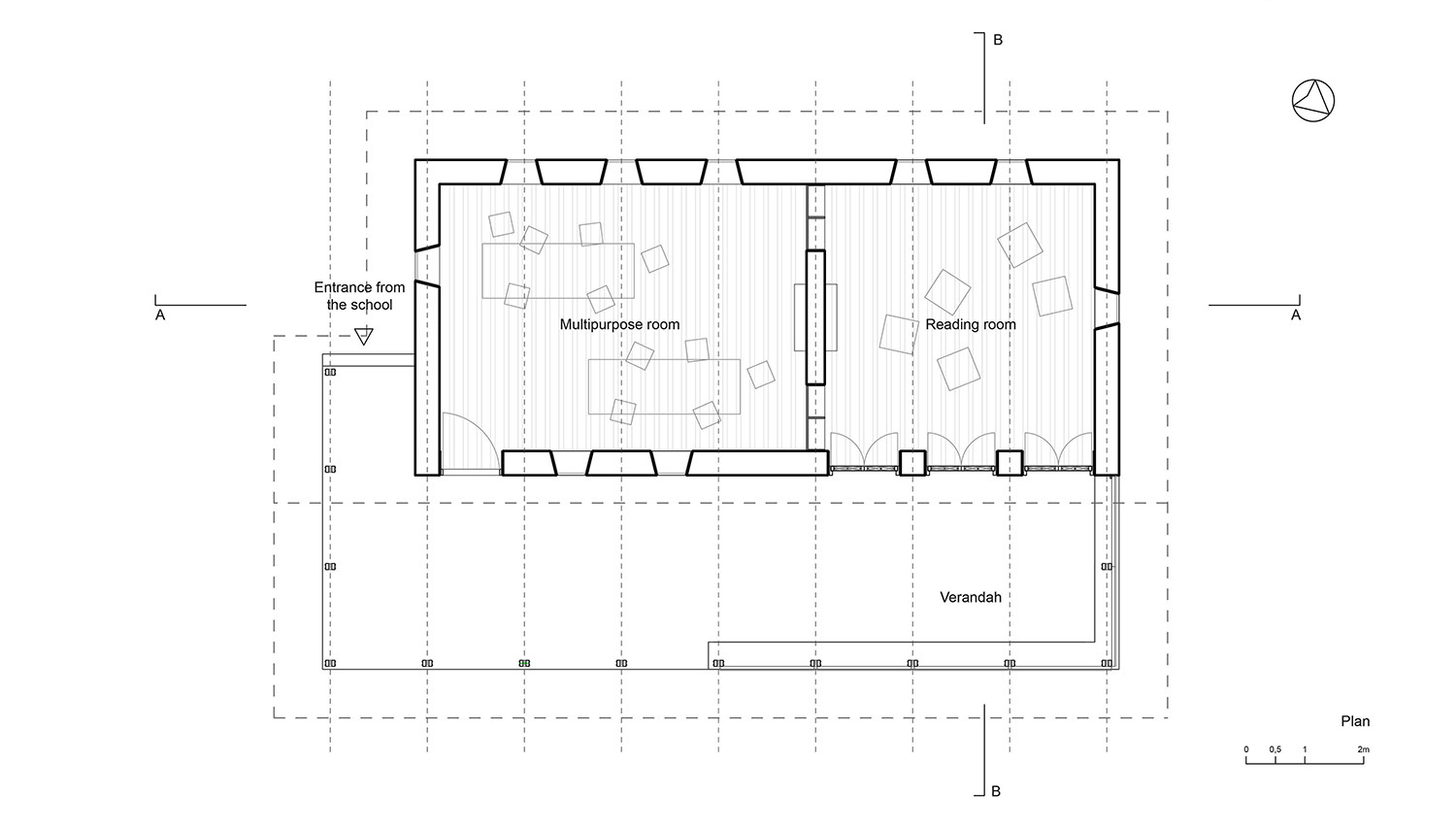
a large verandah is used for recreation
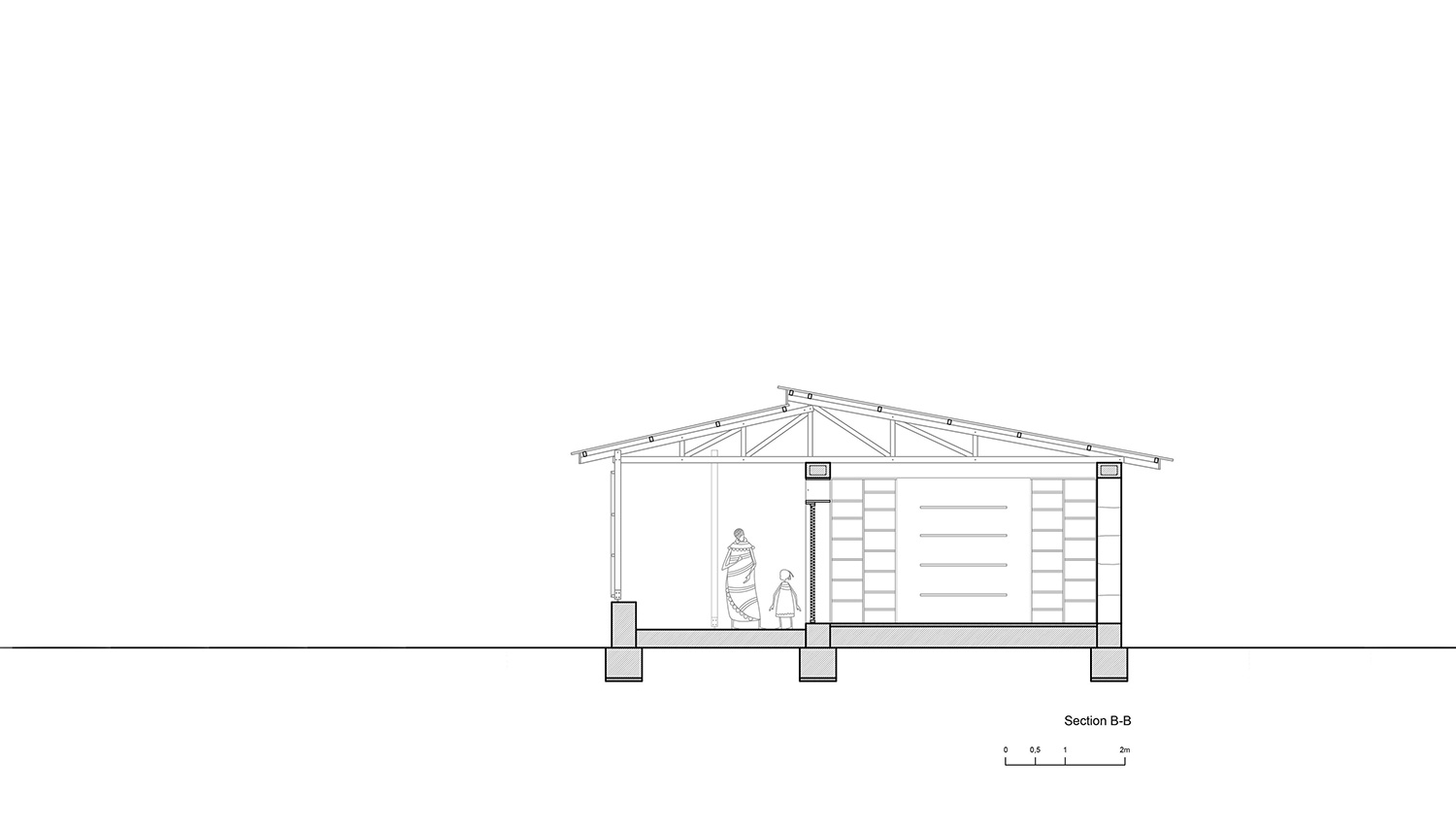
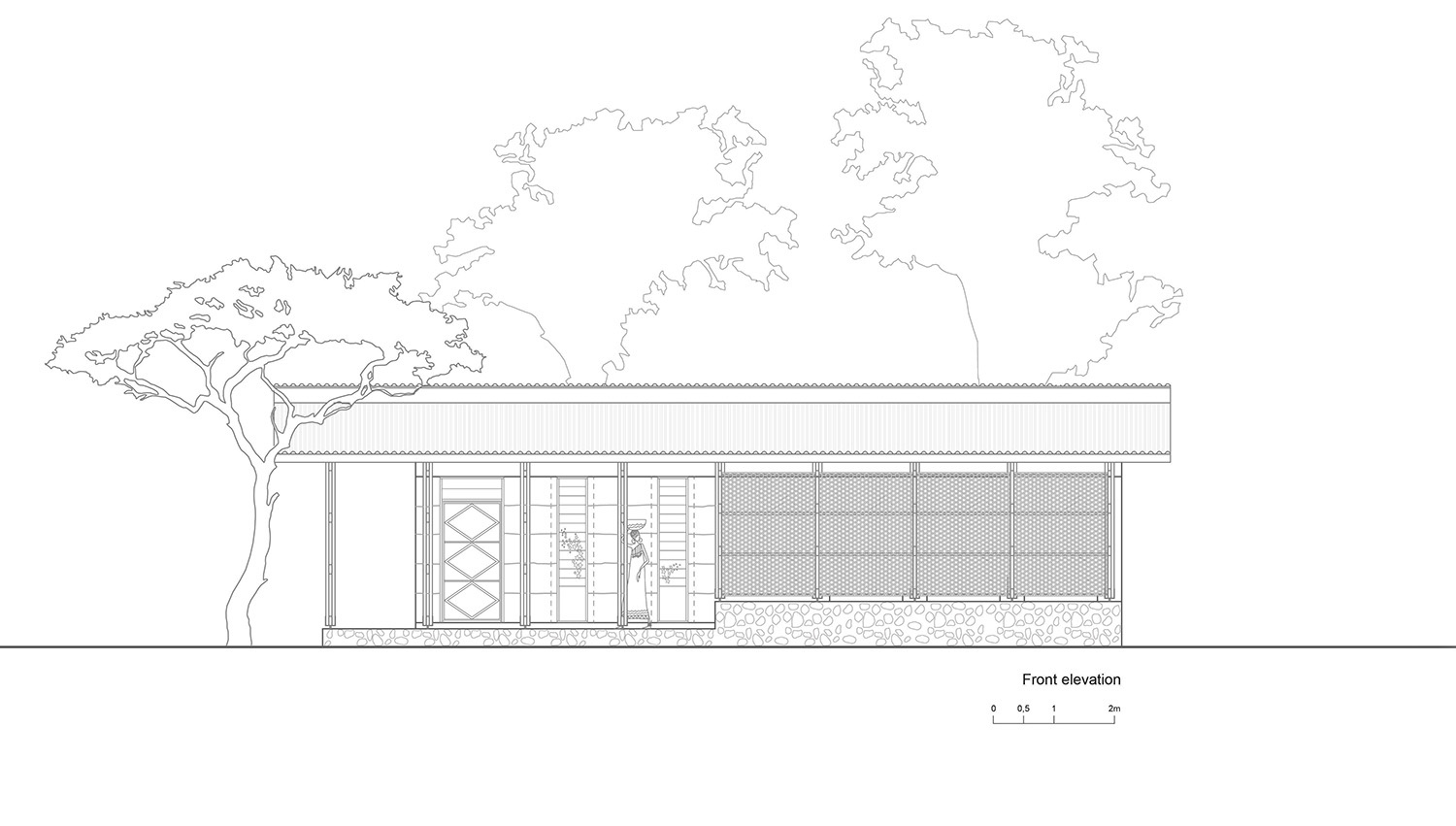
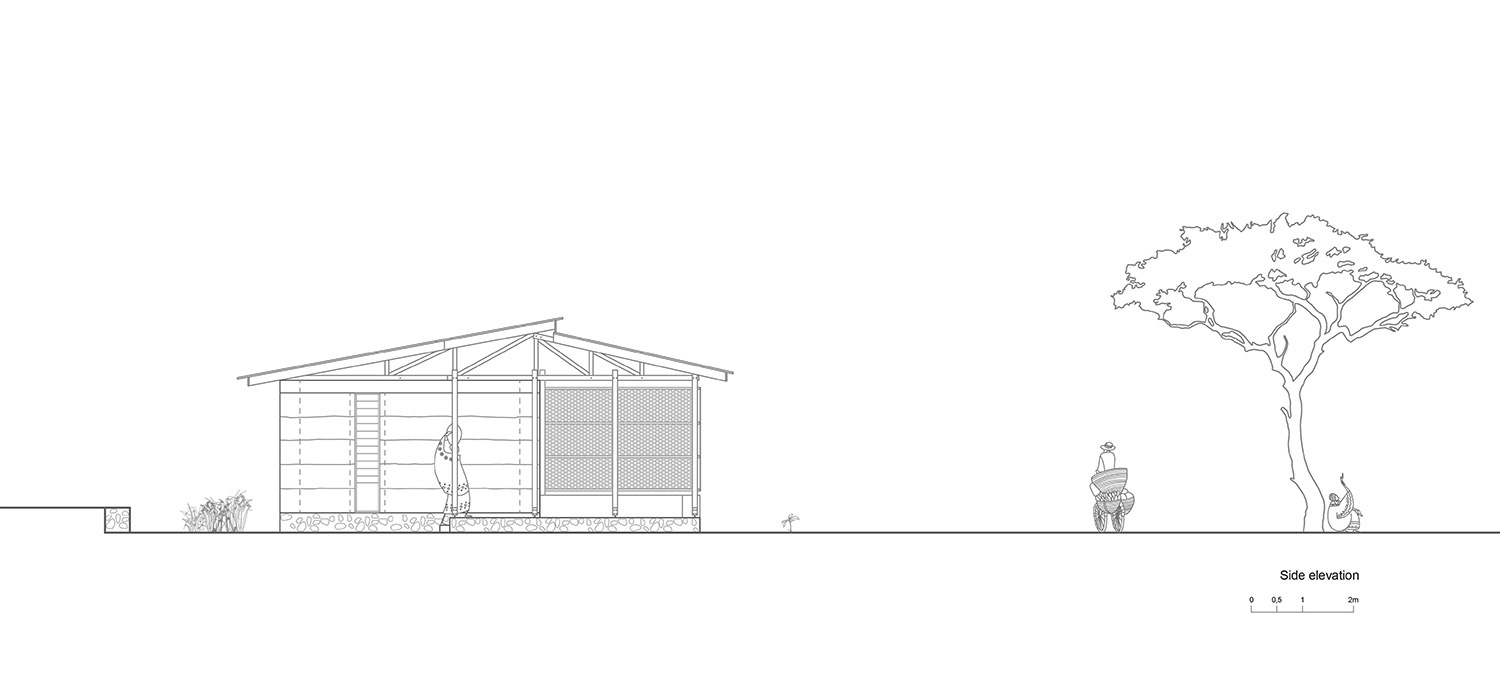
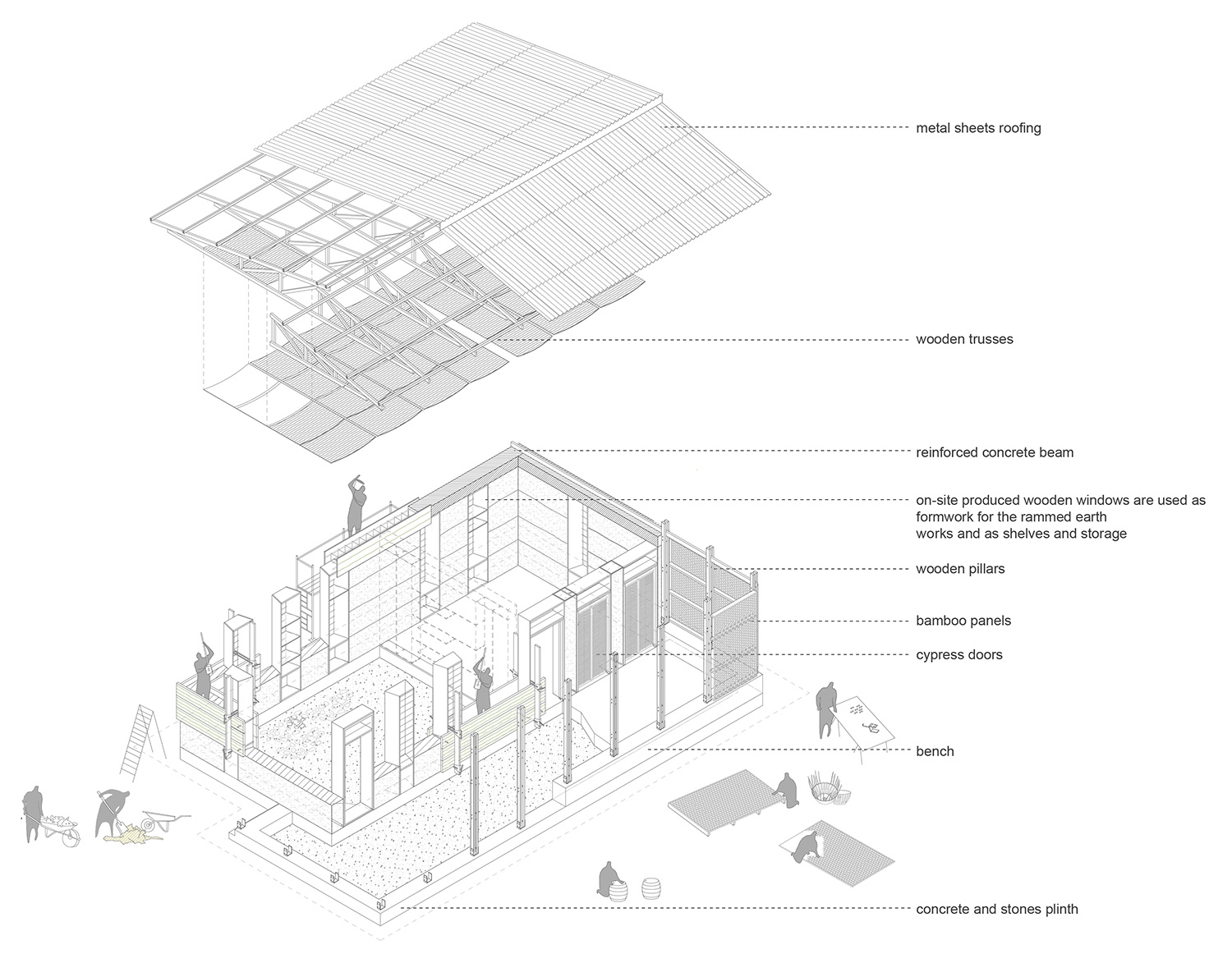
designed to promote a different approach to reading and learning, the building contains three distinct spaces: a multidisciplinary room, enclosed by thick earth walls, for workshops meetings and lessons; a light and open reading room; and a large verandah for recreation. the entire project was constructed in just four months as part of a design-build workshop with kibaoni inhabitants and international participants. throughout the building’s realization, the design team engaged the local community and its craftspeople. handcrafted details can be found on the cypress doors as well as on the verandah’s bamboo enclosure.
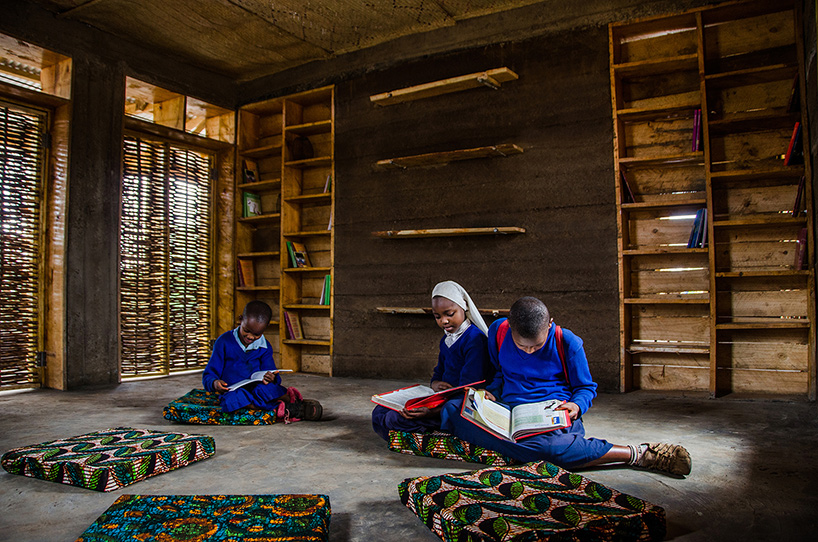
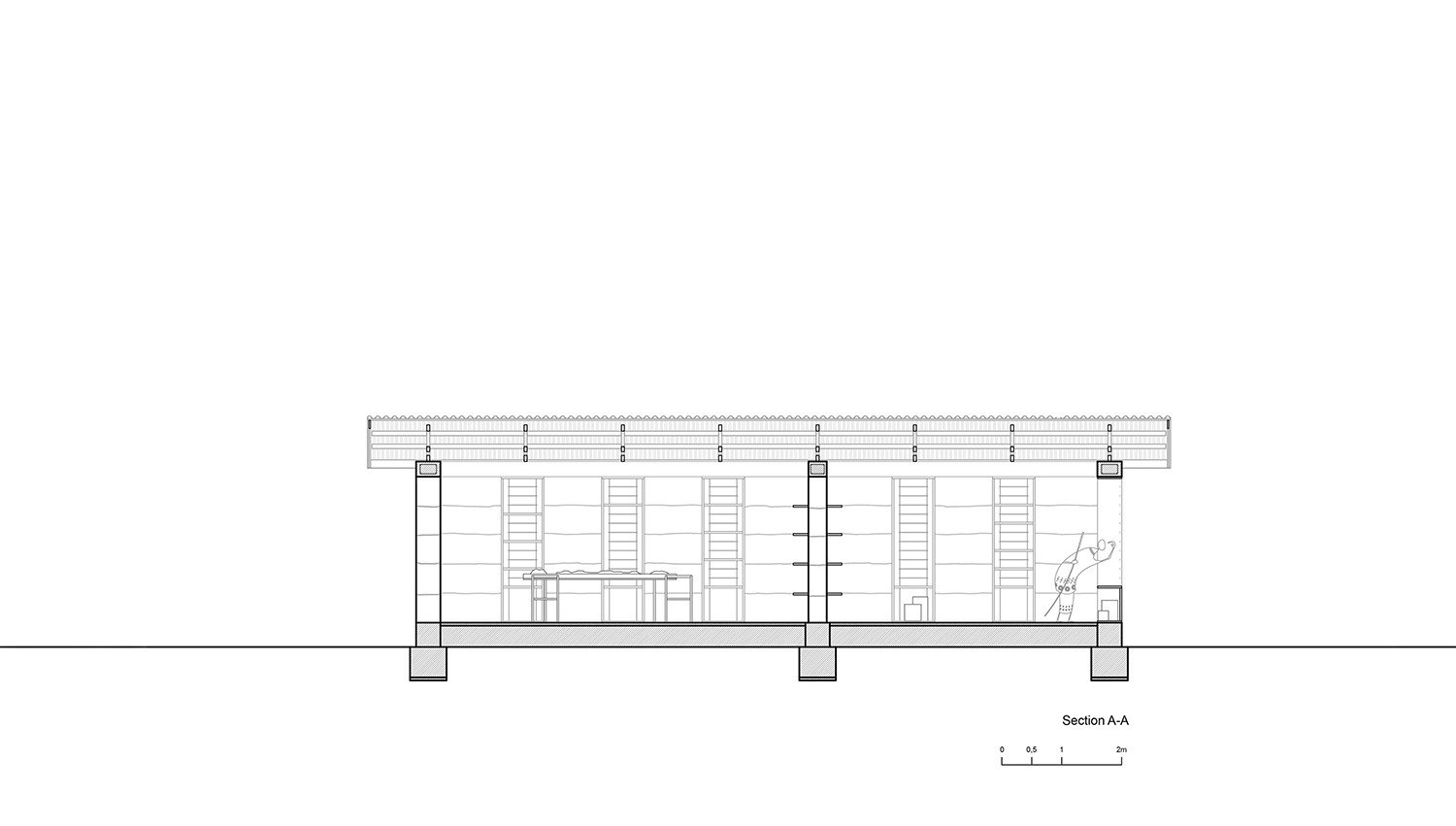
rammed earth has been used in the project’s construction
two primary materials were used: soil excavated from the site and locally sourced wood. the use of rammed earth helps regulate the library’s internal climate, while saving energy and reducing environmental pollution. the material is also reusable and, as it was taken directly from the site, saves costs associated with material acquisition and transportation. ‘the approach carries a developmental character, acting as ‘seed’, as it seeks to form a knowledge base that can contribute to the potential return of traditional materials and techniques in solving the problem of low-cost housing in rural environments,’ says SoPA.
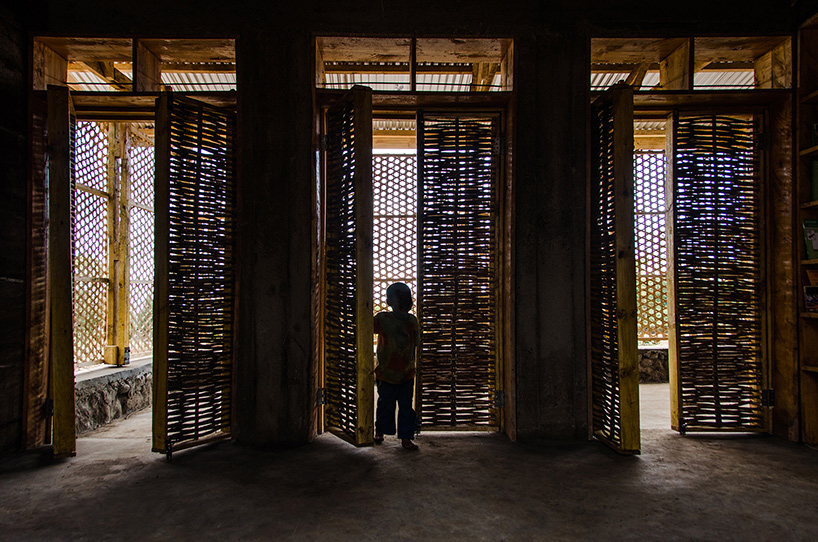 handcrafted details can be found in the cypress doors as well as the verandah’s bamboo enclosure
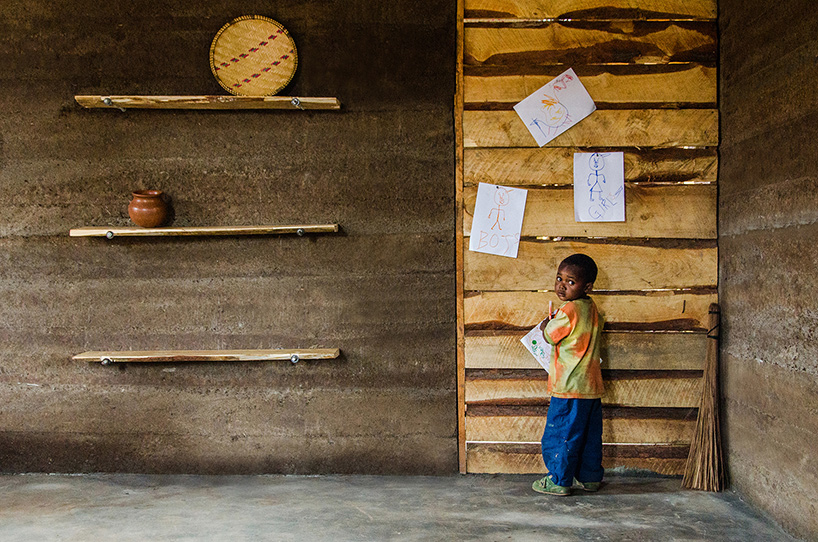
the project uses traditional construction methods and locally sourced materials
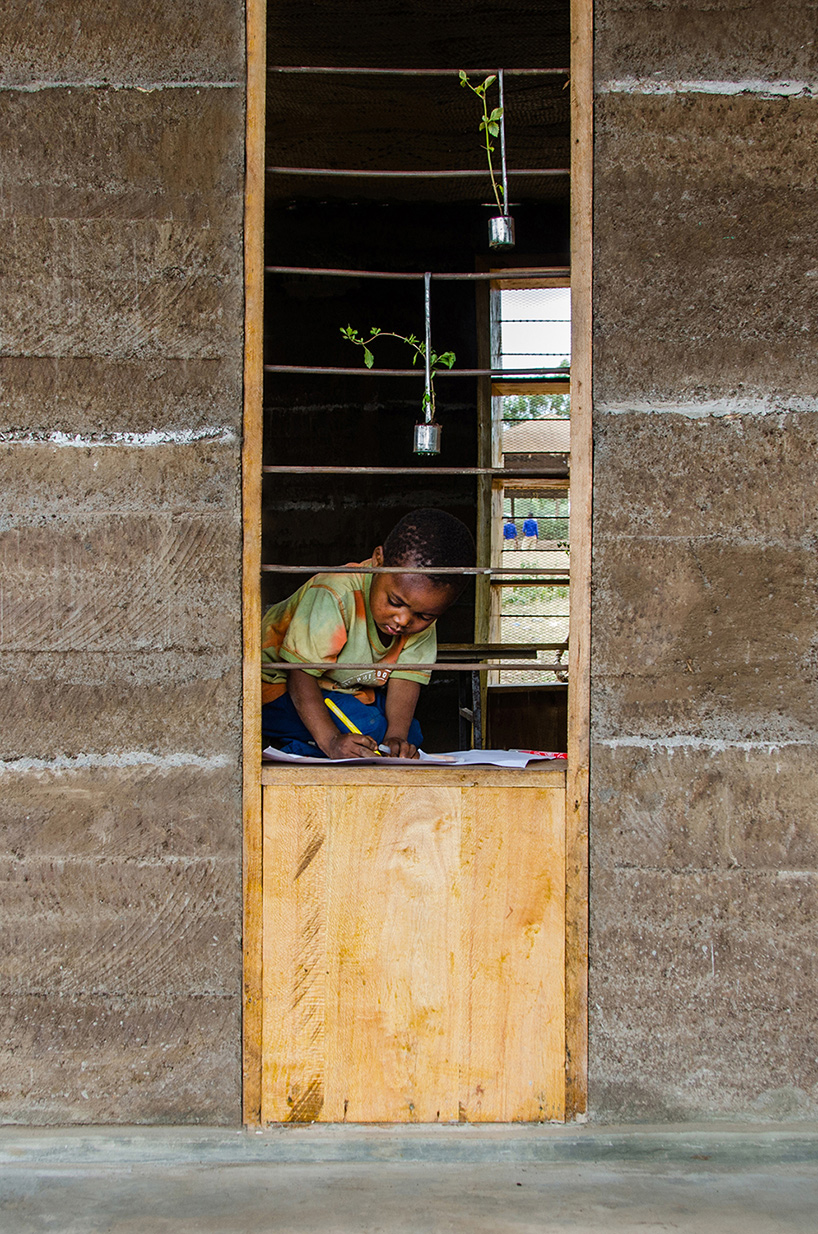
the scheme is designed to promote a different approach to reading and learning
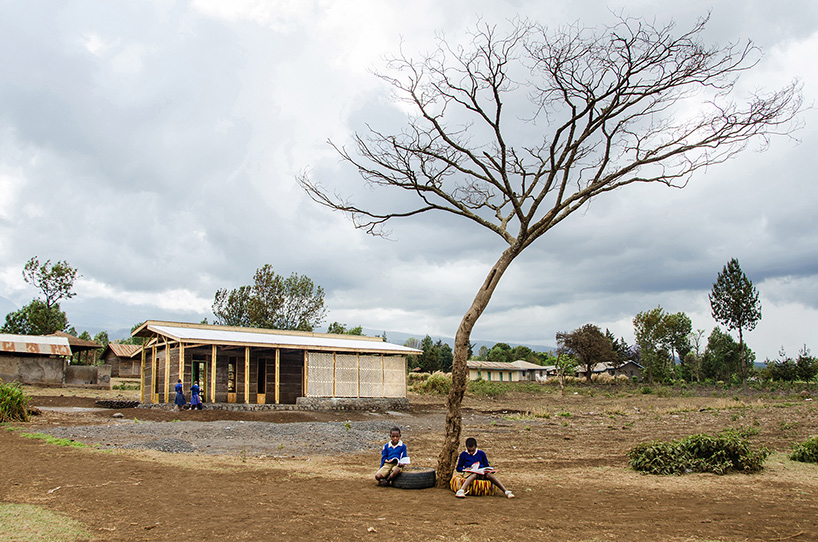
the entire project was constructed in just four months
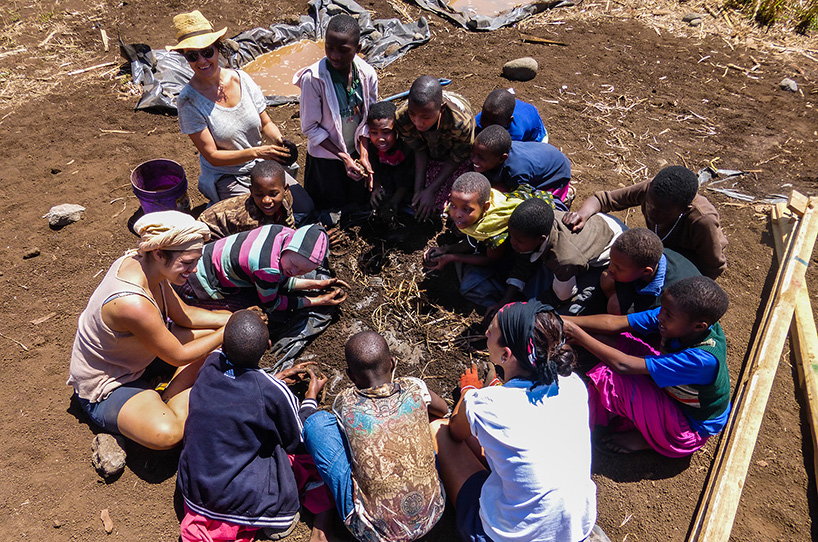
the design team sought to engage the local community and its craftspeople
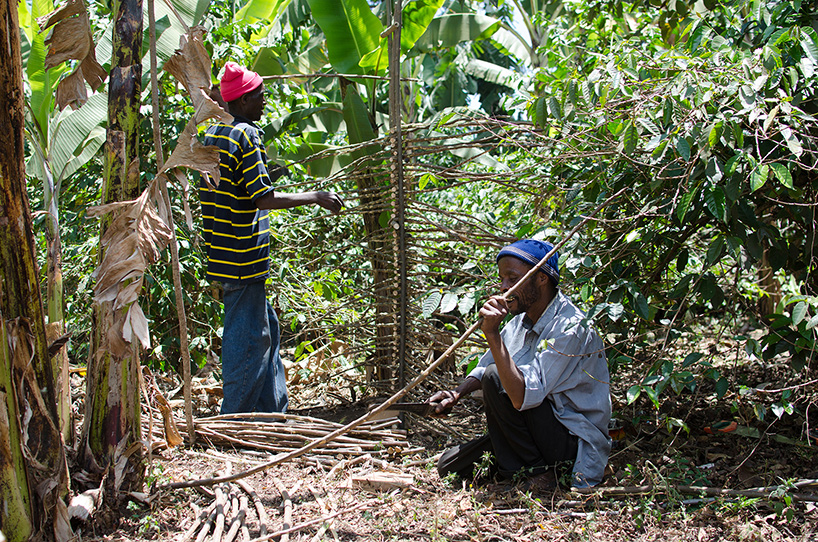 wood is sourced from the neighboring forest
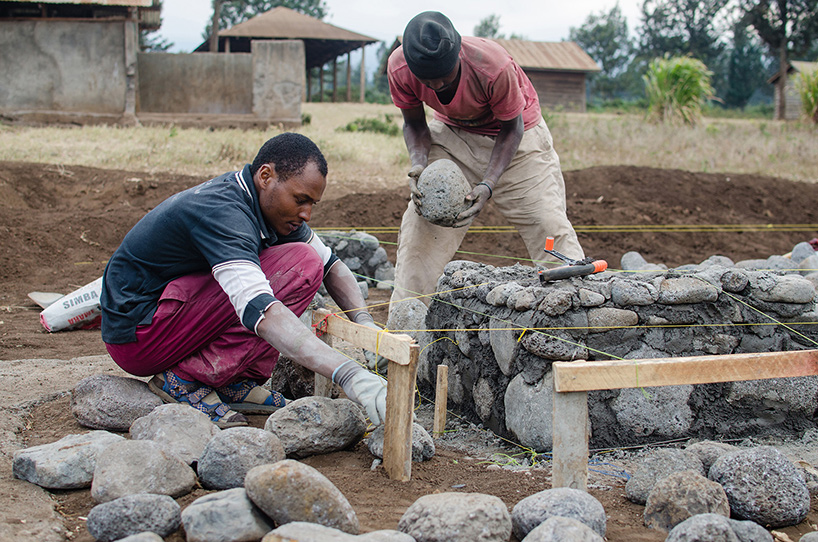
two primary materials have been used: soil excavated from the site and locally sourced wood
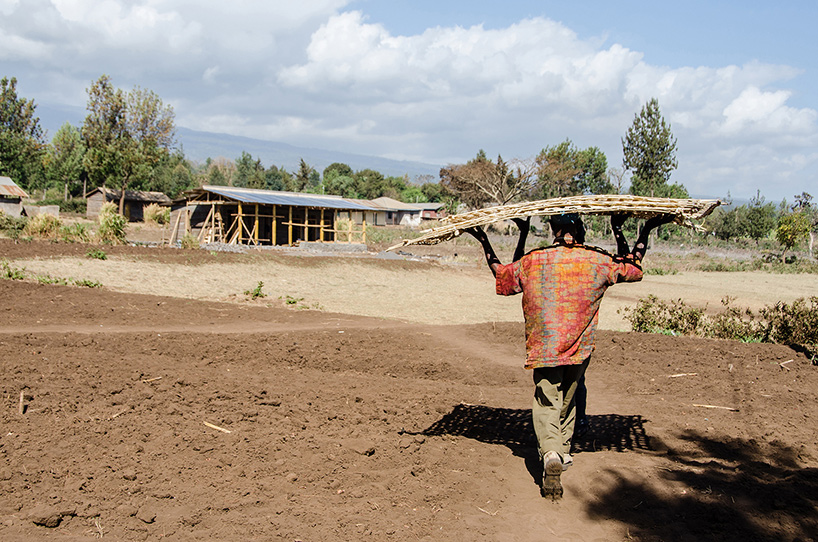
the library serves as an example to future developments in the region
1/6
project info:
name: amani library
architect firm: SoPA (social practice architecture)
lead architects: patricia báscones and lara briz
location: kibaoni, rombo district, tanzania
gross built area: 105 sqm / 1,130 sqf
photography: lara briz
shop
your own online design shop — no sales commission collected