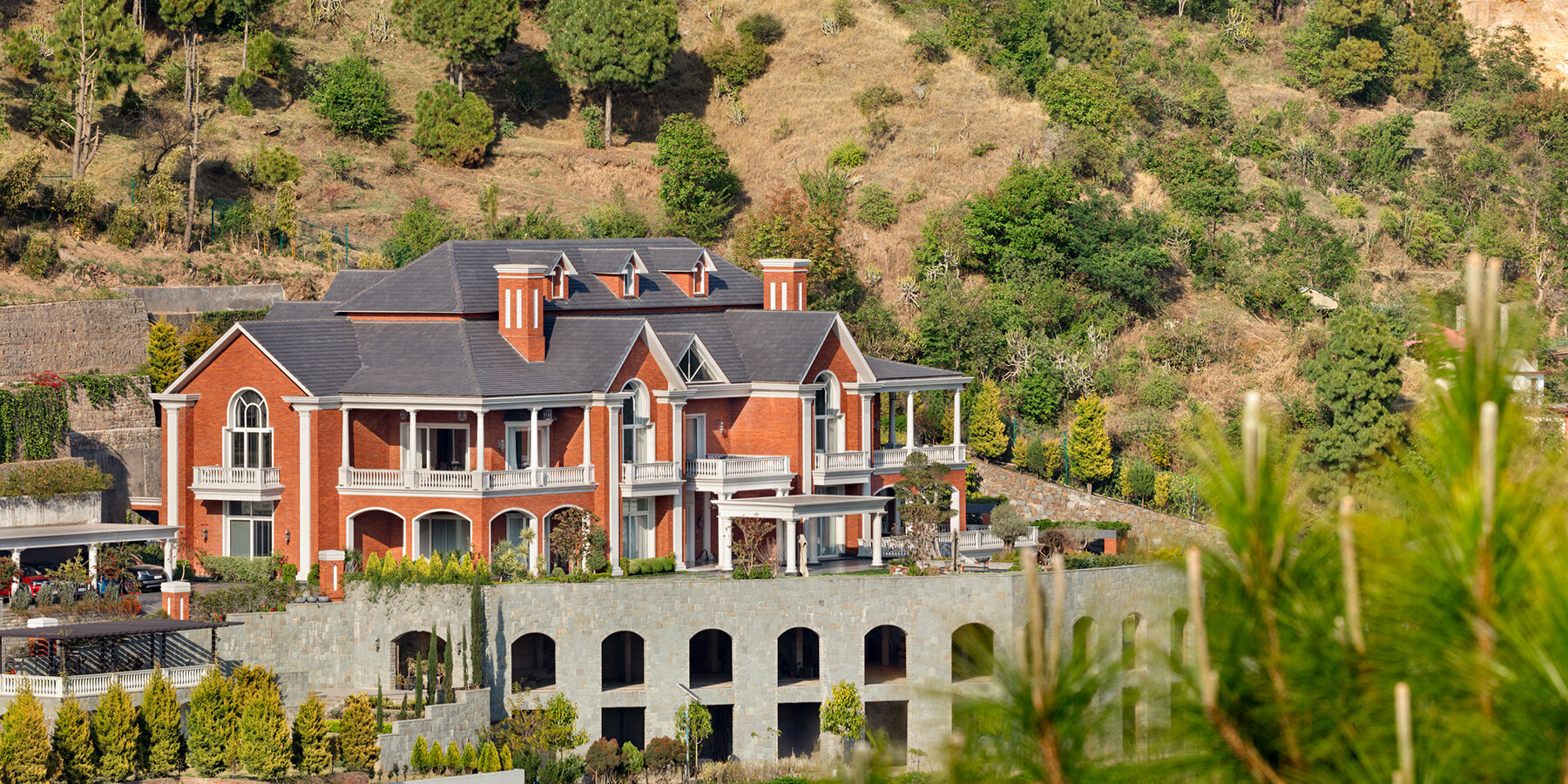
hill house by habitat architects emerges from the terrain
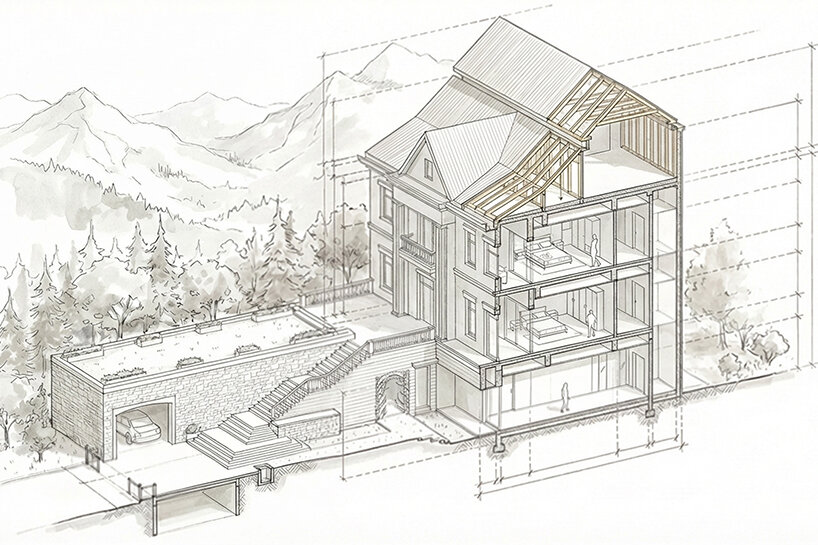
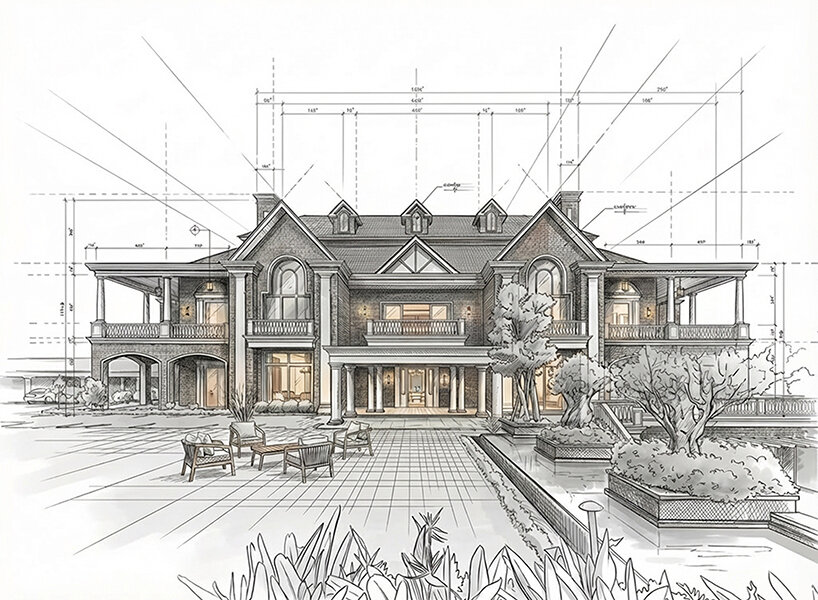
Designed by Habitat Architects, the Solan Hill House is a private residence embedded into a sloping site in Himachal Pradesh, conceived as an architecture that grows out of its terrain rather than resting on it. Completed as a response to complex gradients, access conditions, and visual exposure, the project uses the landscape itself as a generator of form, structure, and spatial sequence. By organizing living spaces across stepped levels that follow the natural contours, the house minimizes excavation while maximizing views, privacy, and environmental performance. The design prioritizes long-term adaptability, material intelligence, and a quiet dialogue between built form and topography.
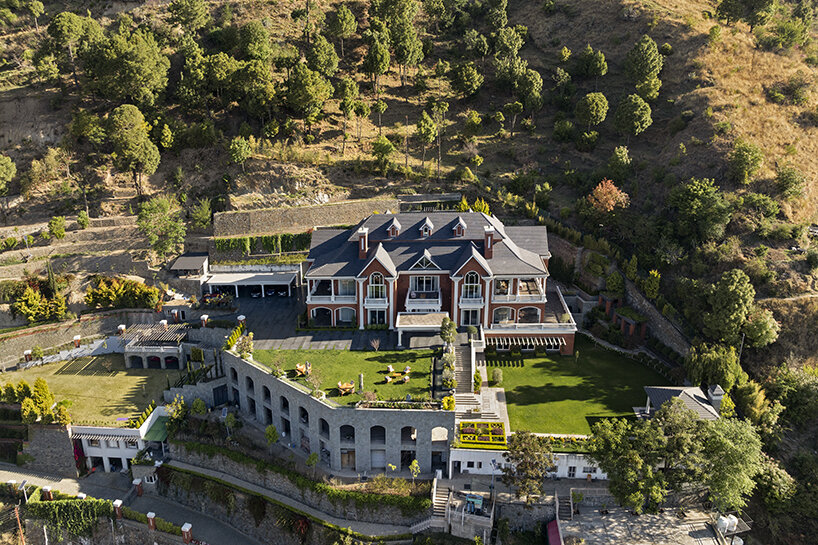
designed by Habitat Architects, the Solan Hill House is a private residence embedded into a sloping site in Himachal Pradesh | all images courtesy of Habitat Architects
the sloping site is treated as a framework
Co-founded by Monika Choudhary and Zafar Choudhary, Habitat Architects is a multidisciplinary architecture practice based in India. Zafar Choudhary, Principal Architect and CEO, leads the studio’s architectural vision with an emphasis on spatial logic, proportion, and construction systems, while Monika Choudhary, Co-Founder and Chief Development Officer, steers strategic development, narrative direction, and collaborations. The studio is known for its restraint-led approach, grounding design decisions in material performance, contextual sensitivity, and durability across residential, hospitality, and civic projects.
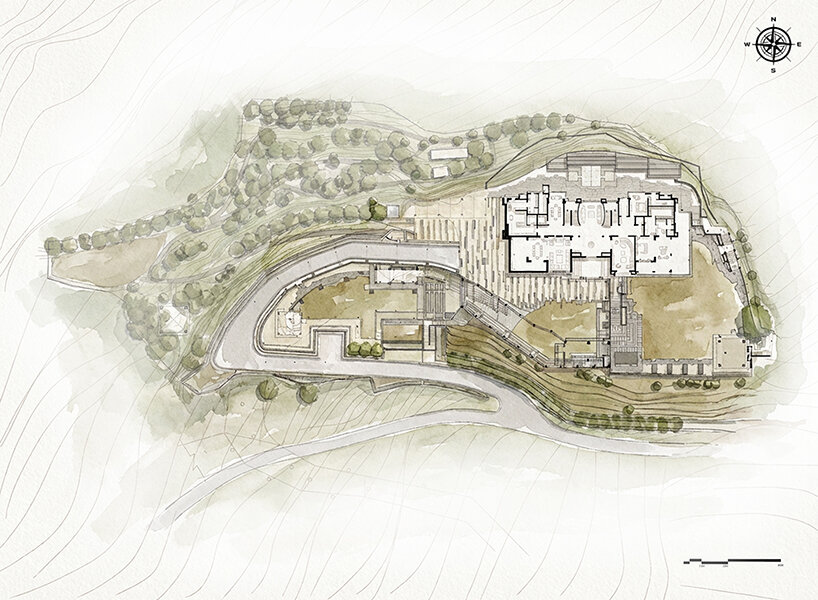
At their Hill House project, the sloping site is not treated as a constraint but as a framework that defines planning and movement. The architecture unfolds across a series of stepped plates that follow the natural gradient, reducing the need for heavy cut-and-fill operations. This approach preserves the integrity of the terrain while allowing the building to sit low and embedded within the landscape. Each level negotiates elevation change through calibrated shifts rather than abrupt transitions, reinforcing the idea of a house that emerges from the hill itself.
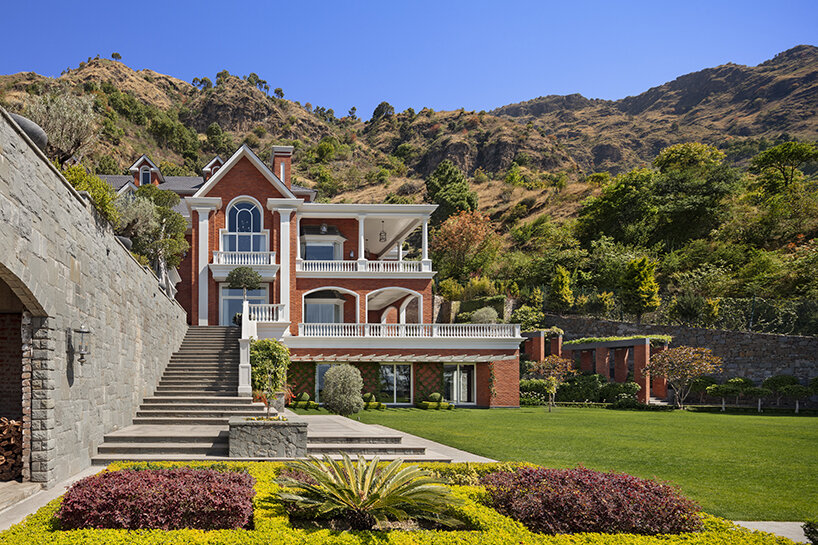
Hill House is conceived as an architecture that grows out of its terrain rather than resting on it
Spatial organization follows a gradual, processional logic
Instead of a single, centralized circulation axis, movement through Hill House is conceived as a sequence of moments that reveal themselves progressively. Programmatic zones are distributed across levels to balance openness and privacy, with interiors oriented to frame long views while remaining visually protected from their surroundings. This layered planning strategy creates a continuous dialogue between interior spaces and the landscape, where movement becomes an experiential tool rather than a purely functional one.
Regionally sourced stone forms retaining walls and base structures, visually and structurally anchoring the house to the hillside while contributing thermal mass. Concrete is used with precision to achieve structural clarity, enabling extended cantilevers and generous terraces. Inside, timber and textured finishes introduce warmth and tactility, softening the rigor of the structural system and creating a balanced material palette that feels both grounded and refined.
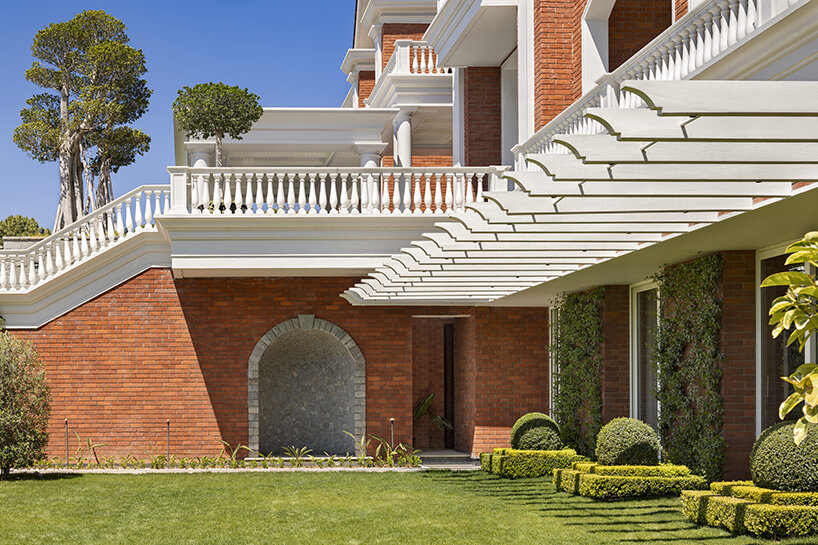
the project uses the landscape itself as a generator of form, structure, and spatial sequence
Environmental strategies are embedded directly into the architectural framework rather than applied as add-ons. The stepped configuration promotes natural ventilation and facilitates self-shading, reducing solar heat gain across levels. Landscaped roof terraces and planted edges act as thermal buffers, while carefully calibrated openings modulate daylight without sacrificing views. Together, these passive measures enhance comfort and reduce energy demand, reinforcing the project’s long-term environmental performance.
Concrete plays a key structural role in Hill House, allowing for controlled spans, cantilevers, and terraces that extend toward the landscape. Its selective use ensures structural efficiency while maintaining visual lightness. The interplay between heavy stone bases and precise concrete elements establishes a clear tectonic hierarchy, where each material expresses its function.
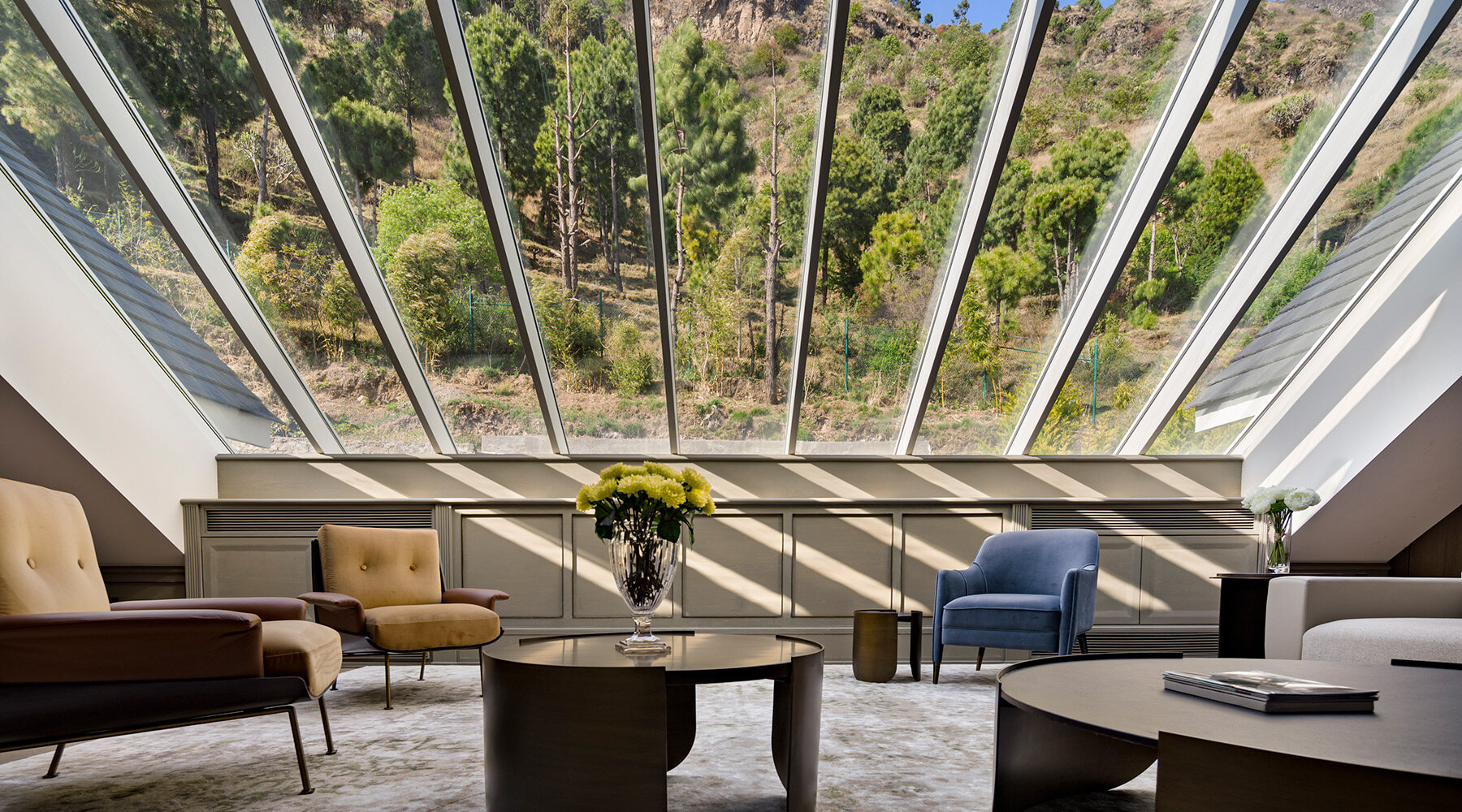
spaces are distributed across levels to balance openness and privacy, with interiors oriented to frame long views
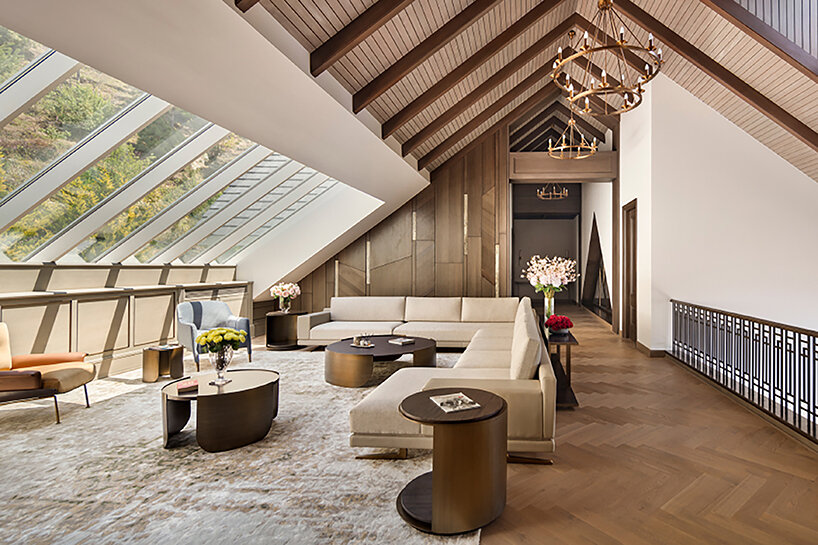
inside, timber and textured finishes introduce warmth and tactility
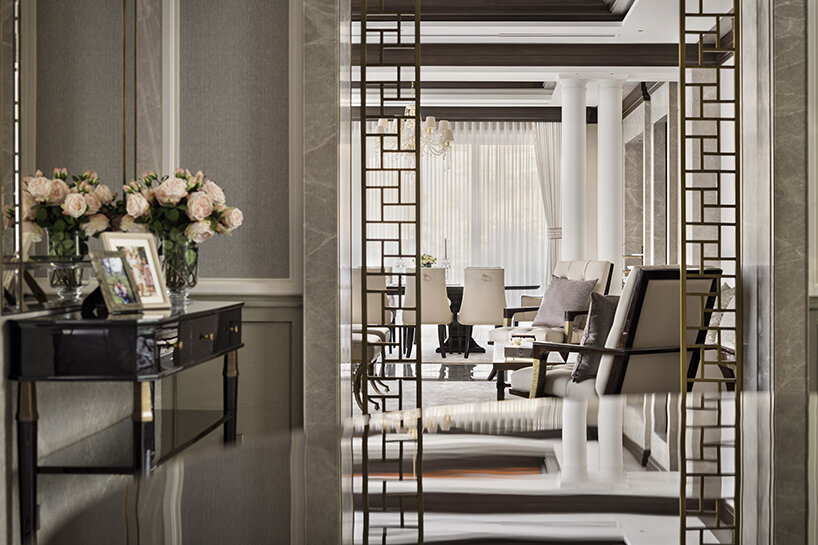
at Hill House, movement becomes an experiential tool rather than a purely functional one
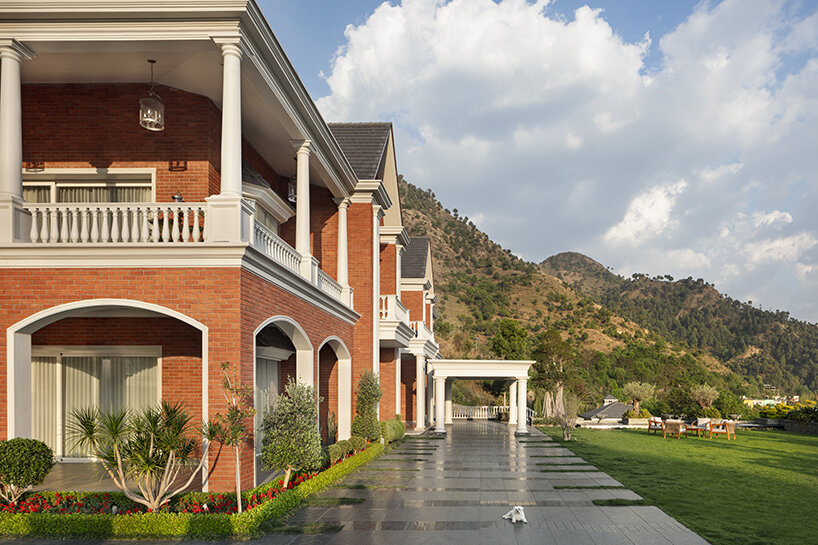
the layered planning strategy creates a continuous dialogue between interior spaces and the landscape
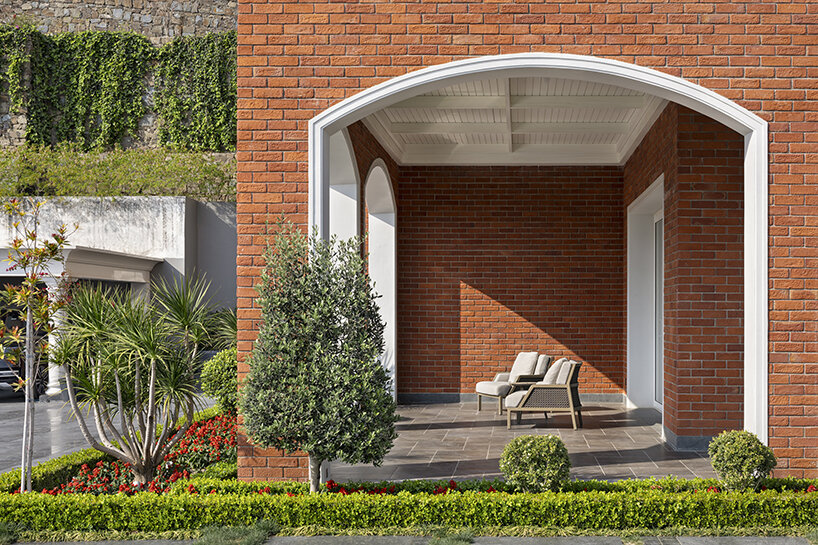
carefully calibrated openings modulate daylight without sacrificing views
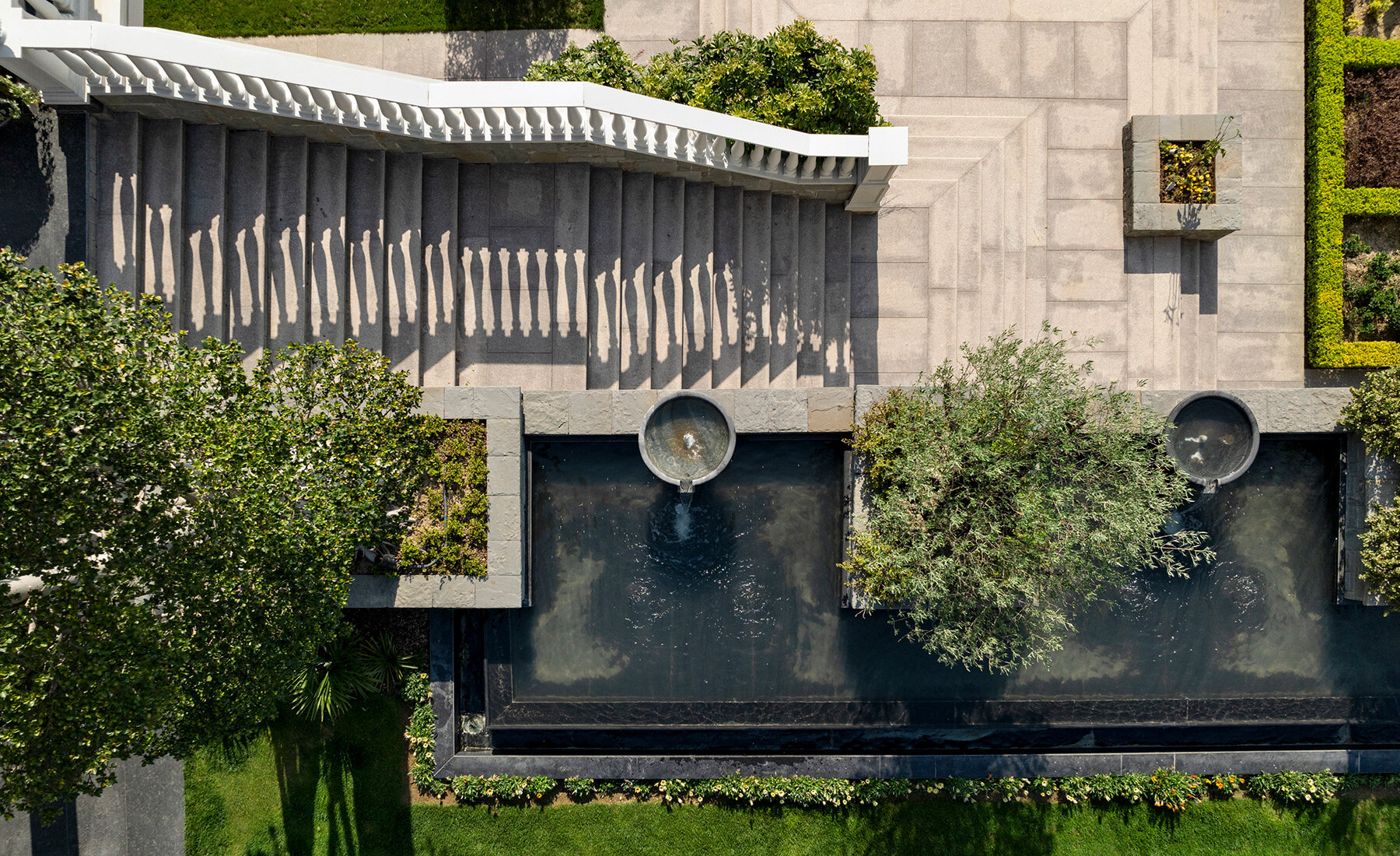
the interplay between heavy stone bases and precise concrete elements establishes a clear tectonic hierarchy
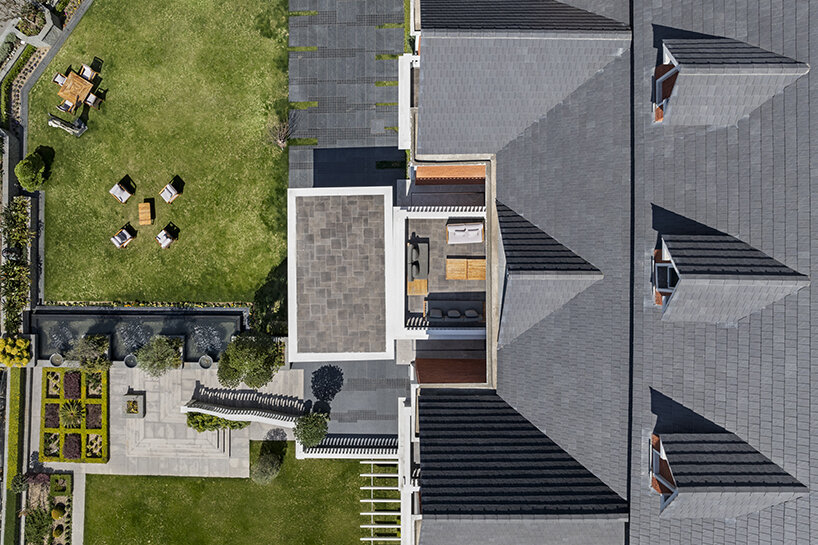
instead of a single, centralized circulation axis, movement through Hill House is conceived as a sequence of moments
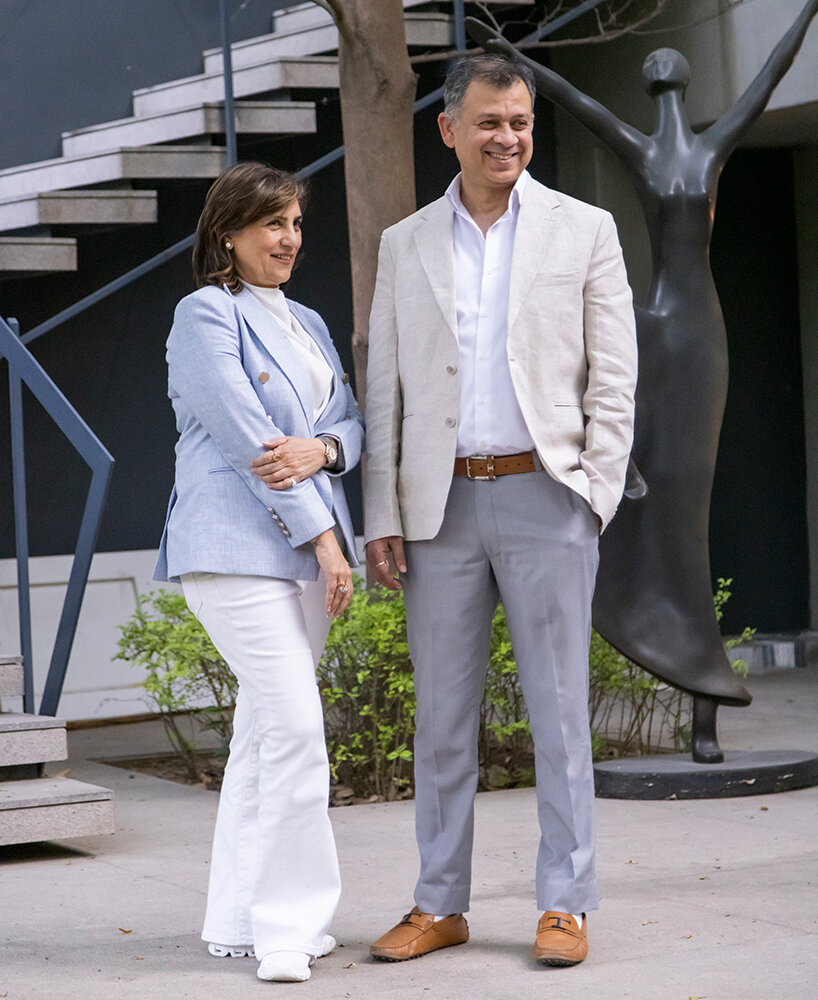
Habitat Architects: Monika Choudhary and Zafar Choudhary
project info:
name: Hill House
architect: Habitat Architects | @zafar.habitat
built up: 22,000 sq.ft
location: Solan, Himachal Pradesh
architecture in india (428)
 Feb 20, 2026
 Feb 19, 2026
 Feb 18, 2026
 Feb 14, 2026
 Feb 13, 2026
residential architecture and interiors (4755)
Feb 20, 2026 Feb 19, 2026 Feb 19, 2026
 Feb 19, 2026
 Feb 18, 2026
 Feb 10, 2026
 Feb 04, 2026
 Jan 20, 2026