stone walls and palm-thatched palapas blend tate house into the oaxacan landscape
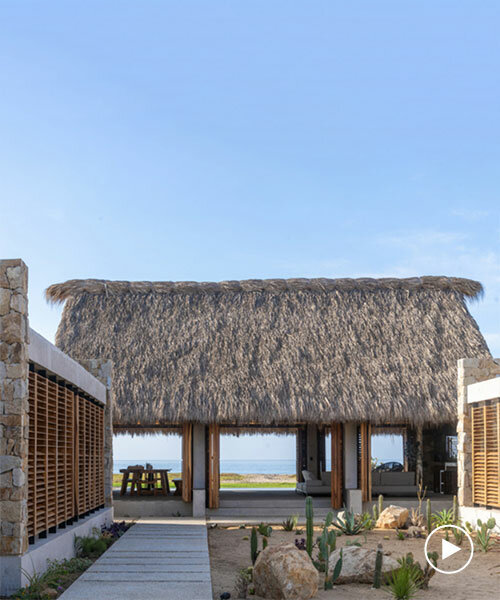
the layout by materia + gustavo carmona prioritizes outdoor areas, establishing pathways and zones for contemplation.
prefer designboom on google[FEATURED]
materia + gustavo carmona create a sense of place in tate house
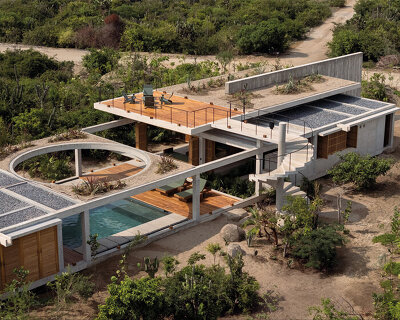
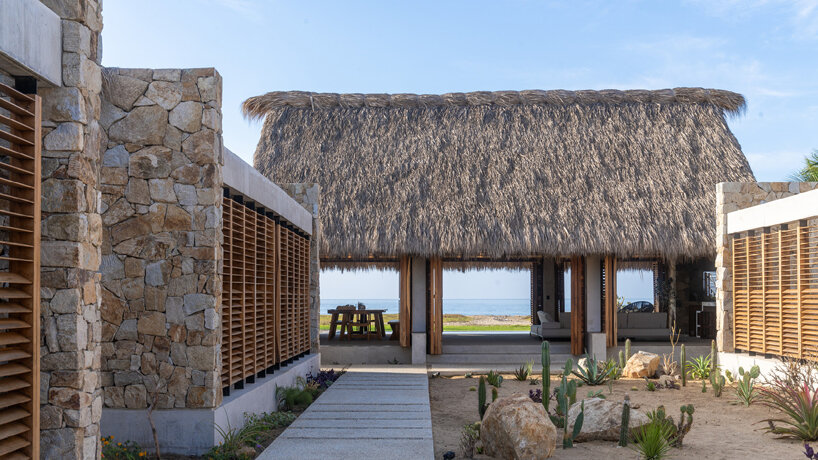
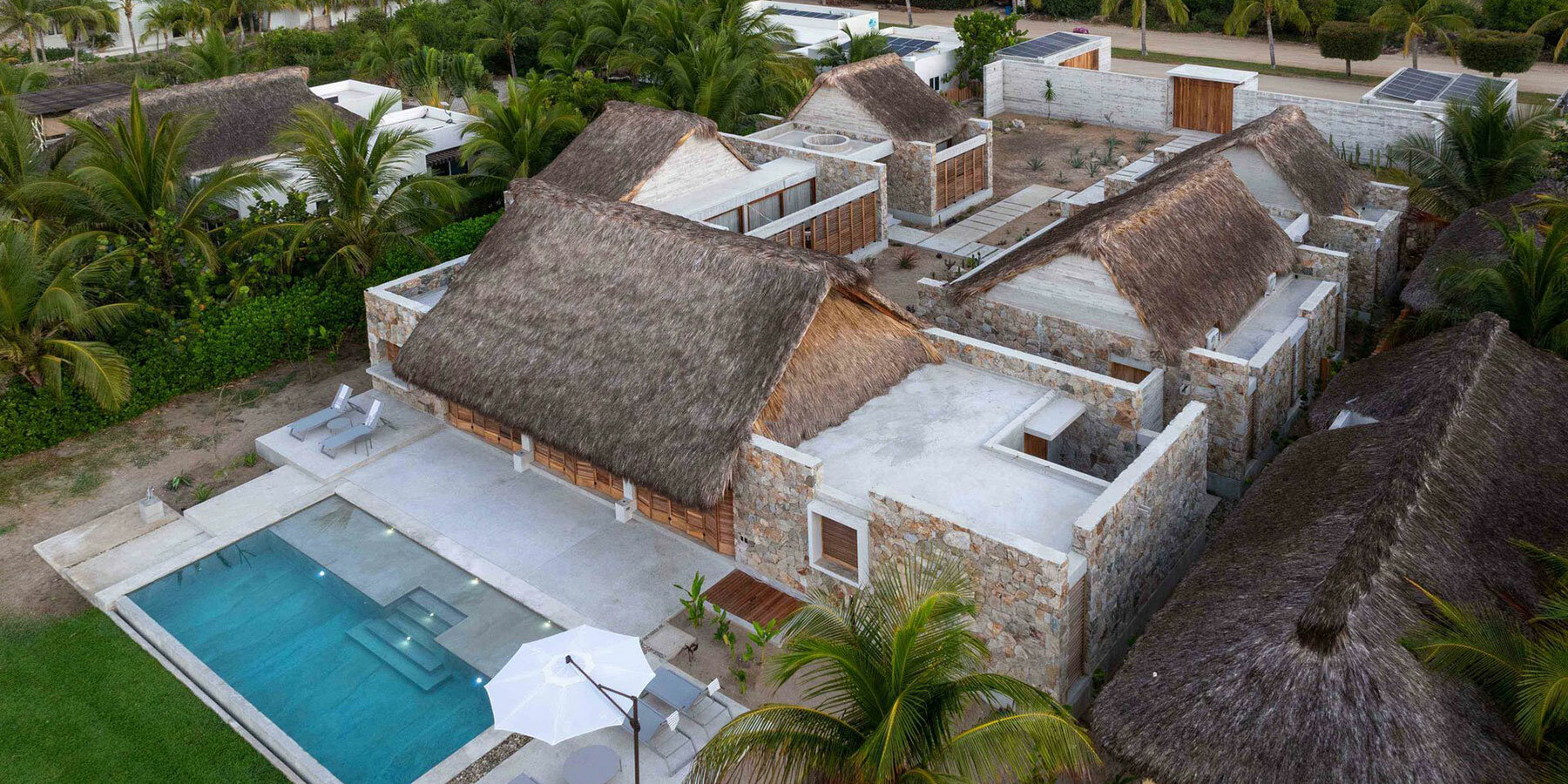
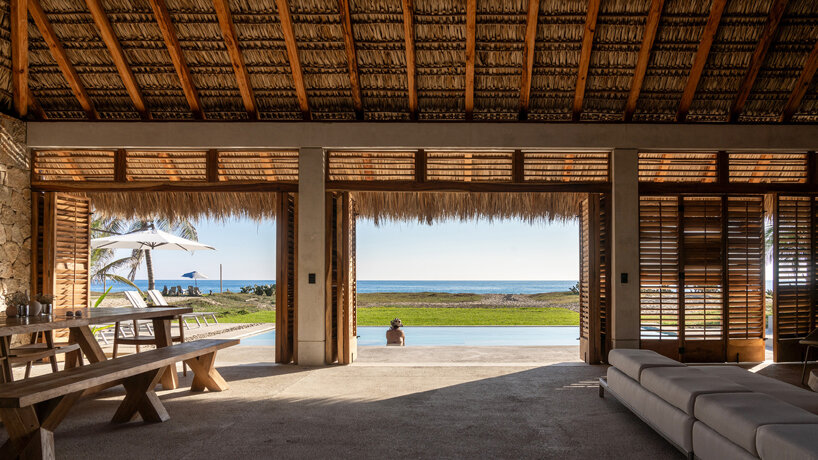
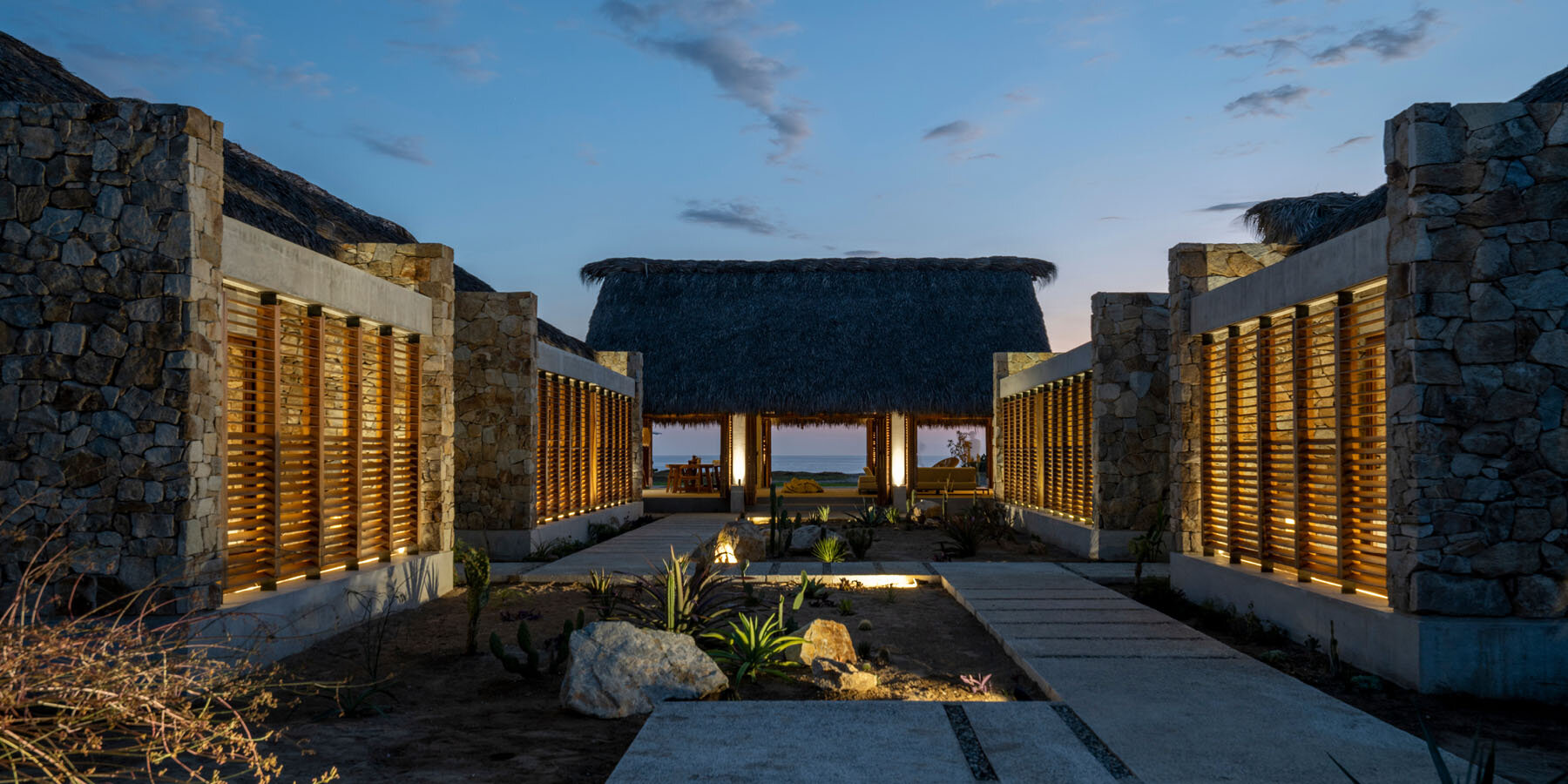
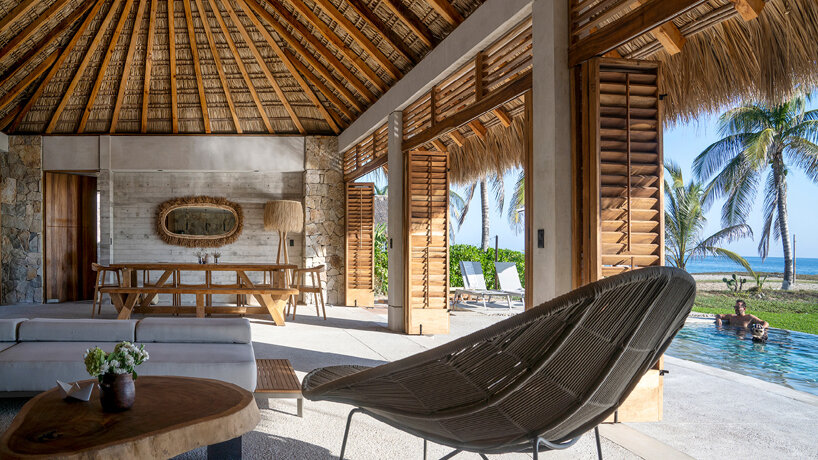
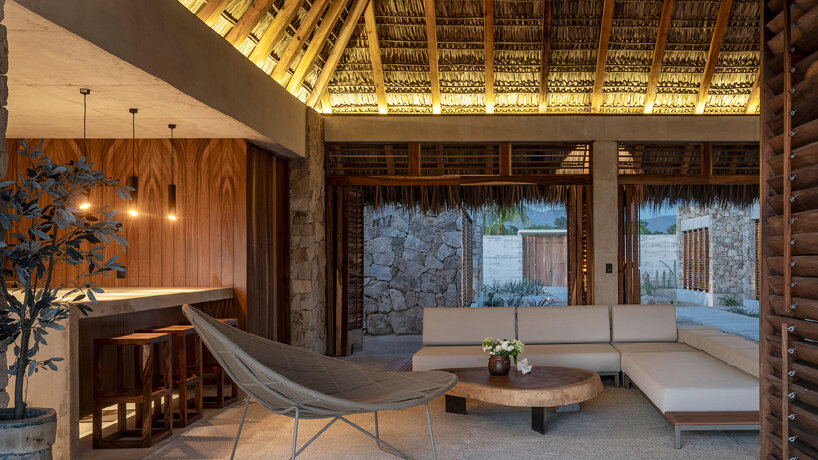
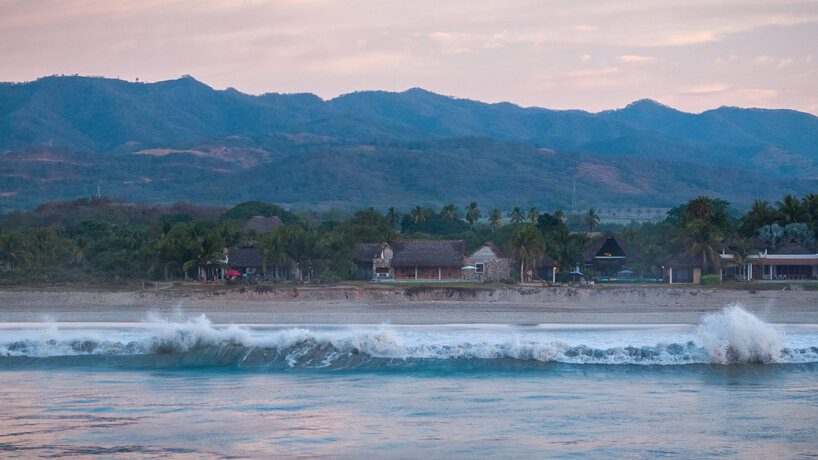
Tate House is a project by MATERIA + Gustavo Carmona, designed to create a unique sense of place in Oaxaca, Mexico. Instead of imposing a structure, the house serves as a tool to highlight the site’s natural features. Stone walls and volumes visually integrate the house with its surroundings, while traditional wooden and palm-thatched palapas cover the spaces between. The placement of the modules prioritizes the arrangement of outdoor areas, establishing pathways through them and creating zones of contemplation. This design defines the boundaries between open and enclosed spaces, enhancing the overall experience of the site.

pavilions feature local materials and haptic expressiveness
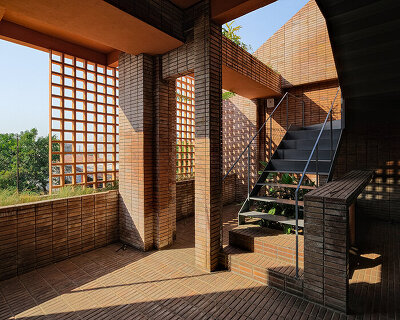
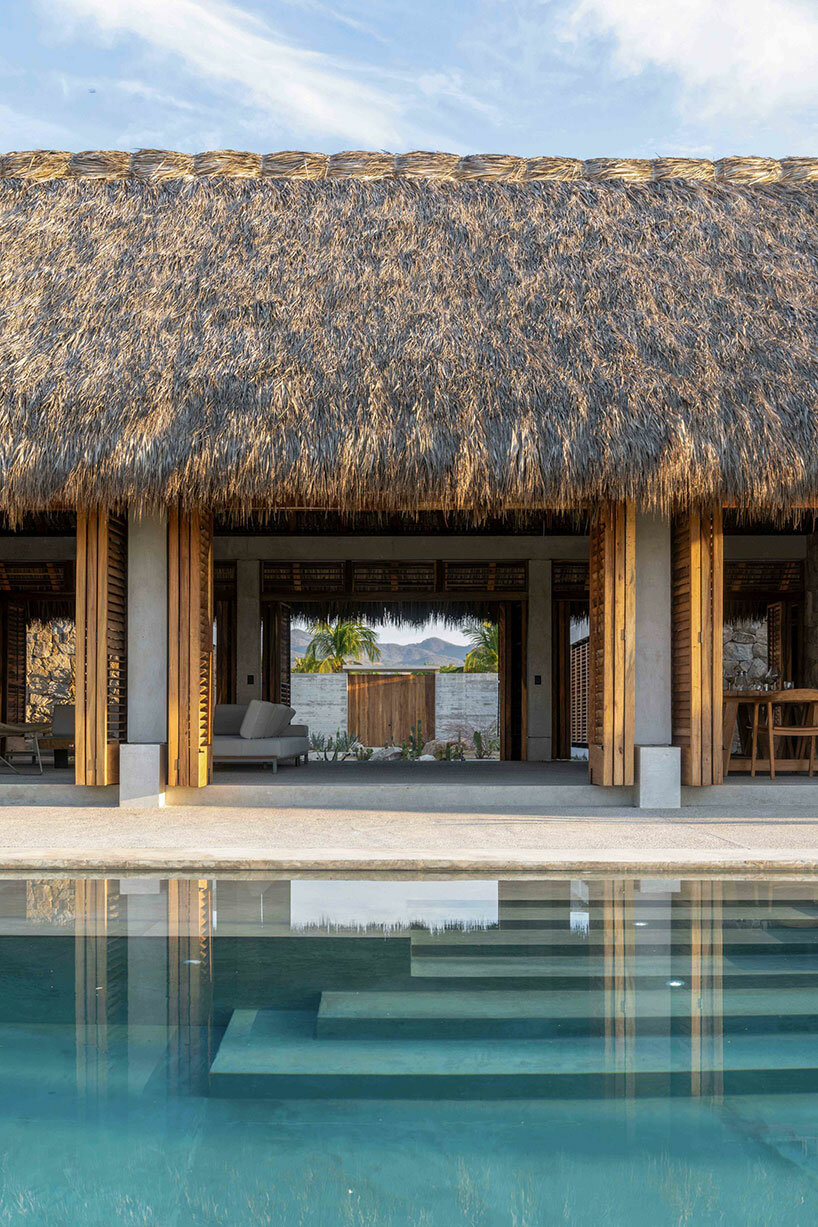
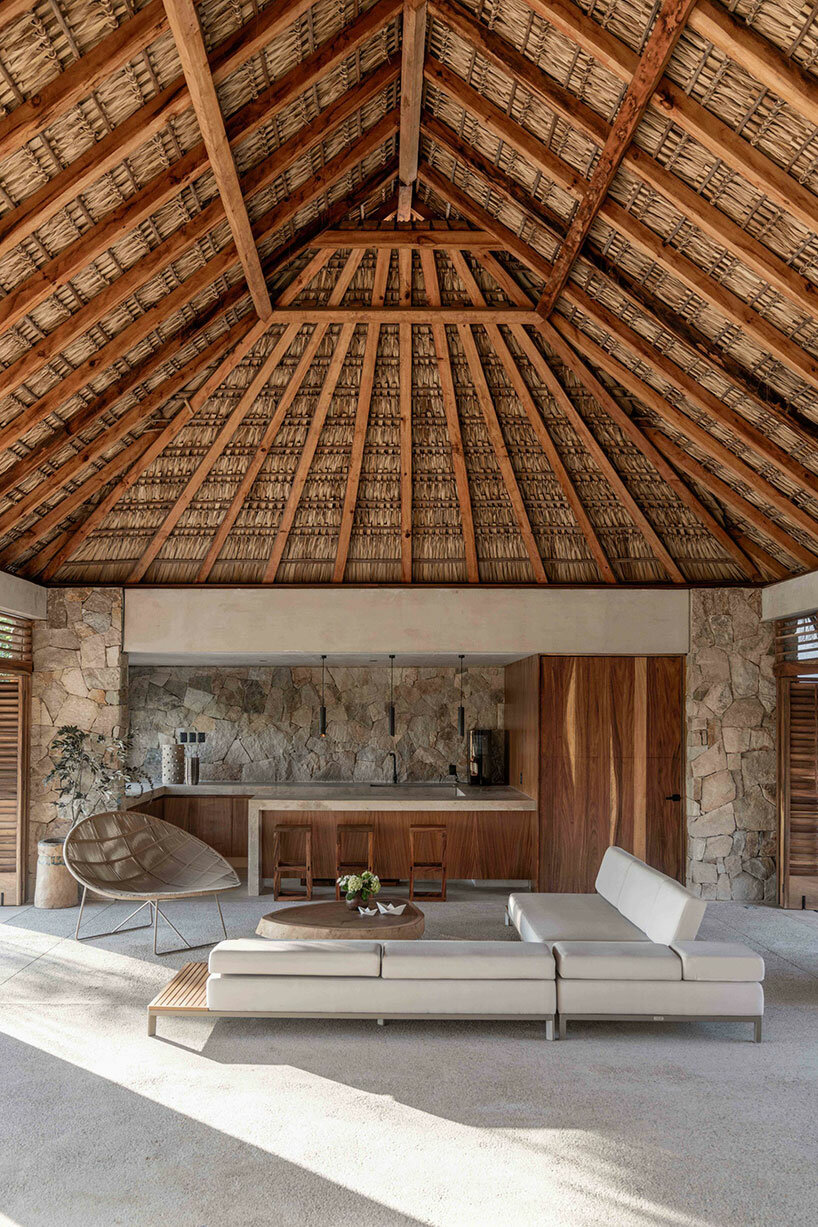
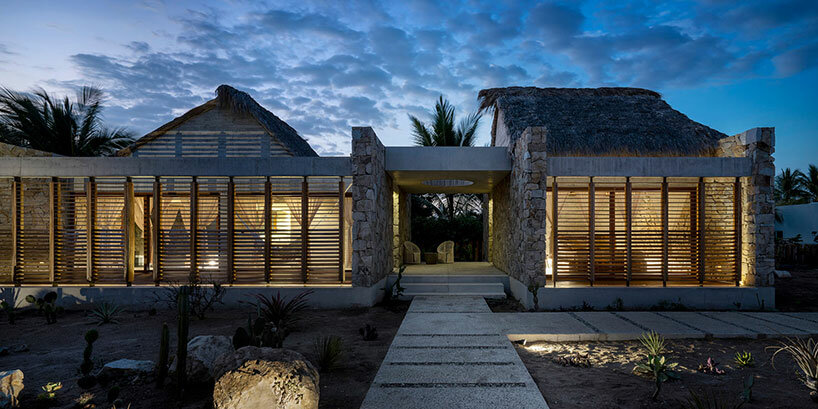
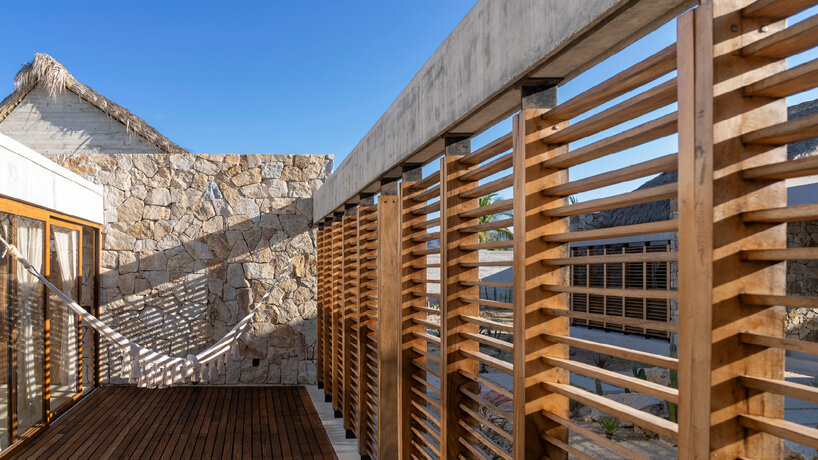
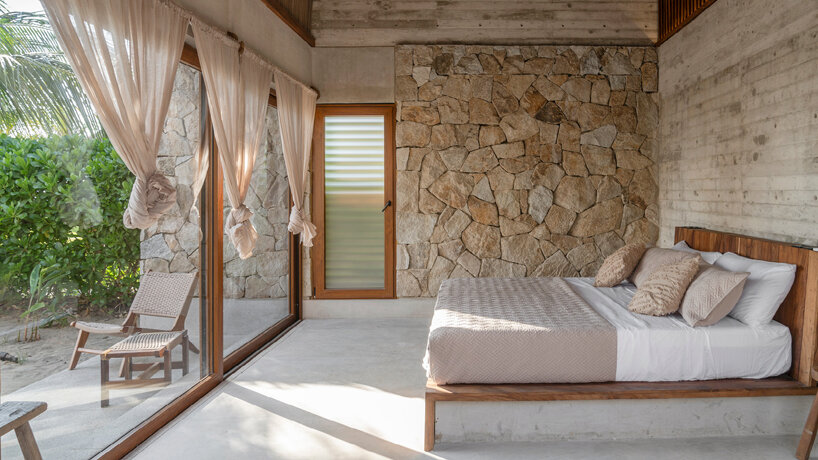
MATERIA + Gustavo Carmona’s pavilion design in Oaxaca embodies the region’s craftsmanship, using local materials and simple construction methods to convey a rich tactile experience. Masonry volumes enclose living spaces, resting on a concrete slab for structural coherence. Private terraces, defined by wooden lattices, overlook the botanical garden. The design emphasizes a connection to the earth, with distinct wall edges gradually blending into the sky through palm thatching. Through repetition and rhythm, the architects create a cohesive visual language, accentuating the interplay of light and shadow on concrete, stone, and wood.
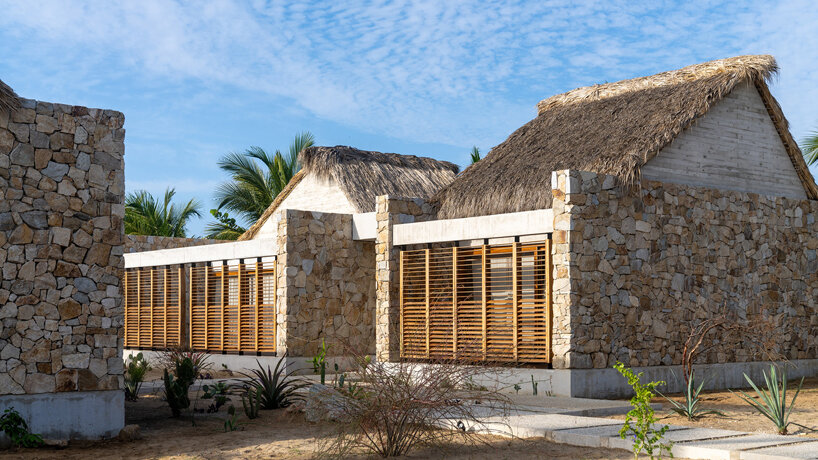
project’s landscape design showcases oaxacan flora
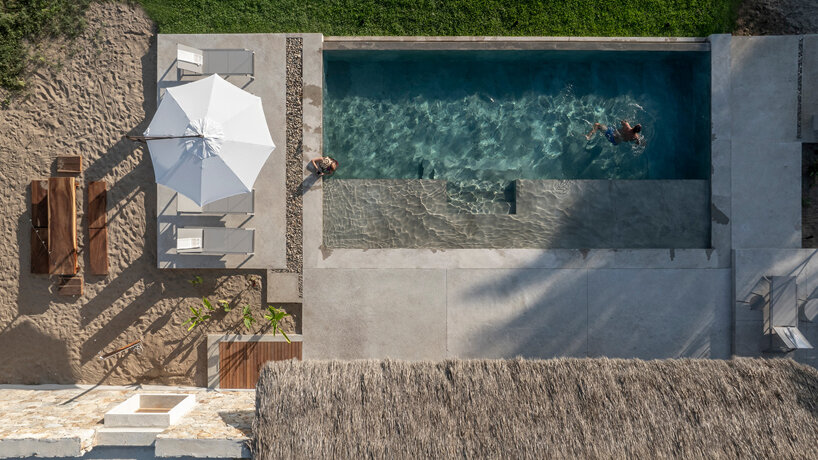
Three distinct types of gardens have been created. The irst is an open, unobstructed garden that transitions from the living area to the ocean, resembling a natural dune. Privacy from neighboring properties is ensured by dense foliage consisting of native tropical jungle species on the property’s sides. At the heart of the project lies a desert botanical garden, highlighting indigenous plant species. Each plant is thoughtfully positioned to complement the pathways connecting the pavilions.
The central pavilion, referred to as a ‘threshold of permanence,’ houses the public and social spaces. It provides essential shade and connects both physically and visually to the outdoor spaces of the dune and botanical garden. Additionally, it offers sweeping views of the Pacific Ocean horizon to the west and the Oaxacan mountains to the east, serving as a window to the project’s immediate and distant surroundings. Finally, interstitial spaces offer access to the rooms, inviting contemplation and channeling light through the oculus in the concrete slab.


1/6
project info:
name: Tate House
architect: MATERIA + Gustavo Carmona | @_materia
location: Puerto Escondido, Oaxaca. Mexico
collaborators: Karla Uribe, Gustavo Xoxotla, Teresa Berumen, Rodrigo Pérez, Jovana Grujevska, Sol Fernández, Isabel Pacheco.
lighting: Gustavo Carmona + Juan Carlos Stefanoni
general contractor: Juan Carlos Stefanoni
landscape design: Gustavo Carmona + Diáspora (Magaly Martínez, Luis Muñoz)
photographer: Jaime Navarro | @jaimenavarros_estudio
furniture: Exterior Concept, Namuh, and Local Oaxacan Markets
solar panel system: Kikapú
designboom has received this project from our DIY submissions feature, where we welcome our readers to submit their own work for publication. see more project submissions from our readers here.
shop
your own online design shop — no sales commission collected