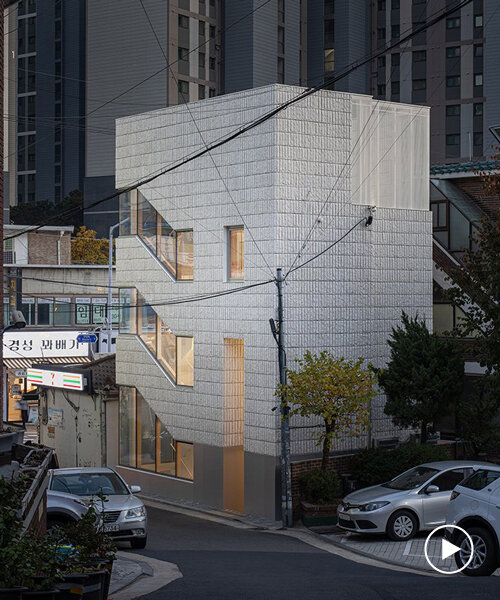
stpmj architects renovates old residential building into a minimal press company in seoul
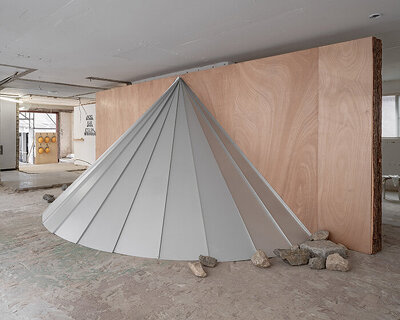
this renovation project altered the usage of an old building from residential to commercial, which incurred various architectural interventions, reevaluating the potentials of commercial buildings in this specific residential area.
prefer designboom on google[FEATURED]
during the past decade, sangdo has undergone rapid redevelopment and housing supply soared, but parts of it that were not subject to the redevelopment quickly became vacant so streets with unoccupied buildings deteriorated. in order to overcome this situation and increase the value of an old residential building on the site, stpmj architects renovated it into a self-employed press company for a comic author to write, exhibit and promote her work all in one building. this renovation project altered usage of the building from residential to commercial, which incurred various architectural interventions such as relocating entrance and staircase, modifying interior and exterior materials, and adjusting room scales.

images by bae jihun
south elevation
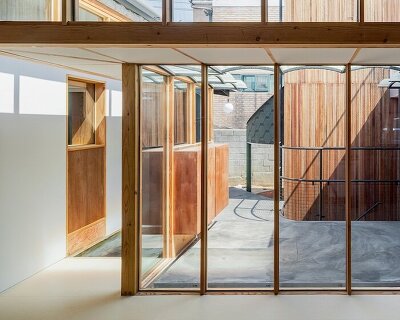
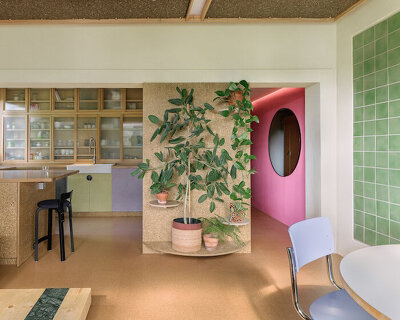
‘face-lift, prnt’ by stpmj architects refers to the overall design changes made in the existing building, to reevaluate the potentials of a commercial building in this specific residential area. from the first to the fourth floor, there is a bookstore, an exhibition space, a studio and a communal kitchen, respectively. different phases of press including planning, showcase, publication, and promotion, are vertically connected in the building. the small garden on the first floor and the rooftop space on the fourth floor allow activities inside the building to expand when in need. even though each floor area was small, about thirty-three square meters, the removal of the existing partitions and walls allowed sufficient allocation for each program.

1st floor entrance
steel columns and beams are commonly used to meet the seismic design standards in korea, but they could significantly reduce the ceiling height and the usable floor area. instead, the designers used reinforced concrete walls to satisfy structural requirements and to maximize the interior space.
the staircase was internalized to connect the programs vertically and to mediate the spaces on different levels by continuing the same floor materials throughout. the new façade of the building that emerged from the internal transformation became a storefront that exposes the movement of the users on different programs and levels.

1st floor book store
the existing building did not have a ‘front’ face nor a proper facade. this is often the case for multi-family residential buildings, where the main entrance is a thin glass door at the landing of the exterior staircase. because it was so close to the road, the circulatory conflict between the entrance and the movements on the street was inevitable. for this reason, the entrance was relocated to the north, and the staircase was internalized to alleviate this unpleasant collision.

1st floor book store
the small garden to the south-east was separated from the old entrance, becoming an accessible outdoor area on the first floor. the narrow, double-heighted new entrance on the front façade dictates the overall impression of the building. along with the repeating geometry of the staircase openings, it brings a sense of order to the overall composition of the façade. the decorative red bricks of the 80s and 90s are now covered by two contrasting materials: aluminum cladding and stone tiles. the smooth aluminum cladding on the bottom seems to hold up the rough and heavy-looking stones above it, creating an intriguing dialogue between the two materials.

2nd floor exhibition

2nd floor exhibition

2nd floor exhibition

3rd floor studio

4th floor shared kitchen

4th floor rooptop

northeast elevation

east elevation
project info:
name: face-lift, prnt
designer: stpmj
location: seoul, korea
area: 113 sqm (1216.32 sqft)
client: prnt / studio sunny sideup
photography: bae jihun
designboom has received this project from our ‘DIY submissions‘ feature, where we welcome our readers to submit their own work for publication. see more project submissions from our readers here.

shop
your own online design shop — no sales commission collected