studio anettai perches small concrete and steel home amid pepper plantation in vietnam
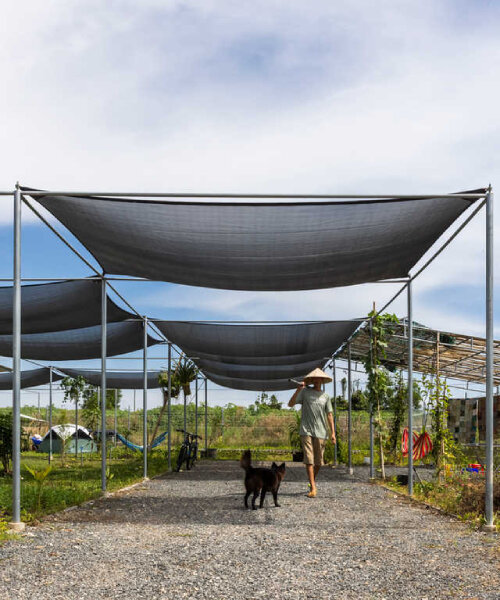
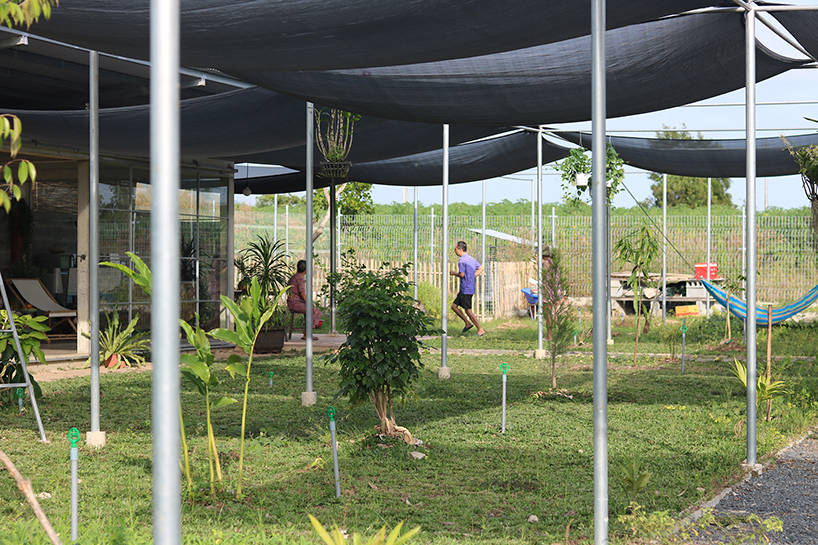
the home reinterprets the neighboring suburban industrial vernacular with concrete blocks, a forest of steel columns, and translucent tarps.
prefer designboom on google[FEATURED]
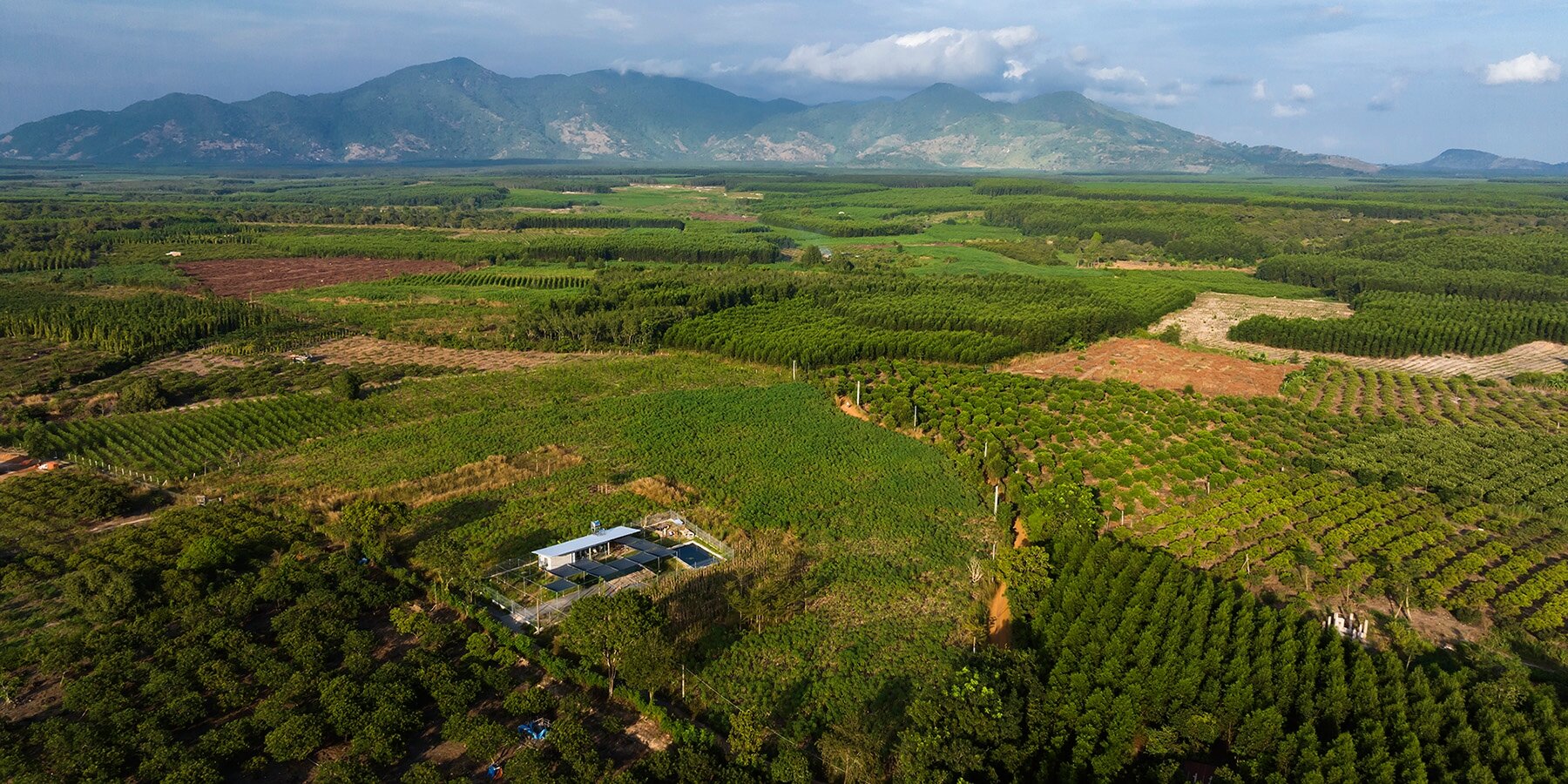
house in ba ria vung tau sits amid southern vietnam fields
Studio Anettai’s House in Ba Ria Vung Tau is a small residence in an expansive agricultural field surrounded by rubber and pepper plantations. Located ‘at the edge of industrialization’, 130 kilometers away from Ho Chi Minh City, the home seeks to rediscover and reinterpret the neighboring suburban industrial vernacular by utilizing locally sourced materials and techniques.
Accordingly, the architects integrate the language of large plots of land, minimalistic box-like houses set deep within them, and large horizontal planes such as steel roofs casting shadows across the sites. These economically-optimized homes, like the House in Ba Ria Vung Tau, are constructed from a mix of locally available materials, including concrete, bricks, steel, bamboo, synthetic fabrics, and plants – reflective of the broader social context and rapid urban growth in southern Vietnam, countered by limited resources and technology.
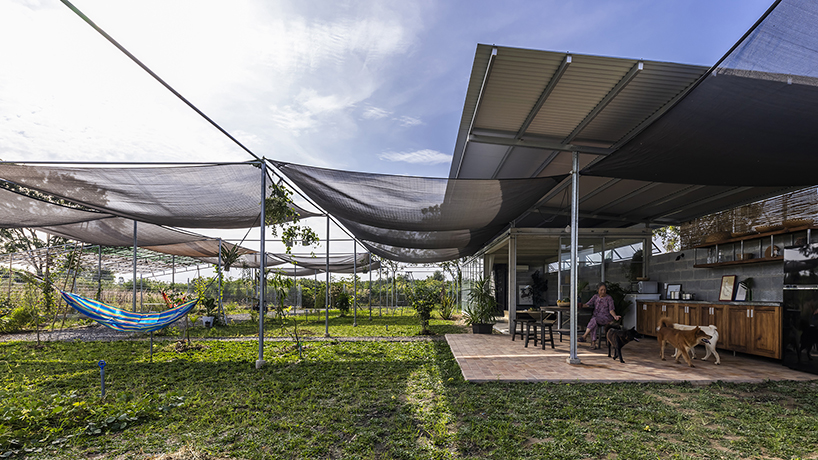
studio Anettai sites the home at the edge of industrialization
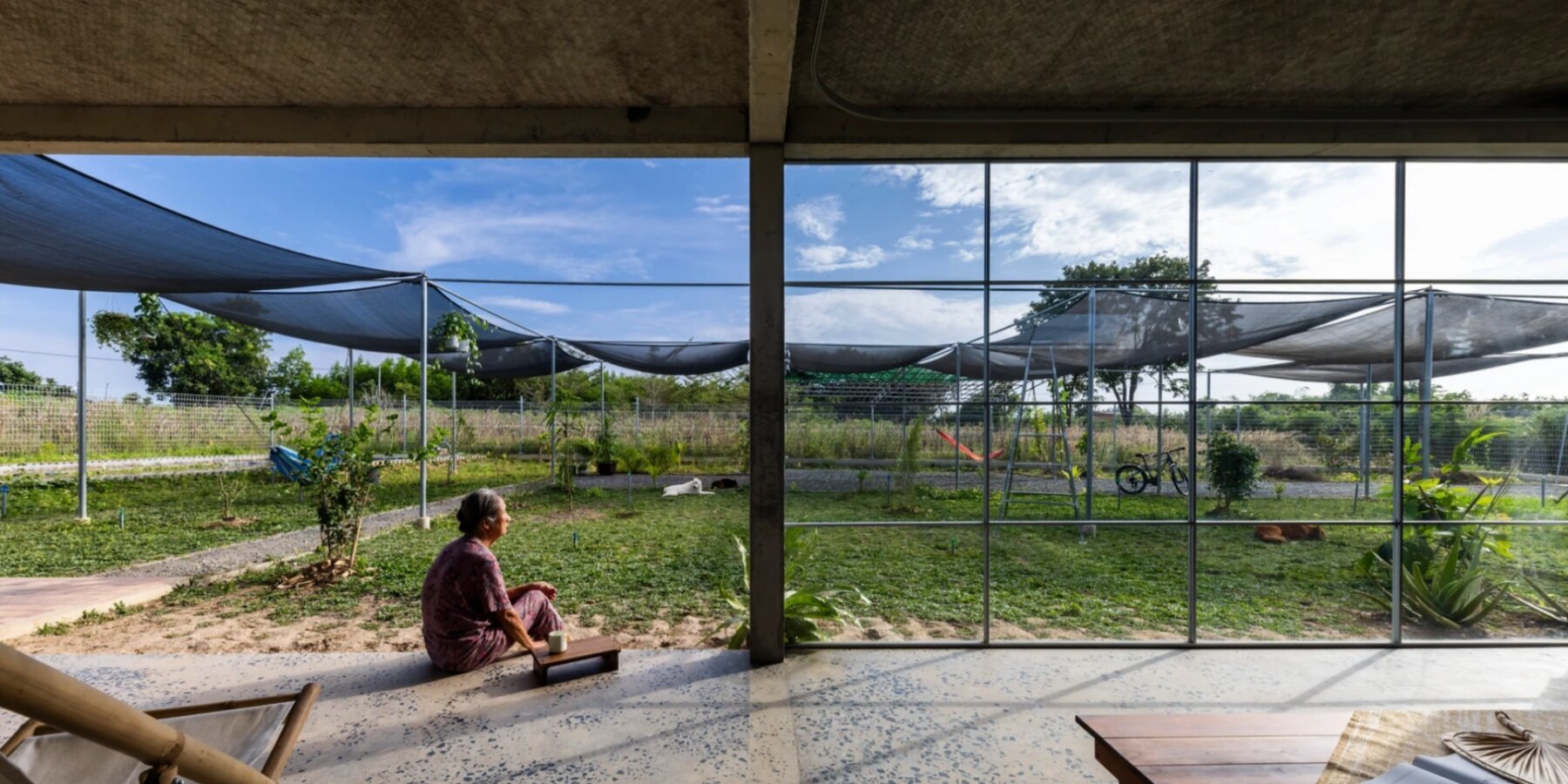
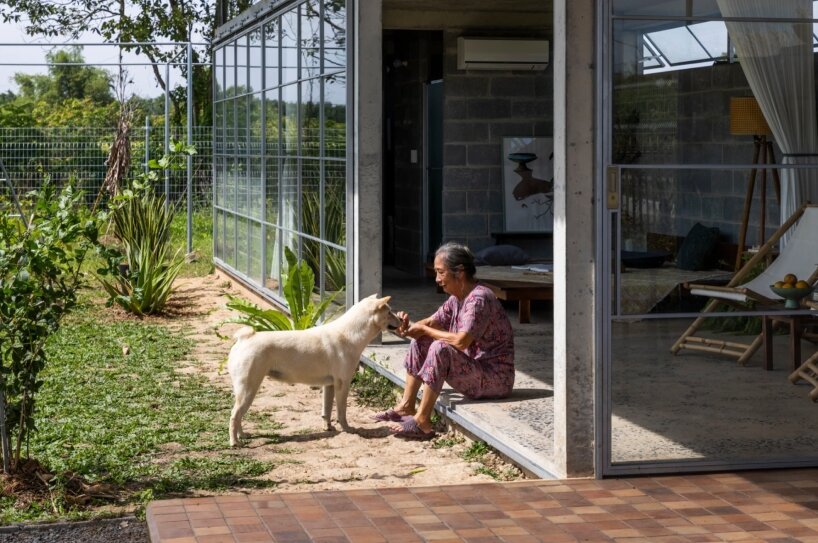
As Southern Vietnam experiences rapid urban growth, pushing residential areas further outwards due to the flat topography and rising land prices in major cities, the ‘outer fringe of suburb’ is now considered the frontline of urbanization. An hour’s drive away from here, the client purchased a vast 1,000-square-meter plot of land to build a small house for his mother and brother. Over time, the site has evolved into a lush environment filled with clinging greenery, hammocks, and bamboo louvers, while the young fruit trees and edible plants continue to grow up in the local ecosystem.
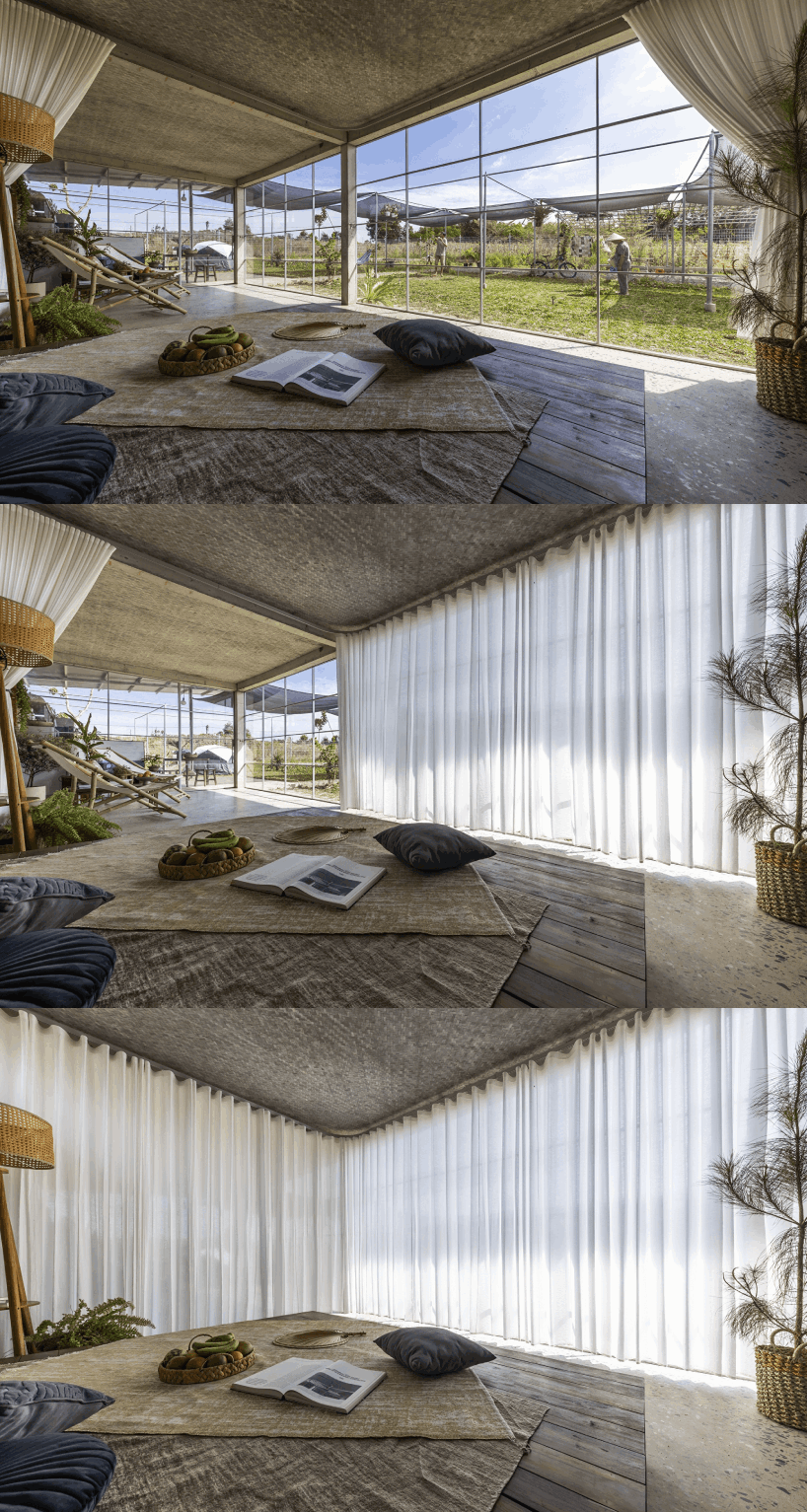
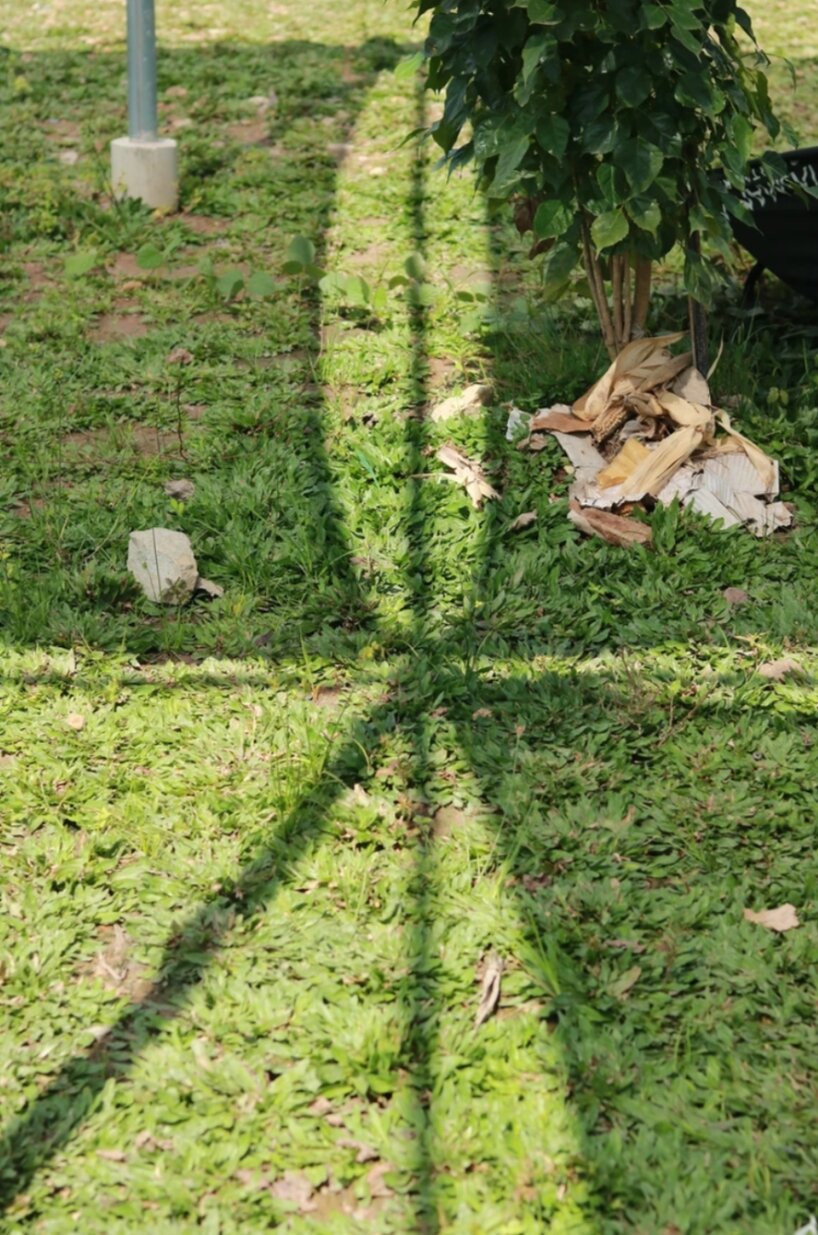
With a limited budget of $19,000, the House in Ba Ria Vung Tau occupies just 5% of the land, leaving the remaining 95% as an open, adaptable space. Across the field, the architects decided to incorporate various elements to create a dynamic and habitable environment for all organisms. ‘To make maximum use of what is right in front of them at the moment, and combine them to craft their own habitat as large and cheap as possible — this is what we call the suburban industrial vernacular of today,’ observes the team at Studio Anettai. In the hot and humid tropical climate, the design embraces vague and imperfect spatial boundaries, collectively layering them around the space rather than defining a strong singular line for an enclosure. To enhance this, the architects employ various environmental elements such as overhanging roofs, outdoor tarps, glossy natural surfaces, and the shadows of plants.
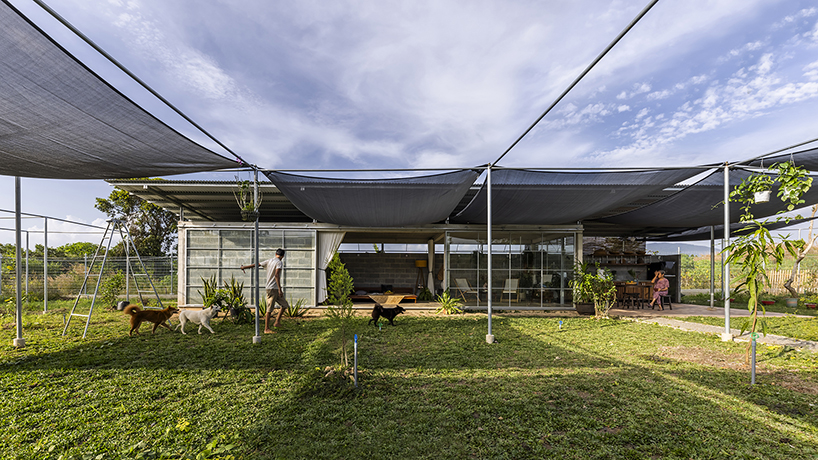
crafted from local materials, echoing the suburban vernacular
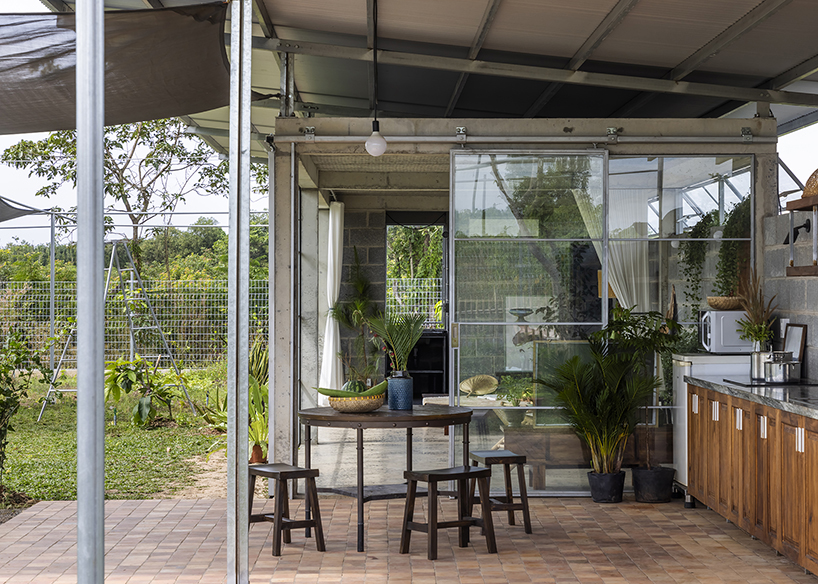
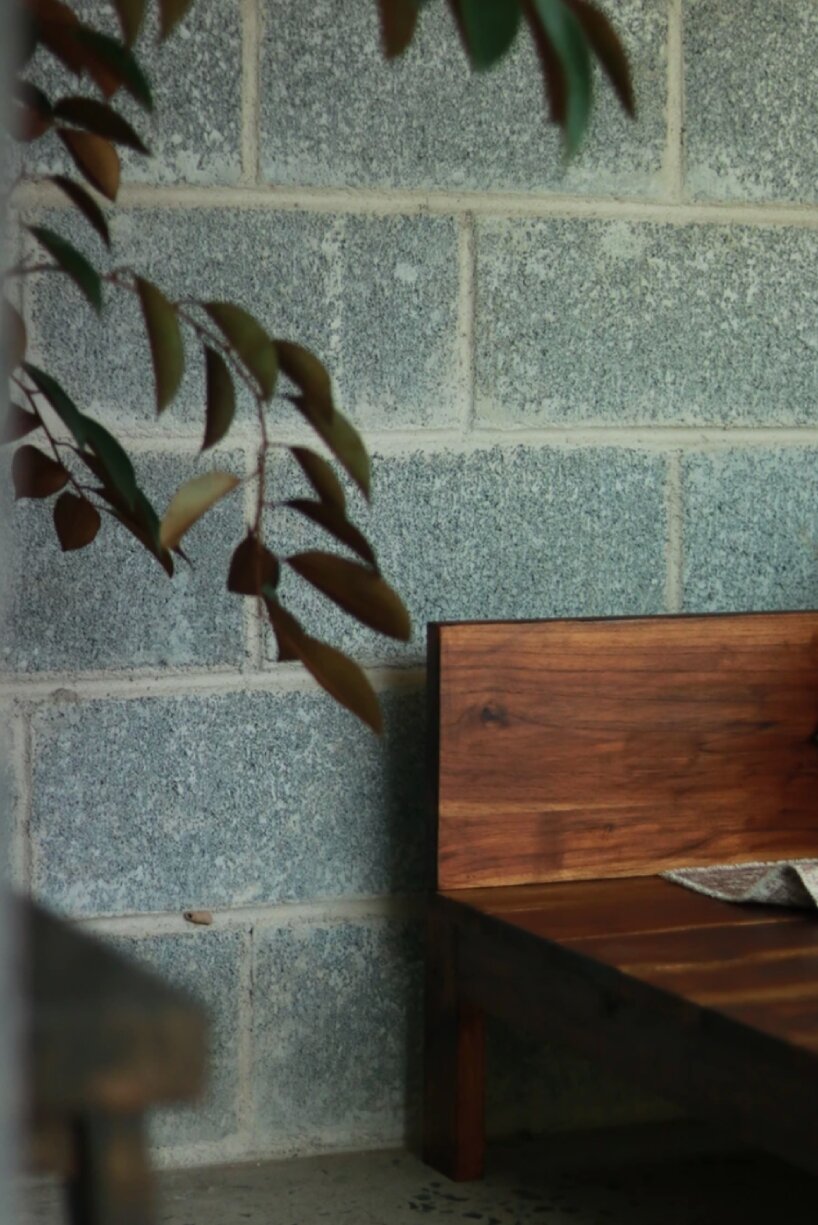
A concrete structure with block walls defines the interior space of the House in Ba Ria Vung Tau, while a floating steel roof overhangs to create a semi-outdoor dining and kitchen area. This double roof system significantly reduces solar heat radiation and risk of water leakage while promoting natural ventilation above the living section. Studio Anettai sets large sliding doors between columns, which seamlessly extend the living area into the surrounding landscape.
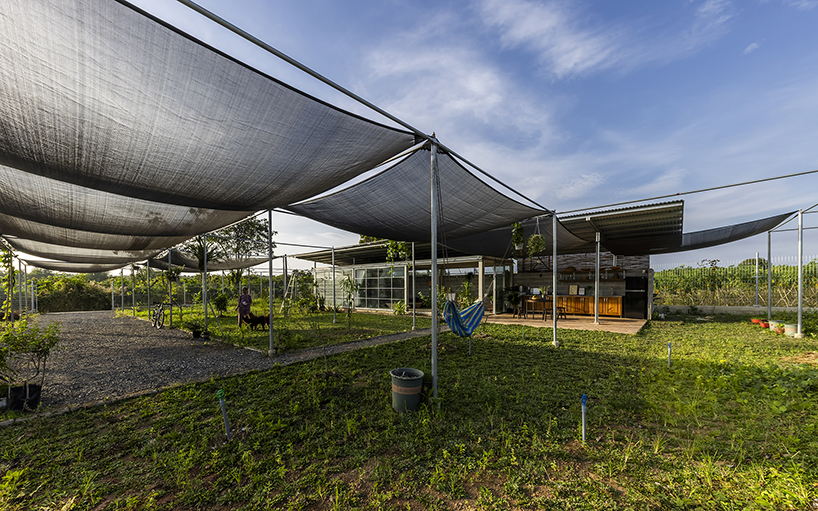
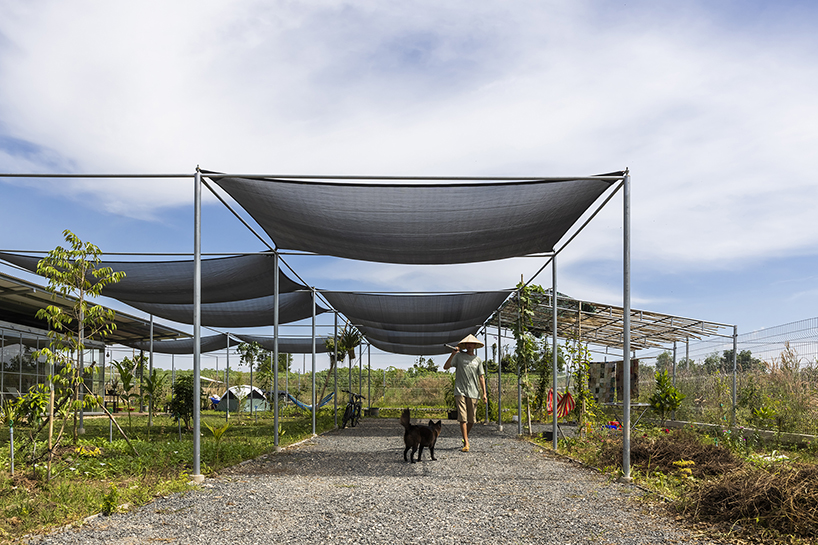
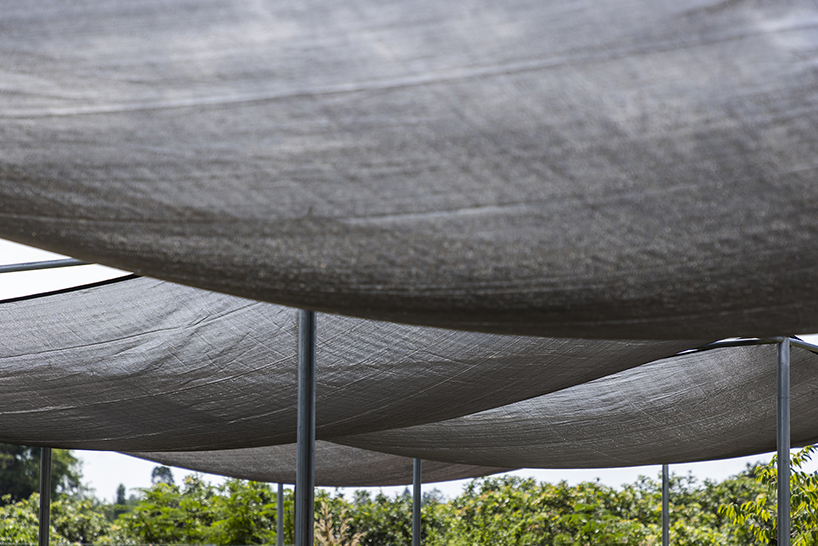
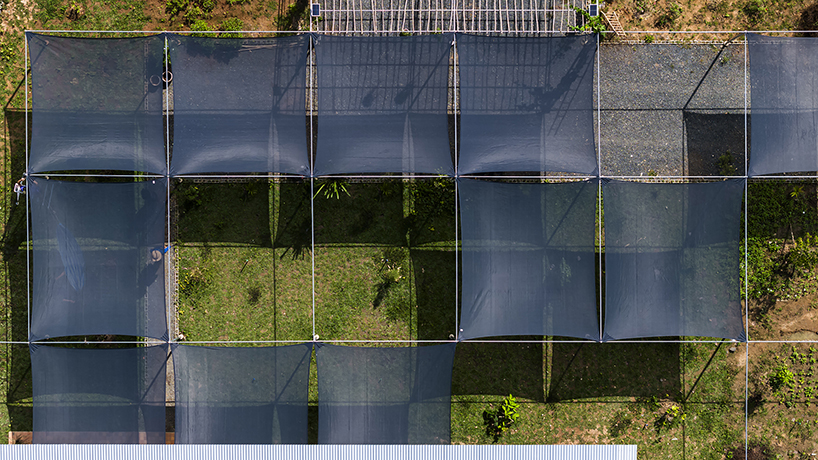
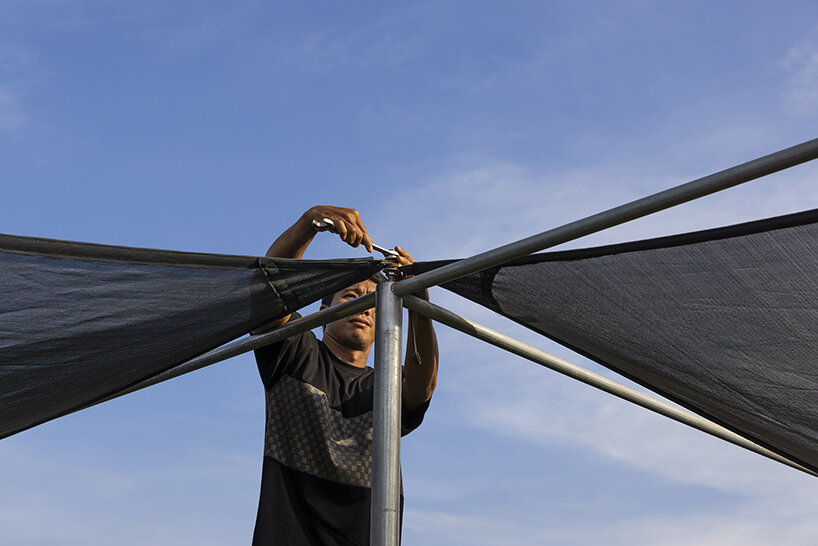
A structural grid, based on the 390mm wide concrete block module, extends across the entire plot, with a forest of steel columns supporting the structure. Mass-produced steel pipes, cut and embedded in concrete footings deep enough to omit ground beams, provide the framework where translucent tarps can be installed. As they can be easily detached and relocated by hand, residents can adapt the shadows as desired, according to the solar angle that changes from south to north over dry and wet seasons.
1/4
project info:
name: House in Ba Ria Vung Tau
location: Vietnam
architect: Studio Anettai
design team: Takahito Yamada, Nobuhiro Inudoh, Moe Watanabe, Nguyen Tue Chan, Nguyen Ngoc Tu
designboom has received this project from our DIY submissions feature, where we welcome our readers to submit their own work for publication. see more project submissions from our readers here.
shop
your own online design shop — no sales commission collected